Most F&B owners start the hunt for the best cameras for photography with the same question: “What camera should I buy?” It’s a fair question and also a slightly dangerous one especially without first considering why the best camera isn’t always the most expensive one.
Because camera buying is like knife buying. A chef doesn’t pick a knife based on price or hype alone. They pick it based on what they’re cutting, how fast service moves, and what the final dish needs to look like. Camera choices work the same way. The right camera for a hawker stall taking pictures for a daily special is not the same “best camera” or perfect camera for a fine-dining restaurant shooting a cookbook or a website hero banner.
This guide gives you a practical equipment matrix built around real-world use in Singapore’s F&B scene; an approach Food Photographer Studio uses when advising F&B teams on camera choices that actually work in daily operations. It’s not just a generic “top 10” list. Just what makes sense based on your output, your team, your workflow, and the kind of professional results you actually need. Whether you’re using a simple point and shoot for quick snaps or a more advanced system to shoot stills with precision, this will help you find the right fit.
Best Cameras for Photography: Start With the Output, Not the Camera
Before we talk digital cameras, pick your “destination”:
Daily content: Stories, quick posts, behind-the-scenes (speed > perfection)
Menu + delivery platforms: clarity, consistency, readable portions (repeatable look)
Website + campaigns: brand polish, controlled mood (higher image quality)
Print: resolution, clean files, reliable colour (no shortcuts)
Once you know where the pictures will live, choosing a modern camera becomes simple. Now let’s break it down by business stage.
Compact Camera and Phone Setup: Hawker and Kopitiam Level
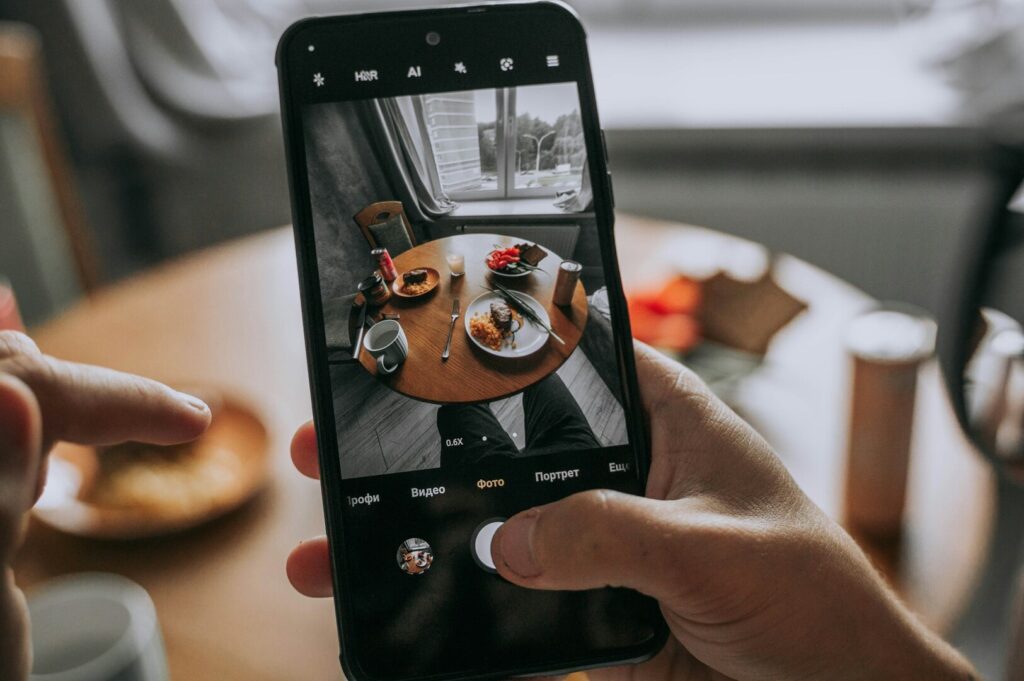
If your priority is speed, volume, and authenticity, the smartest “first camera” is often the one you already have.
Why A Phone Can Be The Best Camera First Camera for Daily Marketing
Modern phones are capable compact cameras in practice: fast to use, always ready, and good enough for social platforms. They also handle exposure automatically in ways older digital cameras can’t, especially when you’re taking pictures quickly.
Phone strengths in F&B:
fast workflow (shoot → edit → post)
strong computational “image quality”
decent low light recovery for casual content
easy consistency if the same person shoots daily
When An Entry Level Camera Actually Helps
If you’re ready to level up beyond a phone, consider an entry level camera that’s still lightweight and practical.
Good starting mirrorless cameras for F&B:
Sony a6400: strong autofocus system, excellent image quality, good for quick service environments
Fujifilm X-T30 II (or similar Fujifilm X bodies): great colour, tactile controls, a “street photography” friendly feel that suits hawker and café scenes
Why these beat phones:
more control over shutter speed (helps stop motion and reduce blur)
better low light performance with larger sensors
interchangeable lenses for cleaner perspective
more natural background separation without “portrait mode” artifacts
If you’re mostly shooting hawker food, kopi setups, and street scenes, this level is often the sweet spot.
Digital Cameras for Brand Consistency: Café and Casual Dining Level
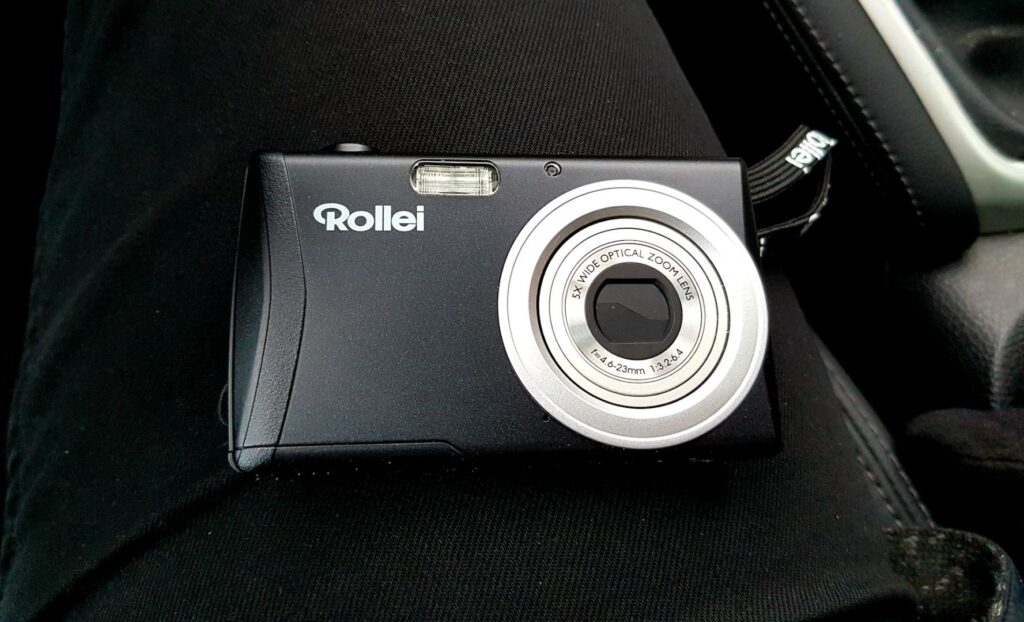
Once you’re building a brand (not just posting), the goal changes. You want:
consistent photos across menu, website, and delivery platforms
reliable colour and texture
files that don’t fall apart when cropped
This is where mid-range mirrorless models shine and where you start thinking about systems and lens options, not just camera bodies.
Full Frame vs APS-C Sensor in Real World Use
A full frame sensor generally gives:
better dynamic range
stronger low light performance
easier shallow depth (food pops, background blur looks natural)
But an APS-C sensor can still deliver professional photography quality when used well especially with good light and the right lens.
Reliable Mid-Range Mirrorless Cameras to Consider
Sony a7 IV (full frame): excellent image quality, wide dynamic range, strong hybrid for teams who also shoot video
Canon EOS R6 Mark II (full frame): very reliable autofocus, strong low light performance, great for fast service conditions
Fujifilm X-T5 (APS-C): super sharp results, strong in-body image stabilization, great for cafés and menu sets
At this level, pay attention to:
in body image stabilization (helps when you can’t tripod)
battery life (longer battery life matters in real shoots)
the autofocus system (especially for action plating and steam moments)
A Practical Lens Kit That Makes Sense
Instead of buying “other cameras,” budget for lenses. Lens selection matters more than most people expect.
A simple, effective kit:
35mm or 50mm (general food + environment)
macro lens (close details: texture, sauces, garnish, crumbs)
This setup alone will take you much closer to professional results than upgrading camera bodies repeatedly.
Full Frame and Flagship Models: Fine Dining and Premium Brands
For fine dining, luxury campaigns, cookbooks, and high-end websites, you’re paying for consistency at the top end. This is where “no compromise” isn’t a slogan, it’s the job.
What You’re Buying at this Tier
cleaner low light performance in dim dining rooms
stronger dynamic range for shiny plates and reflective sauces
files that hold up for print, cropping, and retouching
durability and build quality for demanding workflows
Flagship Models Commonly Used in Professional Photography
Canon EOS R5 (full frame): high resolution, strong video features, reliable autofocus
Sony a1 (full frame): high-end hybrid, incredible video and speed
Nikon Z9 (full frame): exceptional build quality and autofocus performance
These aren’t “best cameras for photography” because they’re expensive. They’re best when the output demands it.
When Medium Format Actually Makes Sense
If you’re doing premium print work or cookbook-level detail, medium format can be worth it. That “extra resolution” and colour depth is real but it’s also slower, heavier, and less forgiving.
It’s a specialist tool, not a default choice.
Canon Camera Systems: Canon EOS and Why Teams Choose Them
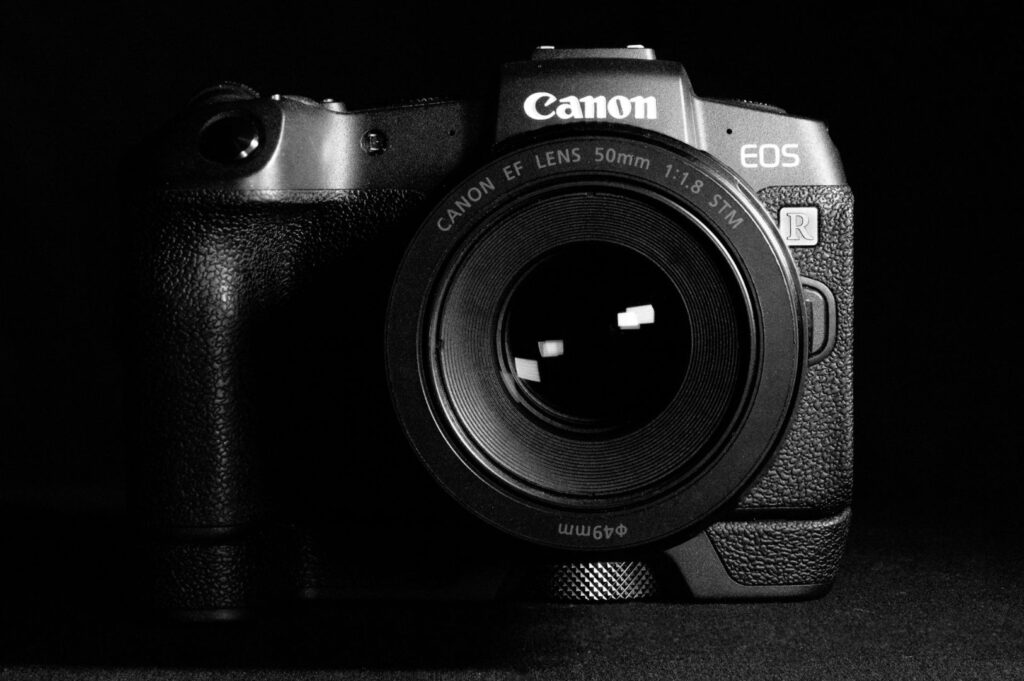
You’ll see a lot of Canon EOS bodies in commercial food shoots, especially within the Canon EOS R system.
Why teams choose a canon camera system:
strong lens selection and consistent colour
reliable autofocus in mixed restaurant lighting
practical workflow features like dual card slots (backup matters)
good ergonomics for long sessions
For a working business, these details matter more than “spec sheet flex.”
Fujifilm X: When You Want a Specific Look for Street Scenes
The Fujifilm X line gets chosen for a reason: it can deliver beautiful photographs with a distinctive feel, especially for street photography and hawker storytelling.
It’s not automatically “better.” It’s just a fantastic camera choice when you want:
strong colour character
a lighter kit for travel photography and compact size
a more documentary-style approach
This is useful for brands that want hawker energy or casual authenticity without looking messy.
Battery Life, Autofocus Performance, and Build Quality: The Unsexy Features That Save Shoots
When people ask for the “best camera,” they usually mean image quality. But in F&B, three practical specs often matter more:
Extended battery life / better battery life: because shoots don’t pause for charging
Excellent Autofocus performance: because food moments don’t repeat perfectly
Build quality: because kitchens are humid, busy, and unpredictable
A camera that’s “amazing” on paper but unreliable in real world use becomes expensive stock sitting on a shelf.
The “Don’t Buy a Camera” Scenario: When Gear Is the Wrong Investment
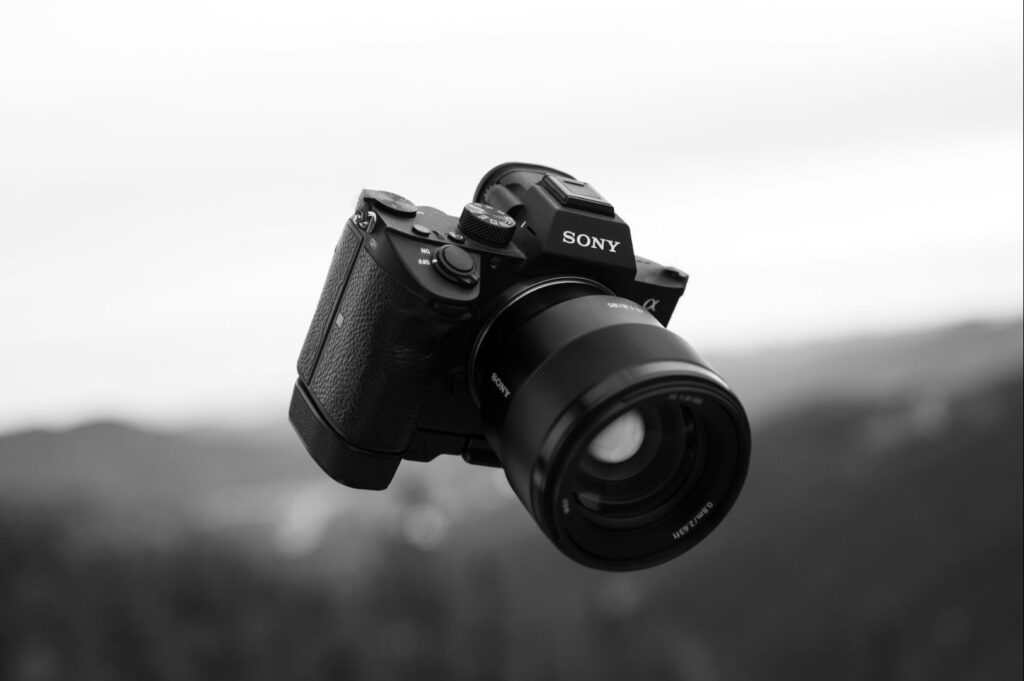
Here’s the honest version: sometimes the smartest move is not buying a camera.
A $5,000 kit won’t produce professional results if:
nobody has time to learn camera settings
nobody understands light
dishes aren’t styled consistently
editing is rushed or inconsistent
That same budget can fund a few strategic professional shoots giving you not just a professional camera, but professional lighting, styling discipline, and predictable output.
For many F&B brands, the best approach is hybrid:
phone for daily content
quarterly professional photography for menu, delivery platforms, and campaigns
Conclusion: The Best Camera Is the Right Camera
The best cameras for photography in Singapore F&B are the ones that match your business stage, output needs, and team capability, ensuring they are suited for professional use and supporting your photography journey.
Hawker and kopitiam: keep it fast, use a phone or a light entry-level camera as your perfect camera for quick, authentic shots.
Café and casual: invest in consistency with mirrorless cameras and good lenses that are incredibly versatile for various shooting scenarios.
Fine dining: use full frame systems when quality and polish are non-negotiable, delivering professional results every time.
Most modern cameras can produce great photos. The difference is whether your workflow, lighting, styling, and editing support the camera you choose.
If you want help deciding what makes sense or you’d rather skip the gear stress and focus on running the kitchen, you can always use your phone for daily content and lean on professional photographers for your high-impact images. Explore more at the Food Photographer Studio.