Photography Techniques & Tips
Do Restaurants Get The RAW Files? What Final Delivery Really Means
The shoot has ended, the dining tables are back in place, and the chef has finally stopped sending out “one last dish.” A few days

The shoot has ended, the dining tables are back in place, and the chef has finally stopped sending out “one last dish.” A few days
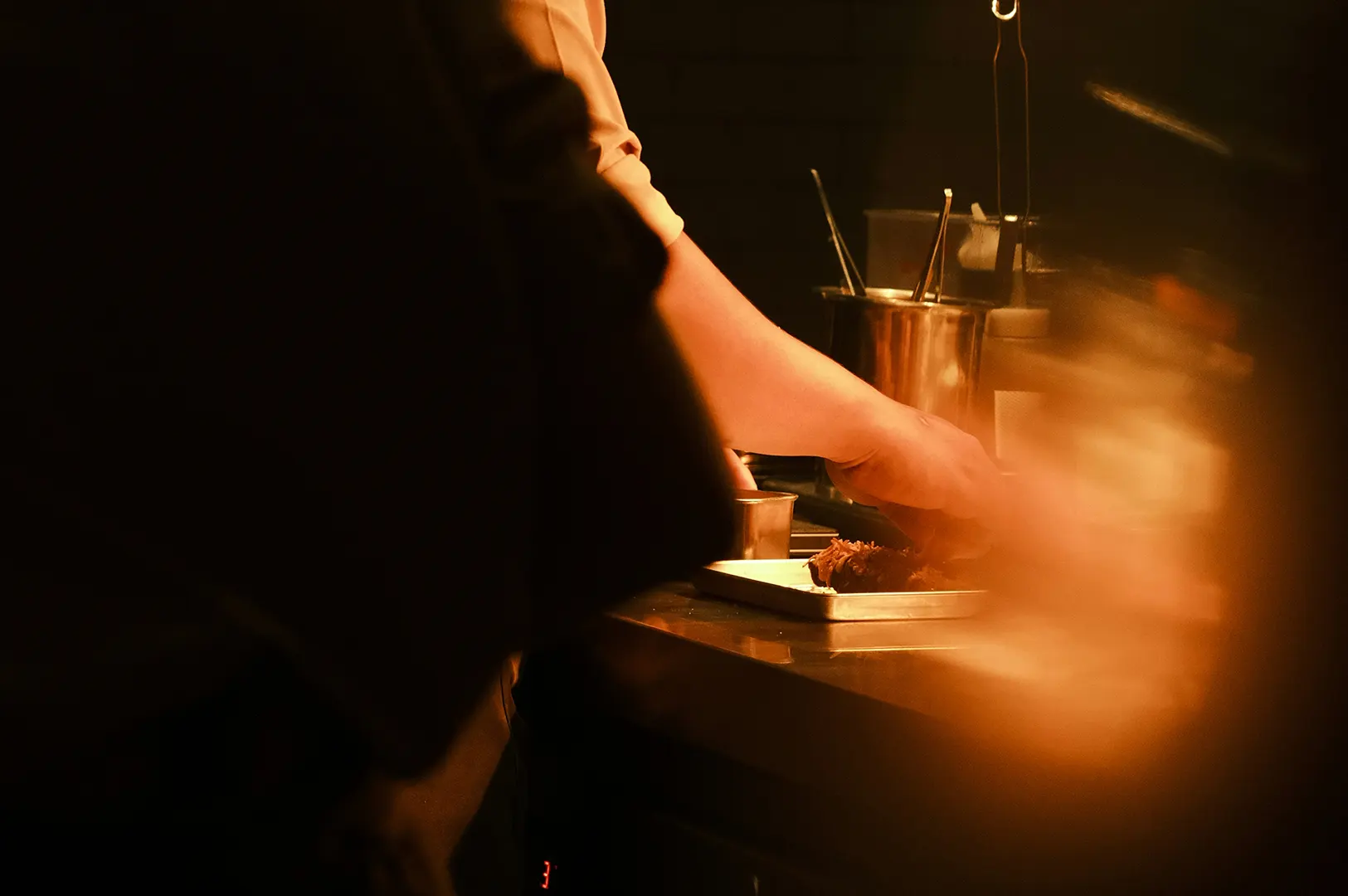
Food shoots become more complicated the moment a person steps into the frame. A chef may hold a finished plate beside the pass. A server
The request usually sounds harmless. “Can you send us three high-resolution images?” It might come from a PR agency preparing a media pitch. A food
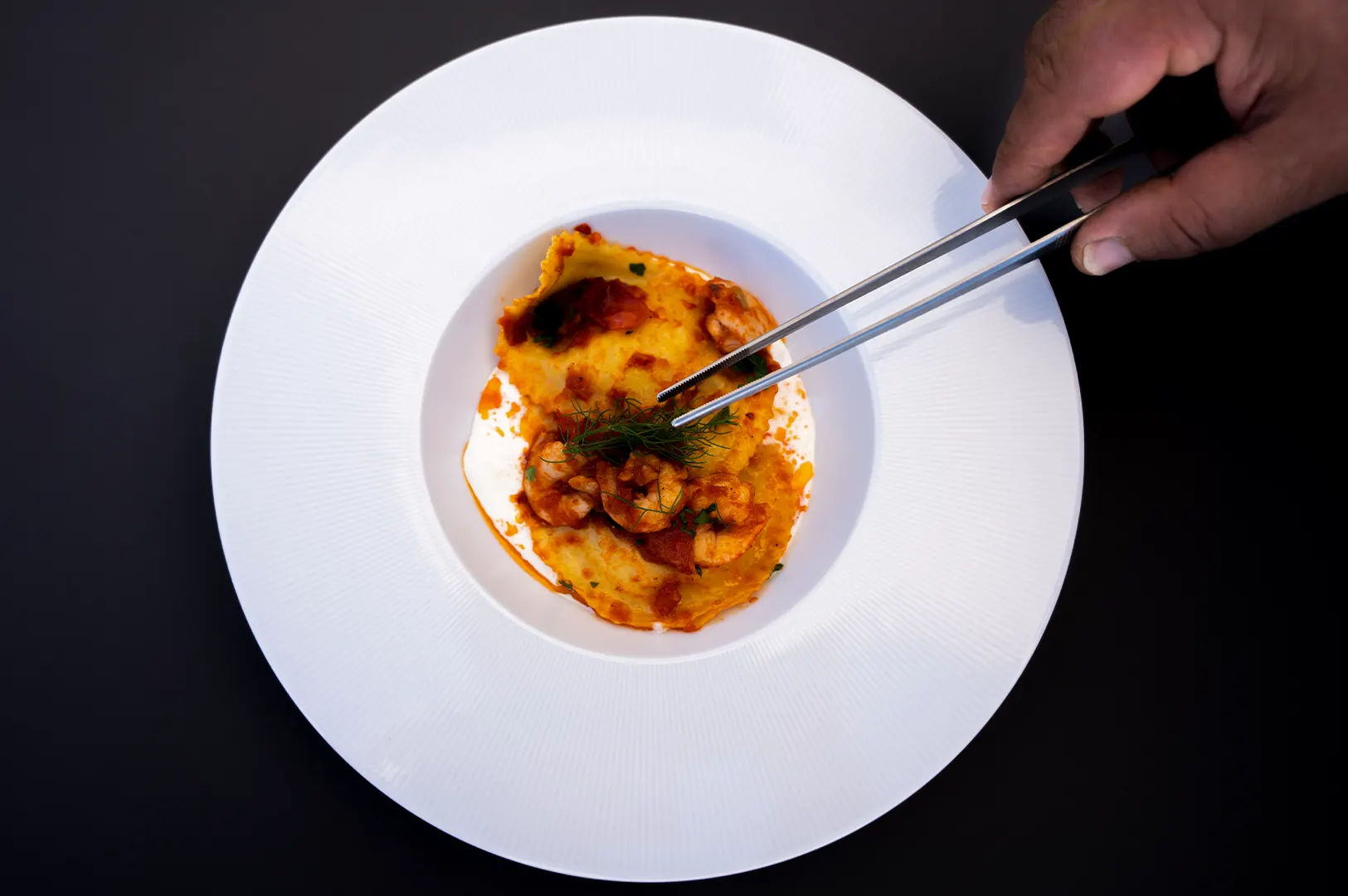
We have watched restaurant photographs travel much further than the original shot list suggested. A bowl of dry laksa begins as a menu image. The
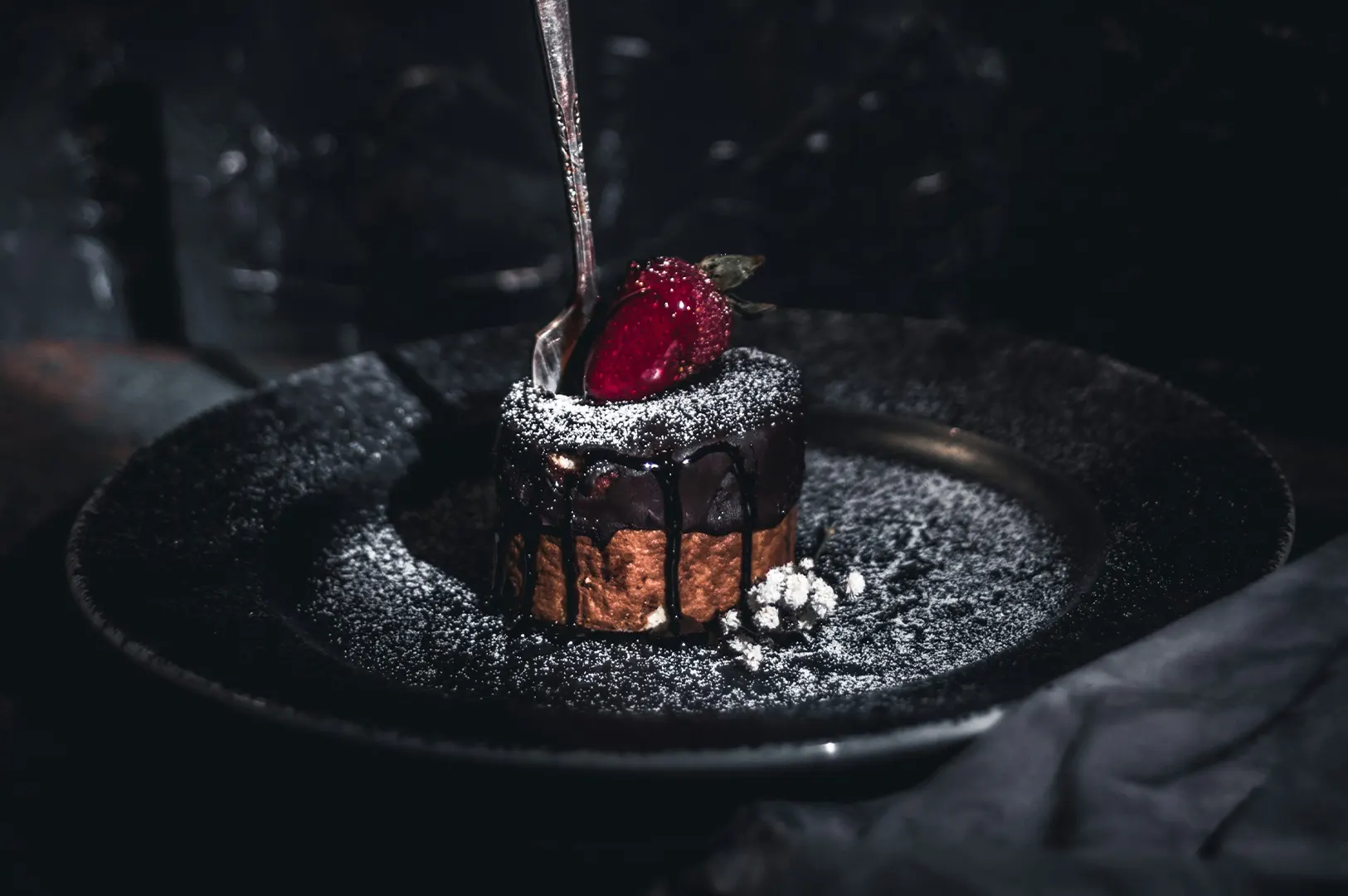
We have photographed dishes that looked perfect on the back of the camera, then behaved very differently once they left the studio setup. A wide

The first dish was ready. The lights were in place. Then the next five plates arrived at once. The chef needed them back quickly for

The word buyout often appears near the end of a photography conversation. The menu has been discussed. The chef has chosen which dishes can survive

We have seen the word licence make restaurant owners pause. It can sound as though the photographs are being held back. The restaurant paid for

The photographs have been delivered. Your team has downloaded the high-resolution folder, added a few images to Instagram, and sent the new menu cover to

We have had shoots where the food is already off the table, the lights are packed, and the final files have been delivered before someone