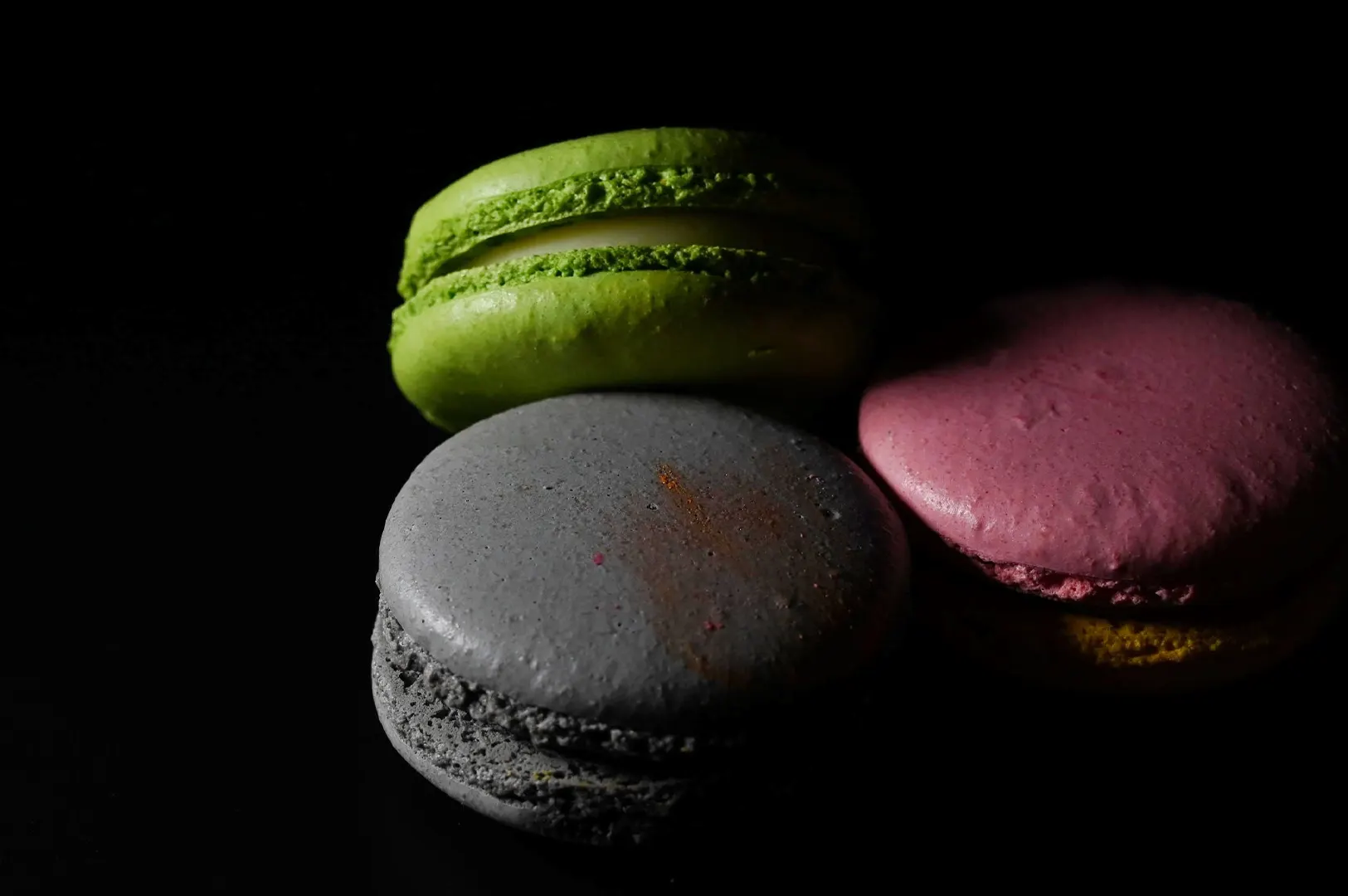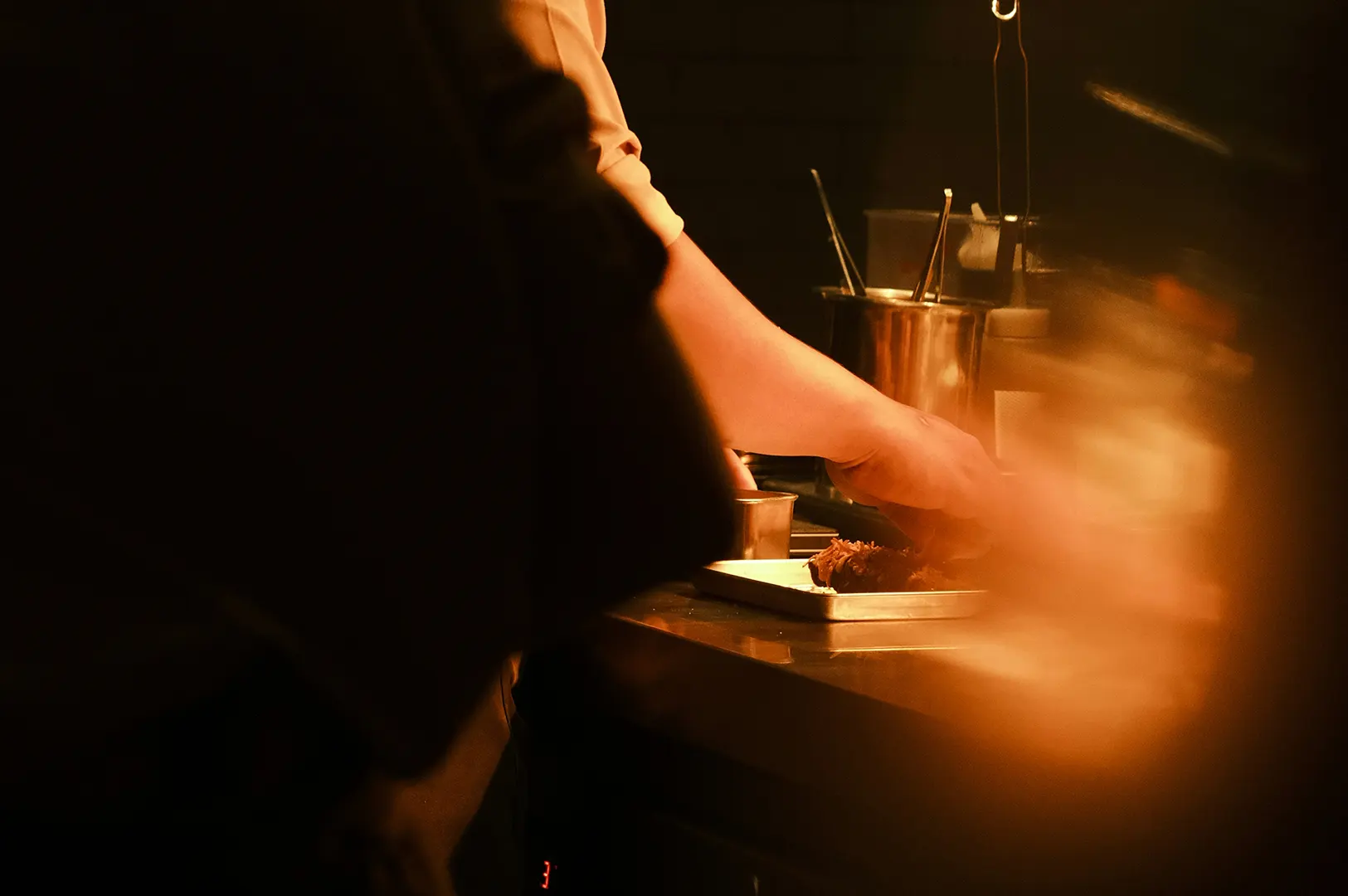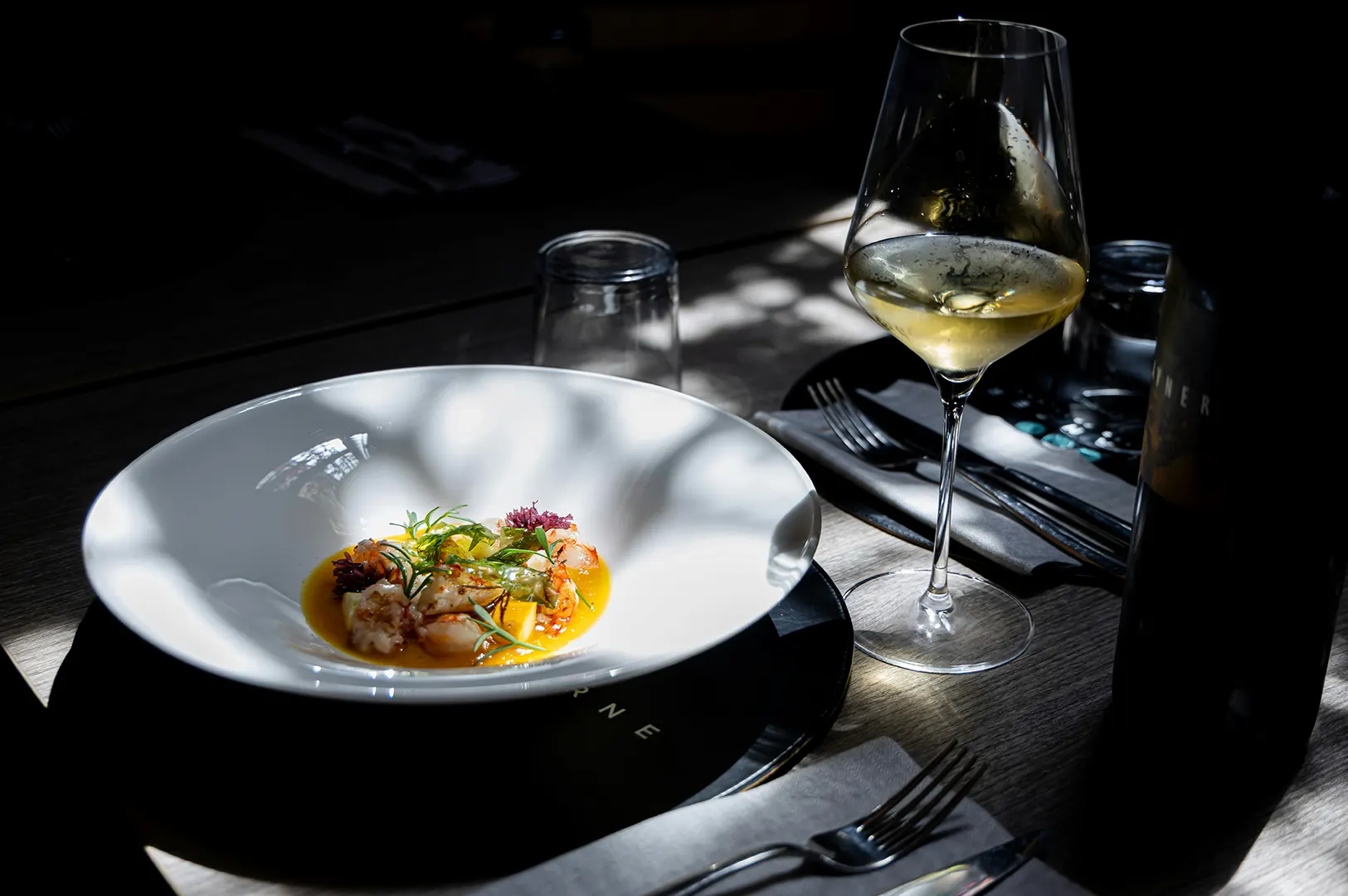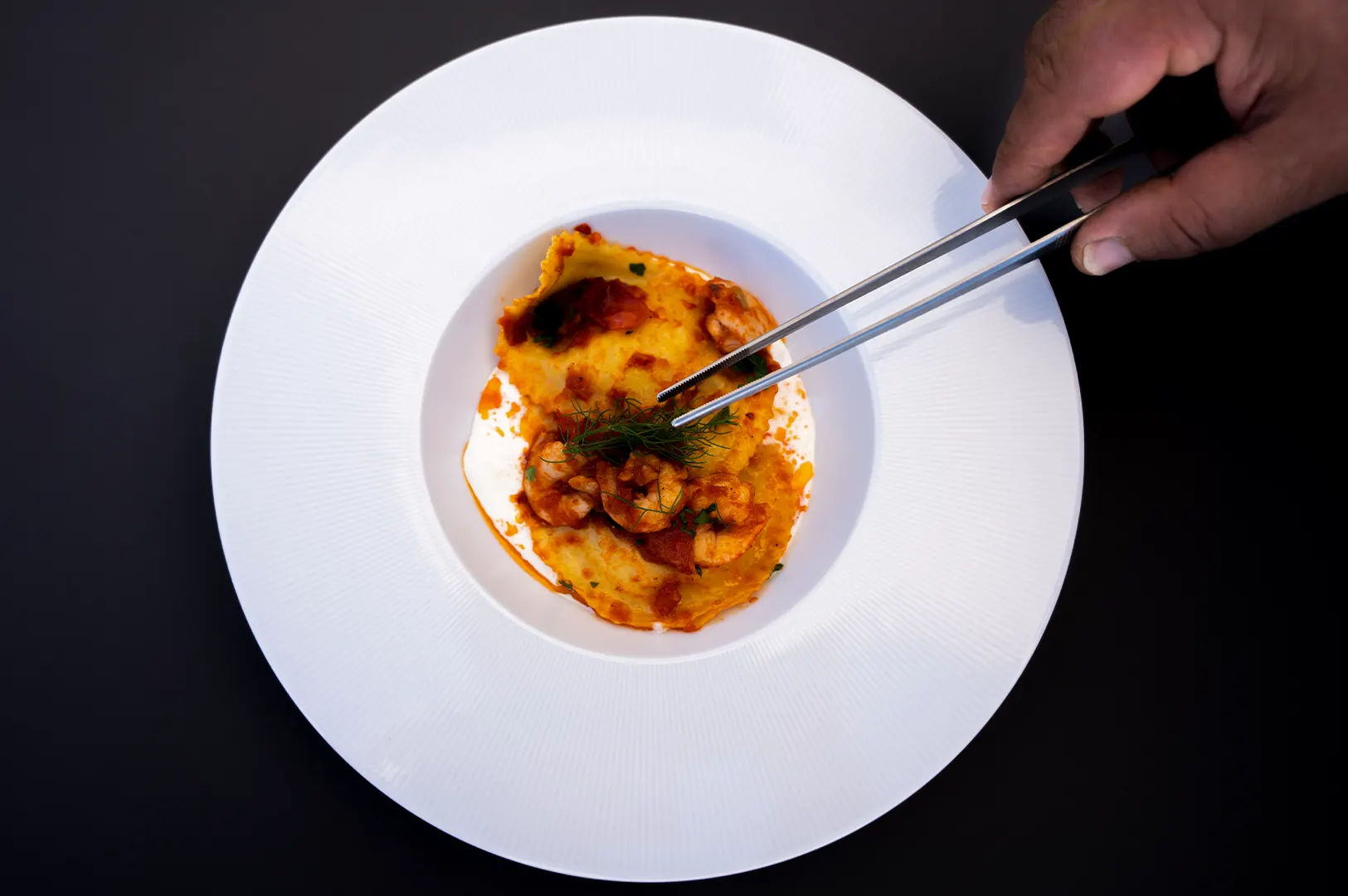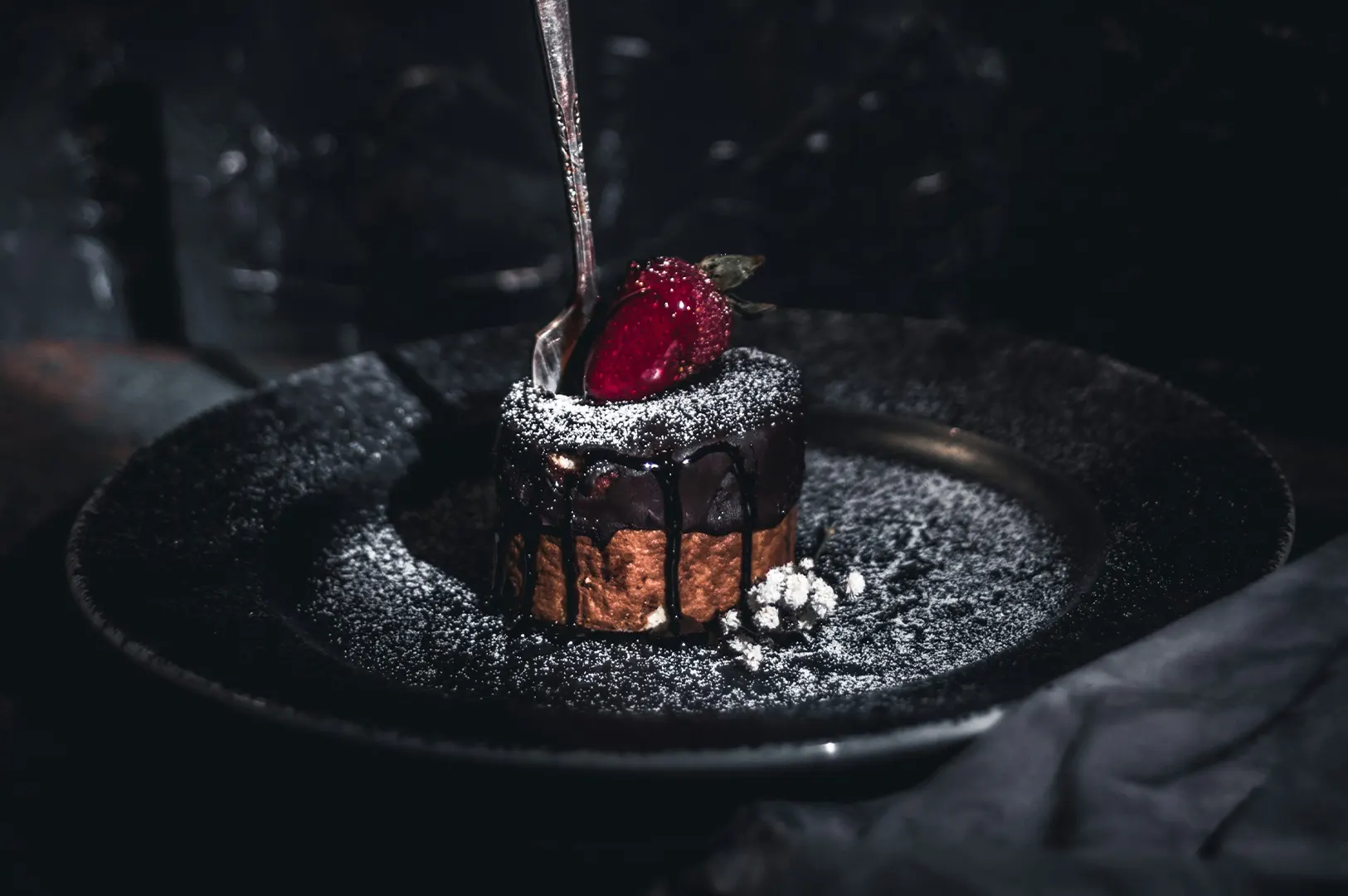
In food photography, what’s NOT in your frame is just as important as what is. Understanding the concept of negative space in photography helps explain why empty areas can be just as powerful as the subject itself. In food styling, negative space the intentional use of empty space around the main subject, plays a powerful role in creating beautiful images that speak volumes.
Scroll through your favorite restaurant Instagram accounts. The photos that catch your eye usually feature a perfectly plated dish surrounded by calm, uncluttered areas. This strategic emptiness isn’t accidental; it’s a deliberate design choice that guides the viewer’s eye and enhances the subject’s presence.
Understanding Positive and Negative Space in Food Styling
To master negative space, you must grasp the balance between positive and negative space. Positive space is the main subject, the food itself. Negative space is the empty area surrounding it. Together, they create visual balance and harmony in photographic composition.
How negative space works in food photography is by providing breathing room, allowing the subject to stand out clearly. It prevents the image from feeling cluttered or overwhelming. Stylists carefully select backgrounds, props, and textures to support negative space without distracting from the main focus. For example, a rustic wooden board or a smooth marble surface can create contrast and texture in the area surrounding the dish, enhancing the overall composition.
How Negative Space Draws Attention and Evokes Emotions
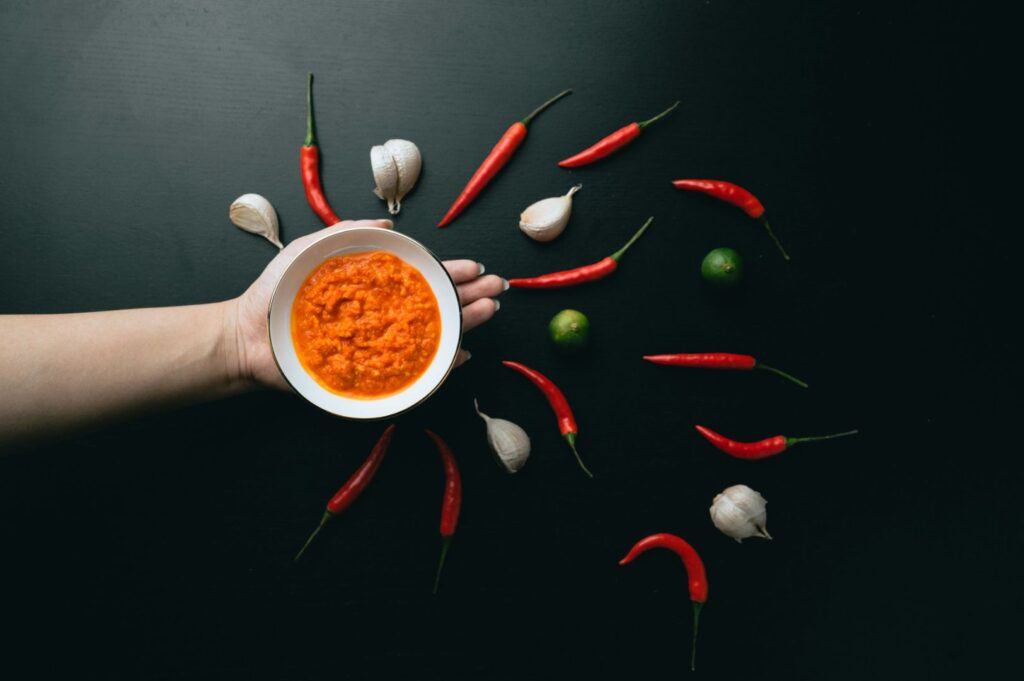
Negative space affects the viewer’s perception by directing attention and creating mood. It draws attention to the subject’s form and details, such as the glistening sauce or the texture of fresh herbs. This contrast between the main subject and the empty space creates a focal point that naturally attracts the viewer’s eye.
Beyond focus, negative space evokes emotions. It can create a sense of elegance and refinement, suggesting that the food is worthy of attention on its own. Negative space also conveys scale, making a small subject appear significant or a lone figure commanding the frame. However, too much negative space can backfire, making the subject look isolated or insignificant. Conversely, a crowded image with distracting elements overwhelms the viewer and dilutes the message.
Achieving balance is key. The right amount of negative space creates the desired effect, whether that’s modern minimalism, rustic warmth, or vibrant abundance, and speaks volumes about your brand’s story.
Challenges in Creating Negative Space Images
Creating effective negative space images in food photography can be challenging, especially in real-world settings. In busy environments, such as Singapore’s vibrant F&B scene, backgrounds often include patterned tiles, textured walls, or eclectic furniture that compete for attention. Lighting conditions may vary between hard light from windows and artificial overhead lights, producing uneven shadows.
Photographers overcome these challenges by mastering negative space through careful surface selection, portable backgrounds, and precise lighting control. Eliminating distracting elements and balancing visual weight ensures the viewer’s attention stays on the main subject.
Master Negative Space: Five Essential Food Styling Techniques
Here are five practical techniques to create and use negative space intentionally in food photography:
1. The Rule of Thirds and Focal Point Placement
Using the rule of thirds, place your main subject off-center at one of the grid intersections. This leaves two-thirds of the frame as negative space, creating dynamic tension and guiding the viewer’s eye naturally to the focal point. This technique leverages negative space work to create balance and invite the viewer into the story.
2. Overhead Shot Strategy
Overhead or flat lay shots give total control over composition. Arrange plates, cutlery, and props to form shapes of negative space that frame the subject. Props can act as subtle boundaries, managing visual weight and enhancing the subject’s form and scale.
3. Vertical Shots for Social Media
For vertical formats like Instagram Stories or TikTok, leave generous negative space at the top and bottom to accommodate text overlays and UI elements. This ensures your subject remains the main focus while adapting to platform-specific needs.
4. Shallow Depth of Field and Background Blur
When backgrounds are cluttered, use a wide aperture to create shallow depth. This technique blurs distracting elements, effectively creating negative space through soft textures. The subject remains sharp, drawing attention with clear contrast.
5. Using Light and Texture to Enhance Negative Space
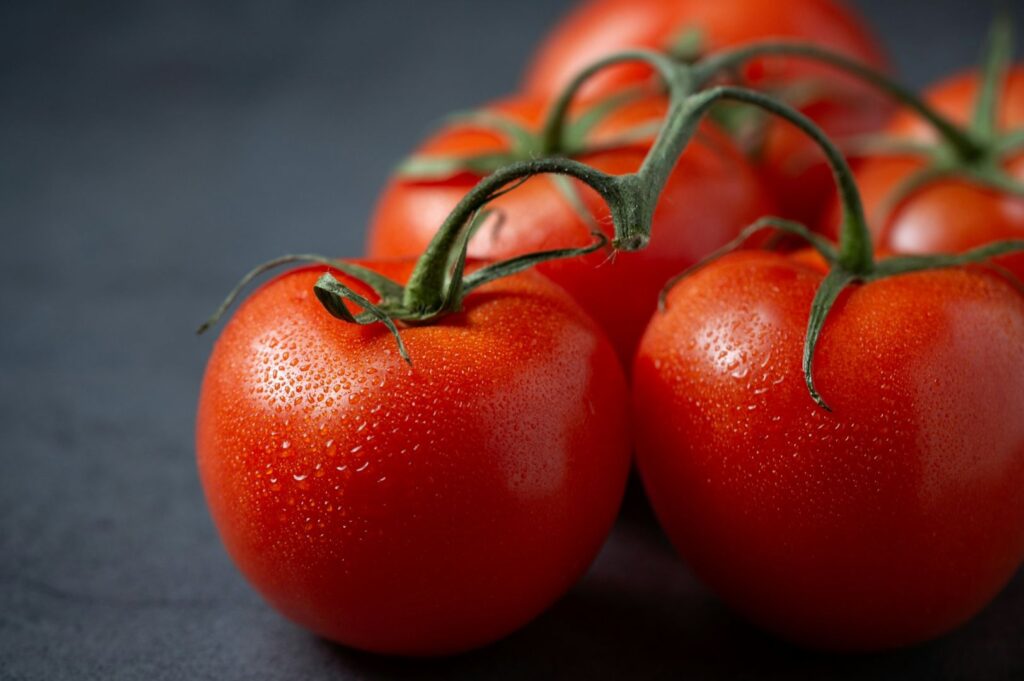
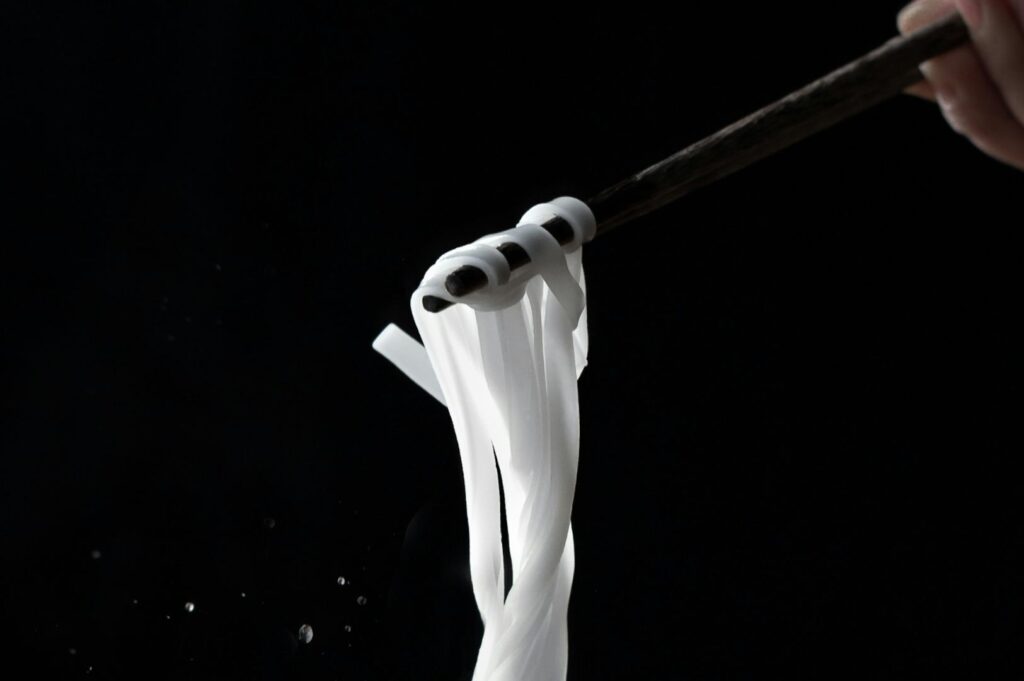
Negative space doesn’t have to be empty or flat. Interesting textures like wood grain, fabric weave, or stone patterns can complement the dish without competing for attention. Hard light creates dramatic shadows that form shapes of negative space, while gentler shadows evoke softer moods. Thoughtful use of light and shadow balances positive and negative space, supports the subject’s form, and evokes emotion.
Common Mistakes to Avoid in Negative Space Photography
Avoid these pitfalls to maintain the strength of your negative space images:
Too Much Negative Space: Excessive emptiness can make the subject appear insignificant or lost.
Inconsistent Style: Mixing tightly cropped shots with vast empty spaces fragments brand identity.
Improper Camera Angle: Shooting too low can compress space and eliminate intended negative space.
Competing Elements: Two elements vying for attention confuse the viewer and dilute focus.
Ignoring Platform Needs: Images that look elegant on desktop may appear cramped or unclear on mobile.
A good rule is to consider the story you want to tell, minimalism, abundance, or approachability, and let that guide your use of negative space.
Conclusion
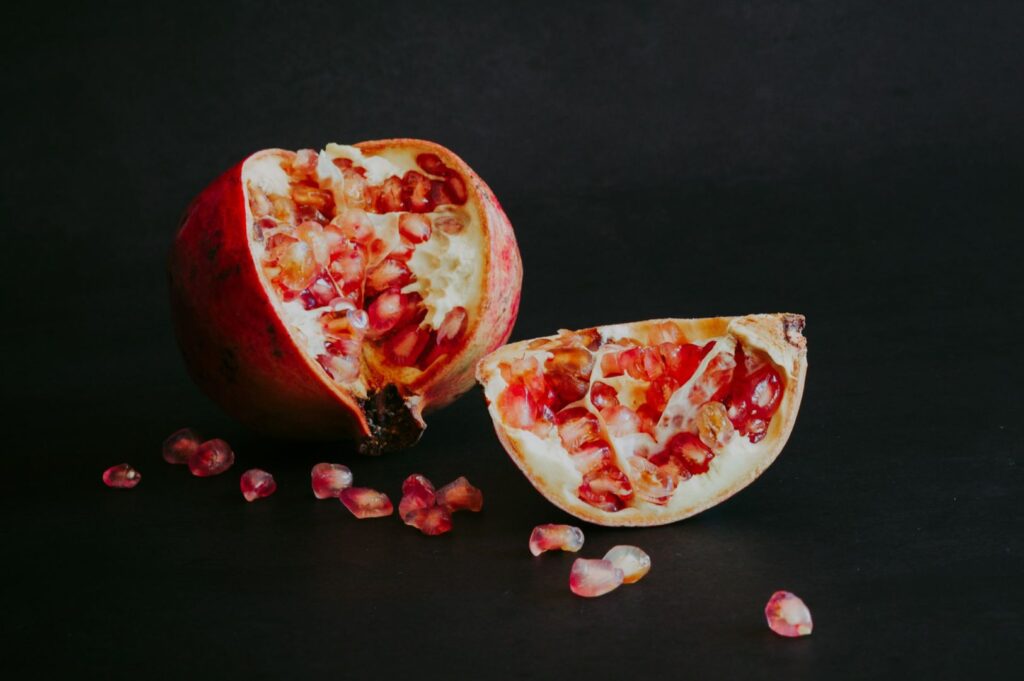
Mastering negative space in food styling is a powerful tool in food photography. It creates balance, draws attention, and evokes emotions by harmonizing positive and negative space. Whether inspired by street photography’s use of space, portrait photography’s focus on the subject, or landscape photography’s sense of scale, negative space work enhances every image.
By thoughtfully composing your shots, managing light and texture, and adapting to different platforms, you can create beautiful images that make your dishes irresistible and speak volumes about your brand.
Learn more about how negative space in photography can elevate your food images and master this essential art to create stunning, balanced photographs that captivate your viewer’s eye.