Stop searching for the “perfect” camera for beginners. The restaurant down the street just posted menu photos shot on a 10-year-old digital camera, and they’re getting more orders than competitors with the latest mirrorless camera gear.
It’s a common story in the digital camera world, especially among beginner photographers and Singapore F&B owners. You start the journey looking for the best camera, only to end up paralyzed, reviewing specs, comparing camera brands, reading about every advanced feature, but not shooting. The truth: the best beginner camera isn’t the latest full frame camera with endless camera settings, but the one that helps you master composition, lighting, and food styling right away.
This guide focuses on what actually helps you shoot photos with excellent image quality and practical ease, not what marketing wants you to believe.
Why Choosing the Best Beginner Camera Actually Matters (But Not How You Think)
Let’s tackle the biggest myth in digital photography: expensive cameras always mean great image quality. Many believe a top Canon EOS or the newest Olympus OM D E model will make their food photos shine. But the real answer is simpler, the best camera is whatever digital camera makes you shoot, experiment, and improve.
A great camera that stays in your bag because it’s intimidating or heavy won’t help you create stunning food images. A reliable but cheap camera with easy manual controls will do more to build your skills. Today’s mirrorless camera and DSLR camera models, whether entry-level or mid-tier, offer superb image quality right out of the box. For photography beginners, understanding exposure settings, controlling shutter speed, and adjusting aperture priority mode are what unlock better image quality, not obsessing over megapixels or sensor size.
Even a compact camera or point and shoot camera, when paired with good light and careful styling, can outperform a pricey full frame camera handled by a beginner photographer unsure of the basics.
The Three Camera for Beginners Features That Matter for Food Photography
So, what really makes a camera for beginners ideal for shooting food?
Feature 1: Manual Controls (and Why They Matter)
No matter the camera brand, look for manual controls that help you master the settings essential for food photography. You want to be able to easily access aperture priority mode, adjust manual focus, dial in specific exposure settings, and test cameras with different shutter speed and ISO combinations. The goal is to understand how your image sensor, lens selection, and camera body’s options work together for great results.
Without manual controls, you’re stuck hoping the camera will figure out what you need, a recipe for frustration. Whether you use a DSLR camera, mirrorless camera, or even a more advanced compact camera, you need access to these adjustments. This is what separates beginner photographers who grow from those who plateau.
Feature 2: Low Light Performance, Image Stabilization, and Handling
Food shots are often taken in dim interiors where low light can ruin your image quality. Here, sensor size counts: full frame and APS-C sensors generally outperform compact camera sensors in low light, but today’s micro four thirds and newer compact bodies are catching up. Look for models with in body image stabilization (like Olympus OM D E or Fujifilm camera lines) or optical image stabilisation in the lens itself. These features allow for slower shutter speeds when shooting handheld, reducing camera shake and keeping images sharp.
A phase detect autofocus or hybrid autofocus system ensures your main dish is in focus, even under artificial light. Compact camera models, especially those with excellent image quality, can thrive in a small café or cramped kitchen where setting up a DSLR might not be feasible.
Feature 3: RAW Files, Screen & Viewfinder Visibility
Shooting in RAW format is a must for final image quality. It gives you the dynamic range and detail needed to adjust lighting and colors during editing, a huge help for food photos. Entry-level models now almost always support RAW, but double-check when comparing the best cheap camera options.
Also, check for a good electronic viewfinder, vari angle touchscreen, or quality optical viewfinder. This matters when you’re composing images in bright conditions or odd angles (flat lays, overhead shots, or tight spots). These features also help you focus accurately, especially with manual focus lenses, ensuring your shots stand out in the digital camera world.
What to Ignore in Camera Specs for Food Photography Beginners
There’s a long list of features the camera industry talks up that offer little benefit for food photography beginners:
Excessive megapixels: Anything over 16-20MP is more than enough for web, print, and menu use.
Continuous shooting speed: Great for wildlife and sports photography, but food stays still!
Video recording at 4K+: Unless your goal is vlogging camera content, skip video-first camera specs.
Film simulation modes: Fun, but irrelevant until you master lighting, focus, and color.
Advanced features: Pro autofocus, face detect, 240fps, etc., not critical starting out.
Full frame camera vs APS-C: APS-C or micro four thirds models produce excellent image quality with smaller, more affordable camera bodies.
Battery life for 8+ hours: Only necessary for all-day events; most entry-level models offer enough.
Best camera lens with max versatility: Start with a kit lens, then expand as your style develops.
The bottom line: lightning-fast features don’t help if you’re not controlling exposure, focus, and composition.
Understanding Your Camera Options: DSLR, Mirrorless, Compact Camera & More
DSLR vs. Mirrorless Camera: The Best Digital Camera for Beginners?
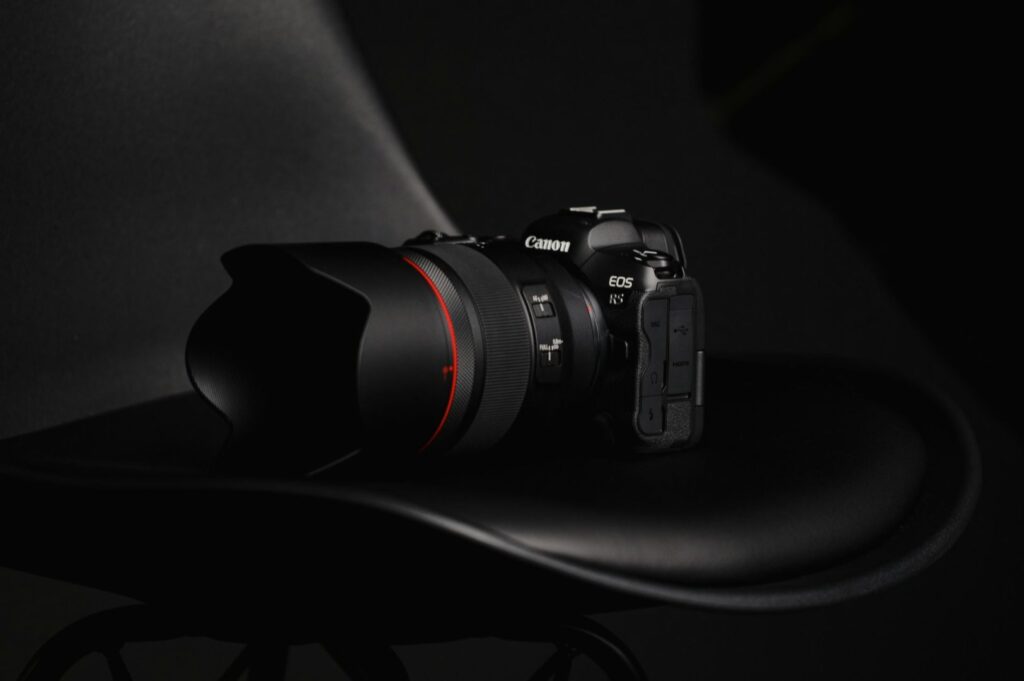
A DSLR camera (digital single lens reflex) like Canon EOS offers intuitive dials, reliable battery life, and plenty of camera lens choices. Downsides? Bulky and less practical for candid restaurant or café shooting.
A mirrorless camera like the e m10 mark iv, om d e m10, or best Fujifilm camera series is lightweight, with electronic viewfinder previews of what your final image will look like. These models often include better image stabilization, a compact body, and easy-to-use vari angle touchscreen controls. Mirrorless cameras now dominate the best beginner camera space in Singapore, thanks to their quick learning curve and excellent image quality.
Compact Camera, Point and Shoot Camera & Bridge Cameras
Don’t overlook fixed lens compact camera options or a durable point and shoot camera. In small kitchens and tight dining rooms, compact body cameras shine. They’re less conspicuous, ideal for candid shots, behind-the-scenes, or quick menu updates. Bridge cameras, with large zoom capacity and hybrid features, fill the gap if you want a fixed lens with more control and a single camera for handheld shooting in any scenario.
Models like Olympus OM D E M10 Mark IV, Canon EOS M50, or the best Fujifilm camera X series are favorites among Singapore’s aspiring food photographers seeking simplicity, image quality, and value.
Matching a Cheap Camera to Your Food Photography Goals
Café Owner: Needs a flexible beginner camera for menu shots, social posts, and the occasional shoot video moment. For a deeper perspective on why gear isn’t everything, see this guide. Look for a mirrorless camera or digital camera with vari angle touchscreen and a capable autofocus system. A Canon camera, Sony, or even stylish Fujifilm camera with kit lens fits most budgets and delivers reliably great images.
Home Baker: Prioritize a best cheap camera delivering excellent image quality, a used digital camera, compact camera, or low-cost mirrorless kit can be perfect. A 50mm lens on APS-C or micro four thirds works for crisp, dynamic photos. Save the rest for lighting and props.
Restaurant Marketing Team: Choose a best digital camera robust enough for multiple users. Fujifilm and Canon offer models with straightforward menus, good hybrid autofocus, and tough build quality. This setup handles daily use and helps beginner photographers get consistent results.
Hidden Costs Sneaking Up On Photography Beginners
Many test cameras and focus on sensor size or continuous shooting speed, but forget expenses beyond the camera body:
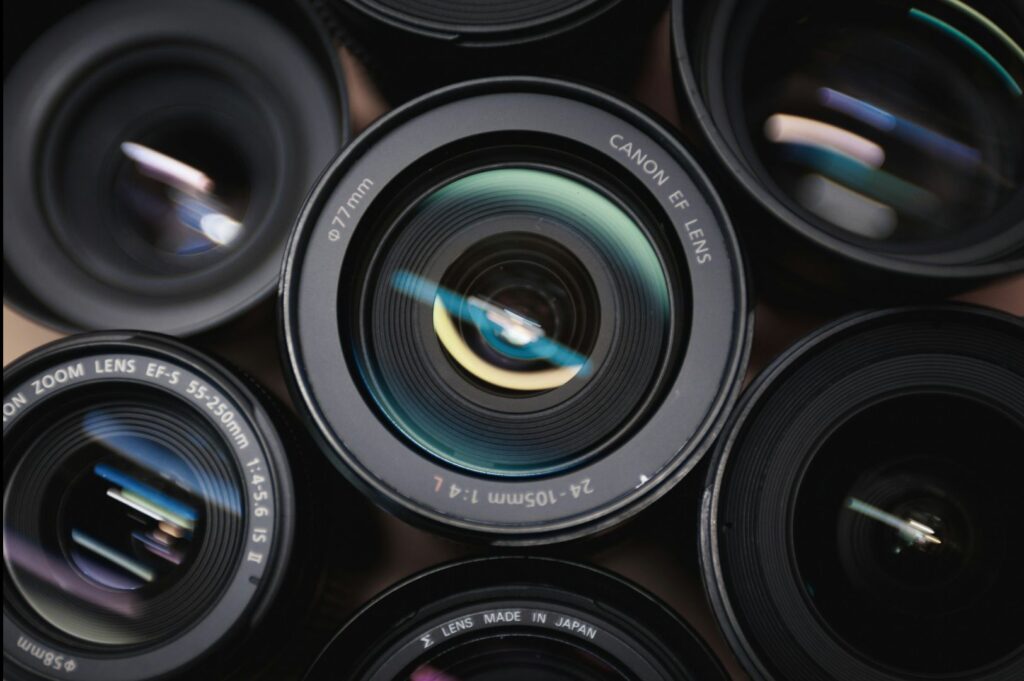
Camera lens upgrades: Prime lenses for food often outperform the default kit lens.
Better lighting: Superb image quality and true color require good light, not just a pricey sensor.
Props/backgrounds: Visual storytelling at the table often wins diners before menu text does.
Memory cards: RAW files from nearly any best beginner camera fill up cards swiftly.
Learning resources/time: The camera’s shutter remains open for only a fraction of a second, but practice is hours.
Occasionally, professional services: Sometimes, paying a pro is more cost-effective than buying a whole new setup.
Best Beginner Camera Decision Framework for Beginner Photographers
Ready to choose your beginner camera? Remember these practical questions:
Manual controls: Does it let you set aperture, shutter speed, and ISO directly?
Image quality + environment: Will you get excellent image quality in your actual locations (including low light)?
Handling + size: Can you hold it comfortably for handheld shooting? Is the compact body good for movement or tight restaurants?
Growth: Does it offer interchangeable lens cameras or are you happy with a fixed lens model?
Skill-building: Do you prefer to learn digital photography on easy kit lens setups before moving to more advanced features?
Results: Have you researched images, on Flickr, Digital Camera World, or Instagram, made with this exact model in a food context?
Budget: Can you afford the camera, a lens, and props/lighting without breaking the bank?
Conclusion: The Best Camera for Beginners? The One That Gets You Shooting
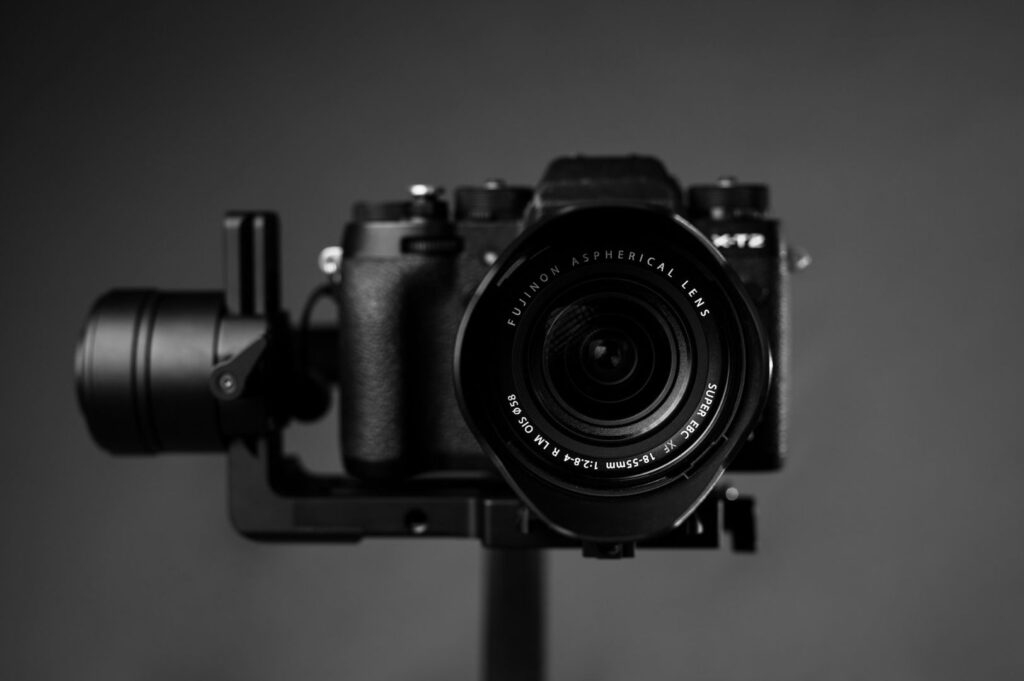
Ignore the camera industry hype: for photography beginners, the best camera for food is the one that gets out of your way, lets you create, and helps you build skill, not just specs for bragging rights. Excellent image quality depends far more on your food styling, camera settings, and lighting than on any particular sensor or camera brand. If mastering digital photography feels overwhelming, professional services from experienced photographers can deliver superb image quality, and let you focus on your menu instead.