The camera industry loves a clean storyline: mirrorless cameras are the future, and DSLR cameras are yesterday’s news. In the digital camera world, reality is messier, and for food photography in Singapore, that’s a good thing.
A DSLR camera for beginners can still be a genuinely smart first purchase in 2026, especially if your priority is learning the fundamentals while producing usable menu and delivery-app images. The trick is knowing where a traditional DSLR still wins, where it clearly loses, and what compromises you’re signing up for when you pick a camera body.
These DSLR-specific considerations fit into the broader camera selection framework discussed in our detailed guide, where we challenge common assumptions about what beginners actually need.
DSLR Camera for Beginners: Why DSLR Cameras Still Make Sense
A DSLR is a digital single lens reflex system. It’s not “better” by default, but it does offer a few practical advantages that are easy for beginner photographers to feel immediately, especially during real shoots (not showroom demos).
Better Battery Life for Long Sessions
The headline benefit is battery life. Because a DSLR isn’t constantly powering an electronic viewfinder, you’ll often get better battery life; sometimes dramatically better, than similarly priced mirrorless options. For menu shoots, long café sessions, and back-to-back dishes, fewer battery swaps is not glamorous, but it’s the difference between staying in rhythm and constantly stopping.
Optical Viewfinder Clarity in Bright Singapore Light
The optical viewfinder is another real advantage. In sunlit cafés, outdoor seating, or hawker centres, composing through an optical view can feel clearer and more comfortable than an EVF fighting glare. If you do a lot of everyday photography and occasional food work shooting outdoors, a DSLR’s viewfinder is still a pleasant tool (simple, lag-free, and familiar).
Tactile Camera Settings That Help You Learn Faster
Many entry level DSLR cameras keep the fundamentals close to the surface. You can change camera settings like shutter speed, aperture, and ISO without feeling like you’re “driving a menu system.” That tactile learning matters for a camera for beginners because it builds muscle memory: you start to understand exposure instead of hoping auto mode guesses correctly.
Strong Image Quality for the Money
A lot of beginner DSLRs use an APS C sensor and a mature DSLR sensor design that still delivers strong dynamic range and clean files in decent light. For many Singapore F&B setups (window light, diffused LEDs, controlled tabletop scenes), an entry level DSLR can deliver excellent image quality that’s absolutely commercial-usable.
And because the market is mature, you can often buy a used camera with good performance at a sensible price.
When a Beginner DSLR Camera Is the Wrong Tool
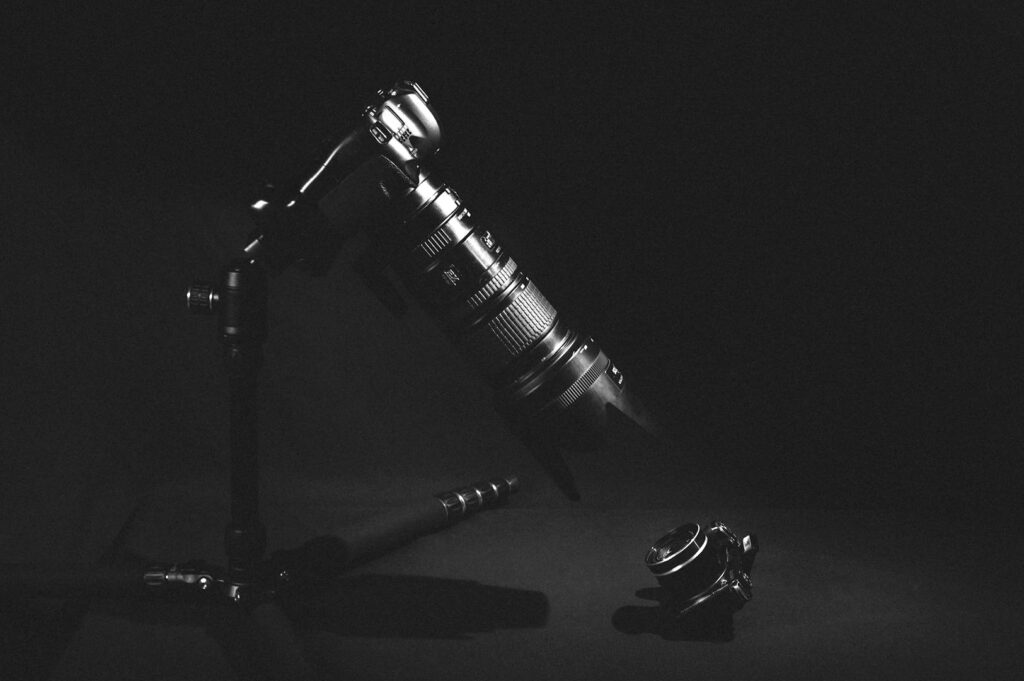
A DSLR isn’t “obsolete,” but there are clear situations where mirrorless is simply easier for beginners, especially in food work.
Size and Weight in Tight Spaces
A DSLR camera body is usually larger and heavier than a comparable mirrorless compact camera body. If you’re squeezing between tables or shooting in cramped kitchens, weight and bulk become friction. Friction kills practice.
No Real-Time Exposure Preview
This is the biggest learning gap. With most DSLRs, your view through the optical finder doesn’t preview exposure. You shoot, check the rear screen, adjust, repeat. Mirrorless systems show exposure changes live via the electronic viewfinder, which can accelerate learning for camera for beginners who are building confidence.
Louder Shutter in Quiet Environments
DSLR mechanisms are audible. In a quiet fine-dining room, that “clack” can feel intrusive. Mirrorless silent modes help when discretion matters.
Video Limitations for Modern Content Needs
If you plan to shoot video seriously (short-form content, chef process clips, menu teasers), many beginner DSLRs lag behind on video features, 4K video, and autofocus performance for video recording. A mirrorless or dedicated vlogging camera will usually be the smoother path for video shooters.
Screen Flexibility (The “Canon EF-S Screen” Reality)
Overhead food photography is constant. If your DSLR has a fixed rear screen, you’ll feel it immediately. Some models have articulated screens; many don’t. This isn’t a minor feature; it affects whether you enjoy shooting at all.
Best Beginner DSLR Camera Options (and What They’re Good For)
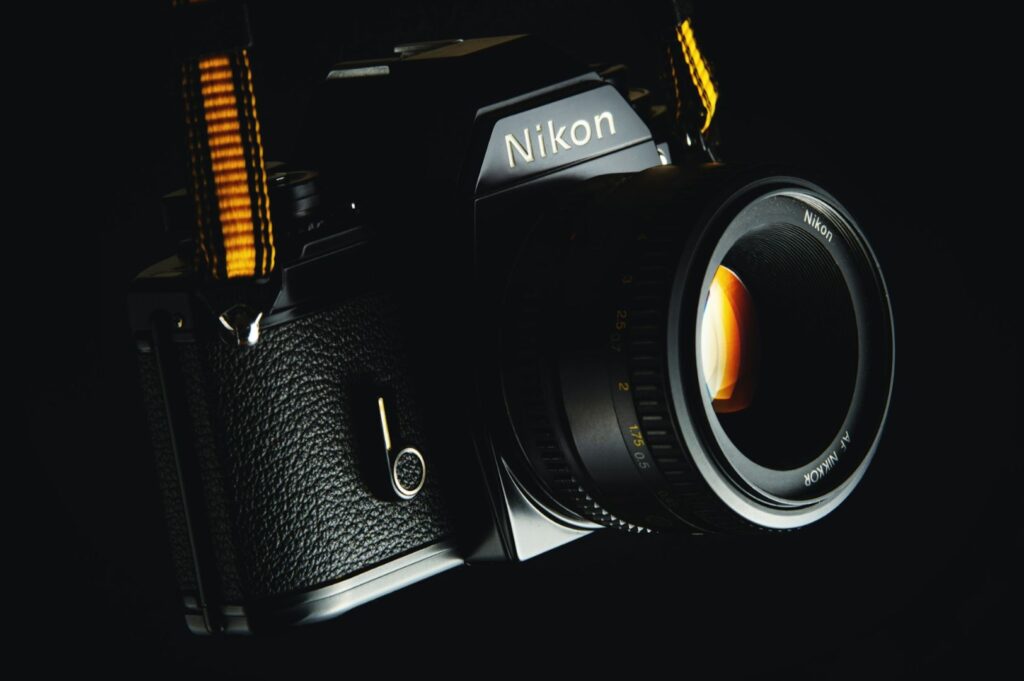
There’s no single best DSLR camera for everyone, but there are clear “good fits” depending on how you shoot.
Entry-Level DSLR Cameras That Teach Well
Nikon D3500: A classic recommendation because it’s straightforward, has excellent battery life, and the guide-style learning approach helps photography beginners. For a first camera used mainly to shoot photos, it remains a great starter camera.
Canon EOS Rebel line (e.g., Canon EOS Rebel T-series): Reliable, widely supported, and beginner-friendly. If you want the most common “start here” route, this is it.
These typically ship with a kit lens—fine for learning and test cameras in real environments. A kit lens is rarely your forever lens, but it’s a practical starting point for composition and light.
Mid-Range DSLRs When You Want Room to Grow
Models like the Nikon D5600 / D7500 or Canon’s higher-tier APS-C bodies add better handling, faster response, and more robust controls. They often improve the autofocus system, offer better usability, and sometimes better performance when you’re pushing into low light.
If you’re the type who wants one good camera to stay with for years, mid-range DSLR bodies can be a “buy once, learn deeply” choice.
Used Full-Frame Camera Paths (Ambitious, but Not Always Wise)
A full frame camera can offer better low light performance and different depth-of-field control. The catch is cost; especially once you factor in lenses. Some beginners jump to used full frame bodies because they hear “better image quality,” but forget the total system.
If you go this route, do it because you understand what you’re buying, not because you think it’s automatically the best. “Full frame” doesn’t fix bad light, cluttered styling, or weak composition. It just gives you more capability when the fundamentals are already handled.
DSLR vs. Mirrorless Cameras: A Reality Check for Beginners
Here’s the honest split, in plain terms.
Choose a DSLR camera for beginners if…
You value better battery life for long shoots
You prefer an optical viewfinder in bright environments
You want affordable, mature ecosystems (especially Canon EOS)
You mainly shoot photos and aren’t prioritising video
You learn well through tactile control and repetition
Choose mirrorless cameras if…
You want live exposure preview through an electronic viewfinder
You prefer lighter bodies for day-to-day use
You plan to shoot video, need modern video recording, or want 4K video
You rely on in body image stabilization for handheld work
You want newer autofocus behaviours and modern UX
Important note: in controlled food photography (stable light, a tripod, a calm setup), all the cameras we’re discussing can produce strong results. Your technique will outweigh the body choice faster than you expect.
Canon EOS and Lens Ecosystems: Why DSLR Still Wins on Value
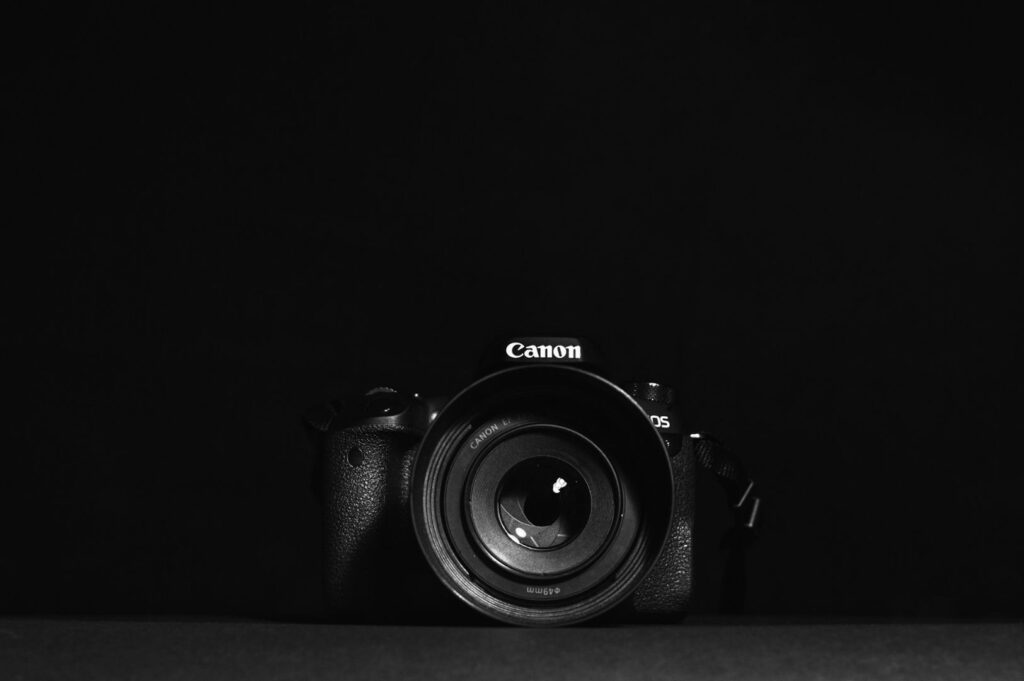
This is where DSLRs still dominate for beginners who want options without overspending.
A DSLR ecosystem like Canon EOS has decades of lenses available, including:
Affordable cheaper lens options in the used market
Beginner-friendly zooms and primes
Access to full frame lenses you can carry forward as you upgrade
For many, that ecosystem is what turns a beginner DSLR camera into a long-term system rather than a temporary stepping stone.
Just don’t confuse “many lens options” with “you need many lenses.” Start simple, learn what you like, then buy with intention.
Camera Settings and Image Quality: What Actually Improves Your Photos
A beginner’s results come down to three things: sensor, lens, and decisions.
Sensor size matters but not the way people think
An APS C sensor gives you strong quality in good light. A full frame camera can give you more headroom in low light and different depth-of-field rendering. But the bigger jump in outcomes usually comes from better light control and cleaner fundamentals.
The kit lens isn’t “bad”, it’s limited
A kit lens is a training lens. It helps you learn framing, angles, and composition. Where it struggles is:
dim restaurants (you’ll need higher ISO)
achieving strong background blur
crispness at the edges and micro-contrast
It’s a perfectly reasonable starting point for a great beginner camera; just don’t expect it to look like professional work in every condition.
Shutter speed and slower shutter speeds: control the blur
Food doesn’t move much, but hands, steam, pours, and low-light environments introduce blur fast. Learn your shutter speed fundamentals early:
If you’re handheld in low light, avoid slower shutter speeds unless you have stabilisation or a tripod.
Image stabilization helps, whether lens-based or in body image stabilization, but it’s not magic.
Autofocus matters less than you think (but still matters)
For plated food, most cameras will focus fine. Where great autofocus matters is when you’re working fast, shooting process, or switching between food and people. Some systems also offer features like Dual Pixel AF (Canon’s strength on certain models), which can help for live view and video.
Other Cameras People Ask About (and What to Know)
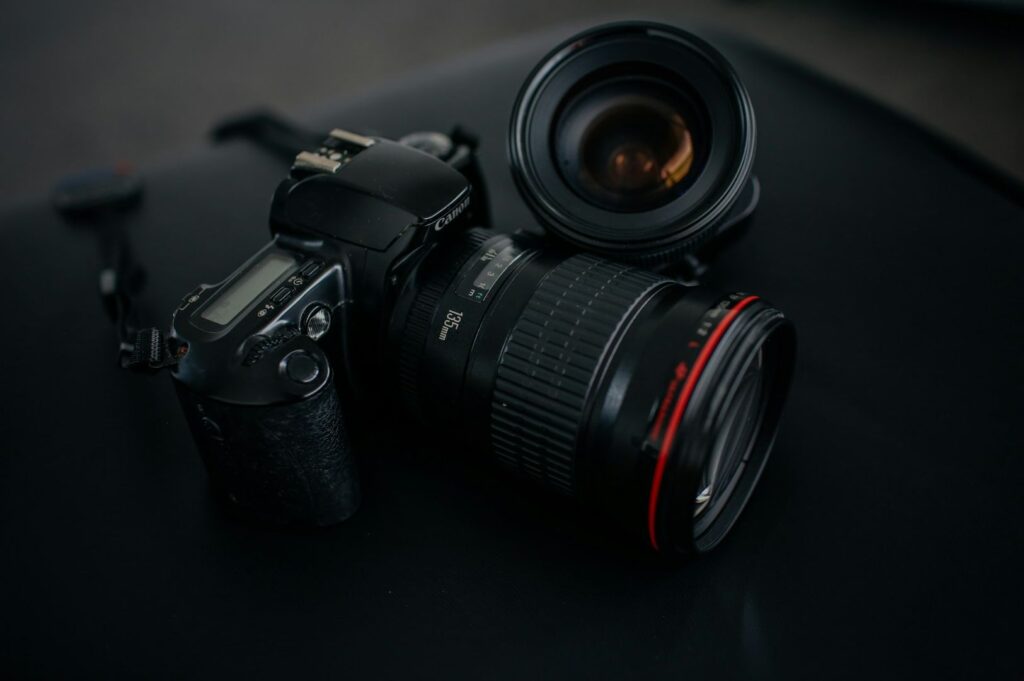
Fixed lens compact options: convenient, but can be limiting if you want to learn deeper control or upgrade glass later.
Instant cameras: fun, but not a serious tool for menu or delivery work.
Thirds camera systems (Micro Four Thirds): compact and often strong stabilisation, but sensor size trade-offs in low light.
Fujifilm camera systems: excellent for learning colour and creative style; film simulation modes are genuinely useful. If someone asks for the best fujifilm camera, the answer depends on budget, but Fujifilm is a strong learning ecosystem overall.
Final Thoughts: When a DSLR Camera for Beginners Is Still the Right Call
A DSLR camera for beginners remains a practical choice when you want a reliable, affordable system with strong still-image output, great battery life, and a mature lens ecosystem (especially within Canon EOS).
Mirrorless cameras are not “better” by default; they’re better for certain workflows (particularly for live exposure preview, lighter bodies, and modern video). The best choice is the one that supports consistent practice and produces files you can actually publish.
And if you want the final results without the learning curve (consistent menu sets, delivery galleries, hero images that look premium on first upload), Food Photographer Studio offers professional food photography services that solve the lighting, styling, and consistency piece for you, while you focus on running the business.