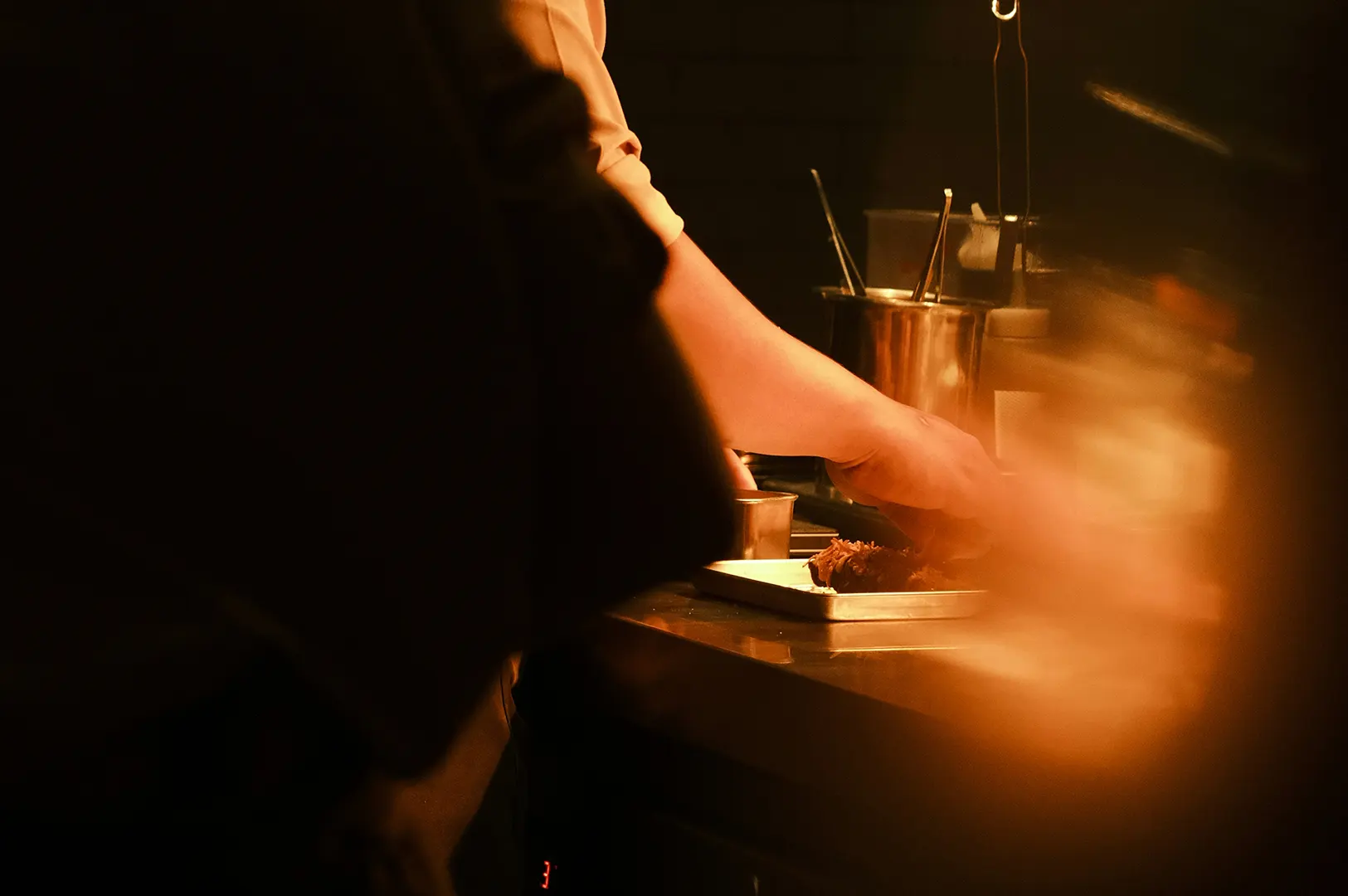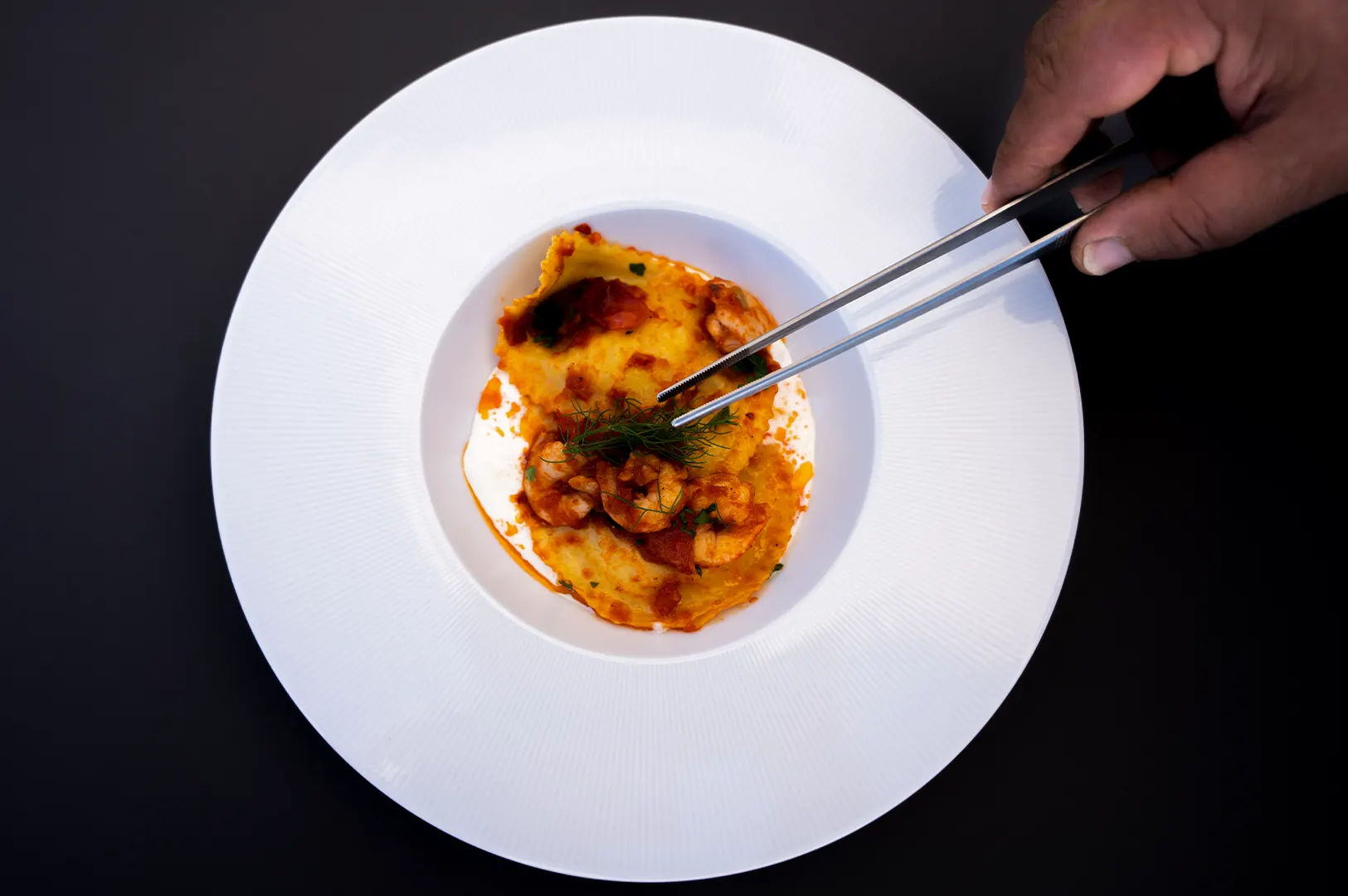
Food shoots become more complicated the moment a person steps into the frame.
A chef may hold a finished plate beside the pass. A server may pour tea behind a table of dishes. Someone from the marketing team may volunteer their hands for a noodle-pulling shot. Meanwhile, an actual customer is sitting three tables away, clearly visible in the background.
We have been in shoots where the food portion was fully planned, but the people portion was decided in five minutes.
“Can the chef stand here?”
“Can we get someone to hold the drink?”
“Those diners look natural. Can we keep them in the background?”
The camera may be ready, but restaurant photography consent should not be treated as a last-minute detail.
When identifiable people appear in commercial restaurant photographs, the team needs to think about consent, intended use, privacy, and who is responsible for explaining where the image may appear.
This article provides general information, not legal advice.
A Face Changes The Nature Of The Photograph
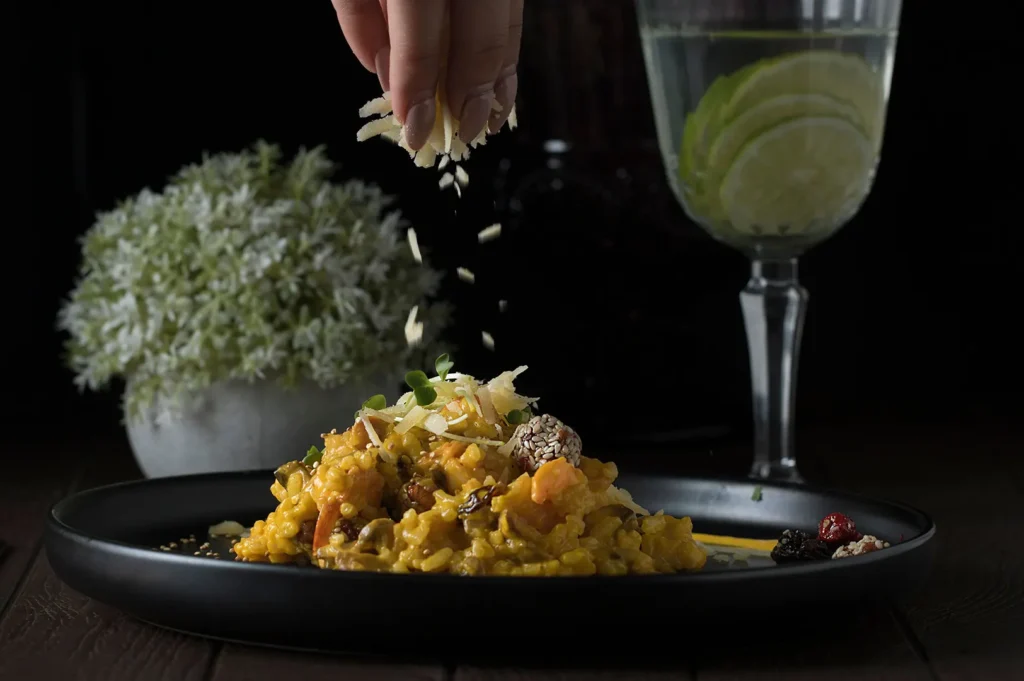
A photograph of a bowl of laksa is primarily about the food.
A photograph showing the chef carrying that bowl may also contain personal data. Singapore’s Personal Data Protection Commission explains that an image of an identifiable person can constitute personal data. Organisations collecting, using, or disclosing that image may therefore need to consider their obligations under the PDPA.
The official PDPC photography guidance also explains that consent may be obtained in different ways, depending on the circumstances.
For a restaurant shoot, the practical questions are:
- Can the person be identified?
- Do they know they are being photographed?
- Do they understand how the image will be used?
- Will it appear only on social media, or also in paid advertising?
- Can the photograph be shared with malls, media, or external partners?
- How long will the restaurant continue using it?
Someone agreeing to stand beside a plate is not always the same as agreeing to become part of a long-term advertising campaign.
Staff Participation Should Be Clear, Not Assumed
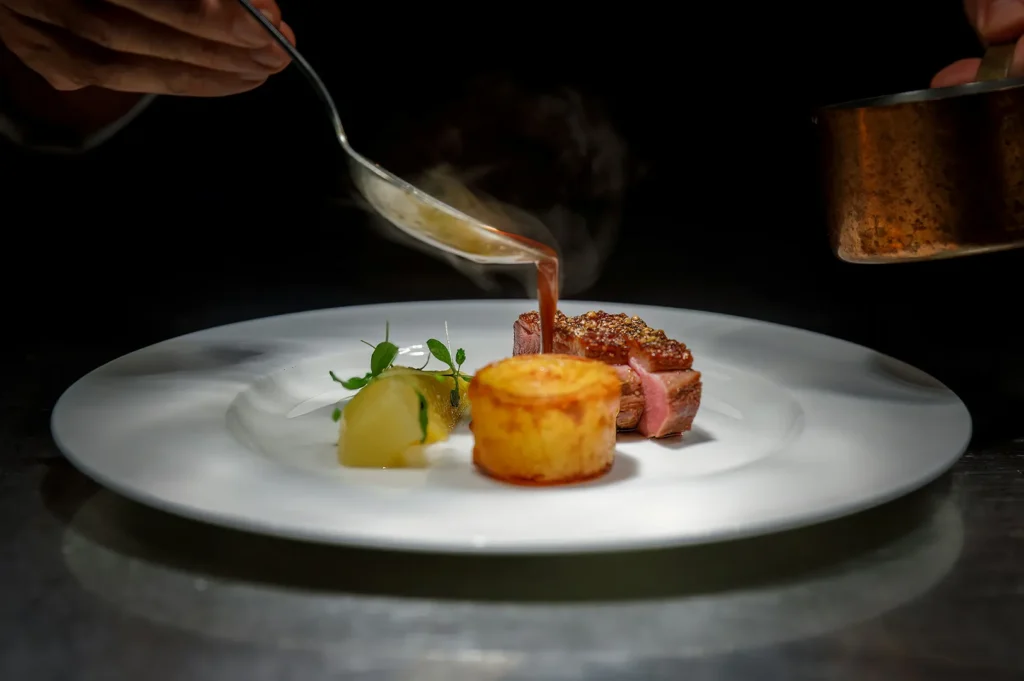
Restaurant employees often become the easiest people to photograph.
They are already on-site. They know how to carry the dishes naturally. Their uniforms fit the brand. A chef’s face can also make the restaurant feel more personal than another empty dining-room image.
Still, staff should understand what they are agreeing to.
A chef may be comfortable appearing in an Instagram post but less comfortable seeing the same portrait on a large mall lightbox. A part-time server may agree to be photographed for the restaurant website without realising the image could remain online years after they leave.
Before the shoot, explain:
- Which staff members are expected to appear
- Whether participation is optional
- Which channels will use the images
- Whether paid advertisements are planned
- Whether third parties may receive the photographs
- How long the images may stay in circulation
We find these conversations easier when they happen before service begins. Nobody should be trying to read a release form while carrying six plates back to the kitchen.
A simple consent form can make the intended use clearer. The Singapore Government’s MSF Talent Consent and Release Form is one official example of how photography and filming permission can identify the parties, intended use, and inclusion of children or wards.
Restaurants should prepare wording that reflects their own shoot and seek advice where necessary rather than copying a generic form without understanding it.
Posed Diners Need More Than A Free Meal
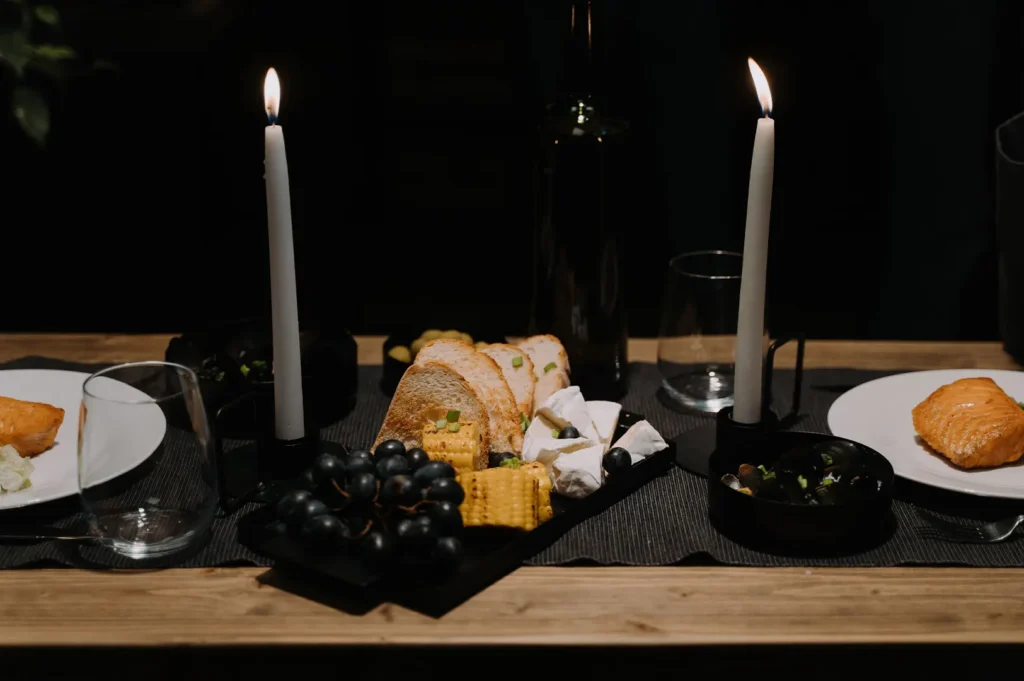
Lifestyle restaurant photography often uses people to make the scene feel occupied.
Hands reach for shared plates. Friends lean across the table. Someone lifts a glass while another person serves noodles. These moments can make the food feel connected to a real dining experience.
They may look spontaneous, but the strongest lifestyle images are usually planned.
If diners are invited specifically to appear in the shoot, clarify:
- Whether they are models, staff, friends, or customers
- Whether they are being paid or receiving a meal
- Which photographs may be selected
- Whether their likeness may be used in advertisements
- Whether crops and edits are permitted
- Whether the images may be used by partner businesses
A complimentary dinner does not automatically explain the full scope of image usage.
A proper model release can also address whether the restaurant or photographer may crop, reproduce, publish, and adapt the photographs. Singapore government agencies themselves use written talent-release processes for marketing and communications, as shown in this official FormSG talent release example.
Background Customers Are A Different Situation
Real diners in the background can make a restaurant photograph feel lived-in. They can also create uncertainty.
We have shifted camera angles because one customer was too recognisable. We have waited for another table to clear. We have also framed through chairs, plants, and foreground objects so the restaurant still felt active without turning an uninvolved diner into the subject.
PDPC guidance discusses photography at public and private spaces, including how context and applicable exceptions may affect consent requirements. It also considers situations where people appear incidentally in the background.
For a controlled commercial shoot, the practical approach is often simpler:
- Avoid making uninvolved diners prominent
- Change the angle when someone is clearly identifiable
- Use shallow focus where appropriate
- Obtain permission when a diner becomes part of the intended scene
- Schedule the shoot outside service hours when possible
- Display clear notices for planned event photography where appropriate
For private events, the PDPC has noted that organisers can improve awareness by mentioning photography in invitations or placing a visible notice at the entrance.
A notice should not be treated as a decorative sign that solves every situation. It is part of making people aware of what is happening and why.
Children Need Additional Care
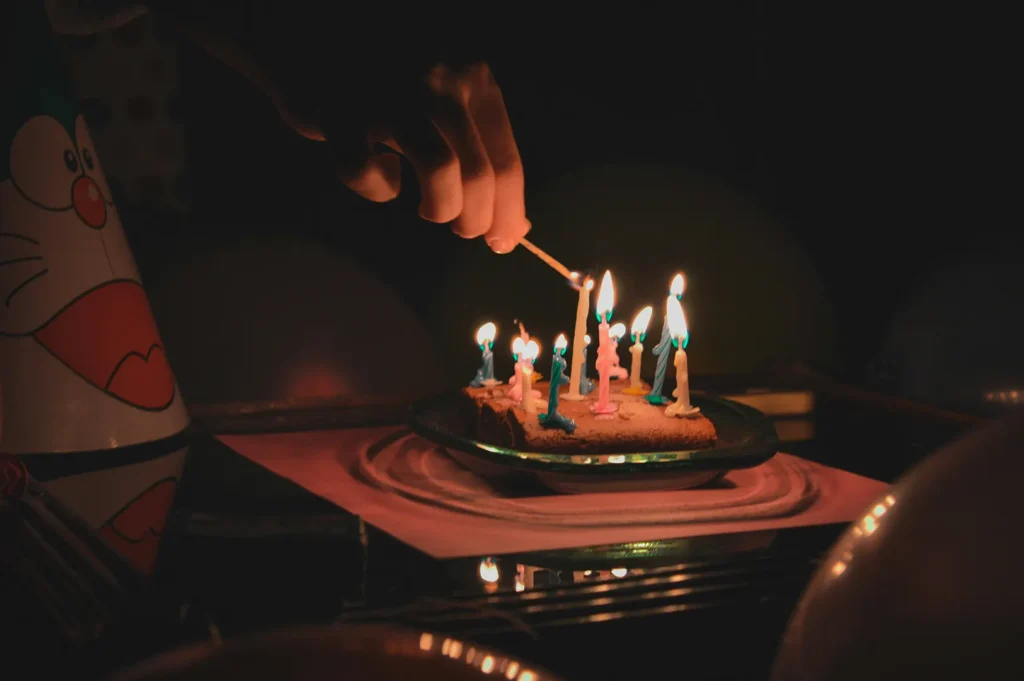
Children sometimes appear in family-dining campaigns, birthday photographs, or images promoting a restaurant as child-friendly.
These photographs require more careful planning.
The PDPC’s guidelines on children’s personal data encourage organisations to apply appropriate safeguards when handling children’s data and to consider whether a parent or guardian should provide consent.
For restaurant campaigns, do not rely on an informal assumption that a child is included because their parent is present.
Clarify:
- Who may authorise the child’s participation
- Exactly where the images will appear
- Whether paid advertising is included
- How long the restaurant may use them
- Whether external partners can publish them
- Whether names or other identifying information will accompany the image
We would rather spend ten extra minutes confirming this before the shoot than leave a family uncertain after the campaign goes live.
Decide Who Is Responsible Before Shoot Day
The photographer and restaurant should agree on who is obtaining consent.
If the restaurant recruits its own staff, diners, or models, it may be best placed to explain the campaign and collect the necessary releases. If the photographer or production team sources talent, that responsibility may sit elsewhere.
Put the decision in writing.
Our broader guide to restaurant photography rights and permissions in Singapore explains how consent fits beside copyright ownership, licensing, platform use, and image modifications.
Before people step into the frame, confirm:
- Who is appearing?
- Who is obtaining consent?
- What uses have been explained?
- Are paid campaigns included?
- Can partners receive the images?
- How long can the photographs be used?
- What happens if someone later raises a concern?
Let People Know Where Their Image May Travel
Restaurant photography works best when the scene feels natural.
That does not mean the process behind it should be casual.
The chef should know whether the portrait is for a short social post or a permanent brand campaign. Staff should know that participation is voluntary. Diners should not discover themselves in an advertisement they never expected to join.
The clearest consent is given before the lights are switched on, not after the photograph has already travelled.