
Aesthetic photography is one of those phrases that gets abused online. Some people use it to mean “pastel and pretty.” Others mean “dark and moody.” In the Singapore F&B world, we see it more simply.
Aesthetic photography is when your photos look like they came from the same place, even when the dishes change. That is what brand means visually. It is the reason a customer can scroll past ten posts, land on yours, and immediately recognise your restaurant without reading the name.
Most F&B owners we meet do not have a “photo problem.” They have a consistency problem. One day the food looks warm and inviting. The next day it looks blue and cold. One dish is shot overhead on a clean table. Another is shot at night under downlights with reflections everywhere. Individually, each photo might be fine. Together, they feel messy. And messy photos make a brand feel messy.
We shoot across Singapore, from hawker-style concepts to CBD restaurants, and the pattern is always the same. When you build a simple aesthetic system, your photos get easier to produce, easier to approve internally, and easier for customers to trust.
If you want to see what “consistent” looks like across different cuisines and venues, browse our work at Food Photographer Studio. It is the same discipline applied to different food.
What Aesthetic Photography Really Means For Restaurants
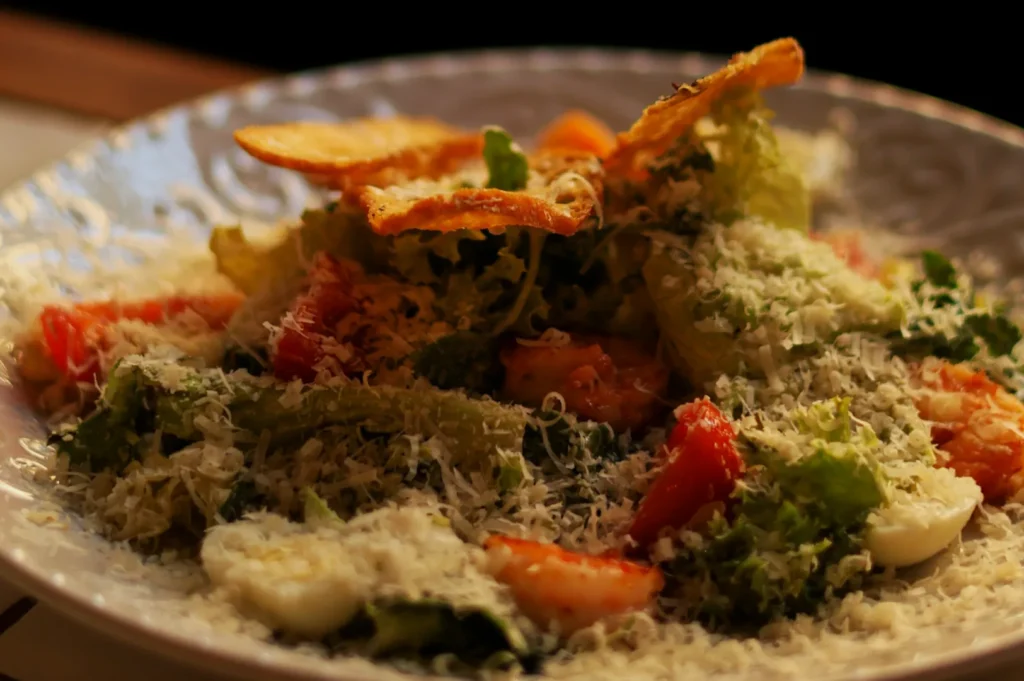
Aesthetic photography is not the opposite of sales. It is what makes sales photos repeatable.
A sales photo should answer three questions fast:
- What is it?
- Does it look appetising?
- Does it feel like my kind of place?
The first two are about clarity and styling. The third is brand. The “aesthetic” part is how you control the third question without over-explaining.
When your style is stable, your photos also become easier to use across everything: menu refreshes, Google Business Profile, delivery thumbnails, seasonal campaigns, and even media kits. You stop reinventing the wheel every shoot.
The Food Photographer Studio Style System
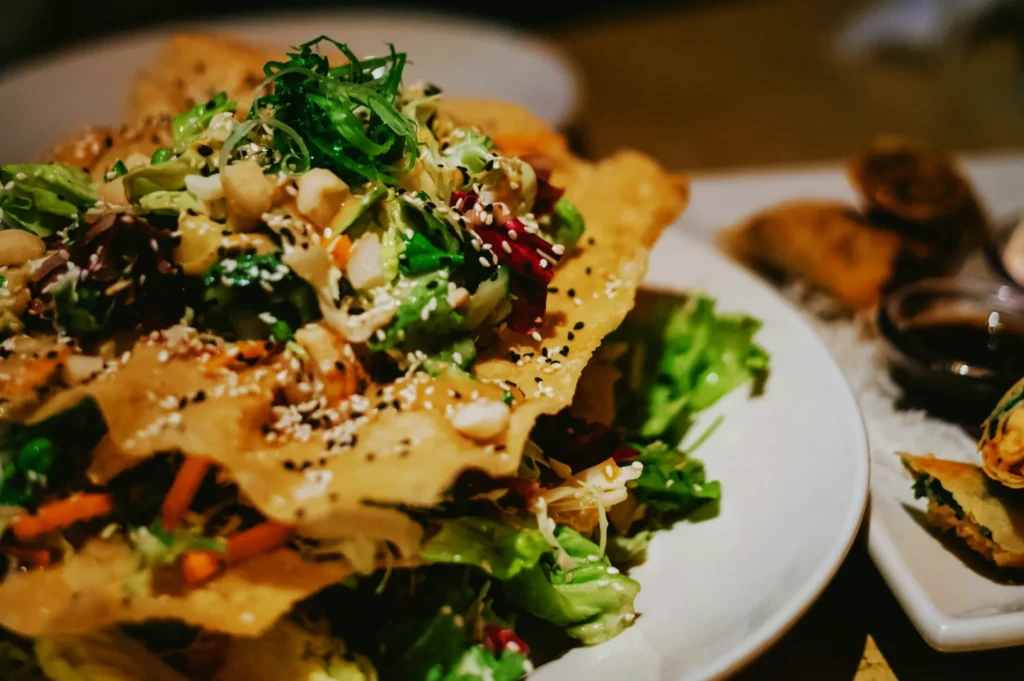
We like systems because busy kitchens do not have time for vague advice. Here is the clean version.
1) Decide Your Mood In One Sentence
This sounds small, but it is the anchor. For example:
- “Clean, bright, modern, ingredient-forward.”
- “Warm, nostalgic, kopitiam comfort.”
- “Moody, premium, intimate, high contrast.”
If you cannot describe your mood in one sentence, your photos will drift.
2) Lock Your Light Direction
Restaurants in Singapore have mixed lighting all the time. The fix is not “more light.” The fix is consistency.
Pick one default:
- Side light for texture and depth (most reliable)
- Back light for steam and drinks
- Top light only if you can control reflections
When the light direction changes randomly, the dish changes personality. That is why your feed looks inconsistent even if the plates are the same.
3) Choose A Colour Family, Not A Colour
Aesthetic photography is usually a colour discipline. You are not picking “blue.” You are picking a family:
- neutrals + one accent
- warm woods + warm highlights
- cool stones + clean whites
- deep charcoal + rich shadows
A colour family keeps you flexible across different dishes without fighting them.
4) Pick Your Surfaces And Props Like A Uniform
Your “uniform” might be:
- one light surface, one dark surface
- one neutral plate set, one heritage plate set
- two linen tones
- one cutlery style
This prevents prop chaos. It also makes shoots faster.
5) Set Your Framing Rules
Aesthetic photography often looks consistent because the framing is consistent:
- same crop ratio for menu items
- same camera angle set for hero dishes
- similar negative space allowance for text overlays
You do not need to shoot everything the same. You need to shoot in a way that looks related.
6) Edit With Restraint
Aesthetic is usually lost in editing, not shooting. The most common mistake is pushing “style” so hard that the food stops looking real.
We aim for:
- stable white balance
- controlled highlights
- consistent contrast
- realistic colour
That is what makes a dish feel edible, not artificial.
Aesthetic Photography For Different Singapore F&B Types
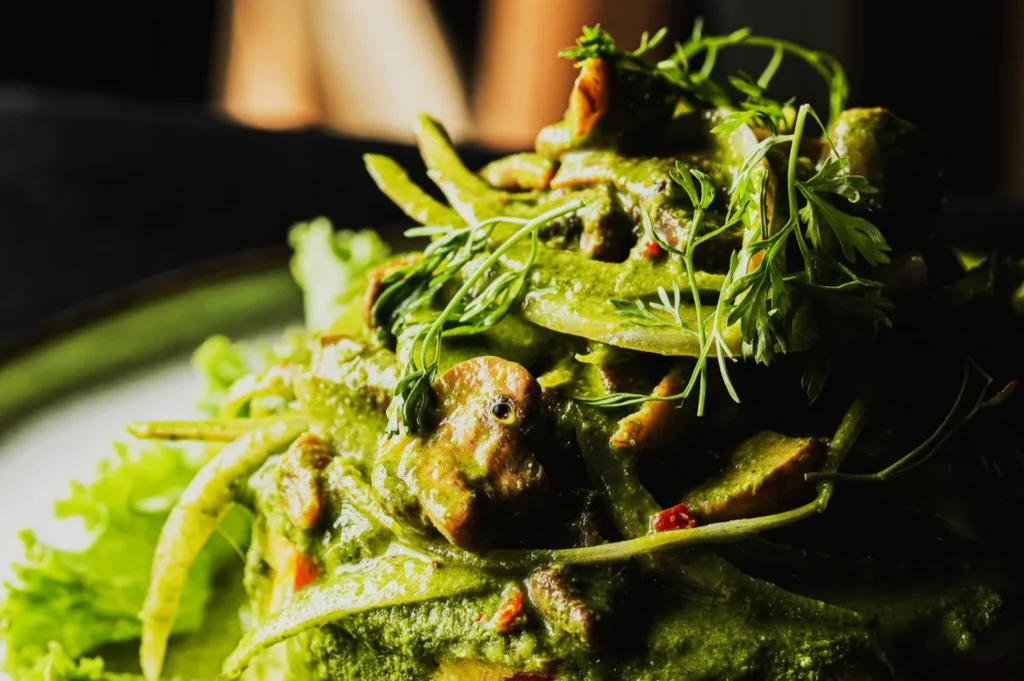
Aesthetic photography is not one look. It is a discipline applied to your concept.
Hawker-Inspired And Heritage Concepts
The aesthetic usually needs warmth and reality:
- wood, enamel, metal textures
- controlled messiness
- hands, steam, small context cues
- honest shine without glare
Cafes And Brunch Brands
The aesthetic usually leans bright and clean:
- whites, stone, light woods
- overhead spreads for sets
- consistent cup and plate styling
- soft shadows, minimal clutter
Premium Restaurants
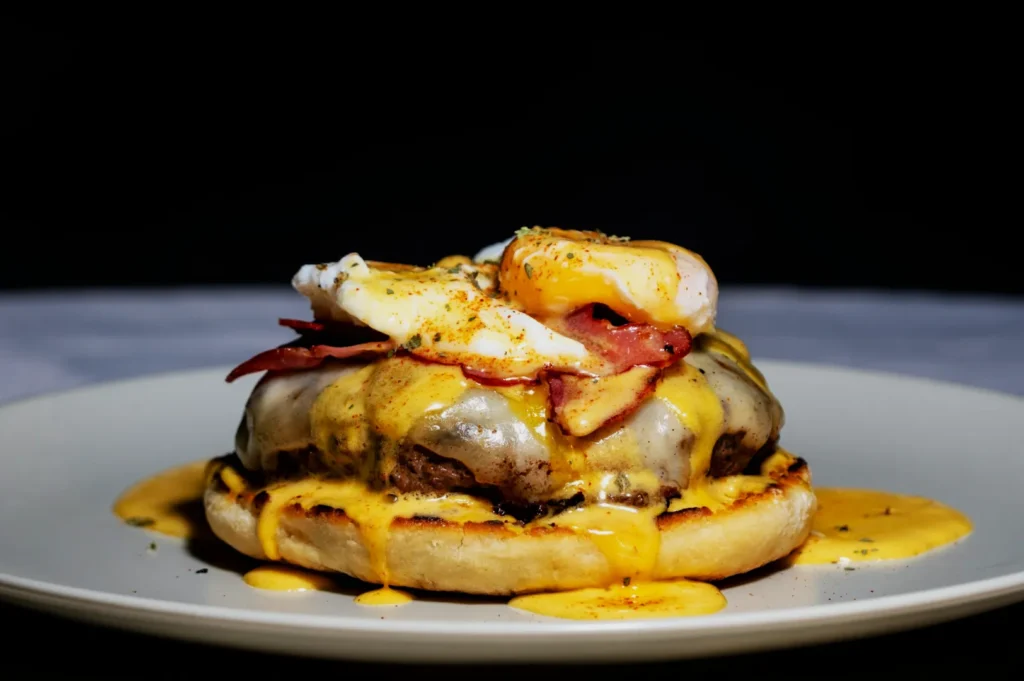
The aesthetic often goes moody and controlled:
- dark surfaces, tight framing
- directional light, intentional highlights
- fewer props, more negative space
- texture and detail shots
The point is not to copy another restaurant’s look. The point is to build a repeatable system that fits yours.
The Fast Test: Does Your Feed Look Like One Brand?
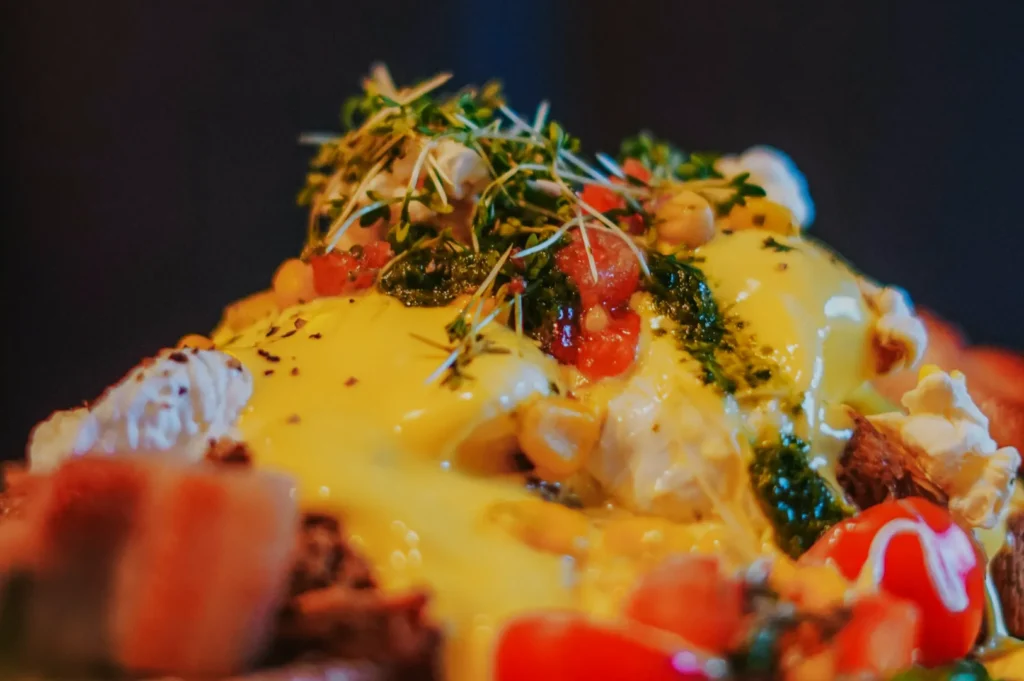
Open your last 12 posts and ask:
- Do the whites look like the same white?
- Does the light feel like the same room?
- Are the angles consistent enough that the page feels intentional?
- Do the colours shift wildly from post to post?
If the answer is “no,” you do not need a new camera. You need a style system.
A Simple Way To Start This Week
If you want a realistic starting point, do this:
- Pick one “default” shooting spot in your venue.
- Pick one surface and one plate.
- Pick one light direction.
- Shoot three dishes with the same framing rule.
- Edit them the same way.
You will feel the difference immediately. Not because the photos are “better,” but because they finally look like they belong together.
Aesthetic Photography Is How Your Brand Becomes Recognisable
Aesthetic photography is not a filter. It is not a trend. It is a system that turns food photos into brand assets. When your photos look consistent, customers trust faster, menus look more premium, and marketing stops feeling like a scramble.
If you want to build a style system that works for your concept and your actual operating reality in Singapore, our team at Food Photographer Studio can help you design it and produce it, without turning your kitchen into a film set. The goal is simple: photos that look like your brand, every time.


