From Camera Roll to Campaign: Photographer Tips for Organising Restaurant Photos So They Actually Get Used
Most restaurants do not have a photo problem. They have a usage problem. Photos live in a camera roll. Someone needs a banner for a
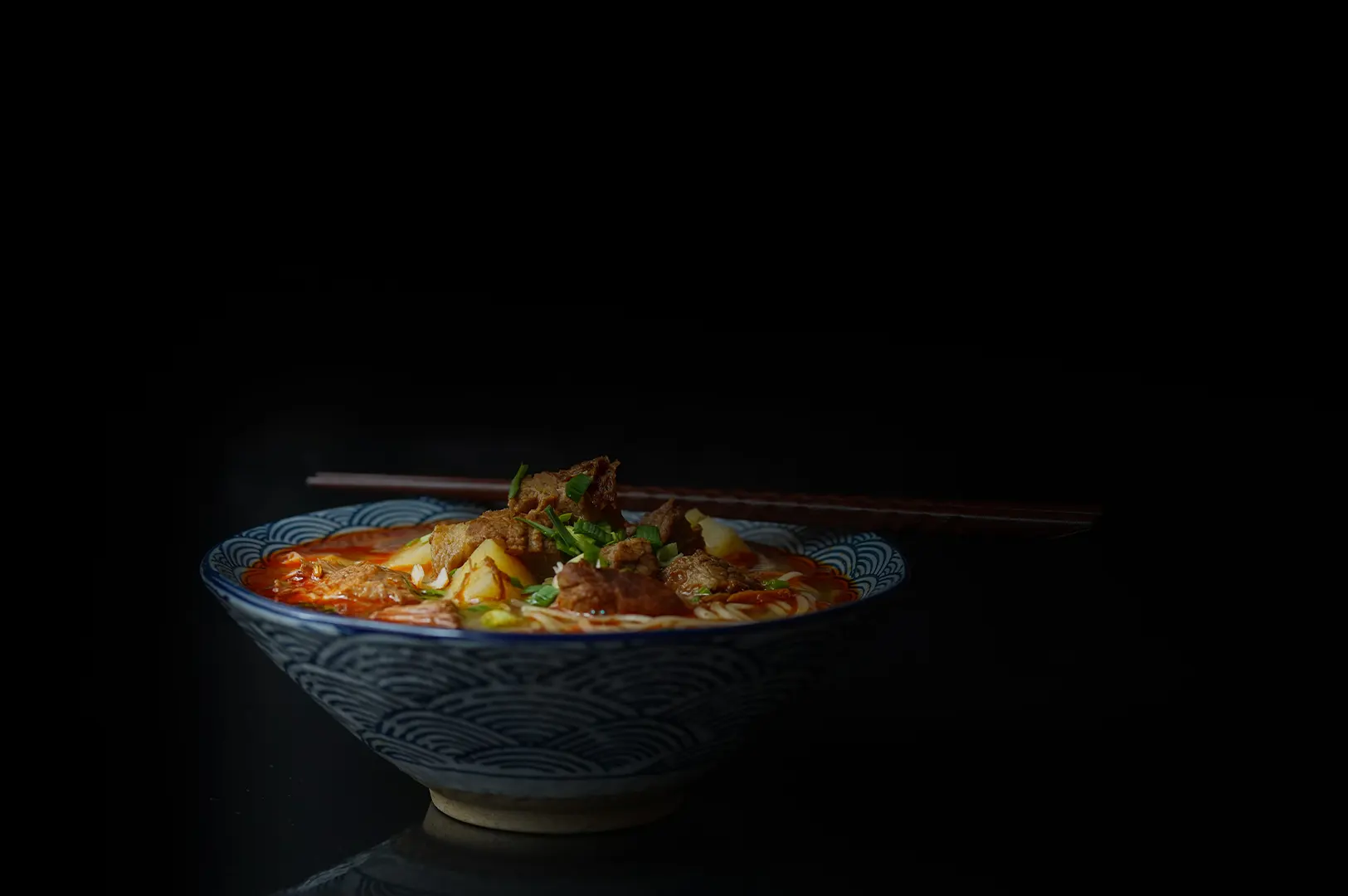
Tips, stories, and inspiration from the world of food photography.

Most restaurants do not have a photo problem. They have a usage problem. Photos live in a camera roll. Someone needs a banner for a

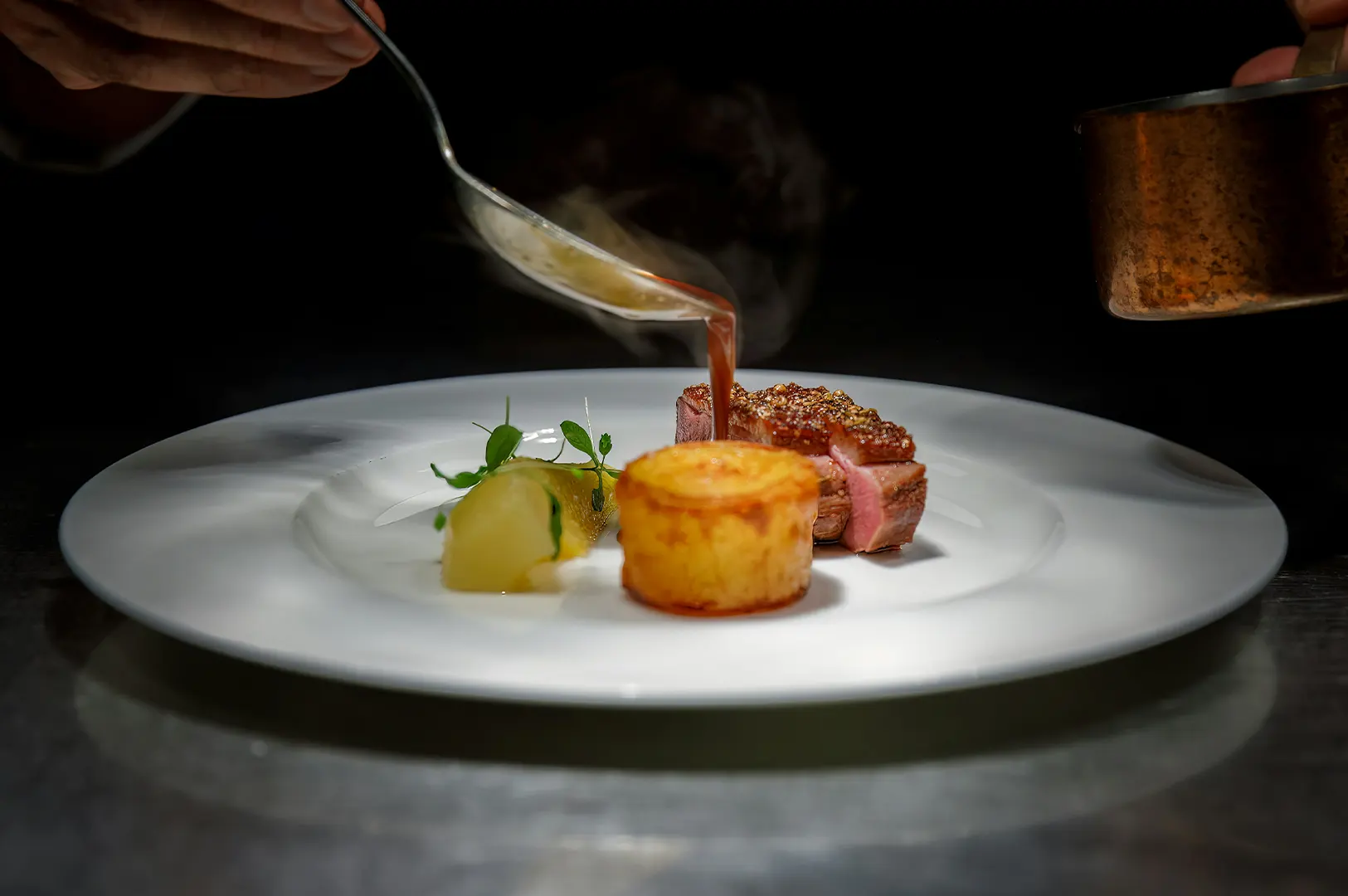
Hot food and cold drinks have one thing in common: they change faster than your camera settings. Steam disappears. Ice melts. Condensation dries. Your bowl

Set meals are a Singapore staple. Lunch sets in the CBD. Bento for quick dinners. Chicken rice sets that come with soup and drink. The

Fried food is either irresistible or sad. There is rarely an in-between. In real life, texture sells: the crackle of skin, the crunch of batter,

If your food looks great on the pass but “off” on camera, it is usually not your plating. It is colour. Singapore restaurants are especially

Shiny food is supposed to look delicious. It is the gleam on roast chicken skin, the reflective surface of curry, the lacquered glaze on char

Most “bad food photos” are not bad because the dish is ugly. They are bad because the camera angle chose the wrong story. In Singapore,

If you have ever taken a photo of your best-selling dish under your dining room lights and thought, “Why does this look… sad?”, you are

You do not take bad food photos because you “can’t shoot”. You take bad food photos because service is loud, time is short, and your

A great dish can lose the sale before anyone tastes it. Not because your food is “not Instagrammable”, but because the photo makes it feel