The best cameras for beginners aren’t just simple, they’re designed to teach you food photography while delivering professional-quality results from day one. In Singapore, this is crucial because your “practice” shots often become your actual marketing images: GrabFood listings, menu launches, or quick IG posts during service.
Walk into any camera store in Singapore and ask for a beginner camera, and you’ll likely be directed to whatever the camera industry labels “entry-level” this year. Typically, these models feature intelligent auto mode, minimal manual controls, and camera specs that sound impressive until you try shooting food in dim cafés.
Most “beginner camera” recommendations fail food photographers because they cater to casual snapshot takers rather than beginner photographers eager to learn. The difference is critical: cheap cameras that make decisions for you versus budget cameras that empower you to make better choices yourself. This guide highlights five specific camera bodies that balance immediate usability with genuine learning potential, tested in real Singaporean restaurant environments and priced for realistic café budgets.
Before choosing between these models, understand the fundamental decision framework in our guide to “Choosing a Camera for Beginners in Food Photography”, which reveals what actually matters beyond specifications.
The Beginner Camera Trap: Why "Simple" Often Means "Limited"
Food photography punishes “auto-only” gear. When the camera hides your shutter speed, you don’t learn why your overhead ramen shot blurs. When aperture control is buried, you never understand how sensor size and depth-of-field shape appetite. When the UI is designed like a toy, your progress stalls.
A great camera for beginners should make your camera settings visible and easy to adjust:
A clear mode dial (M / A / S or Tv / Av) for manual control
A rear LCD or electronic viewfinder with live exposure preview to see changes in real time
Quick access to ISO and white balance (food colour is unforgiving and critical for accurate results)
If your “upgrade” is basically an expensive phone-shaped compact camera with a fixed lens, it may become your only camera for three months, and then it becomes a regret.
What Makes the Best Camera for Beginners Different from Pro Models?
An advanced camera assumes you already know what you’re doing. The best beginner camera helps you learn photography faster by showing cause-and-effect in real time (especially in a mirrorless camera where the electronic viewfinder previews your final exposure, delivering better image quality and immediate feedback for both photography and everyday shooting).
That feedback loop is why mirrorless cameras often accelerate learning compared to older optical-viewfinder setups. Still, a DSLR camera can be a brilliant teacher too (especially if you want better battery life, strong ergonomics, and a used-lens ecosystem that makes sense for Singapore budgets). Choosing between these options depends on your shooting scenarios, whether you prioritize compactness and advanced features or longer battery life and traditional handling.
5 Essential Features the Best Camera for Beginners Must Have
Manual control that’s actually learnable
Beginners need direct access to shutter speed, aperture, and ISO settings without complicated menus. This hands-on control accelerates learning by showing how each setting affects photos.A tilting or fully articulating rear screen
Essential for versatile shooting angles, especially in food photography or shooting outdoors, allowing comfortable composition from overhead or low angles.Decent low light performance
Cameras with larger sensor sizes like APS-C or full frame sensors offer clearer images with less noise in challenging lighting.Image stabilization or a bright kit lens
To reduce camera shake, cameras with in body image stabilization (IBIS) or a stabilized, wide-aperture kit lens help produce sharper shots in dim conditions.Comfortable handling for real sessions
Ergonomic design with a good grip, intuitive buttons, and balanced camera body reduces fatigue, letting you focus on capturing great images.
The Best Cameras: 5 Models Singapore Food Photographers Actually Use
1) Fujifilm X-T30 II: The Best Fujifilm Camera for Learning Food Photography
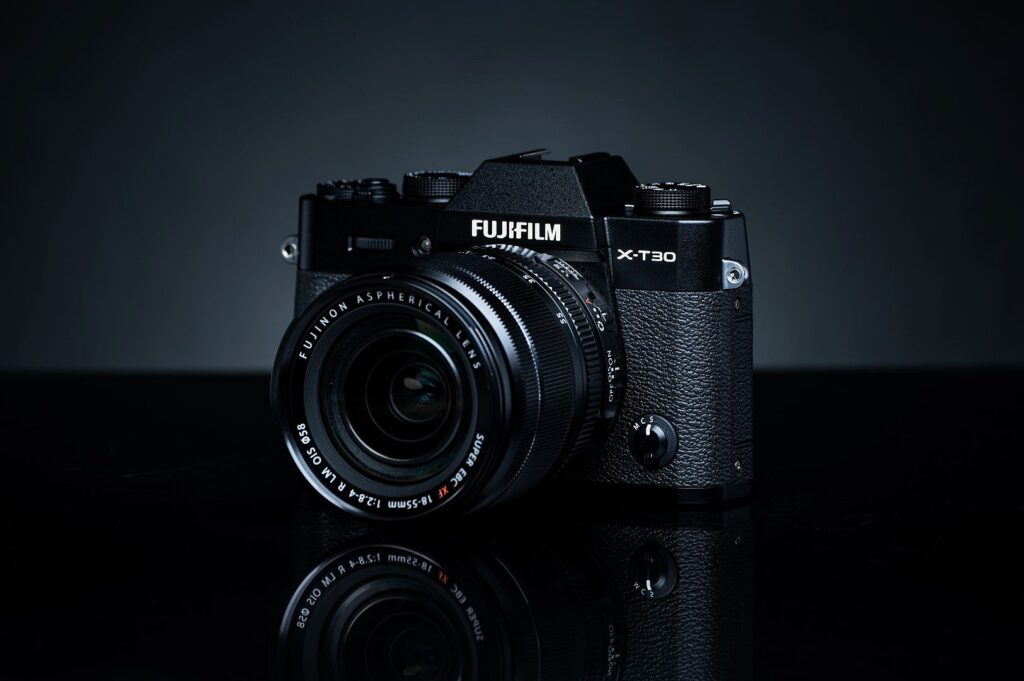
If you want a camera that teaches you exposure and colour, this is a strong pick. The film simulation modes aren’t just “filters”, they help you develop taste, which matters for food. The body is a compact body, café-friendly, and the APS-C sensor delivers strong image quality.
Why it works:
Real dials + clear manual control helps you learn fast
Strong JPEG colour (great when you need fast output)
Pairs well with the 18–55mm kit lens (rare for a kit)
Watch-outs:
No in body image stabilization (you’ll rely on lens stabilisation + technique)
Battery life is okay, bring spares for long menu days
(If you’re searching specifically for the best fujifilm camera as a beginner, this is usually the sweet spot before you jump into pricier bodies.)
2) Canon EOS M50 Mark II: Best Canon EOS for Budget-Conscious Beginners
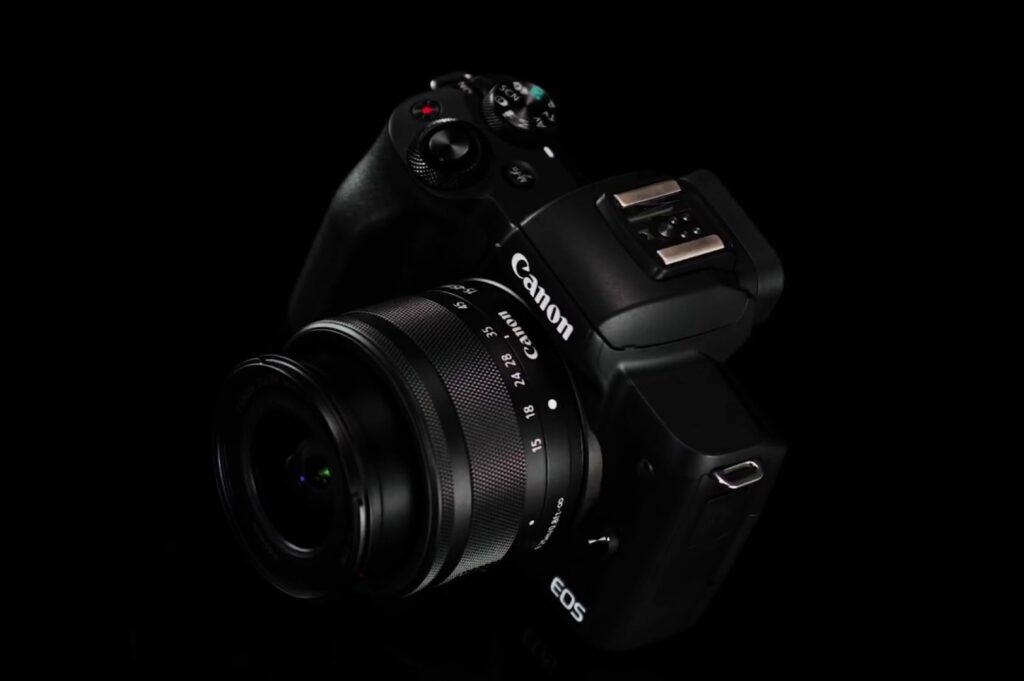
This one is popular because it’s friendly, light, and produces pleasing skin/food tones quickly. It’s also often pitched as a vlogging camera, so the screen and handling are beginner-proof. As a starter digital camera, it can absolutely deliver.
Why it works:
Easy UI for beginner photographers
Nice colour straight out of camera
Fully articulating rear screen helps overhead + vertical content
Watch-outs:
EF-M lens ecosystem is limited long-term
Consider it a stepping stone, not your forever system
Alternative note: If you want to stay in Canon’s newer mirrorless ecosystem, the Canon EOS RP is often the entry point to a frame sensor / full-frame look (it’s a full frame sensor body). It’s not always the best value, but it’s a common “upgrade path” if you’re committed to Canon.
3) Sony Alpha a6400: The Best Compact Camera for Professional-Track Beginners
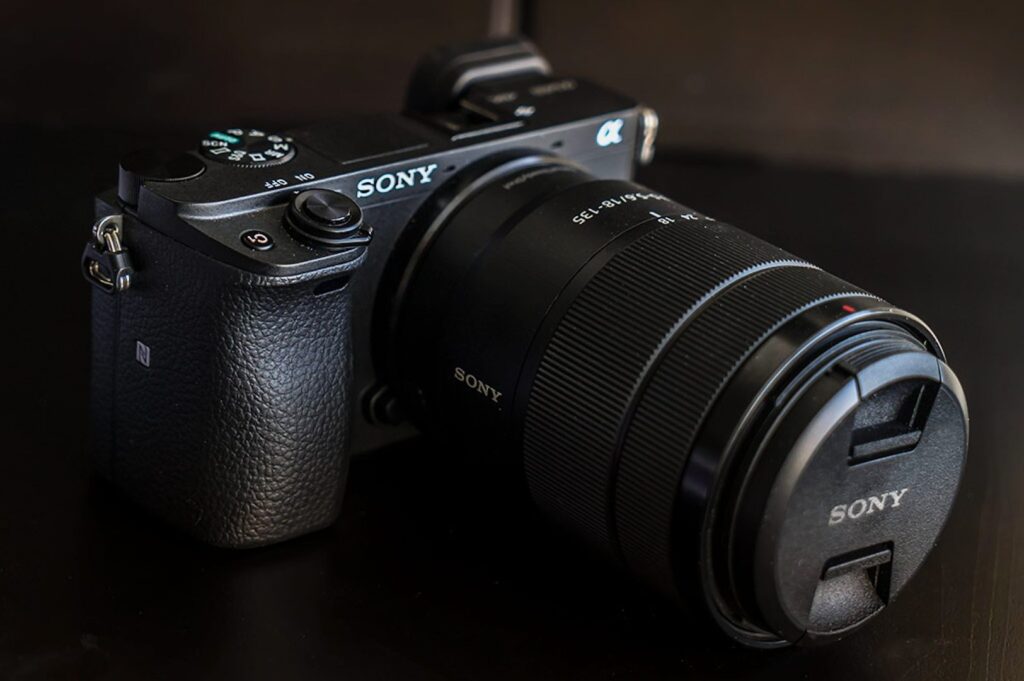
The a6400 is a favourite when you want excellent output and room to grow. The autofocus system is famously strong (yes, “your laksa isn’t running away”, but great autofocus can still help in tighter shooting scenarios (hands, pours, steam moments, quick staff content)).
Why it works:
Consistently delivers excellent image quality
Strong APS-C performance and dynamic range
Huge lens ecosystem (great for upgrades)
Watch-outs:
Sony menus can be a learning curve
Kit lenses can be underwhelming, budget for better glass
Tilt behaviour is not perfect for every angle
4) Nikon D5600: The Best DSLR Camera Option for Tactile Learners
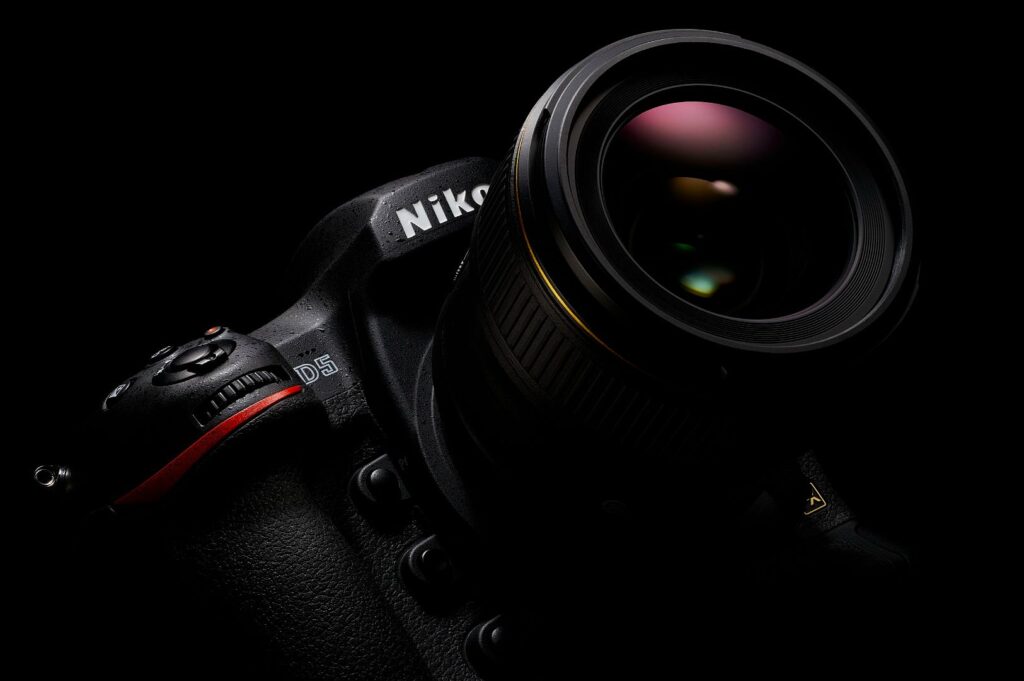
If you like a traditional shooting experience and want longer battery life, this DSLR camera is still a smart buy (especially used). The DSLR sensor (APS-C) is capable, and Nikon’s system gives you lots of affordable lens options.
Why it works:
Better battery life than most mirrorless options
Comfortable for longer menu shoots
Good files with strong dynamic range for recovery
Watch-outs:
Bigger than mirrorless / less discreet
Live view AF is slower than newer mirrorless mirrorless sensor systems
Heavier for everyday carry (though still manageable)
5) Olympus OM-D E-M10 Mark IV: Best for Truly Portable Food Photography
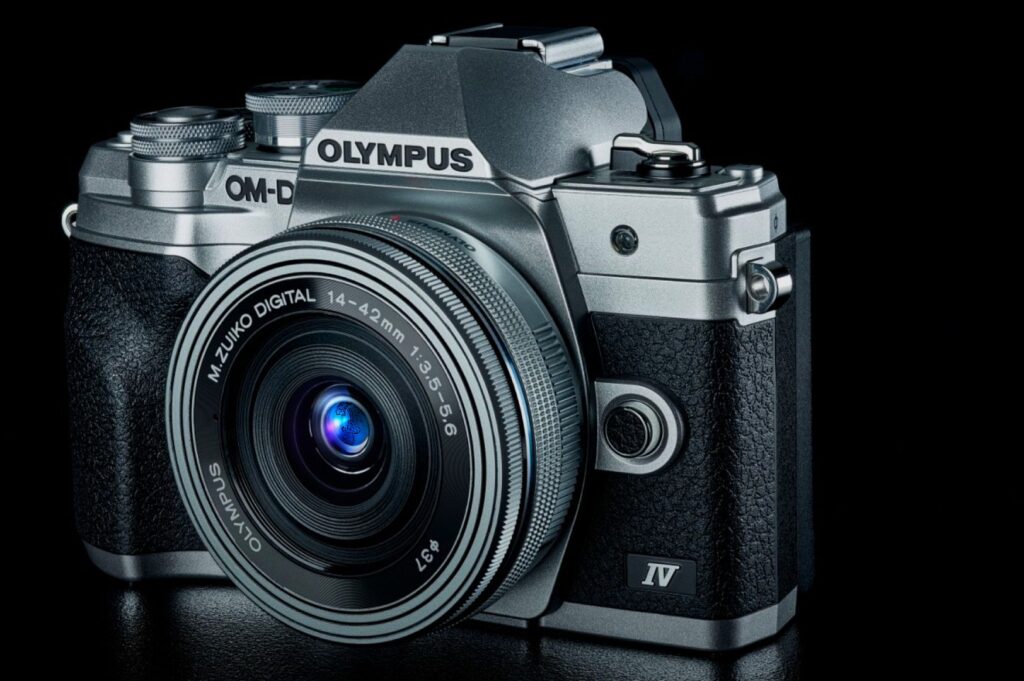
If portability is non-negotiable, this is the “bring everywhere” camera. It’s a Micro Four Thirds (thirds camera) system, which means smaller sensor, but excellent stabilisation and compact lenses. For cafés, travel, and tighter spaces, it’s genuinely practical.
Why it works:
Effective image stabilization (including in body image stabilization)
Tiny body, very light weight
Great for street photography + food in one walkabout kit
Watch-outs:
Low light performance trails larger aps c sensors and full frame
Depth-of-field behaves differently; you’ll learn a slightly different “look”
Canon EOS vs Fujifilm Camera vs Compact Camera: Which Wins for Beginner Photographers?
There’s no universal winner, only the right match for your actual shooting scenarios and learning style.
Choose Canon EOS if color accuracy matters most and you want whichever camera produces appetizing tones with minimal editing. Best for café owners shooting their own menu items quickly.
Choose Fujifilm camera if you want to learn color grading and exposure simultaneously. Film simulation modes teach you to see light differently. Best for aspiring food photography professionals building a portfolio.
Choose mirrorless camera options generally if you value real-time feedback and compact body size. Better for tight restaurant spaces and learning exposure fundamentals quickly.
Choose DSLR camera if you prefer optical viewfinders, need longer battery life, or value extensive affordable used lens selection. Better for all-day events and formal studio-style food photography.
The worst choice? A fixed lens compact camera that locks you into automatic modes. Save money for better lighting instead.
What Beginners Think Matters (But Usually Doesn’t)
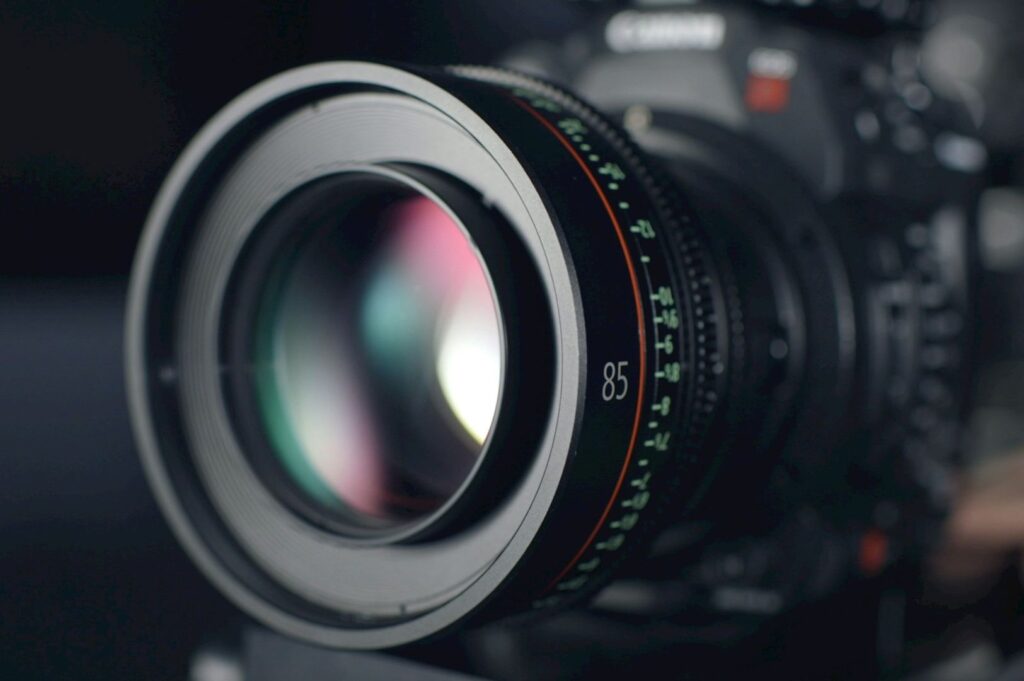
Features Beginners Think They Need (But Don’t):
Huge megapixel counts.
Fancy sports tracking modes (great for nature photographers and action, not always food).
Overkill video features if you only shoot stills.
Weather sealing designed for nature photography adventures.
Better Priorities for Food Photography:
Clean colour, stable shooting, reliable exposure control.
A screen you can actually use overhead.
Low-light capability that keeps your files usable.
Budget Camera Reality: Where to Invest Your Money
Most beginner photographers spend backwards: expensive camera body, cheap everything else.
Smarter approach: Buy a mid-range used camera body that’s one generation old, invest savings in lighting. A S$700 used camera with S$300 in lighting equipment creates images better than a S$1,500 new camera with S$50 desk lamps.
For budget camera shopping in Singapore: Check Carousell for used options from upgrading photographers. Visit John 3:16 or Cathay Photo for used gear with actual warranty. Avoid the oldest camera models without tilting screens, this limitation frustrates constantly.
Total system cost for serious beginners: S$1,200-1,500 including camera body, decent lens (not necessarily the kit lens), basic lighting, memory cards, and backup battery. Less than this and you’re compromising essential features. More than this and you’re buying specs you won’t use for years.
Conclusion: Your Best Beginner Cameras Are the Ones You’ll Actually Use
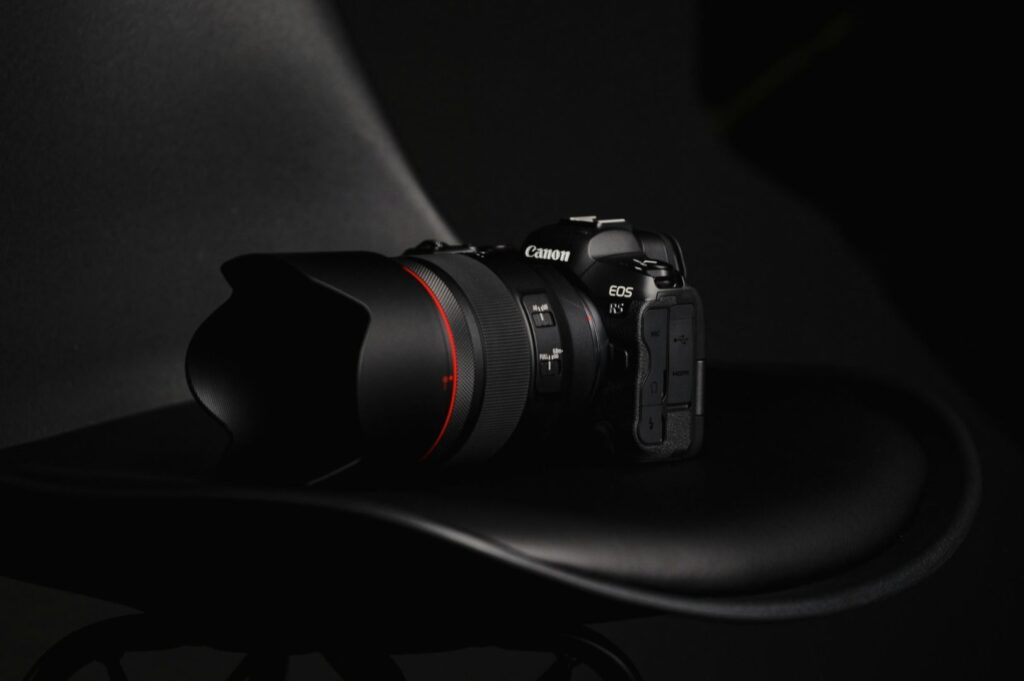
The best cameras for beginners in food photography are the ones that make you shoot more, learn faster, and still produce client-ready photos. A mirrorless camera with a live preview and good handling can speed up learning. A DSLR camera with a strong battery and comfortable grip can keep you shooting longer. A compact camera can work if it doesn’t lock you into “auto-only” life.
And if your goal is results without the learning curve (launching a new menu, building a GrabFood gallery, refreshing a website) professional food photography services exist for exactly that reason. When you’re ready, we can handle the lighting, styling, and consistency while you focus on running the kitchen.