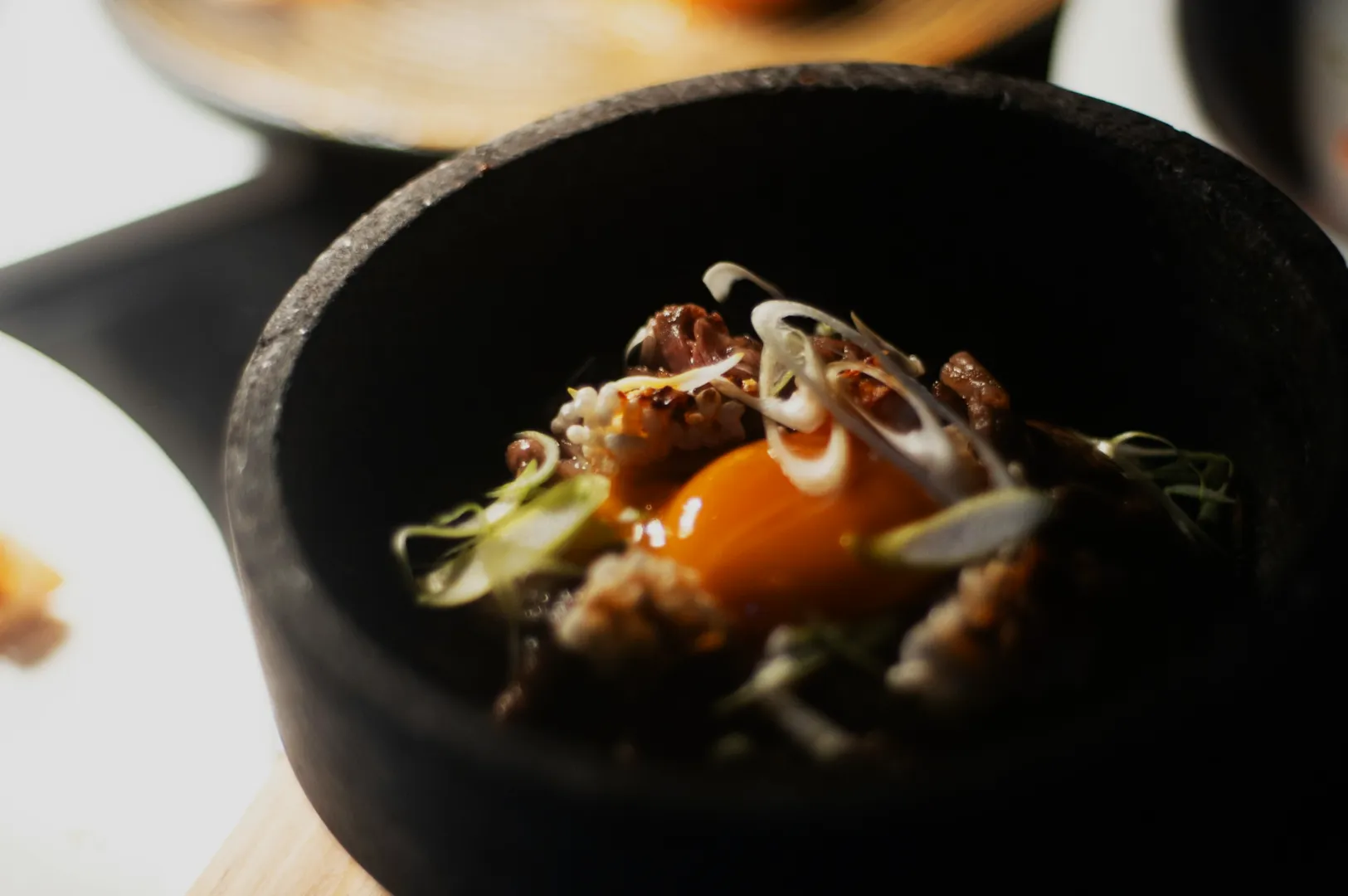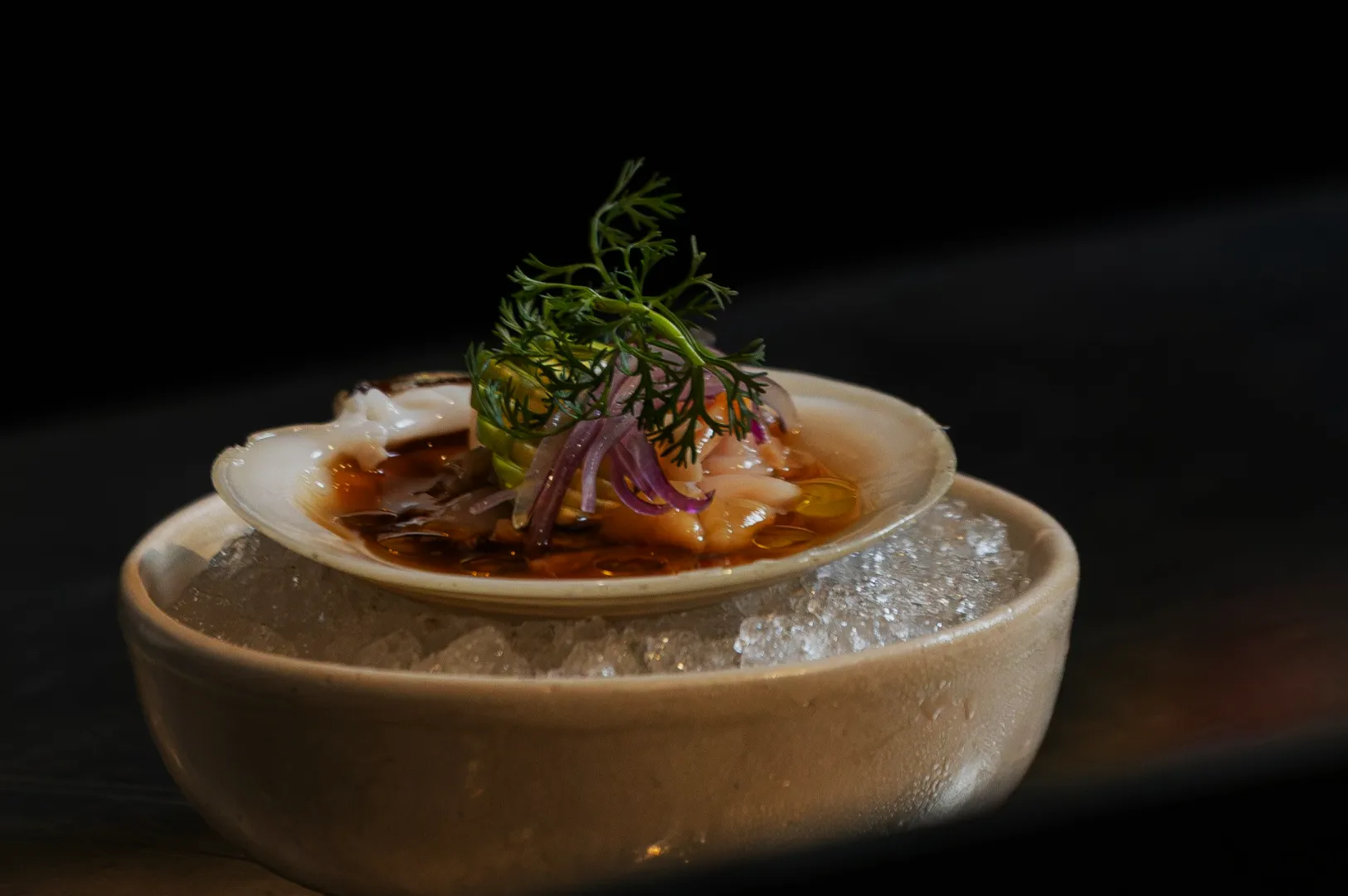
Most “bad food photos” are not bad because the dish is ugly. They are bad because the camera angle chose the wrong story.
In Singapore, where diners decide fast and screens are small, angle is one of the simplest ways to make a dish feel clearer, bigger, fresher, or more worth the price. It is also one of the easiest ways to accidentally flatten a beautiful plate into something that looks… confusing.
This guide breaks down the three angles that actually matter for menu work: overhead, 45°, and eye-level. We will keep it practical, and we will tie every angle back to real dishes you sell, not abstract theory. If you want the bigger picture on building a consistent visual system, start with the core guide to shooting dishes that look appetising.
Why Camera Angles Affect Orders More Than People Think
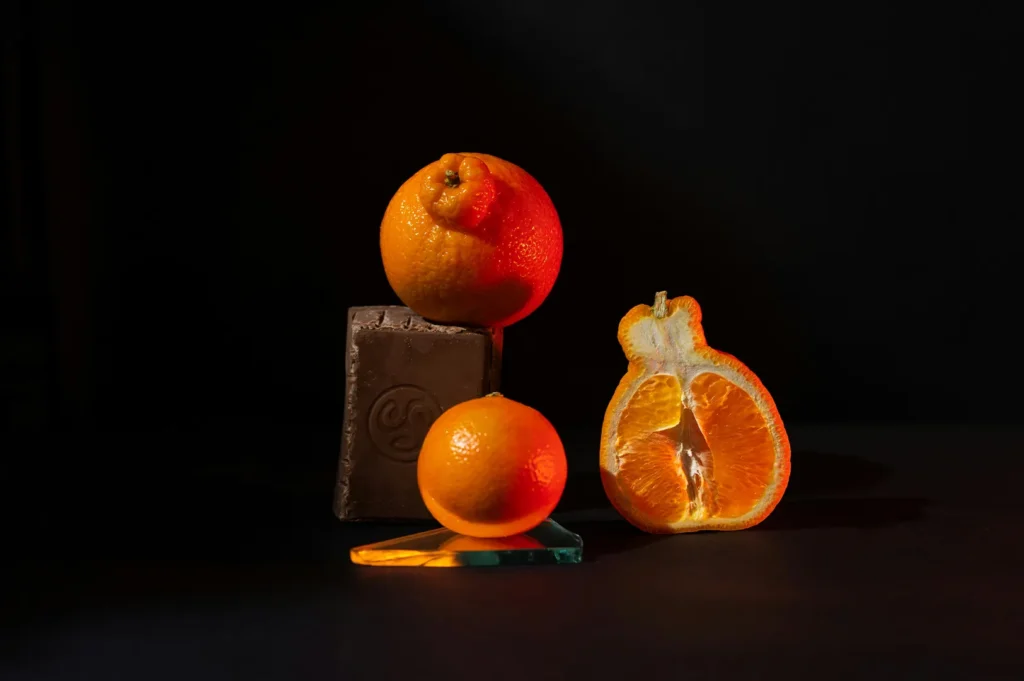
A camera angle changes three things immediately:
- What the customer understands at a glance (ingredients, portion, structure)
- What the food feels like (fresh, hot, indulgent, premium)
- How “expensive” the dish looks (messy vs intentional)
A bowl of laksa shot overhead can look like orange soup. The same bowl at 45° shows prawns, tau pok, noodles, and steam cues. That is not a style choice. That is conversion.
Overhead Shot Food Photography: When It Wins, When It Kills
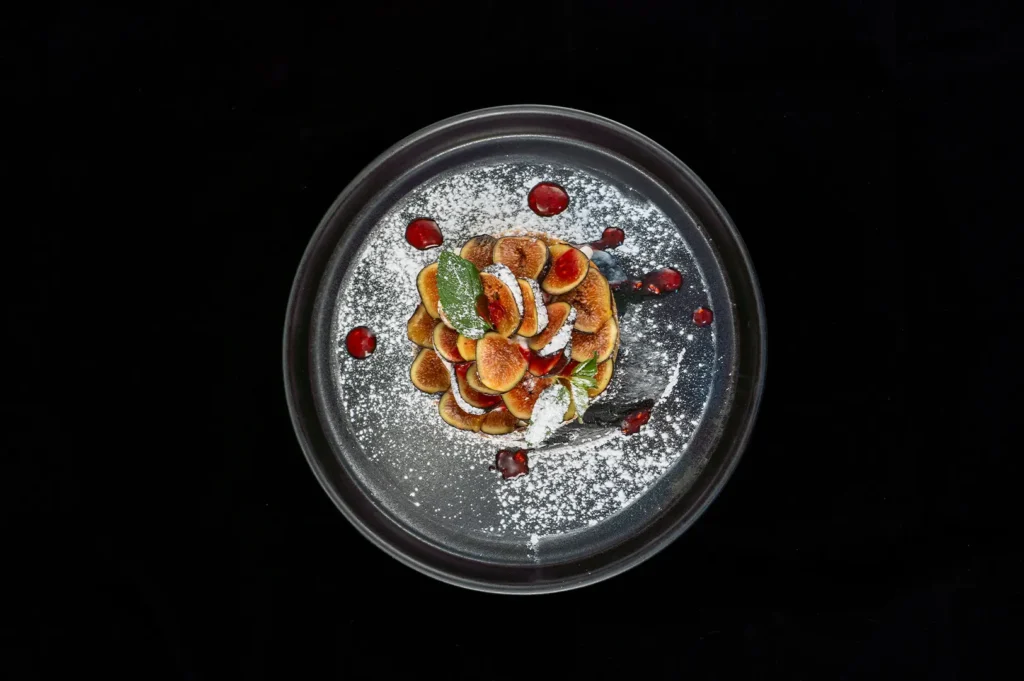
An overhead shot is the cleanest way to show shape, layout, and variety. It works because it simplifies the scene. Diners get a clear “map” of what they are ordering.
Best Use Cases for Overhead
Overhead shot food photography works best for dishes where the “top view” tells the full story:
- Rice sets and bento: chicken rice, nasi lemak, Japanese sets, mixed grills
- Sharing spreads: zi char tables, dim sum spreads, Korean BBQ sides
- Flat foods: pizza, rosti, open-faced sandwiches
- Breakfast boards: where the variety is the value
Overhead is also friendly for delivery platforms because it reads well as a thumbnail. The food is recognisable even when it is small.
When Overhead Makes Food Look Worse
Overhead fails when the dish’s best feature is height, depth, or texture.
- Soups and noodles can become a flat circle of liquid
- Burgers become a messy top bun
- Layered cakes lose their “wow” because you cannot see the layers
- Roast meats can look dry because you lose highlights and sheen
If your dish has height, overhead should be your supporting angle, not your hero.
The 45° Angle: The Workhorse for Real Menu Dishes
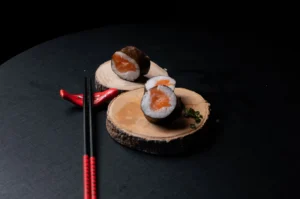
If you shoot one angle only, shoot 45°. It mimics how people actually see food at the table, so it feels familiar and believable.
This is why it sells. It shows top detail and side structure at the same time. It also lets you control the background and add context without drowning the dish in props.
Best Dishes for the 45° Angle
- Laksa, ramen, bak kut teh, fish soup: you can see what is inside, not just the surface
- Char kway teow, mee goreng, fried rice: the glisten and texture read better
- Café plates: pasta, brunch plates, salads, grain bowls
- Desserts with height: waffles, pancakes, plated cakes
For Singapore-style bowls, 45° gives you the best chance to show “abundance” without looking chaotic. The toppings sit high, the broth still looks rich, and you can place steam cues where they make sense.
Why 45° Feels More Premium
A good 45° frame gives you room to keep the scene clean. You can use negative space naturally, even if you are shooting in a real restaurant environment. This is where many brands quietly level up: less clutter, clearer hero dish, better appetite pull.
Eye-Level Shot: The “I Want To Bite This” Angle
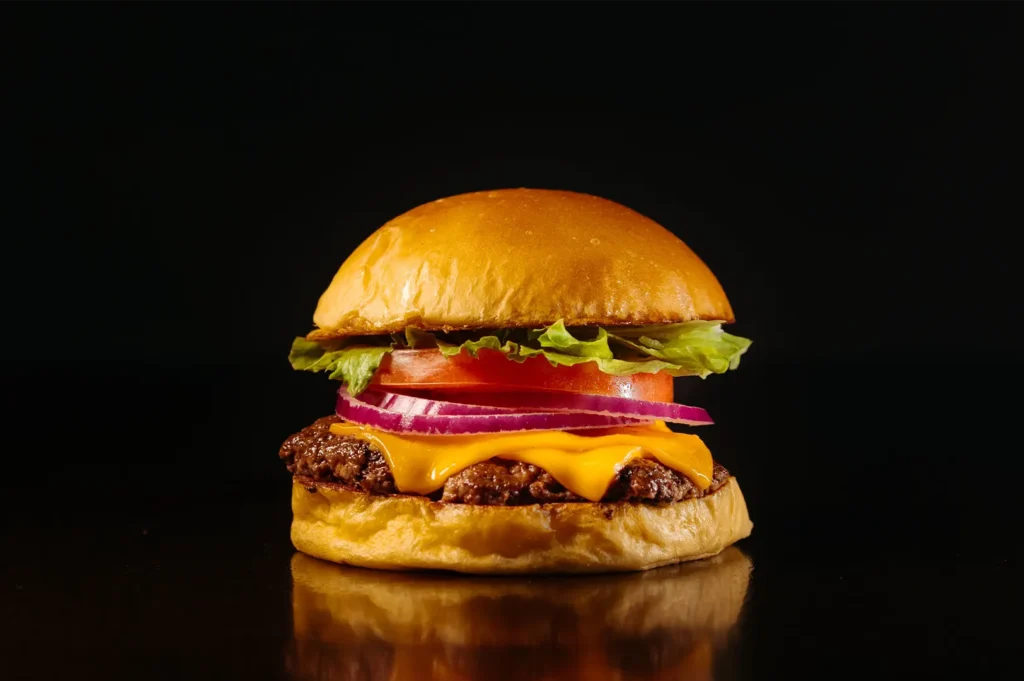
Eye-level is emotional. It is the closest angle to eating. It works best when the dish has layers, and when you want the viewer to imagine the first bite.
Best Dishes for Eye-Level
- Burgers and sandwiches: you want the stack, not the top
- Layered desserts: parfaits, tiramisu cups, cake slices
- Tall drinks: iced lattes, soda floats, cocktails, milkshakes
- Skewers and grills: satay, yakitori, kebabs, where char marks matter
Eye-level also makes portion size feel more generous, but only if your styling is honest. If the real burger is short and the photo looks like a tower, the customer notices when it arrives.
A Quick Rule for Eye-Level
If the main selling point is layers, height, or gooey texture, go eye-level.
Think cheese pull, thick cut katsu, dripping yolk, stacked pancakes. These moments are built for this angle.
The “Three-Angle System” That Keeps Menus Consistent
For menu photography, consistency sells trust. The easiest way to get it is to standardise what you capture.
For each hero dish, aim for:
- One angle that sells (your main hero)
- One angle that explains (ingredients, portion, clarity)
- One angle that gives options (cropping for banners, social, thumbnails)
That usually means a combination of overhead + 45° + eye-level, but the hero angle changes by dish type.
This approach is also how you avoid a menu that looks like it was shot by five different people on five different days.
Common Angle Mistakes We See in Singapore Restaurants
- Shooting everything overhead because it is “easy.”
Easy is not the same as effective. Overhead is great, but not universal. - Using eye-level on dishes with no height.
A flat plate shot straight-on often looks sad. Give it 45° and better light. - Standing too far back.
You lose appetite cues. Get closer, then build breathing room with cleaner backgrounds. - Forgetting the thumbnail test.
Zoom out and look at your photo small. If the dish becomes unrecognisable, the angle is not doing its job.
Pick Angles That Match How Your Food Wants to Be Seen
The best camera angles for food photography are not about rules. They are about respect. Respect for what the dish actually looks like, how diners decide, and what makes your food worth paying for.
Overhead sells structure and variety. 45° sells reality and richness. Eye-level sells bite and indulgence. When you match angle to dish, your photos stop being “content” and start doing their job.
If you ever feel stuck, it is rarely because you need a new camera. It is usually because you need a clearer shooting system. And if you want a full menu set that looks consistent across 30 dishes, that is exactly the kind of work we build at Food Photographer Studio, with angles chosen for what sells, not what is trendy.
Visit our website for more info.