We’ve seen it happen more than once in Singapore.
A hawker centre photo shot on an $800 setup becomes the one that gets shared everywhere. Then a $6,000 camera struggles in a dim, Michelin-starred dining room because the lighting is mixed, the plating is glossy and the schedule is tight. These exactly the kind of situation where making images that actually drive orders matters more than gear.
That’s the camera paradox in food photography: the “best” camera isn’t the most expensive one which is a reality Food Photographer Studio sees play out repeatedly across Singapore’s F&B scene. In reality, it’s the one that fits the job, the environment and the final use of the pictures.
If you’re an F&B owner trying to make smart decisions, this matters. Camera choices can feel like a rabbit hole: brands, specs, lenses, “pro” features. But in real operations, your results are usually decided by three things: where you’re shooting, where the pictures will live, and how fast you need to work. Get those right and your camera becomes a tool, not a gamble.
Three Camera Truths Singapore F&B Keeps Teaching
1) The environment beats the camera
A top-tier camera can’t rescue bad light.
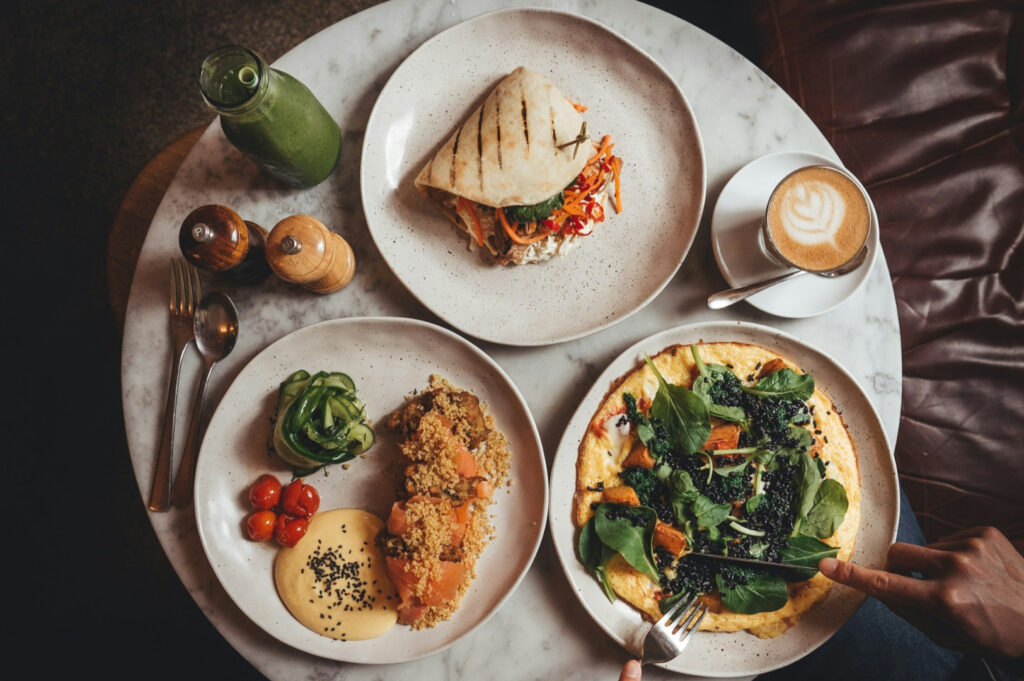
Harsh midday sun at a place like Lau Pa Sat creates hard shadows and shiny highlights that fight your food. Meanwhile, a phone used near a café window with soft, diffused light can produce clean, appetising pictures with very little effort.
The camera is only recording what the environment gives it. If the light is ugly, the camera will faithfully capture ugly light.
2) The final output should decide your camera
Before you buy anything, ask: where are these pictures going?
Instagram Stories: fast, small, and casual
GrabFood menus: clear, readable, consistent
Website hero banners: controlled, polished, on-brand
Print ads or large-format displays: high-resolution files that hold up close
A medium format camera might be the right sign of quality for a cookbook or premium print campaign. But it’s often unnecessary (and inefficient) for daily social content. On the flip side, a smartphone might look fine on a phone screen, but fall apart when you need a crop-heavy image or a clean file for print.
3) Being ready can matter more than being perfect
Food changes quickly. Steam fades. Ice melts. Sauces lose shine. Garnishes wilt.
Sometimes the best camera is simply the one that’s ready when the dish looks its best. We’ve chosen a phone over a full setup because the “moment” was disappearing and a technically perfect picture taken too late is still the wrong picture.
Speed is a real advantage in F&B photography. The camera you can use reliably, quickly, and consistently often wins.
A Practical Camera Matrix for Singapore F&B
There isn’t one “best” camera. There are useful camera categories, each with a role.
Smartphone Camera
Best for: Daily content, behind-the-scenes, quick promos, staff updates
Why it works: It’s always ready, easy to shoot, easy to post
For many hawkers and smaller cafés, a smartphone is enough for day-to-day marketing. It’s also the easiest way to keep a steady content log without slowing service.
Mirrorless Camera
Best for: Menu sets, website content, campaigns, hybrid photo/video
Why it works: Strong image quality, lighter gear, fast autofocus, modern workflows
Mirrorless cameras have become the workhorse for many professional photographers because they balance quality and speed well.
DSLR Camera
Best for: Reliability, long shoots, teams already invested in DSLR systems
Why it works: Durable bodies, long battery life, broad lens ecosystems
DSLRs are still practical tools, especially in demanding environments or when a team already owns the lenses and workflow.
Medium Format Camera
Best for: Premium campaigns, cookbooks, high-end fine dining, large print
Why it works: Detail, colour depth, dynamic range that holds up under scrutiny
This is often used when the output demands it—especially when images need to look great close up, in print, or across large formats.
Action Camera
Best for: Kitchen POV, process content, tight spaces, time-lapses
Why it works: Small, mountable, durable, good for dynamic storytelling
Action cameras aren’t for hero dish pictures, but they’re excellent for capturing process and atmosphere especially when you want movement and energy.
One important note: in controlled commercial shoots, you may see camera transmitters used to send pictures straight to a laptop for review. That isn’t about showing off gear. It’s about speed, quality control, and getting the final image right while the food still looks fresh.
What Matters More Than the Camera
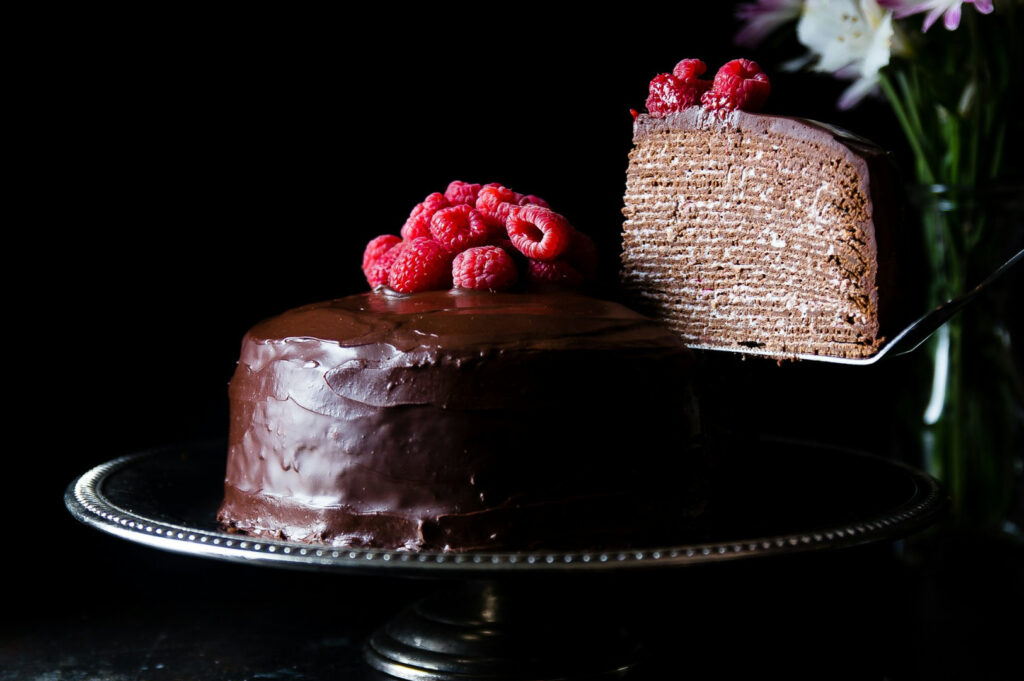
If you’re chasing better results, the camera body is rarely your biggest lever.
Lens quality and the view you create
Your lens controls perspective, sharpness, and how your background looks. It affects the “view” of the dish whether it feels natural, premium, or distorted.
A good lens can upgrade your pictures more than a camera body upgrade.
Lighting
This is still the #1 factor. Natural light, diffusion, bounce, controlling reflections: this is where good food photos are made.
Styling and composition
A well-styled dish with a clean composition will look better on a basic camera than a poorly styled dish shot on premium gear. Styling decides appetite. Composition guides attention.
The photographer’s eye
Knowing when to go in for a close detail vs pulling back for context is a skill. That skill is often what separates “nice” from “effective.”
Post-processing
Editing is the modern dark room. Done well, it corrects colour, controls contrast, and builds consistency. If you keep a simple editing log (what settings worked for your space and lighting), your output gets more consistent over time regardless of camera.
A Simple Camera Decision Tree for Restaurant Owners
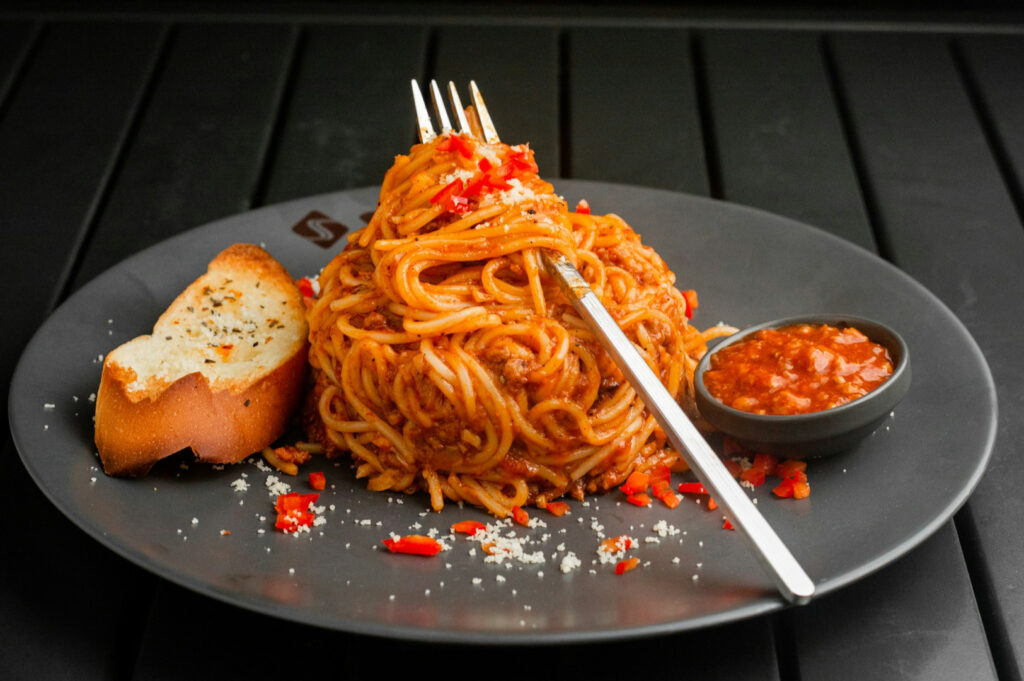
If you’re deciding what to buy or use, these questions cut through the noise:
What’s your main use case?
Daily social content? Delivery menu? Website refresh? Print?What’s your content volume?
High volume usually favours a phone or a simple mirrorless setup that stays ready.What’s your shooting environment like?
If your space is dim or has mixed lighting, invest in light control before upgrading camera bodies.Do you have in-house skill?
Owning a professional camera doesn’t guarantee professional pictures. If nobody has time to learn, the camera becomes expensive stock sitting in a drawer.What would move results fastest?
Often it’s not a new camera. It’s:
improving light
tightening your styling
creating a repeatable workflow
getting a small set of hero shots done professionally
A mature visual strategy isn’t a sign that you own the most expensive gear. It’s a sign that you can consistently produce pictures that match your brand and drive the right outcome.
Conclusion: The “Right” Camera Is the One That Fits the Job
The camera paradox is a reminder that equipment is just a tool. The “best camera” is the one that fits your budget, platform, and purpose, and keeps you ready to capture delicious moments. While the technology (from film to digital) is constantly changing, the core principles of good photography remain the same.
Professional photographers succeed because they have mastered the craft from lighting and styling to composition and post-processing. They know how to get the right view and the perfect close-up detail, regardless of the camera in their hands.
Understanding when and how to invest in photography is key. If you are ready to elevate your brand with images that are strategically sound and beautifully executed, visit Food Photographer Studio for a professional food photography consultation.