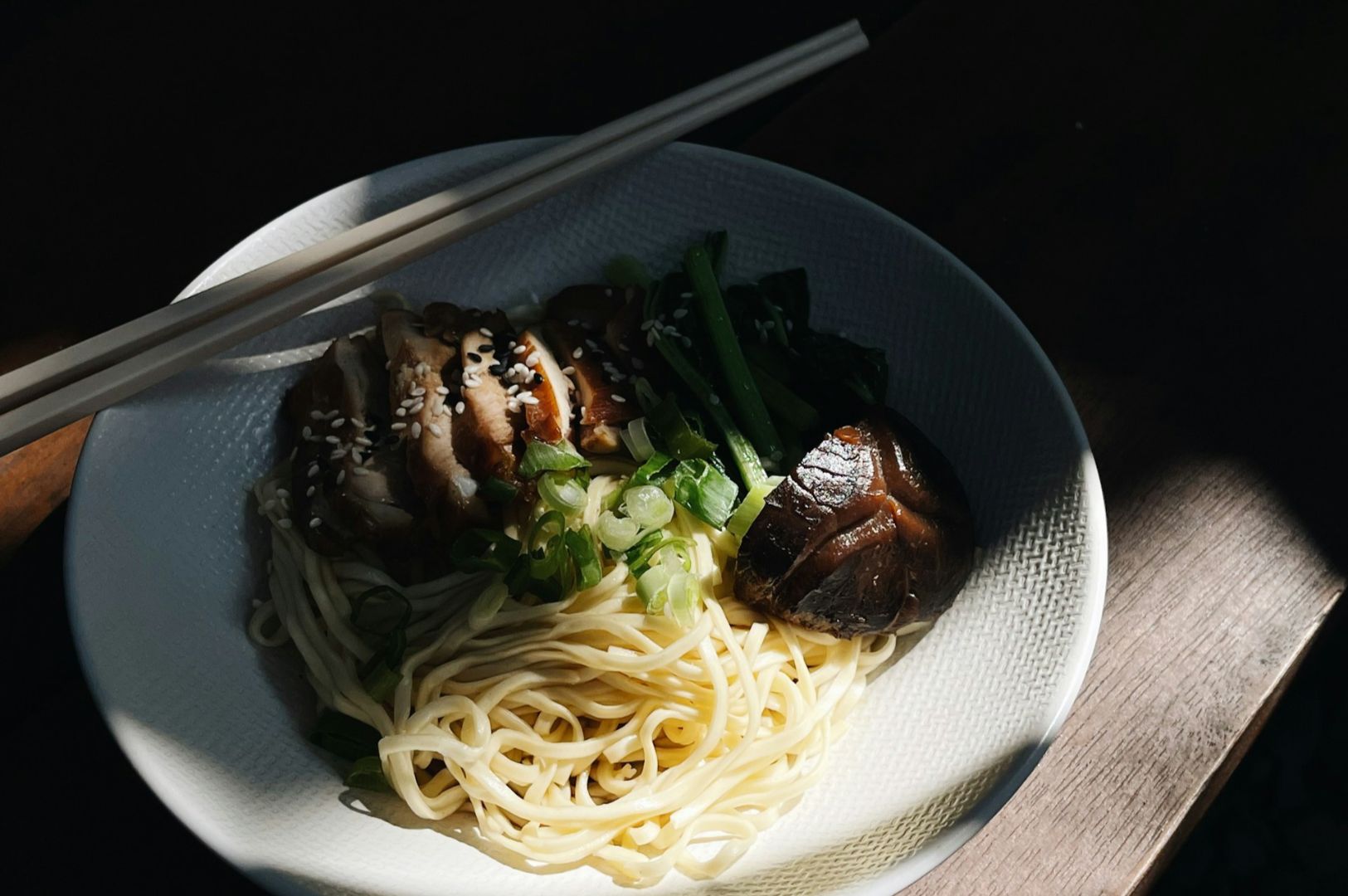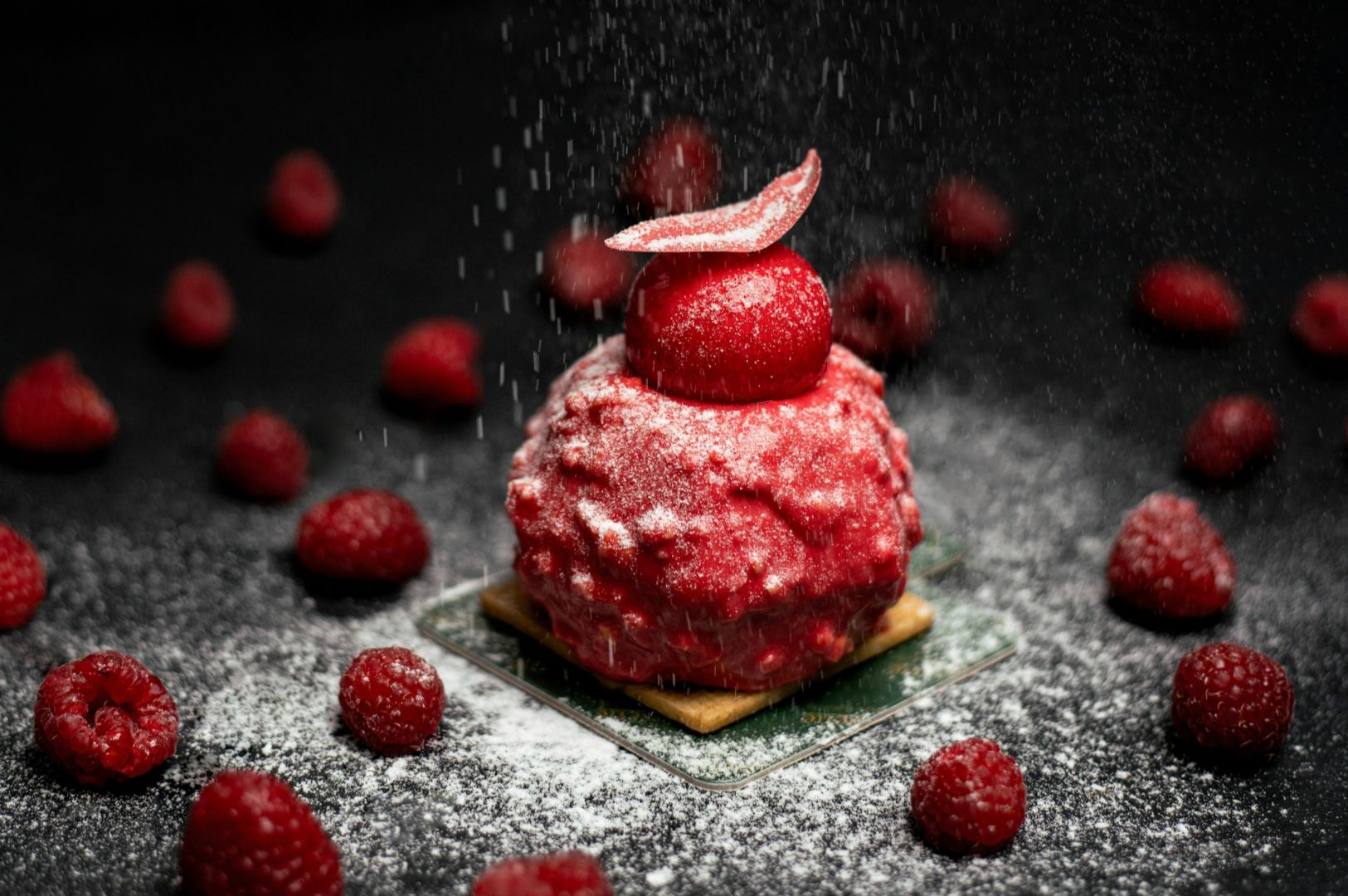
If you have ever tried photographing food in Singapore, you know that the generic advice found in most food photography tips articles doesn’t always apply here. While tutorials often suggest “take your time” or “find a big window,” Singapore’s tropical climate and bustling food scene demand more. The intense humidity melts garnishes quickly, and cramped hawker stalls limit your setup, making it essential to adapt your approach.
For Singapore F&B owners, chefs, and bloggers aiming to shoot food effectively, understanding these unique challenges is key. Whether you’re doing a DIY food shoot or hiring a great photographer, mastering local conditions ensures your main focus (the food) shines through. This guide highlights practical strategies to overcome harsh lighting, limited space, and multicultural aesthetics, helping you capture interesting photos that stand out in a competitive market.
In case you missed this: Read our guide on how to capture pics of food that drive restaurant revenue in Singapore.
Challenge 1: Extreme Humidity and Heat
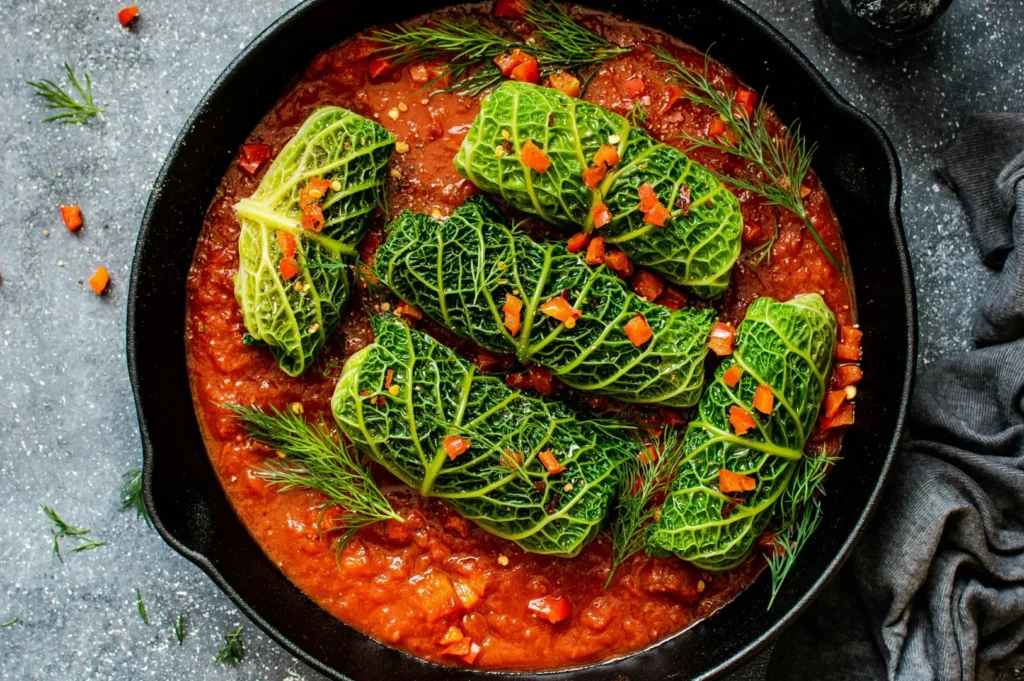
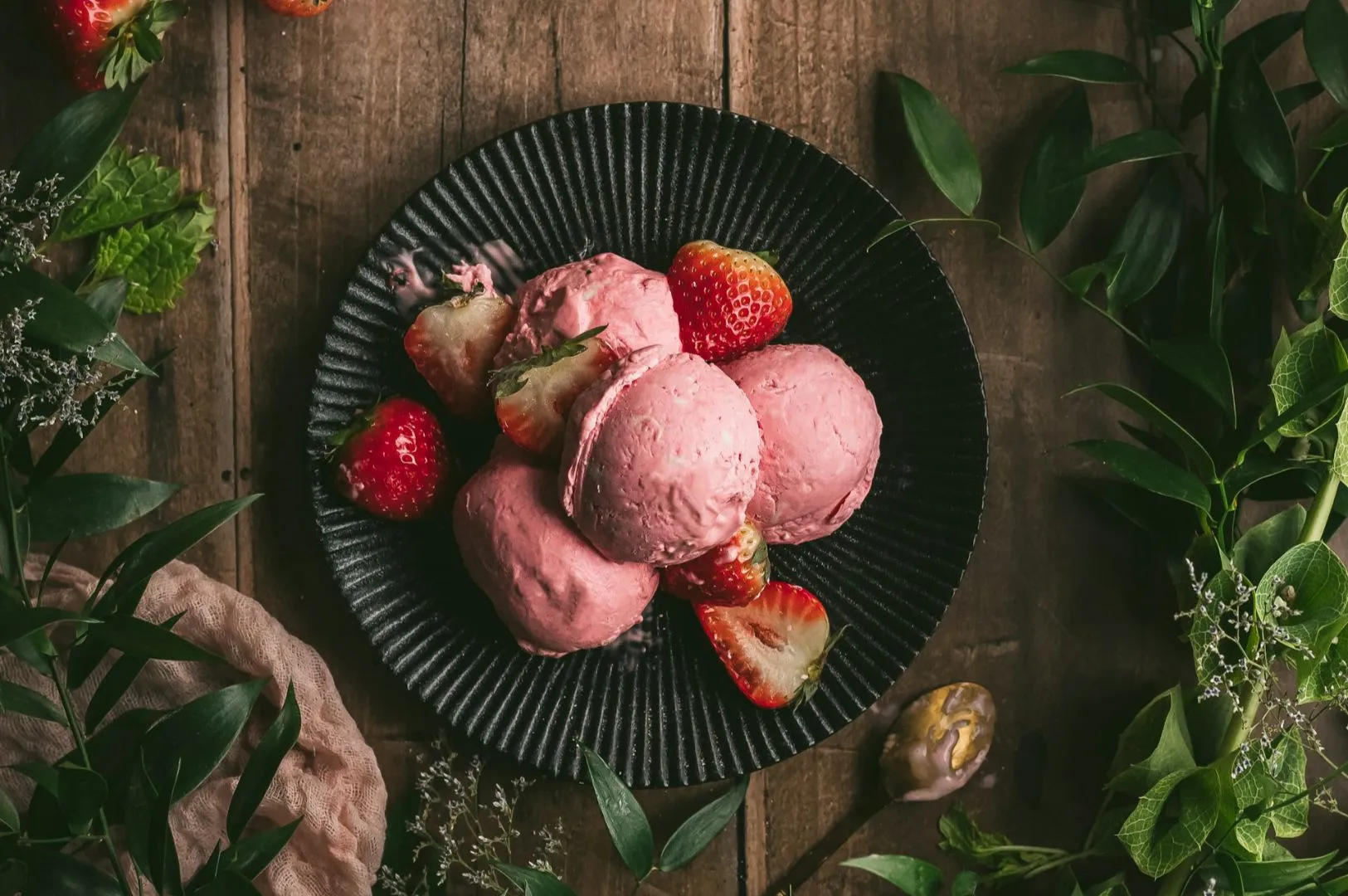
Singapore’s high humidity is a major challenge for good food photography. Unlike studios in temperate climates where you have time, here you must work fast—often within seconds. Humidity causes fresh greens to wilt instantly, condensation to form unattractively on cold drinks and plates, and ice cream or chocolate decorations to melt quickly. Steam from hot dishes also disappears fast, making food look less appealing.
Equipment is affected too; moving from air-conditioned spaces to humid outdoors causes lenses to fog, and sweating can increase camera shake, risking blurry shots.
Food Photography Tips to Overcome:
Work quickly: Test lighting and composition with stand-in plates to be ready when the food arrives.
Protect gear: Keep your camera in a bag when transitioning between temperatures to reduce fogging.
Use cold water: Spray salads to refresh them and create controlled condensation on glasses.
Master manual mode: Quickly adjust exposure as lighting changes.
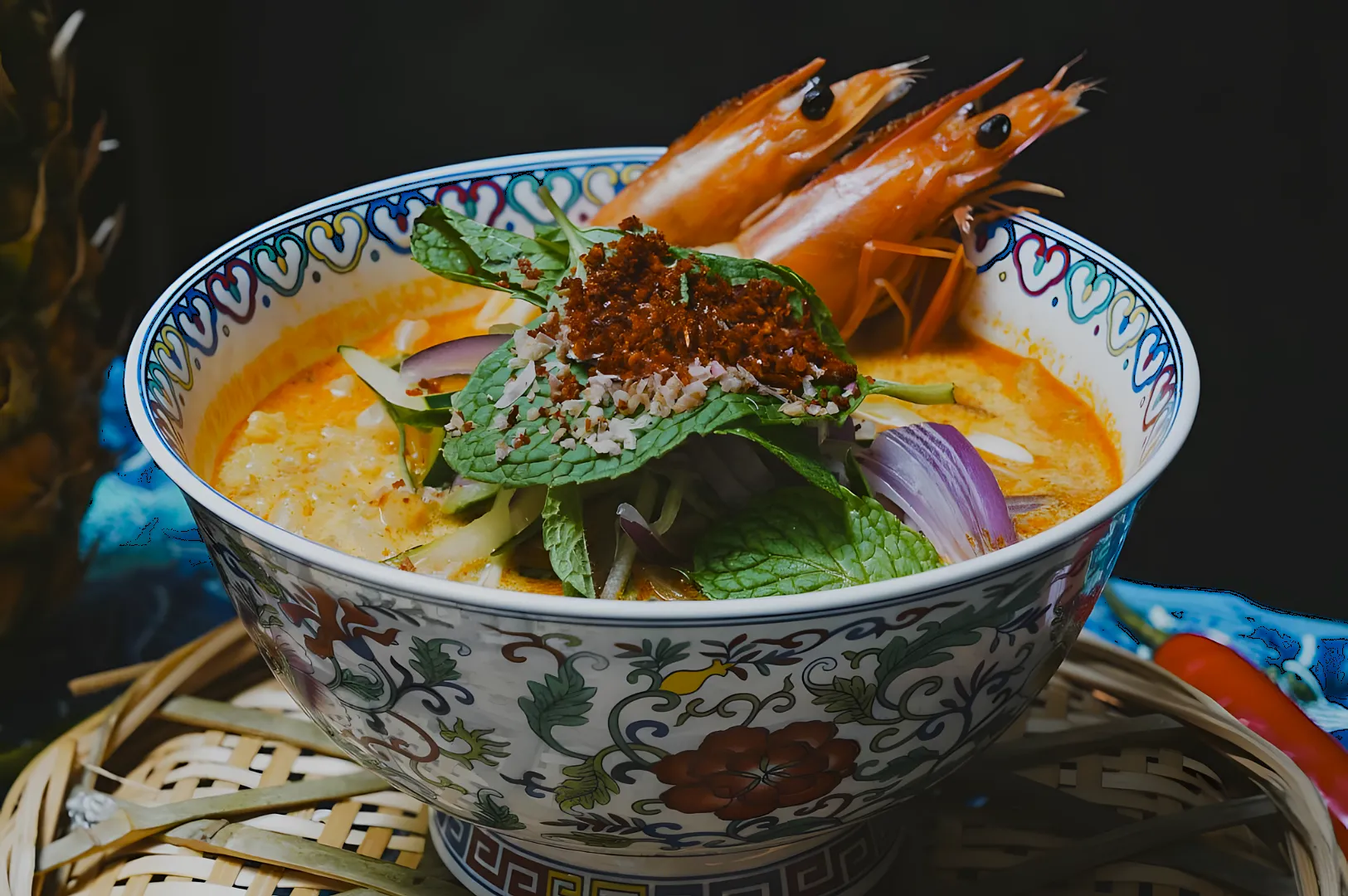
Experienced professional photographers know how to time shots perfectly, capturing dishes like laksa or chendol before they lose their appeal.
Challenge 2: Harsh Tropical Sunlight and Mixed Lighting
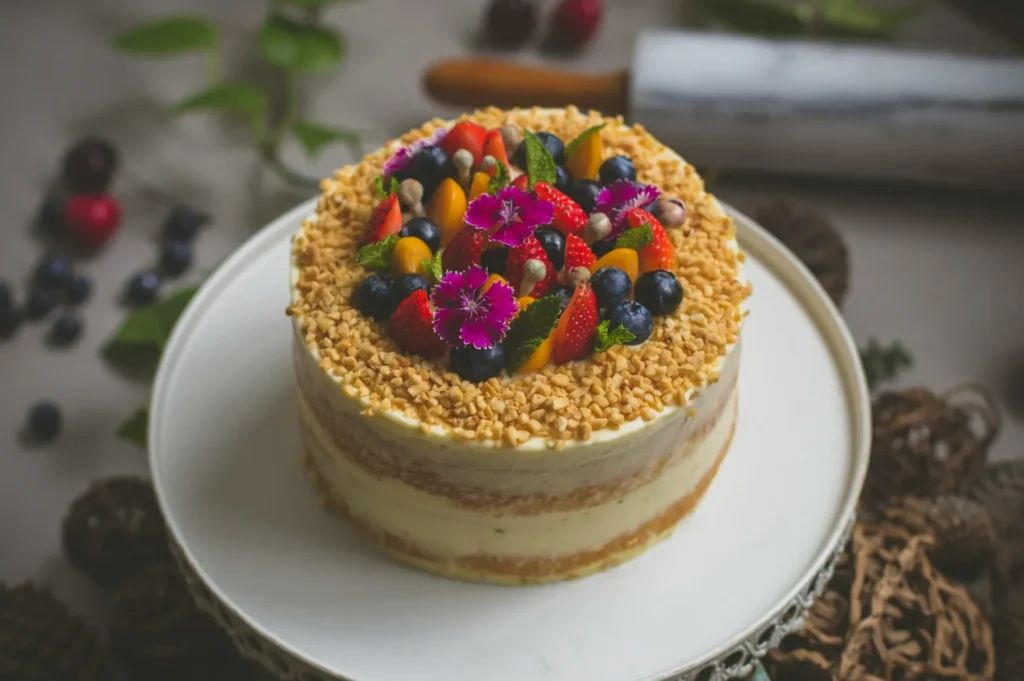
Singapore’s lighting is extreme. Harsh, vertical direct sunlight casts deep shadows and blown-out highlights, while the “golden hour” is brief. Heritage shophouses have dark interiors despite bright exteriors. Artificial lighting mixes daylight with greenish fluorescents or warm tungsten, confusing most cameras and causing poor white balance.
Technical Effects:
To manage direct light, use diffusion. In darker areas, high ISO or slower shutter speed may be necessary, risking noise or blur. A narrow aperture increases focus but reduces light intake.
Best Practices:
Avoid midday shoots unless in deep shade.
Use scrims or sheer curtains to soften window light.
Manually adjust white balance or use a grey card for accurate colors.
Bounce light with white foam boards to fill shadows.
Use studio lights or LED panels to create a more controlled environment when ambient light is poor.
Challenge 3: Limited Space and Speed Requirements
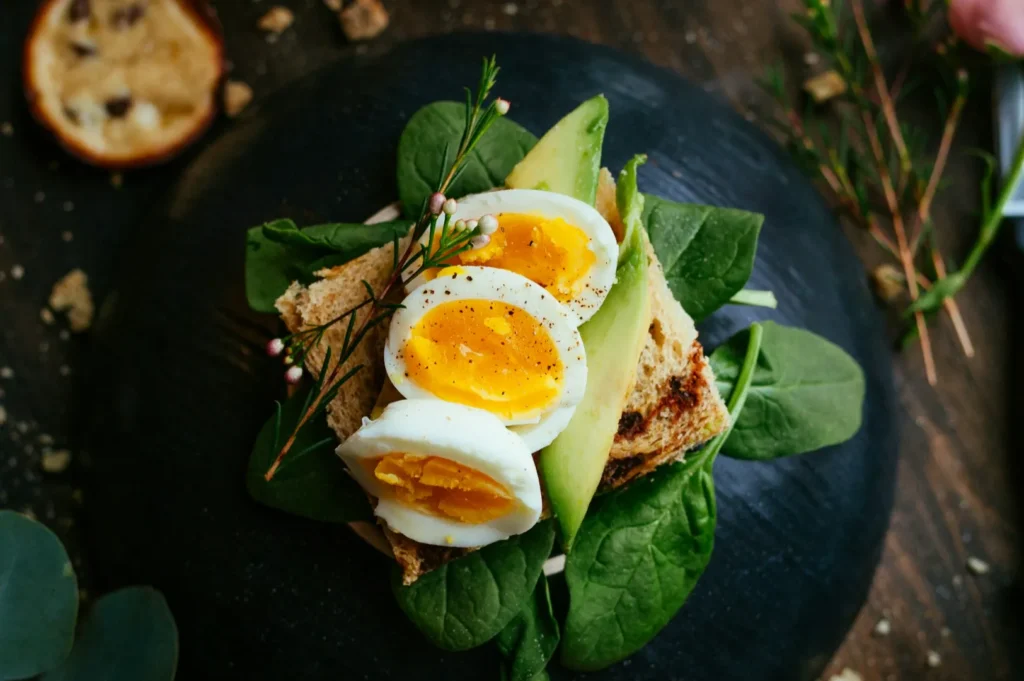
Space is tight in Singapore, especially in hawker stalls or crowded cafés, making it hard to use a tripod or get high enough for an overhead shot. Service can’t be interrupted, so you must work quickly with minimal gear.
Solutions:
Focus on vertical shots and 45-degree angles instead of flat lays.
Use a macro lens or “macro mode” to capture interesting textures up close.
Prime lenses like 50mm or 85mm allow tight food portraits from a distance.
Skip bulky tripods; stabilize yourself or use a monopod.
Professional photographers excel here by efficiently setting up small flash units and capturing images pop quickly without disrupting service, ensuring you get all the photos needed.
Challenge 4: Multicultural Aesthetic Expectations in Food Photos
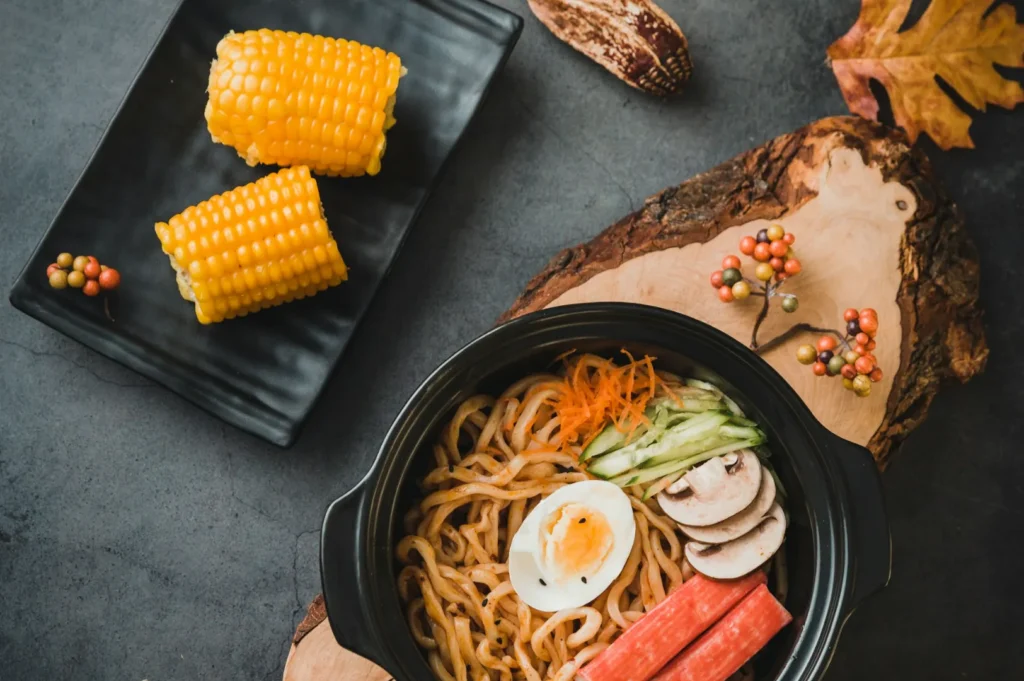
Singapore’s food scene is diverse, and photographing food here means respecting varied cultural aesthetics. A perfectly plated dish differs across cuisines:
Chinese Cuisine: Emphasizes abundance and glossy sauces.
Malay Cuisine: Values authenticity, often featuring banana leaves that cause green reflections.
Indian Cuisine: Showcases vibrant colors and textures but sauces can appear flat without dimension.
Western/Cafe: Prefers minimalism and negative space.
Technical Challenges:
Shiny banana leaves create hot spots, while metal plates reflect surroundings, including the photographer. Sauce-heavy dishes benefit from a more shallow depth (wide aperture) to add dimension.
Solutions:
Research cultural presentation to highlight the dish’s “hero” element.
Use polarizing filters or dulling sprays to control reflections on shiny surfaces and wooden boards.
Apply shallow depth of field to focus on textures and blur distractions.
Utilize photo editing software to adjust colors—taming greens or enhancing reds.
Understanding these nuances elevates snapshots into great photos for food blogs or menus.
Challenge 5: Competitive Visual Landscape of Food Photographers
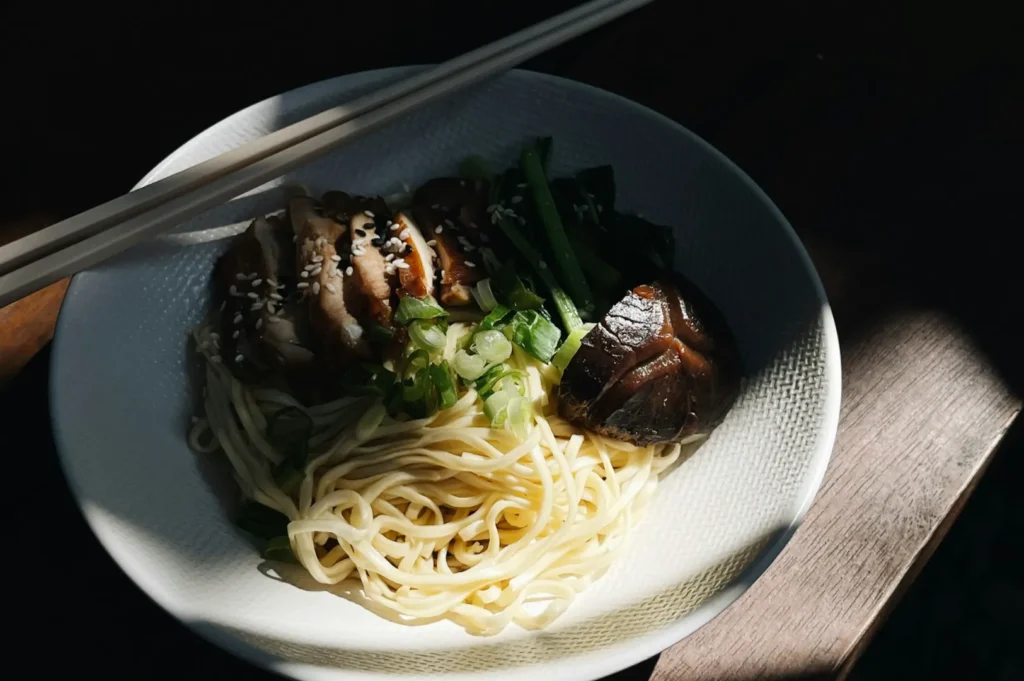
The Singapore F&B scene is saturated. Consumers are scrolling through thousands of images daily. Visual appeal is the currency of this economy. Audiences are sophisticated; they recognize quality markers like background blur (bokeh), proper lighting, and consistent styling.
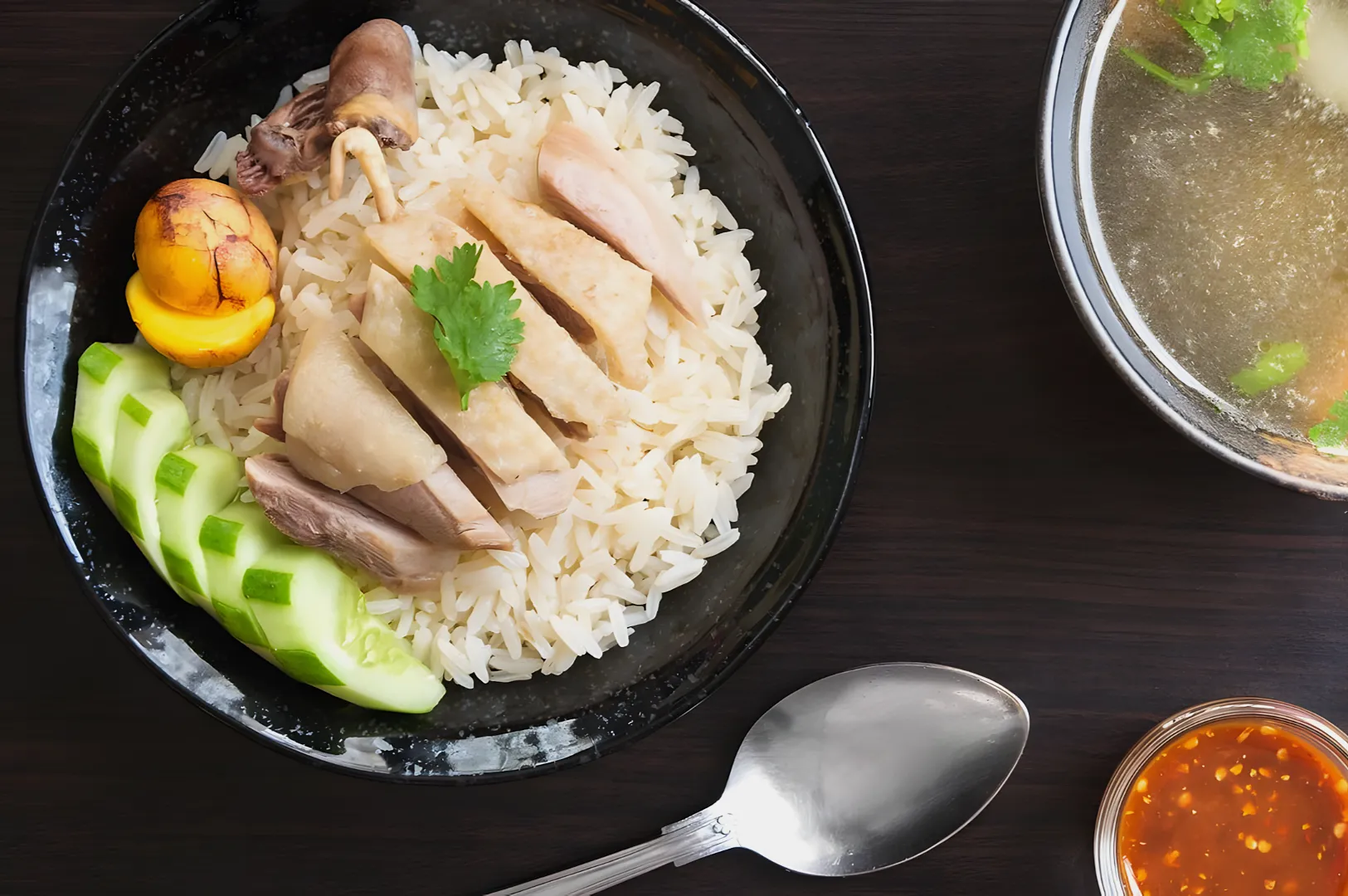
To stand out, you cannot just document the food; you need a unique style. If you take the same angle of Chicken Rice that everyone else does, it becomes invisible.
Standing Out:
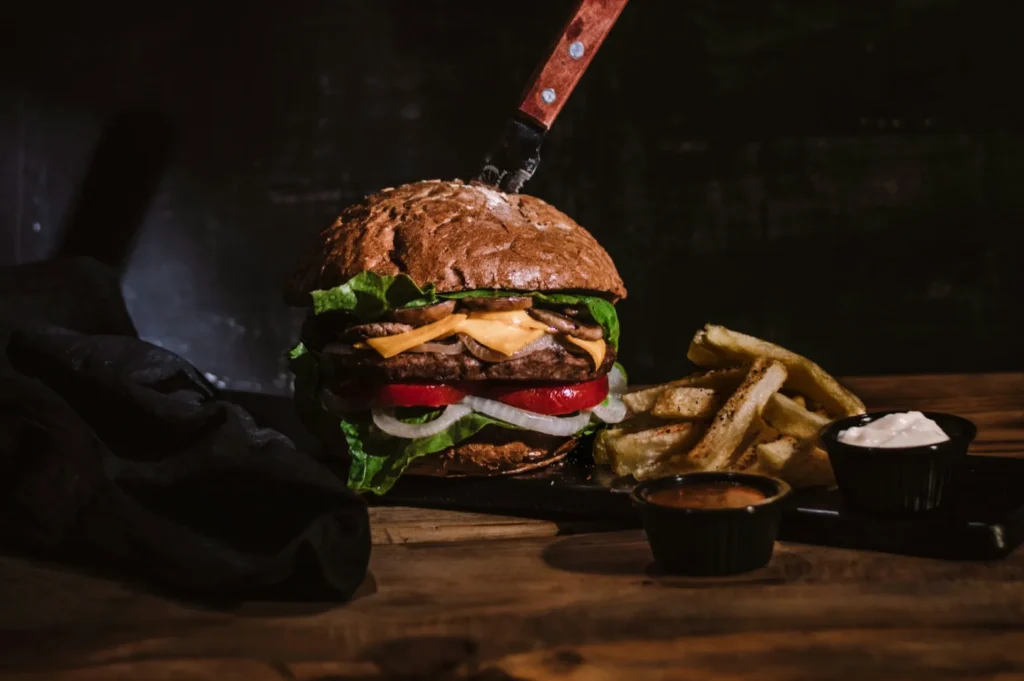
Unique Angles: Find a new perspective. Maybe shoot from a low angle to make a burger look monumental.
Visual Interest: Use props stylist techniques to add crumbs, a spilled drop of sauce, or a hand holding chopsticks to add life.
Lighting: Use artificial lighting creatively to create moody, dramatic shadows rather than the standard “bright and airy” look if it suits the brand.
Raw Format: Always shoot in RAW format. It gives you the latitude to save highlights and pull detail from shadows during post production, creating a look that JPEGs cannot match.
When to DIY vs. Hire Professionals
Knowing when to tackle a food shoot yourself and when to outsource is key to managing your budget.
DIY Candidates:
Daily social media stories and updates.
Food blog documentation of casual tastings.
Practice projects to learn manual mode.
Creating content for TikTok or Reels where “lo-fi” authenticity is acceptable.
Blog post content that relies on volume over perfection.
Professional Recommended:
Main dish menu photography (this directly impacts sales).
Signature dish branding and website hero images.
Launch campaigns for new outlets.
Situations requiring complex artificial lighting (e.g., dark dinner service).
Brand-critical projects where visual interest determines ROI.
Hybrid Approach:
Many businesses thrive on a hybrid model: hire a professional for the “hero” images that anchor your brand, and use your own skills to take photos for daily engagement.
Building Singapore-Specific Skills
If you are committed to improving your DIY skills, start by practicing in actual conditions. Don’t just shoot in your kitchen; go to a hawker center and try to find enough light.
Invest in Fast Glass: A lens with a wide aperture (f/1.8 or f/2.8) allows for shallow depth of field and faster shutter speeds in dark corners.
Learn Post-Production: Photo editing software is extremely user friendly these days. Learning to correct white balance and add contrast makes a huge difference.
Study Local Examples: Look at a great blog or follow a great photographer in Singapore. Analyze their camera angle and lighting.
Comparison: Take two photos; one with your usual settings, and second image applying these tips (like using negative space or blocking direct sunlight). Comparing several shots side-by-side helps you see what works.
Conclusion
Photographing food in Singapore demands more than just basic skills; it requires a deep understanding of the unique local challenges such as the tropical climate, diverse cultural aesthetics, limited shooting space, and distinct presentation styles. These factors make capturing great food photos here a complex task.
While modern cameras and photo editing software provide powerful tools, mastering the use of natural light, managing harsh lighting, and applying effective food styling techniques are essential to produce great shots that stand out. Whether you choose to DIY your food shoot or hire a professional, knowing how to work with indoor lighting, adjust your camera’s manual settings, and utilize post processing will make a huge difference in achieving the perfect shot.
Experienced local food photographers are a saving grace when it comes to navigating these challenges, ensuring your images truly reflect the quality and appeal of your dishes. For those looking to elevate their skills or secure great photos without the hassle, consider exploring our detailed guide to professional food photography services tailored for Singapore’s unique environment.
For more photography tips, visit our website: https://foodphotographerstudio.com.sg/.