We have all seen it happen. A restaurant owner serves up their absolute best dish, maybe a legendary Hainanese Chicken Rice that has locals lining up around the block. They take photos for a food shoot, expecting great photos to pour in on Instagram, hoping their pics of food will actually attract customers and drive restaurant revenue in Singapore, not just collect likes.. But on screen, the glistening, fragrant rice looks like a beige mush, and the succulent chicken looks flat and uninspiring. It is frustrating when the visual doesn’t match the taste.
The truth is, some of Singapore’s most beloved dishes are notoriously difficult to photograph. They don’t have the natural vibrancy of a salad or the structural drama of a burger. However, this doesn’t mean they can’t look stunning. Professional food photographers use a few ways to improve your food photography, from mastering shallow depth of field to manipulating natural light, to make even the most difficult dishes shine.
In this blog post, we will break down the five toughest food for photography challenges in Singapore cuisine. We will reveal the exact methods pros use—including the cooking process, lighting techniques, and styling tricks—to create beautiful photos that capture interesting textures and the essence of the dish. Whether you run a restaurant or a food blog, these great tips will help you overcome unique obstacles to create eye-catching images with more depth and stunning visual appeal.
CHALLENGE 1: Monochromatic Dishes - Making Beige Beautiful
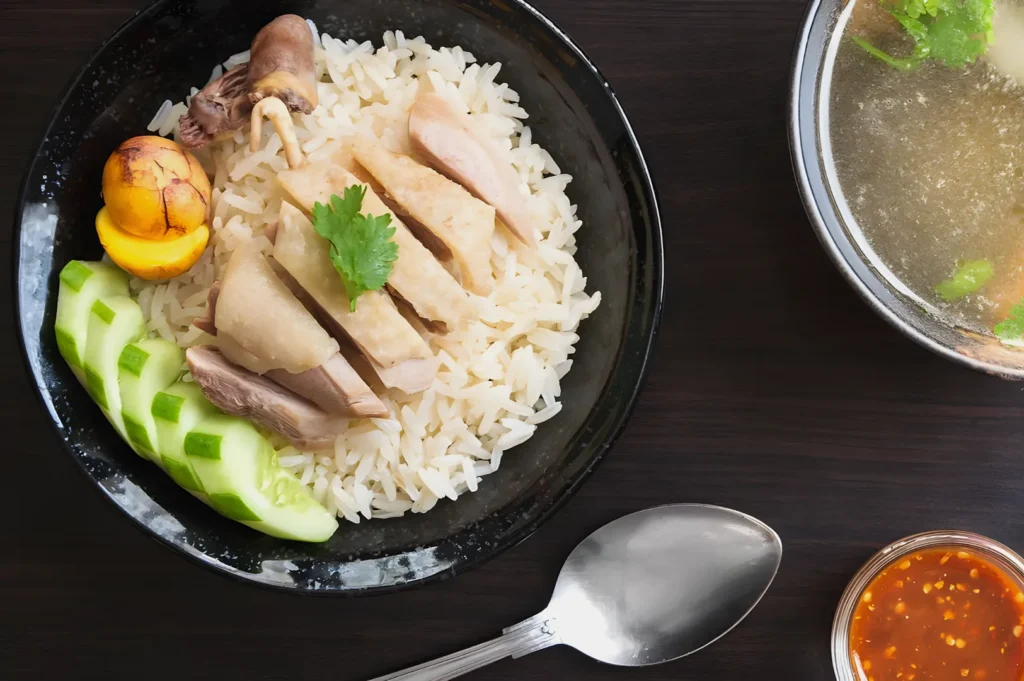
Food Photography Challenge: Color Contrast in Monochromatic Dishes
Monochromatic Singaporean dishes like Hainanese Chicken Rice, White Carrot Cake, and Teochew Steamed Fish often appear flat and unappetizing due to lack of color contrast, making it hard for the camera to capture shapes and textures.
Professional photographers use strategic food styling and lighting to create contrast by placing pale foods on textured grey slate or dark wooden boards, separating the main subject from the background. Adding a human element (such as a hand reaching for chicken or chopsticks lifting carrot cake) breaks visual monotony and adds context.
Lighting is key: positioning dishes near a window with natural light at a 45-degree camera angle creates shadows that define rice grains and fish texture, revealing gloss and sheen for beautiful texture and dimensionality.
Garnishes like cucumber slices, bright cherry tomatoes, or fresh coriander add pops of complementary color. Traditional dipping sauce bowls with dark soy, chili, or ginger serve as important props, enriching an otherwise beige palette. Shooting from different angles and reviewing a few shots is a crucial step in learning how to take photos that transform flat dishes into visually compelling images.
CHALLENGE 2: Dark/Brown Foods - Illuminating Shadows with Skill
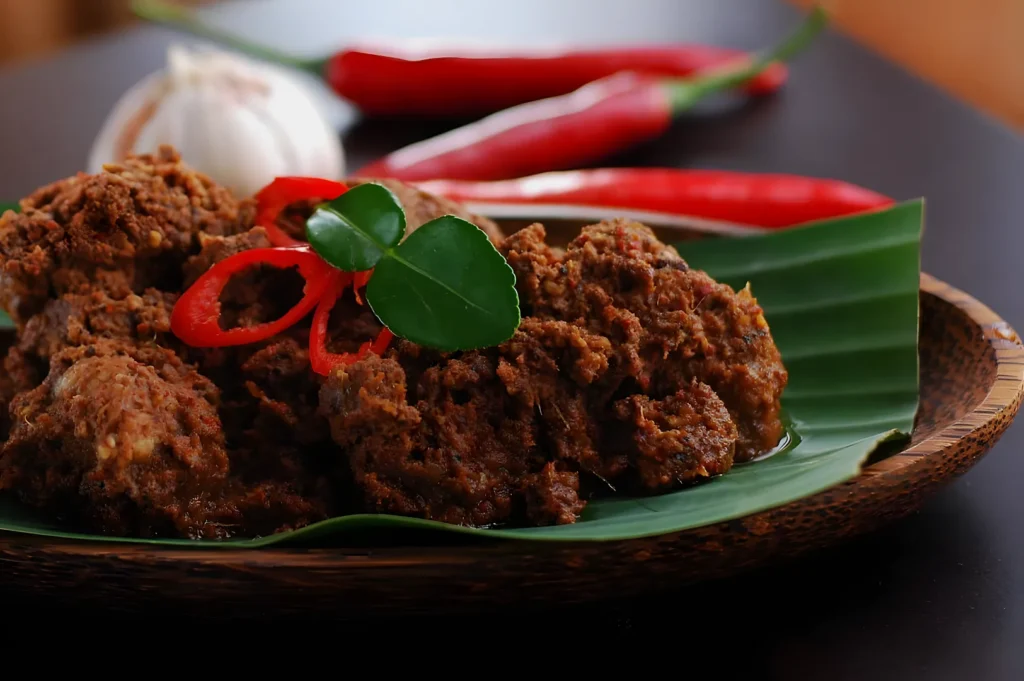
Food Photography Tips: Mastering Depth of Field for Dark-Hued Dishes
Dark dishes like Char Kway Teow, Beef Rendang, and Braised Duck absorb light, often appearing as black masses in photos. To capture their textures, professionals shoot in RAW format to retain image data for post production and slightly overexpose in-camera to avoid deep shadows.
Styling with vibrant lime wedges, fried shallots, fresh herbs, and chopped peanuts draws the viewer’s eye. Backlighting creates a rim light effect, separating the food from the background.
Using a wide aperture achieves a more shallow depth of field, keeping the main subject in sharp focus and softly blurring the background, isolating the hero element despite dark tones.
Dynamic shots (wok hei steam, noodles lifted, sauce drizzled) add movement and catch light. A fast shutter speed (1/200th second or faster) freezes action and prevents camera shake. Trying multiple camera angles such as overhead, 45-degree, straight-on or vertical, and maintaining the same angle throughout ensures a cohesive, unique style.
CHALLENGE 3: Soupy/Liquid Dishes - Controlling Reflections and Depth
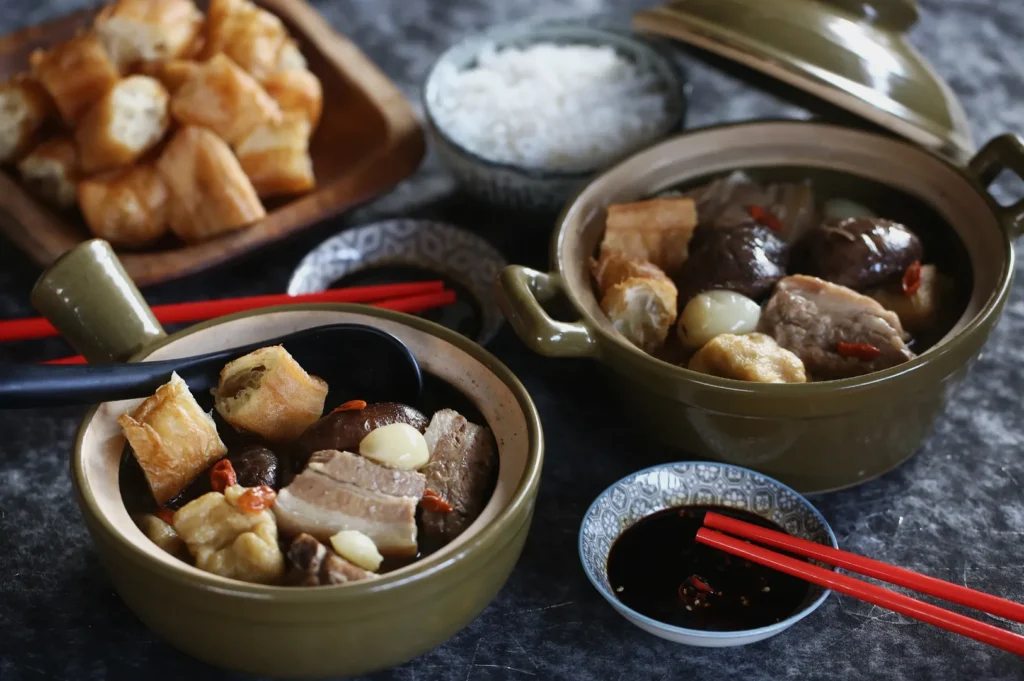
Artificial Light vs Natural Light for Food Photography
Singapore loves soups like Laksa, Bak Kut Teh, and Fish Head Curry, but photographing them is tricky due to reflections, sinking ingredients, and hidden depth. Uncontrolled reflections can make a bowl look like a mirror, while key ingredients disappear beneath the surface.
Controlling reflections starts with lighting. Natural light from a large window is ideal but must be diffused to avoid harsh hotspots. When using artificial light, large softboxes or diffusers are essential to create soft highlights instead of distracting glares.
Food styling for soups uses a “build it up” method: inverted small bowls or platforms elevate noodles and proteins to break the surface, ensuring visibility. Floating garnishes like tau pok or fresh herbs are placed just before the shutter clicks to avoid waterlogging.
Adding a human element such as a spoon scooping broth or chopsticks pulling noodles, adds depth and dynamism. Pour shots showcase broth richness but require speed as soups cool and ingredients settle quickly. Choosing the right bowl and including negative space in the composition allows the viewer’s eye to rest. Capturing rising steam adds a final touch of freshness and heat.
CHALLENGE 4: Messy/Deconstructed Foods - Controlled Chaos
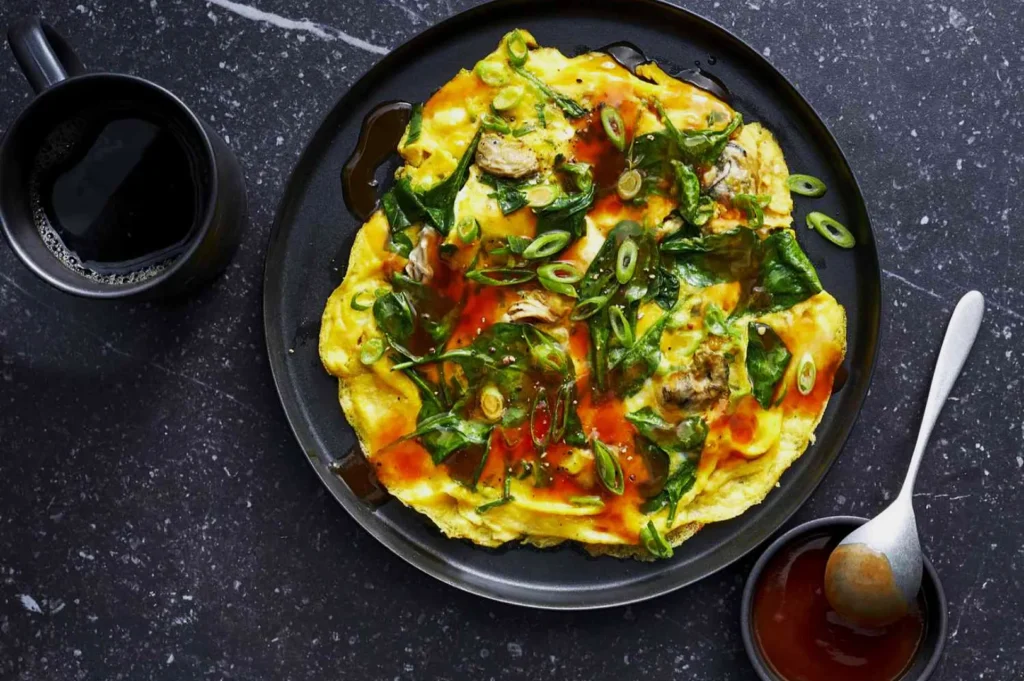
The Human Element in Food Photography: Embracing Authenticity
Singapore’s iconic messy dishes like Chili Crab, Rojak, and Oyster Omelette pose a unique food for photography challenge. The key to good food photography here is capturing controlled chaos that looks appetizing, using purposeful mess—drips of sauce, scattered chopped nuts, or olive oil splashes—while keeping white plate edges clean for visual appeal.
Food styling relies on the human element: hands cracking crab shells, dipping mantou buns, or sprinkling fresh herbs add authentic stories that connect emotionally. Photographers shoot two photos (before and after) highlighting a hero element like a succulent claw, with the rest providing context and depth.
A fast shutter speed freezes dynamic moments like splashing sauce or falling crumbs, preventing camera shake and ensuring sharp focus. Styling on rustic surfaces like wooden boards or banana leaves adds texture and reinforces street food vibes. Negative space around the dish gives controlled chaos room to breathe, guiding the viewer’s eye to the main subject.
Natural light is often the photographer’s best friend in these situations, providing the soft illumination needed to highlight textures and colors without harsh shadows. Mastering these techniques with more light and depth creates stunning images that capture Singapore’s vibrant street food energy and authentic flavors.
CHALLENGE 5: Flat/Repetitive Foods - Creating Visual Interest
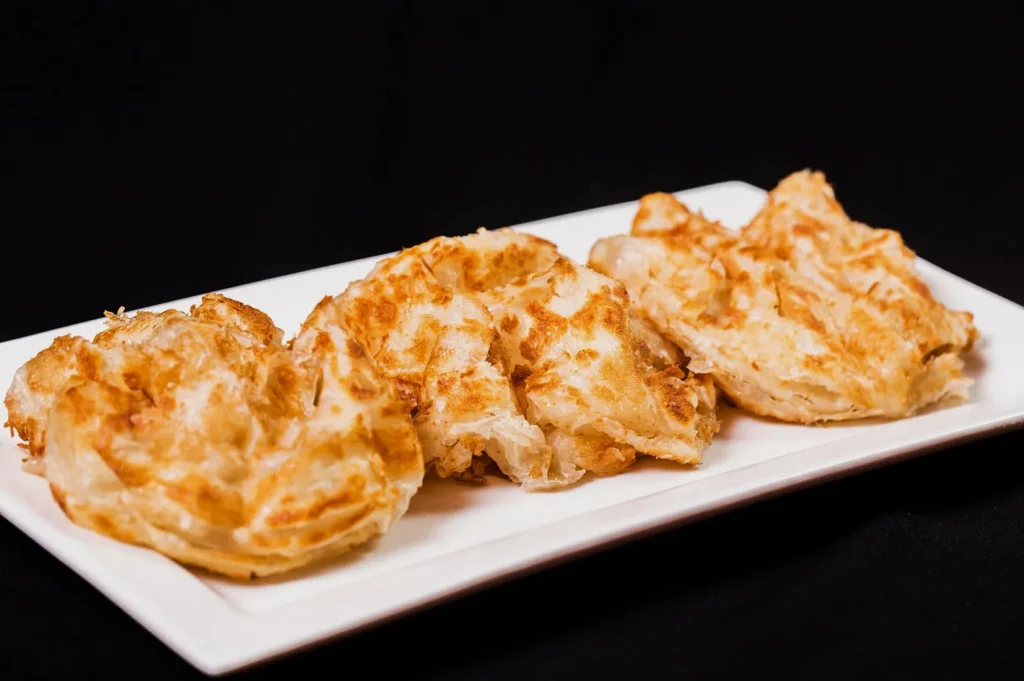
Camera Angle Strategies for Styling Flat Dishes
Flat or repetitive foods like Roti Prata, Dim Sum platters, or Satay skewers often appear two-dimensional and dull, especially in overhead shots. To add dimension and visual interest, use a 45-degree or lower camera angle that highlights layers, char marks, and texture.
Incorporate styling tricks such as tearing a piece of prata, removing a dim sum item, or pulling a satay stick forward to create focal points and break repetitive patterns. Stacking items adds height and volume, while accessories like dipping sauces, side dishes, and raw ingredients introduce variety and other elements to the composition.
Position the light low and to the side to cast shadows that emphasize texture and bring out the shine on shiny surfaces. Using a shallow depth of field keeps the front sharp with a beautiful background blur, helping the main subject stand out. Make sure there is enough light to capture the details clearly, as demonstrated in the second image, where lighting and composition combine to boost the visual appeal. Complementary colors in props or backgrounds further enhance the photo, making your food photos more eye-catching and dynamic.
Singapore-Specific Considerations
Beyond the food itself, the environment in Singapore presents unique challenges. The harsh midday tropical sun means the window for good natural light is small: usually early morning or late afternoon. If you shoot at noon, the light is often too blue and harsh.
Indoor environments like hawker centers often have yellow or green fluorescent lighting. This casts a sickly tint on food. Adjusting your white balance is critical to neutralizing these color casts. Mixed lighting in modern restaurants—where warm tungsten lights mix with window daylight—can also confuse the camera.
Humidity is a constant battle. Cold drinks sweat instantly, creating puddles. Cold dishes fog up camera lenses if you move from air conditioning to the outdoors. Garnishes wilt in minutes. Professionals adapt by working extremely fast. We keep lens caps on until the moment of shooting to acclimate the glass, and we prep everything before the food arrives. This low-cost workflow adaptation is high-impact for successful results.
When DIY Hits Its Limits
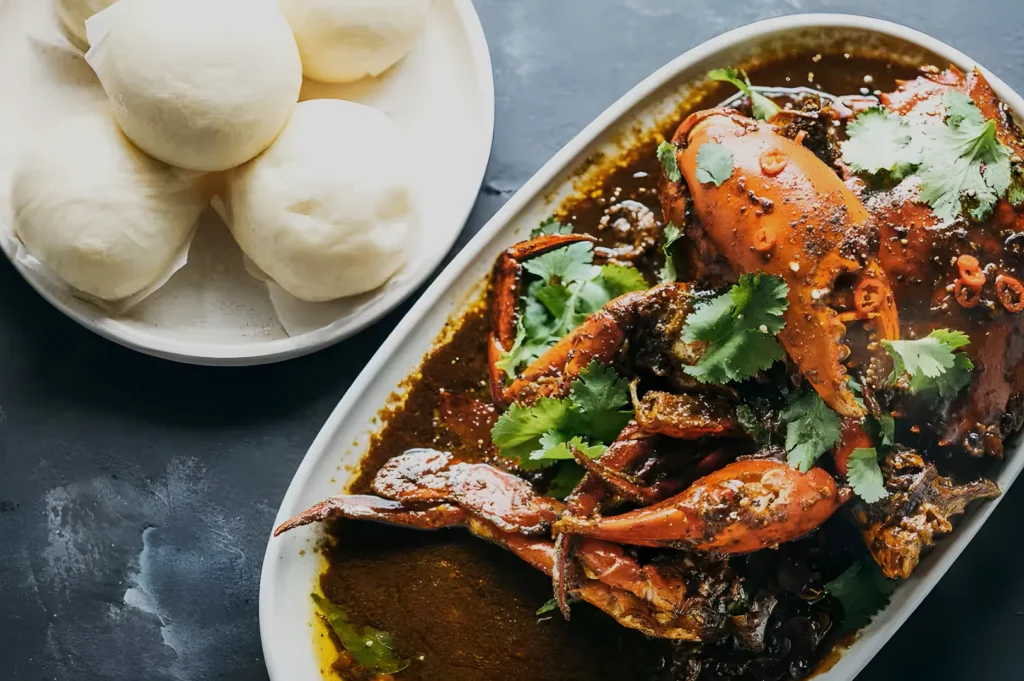
If your attempts to photograph signature dishes like black pepper crab still result in dark, unappealing images, it’s time to hire a professional food photographer. Hero menu items that define your brand deserve expert attention and the perfect shot.
Professional photographers bring specialized gear such as high-end strobes that mimic sunlight, macro lenses for sharp focus on intricate details, and extremely user friendly photo editing software to enhance the final image. Their experience with Singapore’s unique food styling challenges and tight hawker settings ensures stunning, consistent food photos delivered in RAW format for maximum flexibility in post production.
Prioritize your photography budget on your most challenging dishes to get the greatest return on investment. Investing in a great blog or commercial photography for these key items is often a saving grace that elevates your brand’s visual appeal and drives customer engagement.
Food Photographer Insights: Combining Food Styling and Technique for Irresistible Images
Mastering food for photography in Singapore is an ongoing journey that blends technical skill with creative flair. These tips specifically address the unique challenges posed by our local cuisine, but achieving truly stunning images requires both practice and often the guidance of a great photographer. F&B businesses see a huge difference in results and ROI when they invest in professional photography for their most challenging signature dishes.
Whether you opt to photograph food yourself or hire a pro, understanding these challenges empowers you to make strategic choices around food styling, lighting, and composition. Each element (from mastering shallow depth of field to incorporating a human element) plays an important aspect in creating eye-catching final images. **Combining technical knowledge with Singapore-specific expertise and your own style ensures your food photos not only capture the essence of the dish but also entice viewers to dig in.