The most dangerous myth in food photography is that you need a S$5,000 setup to take professional photos. We see this daily in Singapore’s F&B scene: a café owner buys a top-tier full-frame system, gets overwhelmed by the menus, and leaves it gathering dust in the back office. Meanwhile, a competitor down the street is shooting mouth-watering content on a five-year-old entry-level model.
The truth? A cheap digital camera in the hands of someone who understands light will always outperform an expensive camera in the hands of someone who doesn’t.
Before deciding whether a cheap digital camera meets your needs, review the fundamental decision criteria we establish in Choosing a Camera for Beginners in Food Photography: What Actually Matters, which reveals what capabilities actually matter regardless of price point. This guide isn’t just about saving money; it’s about strategic decision-making. We’ll show you why starting with an affordable camera or even a high-end compact camera isn’t a limitation—it’s a competitive advantage that forces you to master the skills that actually sell food.
Why Affordable Digital Cameras Are Strategic, Not Limiting
When you have a tight budget, you are forced to learn. Expensive cameras often try to “fix” mistakes with advanced auto modes and wide dynamic range, but a cheap digital camera demands proper lighting. This constraint is a gift.
Budget cameras or basic mirrorless sensors remove crutches—you must master window light or bounce cards for excellent image quality, something no gear upgrade replaces.
Using affordable travel camera gear or a robust compact body with a fixed screen offers psychological freedom. In a humid kitchen, a robust, cheap digital camera feels less precious, letting you get closer, experiment with steam, and take risks that improve storytelling.
Starting with lower price points helps you understand needed features before investing in complex full frame camera systems. Sometimes, the point and shoot simplicity of a Canon PowerShot with a quality fixed lens is all your workflow requires, saving thousands for props and marketing.
Cheap Cameras vs Expensive Cameras: The Honest Feature Breakdown
Let’s be honest about what money buys in the camera industry. When you pay a premium, you are paying for features like weather sealing, advanced sports tracking, and burst shooting capabilities. Ask yourself: does your Nasi Lemak need sports tracking? Is your Tiramisu going to run away if you don’t have 20 frames per second?
What Matters for Food Photography
For our specific needs, the gap between a cheap camera and a pro body is surprisingly narrow.
Image Quality: While expensive cameras have better dynamic range, modern aps c sensor technology in budget models delivers great image quality that is indistinguishable from high-end gear on social media screens.
Low Light Performance: A full frame camera typically has better image quality in extreme low light. However, if you are shooting with a tripod or proper lighting (which you should be), this advantage diminishes.
Manual Mode: Most cameras, even the cheapest mirrorless camera, offer full manual control. This is the only “pro feature” you strictly need to control shutter speed and aperture.
Raw Shooting: Even basic point and shoot cameras now often support raw shooting. This allows you to fix white balance and exposure in post-production, just like a pro.
What Doesn’t Matter
Don’t be swayed by marketing for features irrelevant to food.
In Body Image Stabilization: While useful for shoot handheld video, for food photography, your camera should mostly be on a tripod. You don’t need to pay extra for 5-axis stabilization.
Focus Speed: An ultrafast autofocus system is critical for birds in flight. For a stationary plate of food, even a slower contrast-detect system is perfectly adequate.
Video Specs: Unless you are a dedicated video production house, 8K video is overkill. Basic 4k video or even high-quality 1080p is sufficient for Instagram Reels.
Build Quality: You aren’t taking this camera into a war zone. A plastic camera body is lighter and perfectly durable for a restaurant environment.
4 Budget Camera Models Under $800 SGD Delivering Professional Results
You don’t need the latest model. Here are four specific options available in Singapore (often on the used market) that punch way above their weight class.
1. Best Cheap Mirrorless: Canon EOS M50 Mark II
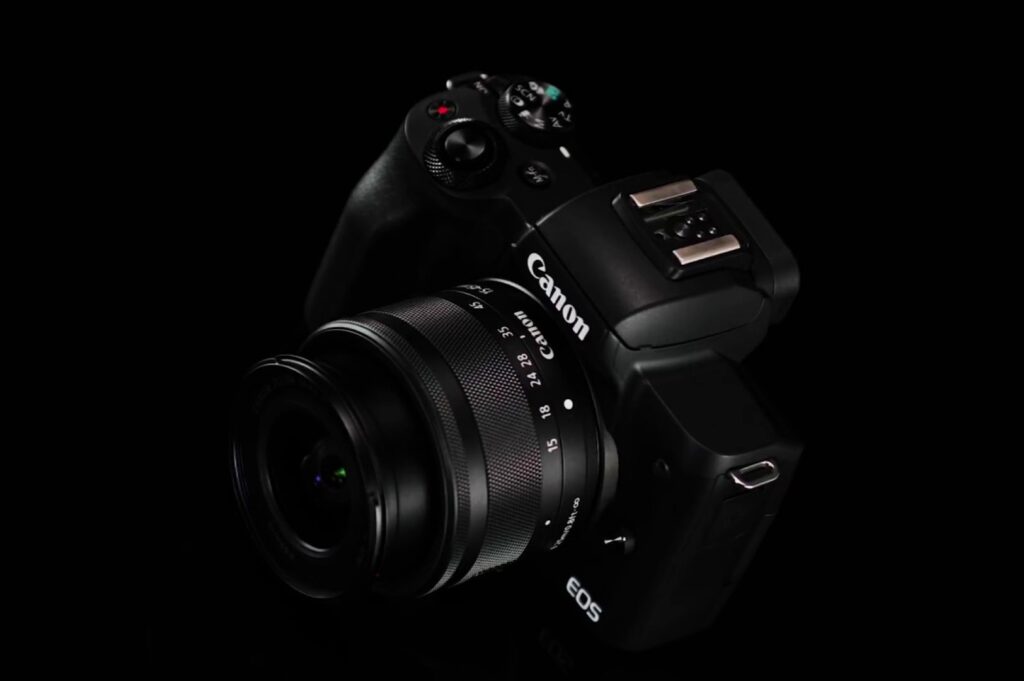
This is widely considered the king of entry-level content creation.
Why it works: It features a robust APS-C sensor; the same size found in many professional cinema cameras; delivering excellent image quality with beautiful background blur.
Strengths: It has a fully articulating flip out screen, making overhead table shots (flat lays) incredibly easy. The Dual Pixel Autofocus is reliable, and it’s compatible with affordable EF-M lenses.
Limitations: The 4k video has a significant crop, and the native lens selection is smaller than other mounts. However, adapters open up the entire Canon EOS lens range.
Singapore Context: You can easily find these on Carousell or at shops like Cathay Photo (used section) for around S$600-S$750 SGD with a kit lens.
2. Best Compact Camera: Canon PowerShot G7 X Mark III
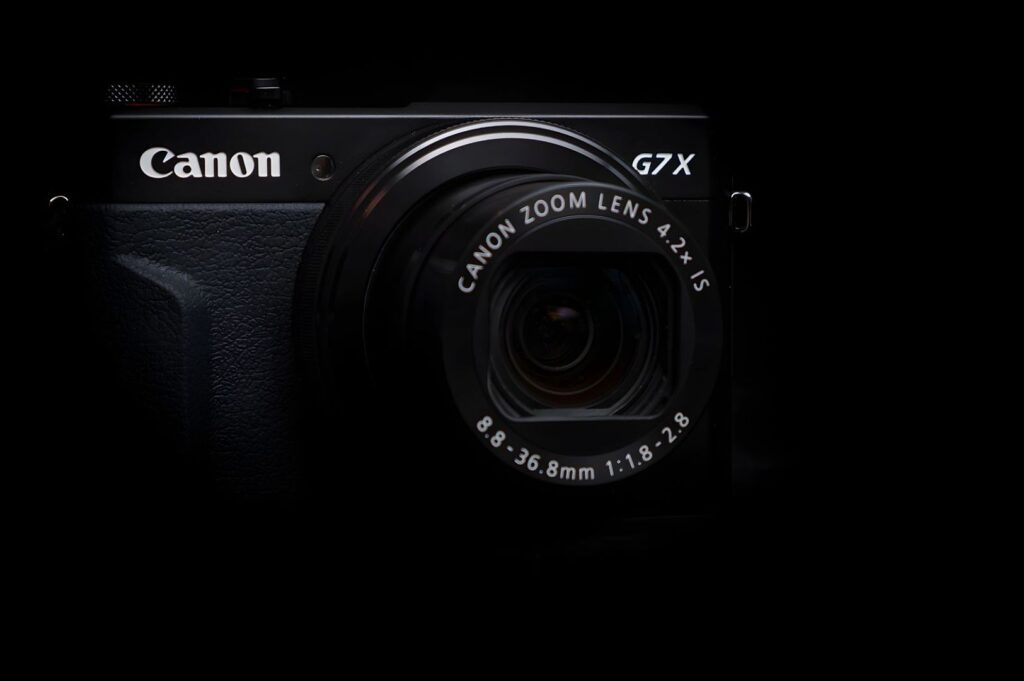
If you want something that fits in an apron pocket but shoots like a pro, this is it.
Why it works: It combines point and shoot simplicity with legitimate manual controls. The 1-inch sensor is larger than a phone but smaller than a DSLR, striking a perfect balance for macro food shots.
Strengths: The fast f/1.8-2.8 zoom lens is built-in, meaning you save money by not buying extra glass. It has great video capabilities for Reels and TikToks, including vertical video support.
Limitations: Battery life is shorter than larger cameras, so buy spares. It lacks an optical viewfinder, forcing you to use the screen.
Singapore Context: A favorite among Singapore vloggers, making it readily available on the used market for roughly S$600 SGD.
3. Full Frame Budget Option: Canon EOS RP
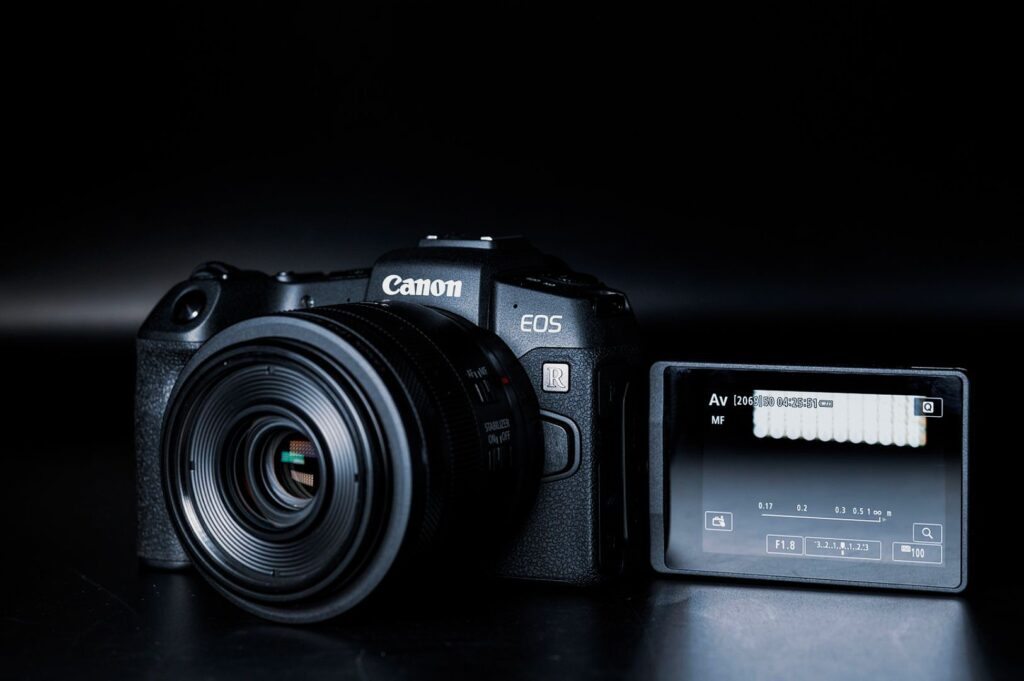
This is the most affordable gateway into the full frame mirrorless camera world.
Why it works: It offers a massive full frame sensor at an aps c camera price point. This gives you superior low light performance and shallower depth of field for that creamy “pro” look.
Strengths: Incredible image quality and dynamic range. It’s surprisingly small for a full frame camera.
Limitations: Battery life is weak. The continuous burst shooting is slow (irrelevant for food). 4k video suffers from rolling shutter.
Singapore Context: While slightly over the S$800 limit new, used bodies in Singapore often dip near S$900 SGD, making it a steal for the quality provided.
4. Alternative Consideration: Panasonic Lumix G85
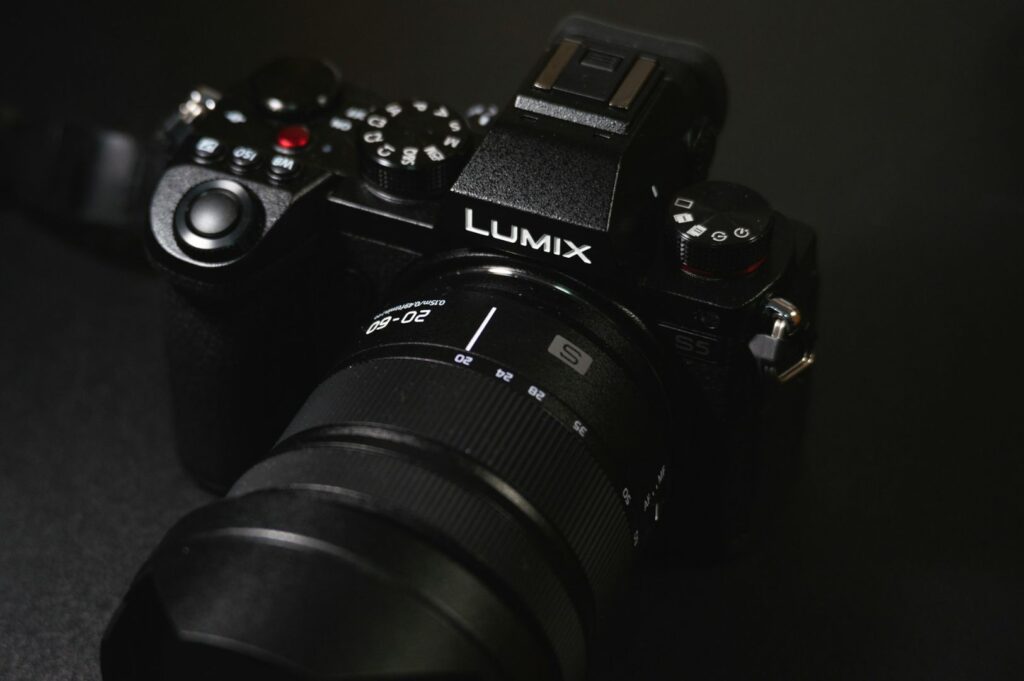
A powerhouse from the micro four thirds world that offers incredible value.
Why it works: Thirds camera systems (Micro Four Thirds) have smaller sensors but smaller, cheaper lenses. The G85 includes in body image stabilization—a rare feature at this price point.
Strengths: Sharp 4k video with no crop. Rugged build quality. The kit lenses from Panasonic are often sharper than competitors.
Limitations: The smaller sensor struggles more in very low light compared to APS-C, but for lit food photography, it’s negligible.
Singapore Context: Often found used for S$500-S$600 SGD, leaving plenty of budget for lights.
The Used Camera Market: Professional Quality at Budget Prices
Singapore has a thriving second-hand market. Buying a used camera allows you to own professional-grade gear at cheap camera prices while benefiting from proven camera’s performance.
When inspecting a used camera body, always check the shutter count. Professional cameras are typically rated for 150,000+ actuations, while entry-level models may be rated for around 50,000. Aim for a camera with a shutter count under 20,000 to ensure longevity. Additionally, inspect the sensor closely for dust or scratches, and check the battery compartment for any signs of corrosion.
Reliable spots in Singapore to find quality used gear include Camera Rental Centre (sales section), P&G Photographic, and reputable sellers on Carousell with high ratings. Look for discontinued but capable models such as the Canon 5D Mark II or older Fujifilm X-T series. These cameras were top-tier professional tools a few years ago and still produce excellent image quality that easily surpasses smartphones.
Don’t overlook the resurgence of film photography. While a film camera entails ongoing costs for film rolls and developing, picking up a cheap Nikon FM10 or Canon AE-1 offers a unique learning experience. Because every shot costs money, it forces you to master exposure and composition, serving as a “boot camp” for your photographic eye.
When Cheap Becomes False Economy
We love budget gear, but there is a floor. Avoid cheap action camera options (like knock-off GoPros) for food photography; their wide-angle lenses distort plates and make food look unappealing.
Avoid extremely old point and shoots that lack manual mode or raw shooting. If you cannot control the shutter speed or white balance, you will eventually hit a wall where you can’t achieve the creative vision in your head.
You should upgrade only when the camera consistently prevents you from getting a shot you know how to execute. For example, if you start doing high-volume commercial work where you need to tether to a computer for client preview, or if you need 10-bit video quality for color grading, then a professional body justifies the cost. Until then, your affordable camera is likely more capable than you realize.
Decision Framework: Smart Budget vs False Economy
Before you buy, run through this quick checklist to ensure your affordable camera is a strategic choice for beginner photographers seeking a proper camera:
Controls: Does it have a full manual mode (M on the dial) offering the same features as more advanced models?
File Type: Can it shoot RAW files for editing flexibility, supporting the camera’s performance?
Lens Path: If it’s an interchangeable lens system, are there affordable prime lenses available?
Ergonomics: Is the compact body comfortable enough for a 2-hour shoot?
Support: Is there a repair center in Singapore if the shutter fails?
The best cheap camera is the one that leaves you with enough budget to buy the light that makes the food look delicious. For more info on food photography, visit our webiste: https://foodphotographerstudio.com.sg/.