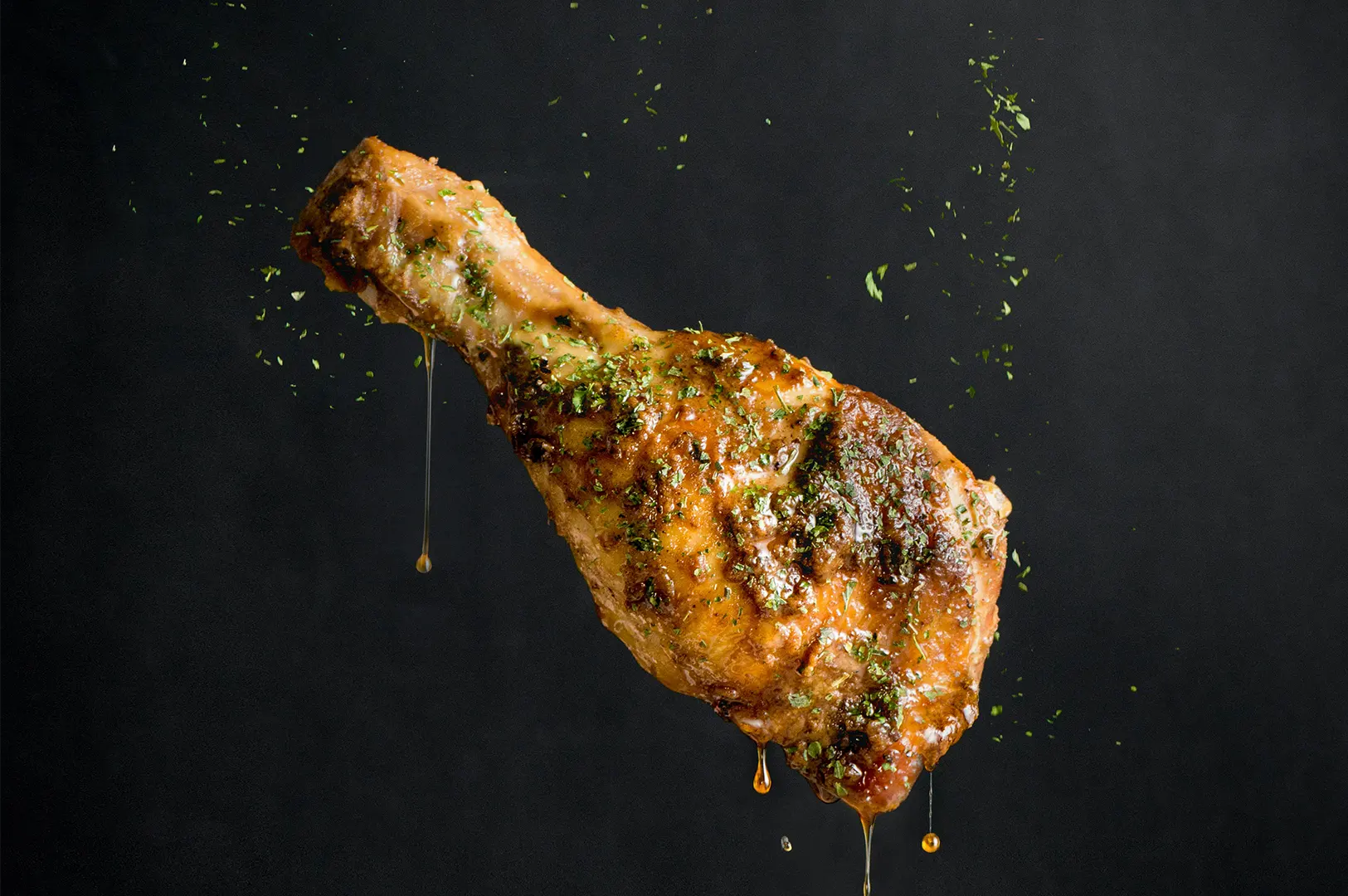
A dine-in restaurant has a few chances to make you trust it before the food even arrives. You see the entrance, the tables, the kitchen pass, the staff and the plates moving around the room.
A cloud kitchen does not get those chances.
For many customers, the first real contact with the brand is a delivery listing on a phone. They see a name, a handful of photos, a price and maybe a short description. That is a lot of responsibility for a small image.
When there is no dining room to reassure the customer, the food photography has to work harder.
Show What Will Actually Arrive
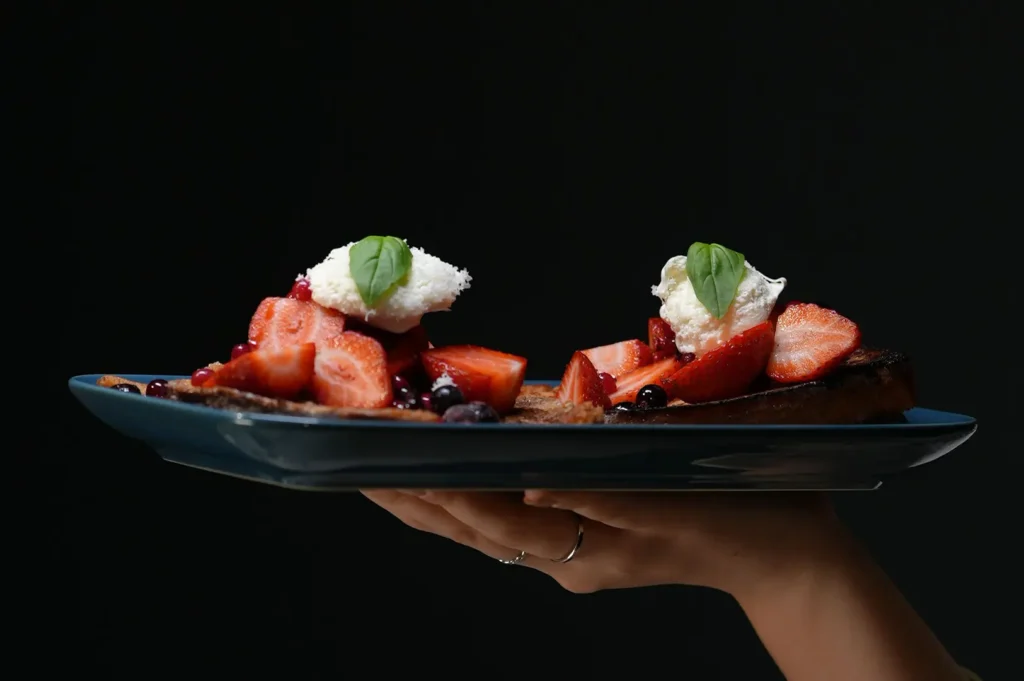
One of the easiest ways to lose trust is to photograph a portion that the customer will never receive.
We have seen menu shoots where everyone instinctively wants to add one more piece of chicken, fill the rice higher or move ingredients forward until the box looks overflowing. It may create a fuller photograph, but it also creates the wrong expectation.
For delivery-first brands, we prefer to style the real serving portion in the real container whenever possible. We may tidy the placement, turn the strongest pieces towards the camera and clean the edge of the box, but the amount of food should remain believable.
That approach also lines up with Deliveroo’s guidance for restaurant menu images, which asks merchants to show dishes clearly, keep the food recognisable and avoid overly edited imagery. Their current menu photo guidelines also recommend simple backgrounds and clear framing.
The photograph should improve presentation, not rewrite the order.
Packaging Is Part of the Brand
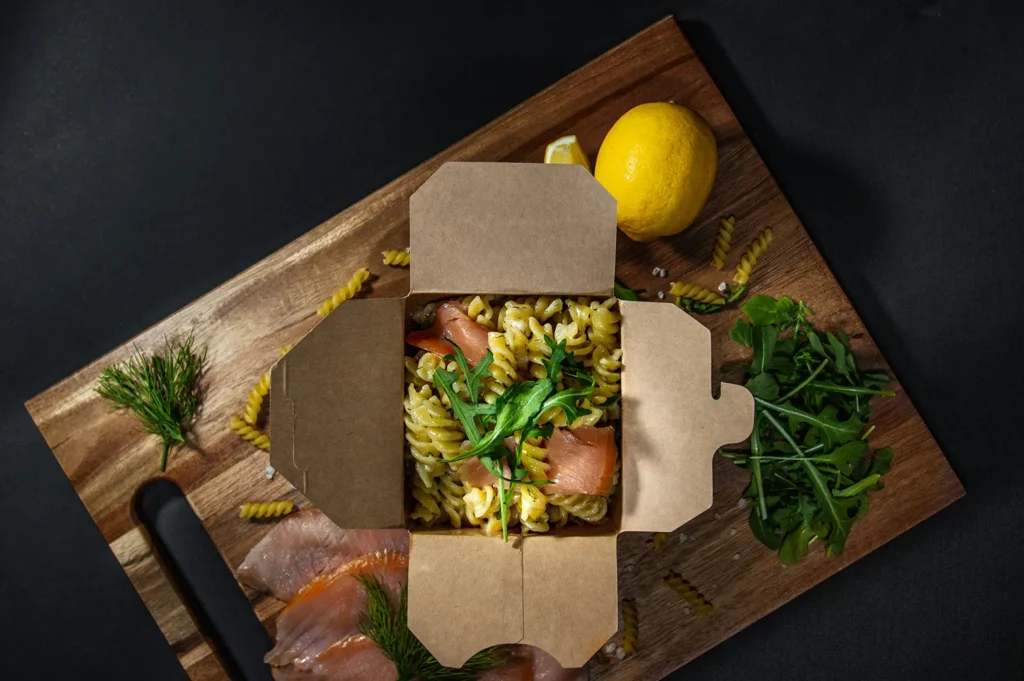
For a cloud kitchen, packaging replaces some of what the dining room would normally communicate.
A sturdy box, neat label, branded sleeve or properly packed sauce container tells the customer that someone thought about the meal after it left the stove.
That is why we often photograph more than the open dish. We may capture the sealed order, the branded bag, the meal after opening and a wider group shot showing how several items arrive together.
Google’s current guidelines for virtual food brands note that delivery-only brands operating from virtual kitchens can qualify for a Business Profile under certain conditions, including distinct branding and, for delivery-only brands, distinct branded packaging and a distinct website.
Photography cannot create that identity by itself, but it can make the identity visible.
Give Every Dish the Same Visual Language
Cloud kitchens often grow quickly. A menu may start with eight dishes, then add bundles, drinks, seasonal items and a second concept from the same kitchen.
This is where inconsistent photography becomes obvious.
If one dish is photographed on marble, another inside a takeaway box and the next under yellow kitchen lighting, the menu can begin to look like three different businesses.
We usually agree on a few simple rules before shooting: background, camera angle, how much of the container should show, where the food sits in the frame and how bright the images should feel.
These rules do not need to be complicated.
Consistency is one of the quiet ways a new brand can look established before it has a physical space.
Photograph for a Small Screen First
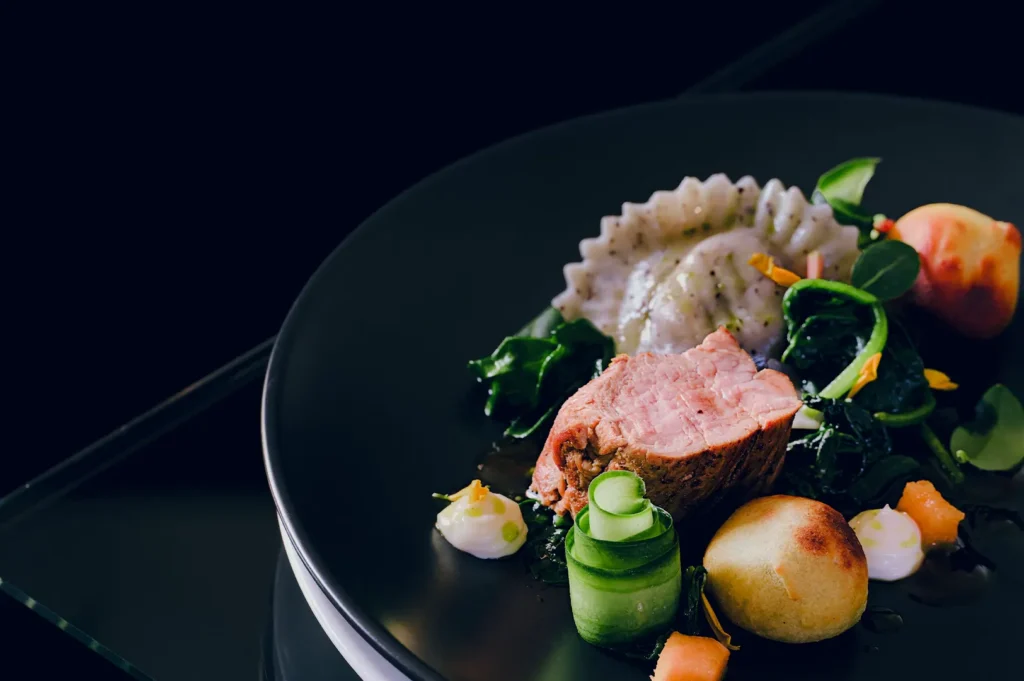
We always check delivery images small.
A photograph that looks beautiful on a large monitor can become confusing once it appears beside twenty competing dishes on a phone. Garnishes disappear. Dark food merges into the container. A wide lifestyle composition turns into a tiny plate surrounded by empty space.
So we ask a simple question: can someone understand the dish in a second or two?
The hero ingredients should be visible. The portion should be clear. If there are three pieces of chicken, customers should not have to count them through a pile of props.
A professional F&B visual production team should be thinking about where the images will appear before the first plate reaches the set, not after the files are delivered.
Trust Comes From Repetition
A cloud kitchen does not need to pretend it has a dining room.
It needs to show customers that the food they see online, the packaging that arrives at the door and the brand they order from all belong together.
That trust builds slowly: one accurate menu image, one consistent order and one recognisable package at a time.
If customers cannot step inside your restaurant, your photographs become part of the front door. Make sure they open onto something real.