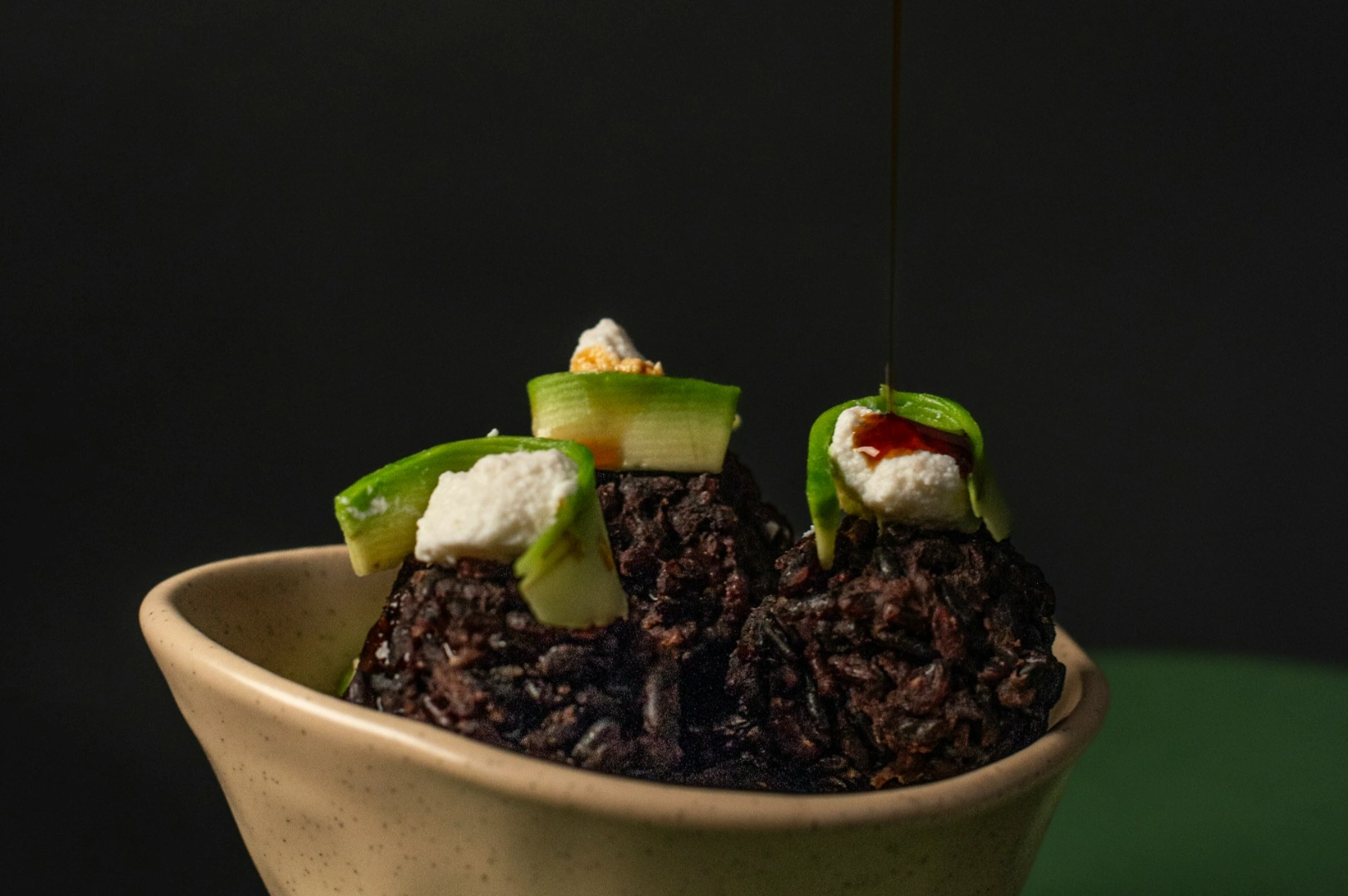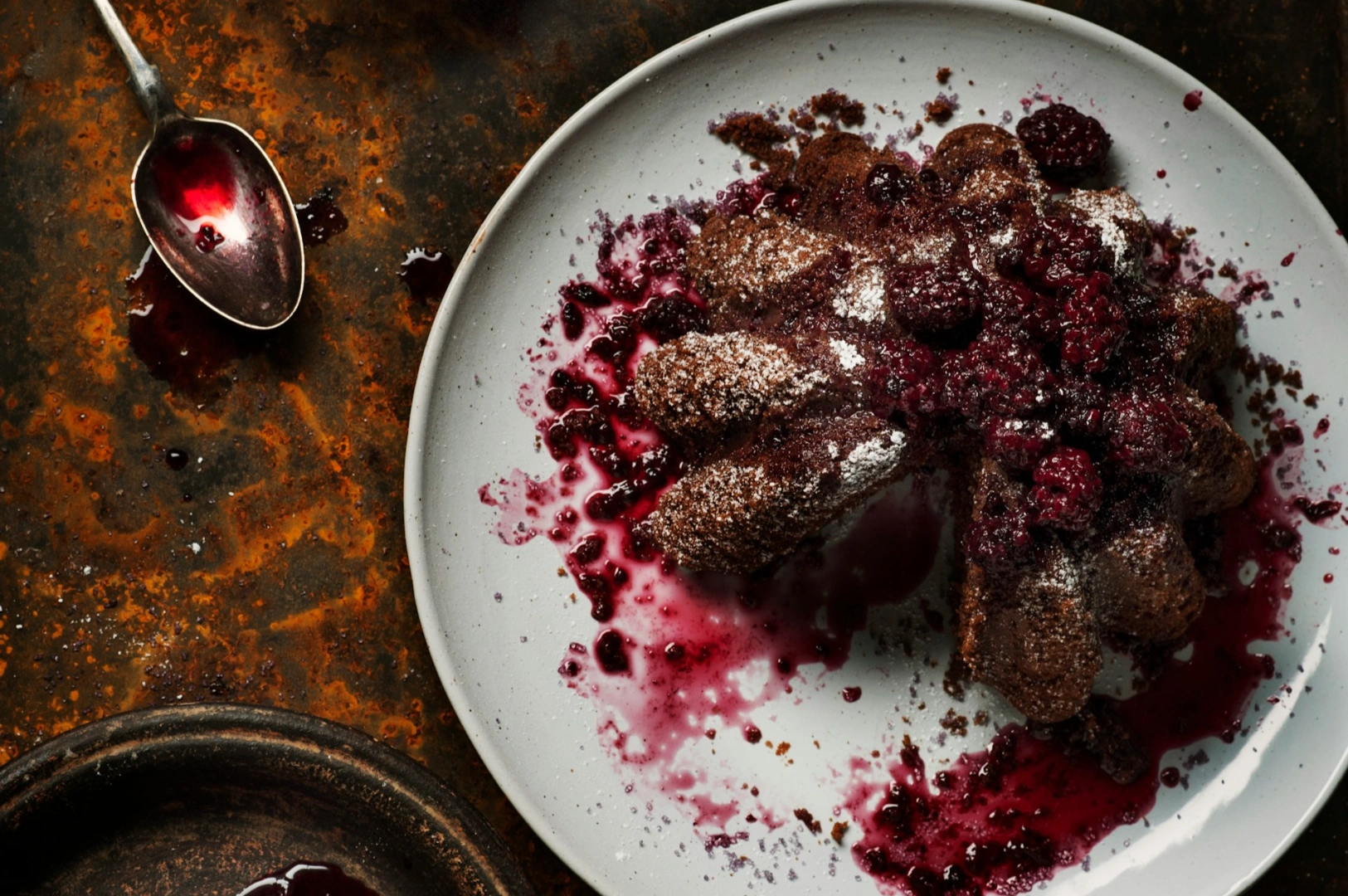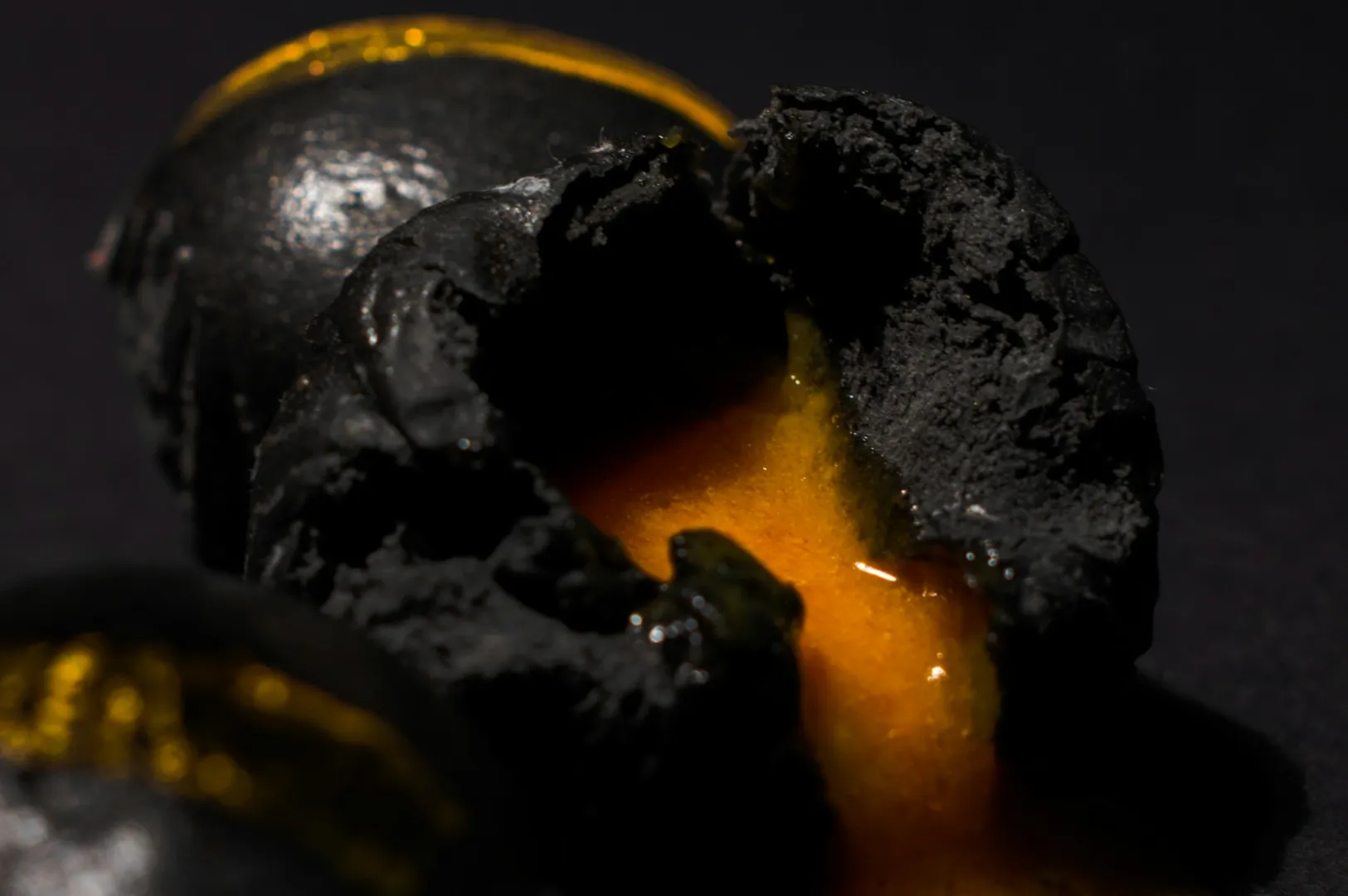
At Maxwell Food Centre, photographers face steam, glare, queues, and cooks who won’t pause mid-service. Defining photography here means choosing a camera lens with a useful focal length, raising shutter speed to freeze motion, and capturing light despite harsh overhead light sources.
Hawker centres raise deeper questions: Is photography defined by the photographer’s intent or the subject’s cultural context? Is it technical skill and photographic technique or artistic expression and storytelling?
Singapore’s hawker culture blends documentary photography respecting everyday life, art photography emphasizing mood, and commercial photography for menus, websites, and new media. One photographic image can serve as proof, memory, and sales tool simultaneously.
For a broader understanding of a “good image” in F&B branding, see our guide to the meaning behind a useful food photograph in Singapore. For building visuals from scratch, the Food Photographer Studio offers insights from real Singapore settings.
Digital Photography: Why Hawker Images Changed in the Present Day
Digital photography reshaped hawker storytelling because it removed friction. You no longer needed a dark room, long chemical steps, or specialist knowledge just to see if an image worked. A digital camera (and later, cell phone cameras) made it easy to capture images, test, adjust, and publish instantly.
That speed changed what people expect. In the past, a hawker shot could simply record a dish. In the present day, audiences scroll fast and compare quickly. They see thousands of photos, including the stall owner’s own photos and diners’ taking pictures at the table. The common medium of hawker food imagery became social feeds, delivery apps, and search results.
This simple definition of hawker photography highlights how images produced have become more than just pictures. They serve as visual promises. They must make sense on a small screen in low light, and still look credible when the real dish arrives. Hawker photography now takes various forms, focusing less on flawless perfection and more on believable appetite: honest texture, heat, motion, and context.
Art Photography: When Documentation Turns Into an Art Form
Hawker culture was initially photographed mainly as a record, showing real objects and working life rather than “fine art.” Yet, the line between record and art has always been debated in the art world. Many artists ask: when does documentation become photographic art?
In hawkers, this shift occurs when photographers make deliberate choices shaping meaning. A tight crop on glistening char siew suggests craft and pride. Including the auntie’s hands moves the image toward portrait photography and human story. A composition featuring the stall sign, queue, and dish turns a food photo into social context.
This isn’t about forcing “fine art” styling onto hawker food. Overdoing it can reduce authenticity. Hawker photography works best when respecting everyday life and the natural world of heat, motion, and noise. That tension between artistry and truth is why hawkers are a strong case study for redefining photography through culture.
Documentary Photography: The Hawker Photo Paradox of Truth

If you ask what defines hawker photography globally, the answer is usually authenticity. That’s why documentary photography fits the hawker environment so naturally. It accepts imperfection. It allows mess, worn tables, metal trays, plastic chairs, and chaotic backgrounds because those are essential elements of the hawker experience.
But the paradox is real. The more a brand grows, the more the same dish may need different images for different jobs. A stall’s everyday photo might work for storytelling. But if the business needs press coverage, collaborations, or a menu redesign, the visual demands shift. Suddenly, the final image must be consistent, clean enough for print, and repeatable across campaigns.
This is where defining photography becomes a strategy, not just a philosophy. You might need documentary truth in your brand story, but commercial clarity in your menu tiles. Hawker culture forces that balance.
Commercial Photography: When Hawker Photos Must Sell
Hawker photos aren’t always just cultural documentation. In Singapore, they often drive decisions: what people order, what stalls they queue for, and what they share. That makes commercial photography relevant even in hawker settings.
For commercial use, clarity is non-negotiable. Customers want to see what’s included, how it looks, and whether it feels worth the price. A delivery menu tile needs clear ingredients and readable portion cues. A website hero image needs mood, but still must show the dish properly. A promotional poster needs consistent color and clean edges.
The tricky part is that hawker credibility depends on looking real. Over-styled commercial images can break trust because they feel like a studio fantasy. The strongest hawker commercial work borrows from documentary cues (steam, texture, human hands) while applying professional control in framing and post processing.
Photographic Art: Cultural Codes That Define “Good” Hawker Images
In hawker centres, “good” is not only sharpness. It’s cultural fluency. People read hawker photos like a language. Steam is one of the clearest codes. It signals heat and freshness. When steam is missing, the food can look old, even if it isn’t. That’s why photographers often use backlight and timing to make steam visible without faking it.
The human element matters too. The auntie’s hands, the chopping motion, the ladle mid-pour: these details add credibility. They connect food to maker, and maker to meaning.
Context builds trust. The queue, the signboard, the worn countertop, the metal tray: all of it tells stories beyond a simple food shot. These cues work because hawker culture is social. The image isn’t just the dish; it’s the scene.
Multi-ethnic visual preferences also shape how defining photography works here. What reads as “appealing” can vary across communities. Some viewers respond to abundance and shine; others prefer clean detail and restraint. A photographer who ignores these cultural cues may still produce a technically correct image—but it can feel culturally flat.
Shutter Speed: Capturing Chaos Without Losing the Dish

In hawker settings, motion is constant. A cook flips noodles, sauce splashes, steam rises and disappears, and crowds push through. Understanding shutter speed and exposure time is not optional: it’s survival.
Use faster shutter speed to freeze hands, tosses, and mid-air garnish.
Slow it down only when you can brace the camera or accept blur as part of the story.
Low light complicates this. Hawker seating areas can be dim, while stall lights are harsh. Your camera’s light sensitive sensor (light sensitive material, in a modern sense) has limits. Push ISO too far and the image breaks down. That’s why photographers often choose a lens and focal length that lets them shoot confidently without needing tripods or large setups.
Hawker photography rewards photographers who can make fast decisions, because the decisive moment is real—and short.
Black and White Photography: When Heritage Needs a Different Voice
Black and white photography has a strong heritage association because early photographic history relied on it. In hawkers, black and white can still work beautifully but usually for story, not for selling.
Color photography communicates freshness: the red of chilli, the golden skin of roast meats, the green of herbs. Remove color, and you remove an appetite cue. That’s why black and white is best for:
Portrait-style images of hawkers (human story)
Craft and process moments (hands, tools, texture)
Heritage narratives where mood matters more than ingredient clarity
For menu sales, color photography usually wins. For brand storytelling, black and white can elevate the message if used intentionally.
History of Photography: From Camera Obscura to the Permanent Photograph
To understand defining photography today, it helps to zoom out. The history of photography is essentially a long debate about what photography should be.
Early systems like the camera obscura projected an inverted image through a small opening but didn’t preserve it. People sought a permanent photograph: a way to fix recording light onto a surface.
The first permanent photograph is credited to French painter Joseph Nicéphore Niépce. It required patience and light-sensitive materials with long exposure times. Later processes improved practicality: chemical methods, negative image handling, and the daguerreotype process, which produced direct positive images. These historic methods shaped mechanical reproduction, how images could be copied, shared, and widely published.
Early methods involved chemicals like silver nitrate and materials such as lavender oil in some processes. The point isn’t chemistry but that photography began as a quest for permanence, then shifted toward speed and scale. This evolution shaped what we now expect from images produced today.
Photogenic Drawing: Early Experiments That Still Matter in Hawkers
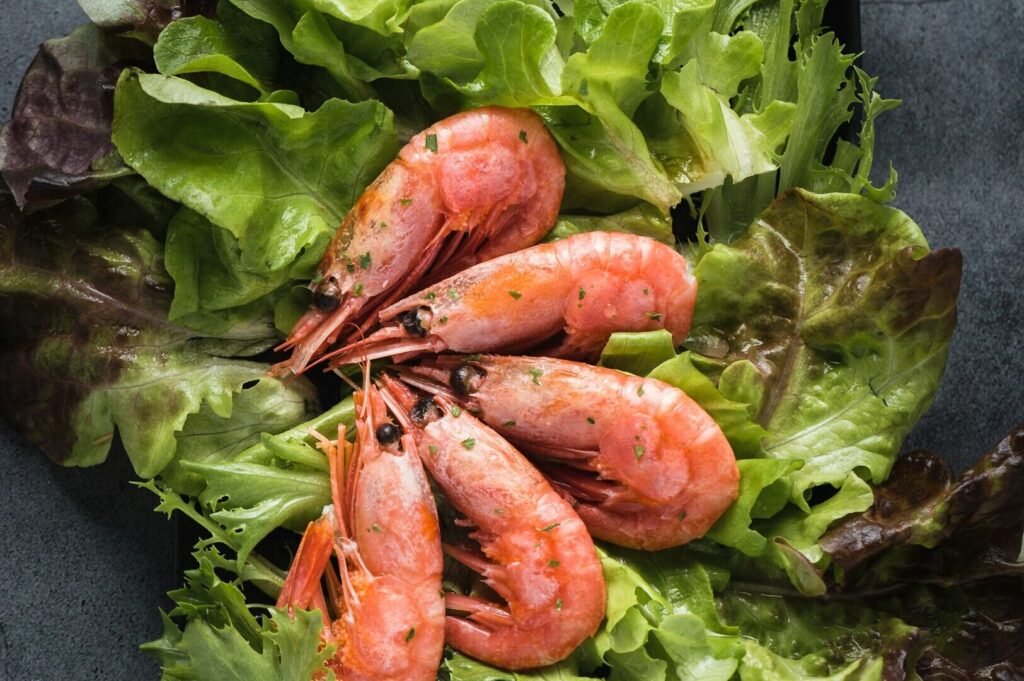
Before photography became “normal,” there were early experiments that explored how light could record real objects. One idea that still echoes in hawker photography is photogenic drawing: the concept of capturing the outline and detail of objects through light exposure, without heavy staging.
Why does this matter for hawkers? Because hawker photography is often strongest when it respects real objects and everyday life. A worn bowl, a dented tray, a stained countertop: these aren’t flaws. They are evidence. They are the visual equivalent of “this is real.”
In a world of over-smooth, over-lit content, that documentary realism becomes its own kind of photographic art.
Ansel Adams: What Hawkers Can Learn From Landscape Thinking
It sounds strange to bring Ansel Adams into a hawker centre, but the lesson transfers. Adams was known for landscape photography that felt natural and effortless yet it depended on deep control of light, exposure, and intention. His work reminds us that the most “spontaneous” photographs often involve the clearest decision-making.
In hawker settings, you don’t get time for perfect setups. But you can still apply the principle:
Control what you can (angle, distance, lens choice, timing).
Accept what you can’t (crowds, steam, harsh lights).
Build a final image that feels unforced.
That’s how defining photography becomes practical: the artist’s vision is expressed through fast, correct choices, not elaborate production.
Closing: What Defining Photography Means for Hawker Storytelling

In Singapore’s hawker centres, defining photography is always contextual. It’s an art form that sits between documentary truth and commercial performance. It relies on technical skill (shutter speed, exposure time, lens and focal length) but it also depends on cultural codes: steam, human hands, queues, worn surfaces, and real objects in everyday life.
Digital photography and cell phone cameras made creating images easy. What remains difficult is making them meaningful. Hawker photography teaches a simple but demanding idea: photography is defined by what the image must do and what the culture expects it to say.
If you’re photographing hawker food for a brand whether it’s a stall, a hawker-inspired restaurant, or a campaign, your best results come from honoring both sides: the authenticity of documentary photography and the clarity demanded by commercial photography. That balance is where photographic art becomes more than a picture. It becomes a story people trust.