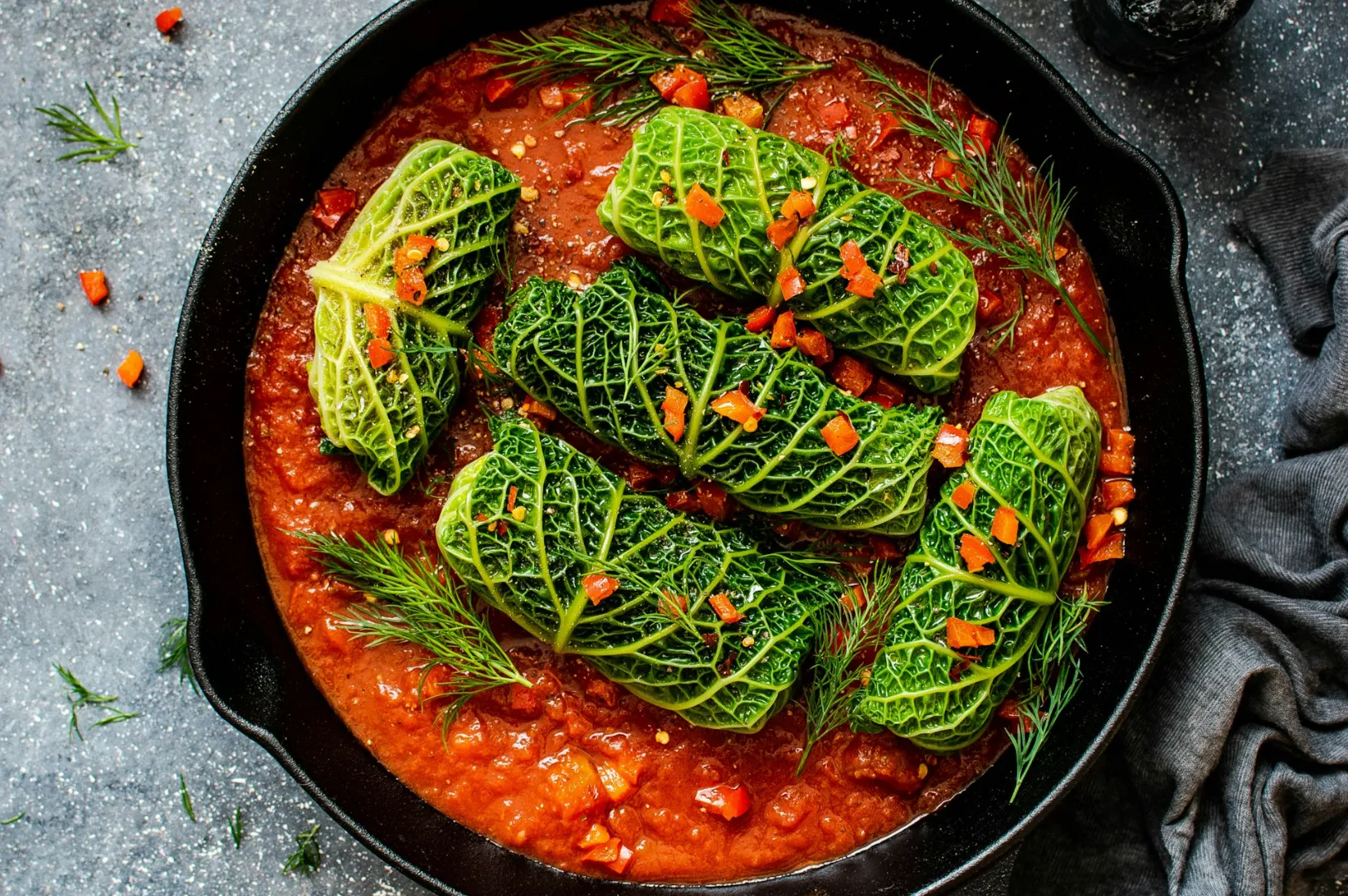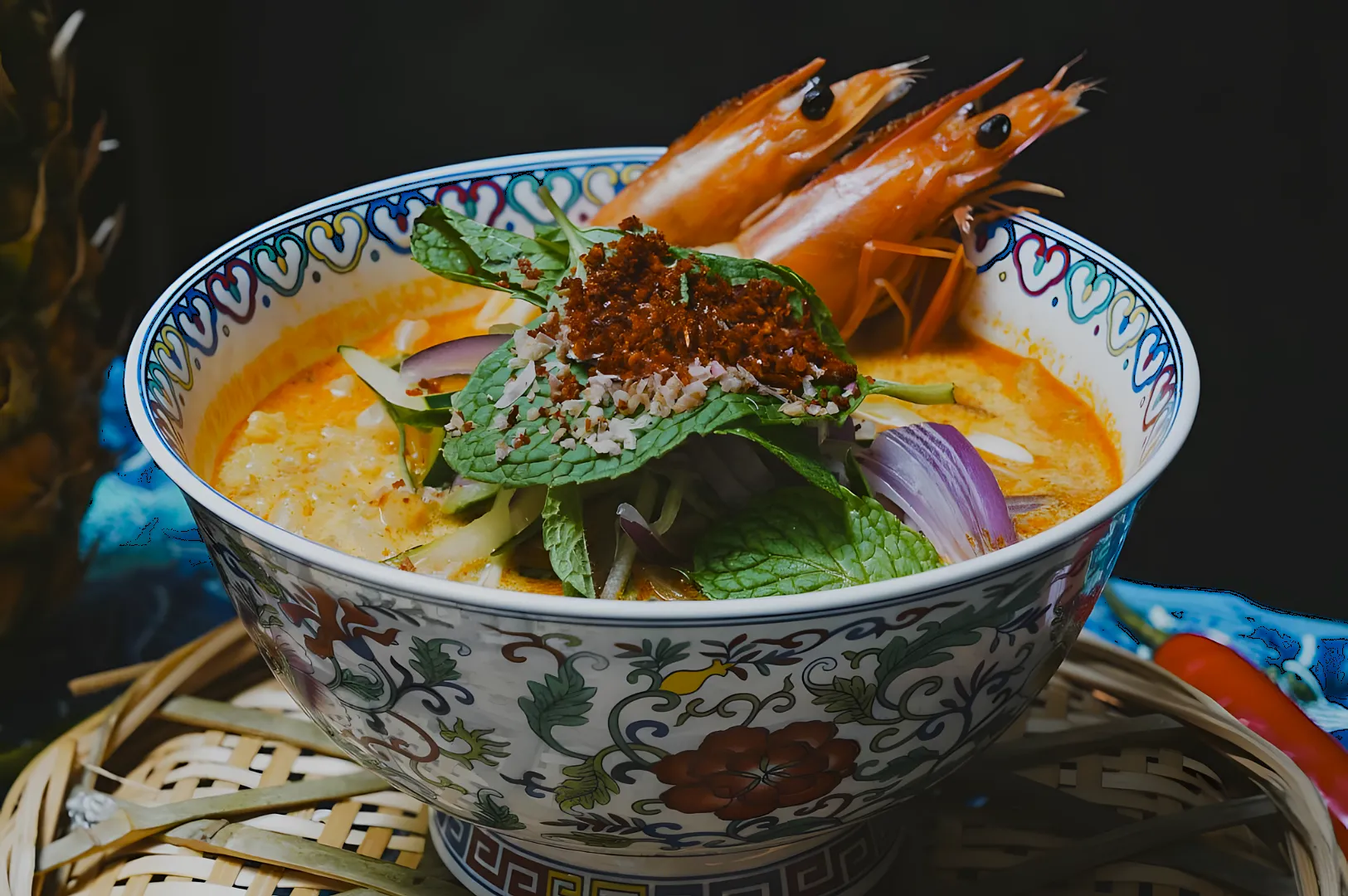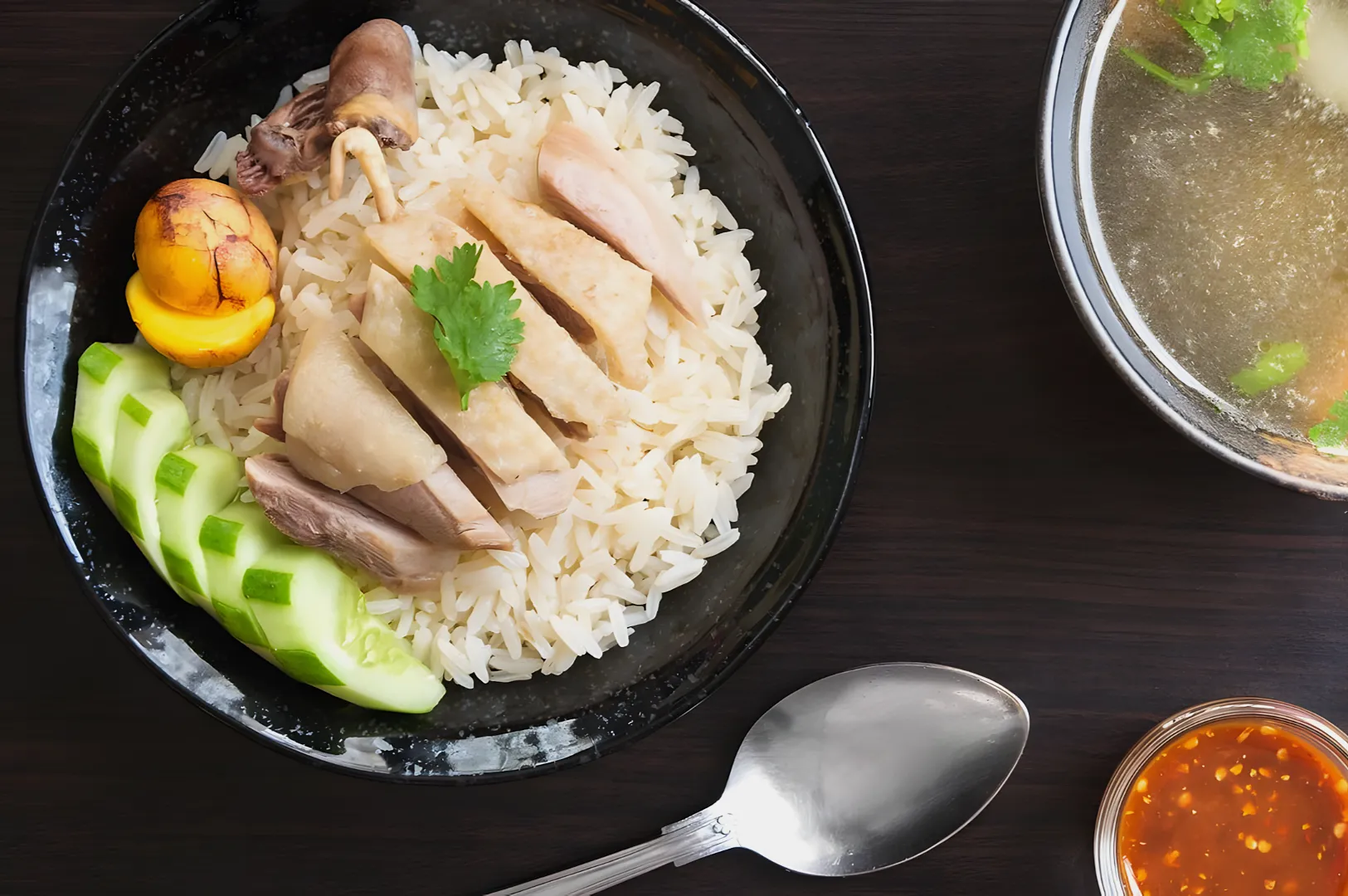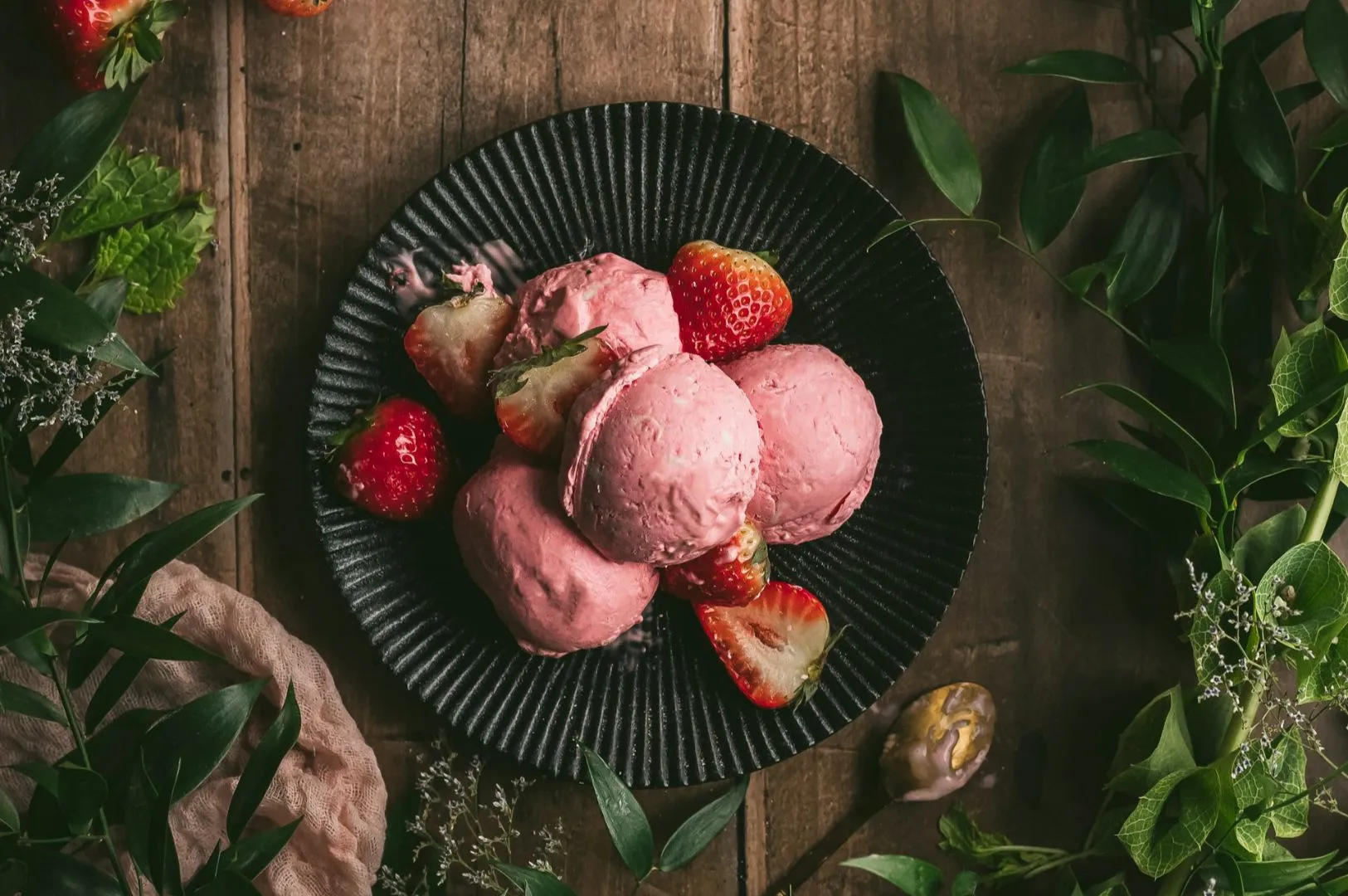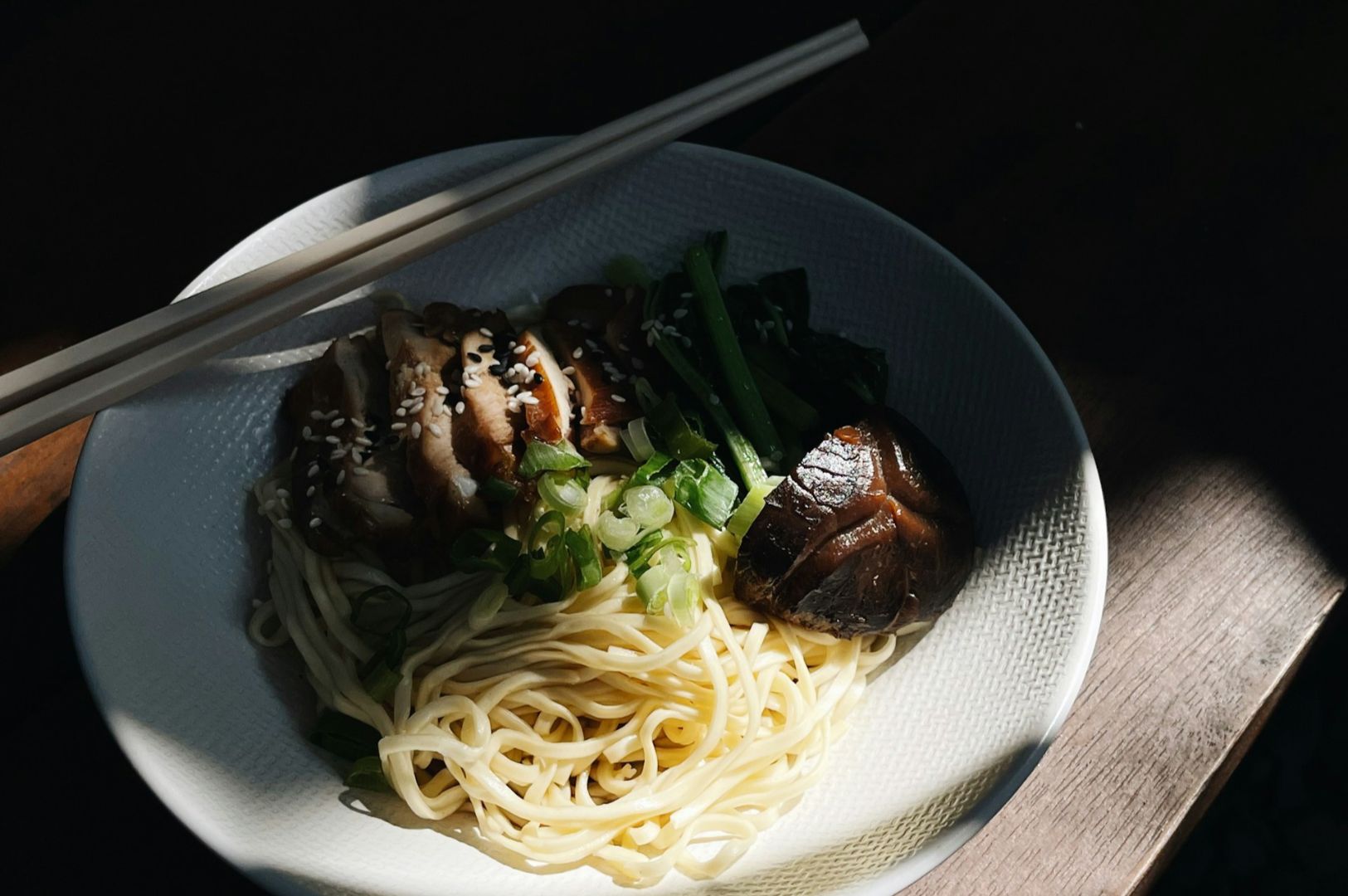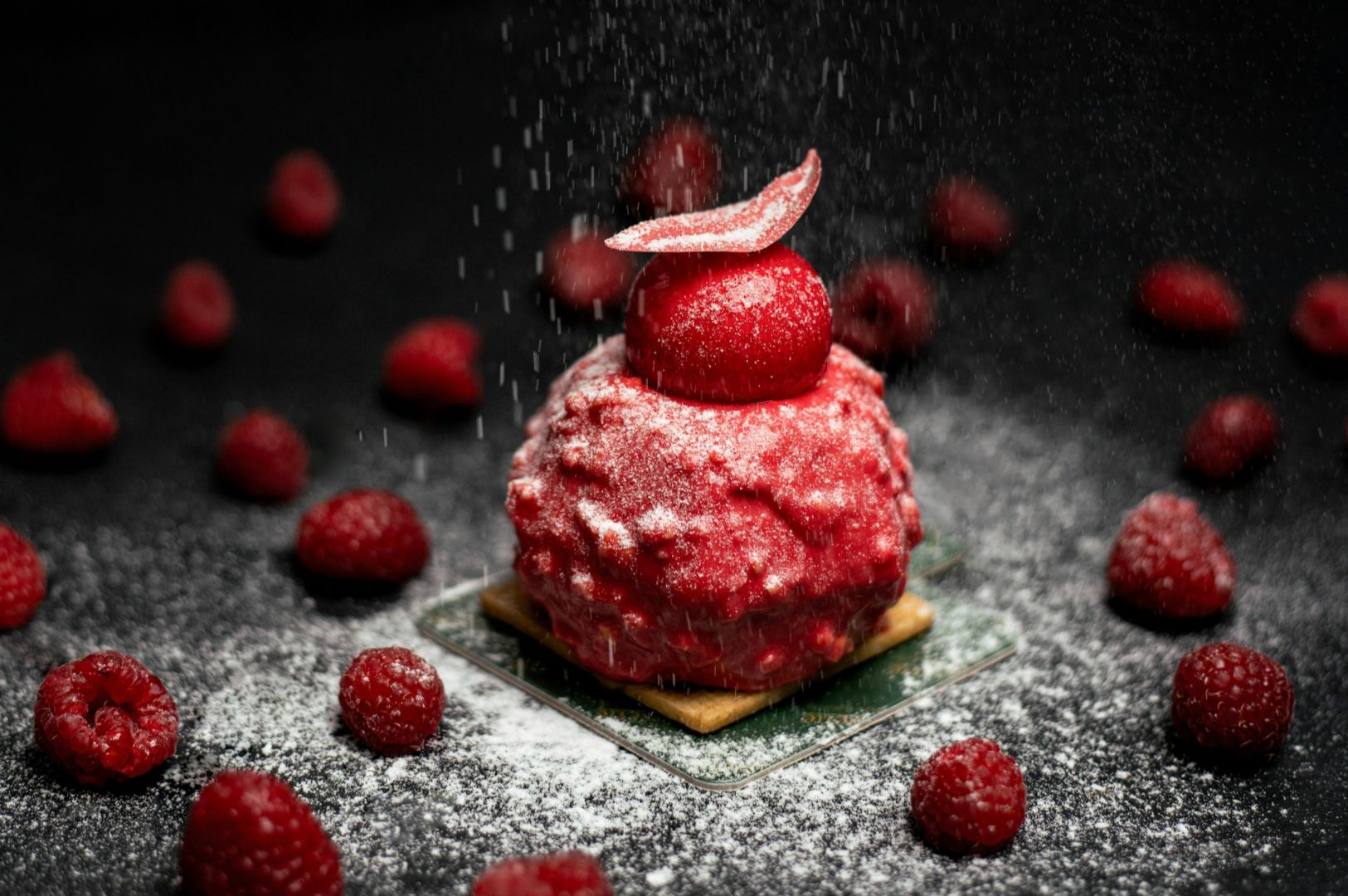
Every time you take a picture of your signature dish, you participate in a visual tradition with deep roots, learning the craft of capturing images that truly sell your food to customers. That quick photo for Instagram is the latest chapter in a story that began over a century ago, shaped by pioneers who we could call the “fathers” of food photography. While their equipment was cumbersome and their methods slow, the problem they faced is the same one every Singapore F&B business grapples with today: how do you make food look as delicious as it tastes? Even today, companies like Food Photography Inc. and other incorporated businesses approach food photography strategically to enhance their brand image and marketing efforts.
This article is a trip through that history. By understanding this journey, you’ll discover timeless principles that solve the modern problem of making food photography that truly converts. The lessons from the past are more relevant than ever for standing out in a crowded digital world.
The Early Records: When Food Photography Hit the Page
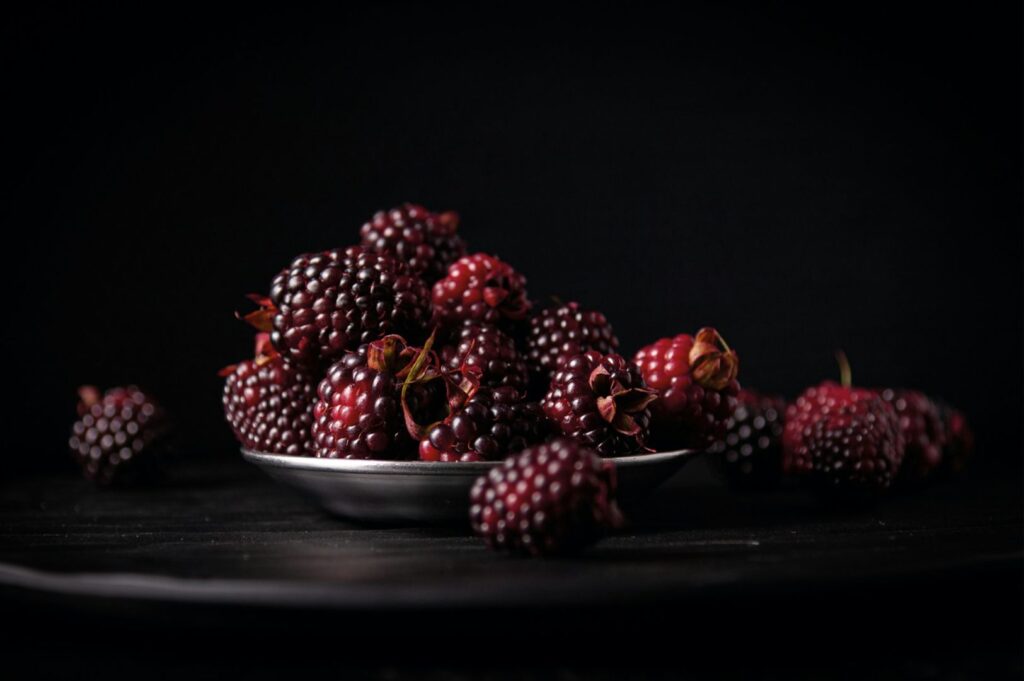
In the late 1800s and early 1900s, food photography wasn’t about artistry; it was about documentation. Early cookbook photographers had to choose their settings with immense care, constrained by slow film speeds and no way to instantly view results. A single picture could take a long time to develop, making every shot a significant investment.
These early images served as visual records, helping to standardize recipes across continents. German cookbook traditions, for example, were among the first to systematically include photographs, creating a new standard for culinary publishing. Each picture was a testament to patience and precision. The fundamental problem then remains the same today: we are always making an effort to translate taste into a visual medium. The techniques have evolved, but the core challenge endures.
The Nice Shot Revolution: Mid-Century Food Styling
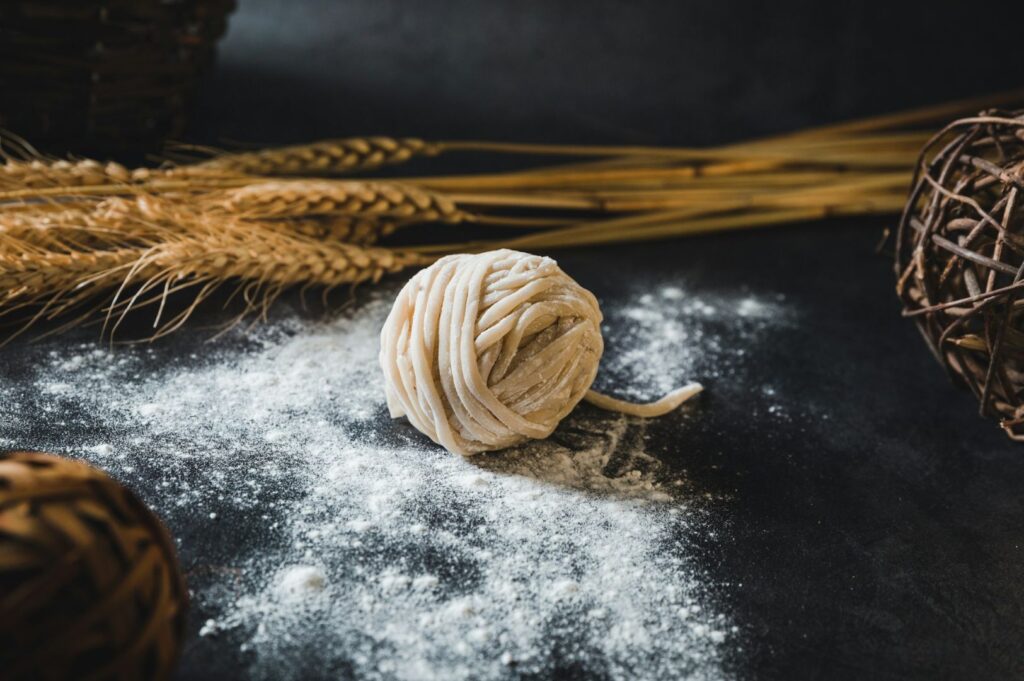
The “golden age” of food photography arrived in the mid-20th century. From the 1950s to the 1970s, the “nice shot” became a commercial art form, hitting mainstream media through magazines and early TV advertisements. This era established many techniques still relevant today: composition, lighting, and color theory became the pillars of the profession.
However, many of these images were heavily “edited” using practical effects long before digital filters existed. Food stylists would use clever, non-edible tricks to make dishes look perfect under hot studio lights. The best things to come from this era were born from creative problem-solving, not just camera work. Each picture had to be flawless before the film was even developed, turning food photography into a respected profession.
The Digital Revolution: When Every Picture Became a Potential Hit
The shift to digital photography and social media changed everything. Suddenly, anyone could take a picture, instantly view the results, and search for inspiration online. The barrier to entry dropped, but the challenge of standing out grew exponentially.
This new era brought its own culture. Instagram’s endless “loading” feed and algorithm-driven search changed how success was measured. Visibility “above the fold“; what a user sees in the first half-second; became critical. It determines whether they continue scrolling or close the app entirely.
Filters democratized editing but also created a wave of visual homogeneity. We saw the rise of the “singles vs. album” approach. Some restaurants post individual hero shots (singles), while others build a cohesive visual story (an album). To succeed, F&B businesses had to think like a band promoting their work, maintaining a consistent visual identity across every piece of content, from a menu page layout to a short story video. Success metrics evolved, too; a “download” or a “sign up” for updates became as valuable as a like, showing that a picture made someone want to copy the style or become a follower.
Cultural Influences: Learning from Music, Film, and Other Visual Arts
The most successful visual creators don’t operate in a silo. Great food photography often draws inspiration from other creative fields. A band, for instance, must understand its album’s entire visual identity from the cover art and CD packaging to music videos on radio rotation. F&B businesses need that same cohesive branding.
The best things in visual culture come from cross-pollination. The emotional arc of a song can teach you about compositional flow in a series of images. Film noir techniques can inform dramatic lighting choices for a moody mocktail shot. These aren’t just abstract words of inspiration; they are practical lessons in how humans process visual information and respond to a well-told story.
Take a Picture Based on Timeless Principles
So, what should you, a Singapore F&B operator, understand from this trip through history? The lessons are surprisingly practical for your day-to-day operations. When you decide to take a picture, remember these key takeaways:
Preparation matters more than settings: You can’t fix bad lighting or messy styling with a filter. The early photographers knew this by necessity. The time you invest in planning your shot before you ever touch the camera pays off tenfold.
Consistency builds brand recognition: Your collection of food photos should feel like a cohesive album from the same band, not a random playlist. This visual identity helps customers recognize and remember you.
Authenticity outlasts trends: The problem with copying viral styles is that they quickly become dated. Focus on capturing the true essence of your food. An authentic, well-composed picture has a longer shelf life.
Every picture should serve a business goal: Don’t just take a picture for the sake of posting. Understand its purpose. Is it to drive downloads of a menu? Encourage someone to sign up for an event? Or simply make someone hungry right now? Choose quality over quantity every time.
For a deeper dive into the technical side, you can explore our guide on camera settings and composition. However, the first step is always to understand the “why” behind your shot.
Conclusion: Make Your Next Picture Count
Every time you take a picture, you make a choice that echoes the decisions photographers have faced for over 150 years. The settings change, the tools evolve, but the goal remains constant: capture food in a way that makes people want to taste it. Things may look different today, but the fundamentals of light, composition, and storytelling endure. Make your next shot a nice shot: one that respects the history of this craft and serves your business well.
See how these timeless principles come to life in our portfolio, or contact Food Photographer Studio for a consultation to make your food photography truly historic.