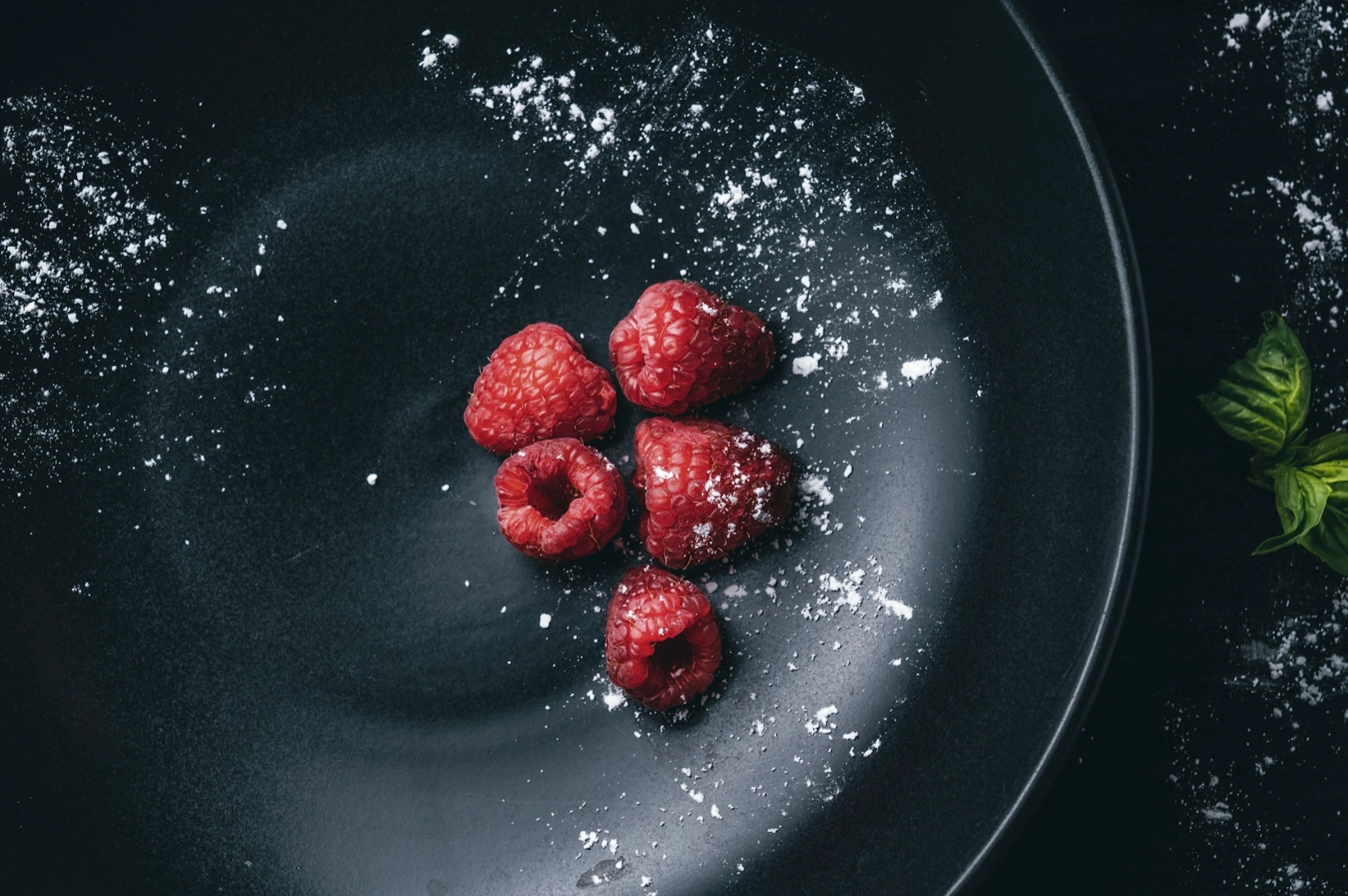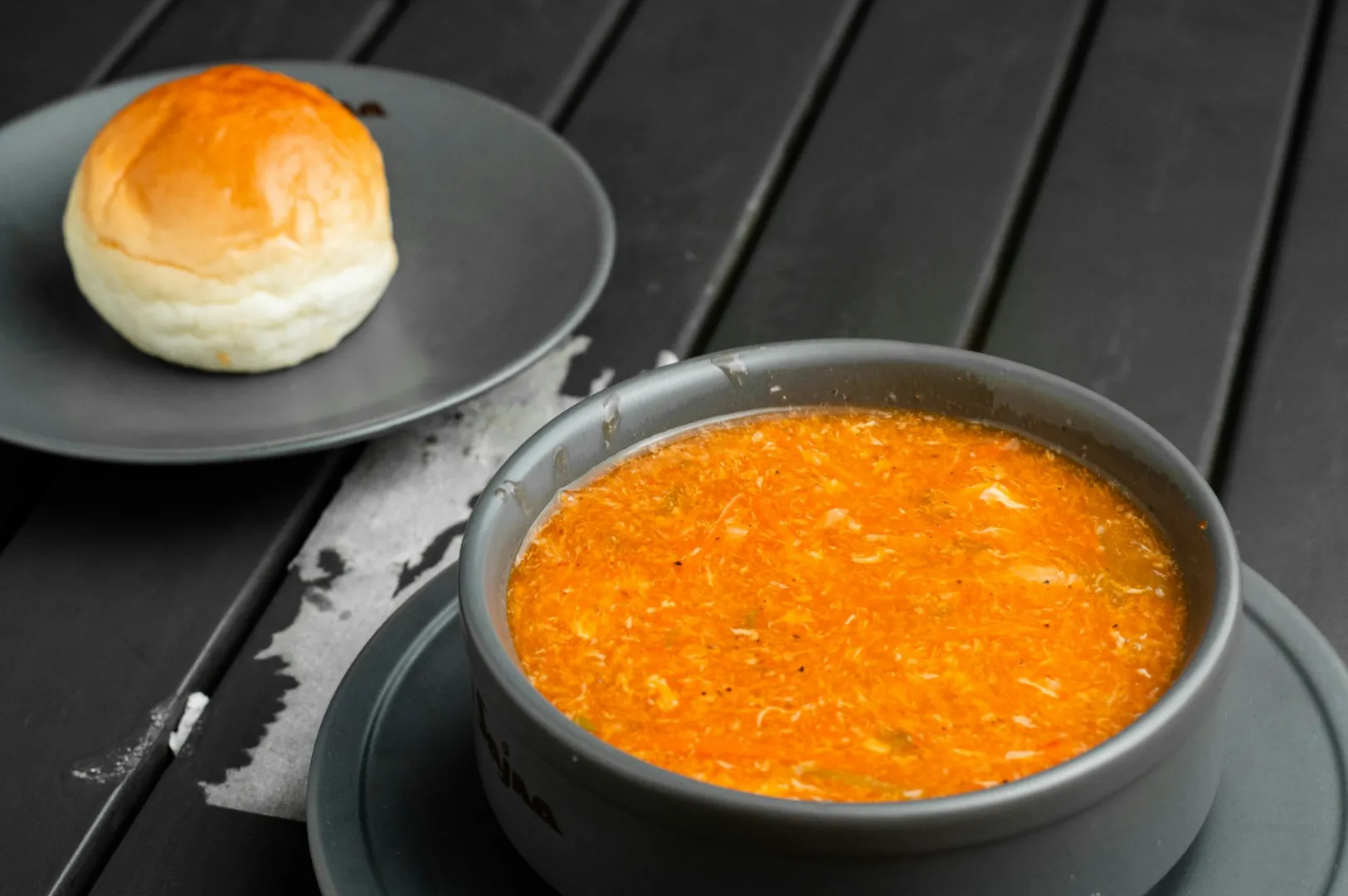
You’ve done the hard part: the menu is tested, the service flow makes sense, and the space finally feels like your place. Now comes the part that surprises many Singapore F&B owners: choosing the right type of photography.
Because “good photos” isn’t one thing.
A commercial photography set is designed to sell. It’s the crisp photographic image that makes a diner understand your dish in one second. A fine art photography set is designed to say something. It builds mood, meaning, and brand character sometimes with less literal clarity, but more emotional weight.
So when you’re deciding between fine art photography vs commercial photography, you’re not choosing between “art” and “not art.” You’re choosing intent: conversion versus resonance, mass media performance versus gallery-grade atmosphere. And if you pick the wrong approach, your visuals can feel mismatched like using a fashion photography aesthetic for a fast-casual lunch set, or overly clean product shots for a chef-led tasting menu that’s meant to feel like modern art.
Let’s break it down in a way that’s practical for your F&B brand especially in a competitive market like Singapore.
The best background for food photography does three jobs at once: it supports the food story, controls contrast, and keeps the overall look clean enough that the viewer notices the dish first not the backdrop. For Singapore’s F&B brands, that’s not just aesthetics; it affects clicks, saves, and whether someone decides your menu looks worth trying.
This guide breaks down surfaces, textures, and colours (yes, the colour wheel matters), with practical examples for local cuisines so your next food shoot looks intentional, polished, and very easy to repeat.
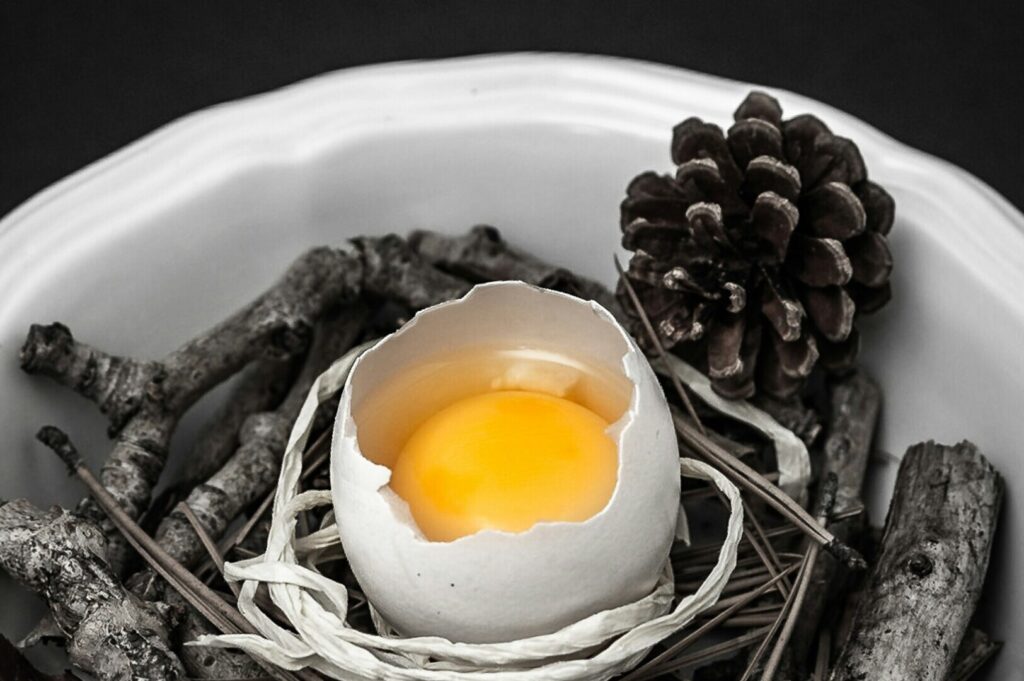
What Is Commercial Photography for F&B Brands?
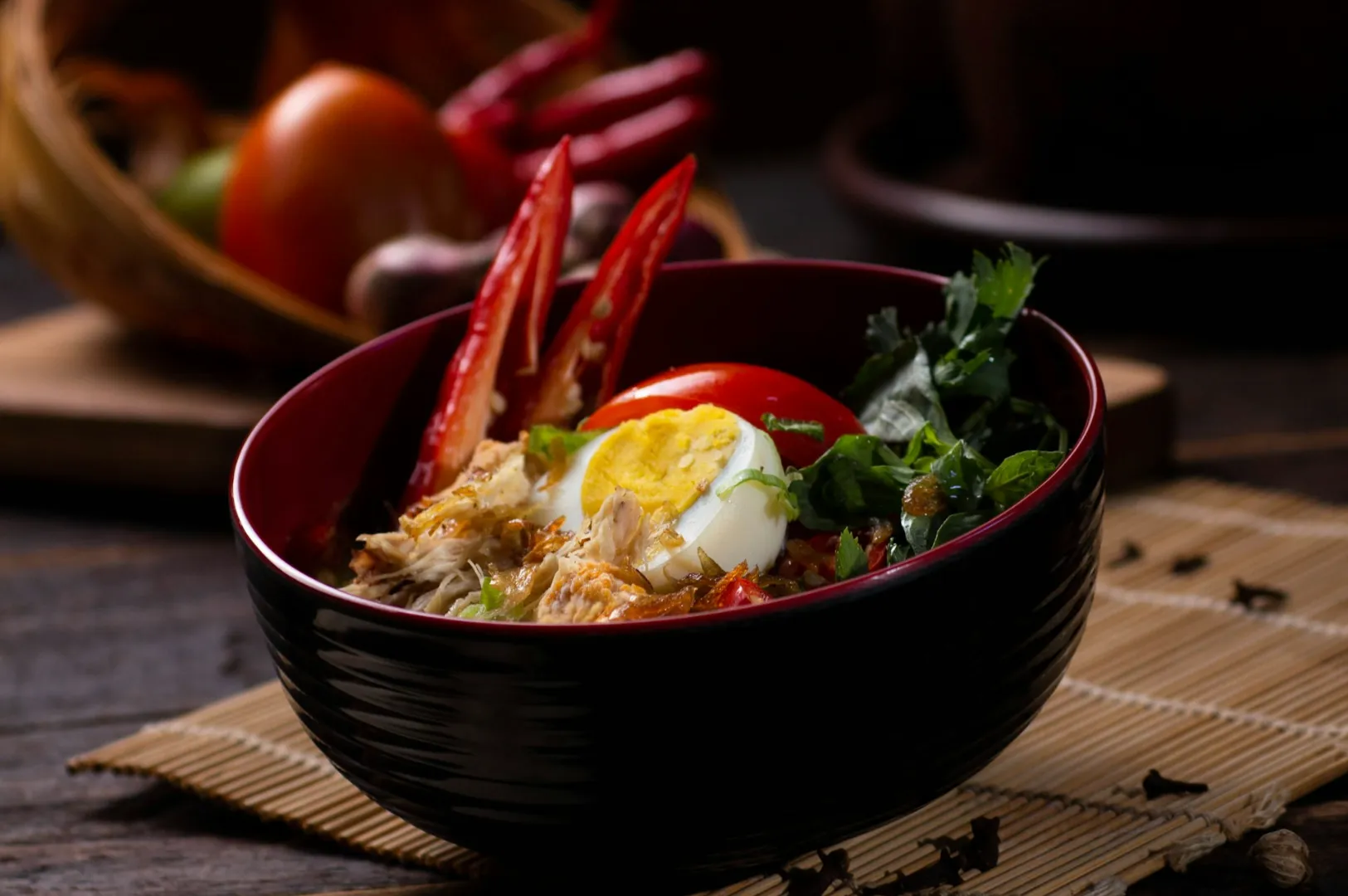
Commercial photography is built for marketing. Its job is to reduce friction and increase appetite fast. When it works, there’s no confusion about what’s being sold (portion, texture, colour) and what the customer will actually receive.
A commercial set is engineered: lighting, angle, styling, and post-production are all aligned to a brief. The professional photographer here isn’t chasing personal creative expression; they’re solving a business problem with a clear visual system.
How commercial photography shows up in mass media
In Singapore’s mass media ecosystem, commercial visuals power:
Menus and ordering pages (clarity wins)
Campaign posters and in-mall displays
Website hero images designed for fast scanning
Social media promos where performance is measured in clicks
In other words: if your photo needs to move someone from “scroll” to “order,” commercial is often the right medium.
What Is Fine Art Photography in Food and Hospitality?
Fine art photography treats the dish as more than a product. It’s an artistic medium: a form of visual arts and artistic photography that interprets a subject rather than simply presenting it.
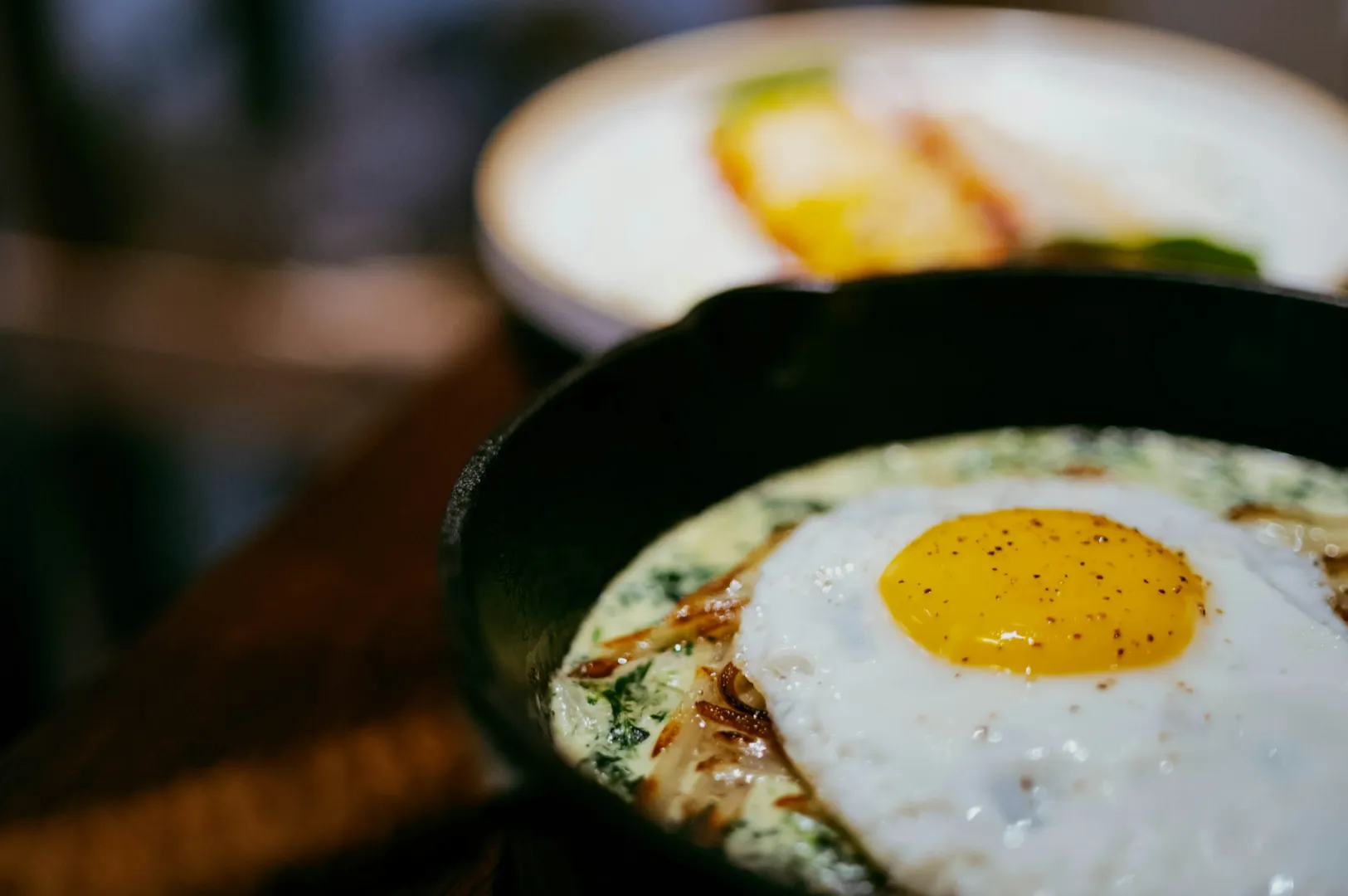
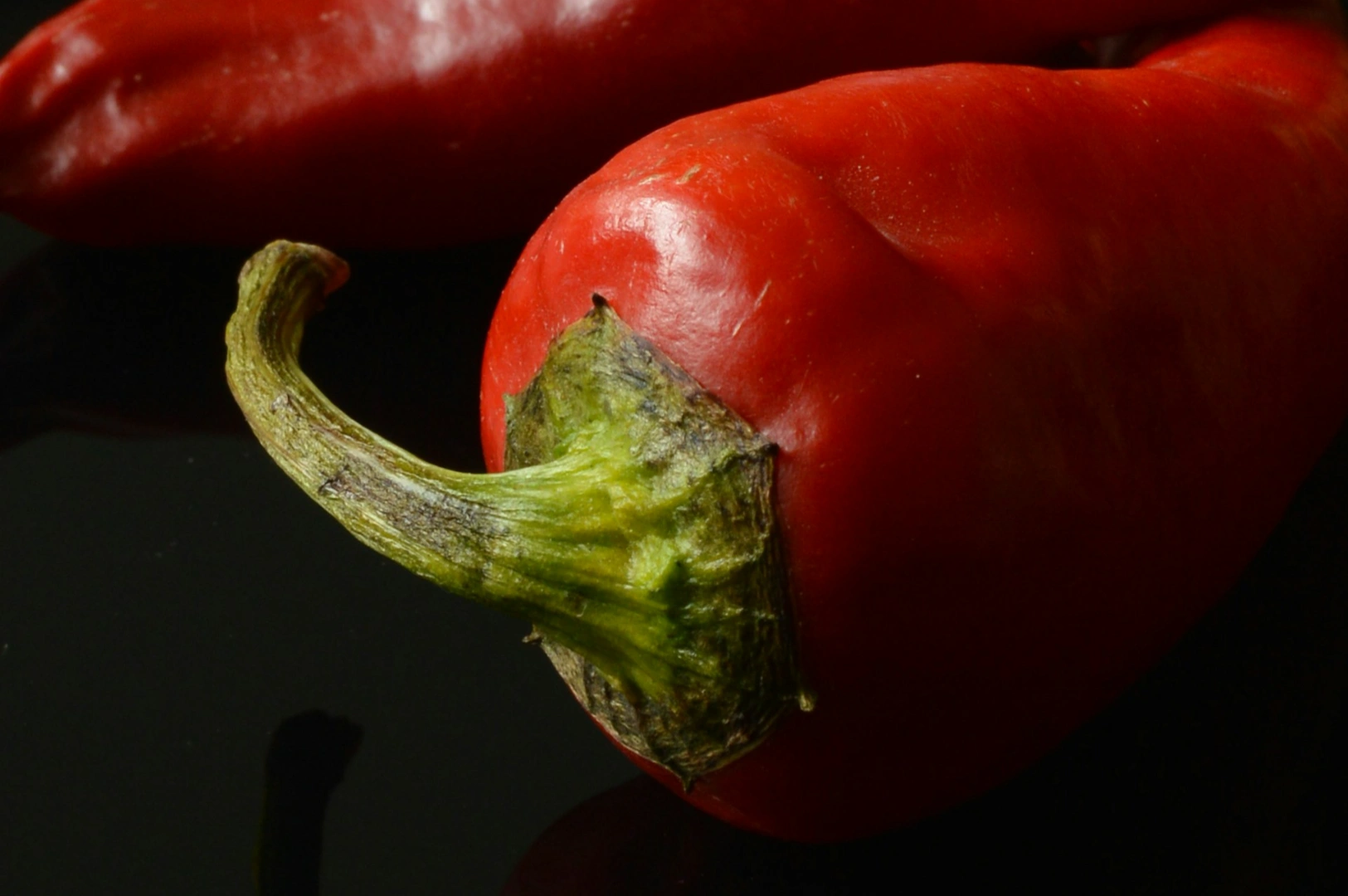
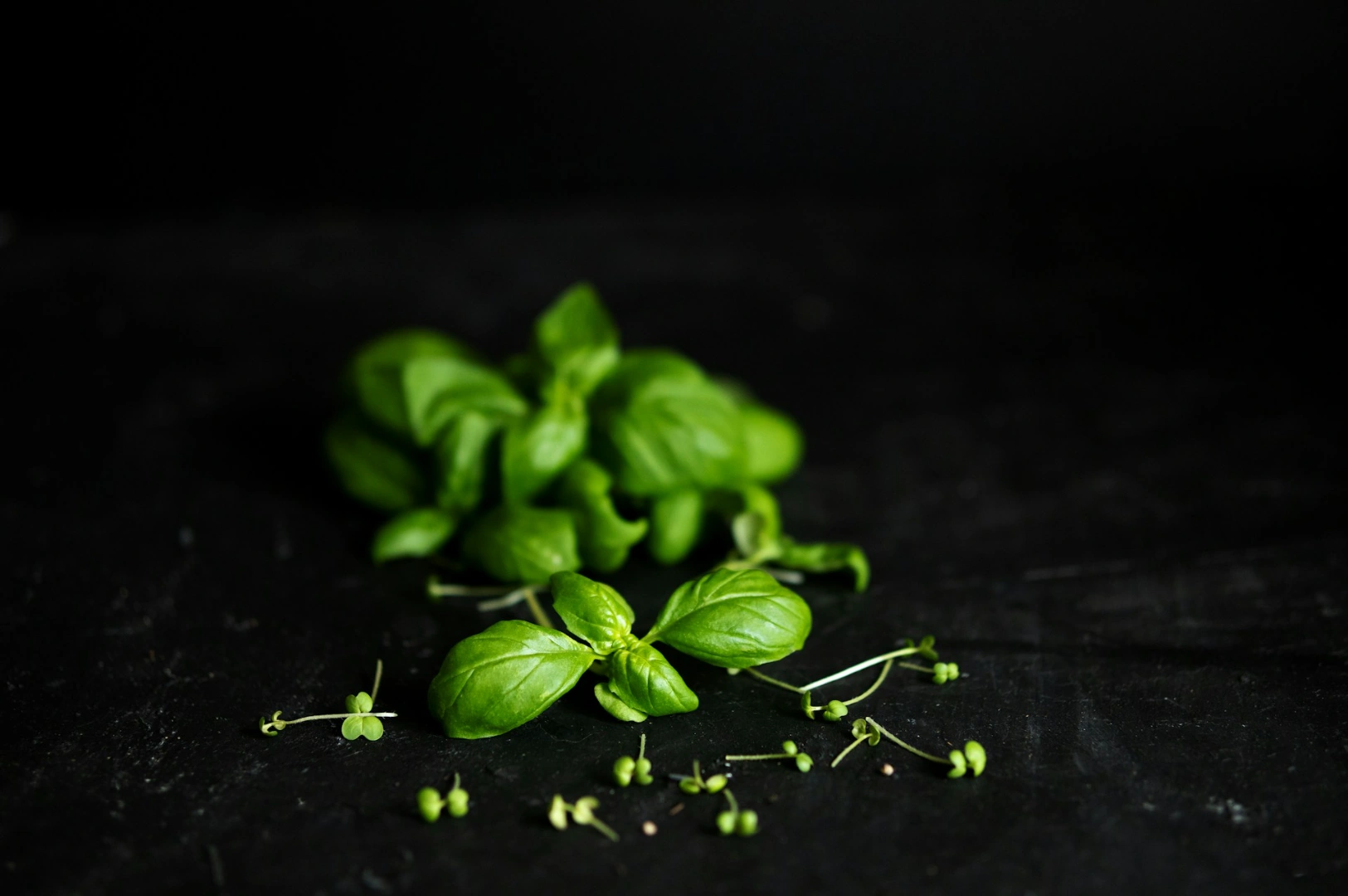
A fine art photographer might frame your dish like a still life, lean into shadow, negative space, or texture, and create fine art photos that feel closer to a painting than a menu shot. The goal is not “buy this now.” The goal is “remember this.”
You’ll often see fine art photographs displayed like works in an art gallery or used in editorial, chef portfolios, brand books, and interiors. In the way creating fine art works, the artist’s vision leads, and your brand becomes the subject.
This is where “life photography” themes sometimes show up: modern life, rituals of eating, the human condition, memory, heritage, and emotion. It’s conceptual photography with a purpose.
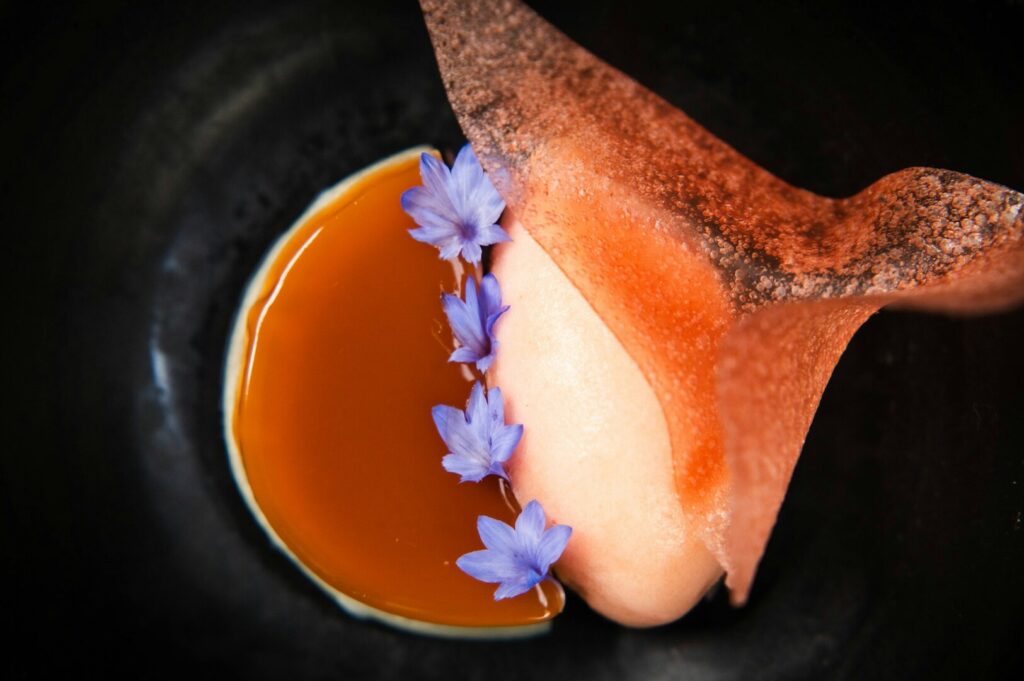
Fine Art Images and the Artist’s Vision: Why It Feels Different
The difference isn’t just lighting. It’s intention.
Commercial photography aims for immediate understanding. Fine art images aim for meaning. Fine art photos may show:
A moment of process (flour dust, hands moving, steam fading)
A partial scene rather than the whole dish
Texture and forms explored like landscape
Quiet, moody light that feels cinematic
This is the same reason iconic landscape photography works: people don’t only admire the subject, they admire how the photographer sees it. Think of the way Ansel Adams framed Half Dome (sometimes referenced with places like New Mexico in the broader American photographer tradition). It’s not just nature. It’s a distinctive voice, a point of view, creating images that become a world.
In F&B, that “world” might be your kitchen energy, your heritage recipes, or your modern art-inspired plating.
Creating Fine Art Photos vs Selling a Dish: The Practical Difference
Purpose
Commercial photography: “Here’s what it is. Buy it.”
Fine art photography: “Here’s what it means. Feel it.”
Composition and subject
Commercial work prioritises good composition that makes the dish the hero. Fine art photography may shift attention to other elements—the wall texture, the table space, the scene, the light, the story.
Post-production
Commercial editing leans toward realism and polish: accurate colour, clean surfaces, consistent tones. Fine art editing can be interpretive: grain, stylised colour grading, mood shaping, sometimes a C print aesthetic meant for exhibitions.
Usage and rights
Commercial contracts usually grant broad usage for ads. Fine art is often more restrictive because the artist retains ownership—closer to buying art than buying marketing content.
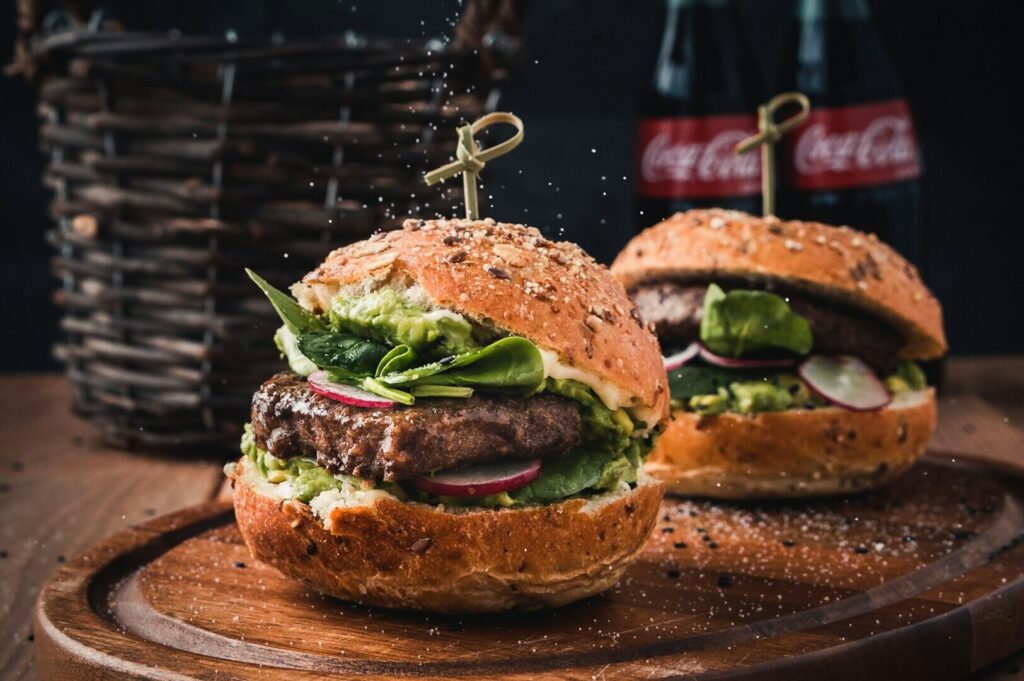
Fine Art Portrait Photography, Self Portraits, and Why It Matters in F&B
You might not think fine art portrait photography belongs in a food discussion, but it does because the “face” of your brand matters.
Some restaurants build their identity around people: the chef, the family story, the team, the craft. In fine art traditions, portraits (and even self portraits) explore identity and modern life. That’s why fine art photographers like Diane Arbus are referenced in art history discussions. She explored subjects in a way that made viewers think about society, emotion, and the human condition. In contemporary conceptual photography, artists like Louise Lawler questioned display, context, and how images function in galleries and museums.
You don’t need feminist art theory to apply the lesson: context changes meaning. A dish photographed as “product” feels different from a dish photographed as “culture.”
That’s powerful brand positioning when you’re building something chef-led, heritage-driven, or experience-first.
When Commercial Photography Is the Right Choice for Your F&B Brand
Choose commercial if you need:
Menu images that are consistent across 20–80 dishes
Fast campaigns that require clear visuals and quick turnaround
E-commerce shots for sauces, bottled items, and retail packaging
Photos optimised for mobile screens and promotions
For the majority of Singapore operators (cafés, multi-outlet groups, delivery-first brands) commercial photography is the workhorse. It’s the “sales team” visual.
A reliable Singapore food photography team can streamline the shot list, styling, and delivery so you don’t lose time during service hours.
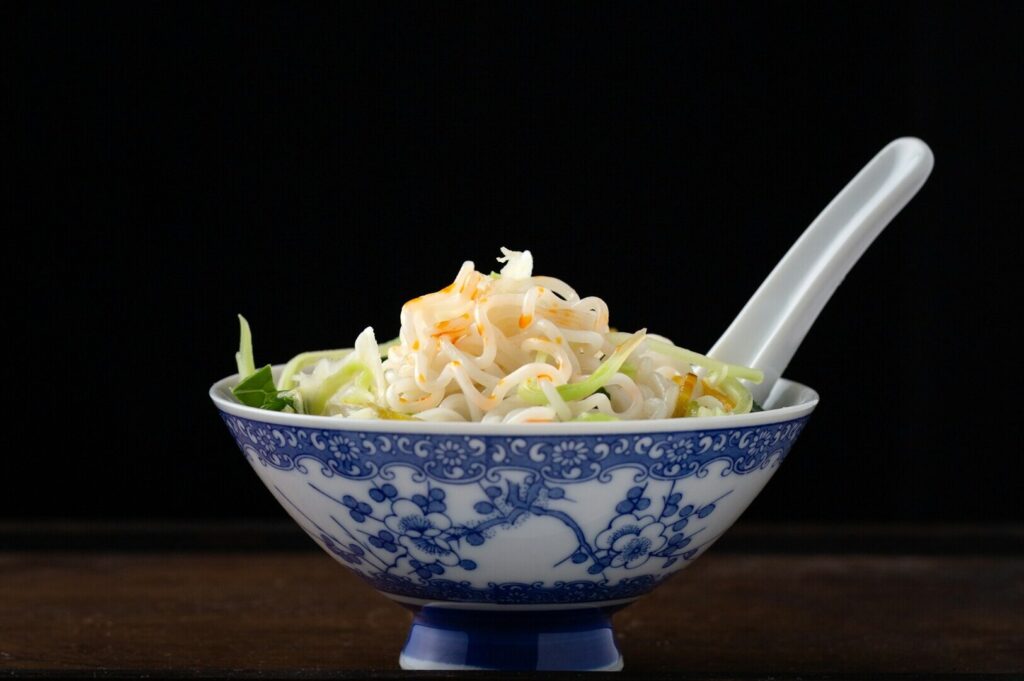
When Fine Art Photography Makes Sense for Brand Prestige
Fine art photography shines when your product is an experience, not just a dish.
Choose fine art if you’re doing:
Chef’s table / tasting menus
A premium repositioning (casual → elevated)
Interior décor and prints for walls
Editorial features, coffee-table brand books, exhibitions, or gallery-adjacent projects
Storytelling campaigns (heritage recipes, sourcing, craft)
If you want your visuals to feel like modern art, conceptual, emotional, designed to linger: fine art images are a stronger match than purely commercial work.
The Hybrid Approach: What Strong Singapore Brands Do
Many successful brands blend both.
Example: a steakhouse might use commercial photography for menu and ads, and fine art photographs for the website banner, interiors, and storytelling posts. A modern bistro might use commercial sets for weekday lunch promotions and fine art portraits for the chef story.
The key is consistency: palette, surfaces, and tone should connect the two styles. Otherwise your Instagram grid feels like a bunch of different restaurants.
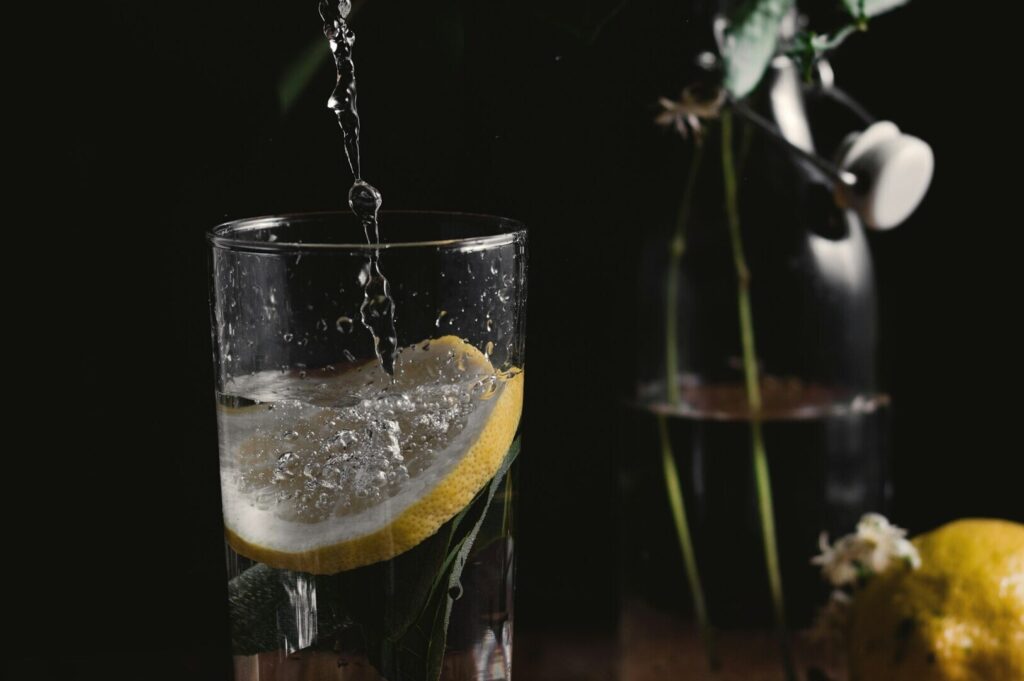
Conclusion: Choose the Medium That Matches Your Brand Goal
The difference between fine art photography vs commercial photography is intent. Commercial photography drives action with clarity and seeks to capture the essence of a product to convey its appeal effectively. Fine art photography, on the other hand, builds memory with emotion and expresses deeper ideas through artistic vision. Both have a place in Singapore’s F&B world, especially when you collaborate with a professional photographer who understands how to balance these approaches.
If you want your visuals to perform and still feel like you, consider working with a team that understands both sides: the business mechanics of commercial work, and the creative vision behind fine art images.