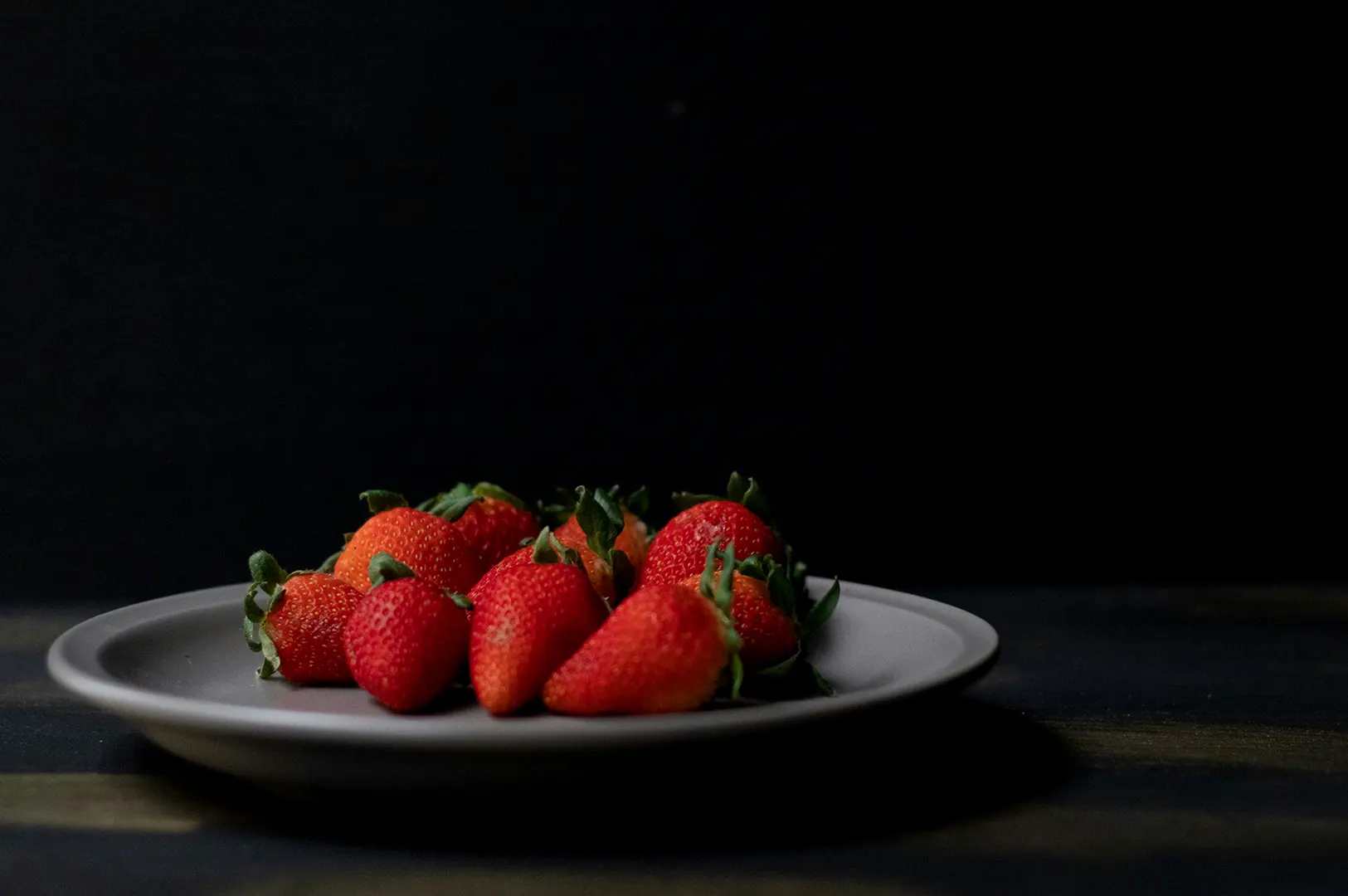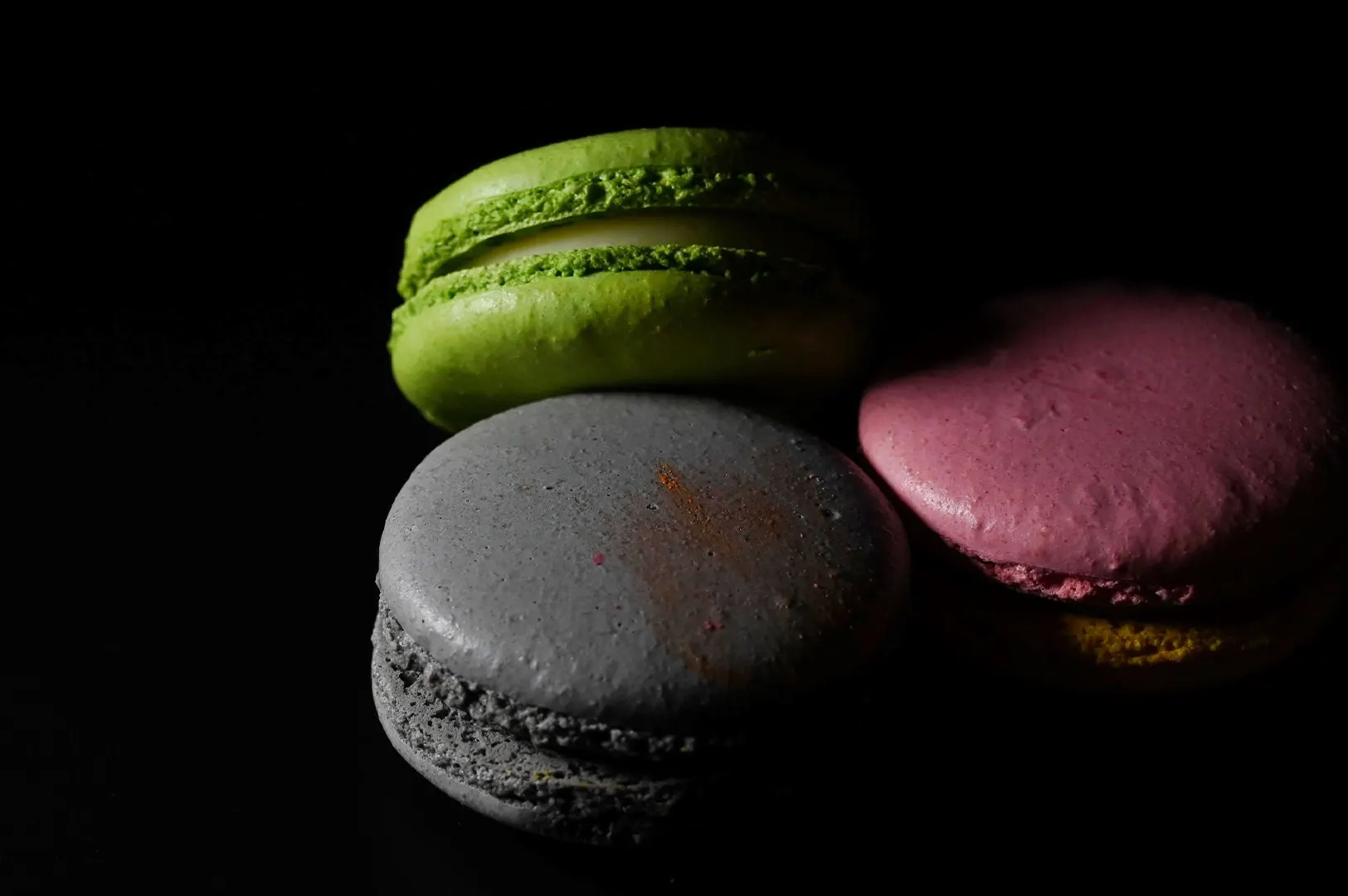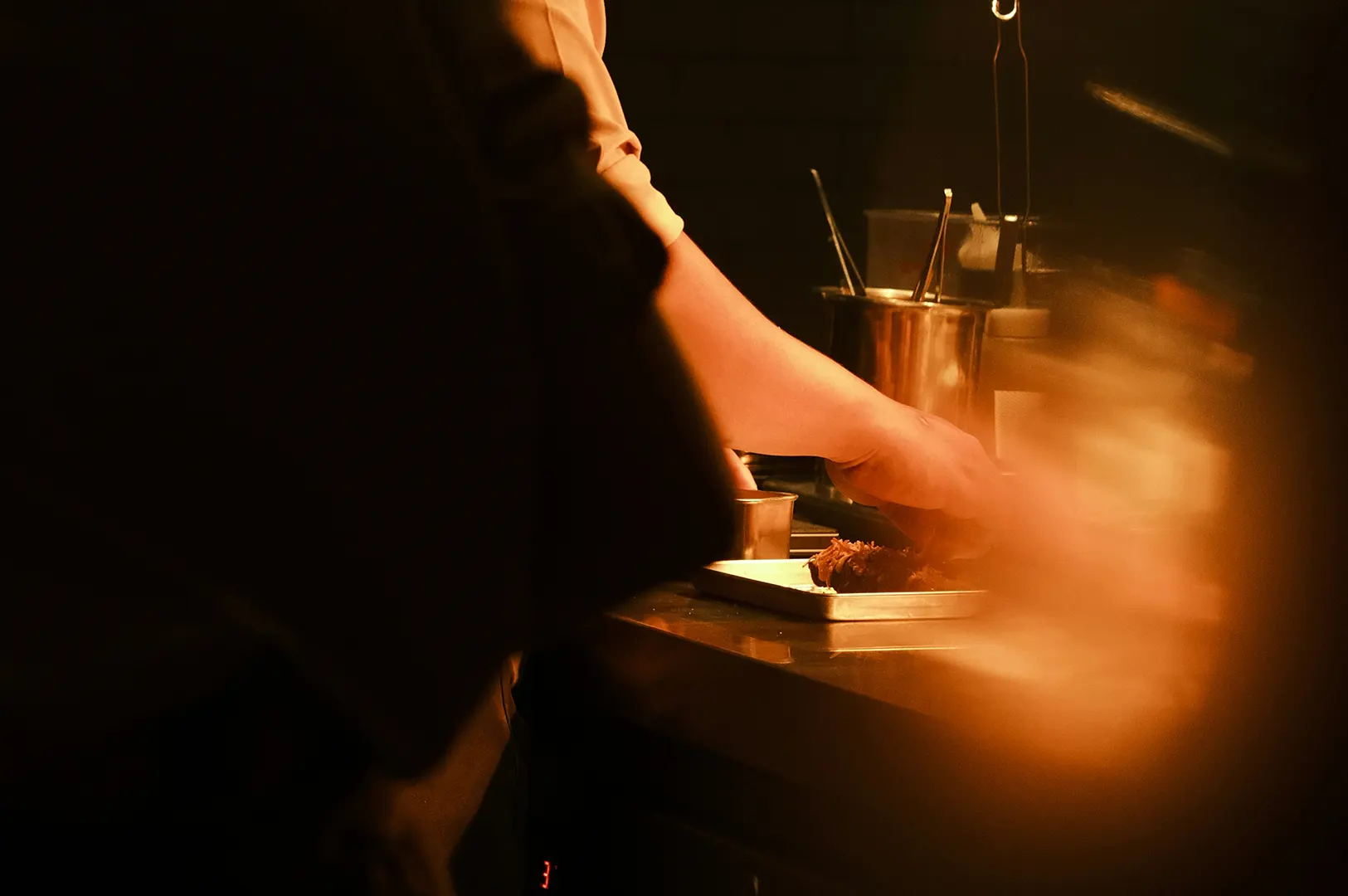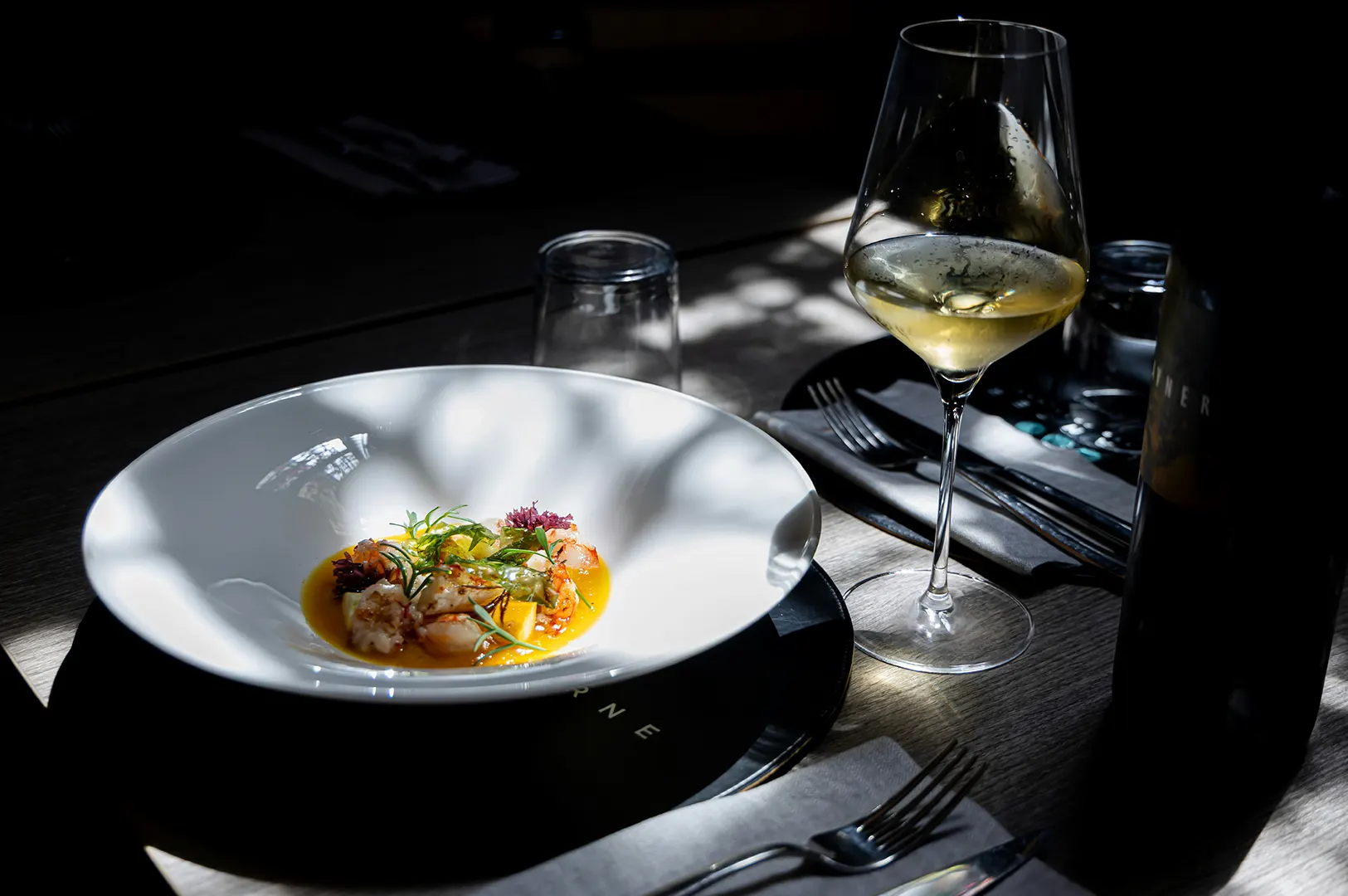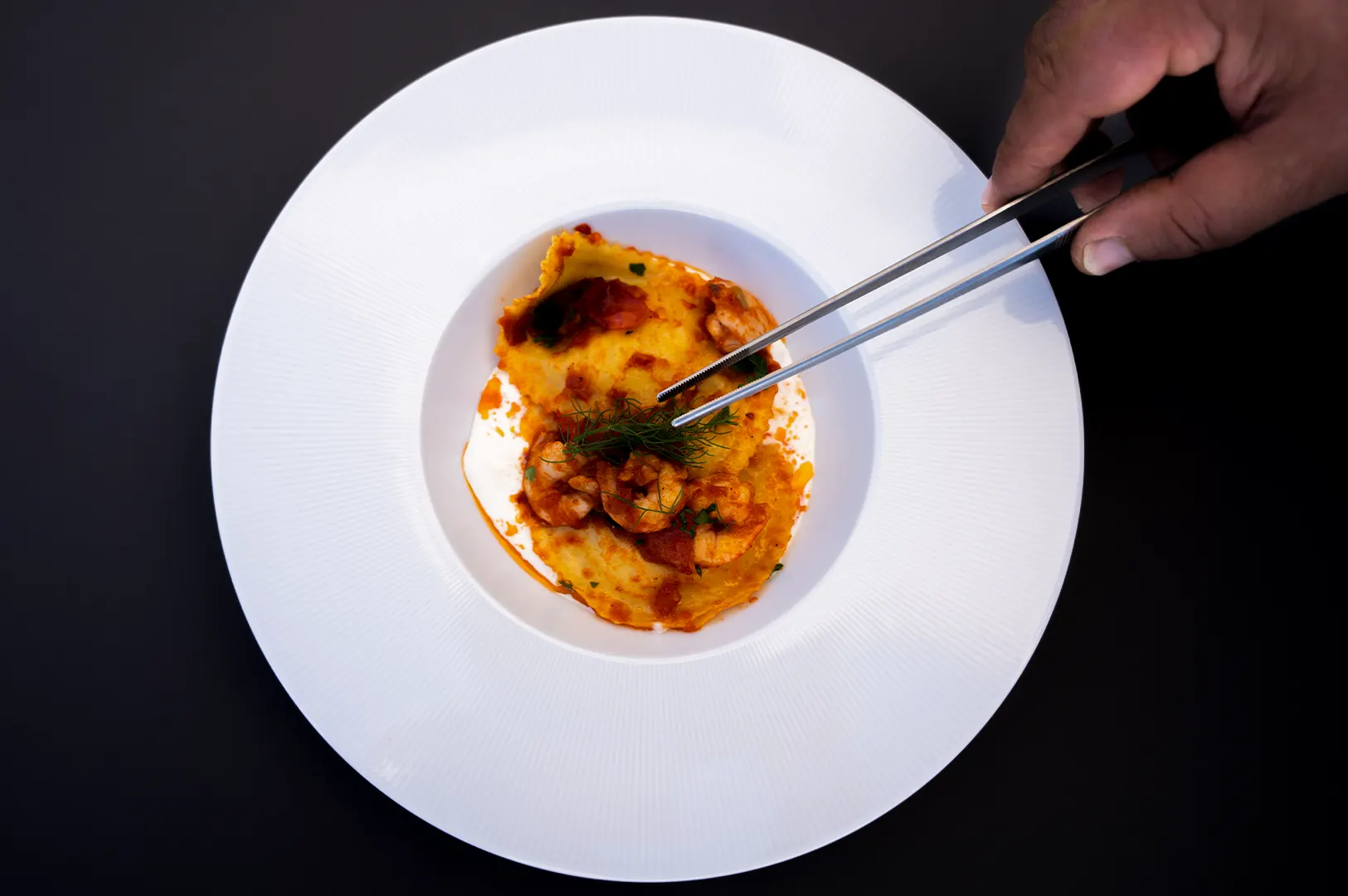
A photograph approved on a laptop can become a completely different object when it is two metres wide.
Tiny crumbs become visible.
Soft focus becomes obvious.
That garnish sitting near the edge may disappear once the designer crops the image into a long lightbox.
We like knowing about large-format use before the shoot, not when someone emails six months later asking whether an Instagram crop can cover a wall.
Tell the Photographer the Final Size

“High resolution” is not a complete brief.
How large will the image be?
How close will people stand?
Portrait, landscape or an unusual panoramic shape?
Adobe's print guidance explains that resolution requirements depend partly on print size and viewing distance, with large-format work viewed from farther away able to function differently from small prints inspected up close. Adobe's guide to print resolution
That means the output needs to be part of the planning conversation.
Simplify the Composition
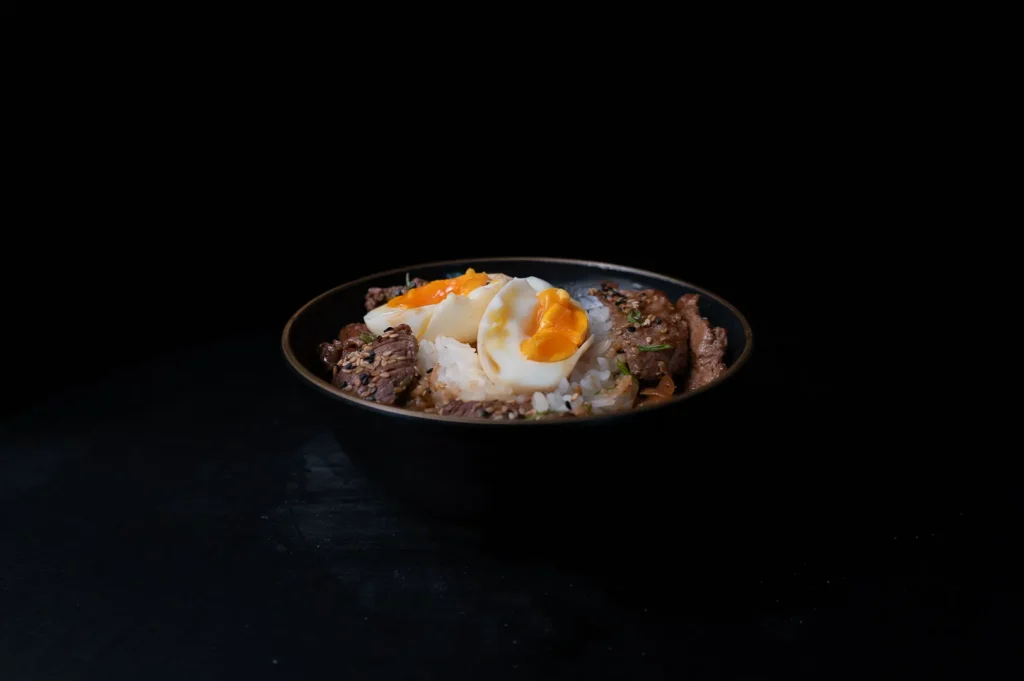
Large displays reward strong shapes.
One bowl of noodles may work better than seven small dishes scattered across a table.
A customer walking past a storefront should not need five seconds to discover which object is the food.
Adobe's guidance on billboard design similarly recommends high-quality imagery and compositions designed to remain effective at large scale and viewing distance. Adobe's billboard design guidance
When the photograph becomes physically larger, the idea often needs to become visually simpler.
Leave Room for the Designer
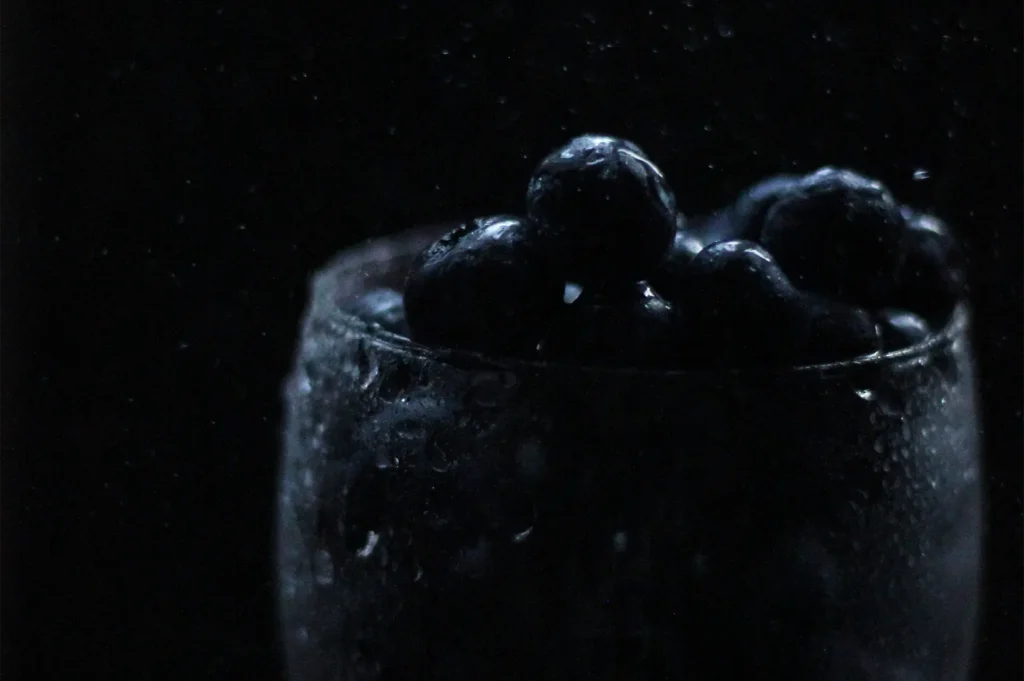
Lightboxes frequently contain more than photography.
There may be a logo, price, headline or promotional message.
If we know where the text will sit, we can compose around it.
If we do not know, we capture sensible breathing room and alternatives.
Our article on using one restaurant photograph across several channels explains why different outputs often require different crops.
A large-format campaign is one of the clearest examples.
Check the Details Before the Food Leaves
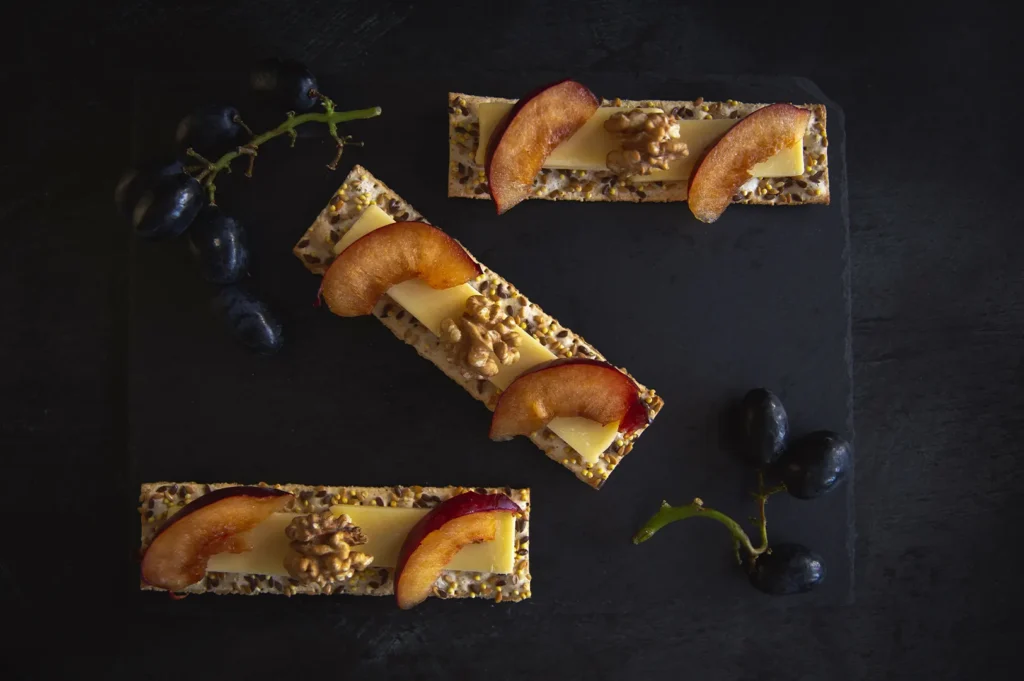
A two-metre photograph is not forgiving.
One sauce streak that looks tiny on the camera screen can become surprisingly noticeable.
We inspect plates, rims and backgrounds carefully while the dish is still available.
That does not mean making the food sterile.
Texture should remain.
We simply want the visible details to be intentional.
Our macro photography composition guide is useful here because the same principle applies: the closer the viewer gets, the more every small detail matters.
Shoot for the Wall From the Beginning
A commercial food photographer in Singapore should ask about final usage before building the shot.
Menu screen?
Website?
Instagram?
Two-metre mall lightbox?
Those are not interchangeable destinations.
The safest time to prepare a photograph for large-format use is before it exists.
Tell us where it is going.
We can leave the right space, capture enough detail and build a composition strong enough to survive becoming much bigger than the plate itself.