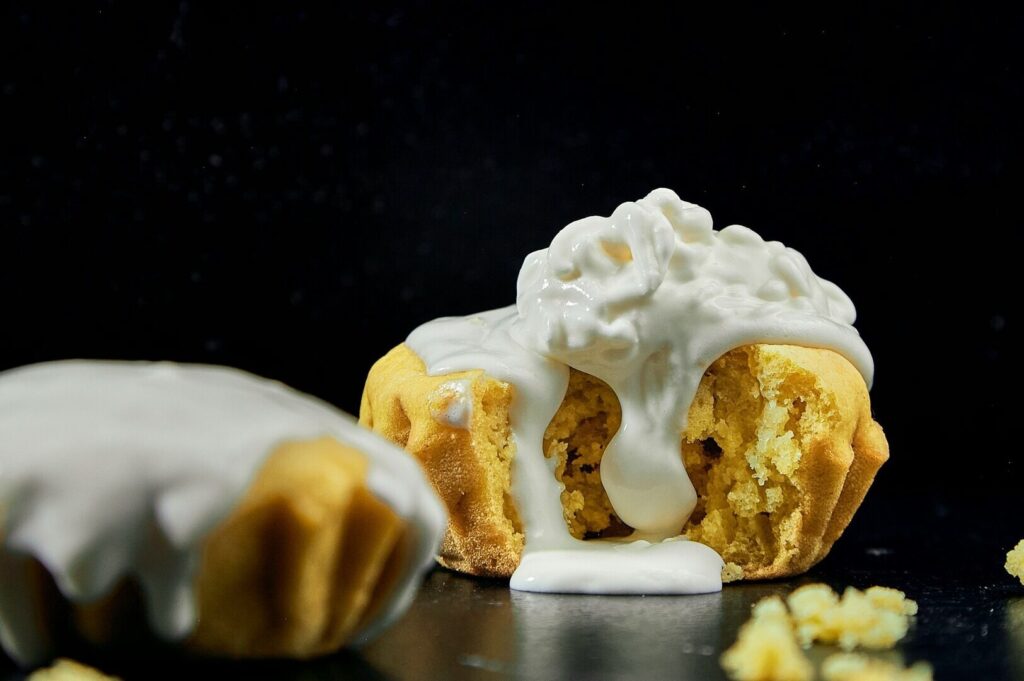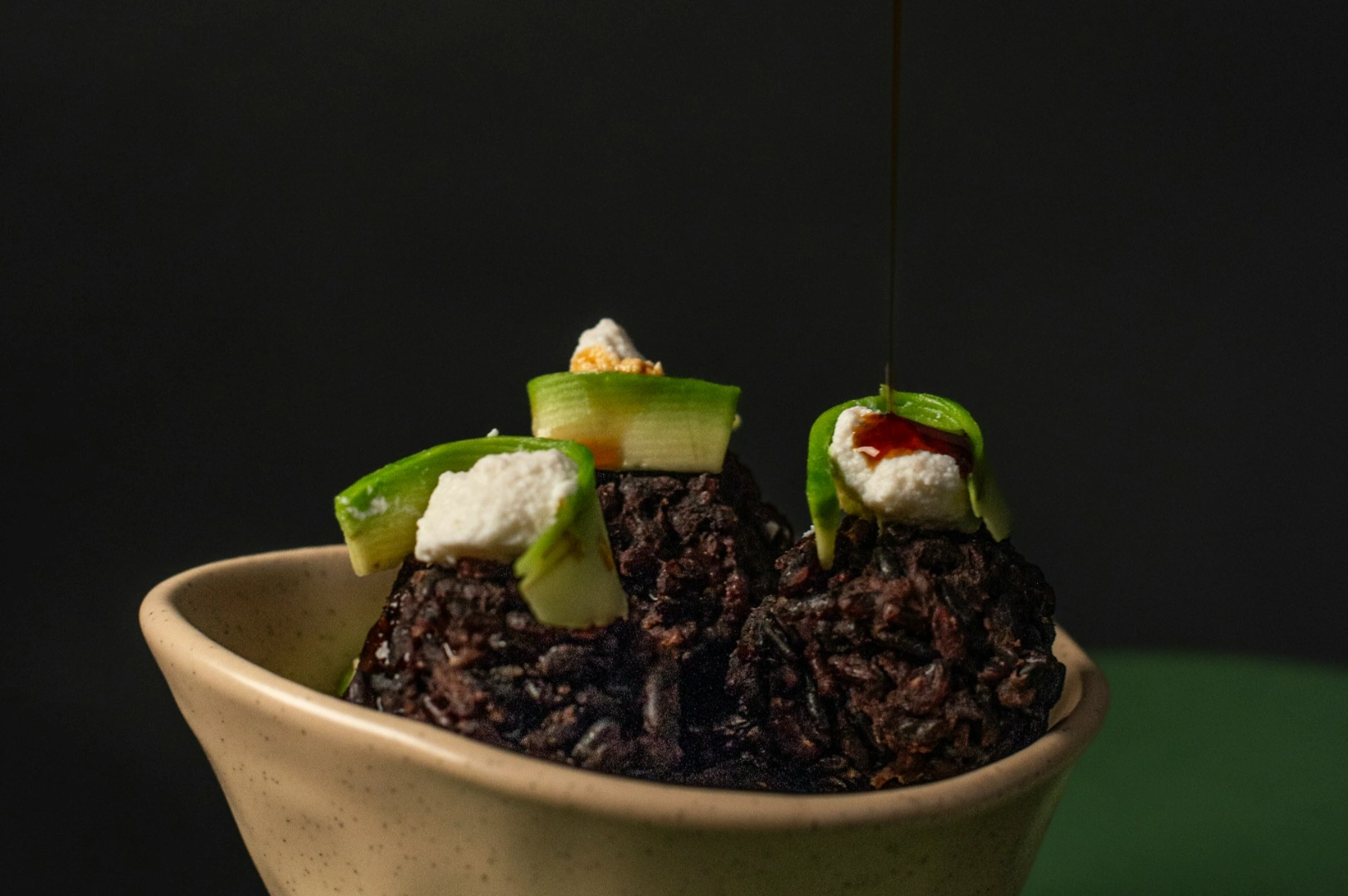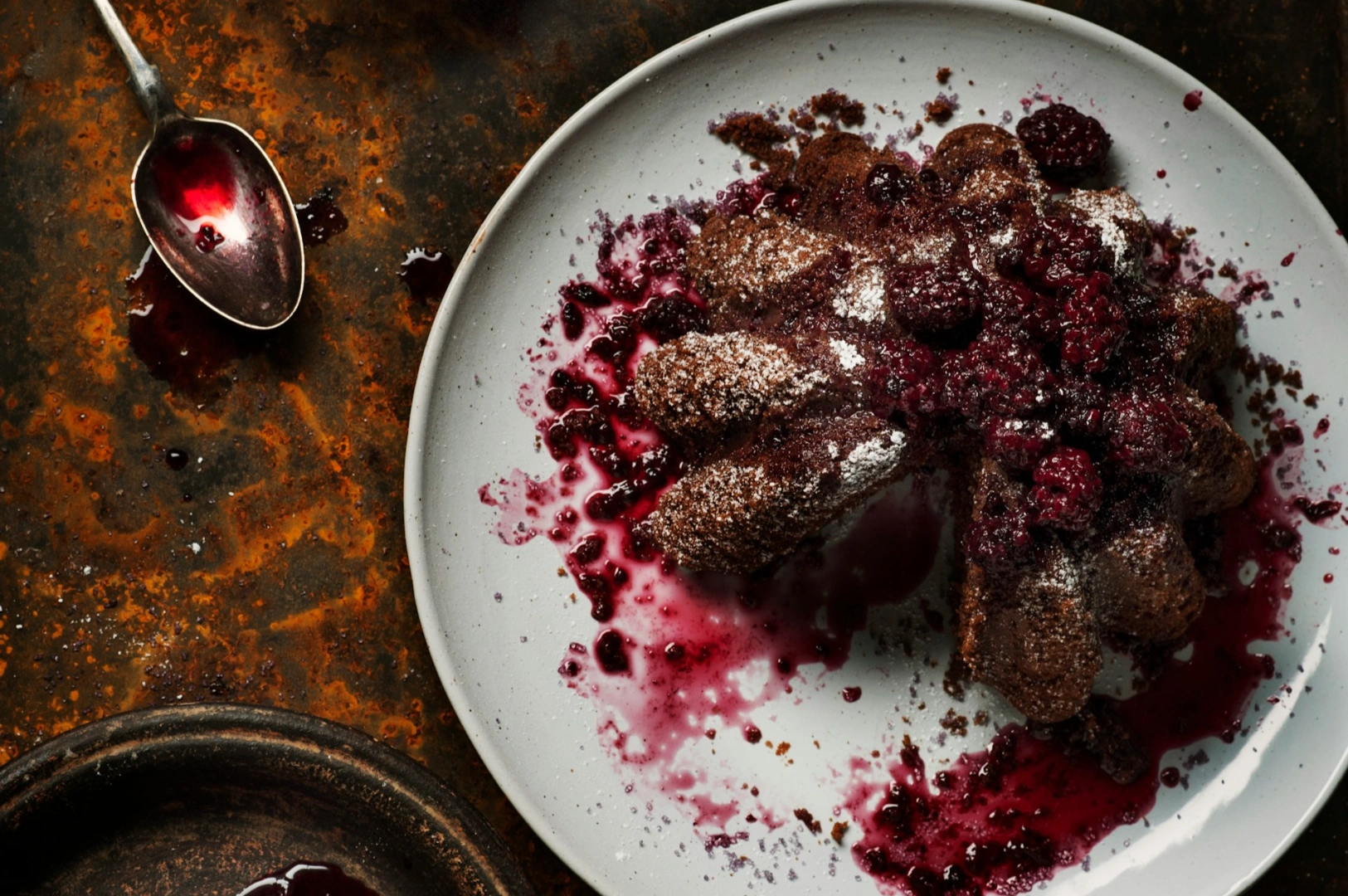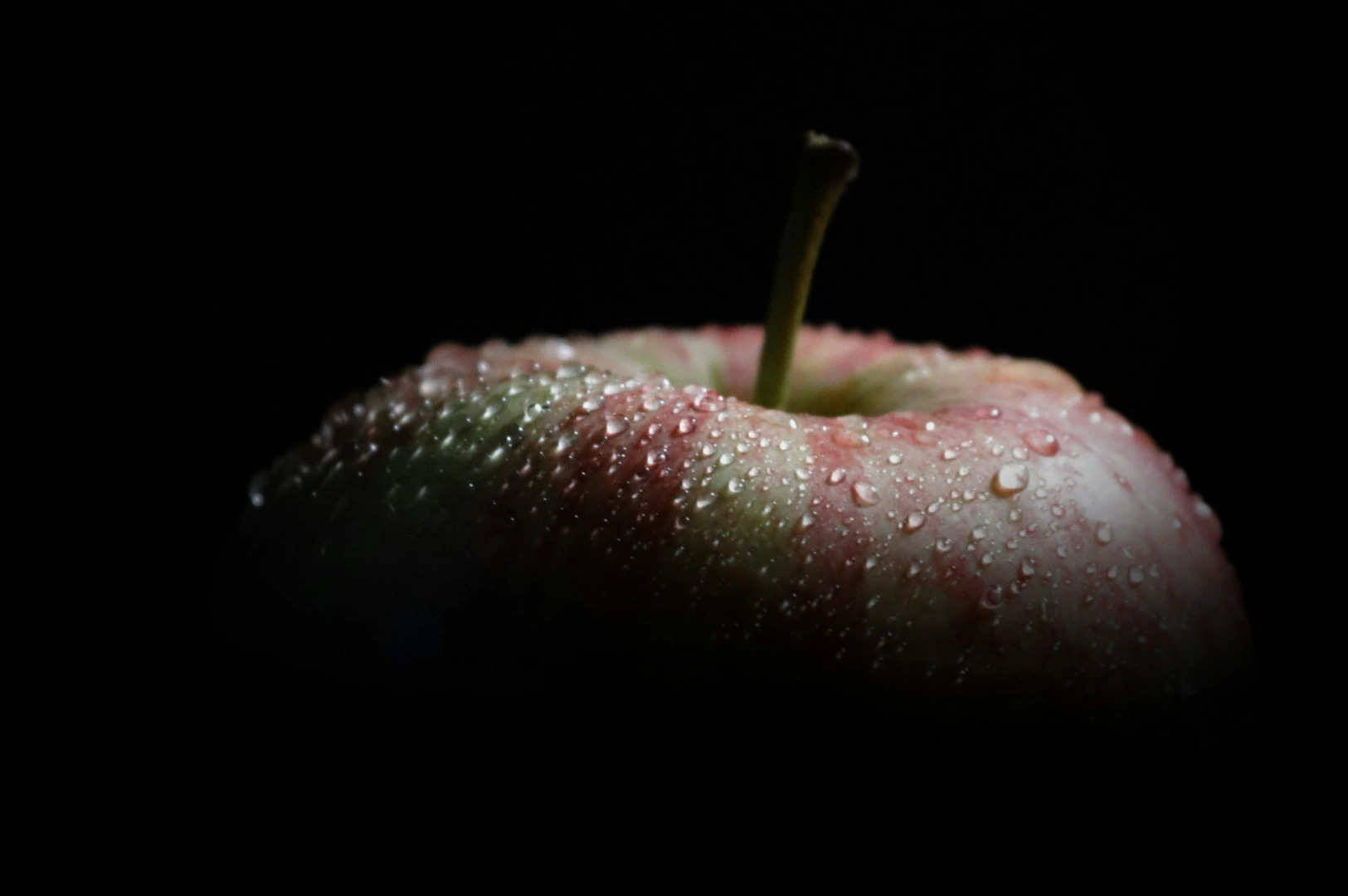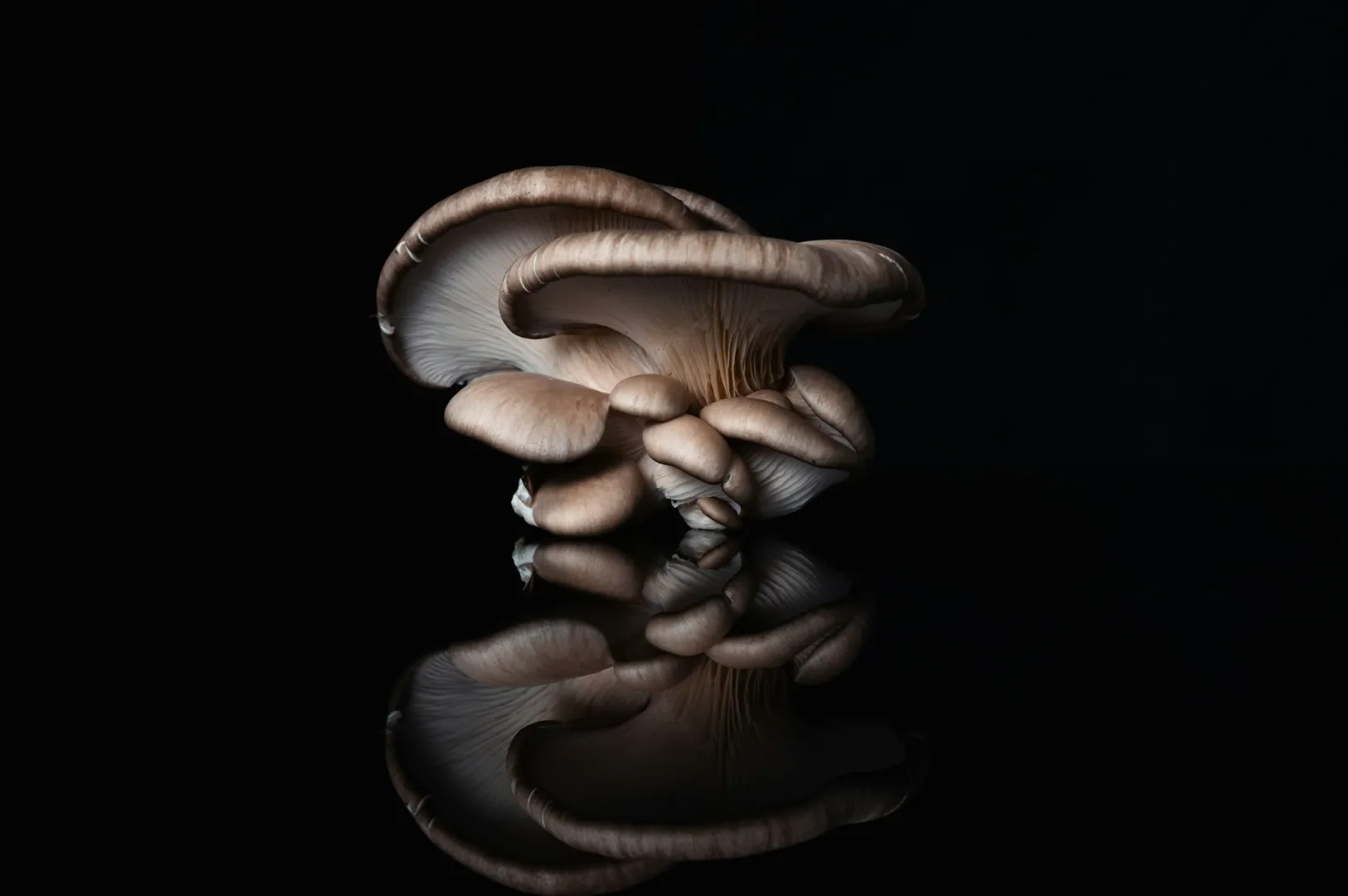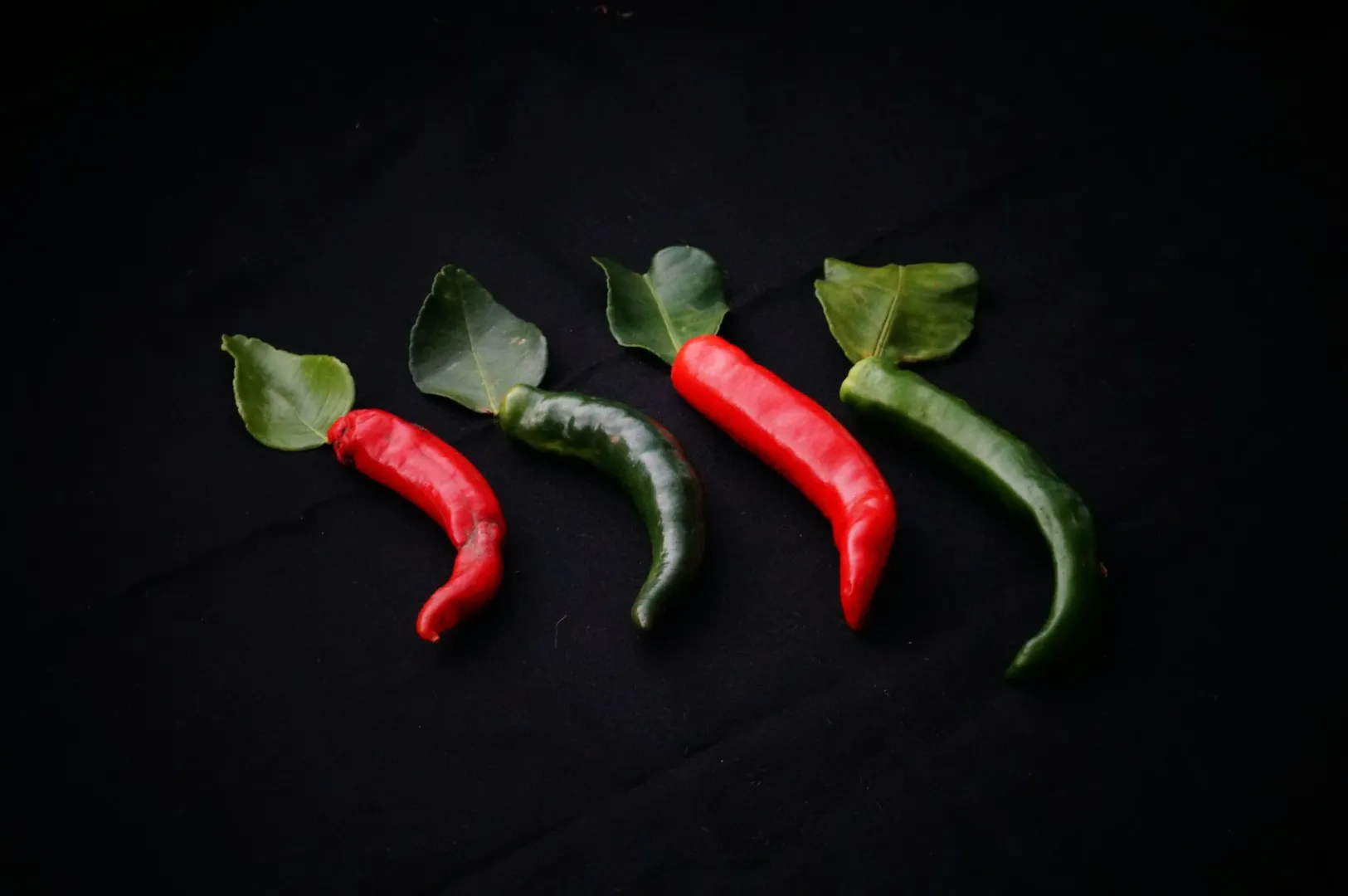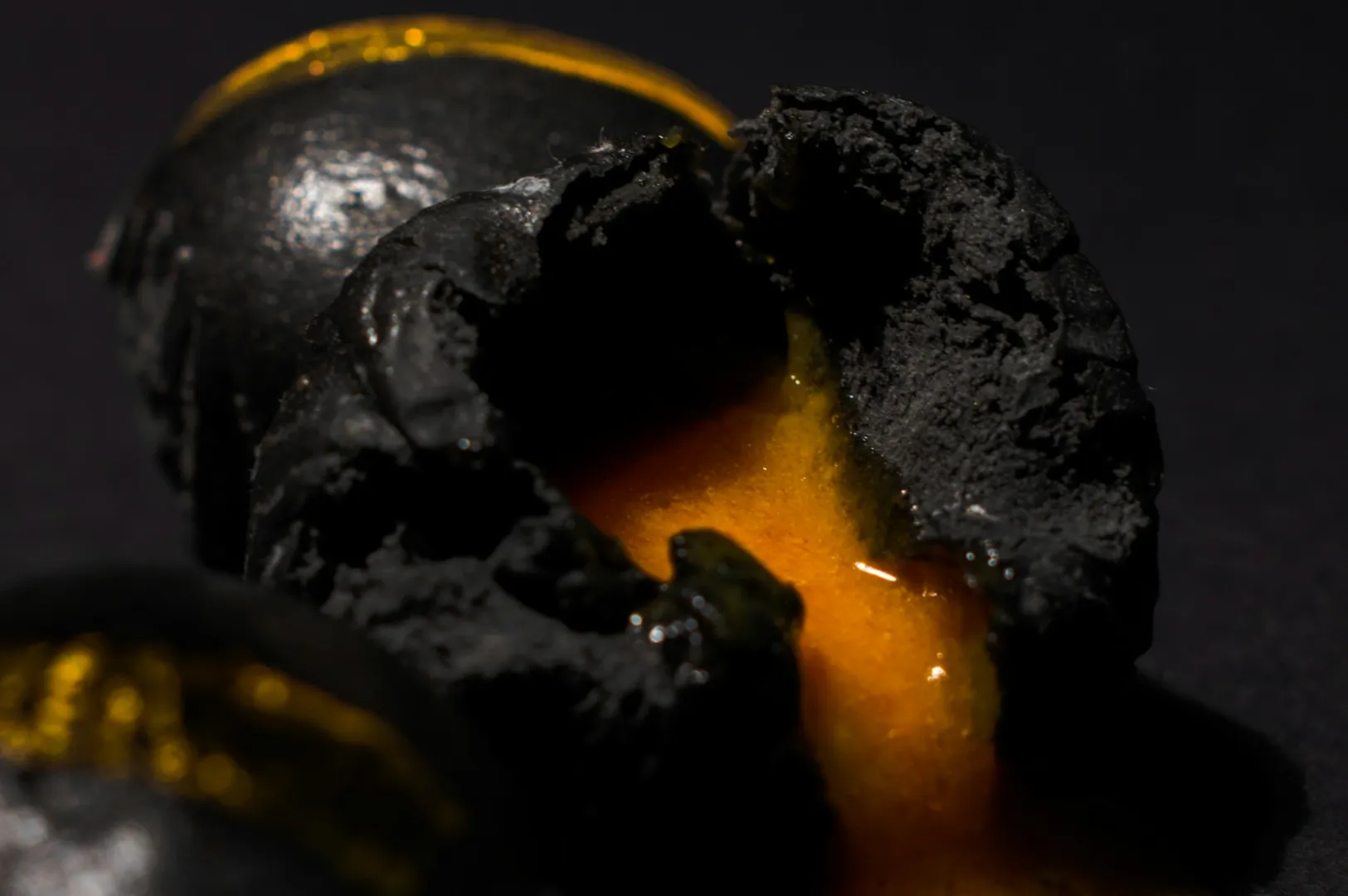
In Singapore, food is culture and culture is visual. Your diner doesn’t just “see” a dish; they read it. They clock texture, colour, light, and mood in a split second. That’s why photography and art matters in the present day: not because every restaurant needs gallery-level drama, but because the right image can make a dish feel worth travelling for.
Most brands start with documentation. That’s normal. But when your concept matures (when you’re no longer just selling food, but identity) pure product shots can feel thin. This is where art photography comes in. It doesn’t replace commercial needs; it expands what your visuals can do. It helps you move from “Here’s our menu item” to “Here’s our point of view.”
In this article, we’ll break down the fundamentals of fine art photography in a culinary context: the core principles, the history behind photography as art, and how F&B brands in Singapore can use photographic art to build stronger perception, not just prettier posts.
Understanding Art Photography in the Culinary World
Let’s draw a clear line: commercial photography is designed for commercial purposes: speed, clarity, and conversion. It’s the backbone of menus, campaigns, and most day-to-day content. It answers the practical questions: What is it? What’s inside? How big is it?
Art photography asks different questions. It’s driven by artistic vision and artistic expression. It’s not only about ingredients; it’s about meaning. When a photographer treats your dish as a subject for photography art, they’re shaping a response: nostalgia, curiosity, comfort, even a sense of modern identity. That’s why not all photography becomes art. A snapshot can record an object; fine art photography aims to interpret it.
In the art world, the camera is an artistic medium like painting, sculpture, and other media. Your dish becomes part of visual culture, and the image becomes photographic art, not just a photographic image used to list an item.
If you’re still deciding what your brand needs right now, this breakdown on fine art photography vs commercial photography for F&B brands will help you choose the right direction.
Core Principles of Fine Art Photography in Food
Great culinary imagery borrows from classic art forms, but it doesn’t need to be complicated. These essential elements show up again and again in strong fine art photos whether the final output is for a website banner, a press kit, or even gallery exhibitions.
Composition: balance, tension, and intention
In product photography, the dish often sits safely in the centre. In fine art, composition is a decision with a purpose. Negative space can suggest refinement. A tight crop can create intimacy. Leading lines can guide the viewer’s eye like a well-written sentence.
This is where art meets business: composition controls attention. It tells your audience what matters, and it tells them how to feel about it.
Light: the emotional engine
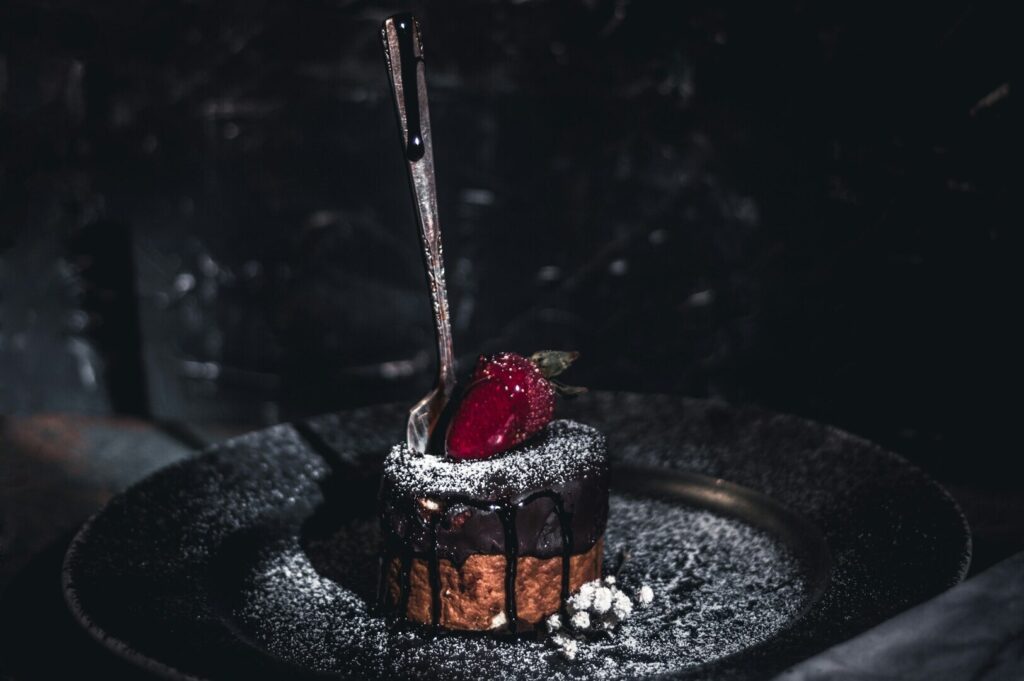
Light is where culinary work becomes artistic photography. Directional light (side light, backlight, a controlled fall-off) creates depth and drama. Soft light can feel calm and nostalgic. Harder contrast can feel bold, modern, even slightly confrontational in a modern art way.
Many photographers reference the discipline of the 19th century and early days of photography where light wasn’t “fixed later,” it was designed. Think about the way Ansel Adams treated light: shaping form and mood, not simply illuminating a subject.
Colour theory: your brand’s subconscious language
Colour is psychology. Warm palettes can feel comforting; cool palettes can feel fresh and contemporary. Pop art taught visual culture how colour can shout. Fine art often chooses colour with restraint—muted tones, controlled contrast, cohesive palettes that build a visual aesthetic.
This matters for Singapore brands: your audience is visually literate. If your colours are inconsistent, your identity feels inconsistent.
Texture and depth: making food feel real
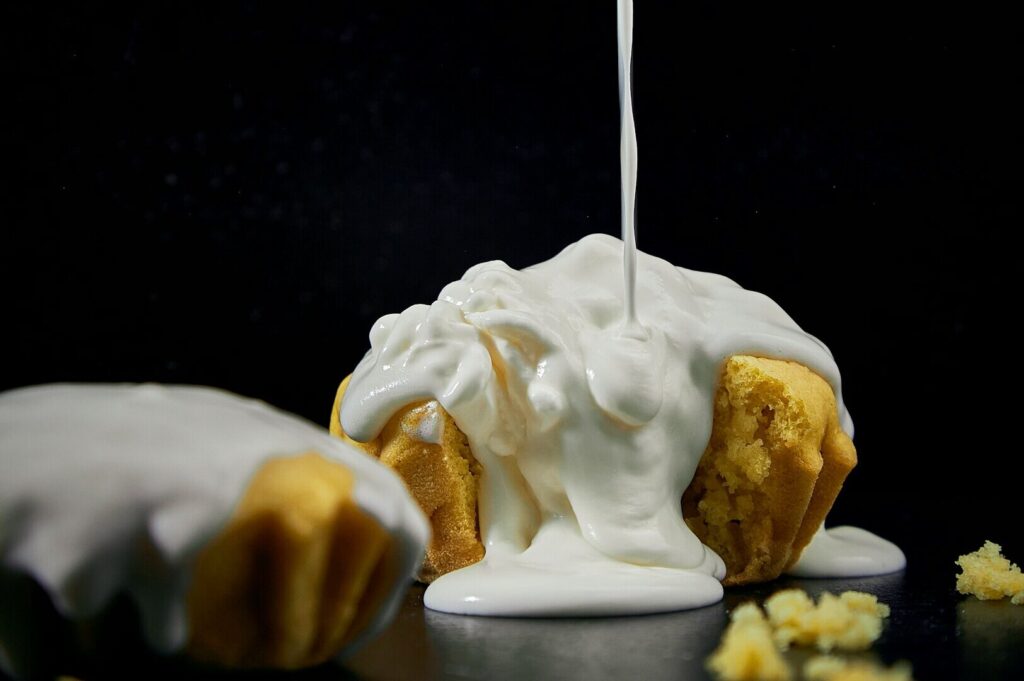
Texture sells sensation. Crisp edges, glossy sauces, steam, condensation, these details trigger appetite and memory. Fine art photographers use depth of field to pull you toward one detail, then let the rest fall away like a whisper. Done well, it turns everyday life into something worth pausing for—an act of creating art through food.
Photography as Art: A Quick Context for the Present Day
Photography wasn’t always accepted as an art form. In the early days, critics dismissed it as a mechanical process, mere reproduction. Yet many artists pushed back. Figures like Alfred Stieglitz argued that a photographer’s choices (composition, timing, light, mood) play a significant role, just as many painters do with a brush. Henry Peach Robinson championed pictorial photography, proving that photographs could be shaped with intent, not just recorded.
Fast-forward to the present day: digital photography has made image-making accessible, but it also raises the bar. When everyone can create pictures, what stands out is the one thing that can’t be automated: human creativity.
That’s why fine art images still matter. They hold universal themes; memory, comfort, longing, ritual; and they remain relevant across decades, not just a week of social posts.
Photographic Art in Culinary Imagery: Mood, Story, Meaning
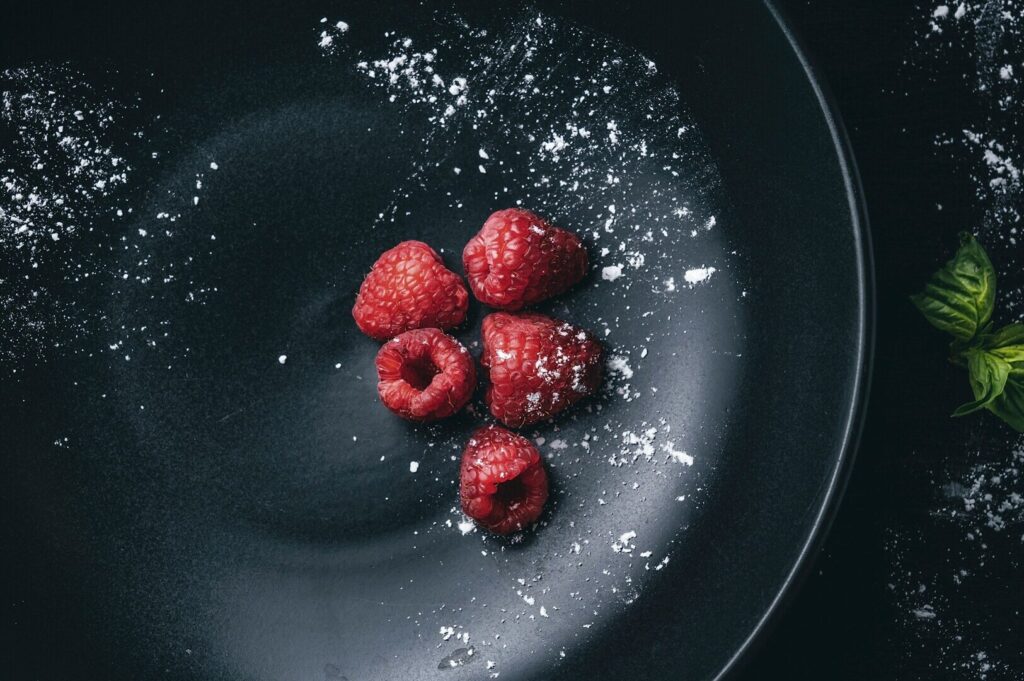
In culinary work, storytelling isn’t always literal. You don’t need a full narrative scene to convey something real. A bowl photographed with restraint can suggest quiet craftsmanship. A messy flourish can suggest warmth and life. These are different aspects of a dish, made visible.
Still life thinking: when food becomes subject
Still life is one of the strongest bridges between food and fine art. It’s controlled. It’s intentional. It allows you to build meaning through objects and absence: cutlery placement, a folded cloth, a half-cut garnish. These choices feel small, but they create photographs that feel authored.
Cultural cues without clichés
In Singapore, authenticity is sensitive. Good art photography can reference heritage without turning it into a costume. A prop doesn’t need to scream “tradition.” It can simply suggest it quietly, tastefully, and with respect.
The role of other art forms and ideas
Great art photography often learns from other art forms:
fashion photography for bold styling decisions
painting for composition and tonal discipline
sculpture for shape and negative space
even movements like feminist art, which shaped how the art world thinks about representation, identity, and whose stories are centred
You don’t need to “do politics” in a food shoot, but understanding how visual arts create meaning makes your work stronger.
Practical Value for Singapore F&B Brands
Here’s the business reality: art photography is brand-building. Commercial photography sells today; fine art builds perception over time.
When art photography makes sense
You’ll benefit most if you run:
fine dining or chef-driven concepts
heritage brands protecting craft and history
cafés with a strong design-led identity
restaurants targeting press, collaborations, or premium pricing
In these cases, a purely transactional image can under-sell your concept.
Why the ROI lasts longer
Art photos become evergreen assets. They’re useful for months or years: website hero banners, media kits, menu covers, posters, in-store walls, campaign storytelling. Unlike trend-driven visuals, fine art photographs age well because they lean on universal themes rather than fleeting styles.
Getting Started: Digital Photography Meets Artistic Direction
A common misconception: you need the newest camera or a studio setup. You don’t. You need clarity of direction, and the right collaborators.
Work with fine art photographers, not just photographers
Look for fine art photographers whose portfolio shows mood and intent, not only sharpness. Ask: do they evoke emotion? Do they show a distinctive voice? Can they create photographs that feel like a cohesive body of work?
Brief the feeling, not only the dish
Instead of only listing dishes, describe what you want the image to say. Is it warm? Quiet? Bold? Contemporary? Heritage-rooted? These “aesthetic approaches” give the photographer a creative framework to build from.
Build consistency across your brand
Art photography works best when it’s consistent. If your website is moody and refined but your social feed looks random, the brand feels confused. Consistency turns images into identity.
Conclusion: Where Photography and Art Meet, Brands Get Stronger
When photography and art converge in culinary imagery, food stops being only a product and becomes a message. It becomes craft, atmosphere, memory, and culture; made visible. That’s what makes photography as art powerful in Singapore’s competitive landscape: it gives your brand a presence that feels intentional, not interchangeable.
Not everyone needs museum-level concepts. But every strong brand benefits from images that carry meaning. If you’re ready to shift from documentation to photographic art without losing the clarity your business still needs, we can help.
Are you ready to elevate your brand’s visual narrative? At Food Photographers Studio, we specialize in merging technical skill with artistic vision. Contact us today at +65 98980080 or send an email to hello@deliciousvisuals.com to discover how we can turn your culinary creations into enduring works of art.