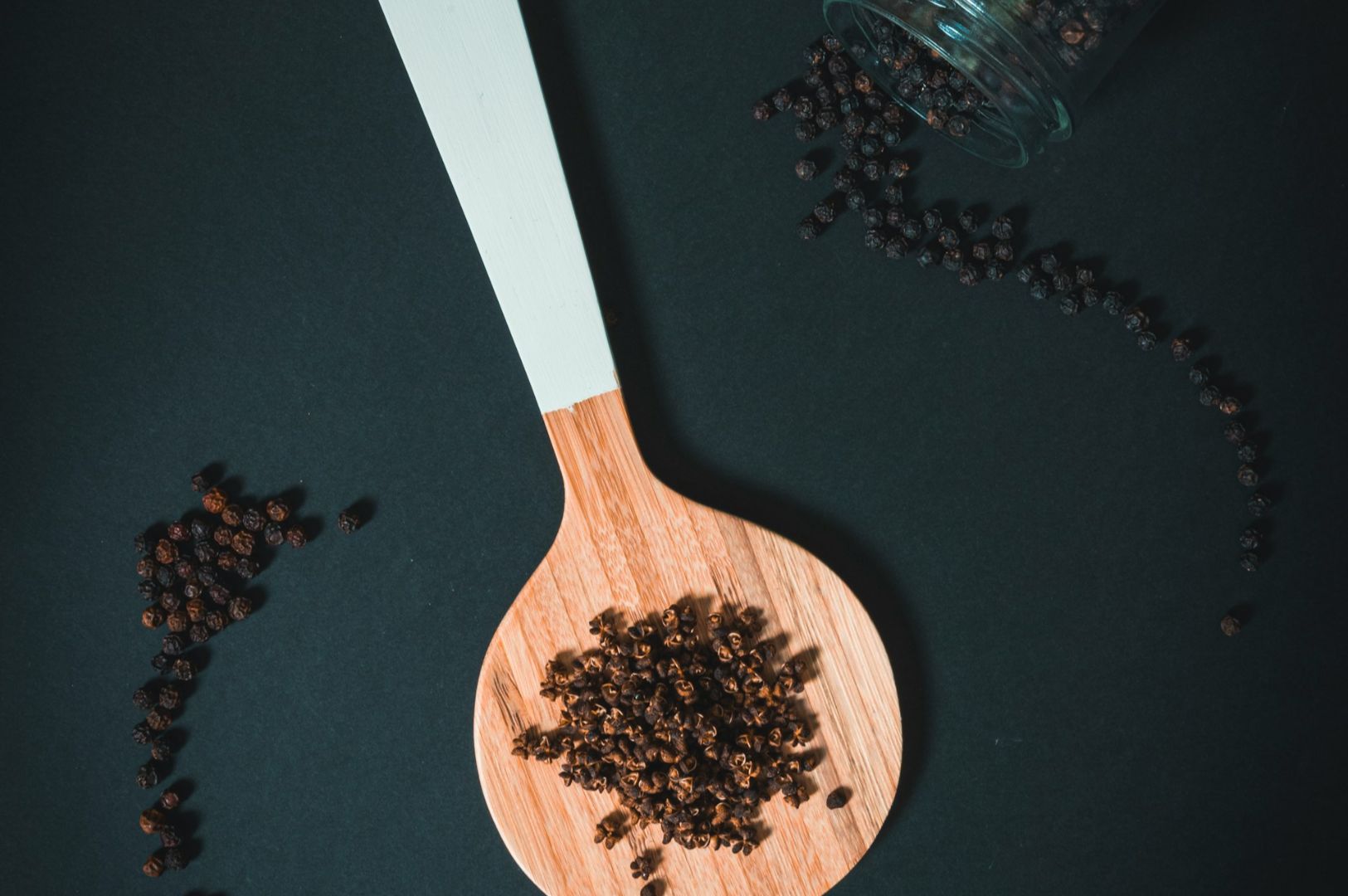
The right background can easily make or break a stunning macro food shot. When you are shooting tight details, there is very little room for error in your frame. Every single element behind the food becomes highly magnified and intensely scrutinized by the viewer.
Today we will explore various materials, textures, colors, and budget-friendly options for your styling needs. By understanding these elements, you can elevate your restaurant imagery instantly. You can read our macro photography tips for capturing food details to learn more.
Why Backgrounds Matter More in Macro Photography
In standard food images, the background is just a small part of a larger story. However, macro photography backgrounds take up a significant portion of your visual real estate. Because macro lenses create a very shallow depth of field, your background visibility changes dramatically.
Even when beautifully blurred, the background directly affects how well the main subject separates from its surroundings. One of the most common mistakes in close-up food shots is using a busy backdrop that swallows the fine details of the dish.
In the Singapore context, matching backgrounds to local cuisine aesthetics is incredibly important for authenticity. A delicate Nyonya dessert requires a vastly different backdrop than a hearty bowl of bak kut teh. Choosing the right surface ensures the food always remains the absolute hero of the shot.
Neutral vs. Textured Surfaces for Food Close-Ups
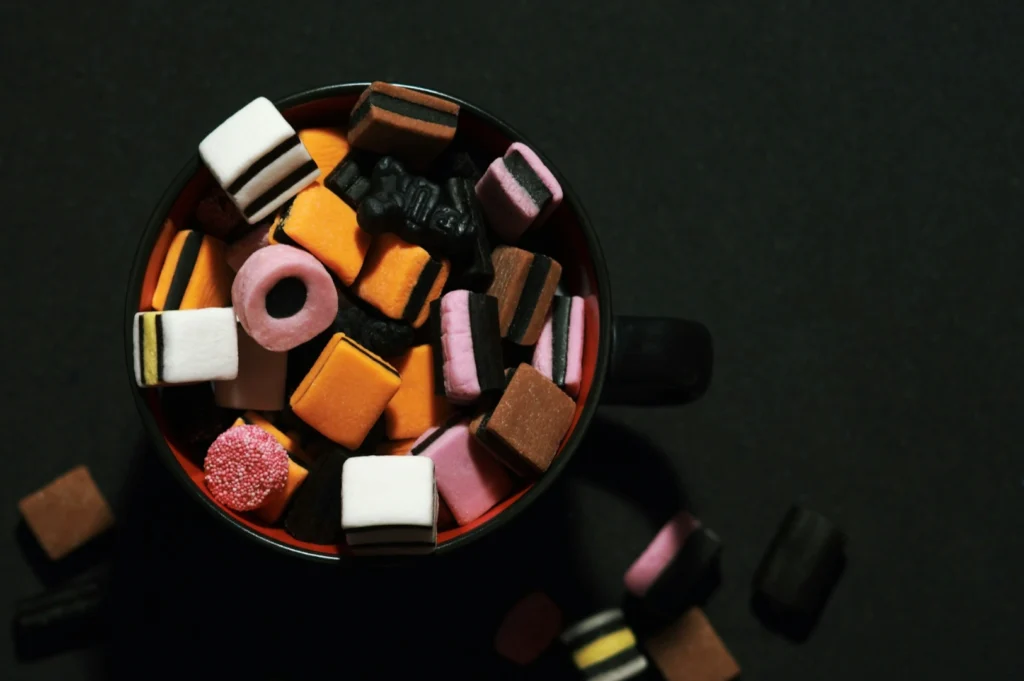
Choosing between neutral and textured options dictates the entire mood of your food photography surfaces. Neutral backgrounds are perfect when you want to let the food be the undisputed hero. The best neutral materials include smooth marble, polished concrete, clean wood, and simple matte paper.
These surfaces provide a clean canvas that never competes with the intricate details of your dish. On the other hand, textured surfaces for food add wonderful visual interest without causing unnecessary distraction. The goal is to find a perfect balance between background detail and food focus.
Singapore F&B businesses can use this balance to their massive advantage. A steaming bowl of laksa looks incredible resting on a rustic wooden table that hints at traditional hawker culture. Colorful, delicate kueh pops beautifully against clean white marble. Meanwhile, the sticky, glossy edges of roasted char siew contrast perfectly against a dark, textured slate board.
Color Selection for Appetite Appeal
Color psychology plays a massive role in making your menu look appetizing to hungry customers. Using complementary colors that enhance food tones is a foundational rule of professional food styling. Warm backgrounds often make savory, cooked dishes look much more comforting and inviting.
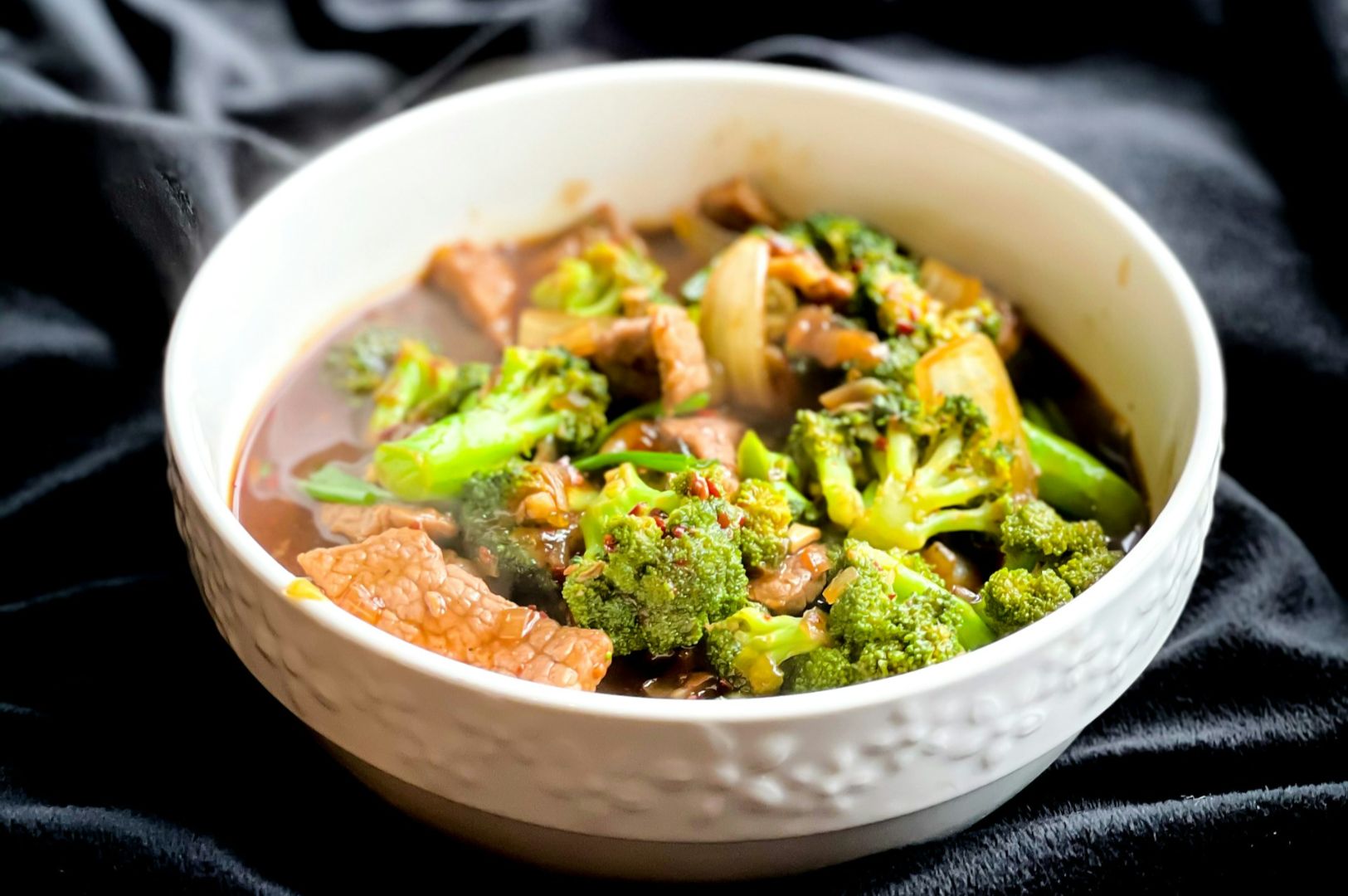
Cool backgrounds work wonderfully for refreshing items like iced beverages or vibrant, fresh salads. Neutral tones like whites, grays, blacks, and natural wood are universally safe choices for almost any dish. You must strictly avoid bright, neon colors that clash with the natural hues of the food.
Singapore cuisine color pairings require careful thought to look truly authentic. Rich yellow curries look spectacular against cool, dark blue ceramics or slate. Traditional local desserts like cendol look brilliantly refreshing against bright, clean white surfaces. Taking the time to pair these colors correctly makes your macro photography backgrounds highly effective.
Budget-Friendly Background Materials
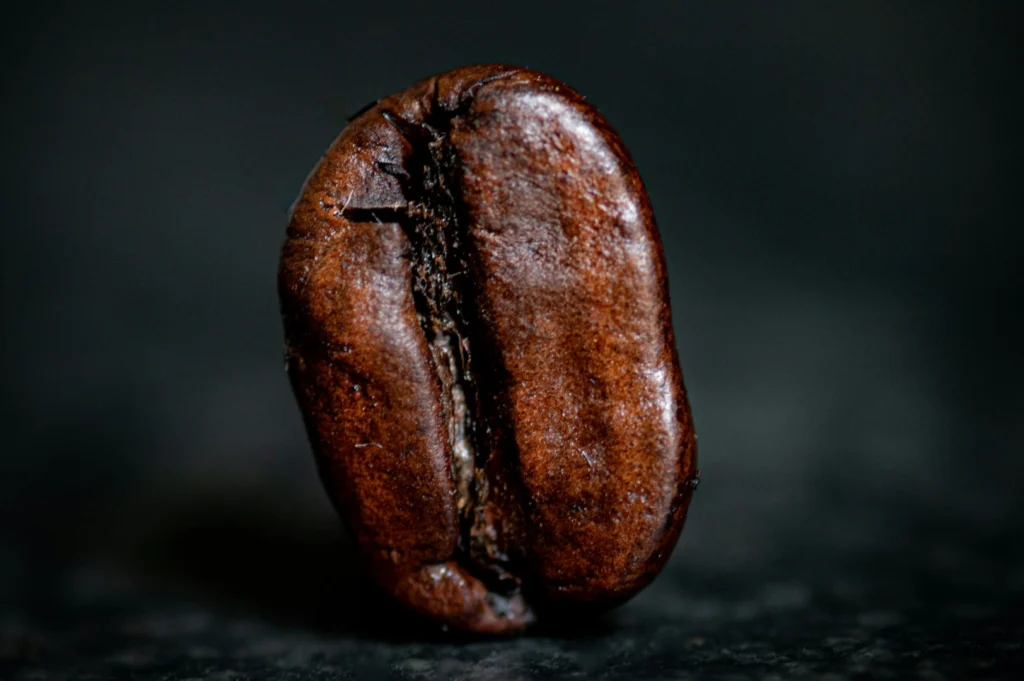
Creating professional food photography surfaces does not require a massive studio budget. There are many highly affordable surfaces that look spectacular through a high quality macro lens. Painted wooden boards, textured contact paper, and simple linen fabrics are excellent starting points.
You can easily explore DIY options like crumpled textured paper, painted plywood, or thick wallpaper samples. These affordable materials often provide the exact same visual effect as expensive, heavy professional props. You can source these materials easily in Singapore at local hardware stores, art supply shops, or online marketplaces.
Building a versatile background collection on a budget allows you to refresh your menu frequently. You can paint both sides of a wooden board with different colors to maximize your storage space. Reusing and repurposing materials creatively is a smart strategy for independent café operators and restaurant owners. A simple roll of high quality vinyl can mimic expensive marble perfectly in tight close-up shots.
Premium Background Options
When your budget allows, investing in premium materials takes your imagery to the highest professional level. Professional photography boards and specialized backdrops are specifically designed to eliminate glare and resist food stains. These premium food photography surfaces often feature incredible, realistic textures that hold up under extreme magnification.
Natural materials like real marble slabs, reclaimed wood pieces, and authentic stone tiles provide unmatched realism. The investment in quality backgrounds pays off tremendously when shooting high end restaurant menus or premium product packaging. Real materials possess subtle, microscopic details that printed vinyl simply cannot replicate perfectly.
Durability and versatility are the main considerations when purchasing these expensive, heavy items. Singapore suppliers and specialized rental options are available for F&B businesses that need premium props for a single campaign. Renting allows you to access stunning, authentic surfaces without having to store heavy stone slabs in your kitchen.
Managing Reflections and Distractions
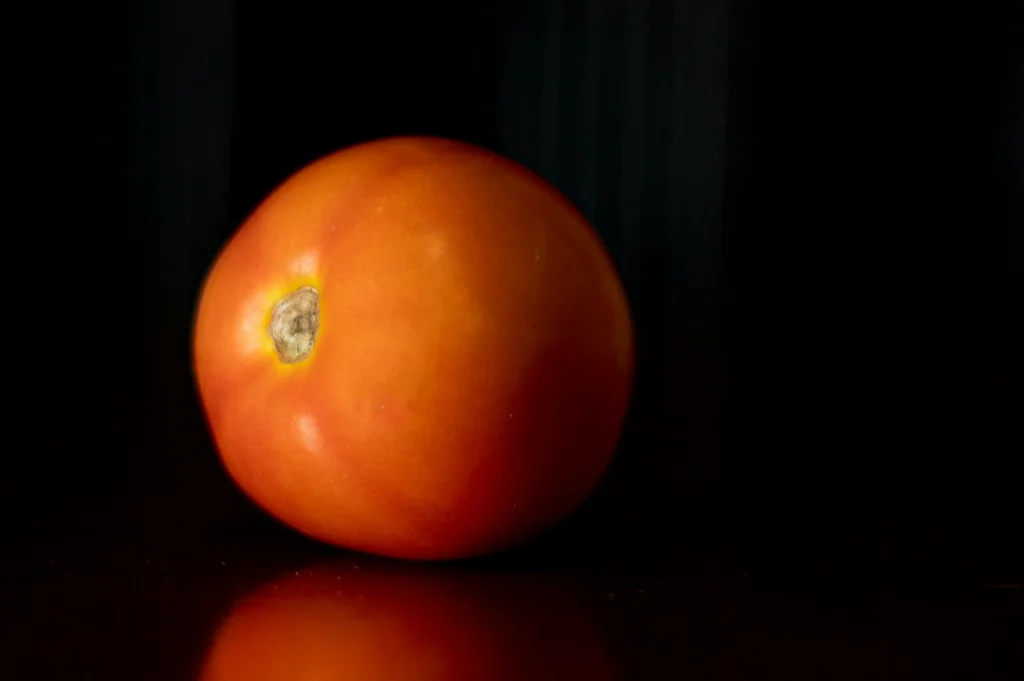
Lighting behaves very differently depending on the surface beneath your food. Avoiding unwanted reflections on glossy surfaces is a major challenge in close-up food photography. A shiny ceramic tile might bounce your studio light directly into the lens, creating a distracting white glare.
You must understand how your background texture affects light behavior before you start shooting. Eliminating distracting patterns in tight frames is crucial because macro lenses amplify every single flaw. Using matte surfaces strategically is the easiest way to ensure the light wraps softly around the food.
Glossy surfaces should be reserved strictly for dishes where reflections actively enhance the mood, like spilled cocktail liquids. Always test your macro photography backgrounds with your final lighting setup before the actual shoot begins. This simple test prevents frustrating delays and ensures your chosen surface complements the food perfectly.
Matching Backgrounds to Dish Types
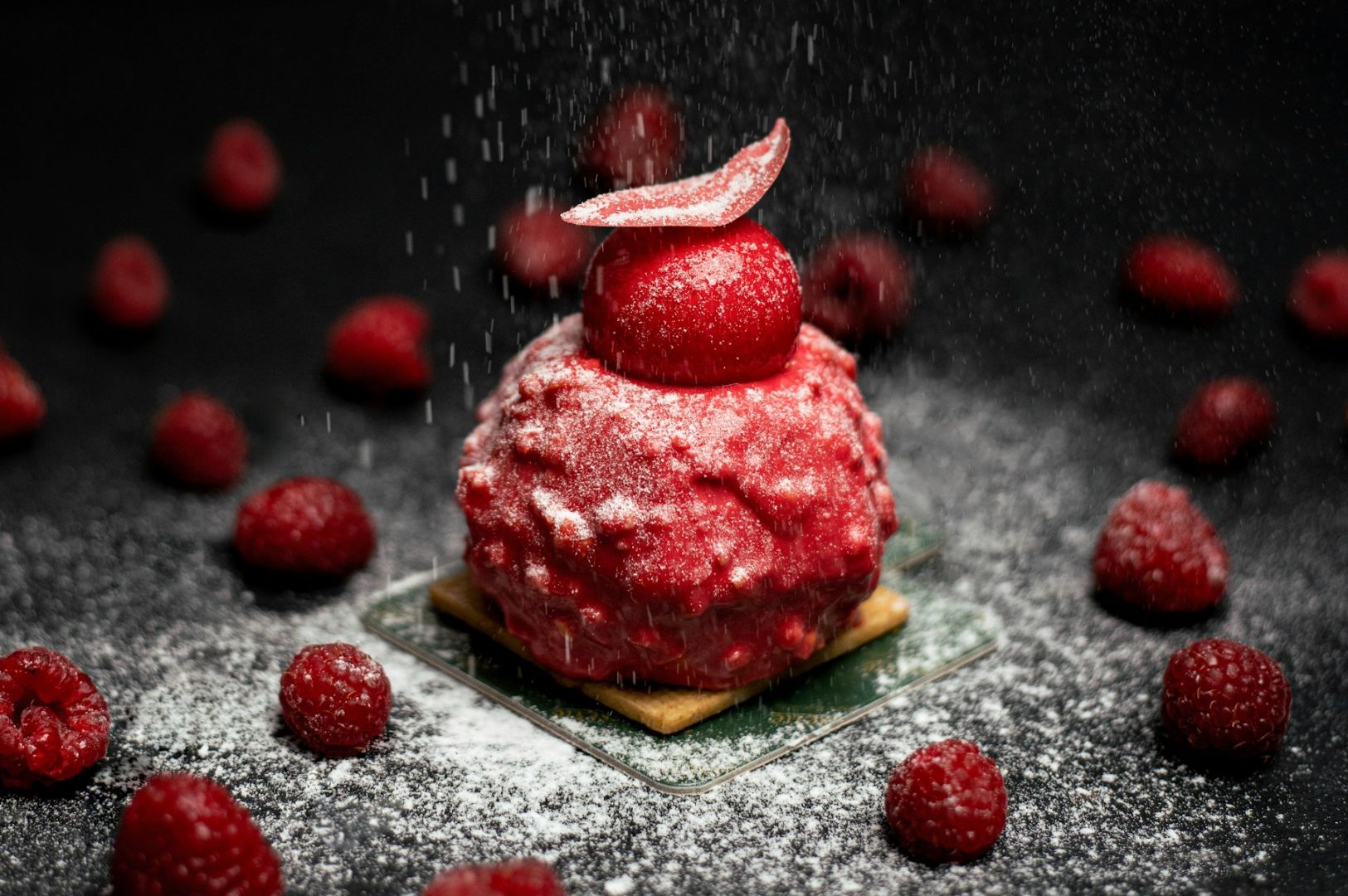
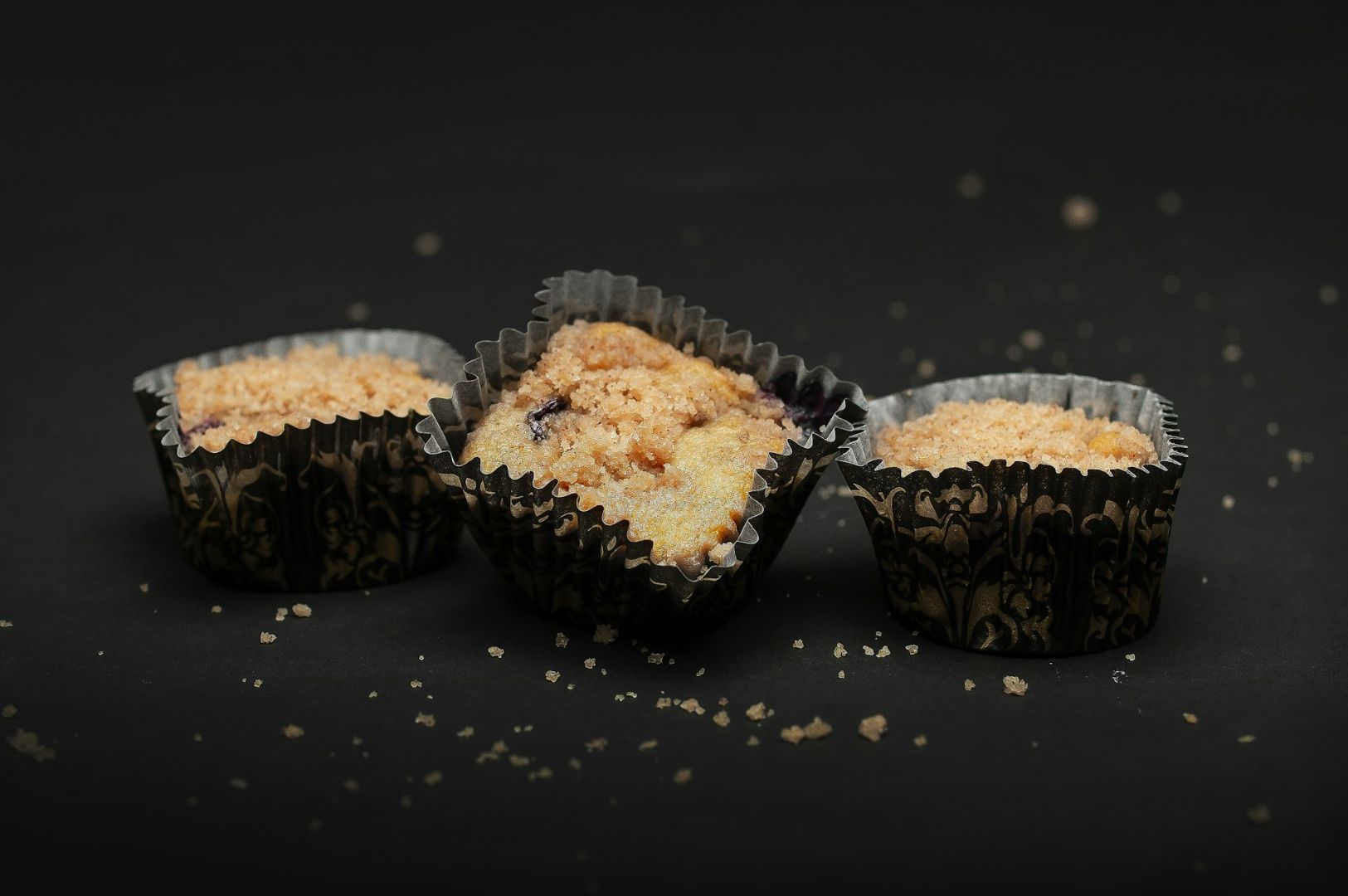
Pairing the right dish with the right backdrop selection for macro work is an essential styling skill. A general rule is to place light dishes on dark backgrounds and dark dishes on light backgrounds. This creates instant, powerful contrast that makes the food leap off the screen.
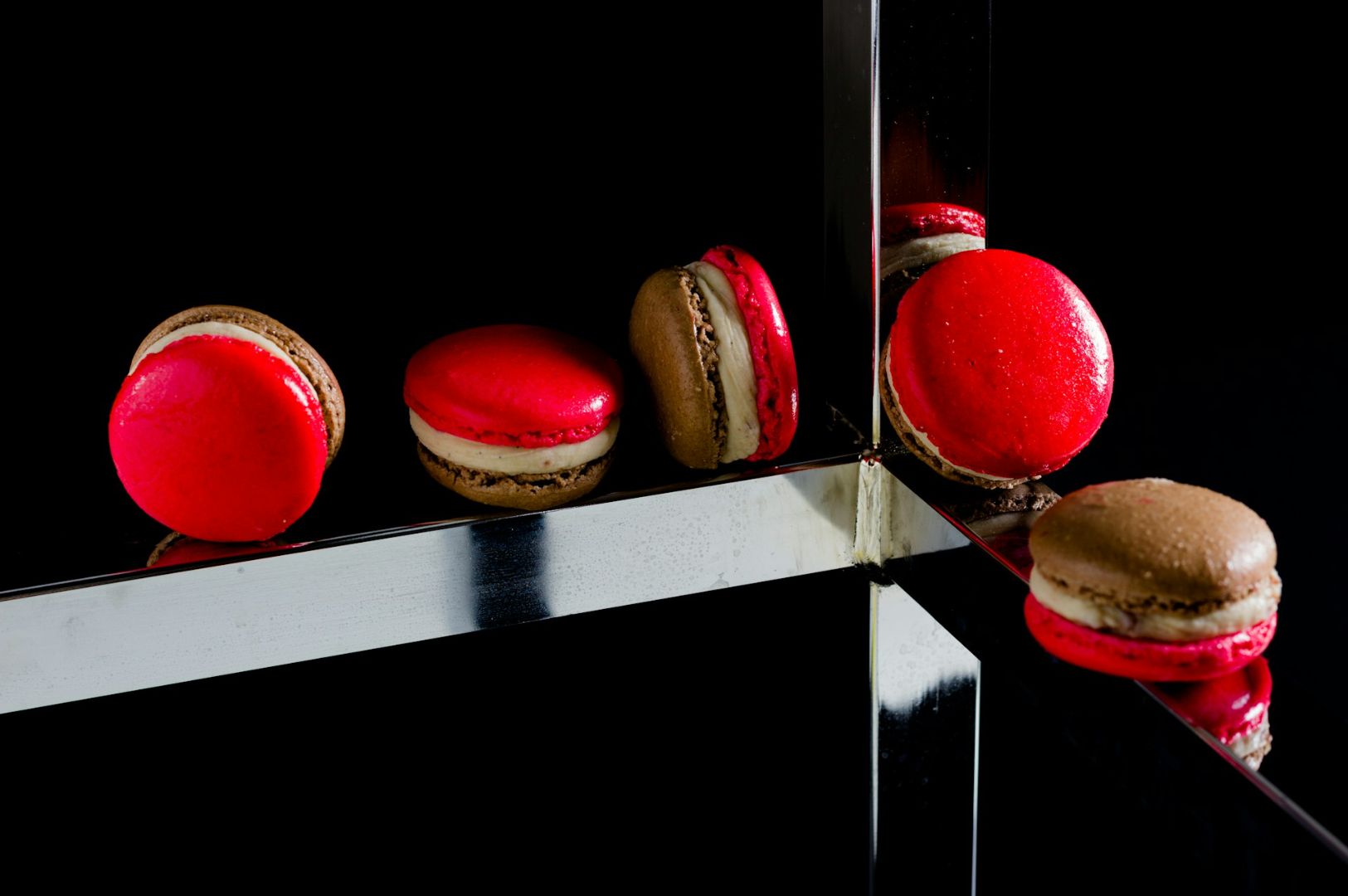
Rustic dishes generally look best on natural wood, rough stone, or deeply textured surfaces. Modern, fine dining plating requires clean, minimal backgrounds that highlight the chef’s precise artistic vision. Desserts typically benefit from lighter, brighter surface choices that convey sweetness and joy.
We see this matching principle constantly in successful Singapore F&B marketing. A messy, delicious plate of chili crab looks perfectly at home on a slightly worn, rustic wooden table. Conversely, a modern fusion dessert requires a pristine, neutral backgrounds for close-ups to highlight its intricate molecular details. Matching the surface to the culinary story is the secret to great food photography.
Practical Setup Tips
Handling your backgrounds properly makes the entire photography process much smoother and more enjoyable. Securing your backgrounds with heavy clamps or tape is essential to prevent accidental movement during a shoot. Creating seamless background-backdrop transitions helps hide the harsh line where the table meets the wall.
You should choose shooting angles that maximize the background impact without losing focus on the food. A lower camera angle reveals more of the vertical backdrop, while an overhead shot focuses entirely on the base surface. Maintaining consistency across a photo series requires using the exact same background and lighting setup for every dish.
Proper storage and care for reusable surfaces ensures they last for many future menu updates. Keep your painted boards away from moisture and store your vinyl backdrops rolled up to prevent creasing. Taking care of your surfaces guarantees they will always be ready for your next marketing campaign.
Conclusion
Careful background selection is the absolute styling foundation for capturing breathtaking macro shots. We highly encourage you to experiment with different materials and colors to find the perfect look for your brand. A simple change of surface can completely revitalize your entire restaurant menu.
Selecting the perfect background for macro food photography requires both creative vision and technical knowledge. The experts at Food Photographer Studio understand which surfaces will best showcase your Singapore F&B dishes. We ensure every close-up image captures maximum detail and appetite appeal without distracting from your beautiful cuisine.