Wander through Singapore’s vibrant F&B scene, and you’ll notice a quiet evolution happening on your screen. The once-popular, heavily-styled food photos overflowing with props and garnishes are giving way to a cleaner, more refined look. This shift towards a minimalist aesthetic isn’t just a fleeting trend; it’s a strategic move for restaurants, cafés, and food businesses aiming to capture the attention of modern consumers.
For today’s brands, minimalism in photography is both a powerful photographic technique and a sophisticated brand strategy. It communicates confidence, quality, and a focus on what truly matters: the food itself. This article will explore the art of minimalist photography, breaking down how this disciplined approach to food photography and styling can make your dishes look not just beautiful, but utterly irresistible.
Understanding Minimalism in Photography
Minimalism in photography is the art of intentional reduction. It is defined by its focus on essential elements, a strong emphasis on simplicity, the strategic use of negative space, a limited colour palette, and compositions built on clean lines and simple geometric forms.
It’s crucial to distinguish minimalist photography from merely “simple” photography. A quick, unstyled snapshot is simple; a minimalist image is a deliberate and sophisticated artistic style. This minimalist approach evolved from the work of minimalist artists in painting and sculpture, who stripped their work down to its fundamental components to explore form, color, and space.
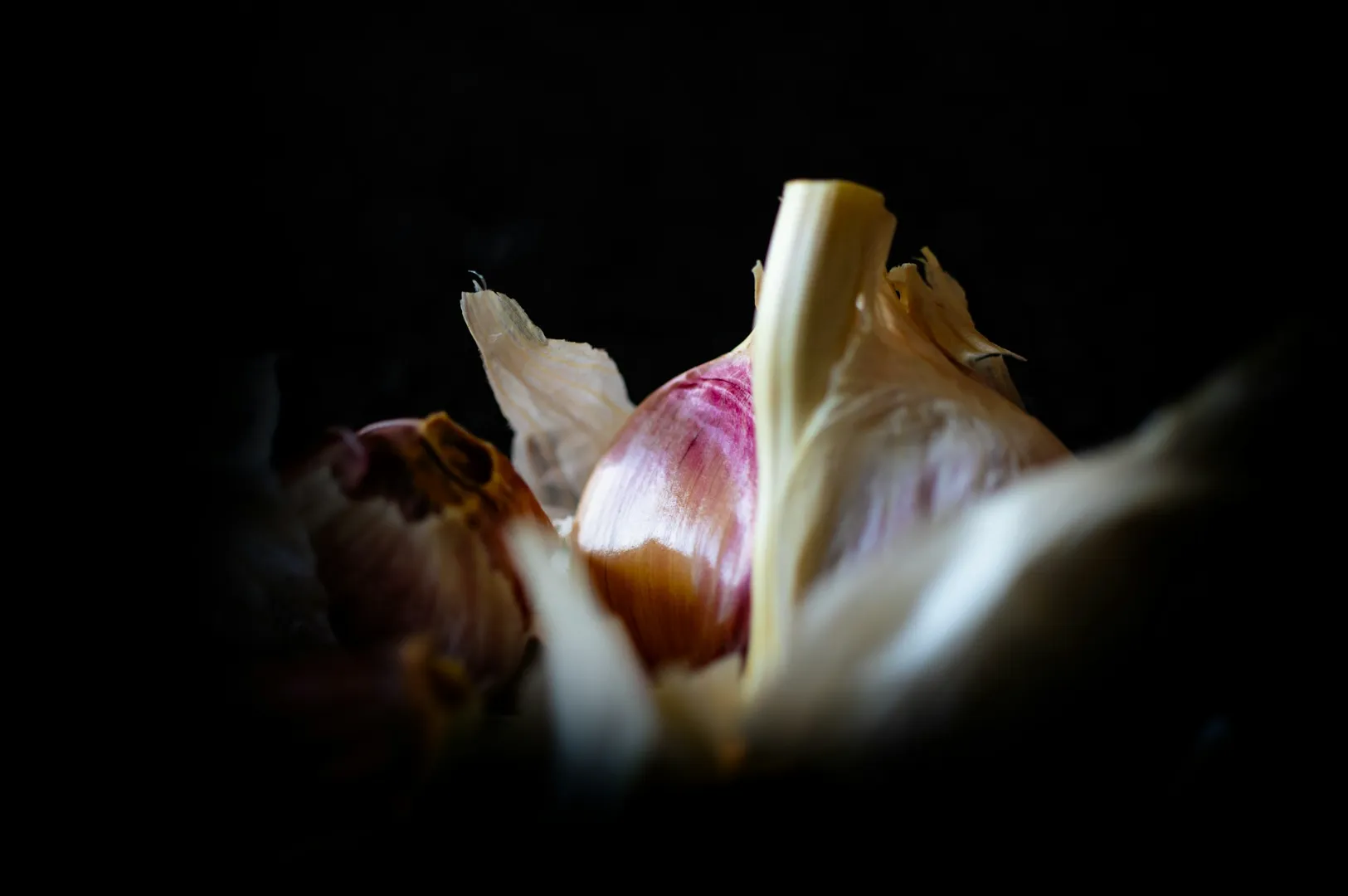
When applied to food photography, this philosophy becomes incredibly powerful. By reducing elements in the frame to only what matters, minimalist images guide the viewer’s attention directly to the core elements of the dish. Every texture, color, and form of the food is amplified, creating an intimate and focused viewing experience.
Why Minimalist Food Photography Works
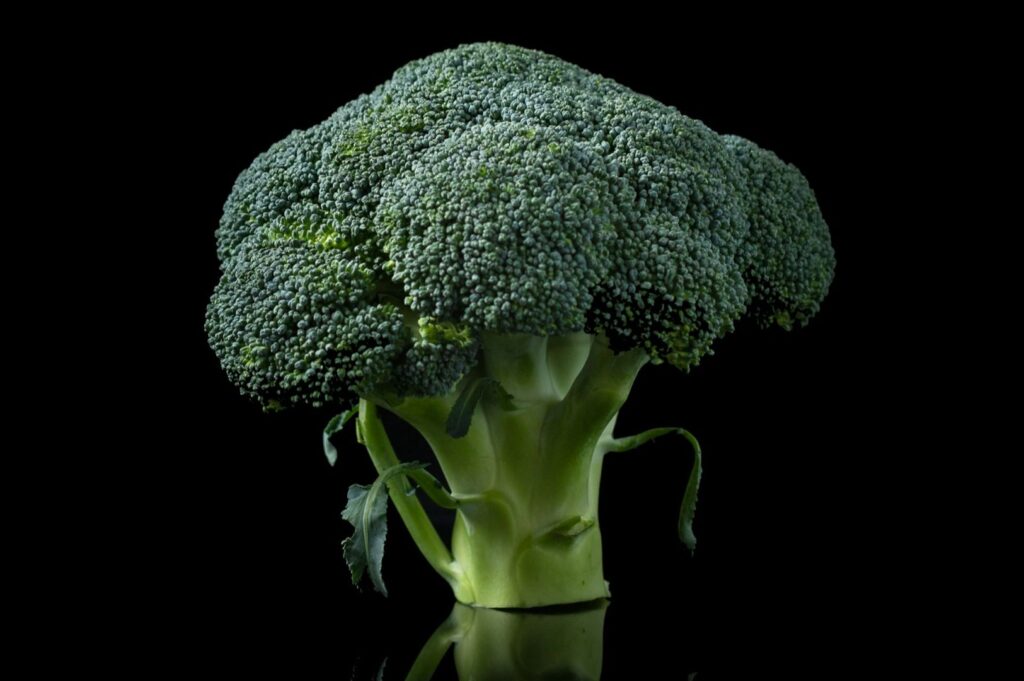
The power of minimalist food photography lies in visual psychology. When you remove distractions, you give the viewer’s eye permission to focus entirely on the main subject. The brain doesn’t have to work to filter out noise, allowing for an immediate, impactful connection with the food. This clarity communicates quality, freshness, and a meticulous attention to detail.
In Singapore’s fiercely competitive F&B market, a clean minimalist style cuts through the visual noise on social media feeds. It creates a pause, a moment of calm that draws people in. Modern consumers increasingly associate a minimalistic photography style with premium positioning, health-consciousness, and authenticity. Brands using minimalist food photography often see higher engagement rates because their images feel honest and high-value.
These minimalist photos are also incredibly versatile, working seamlessly across your website, social media, and print materials. The clean composition allows for easy text overlays for menus or promotions. A well-executed minimalist approach to product photography helps create balance and results in visually striking images that are also emotionally resonant, making the viewer feel not just hungry, but also inspired.
Key Elements of Minimalism in Food Photography
Achieving an effective minimalist look requires mastering several key components.
Radical Simplification to Essential Elements
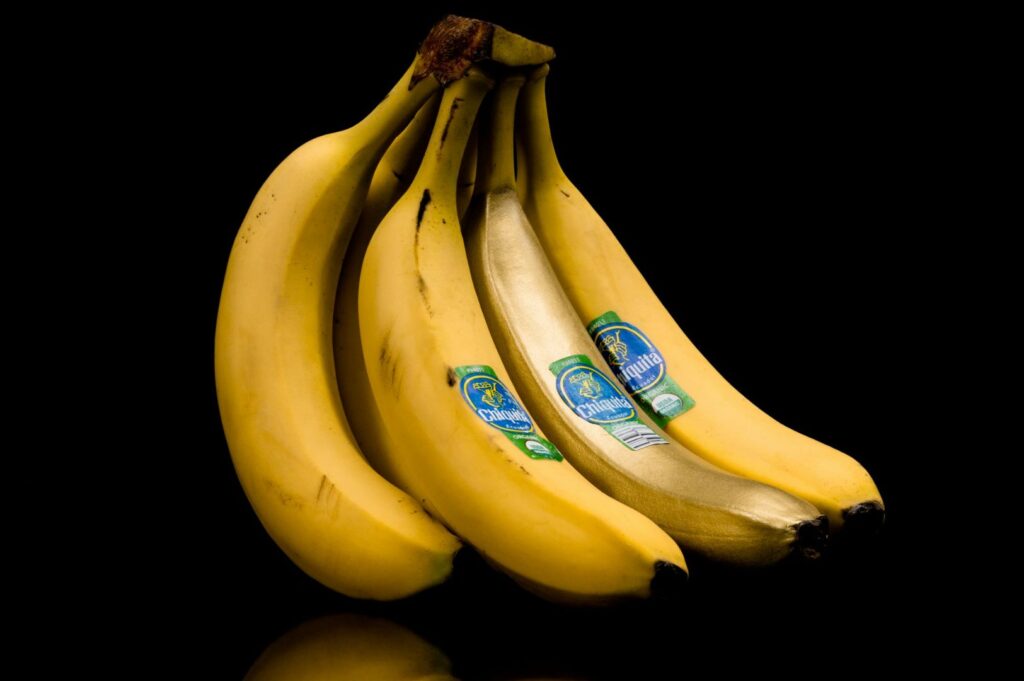
This is the heart of the minimalist approach. It involves methodically removing all non essential elements from the frame until you are left with only the most important ones. Sometimes, this means a single, perfectly plated dish on a simple surface, and nothing else. The goal is reducing elements until only what serves the composition and the story remains. This extreme approach works best when you want to highlight the inherent beauty and quality of a singular ingredient or dish.
Limited Colour Palette and Simple Lines
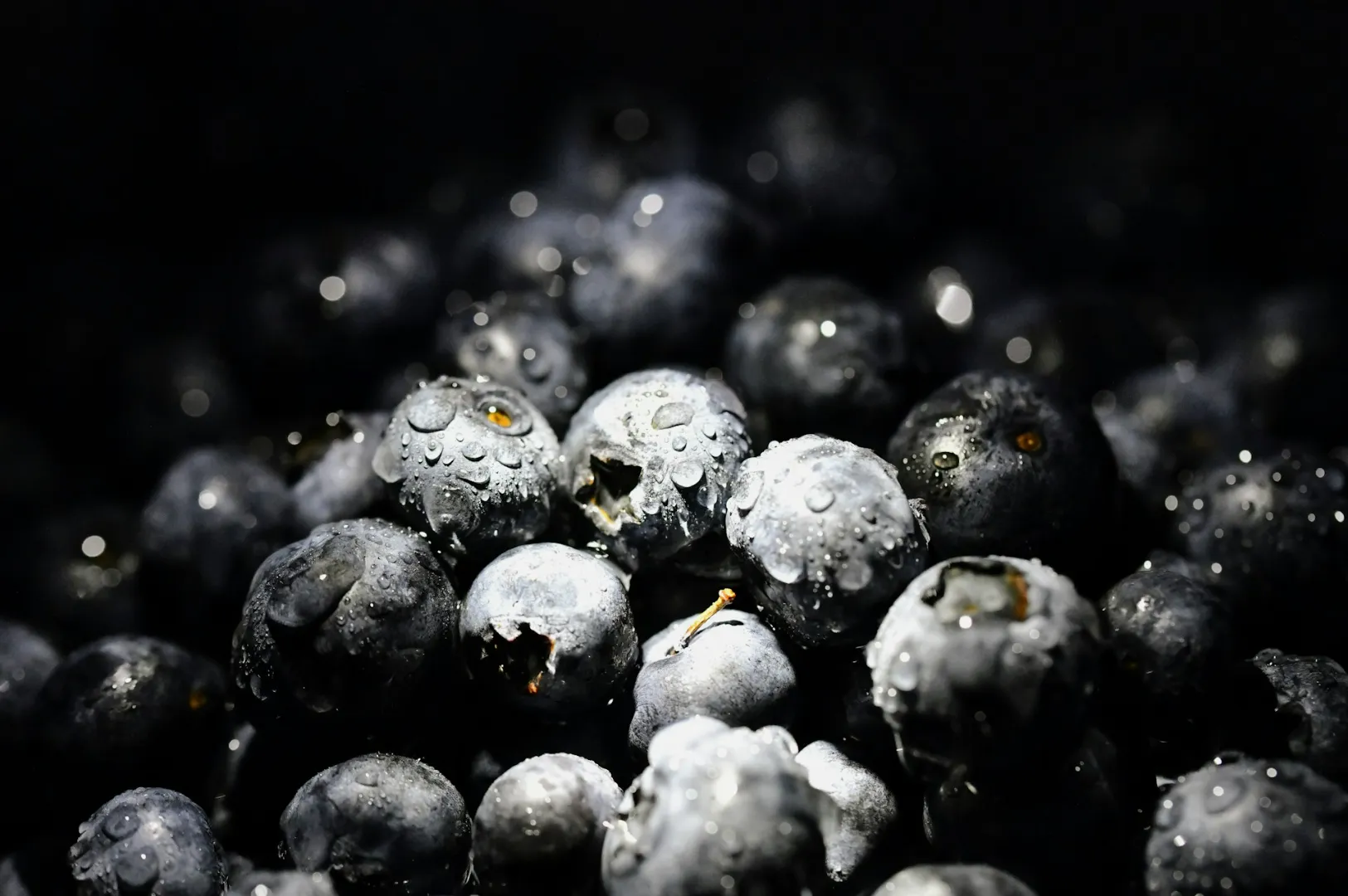
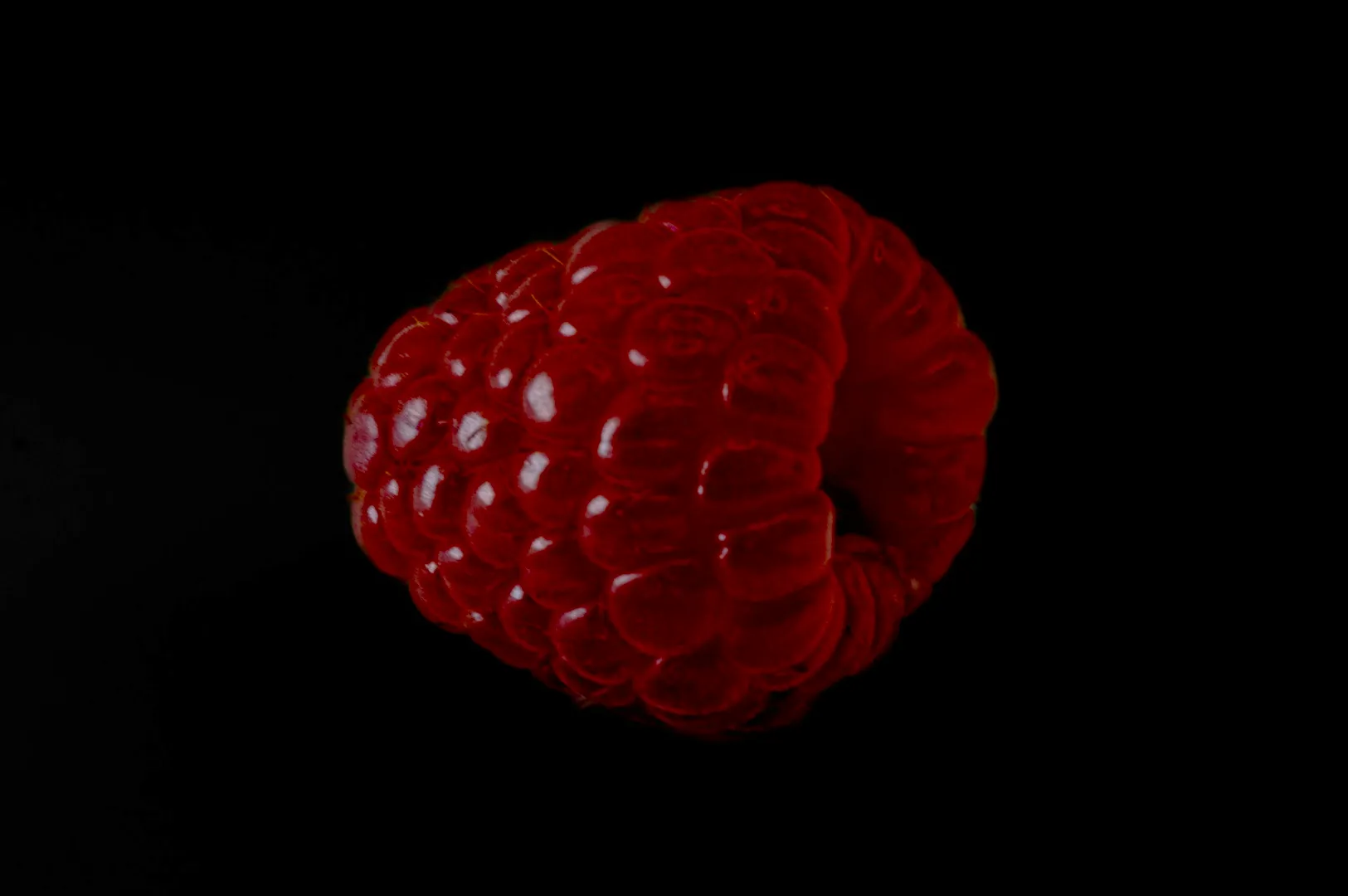
Minimalism often relies on a restrained or limited colour palette. Using neutral backgrounds (shades of white, grey, black, or a natural wooden board) helps create the classic minimal look. This color discipline is not about being boring; it’s about making the colors of the dish itself pop dramatically. By avoiding jarring colours in the background, the vibrant red of a chili or the deep green of an herb becomes the undisputed star.
Geometric Shapes and Composition Techniques
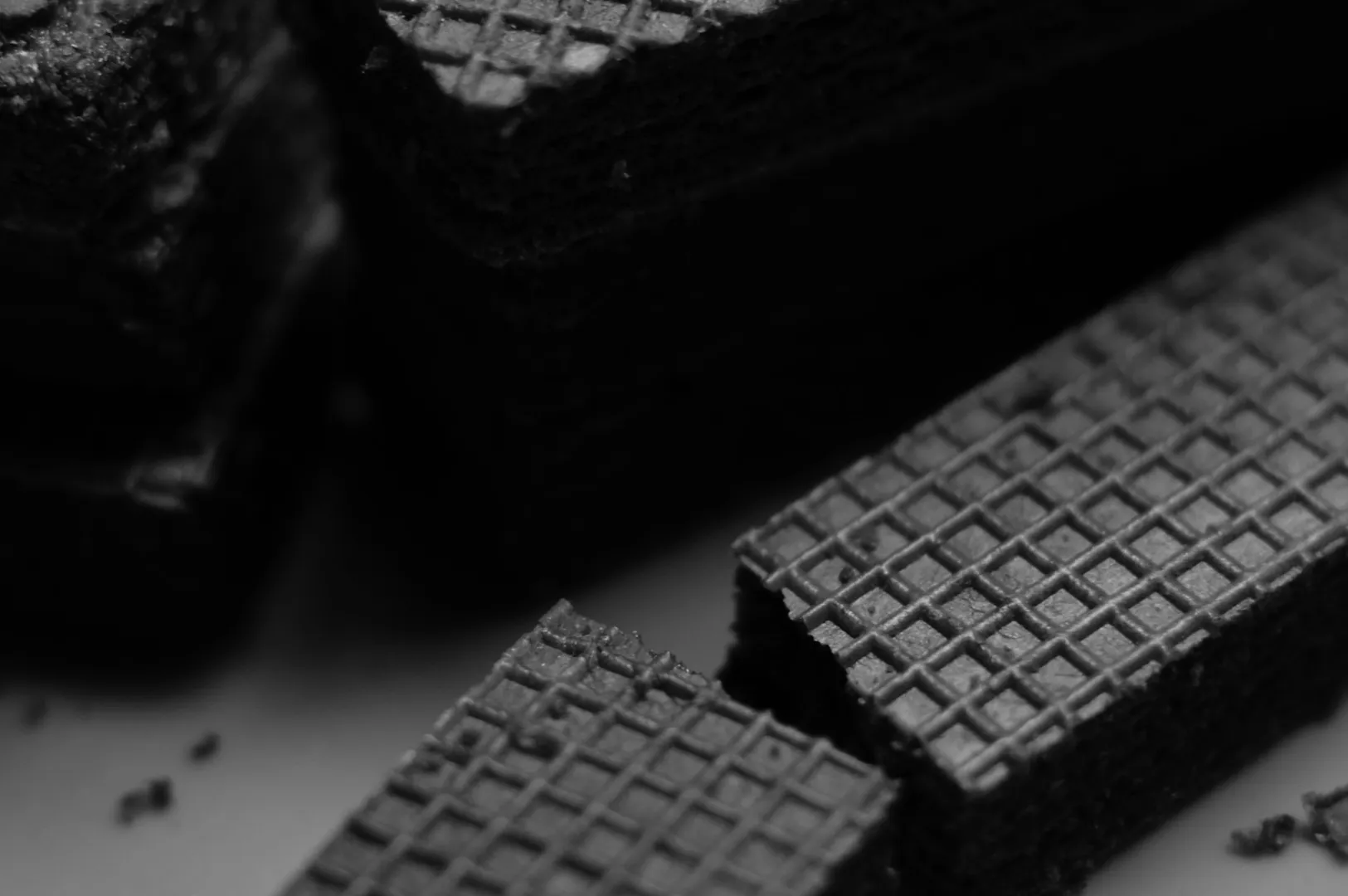
Minimalist compositions often feel architectural. They are built on clean lines, strong vertical lines, and balanced placements that create a sense of visual order. Look for geometric shapes within your food styling: the curve of a bowl, the triangle of a cake slice, or the circle of a plate. Using repeating patterns, like a row of identical dumplings, can also add visual interest while maintaining overall simplicity and helping to create balance.
Generous Negative Space as a Design Element
In minimalist photography, negative space is not just an empty background; it becomes a primary design element. It is common for this space to occupy 60-70% of the frame. This generous use of emptiness creates breathing room and acts like a spotlight, forcing the viewer to draw attention to the focal point. It’s this strategic use of space that makes minimalist images so emotionally resonant.
Natural Light and a Single Light Source
The minimalist lighting approach favors clean, simple setups. Natural light is often the preferred choice, as its softness and directionality enhance the minimalist aesthetic. When using artificial light, minimalist photographers often stick to a single light source to create clear, defined shadows and avoid a cluttered feel. Understanding your camera settings to capture the perfect exposure time is crucial for creating a specific mood with your light.
Shallow Depth of Field
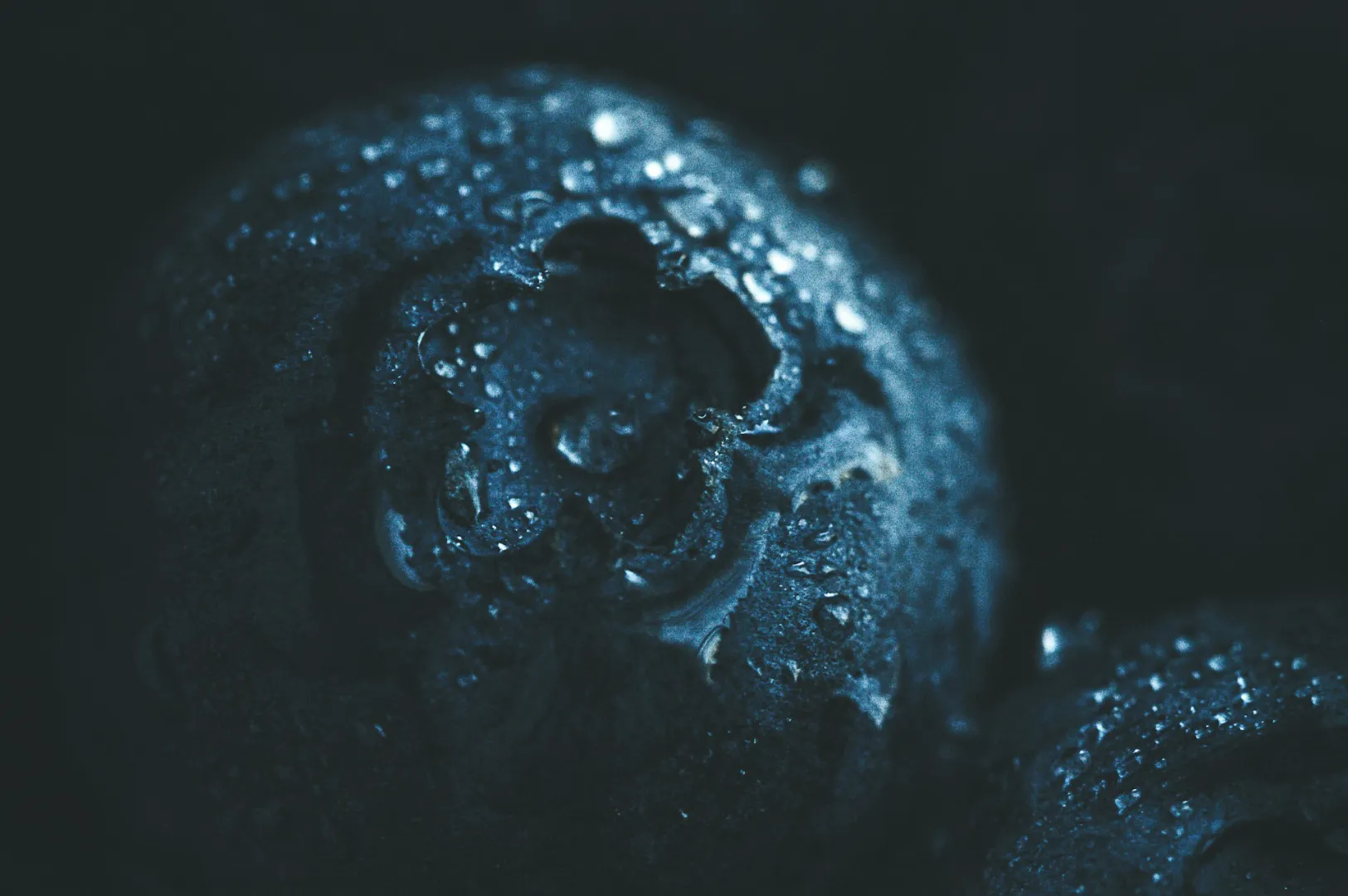
Using a shallow depth of field is another form of minimalist reduction. By setting a wide aperture, you can isolate your main subject, letting the background melt into a soft blur. This is a powerful tool that helps a singular object stand out, and it can add depth to otherwise flat minimalist images.
Minimalist Photography vs. Maximalism in Food Styling
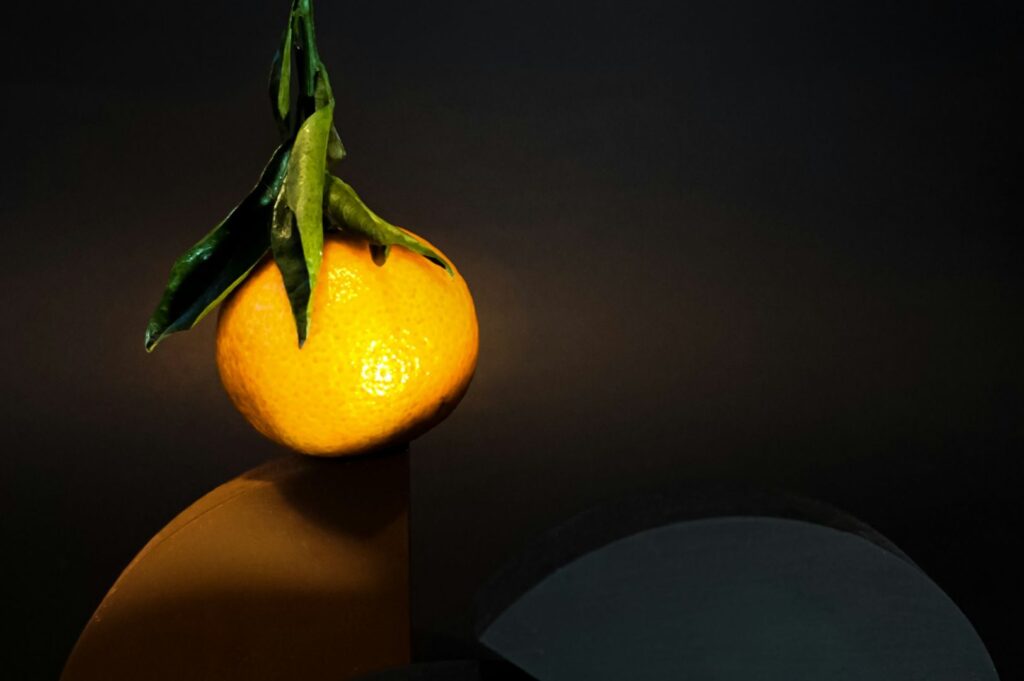
Choosing the right artistic style depends entirely on your brand and your dish.
Minimalist food photography is a perfect fit for:
Contemporary cafés and specialty coffee shops,
Health-focused concepts and clean-eating brands,
Premium or fine dining restaurants,
Brands emphasizing high-quality, singular ingredients,
Modern e-commerce product photography and still life shots.
Maximalism (think abundant, vibrant, prop-heavy scenes) works well for:
Celebratory feasts and communal dining concepts,
Traditional or rustic cuisines where abundance is part of the story,
Comfort food brands that want to evoke warmth and generosity.
At our studio, we might use a clean, minimalist style for a new vegan client, and a rich, maximalist setup for a Peranakan restaurant’s National Day campaign. Each style serves a different purpose in the marketing of everyday life.
Camera Settings and Composition Techniques for Minimalist Shots
For F&B businesses wanting to create minimalist images, the focus should be on restraint and quality.
Props and Surfaces: Invest in a few high-quality, neutral surfaces like a matte ceramic plate, a linen napkin, or a beautiful wooden board. Quality over quantity is key.
Food Styling Restraint: Resist the urge to fill the frame. Let the food be the hero. A single sprig of parsley is often more powerful than a whole handful. Good technique in careful composition starts with knowing when to stop.
Camera Settings: Professional minimalist photographers often use longer focal lengths (like 85mm or 100mm) to compress the scene and create a clean look. A wide aperture (f/2.8-f/5.6) helps achieve a soft background and shallow depth. Precise white balance is critical for accurate colors. Experimenting with a long exposure and slow exposure time can also create artistic motion blur for a unique minimalist effect.
Post-Production: Editing should be minimal. The goal is to enhance the minimal look by cleaning up blemishes and adjusting contrast, not to fundamentally change the image. This authenticity is part of the minimalist aesthetic.
With a keen eye, you can learn to create balance and add depth by strategically placing the singular object or main subject within the frame.
Common Mistakes in Minimalistic Photography
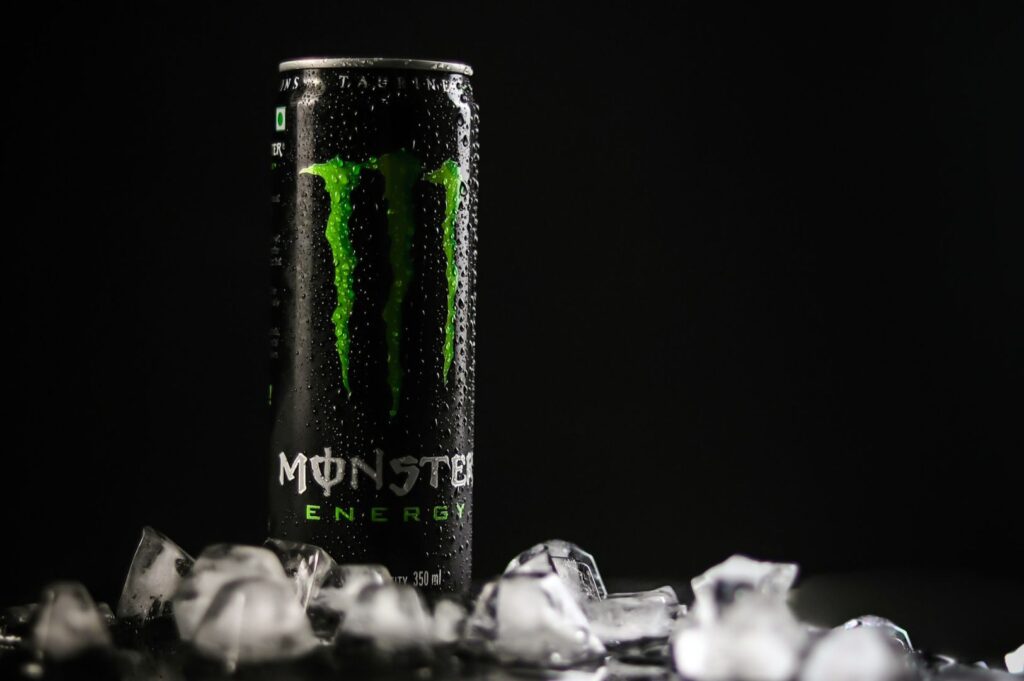
The line between intentional minimalism and lazy execution is thin. Common mistakes include:
Too Sterile: The image is clean but lacks warmth or appetite appeal,
Boring Repetition: Every dish is shot identically against a white background, missing the food’s unique personality,
Poor Composition: The minimalism looks accidental rather than deliberate because the simple compositions lack balance,
Failing to Draw Attention: The image is simple, but it doesn’t effectively guide the eye to the focal point.
Professional food photographers know how to balance the minimalist approach with engagement. They use subtle texture, lighting, and composition to create minimalist images that are clean yet captivating, ensuring the core elements of the dish shine through.
Conclusion
Minimalist food photography is a discipline that requires a mastery of fundamentals, especially in negative space management and composition techniques. It’s proof that in visual storytelling, less can truly be more delicious. When executed with skill, this style of photography communicates confidence and lets the quality of your food speak for itself. To build a strong foundation in the principles that underpin great minimalist photography, explore our comprehensive guide: What is Negative Space in Photography.
If you’re ready to master minimalist food photography or take your brand’s food images to the next level, The Food Photographer Studio can help. With our expertise in crafting food photos that balance simplicity with elegance, we’re here to bring your culinary creations to life. Visit foodphotographerstudio.com.sg to book a consultation and start capturing mouth-watering minimalist food photos that will make your dishes stand out.