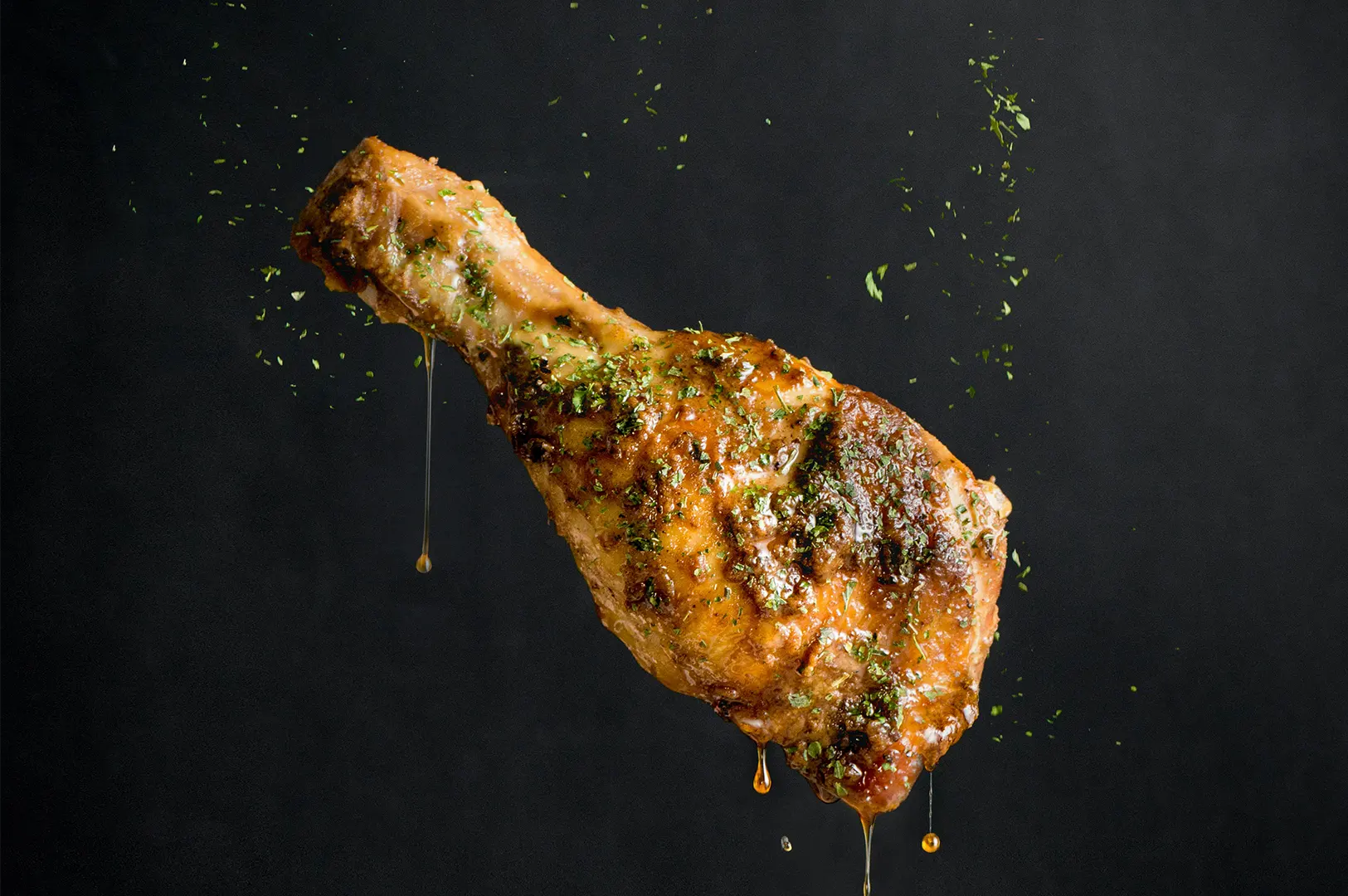
A restaurant group opens its second outlet, and the new marketing team needs photographs quickly.
The original shoot already produced strong images. The roast duck still looks glossy. The noodle bowl is clean and recognisable. The team has horizontal banners, menu crops, and several vertical photographs ready for social media.
Someone copies the folder into the new outlet’s drive.
“Same brand, same dishes. We can use these, right?”
Sometimes the answer is yes. Sometimes the photography licence only covers the first outlet, one legal entity, or one named campaign.
Multi-outlet restaurant photo licensing should be discussed before a restaurant begins duplicating its image library across locations.
The issue is not only copyright. The photographs also need to represent what customers will actually receive at each outlet.
The Same Brand Does Not Automatically Mean The Same Permission
A photography agreement may name one restaurant, outlet, company, or campaign.
If the licence says the images are for “Restaurant A at Orchard Road,” that may not automatically include a new branch in Tampines, a sister concept, or a franchisee operating under the same brand.
IPOS explains that a copyright licence gives another party specific rights to use a protected work according to the agreed terms. Uses outside that scope may still require the copyright owner’s permission. Its guide to copyright ownership and commercialisation is useful for understanding why the wording of the licence matters.
Check whether the agreement covers:
- One named outlet
- Every outlet under the same company
- Future Singapore outlets
- Sister restaurant brands
- Overseas branches
- Franchisees
- Delivery-only concepts
- Retail products and packaging
“Brand use” and “all outlets” should not be treated as interchangeable unless the contract makes that clear.
New Outlets May Involve Different Businesses
Restaurant expansion can take several forms.
The new outlet may be owned by the same company. It may sit under a related company within the group. It may be operated by a franchisee or joint-venture partner.
ACRA advises business owners to choose structures according to factors such as ownership, liability, cost, and growth plans in its official guide to choosing a business structure.
From a photography perspective, the practical question is simple:
Which business was given permission to use the images?
A licence issued to one company may not automatically allow another company to reproduce, edit, or distribute the photographs. This can matter even when both companies share directors, branding, or a marketing department.
Before sending the files, check the name written on the original agreement.
Franchisees Need Their Own Clear Rights
Franchise arrangements make the question even more important.
The World Intellectual Property Organization explains that franchising depends heavily on licensing intellectual property to a franchisee so that the business model and brand can be reproduced under agreed standards. Copyright can be one of the rights included in that arrangement. Its guide, In Good Company: Managing Intellectual Property Issues in Franchising, outlines why franchisors should identify which intellectual property franchisees are permitted to use.
That does not mean a franchise agreement automatically includes every photograph ever commissioned by the original restaurant.
The franchisor should confirm:
- Which image libraries franchisees may access
- Whether photographs can be used locally or internationally
- Whether franchisees may modify the images
- Whether files can be shared with local agencies
- Whether new outlet launches are covered
- Who pays for additional usage rights
- Whether the images remain usable after the franchise ends
We have seen image folders passed to a new outlet with no captions, no usage notes, and no record of where they came from. The franchisee assumes everything is approved. The original restaurant assumes the franchise agreement covered it. The photographer only discovers the reuse when the campaign appears online.
A short written clarification is easier for everyone.
The Food Still Needs To Match
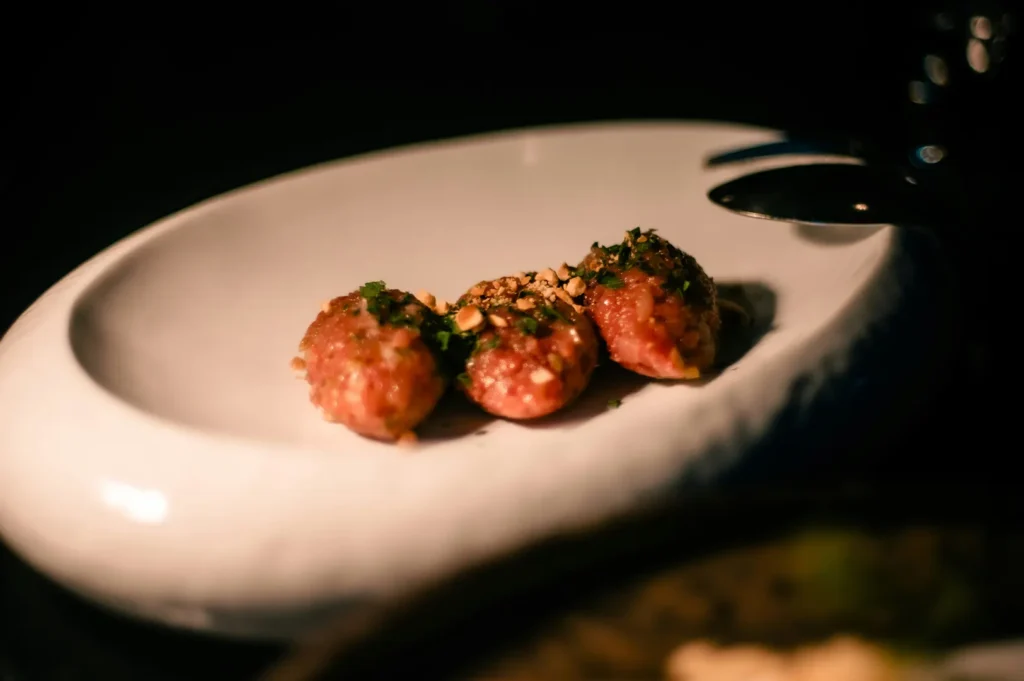
Even when permission covers every outlet, the photographs may not be suitable everywhere.
One kitchen may garnish the dish differently. Another outlet may use a different plate. Portion sizes can shift. A franchised branch may source ingredients locally. Lighting and interior photographs will almost certainly belong to one specific location.
We once compared two versions of the same noodle dish from separate kitchens. The recipe was technically the same, but one outlet served it in a deeper bowl with more broth and a different arrangement of toppings.
Using the original photograph would have created a clear expectation that the second outlet did not meet.
A reusable image should show a product that is genuinely consistent across the outlets using it.
Before sharing photographs, compare:
- Plating
- Crockery
- Portion size
- Garnishes
- Ingredient appearance
- Packaging
- Available menu items
- Interior design
- Staff uniforms
- Prices shown in the image
If those elements differ noticeably, photograph the new outlet instead of stretching the old library too far.
Central Libraries Need Usage Notes
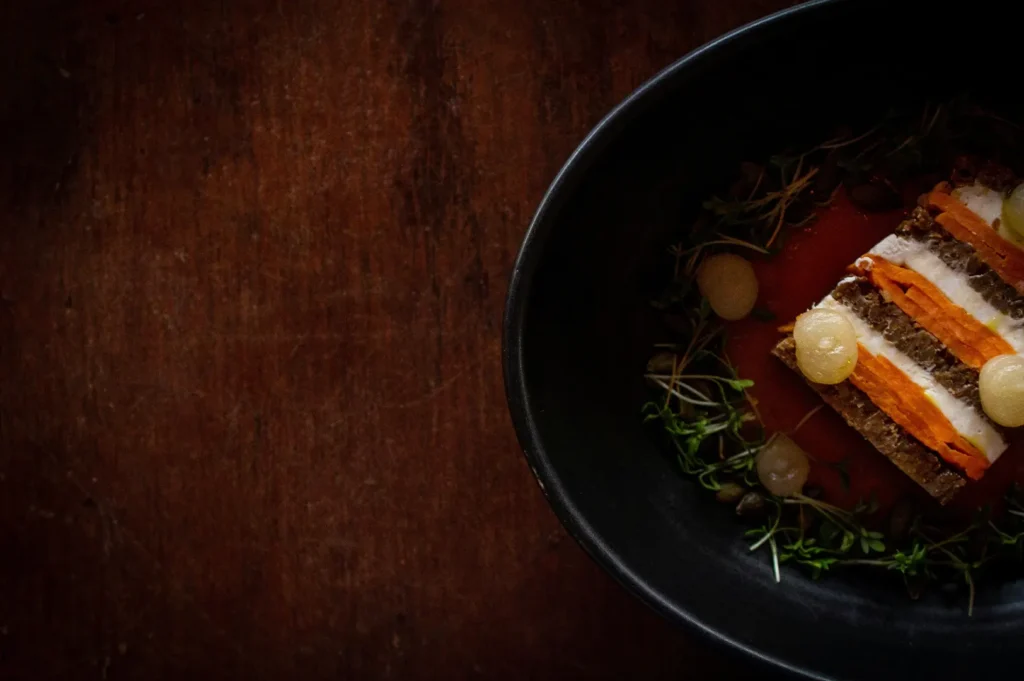
Restaurant groups often benefit from a central image library.
The problem is that files tend to lose their history once they enter a shared drive. A marketing executive downloads an image, renames it, and sends it to another outlet. Six months later, nobody knows whether it was licensed for one branch or the whole group.
A useful central library should record:
- Photographer
- Shoot date
- Restaurant or brand photographed
- Covered outlets
- Permitted channels
- Territory
- Licence duration
- Modification rules
- Credit requirements
- Approval contact
For example:
Approved for all company-owned Singapore outlets. Website, menus, organic and paid social media included. Franchise and overseas use require separate approval.
That small note gives future teams something practical to work with.
For the wider framework, read our guide to how licensed food photos can be used across restaurant outlets.
Plan Expansion Into The Original Shoot
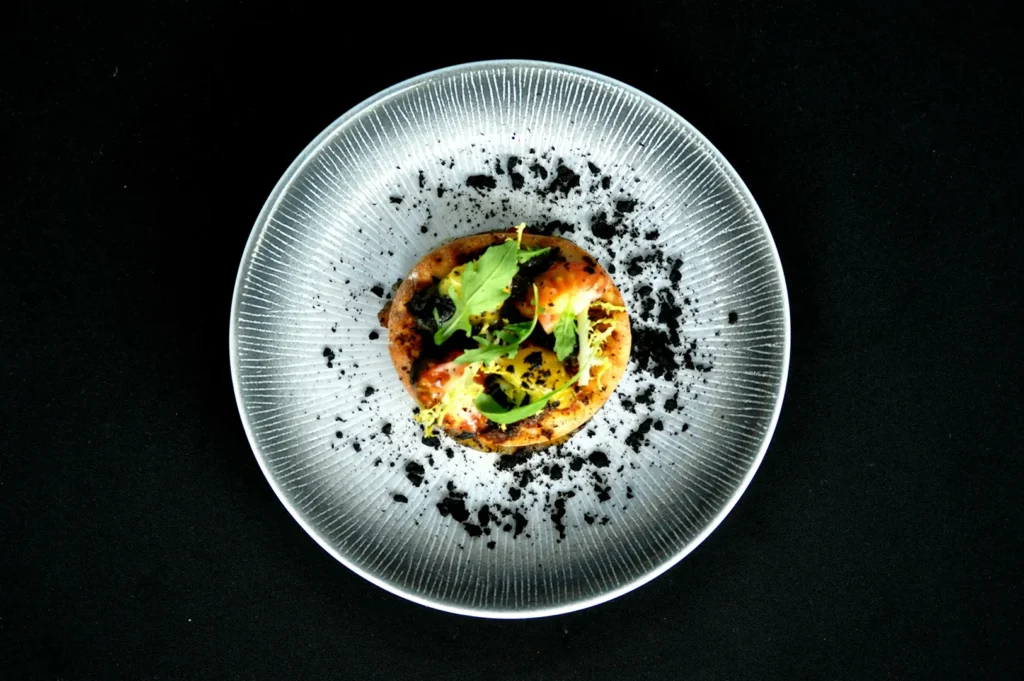
If a second or third outlet is already being considered, tell the photographer while planning the first shoot.
The agreement can then address:
- Existing and future outlets
- Company-owned and franchised locations
- Singapore and overseas use
- Central brand campaigns
- Local outlet marketing
- Adaptation by regional agencies
- Additional fees for expansion
The photographer can also create images designed for wider reuse.
A clean studio-style dish photograph can travel more easily between outlets than an image showing one branch’s distinctive wall, tableware, or skyline view.
We may capture two image groups:
- Brand-level food photographs for shared use
- Outlet-specific images showing each location honestly
That approach gives the restaurant consistency without pretending every branch is identical.
Check Both Permission And Accuracy
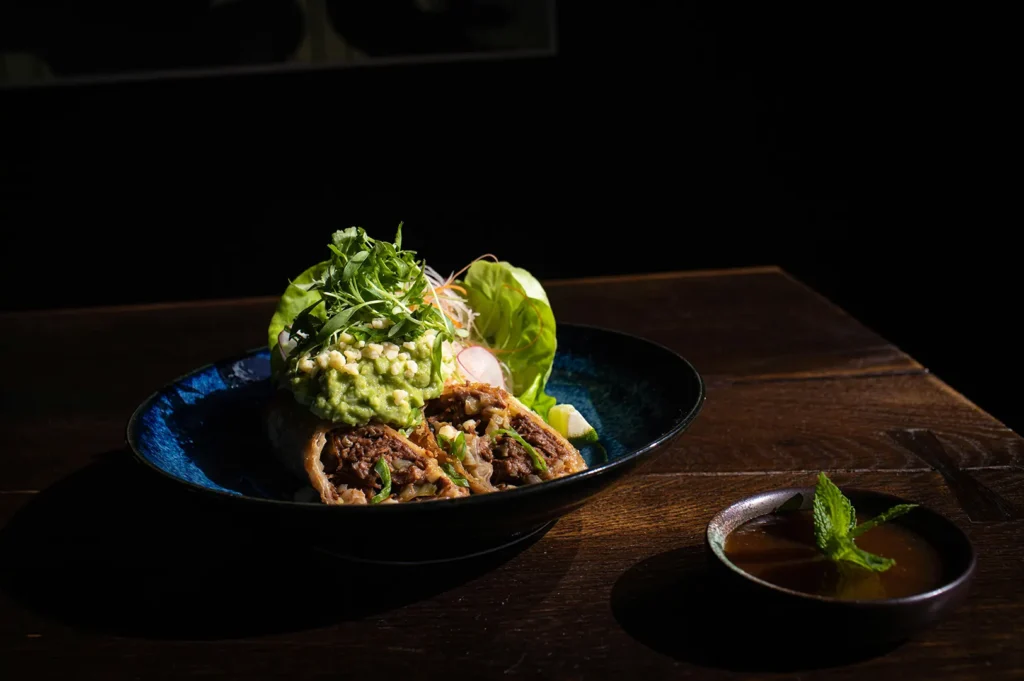
Before copying a photography folder to another outlet, ask:
- Does the licence include this outlet or company?
- Are franchisees or partners covered?
- Is the intended country included?
- Can local teams edit the images?
- Does the photographed dish match the new outlet?
- Are outlet-specific interiors being reused incorrectly?
- Is the licence still active?
Opening more outlets should make the restaurant’s visual system stronger, not harder to understand.
The best shared photography library is one that every outlet can use confidently and every customer can recognise when the dish reaches the table.
This article provides general information and is not legal advice.