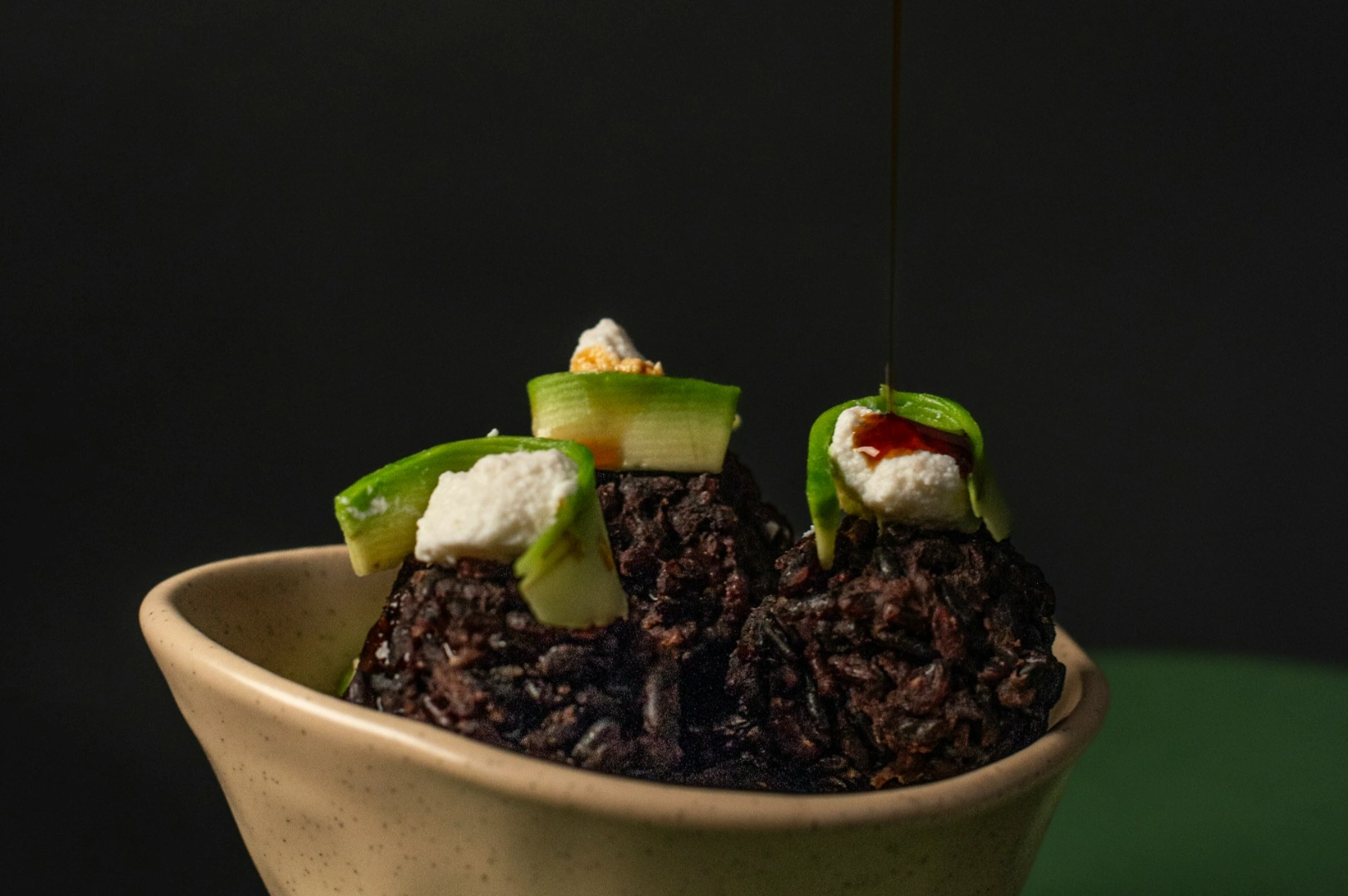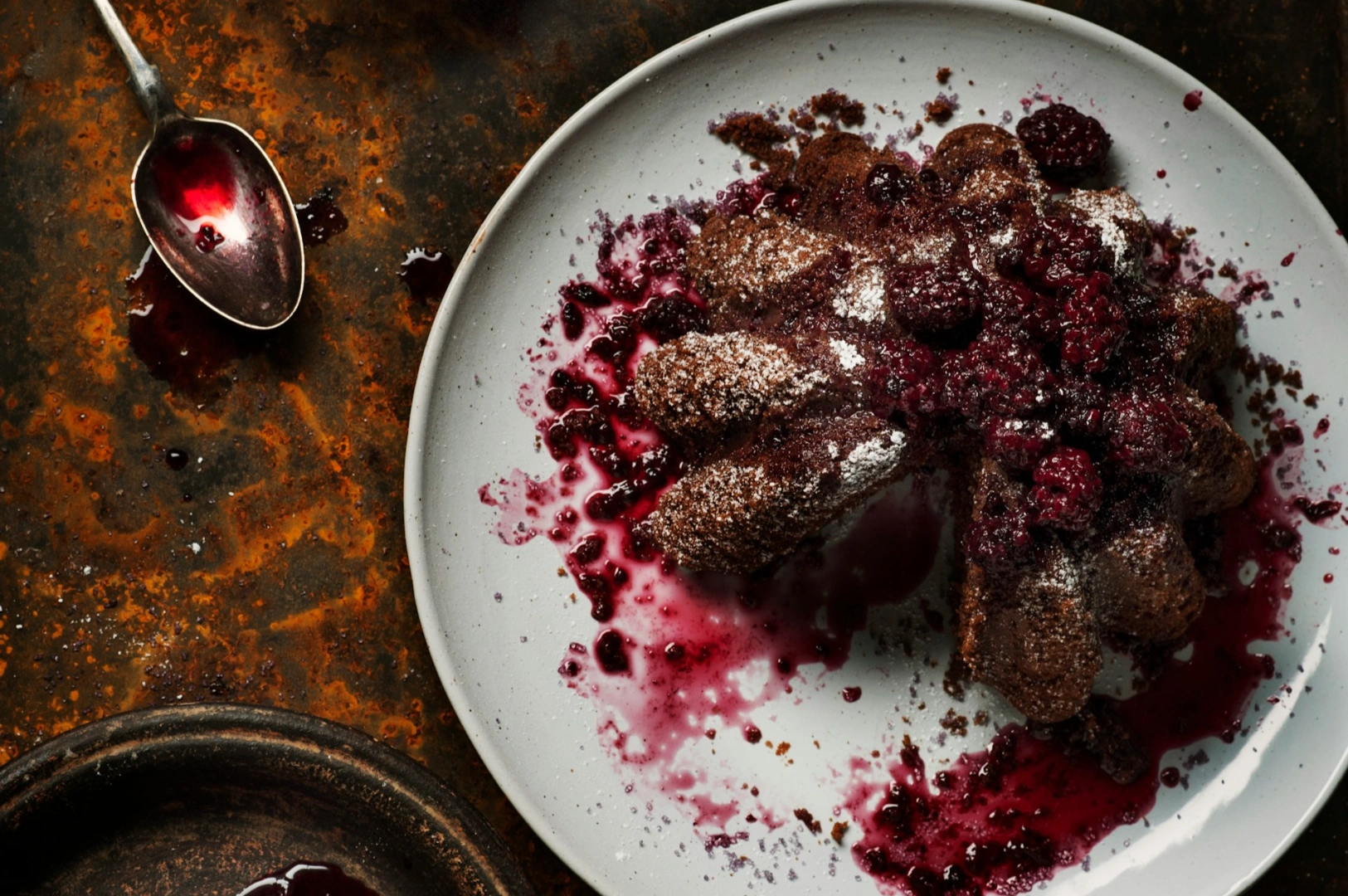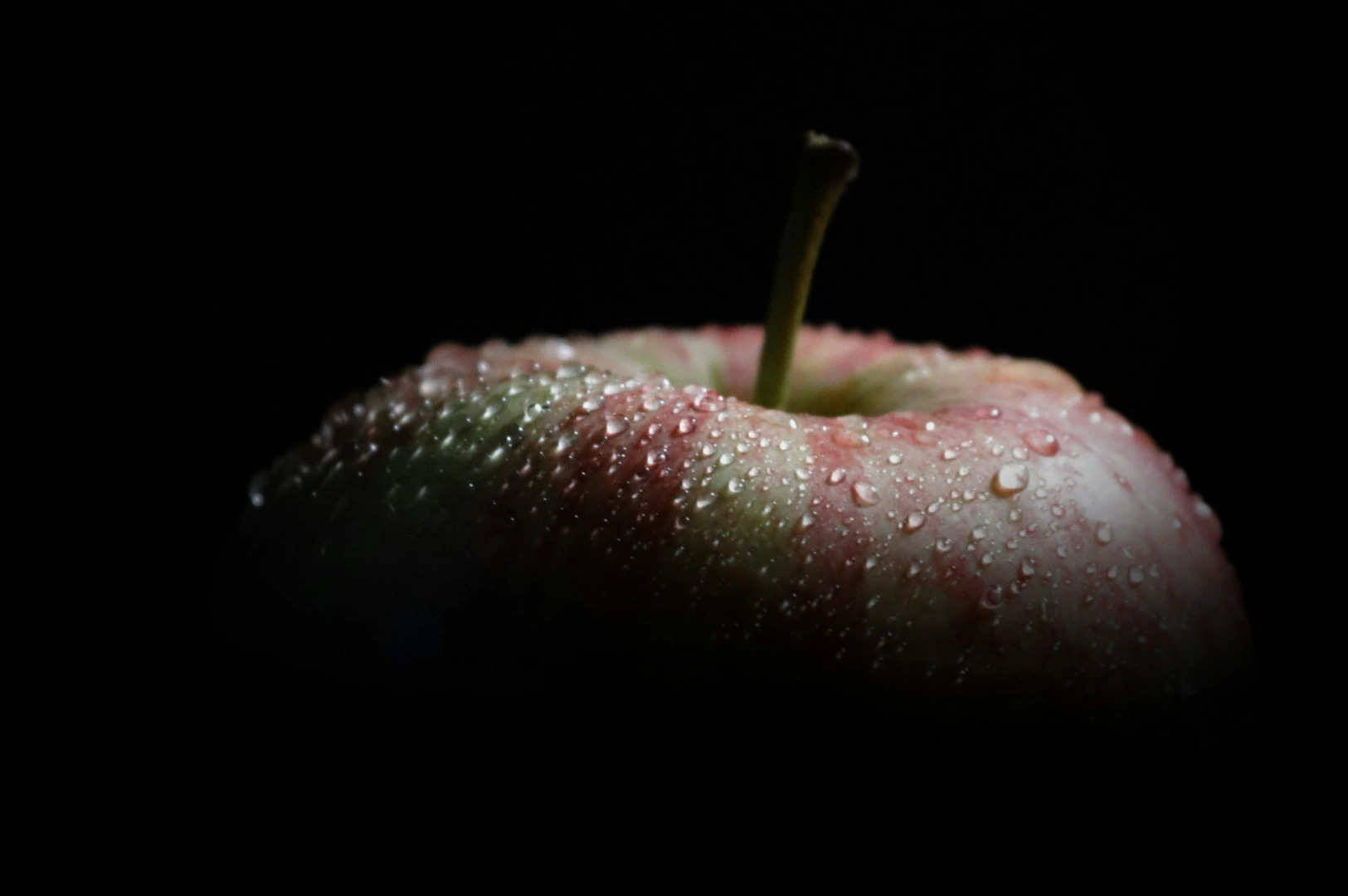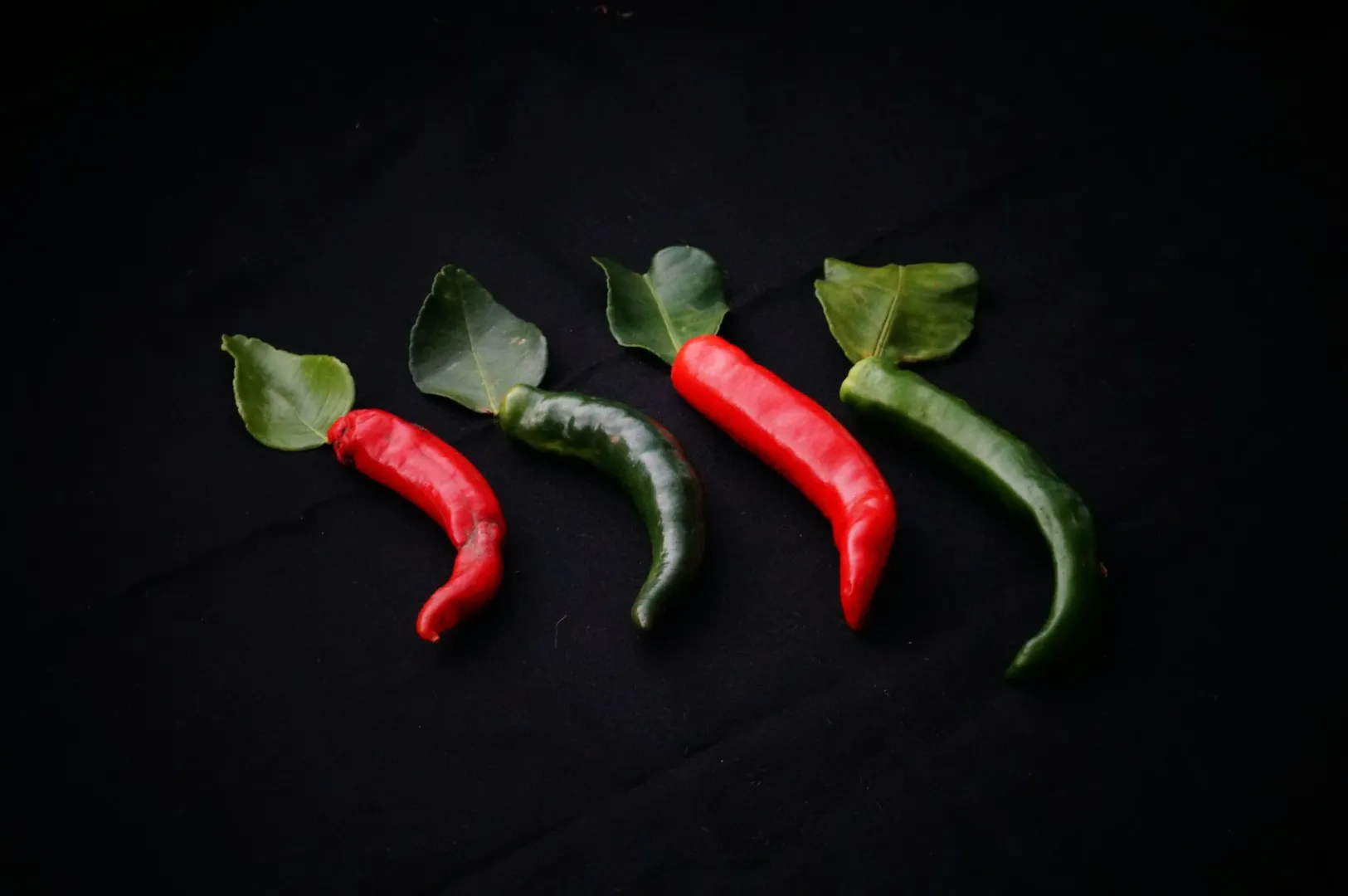
Ask ten Singaporean food photographers to define a great photo, and you’ll get 10 different answers and all of them correct. The word “photo,” a shortened form of “photograph,” traces its etymology to the Greek phōs (genitive phōtós), meaning light. While the Collins English Dictionary defines a photo as simply an informal photograph, that doesn’t nearly cover what it means for a restaurant in Singapore today. A single picture must do so much more than just capture light.
At Food Photographer Studio, we believe that the creation of an exceptional food photo involves more than just technical skill. It requires a thoughtful development of colors and composition that truly represent the dish’s essence. In Singapore’s vibrant F&B landscape, the true photo definition is multi-layered. It’s a blend of technical precision, cultural storytelling, and commercial value. A successful image must be sharp enough for print, authentic enough to reflect heritage, and persuasive enough to drive sales.
This article explores how these three distinct definitions combine to create a complete picture of what a valuable food photo truly means for your business.
Photo Definition: From Greek Phōs to Modern F&B Visuals
The prefix “photo-” is a combining form derived from Greek phōs, meaning light. You see it in compound words like photosynthesis (light → energy), which is a neat reminder of the combining form meaning: light is the base ingredient.
In English usage, “photo” became the casual, informal photograph: a shorthand people used in conversation and print. Early references show up across multiple European publication contexts in the late 19th century, including the UK and other outlets connected to German, Swedish, and Danish usage (you’ll also see related forms in Norwegian contexts). In some languages, “photography” is tied to terms like fotografia, which reinforces how widely the concept travelled once cameras became accessible.
The bigger shift, though, wasn’t linguistic. It was the photographic process itself.
Combining Form, Film, and the Photographic Process Then vs Now

For a long time, the photographic process was slow and physical: film, a negative, chemicals, and a dark box (sometimes literally a camera obscura-style setup). Getting one usable image could take time, skill, and repeated attempts. Reproducing it for a magazine page or a printed menu meant careful workflow; sometimes even making a photocopy for rough layouts.
Now, a digital camera (or a phone) captures, previews, and exports instantly. Images are created, edited, and published to a site or social platform in minutes. The internet and the mobile browser have changed access: your customer sees your dish through a screen first, not across a table.
This matters because it redefines what “good” means. A technically perfect photo that doesn’t read well on a phone can underperform. And an “authentic” shot that’s too dark to understand can hurt trust.
The Technical Photo Definition: What Makes an Image Usable
In the technical sense, a photo is successful when it can be produced and reproducing reliably across platforms such as menu print, website banners, delivery listings, media kits, and press features.
That includes:
Sharpness and resolution (enough for print and cropping)
Correct colour and exposure (so the dish looks like reality)
Controlled background (so the food stays the main subject)
Consistency (so a set of images feels like one brand)
Singapore adds a few real-world constraints. Lighting changes from bright café windows to low-lit bars to fluorescent hawker centres. Humidity can be rough on gear, and quick shoots during service push staff to prioritise speed over control.
This is also where the “wedding vs F&B” comparison becomes useful. In a wedding shoot, the priority is often emotion and scene. In F&B, the dish needs to be readable: ingredients, portion cues, texture, and freshness signals. The camera isn’t just capturing “a moment.” It’s capturing decision-making information.
A useful rule:
If the customer can’t tell what it is in two seconds, the photo isn’t doing its job—especially on a delivery app.
Plural Photos: Why Consistency Beats One Great Shot
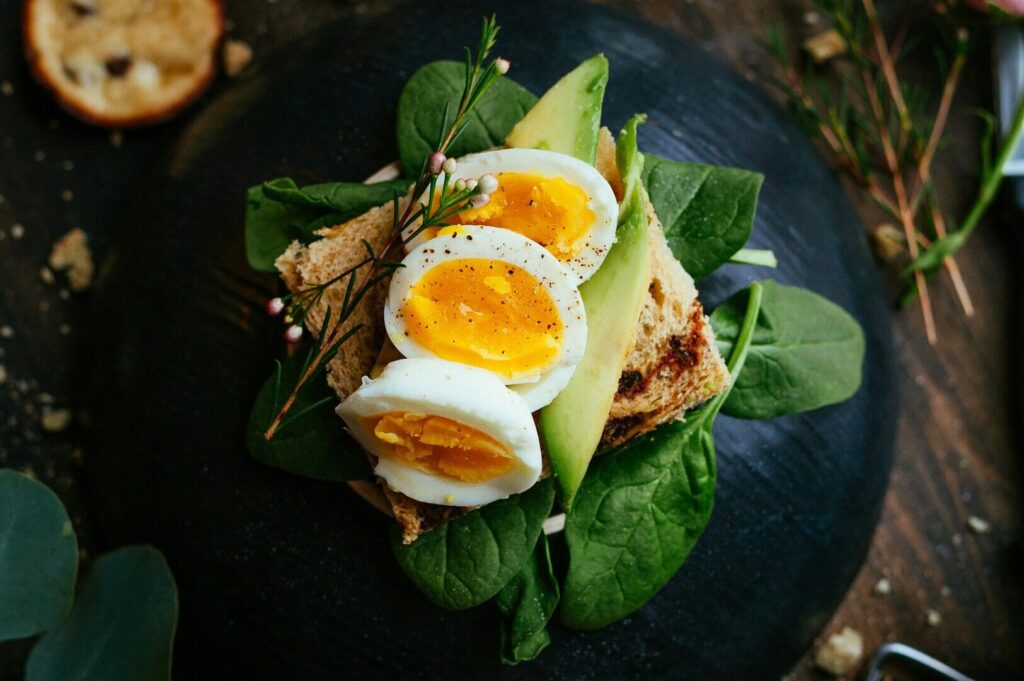
One standout hero image helps. But what grows sales and trust over time is plural photos, a consistent set across categories and platforms.
In practice, most restaurants don’t lose customers because one image is weak. They lose customers because the overall formation of images feels random:
Different angles for the same subject
Different colour casts across dishes
Inconsistent editing styles from week to week
Mixed background choices that confuse brand positioning
When plural photos share the same visual logic, they build a recognisable vocabulary. That vocabulary becomes your identity especially for customers who haven’t visited yet.
This is where “redefinition” really happens. In Singapore F&B, a “photo” isn’t only an image. It’s also a system.
The Cultural Photo Definition: A Dish Is Not Just a Dish
A food photo in Singapore isn’t neutral. It relates to memory, heritage, and expectation. A bowl of laksa is not simply “noodles in soup.” It’s a cultural signal. A plate of chicken rice is not only a protein and starch. It’s a reference point that people carry across childhood, office lunches, and family routines.
This is why cultural context matters as much as sharpness.
You can feel it in the visual choices:
Festive colours (reds and golds during Lunar New Year)
Styling cues (restraint vs abundance depending on cuisine and setting)
Background choices (kopitiam realism vs modern minimalism)
The presence of people (a person’s hand, a shared table, a family-style spread)
Even who takes the picture can shape meaning. A child photographing a dish might focus on colour and fun. An older customer might prioritise familiarity and tradition. The same dish, shot differently, can represent different stories.
This is also where the “messy realness” trend makes sense. Some brands move away from overly polished imagery because it can feel staged, “theater-like,” or disconnected from real service. The goal isn’t to be sloppy. It’s to feel honest.
The Commercial Photo Definition: Does This Image Convert?

For operators, the most practical photo definition is commercial:
Does this image make someone click, order, reserve, or walk in?
A photo’s commercial value is measured through outcomes which is your own internal test of what works:
Menu item performance before/after images
Click-throughs on delivery platforms
Saves and shares on social posts
Booking conversions from your website hero image
This is why the same dish may need different photos for different uses:
Delivery thumbnails: clarity and appetite first
Website banners: mood and brand identity
Social posts: stop-scroll energy and shareability
Press or anniversary campaigns: storytelling and positioning (especially around an anniversary month or seasonal launch)
The key is recognising that commercial photography doesn’t mean “soulless.” It means intentional. You’re building images that support decisions.
Applying the True Photography to Your F&B Business
So which definition should you prioritise?
Prioritise the technical definition when:
You’re updating print menus or a campaign deck
You’re pitching media or creating a press kit
You need images for a magazine feature or brand page layout
You’re refreshing your site hero images
Prioritise the cultural definition when:
You’re telling a heritage story
You’re launching a seasonal special tied to community moments
You’re building long-term brand identity (not just daily posts)
Prioritise the commercial definition when:
You’re driving orders on delivery platforms
You’re running ads or promotional pushes
You need quick decision images that reduce doubt
In reality, strong work blends all three. Think of it as a “combining form” strategy: technical + cultural + commercial, tuned to context.
A quick self-audit helps:
Are your current photos published in a consistent style?
Do they represent the dish accurately (colour, portion, garnish)?
Do they perform where it matters (orders, bookings, enquiries)?
Do you have plural photos that feel like one brand, not scattered experiments?
If the answers are mixed, the solution often isn’t “more content.” It’s better structure > better visual vocabulary.
Conclusion: A Modern Photo Definition for Singapore F&B
The original meaning of photo (rooted in Greek phōs, meaning light) still holds. Light from the sun is the foundation, as it was when early images were recorded using primitive methods. But in Singapore’s F&B industry, the photo definition has slightly developed beyond its origins.
A valuable food photo must:
Be technically reliable (clear, consistent, reproducible)
Carry cultural meaning (authentic to context and cuisine)
Work commercially (help customers choose you)
Over time, what really builds brand strength isn’t just one perfect shot. It’s plural photos with a coherent formation and vocabulary across every channel your customers touch, which is allowed by consistent standards and careful planning.
If you want your visuals to do more than “look nice,” treat each image as an operational asset: designed, tested, and aligned to how people actually decide where to eat.
If you’d like to strengthen your F&B visual presence with photography that performs across all three dimensions (technical, cultural, and commercial), consider building a consistent image system with professionals who understand Singapore’s dining landscape and how customers read food on screens. Learn more here.