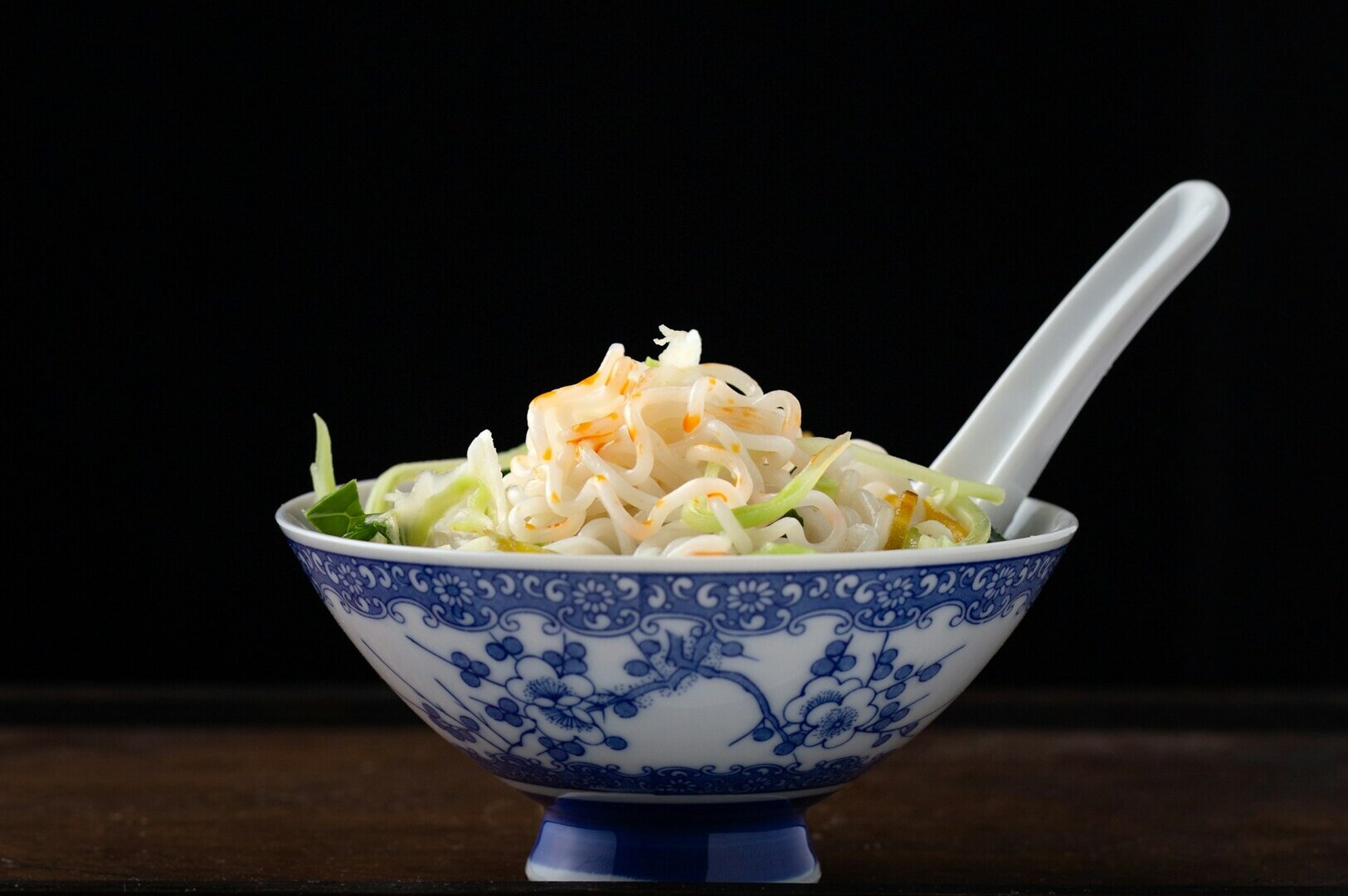
Picture two images of the same bowl of laksa. The first is a clean, studio shot against a plain backdrop; it’s technically perfect but could be from anywhere in the world. The second shows the same dish, but with the colorful architecture of a Singapore shophouse beautifully blurred in the background. Suddenly, the dish has a story, a sense of place, and a cultural connection. This is the power of using a Singapore background when photographing food.
Backgrounds are not just scenery; they are strategic storytelling tools that professional food photographers specialize in. They connect F&B brands to culture and location, transforming ordinary photography into compelling brand-building art. Leveraging local context appeals to both tourists seeking authentic experiences and locals who feel a sense of neighborhood pride.
To begin, understanding the importance of the background aspect is absolutely essential in elevating your food photography. This guide explores how professional photographers use Singapore’s distinctive locations, props, and natural light to bring life to cuisine, creating images that help people “eat with their eyes first” and tell a compelling brand story.
Why a Singapore Background Matters in Food Photography
In Singapore’s saturated F&B market, differentiation is essential. Using a recognizable Singapore background sets your food photography apart, creating a narrative that generic studio shots cannot match. This strategy resonates with a modern, Instagram-savvy target audience.
The right background enhances your brand’s story and attracts customers aligned with your vision. Heritage architecture signals tradition and authenticity, perfect for family-run establishments. Modern skyline backdrops suggest innovation and sophistication, ideal for contemporary fusion cafés. A bustling hawker atmosphere communicates accessibility and street-food credibility.
Professional food photography services analyze a brand’s vision before selecting a location. A traditional Chinese restaurant gains credibility with a Chinatown backdrop, while an upscale bar leverages Marina Bay’s sophistication. This visual coherence between food and environment creates lasting impressions across social media, print, and blogs, ensuring the background enhances, not distracts from, the dish.
7 Types of Singapore Backgrounds for Professional Food Photography
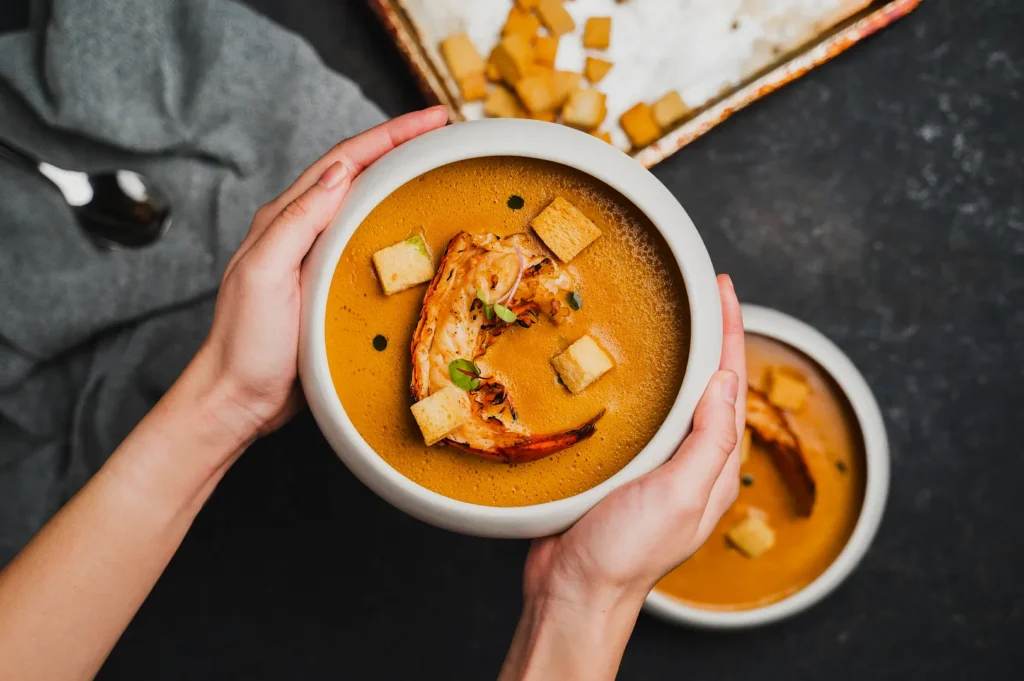
Singapore offers a rich tapestry of visual contexts. Here are seven types of backgrounds professional photographers use to tell compelling stories:
Heritage Architecture: Shophouses in Chinatown, colonial buildings in the Civic District, or temples in Little India capture multicultural history. Professional photographers know which locations offer the best natural light and cultural authenticity.
Hawker Center Atmosphere: The iconic zinc roofs, shared tables, and vibrant crowds provide an essential layer of authenticity for street food brands.
Modern Skyline: The Marina Bay Sands and CBD backdrops are perfect for upscale establishments aiming to showcase contemporary sophistication and a world-class experience.
Tropical Elements: Lush greenery, palm trees, and even the subtle haze of humidity can highlight Singapore’s tropical climate, which strongly appeals to tourists.
Cultural Neighborhoods: Distinct ethnic enclaves like Kampong Glam or Joo Chiat reinforce the heritage of specific cuisines, connecting the dish to its roots.
Waterfront Settings: The Singapore River, East Coast Park, or Sentosa’s coastline offer beautiful natural light clarity and a relaxed, resort-like mood.
Urban Street Scenes: HDB void decks, local coffee shops, and quiet neighborhood streets help build a genuine connection with a local community.
Each background serves a different strategic purpose. Professional food photography services excel at matching the location to your brand identity and the experience your customers should expect.
Matching Background to Restaurant Concept
A systematic approach to pairing food with location makes all the difference. For a heritage restaurant, a photography session against shophouse architecture creates visual coherence, reinforcing traditional recipes and helping to attract customers seeking a genuine cultural meal. In contrast, a modern café using a sleek skyline backdrop positions itself as contemporary and cosmopolitan, appealing to an Instagram-focused audience.
For hawker-inspired eateries, using an authentic zinc-roof setting provides essential credibility, signaling that even in a new location, the street food quality remains. Fusion concepts can visually communicate their culinary innovation by using mixed cultural elements—for example, a Japanese-Malay fusion dish photographed with Kampong Glam’s mosque blurred in the background.
This strategic selection process elevates food photography from simple documentation to compelling brand storytelling. It’s a key part of how professional photographers work with clients to enhance their market position and create a powerful visual identity.
Technical Considerations When Photographing Food Outdoors
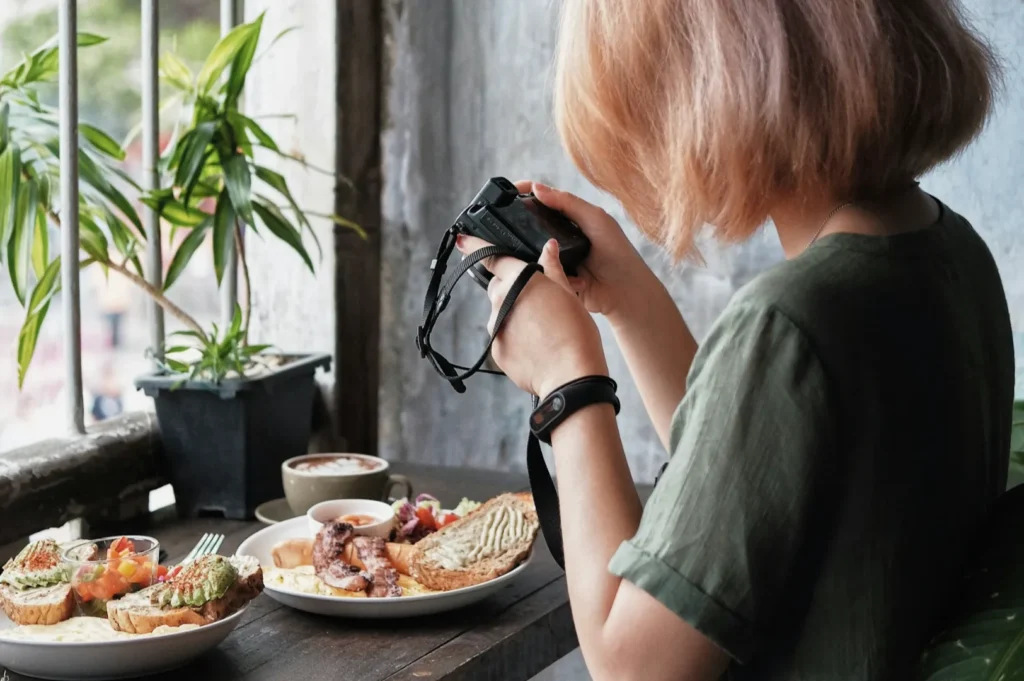
Photographing food outdoors in Singapore presents unique challenges, especially when photographing tricky foods that already struggle with lighting, texture definition, or depth. Managing depth of field is essential; professional food photographers use wide aperture lenses (e.g., f/1.8) to keep the dish sharp while creating a blurred Singapore background (bokeh) that adds context without distraction.
Balancing exposure between food and background requires expertise and proper equipment. Singapore’s harsh tropical natural light makes shooting during the “golden hour” (early morning or late afternoon) ideal, as warm, soft light enhances food texture and color.
Logistical planning is crucial. Heritage locations may need permits, and managing crowds in busy tourist spots demands skill. Professionals know optimal shooting times and framing techniques to capture location essence without visual chaos. Weather, especially rain and humidity, also affects gear protection and food styling. This technical proficiency ensures consistent, high-quality results.
The Blur Strategy: Controlling Your Background
The background blur in your food photography is not just an aesthetic choice; it’s a strategic tool. The degree of blur can completely change the story your image tells.
Sometimes, you want to blur the background completely, leaving only soft colors and shapes. This is useful when the location provides mood but specific details would be distracting. In other cases, a partial blur works best, keeping recognizable landmarks like Marina Bay Sands visible but soft. This provides context without overpowering the dish.
Occasionally, a sharp background strengthens the narrative, such as capturing a bustling hawker atmosphere to showcase authenticity. The quality of the blur, or bokeh, is also important. Professional food photography services use high-end lenses to create a creamy, attractive blur that adds artistic quality to the photo. This requires both technical equipment and an artistic vision to direct the viewer’s eye and make them want to taste what they see.
Case Studies: Successful Background Storytelling
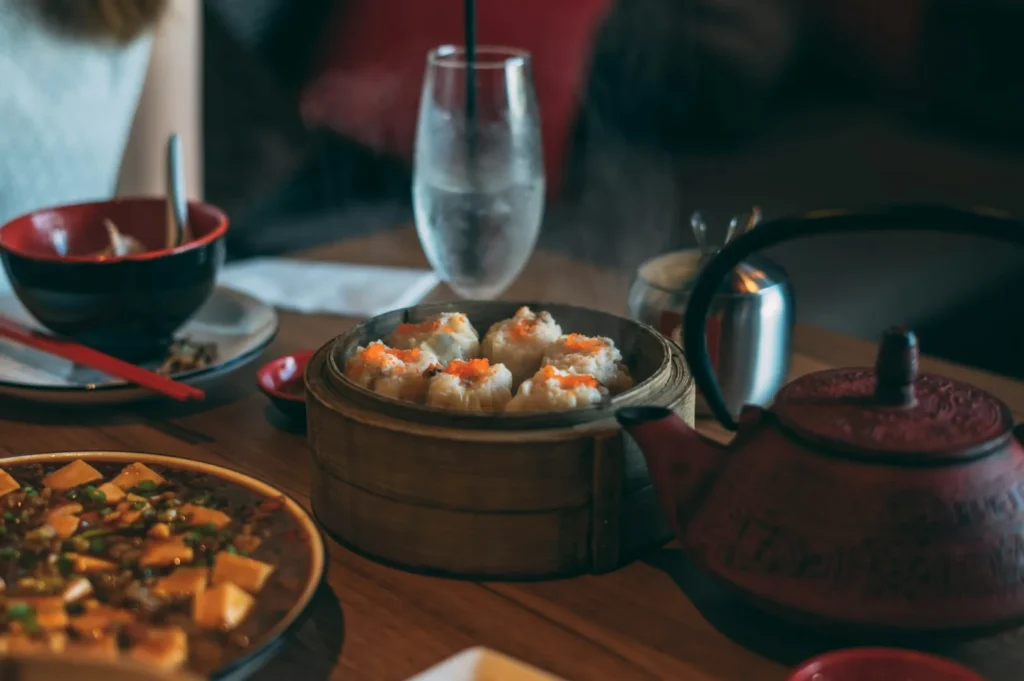
Here are a few real-world examples of how we have helped clients leverage Singapore backgrounds:
A Traditional Chinese Restaurant: We photographed their signature dishes in front of Chinatown shophouse architecture. The historic background added credibility to their three-generation family recipes. The client reported that nearly half of their new customers mentioned choosing the restaurant based on the “authentic look” of the food photos they saw online.
A Modern Fusion Café: We used the contemporary architecture of Tanjong Pagar for an Instagram-focused photography session. This positioned the brand as innovative and cosmopolitan, helping to establish the café as a destination for a lifestyle-conscious target audience.
A Hawker Stall Upgrading to a Restaurant: To maintain their street food credibility, we embraced an authentic zinc-roof aesthetic in their new branding photos. This attracted both their existing fans and new, upscale customers who appreciated the nod to their humble beginnings.
These cases show that background selection is a strategic business tool that professionals use to position brands and attract the right clientele.
Action Shots with Singapore Context
Capture dynamic moments that blend food and location, showcasing Singapore’s vibrant street food culture. Photograph people eating on the go against urban backdrops to create authentic images that resonate with your target audience.
In hawker centers, focus on hands reaching for shared dishes with lively crowds, highlighting communal dining. For riverside cafes, schedule sunset sessions featuring food, diners, and the iconic skyline to produce lifestyle visuals that attract customers.
Link your cuisine to Singapore’s multicultural identity by photographing dishes during festivals like Chinese New Year, with traditional decorations in the background. These shots require a skilled team, precise timing, location access, and the ability to direct people while capturing the passion and creativity chefs and food stylists bring.
By incorporating these action shots with local context, professional food photography services create engaging images that elevate your brand, showcase your dishes in suitable environments, and enhance your portfolio for social media, print, and online marketing resources.
Final Words From Professional Food Photographers
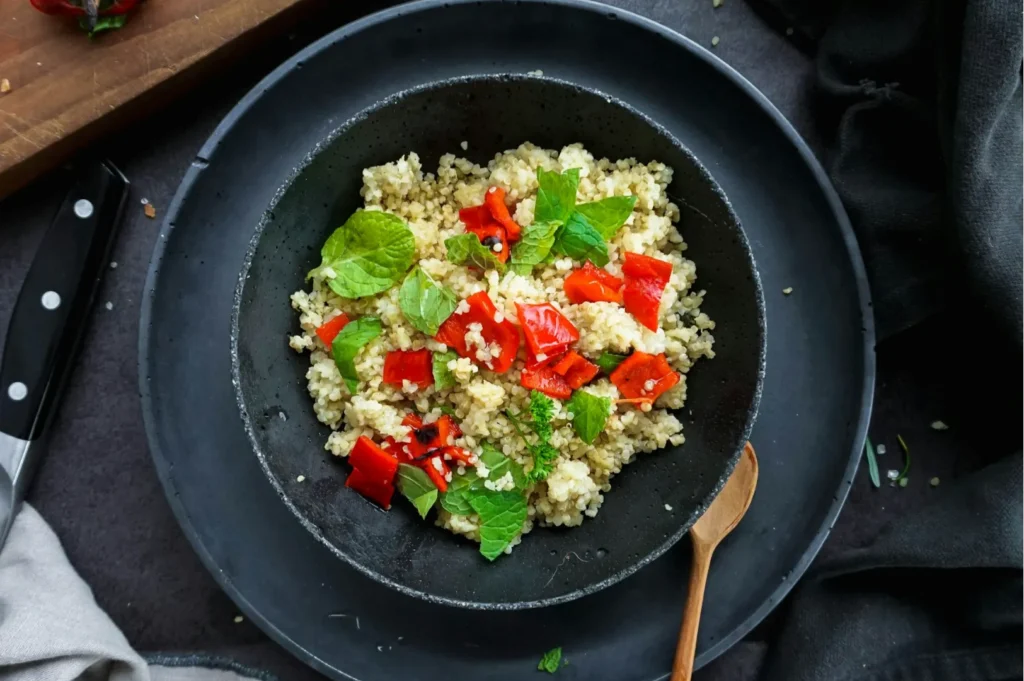
Using Singapore backgrounds elevates food photography from simple product shots to powerful, place-based brand storytelling. It helps people eat with their eyes first and leaves a lasting impression that attracts customers to your restaurant or café. Whether targeting tourists or locals, strategic environmental context strengthens your visual marketing.
Professional photographers and food stylists who know Singapore’s unique locations, natural light, and cultural context create high-quality images capturing the essence, flavor, and texture of your dishes. From heritage shophouses to the modern skyline, each background reflects your brand vision and enhances your portfolio for social media like Instagram and Facebook.
Great food photography tells the story of taste, culture, and place, compelling customers to visit. Partnering with expert food photography services ensures your business stands out in Singapore’s vibrant F&B scene, making your cuisine irresistible and your brand memorable.