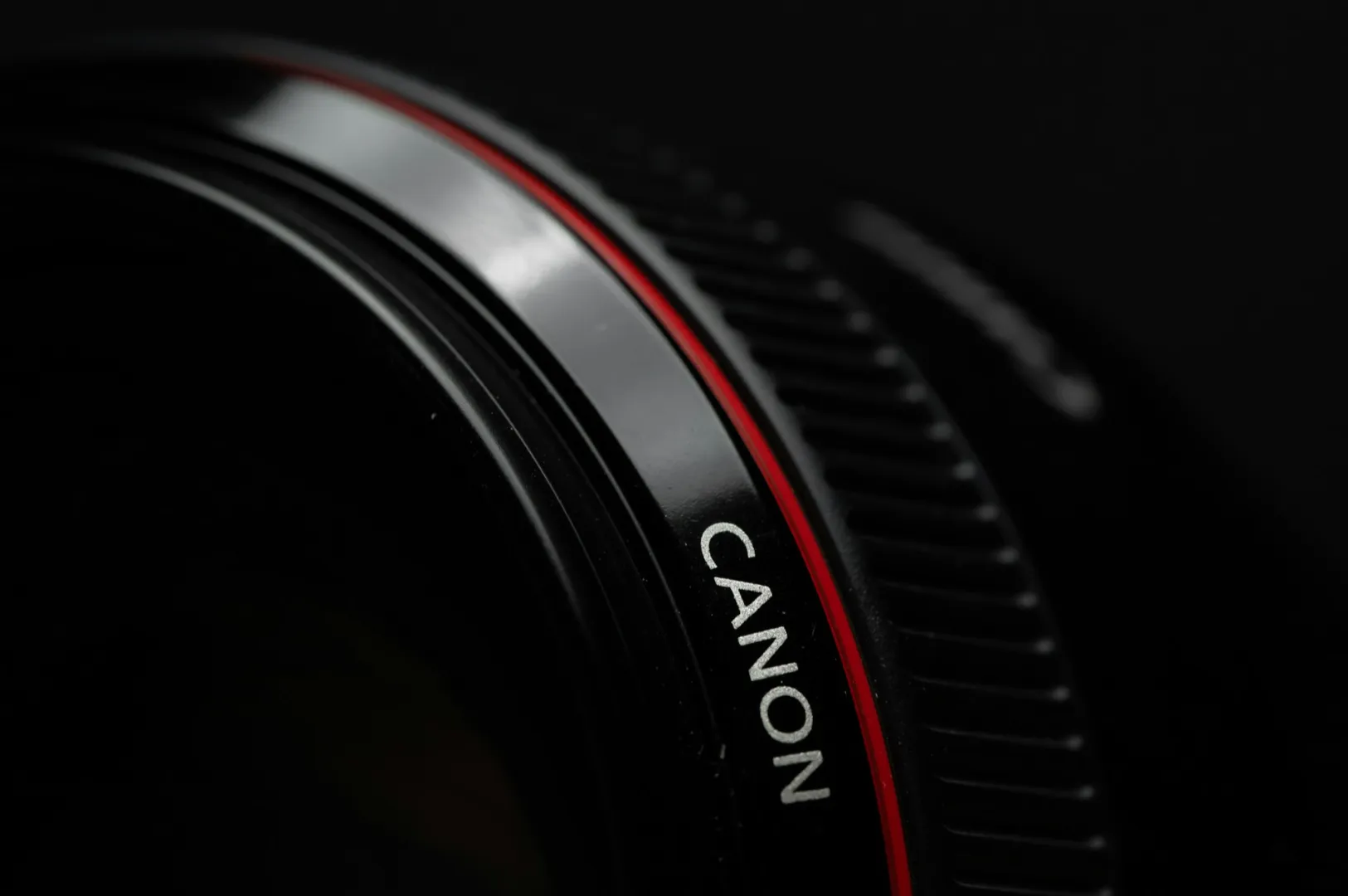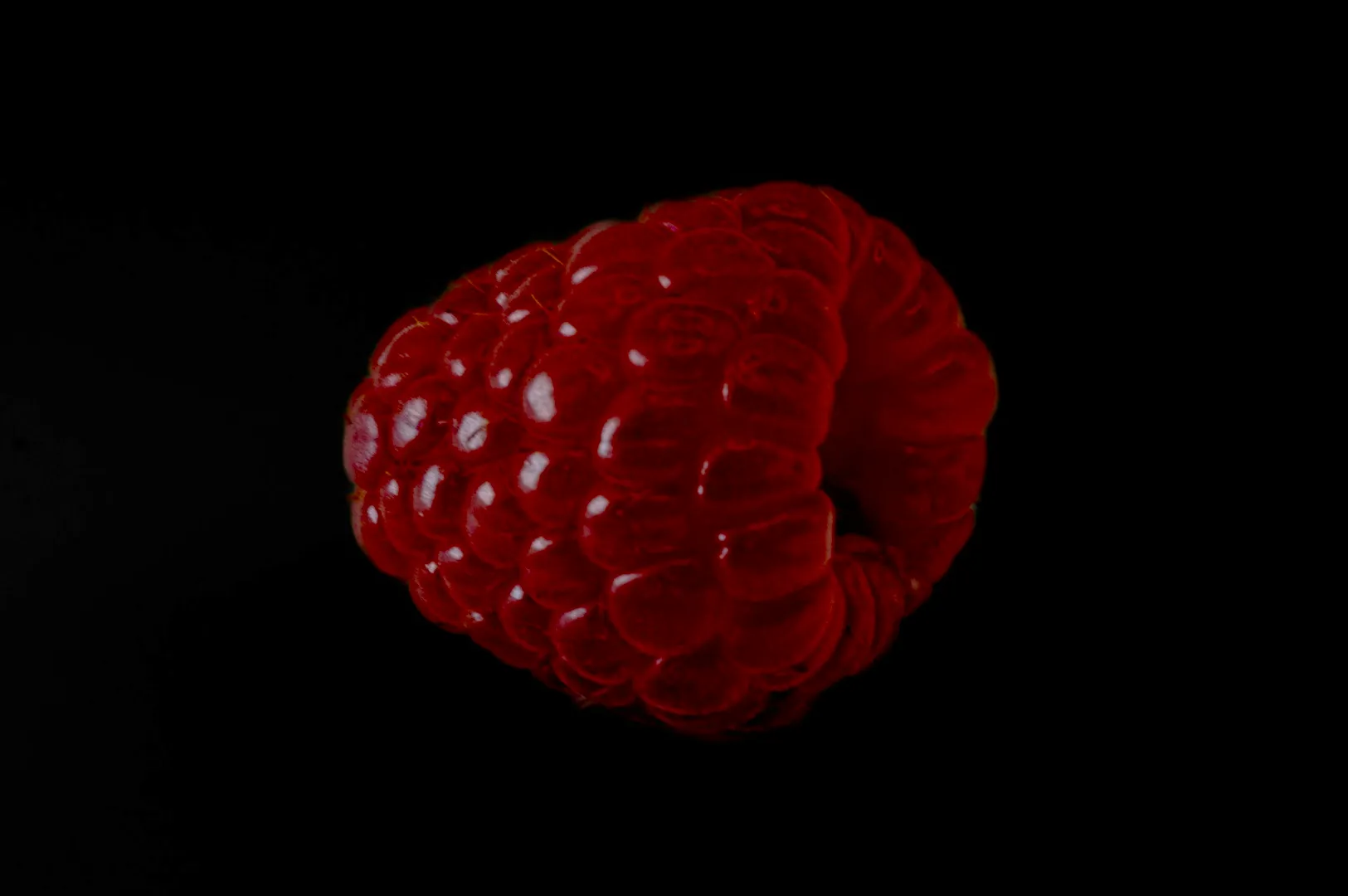
Why do some food photos on GrabFood generate immediate orders while others get scrolled past? You might think it’s just about how delicious the food looks, but there is a deeper psychological game at play. The difference often lies in the different camera angles and common camera shots used to capture the dish.
Camera shots and angles aren’t just aesthetic choices made by a photographer; they are powerful psychological triggers that influence consumer behavior, and the type of camera behind the shot can shape everything from depth to texture. The angle at which you show your food tells a story, sets an expectation, and subconsciously signals value to the diner. In Singapore’s hyper-competitive food delivery and dining market, understanding visual storytelling through strategic camera shot angles can directly impact your bottom line.
This article goes beyond technical “how-to” advice to explore the behavioral science behind photography. We’ll uncover why specific angles make people hungry, how different platforms require different approaches, and how you can optimize your visual strategy to turn viewers into customers.
The Science Behind Camera Angles and Human Perception
When a diner looks at a menu photo, their brain processes visual information in milliseconds. Studies show that the camera angle directs where the viewer looks first and how they emotionally connect with the subject.
Mirror Neurons and Accessibility
Basic camera shots like the eye level shot or shoulder level shot activate “mirror neurons,” brain cells that fire when we act or observe the same action. Photos taken from a diner’s natural perspective make the food feel accessible, triggering a stronger appetite response than abstract angles.
Depth Perception and Dimension
Three-dimensional camera angles—such as low angle shot or high angle shot—affect how we perceive volume and value. A flat image can make a burger look small, while a low angle emphasizes height and dominance, signaling abundance. A Dutch angle creates dynamic tension, attracting attention and signaling energy.
Focal Length and Attention
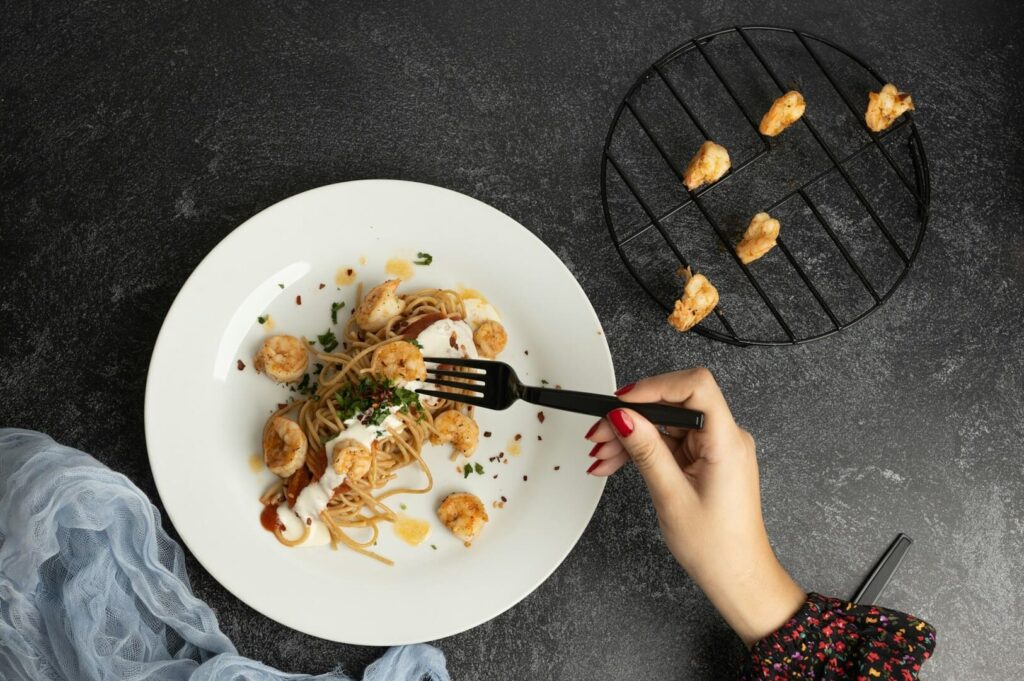
Focal length and camera frame impact perception. A close up shot isolates texture, highlighting sensory details like crispiness or condensation. A medium shot provides context, showing the surrounding environment and selling the dining experience. In Singapore’s communal food culture, an overhead shot resonates by mirroring the habit of standing over a table to serve family and friends.
Understanding The Different Types of Camera Shots
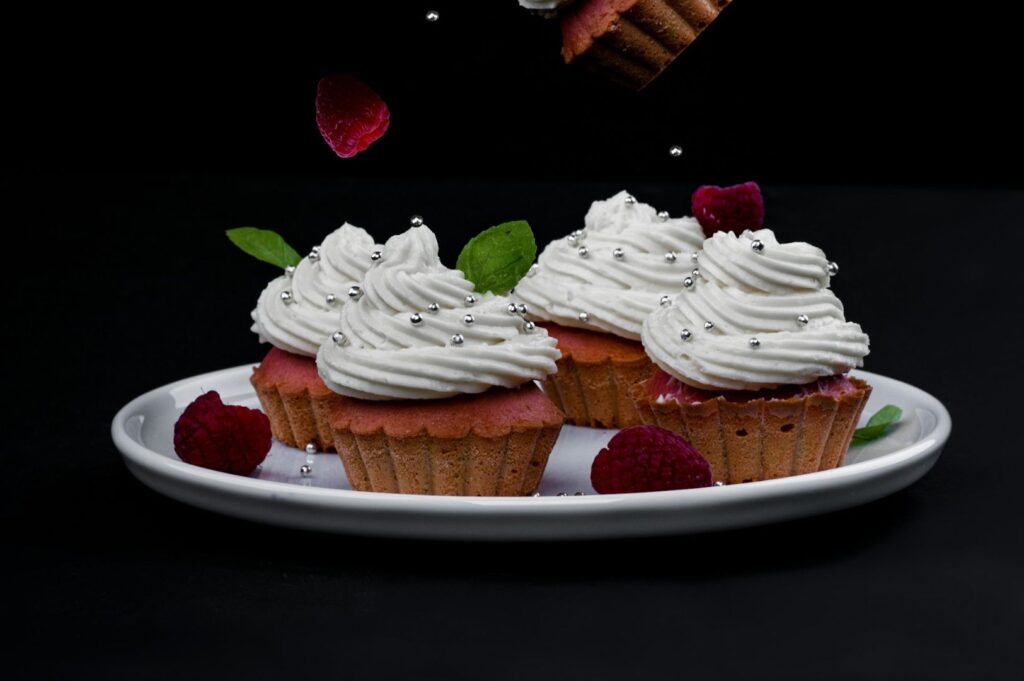
Understanding various types of camera shots is essential for crafting compelling visual stories, especially in food photography where each shot evokes different emotions and highlights unique dish aspects.
Medium Shot
A medium shot frames the subject from the knees or waist up, balancing the subject’s body language with some surrounding environment. It effectively showcases the dish alongside contextual elements like hands holding utensils or parts of the dining setup, telling a more complete story.
Zoom Shot
A zoom shot changes the focal length to move closer or further from the subject without moving the camera. It emphasizes details like texture or intricate layers, offering flexible framing while keeping focus on the subject.
Shoulder Level Shot
The shoulder level shot places the camera at the subject’s shoulder height, creating a natural, relatable perspective similar to how diners see their food when seated. It captures facial features and reactions, adding human connection.
Pan Shot
A pan shot moves the camera horizontally from a fixed point, sweeping across a scene. It reveals the breadth of a buffet, variety on a table, or preparation process, adding dynamic movement and guiding viewer attention smoothly.
Eye Level Shot
The eye level shot positions the camera at the subject’s eye height, offering a neutral, intimate, and accessible feel. For food, it mimics sitting across from the dish, inviting the viewer to experience it firsthand.
Hip Level Shot
A hip level shot sets the camera near the subject’s hip height, capturing action near the waist or hips, such as a chef plating food or a server carrying dishes. It emphasizes movement and adds immediacy and realism.
Platform-Specific Camera Shot Optimization
In Singapore’s digital ecosystem, a one-size-fits-all approach fails. Different platforms have different user behaviors, so the optimal types of camera angles vary significantly.
GrabFood and Deliveroo: Clarity is King
On delivery apps, speed is key. An overhead shot or bird’s eye view works best for bowl-based meals, clearly showing every ingredient. For burgers or sandwiches, a close up shot from a straight-on camera position highlights layers and appetite appeal. High angle shots crop better in square formats than low angle shots.
Instagram: Engagement Drivers
On Instagram, aesthetic matters. Extreme close up shots of details like yolk breaking or cheese pulling stop the scroll. Bird’s eye view shots of full table spreads encourage saves for group outings.
TikTok and Reels: Dynamic Movement
Short videos thrive on camera movement. Tracking shots following a waiter, pan shots across buffets, or pedestal shots moving up towers of drinks create engagement. A point of view shot (POV shot) showing hands cutting steak is immersive and effective.
A/B Testing Insights
Data from Singapore businesses shows switching hero images from aerial shots to shoulder shots increased click-through rates by 18%.
Cultural Context and Camera Angles in Singapore
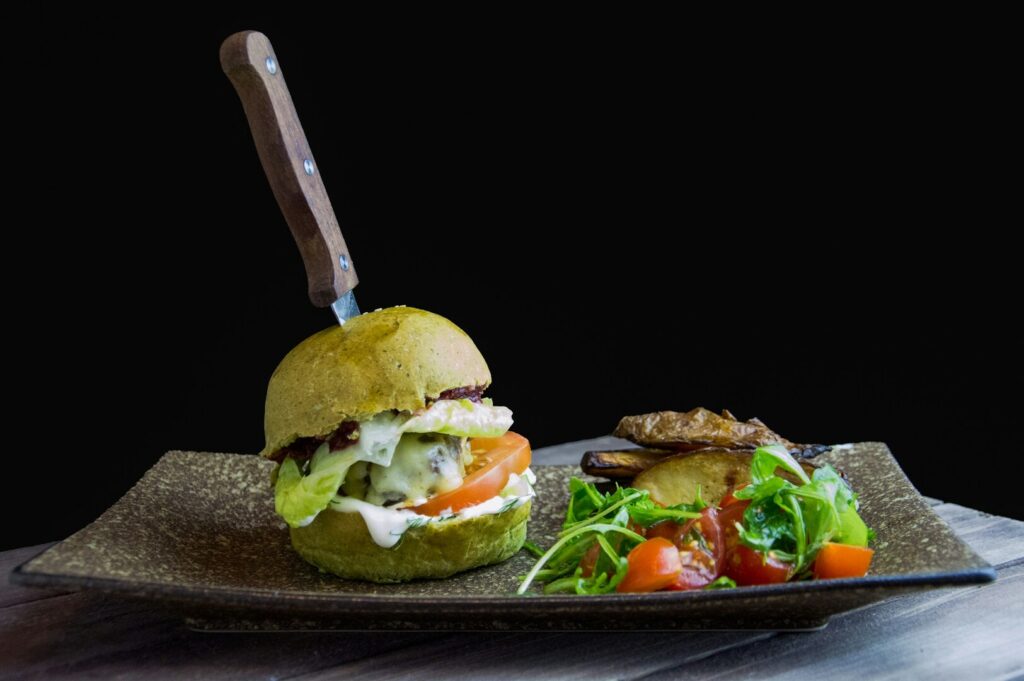
Singapore’s unique food culture heavily influences which camera angles resonate with local diners. Our multi-ethnic dining landscape has subconscious visual codes.
Communal Dining: For zi char, hotpot, or family-style meals, overhead and bird’s eye view shots capture the shared table’s abundance, signaling “good for groups.”
Individual Portions: Quick lunches in the CBD work best with eye level or shoulder level shots, framing meals as personal experiences.
Premium Positioning: A low angle shot of premium wagyu don conveys dominance and value, making portions look substantial and justifying higher prices.
Hawker Authenticity: Medium long shots or simple level shots showing steam and the messy reality feel more authentic than polished studio shots.
Different generations respond differently: younger diners favor dynamic dutch angle shots and camera movement, while older ones prefer clear, steady establishing shots showing food and venue.
Emotional Triggers and Camera Shot Psychology
Every camera position triggers a specific emotional response. Understanding this allows you to manipulate how a diner feels about your menu.
The “Control” Angle (Overhead): An overhead shot or aerial shot offers a “God’s eye view.” It makes the viewer feel in control and organized. It appeals to those looking for healthy, balanced meals where ingredient visibility matters.
The “Intimacy” Angle (Eye Level): An eye level shot mimics sitting across from a friend. It triggers intimacy and immediacy. It screams, “I want to eat this right now.”
The “Indulgence” Angle (Low Angle): A low angle shot makes the subject look imposing. It conveys indulgence and abundance. This is the “treat yourself” angle, perfect for cheat meals and desserts.
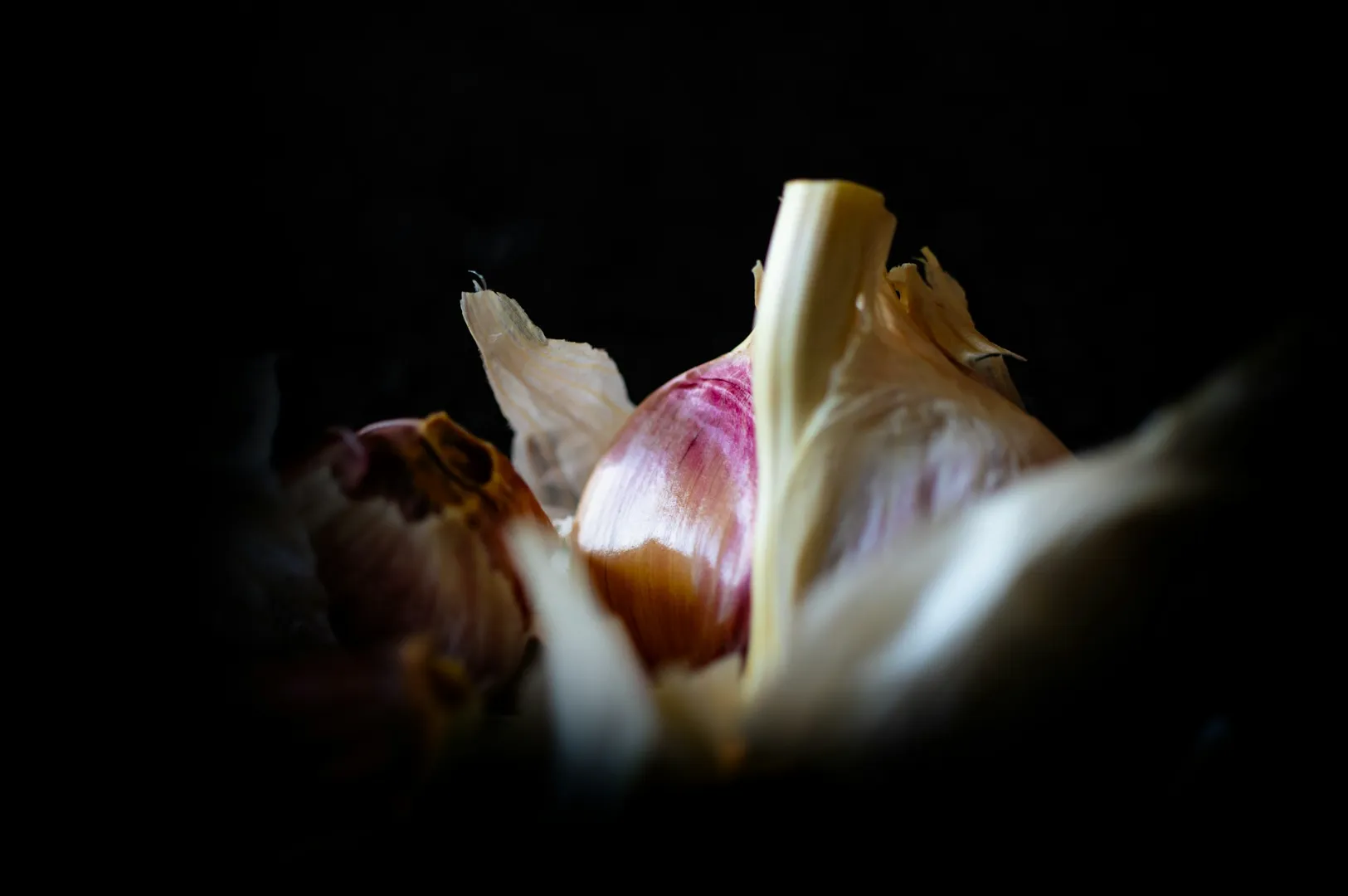
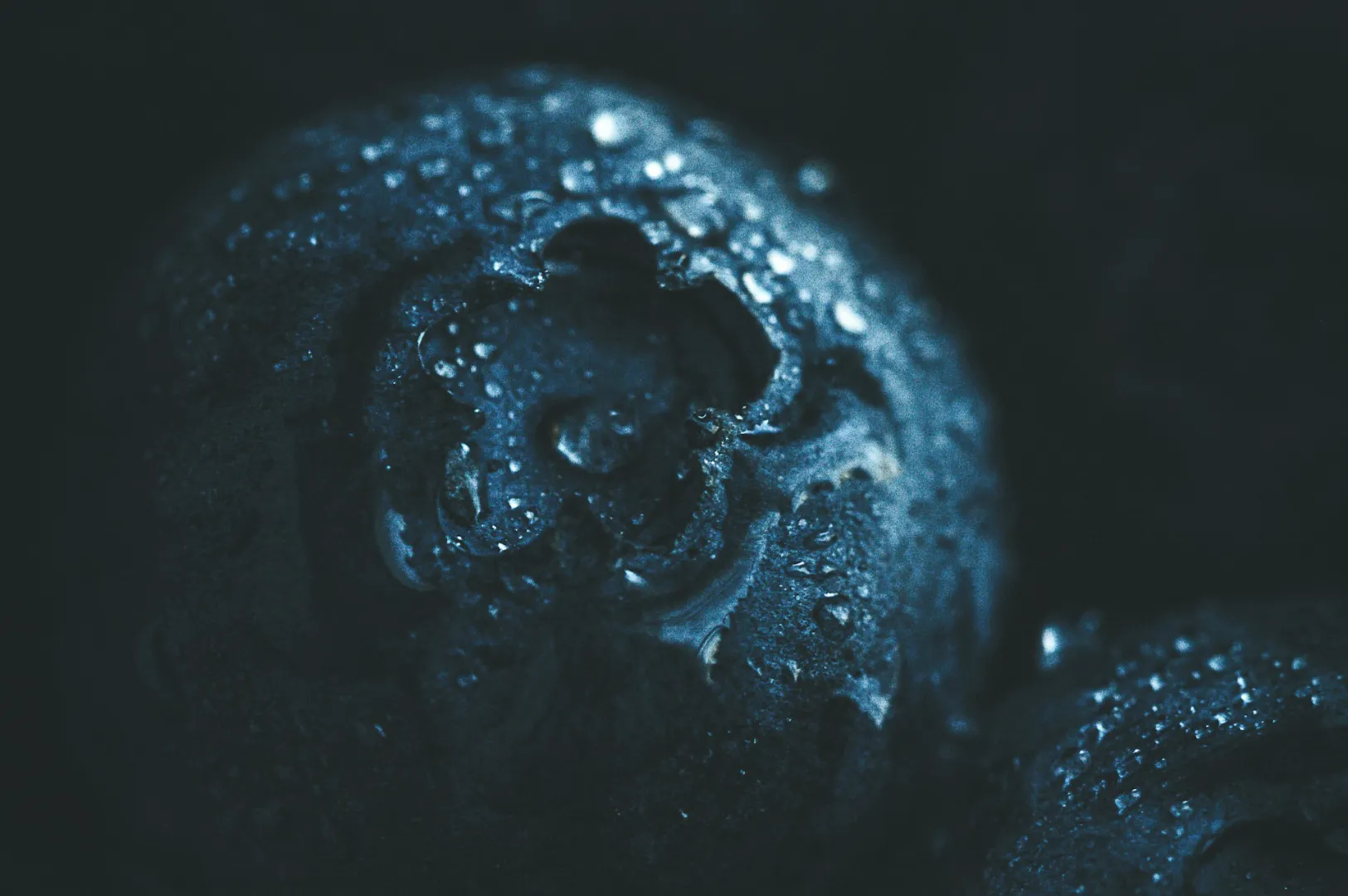
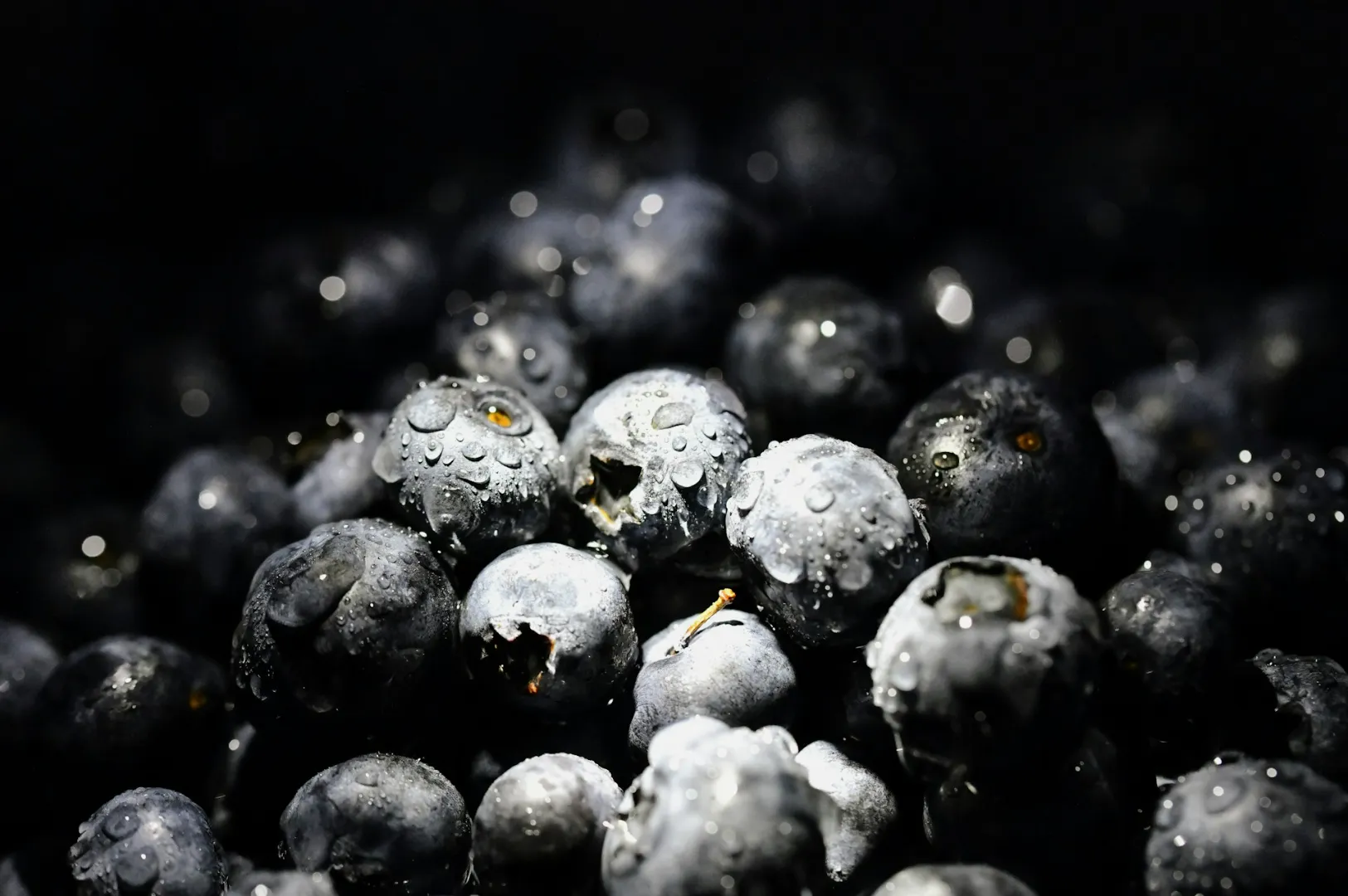
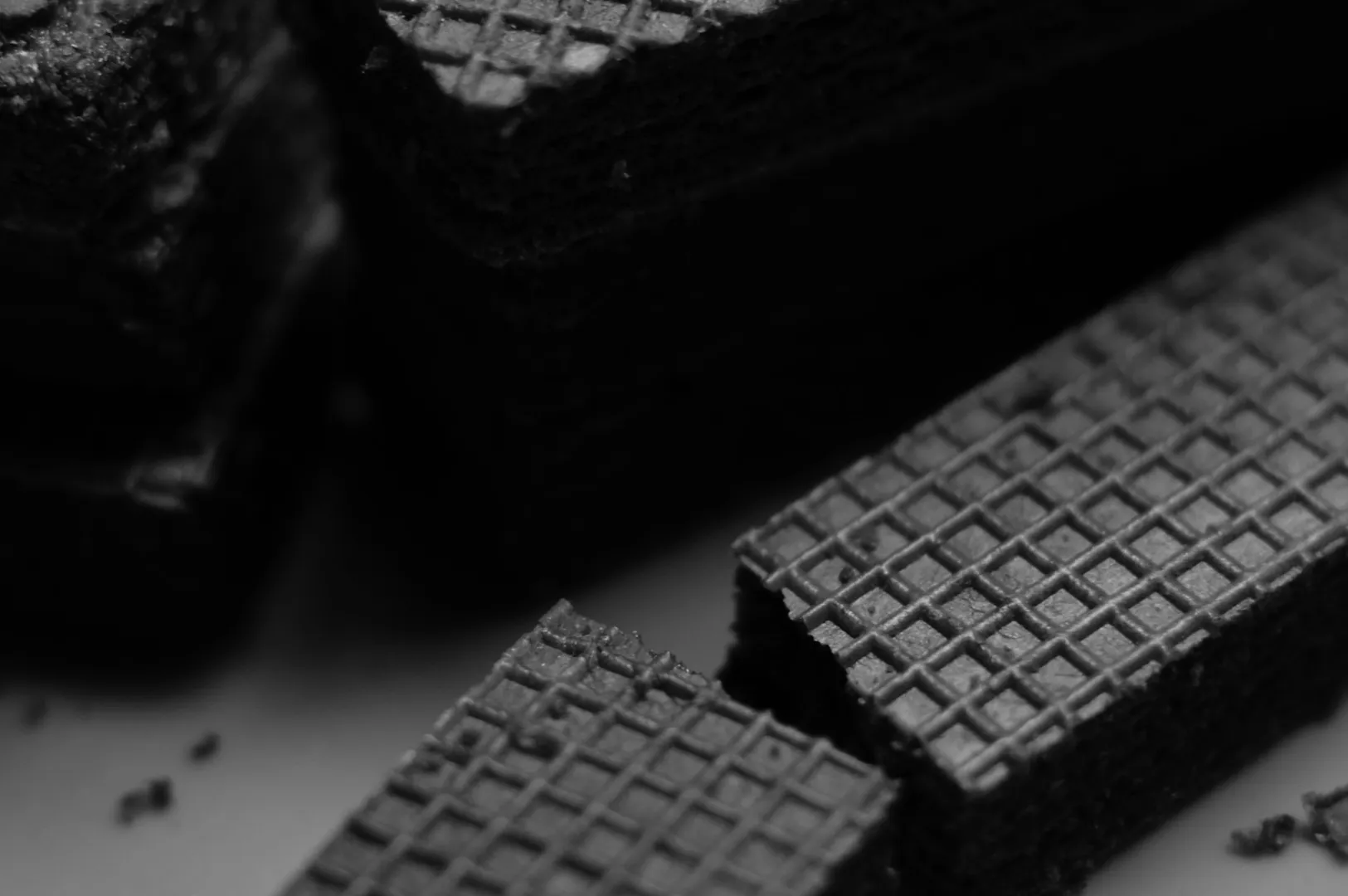
The “Sensory” Angle (Macro): A close up shot or extreme close up shot bypasses logic and hits the sensory centers. Seeing the glistening oil on a satay stick or the condensation on a beer glass triggers a visceral, physical craving.
The “Context” Angle (Wide): A long shot or establishing shot provides the surrounding environment. It tells the viewer, “This is a place where you can relax.” It sells the atmosphere as much as the food.
Don’t fear the “messy” factor. Sometimes, a slight camera shake or a candid, imperfect angle adds a layer of raw authenticity that highly polished studio shots lack. It suggests the food is so good that the photographer couldn’t wait to eat it.
Technical Execution and Types of Camera Shots
Implementing these psychological triggers requires a mix of strategy and technique.
Shot List Essentials: Always plan a diverse shot list. Combine a wide shot for context with a close up shot for texture within the same frame or series.
Camera Movement: Use tools like a dolly shot (moving the camera toward or away) or a trucking shot (moving side to side) to add life to video content. Even a simple pan shot can reveal the scale of a feast.
Focal Length Matters: Different focal lengths change the emotional feel. Wide angle lenses can make a space feel expansive but can distort food close up. Telephoto lenses compress the background, isolating the food and making it the hero.
Stabilization: While some “handheld” feel is good for authenticity, unintentional camera shake just looks amateur. Image stabilization is crucial for professional-looking video.
Strategic Shot Planning for Conversion
To turn views into orders, your photography must be strategic.
Menu Strategy: Match basic camera shots to dish types. Use a low angle shot for your signature tower burger and an overhead shot for your salad bowls.
Upselling: Use specific angle shots to direct the viewer’s attention to add-ons. A medium shot that includes a side of truffle fries and a drink in the background subconsciously suggests a combo meal.
Hero Items: Your signature dish needs the “hero treatment.” Use an extreme close up or a dramatic low angle to differentiate it from standard menu items.
Multi-Angle Strategy: Don’t rely on one angle. Show the bird’s eye view shot for ingredients, the eye level shot for appetite appeal, and a shoulder level shot for scale.
Testing: Implement a testing framework. A/B test a dutch angle shot against a standard overhead shot for your social ads. The data will tell you what your specific audience prefers.
Investing in a professional camera operator or photographer creates a library of assets. While DIY is fine for stories, the ROI on professional, angle-optimized menu photos is measurable in higher average order values and conversion rates.
Conclusion
Camera angles, shot types, and camera position are not merely creative whims; they are strategic business tools. In the competitive Singapore F&B market, the psychology behind your photography can be the difference between a new customer and a lost opportunity.
By moving beyond simple aesthetics and embracing a data-driven, psychological approach to your visual storytelling, you can measurably improve your ROI. Master the art of the establishing shot, the intimacy of the close up shot, and the clarity of the overhead shot, all while exploring different angles to present the same subject from various perspectives. This approach allows you to capture the character’s point of view, enhancing connection and engagement.
If you want to stop guessing and start converting, it’s time to bring in the experts. At Food Photographers Studio, we combine creative artistry with marketing strategy to create images that sell. Book a professional consultation today and let us help you optimize your menu for maximum appetite appeal.