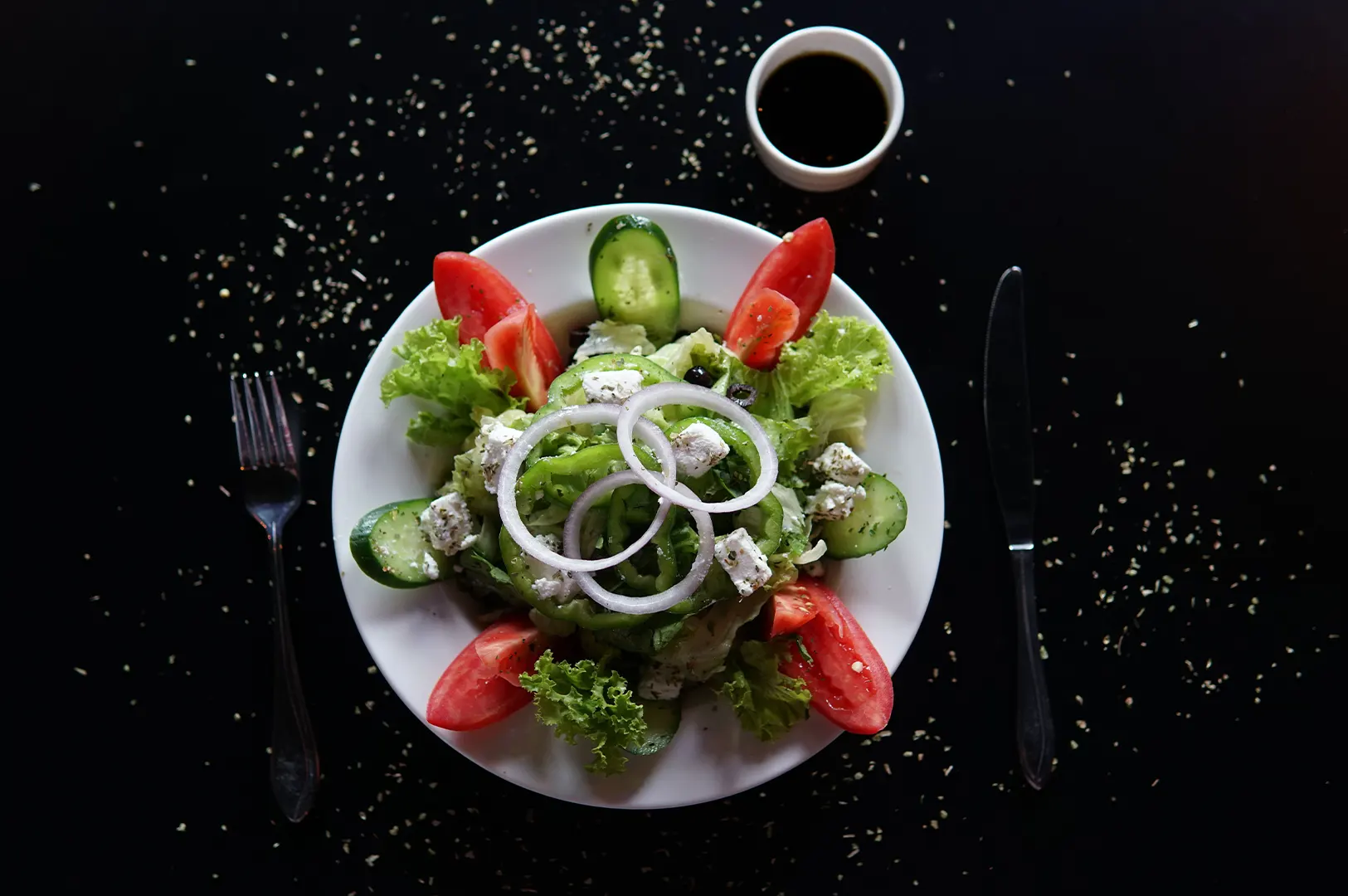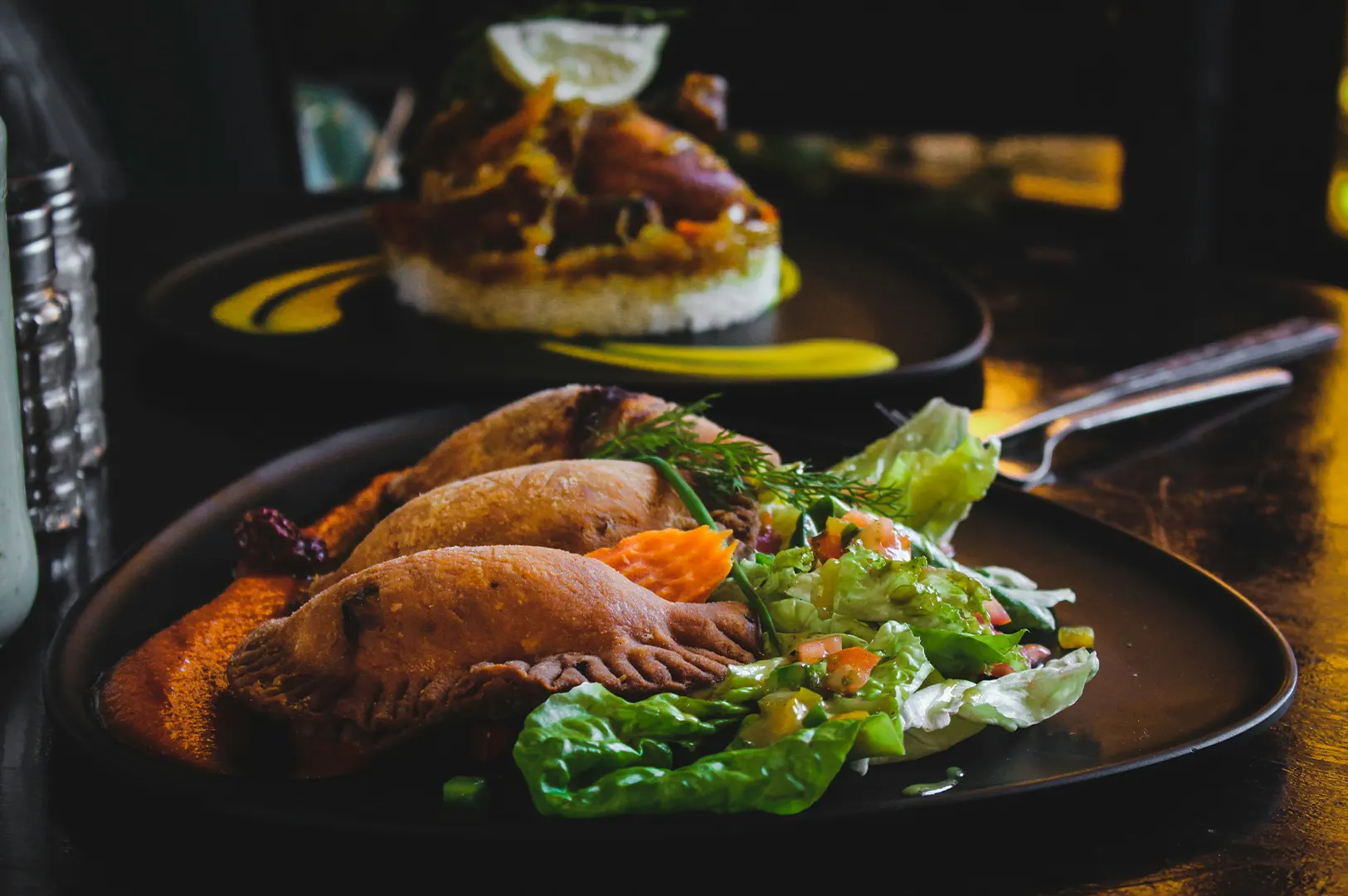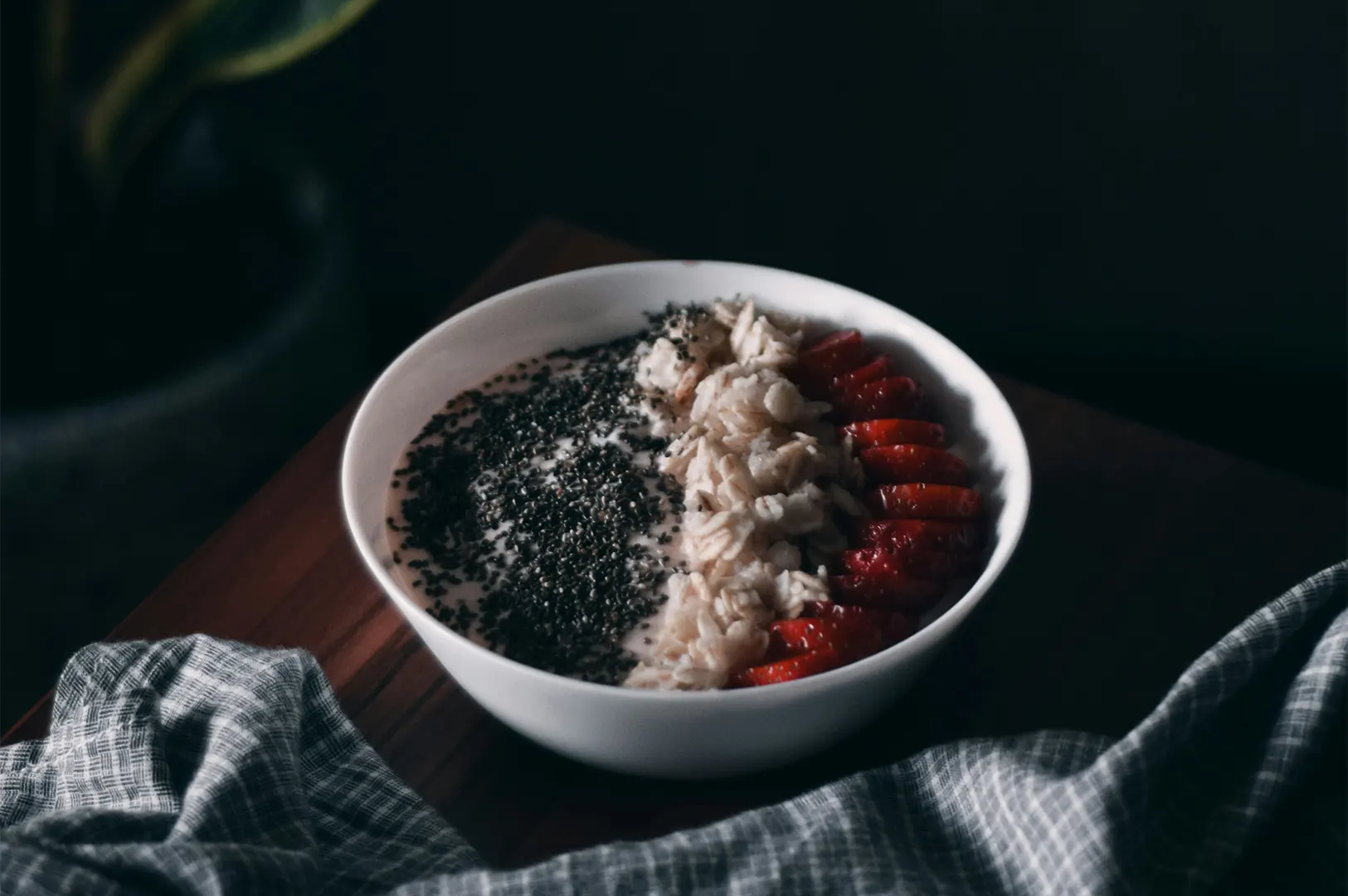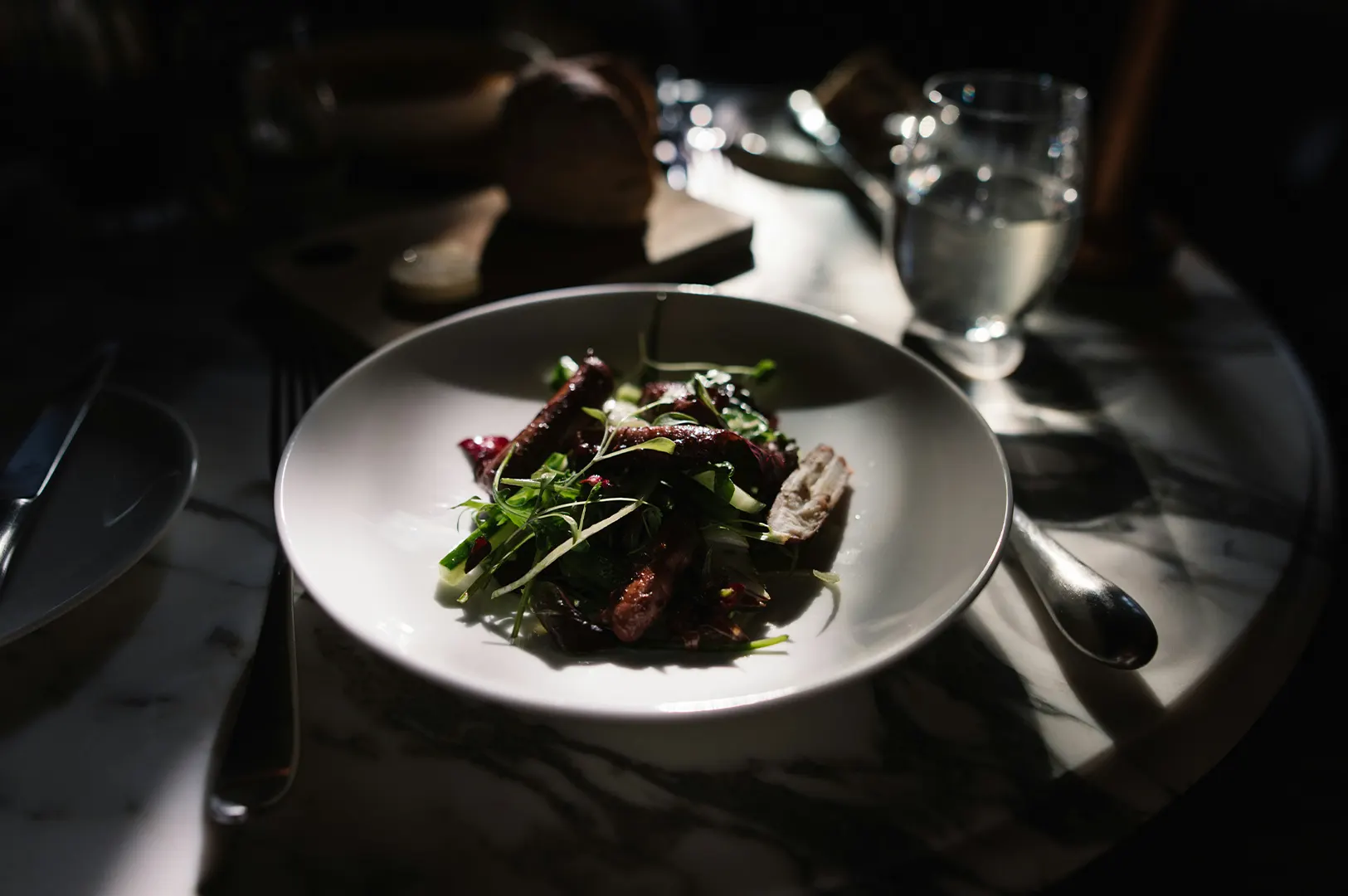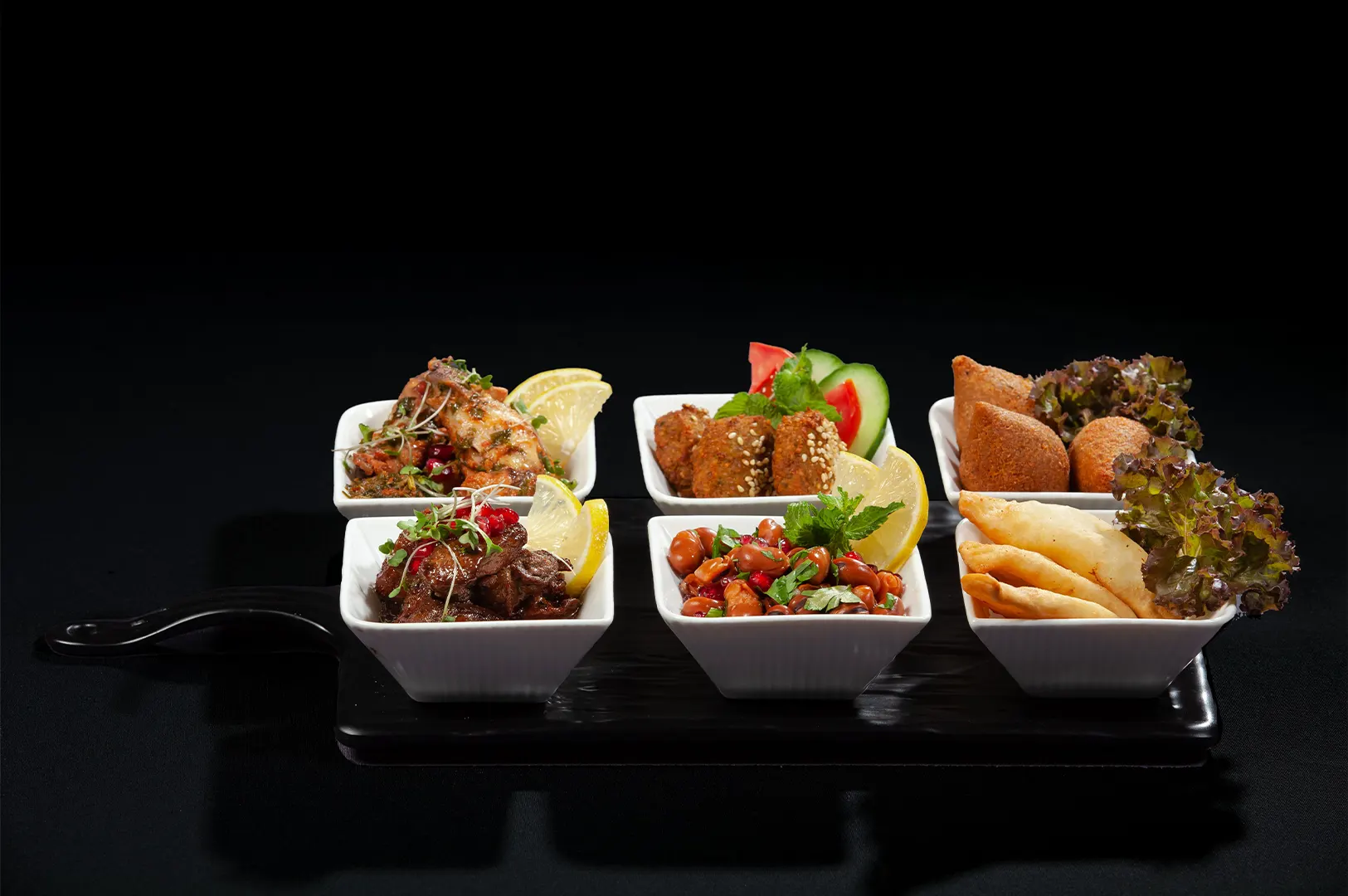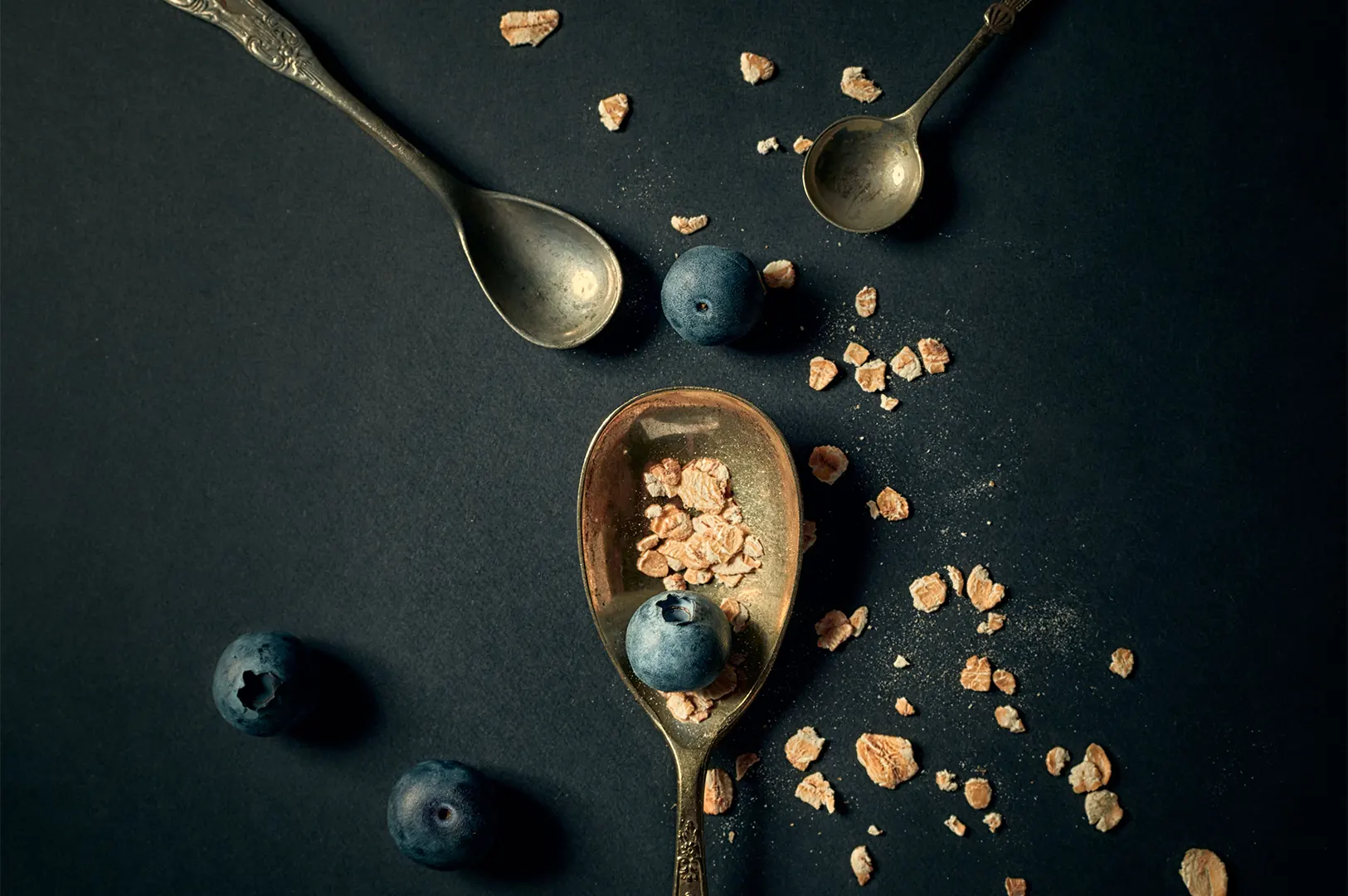
If you run a restaurant in Singapore, you already know the problem. You can cook a dish perfectly, serve it beautifully, and still lose the scroll because your photos do not translate on a phone screen. Even worse, you might have great photos but only use them once. One post, one week of “nice content,” then you are back to scrambling during service for something to upload.
This is where restaurant social media photography stops being about “taking pictures” and starts being about building a system. The restaurants that look consistently sharp online are rarely shooting more than everyone else. They are simply getting more mileage out of each shoot through content repurposing.
We see this pattern across Singapore, from cafés in Tiong Bahru to busy zi char spots and new openings in the CBD. The brands that grow faster are the ones who can reuse the same visual assets across Instagram, Google, delivery platforms, and their own website without it feeling like the same post repeating forever.
If you want the broader foundation for how restaurant visuals should work as a complete system, this article ties it all together: Restaurant Photography Singapore: A Practical Guide For F&B Owners Who Want Photos That Sell
Why Restaurant Social Media Photography Needs a Different Mindset
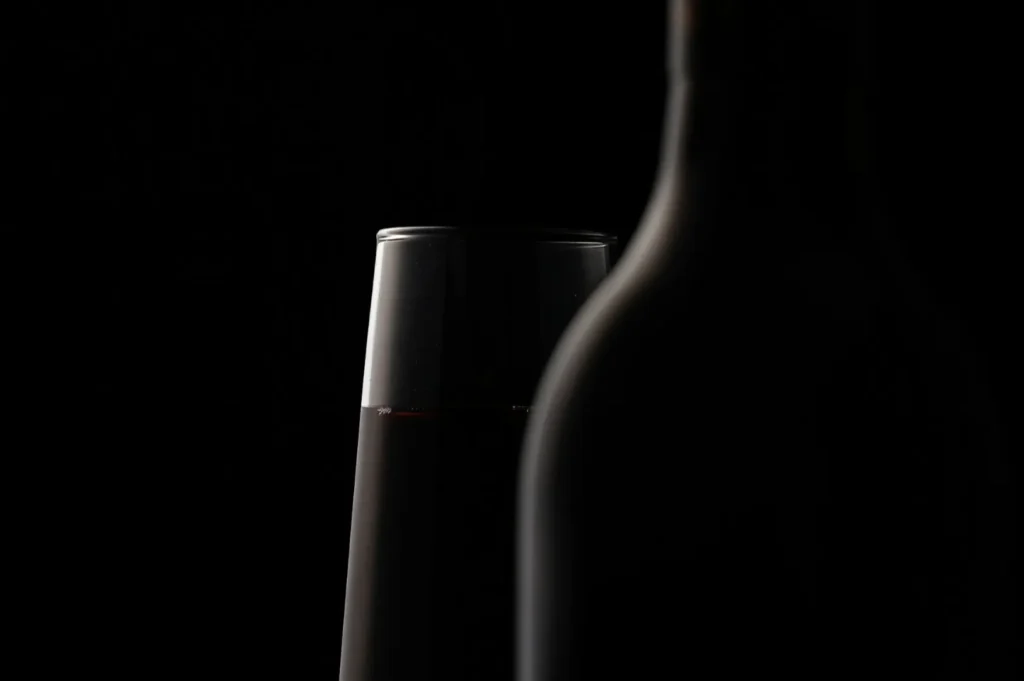
Traditional “nice photos” are not enough anymore. Social feeds reward consistency, clarity, and variety. The key word is variety, but not the kind that breaks your brand.
In restaurant marketing, variety usually comes from four sources: The dish, the process, the people, and the space.
Most teams only photograph the dish, usually from one angle, under whatever light is available, and they call it content. That is why the feed starts to feel flat after two weeks. The audience sees the same frame again and again, even if the menu changes.
Good restaurant social media photography is designed to create multiple usable outputs in one session. It gives you options: a clean hero image for your grid, a tighter texture shot for a story, a quick vertical crop for a Reel cover, and a behind-the-scenes moment that makes the brand feel human.
This is the mindset shift. You are not “taking photos for Instagram.” You are creating a content library that can feed every platform you rely on.
Content Repurposing Is Not Recycling. It Is Repackaging.
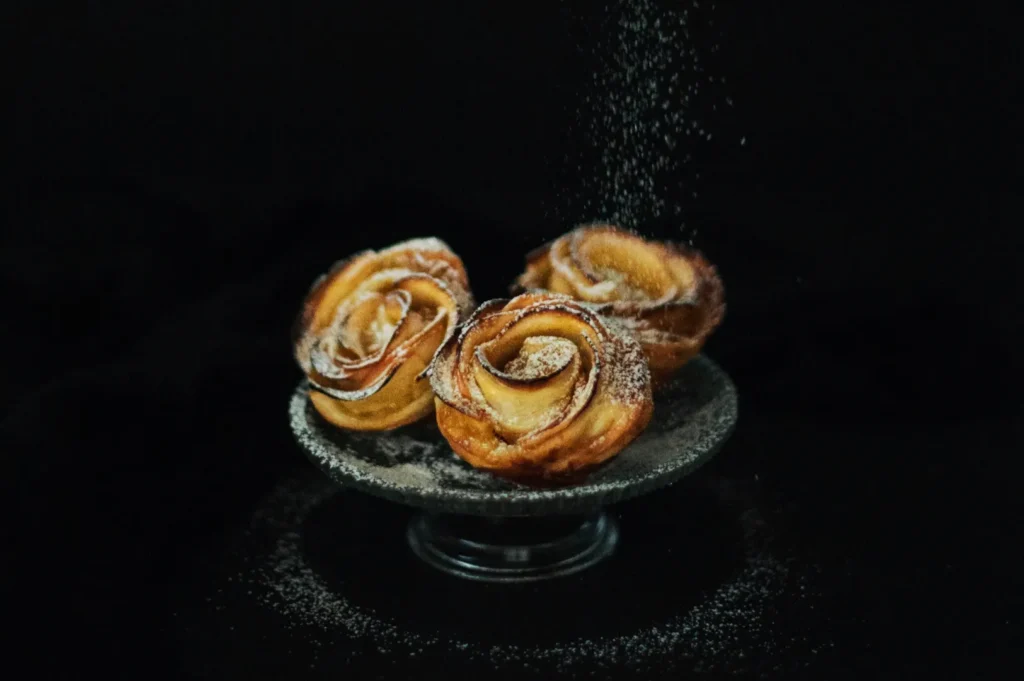
A lot of restaurant owners hear “repurpose” and imagine reposting the same image with a different caption. That is not what we mean.
Good content repurposing starts earlier, during planning. It is the difference between a shoot that produces 10 images and a shoot that produces 10 images that can become thirty different pieces of content.
Here is the simplest way to think about it.
One dish can be photographed as:
- a menu-style hero (clear, clean, trust-building)
- a texture close-up (crispy edges, glossy sauce, steam, melted cheese)
- a hands-in-frame moment (human scale and warmth)
- a process frame (plating, torching, pouring, pulling noodles)
- an environment frame (dish in the dining context, not floating in isolation)
Those are five different uses, even before you talk about cropping. When you add vertical and horizontal versions, your options multiply quickly.
That is why restaurant social media photography works best when you plan for repurposing, not when you shoot randomly and hope the images “fit” later.
The Singapore Reality: You Are Shooting for Small Screens First
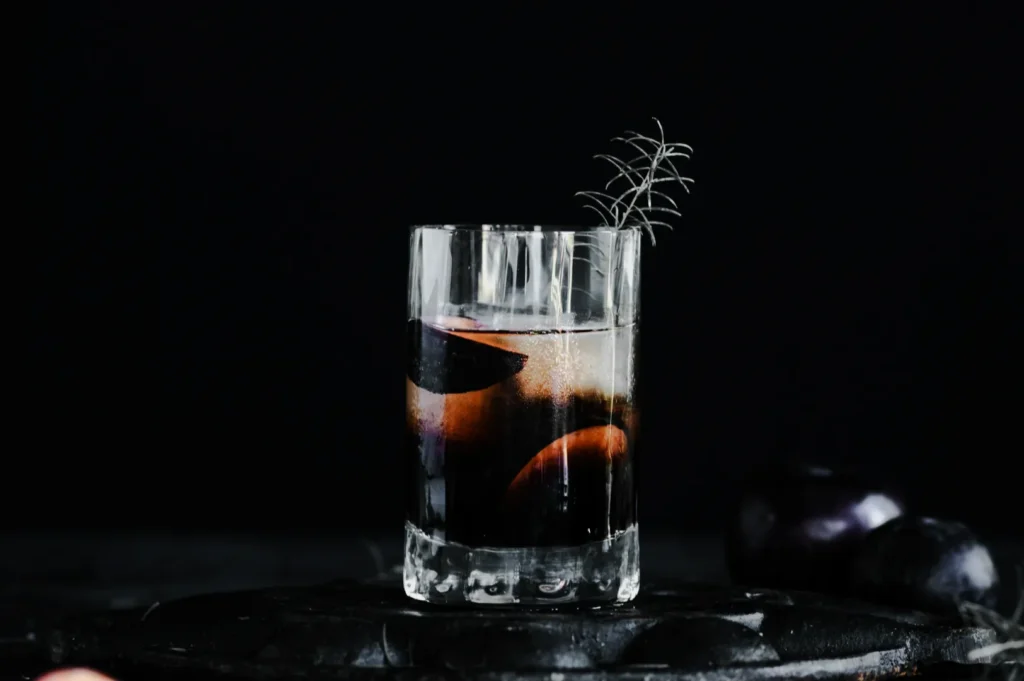
Singapore diners discover restaurants on phones. Even when they end up on a website, the first contact often happens on Instagram, Google or a delivery listing. That means your photos must survive small-screen viewing.
On a phone, customers scan for three things first: Portion clarity, texture cues, and overall mood.
If your photo does not show what the dish actually is, people hesitate. If your photo looks too dark or too stylised, they hesitate. If your dish looks tiny because the angle is wrong, they hesitate. These hesitations become lost clicks, lost orders, and lower confidence.
This is why repurposing matters. You want at least one image that sells clearly, and another that sells emotionally. You need both.
A Practical Shoot Approach That Makes Repurposing Easy
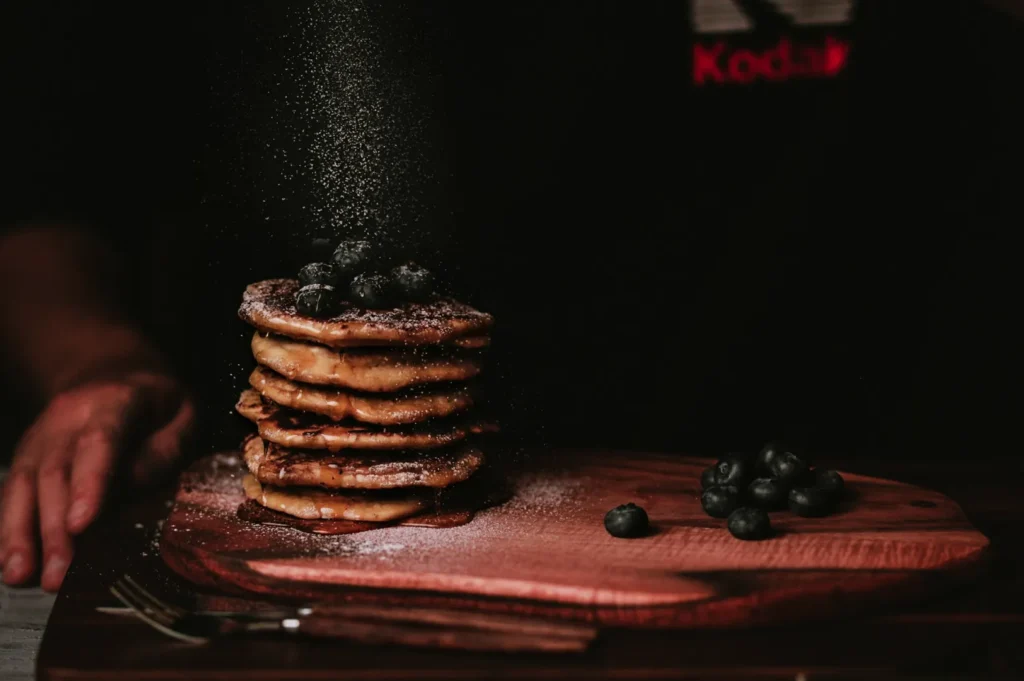
The easiest way to build a repurposable library is to structure your shoot like a small story.
Start with the “proof” shot. This is the clean image that looks good on menus and delivery thumbnails. Then move into the “desire” shots, the ones that create appetite through texture and mood. Finally, capture the “belief” shots, the ones that show real people and real process.
When we plan a session for Singapore F&B brands, we often sequence it this way because it matches how customers decide.
- They want to know what the dish is.
- Then they want to feel whether it is worth ordering.
- Then they want to trust you enough to spend.
That sequence also happens to be ideal for content repurposing. You end up with photos that work across every channel, without forcing one image to do everything.
Where Repurposed Content Goes, Without Feeling Like Copy-Paste
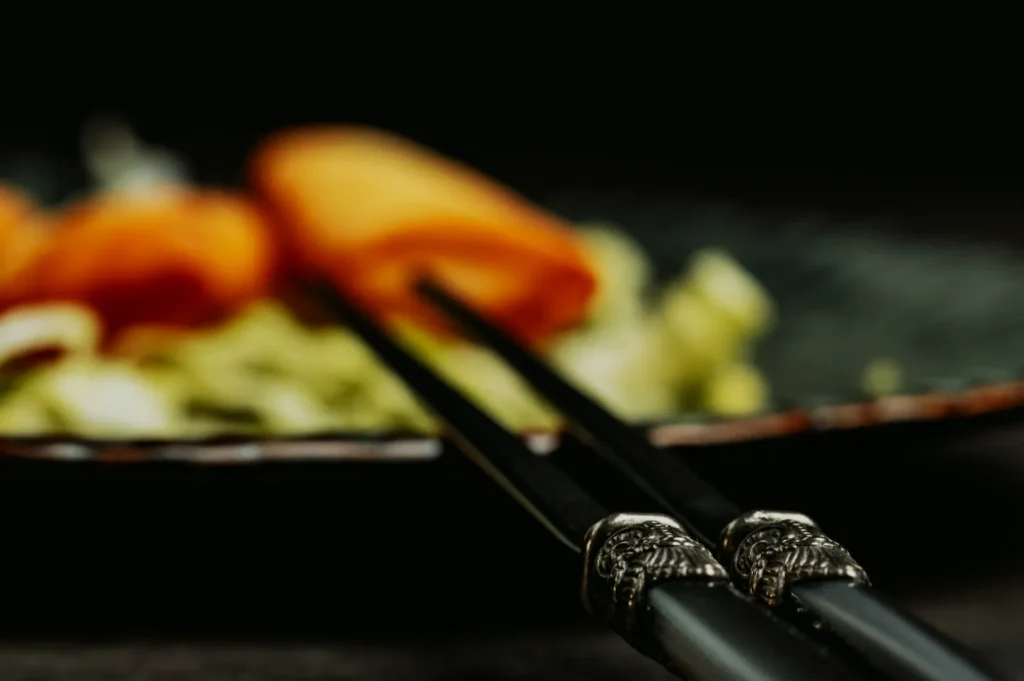
Instagram Feed vs Stories
Your feed is your shopfront. Stories are your daily conversation. Feed photos should be more intentional, because they stay. Stories can be lighter, faster, and more human. A single plating series can become a “today’s special” story, even if the hero image was posted weeks ago. The mistake is trying to make every story look like an ad. Stories work best when they feel like a real restaurant day, not a brand campaign.
Google Business Profile
Many restaurants forget this, but Google photos often influence decisions faster than your Instagram feed. The content that performs here is usually clear and trust-building. A dish photo that shows portion size and ingredient detail, a few interior shots, and a team photo that proves you are real. Repurpose your clean hero shots here, not your most dramatic ones.
Delivery Platforms
Delivery thumbnails reward clarity. If your images are too artistic, the food becomes unclear. This is where the “proof” shot matters most. Even if you shoot moodier content for branding, you still want at least one straightforward hero per key dish.
Website
Your website is where storytelling can slow down. Here, repurposing shines. The same dish images can be used as hero banners, menu blocks, and supporting story visuals. Your process shots become credibility builders. Your team photos become trust builders. You do not need new content, you need smarter usage.
This is why we always tell owners that content repurposing is not a hack. It is simply using your assets properly.
The Most Common Repurposing Mistake: Only Shooting “The Plate”
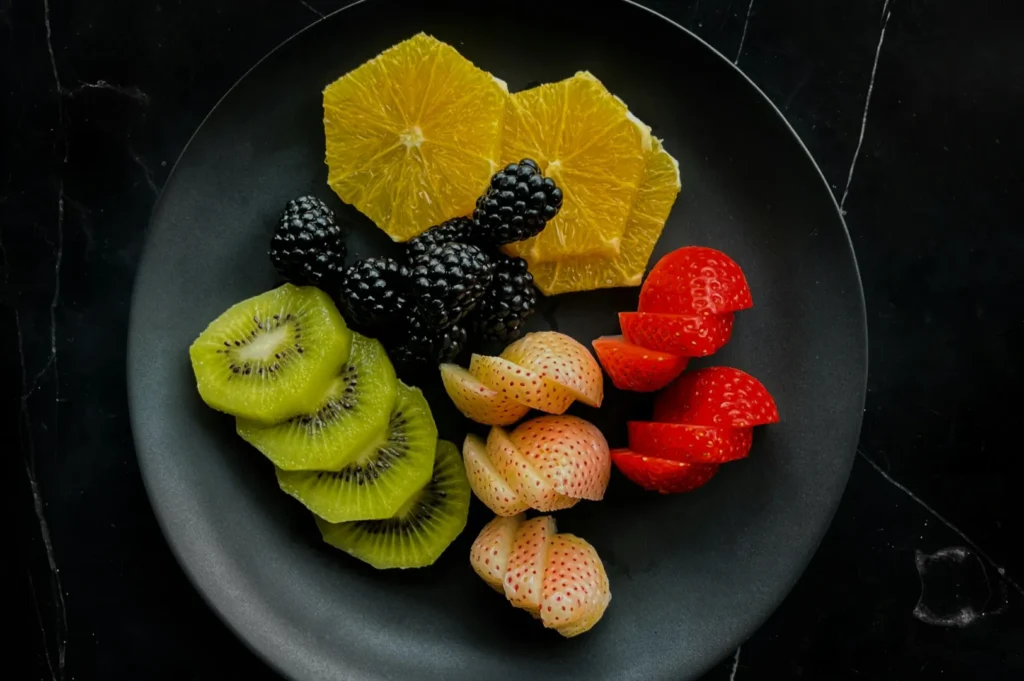
If your content library is only plated dishes, your feed will look repetitive even if the food is great.
To make repurposing work, you need at least three categories of visuals in rotation: Food, people, space.
People shots do not need to be staged portraits. They can be hands, a chef plating, a cashier calling out orders, a barista wiping the steam wand. These are tiny frames, but they make the restaurant feel alive.
Space shots do not need to be wide-angle interior photos every week. Sometimes it is a single corner table, your signboard, or the light hitting your entrance at 5pm. It makes the feed feel grounded in a real place, not just floating dishes.
When restaurants commit to this, their restaurant social media photography suddenly feels more premium, even if they are shooting with the same equipment.
A Time-Smart Workflow for Busy Restaurants
Most owners worry about time. Fair concern. You do not want your team spending hours photographing food during service.
A workable approach in Singapore is to batch-create content during calm periods. Some restaurants do it monthly. Some do it once per menu change. Some do it quarterly and then top up with quick daily stories.
If you are doing it internally, the simplest routine is:
- Choose 5 – 8 hero items, shoot them properly once, then capture supporting process and environment frames in the same session.
- That gives you a content bank that can last weeks without forcing the team to “create content” every day.
If you are working with professionals, you can plan your session so you leave with a full set of assets that cover menu, brand, and social needs at the same time. That is usually where the value is, not in chasing one-off posts.
Repurpose Like a Restaurant That Thinks Long-Term
Good restaurant social media photography is not about being trendy. It is about being consistent, clear, and credible in a market where diners decide quickly. And good content repurposing is not about repeating yourself. It is about packaging the same brand story in different ways so it feels fresh across platforms.
If you want results without the learning curve, professional food photography services exist for a reason. A well-planned shoot can give you a library of dish, team, and ambience visuals that your marketing can draw from for months. At Food Photographer Studio, we shoot with repurposing in mind, so you do not just get “nice photos,” you get usable assets built for how Singapore diners actually browse, decide, and order.