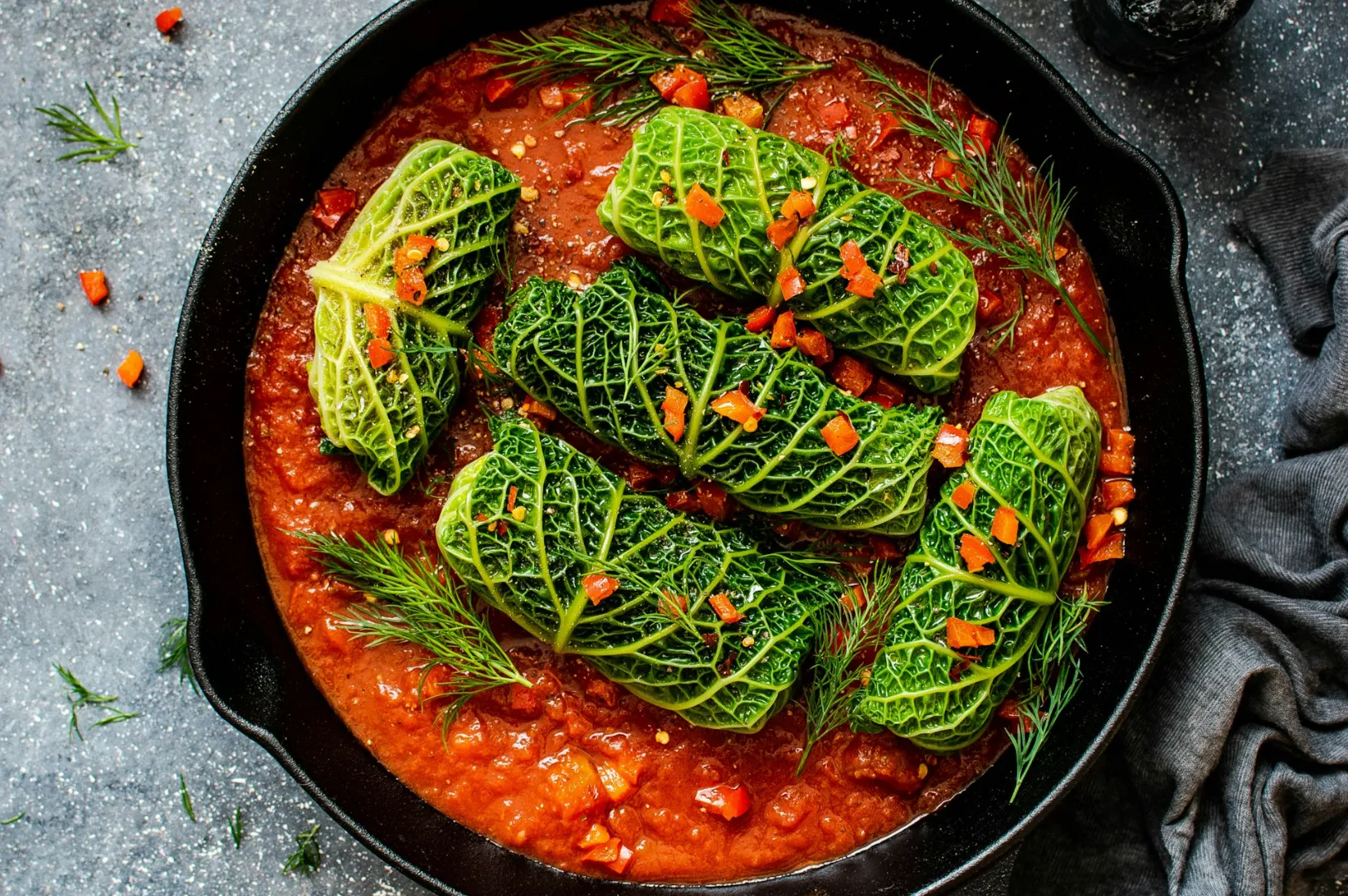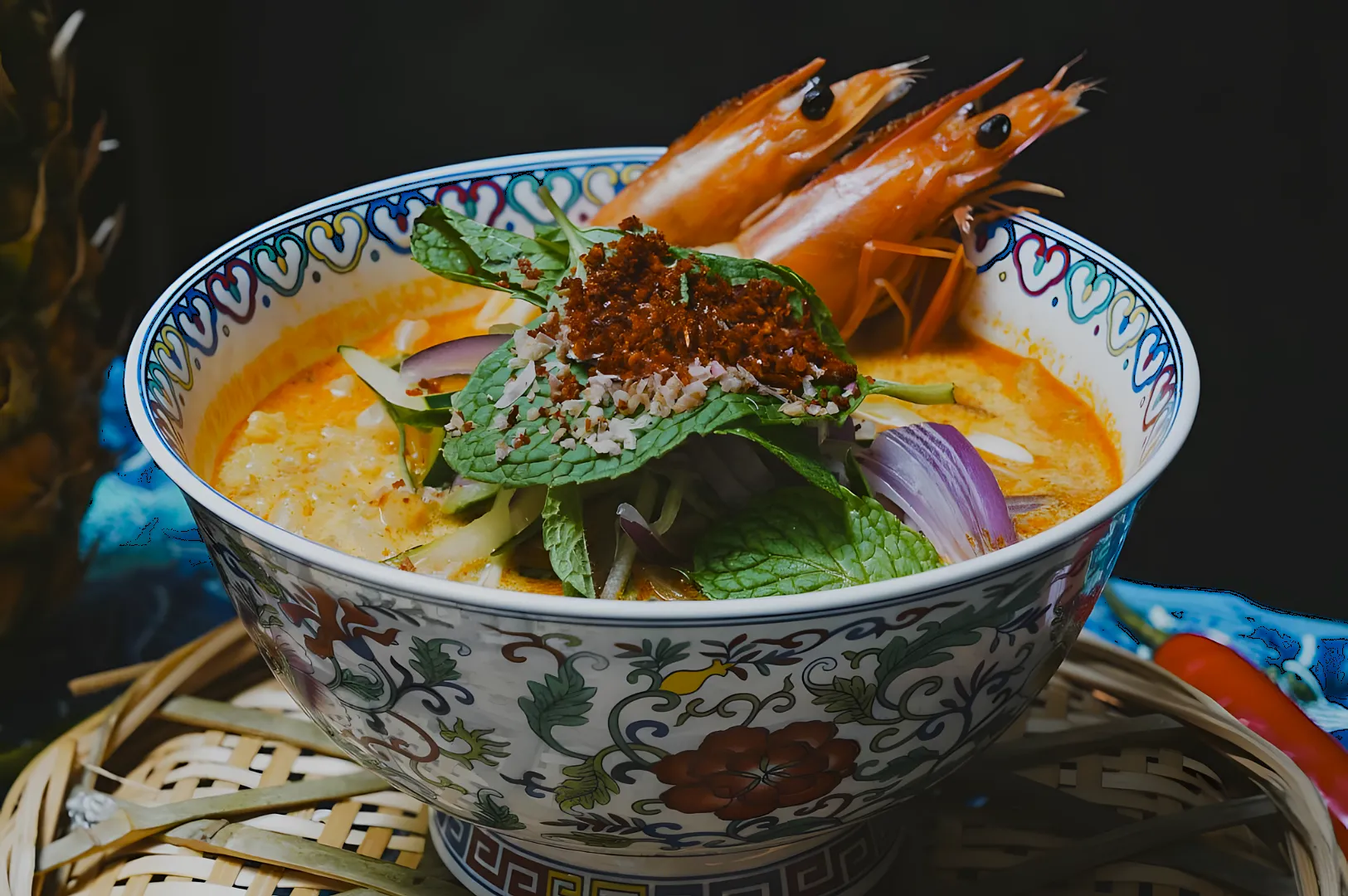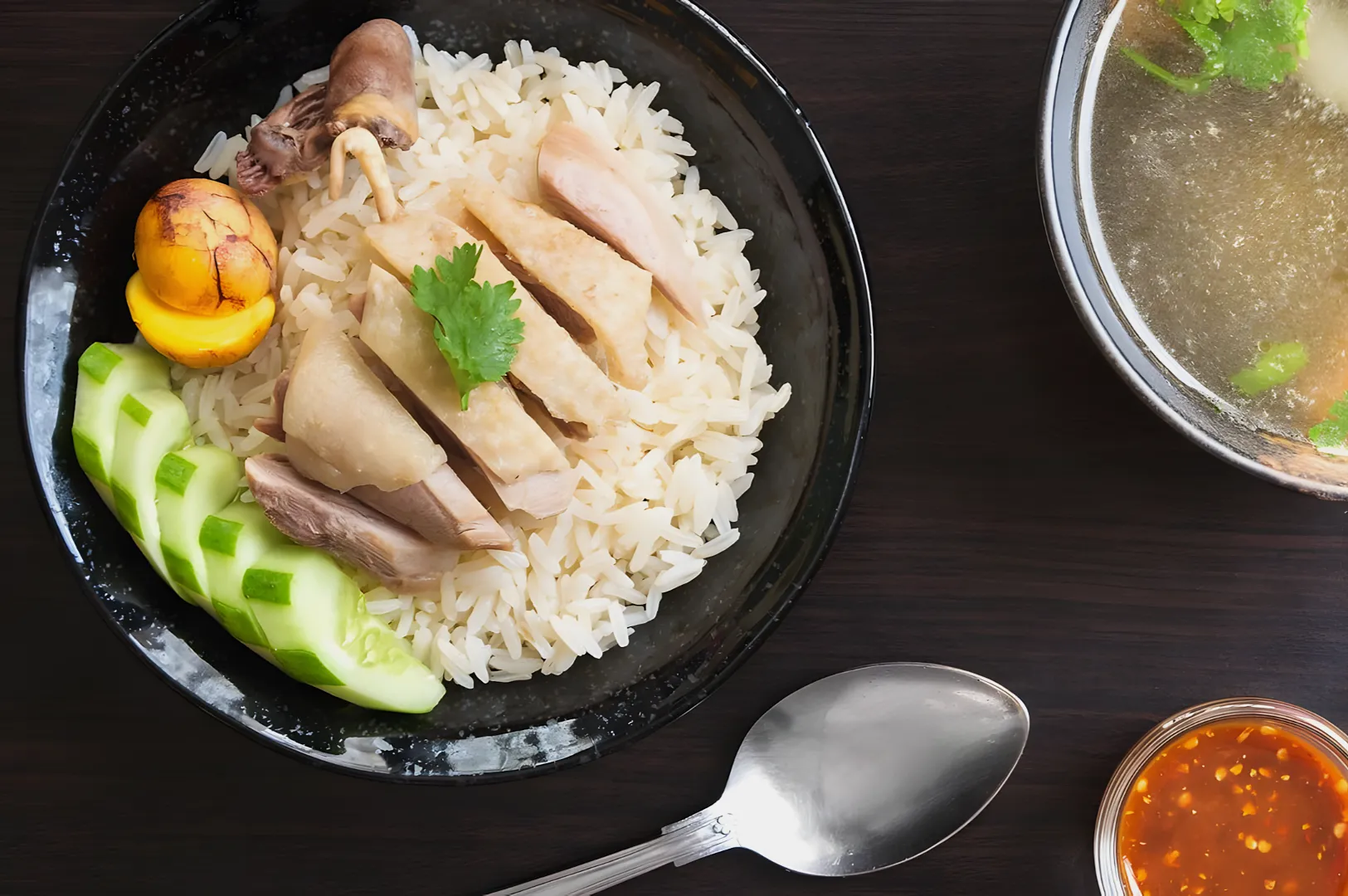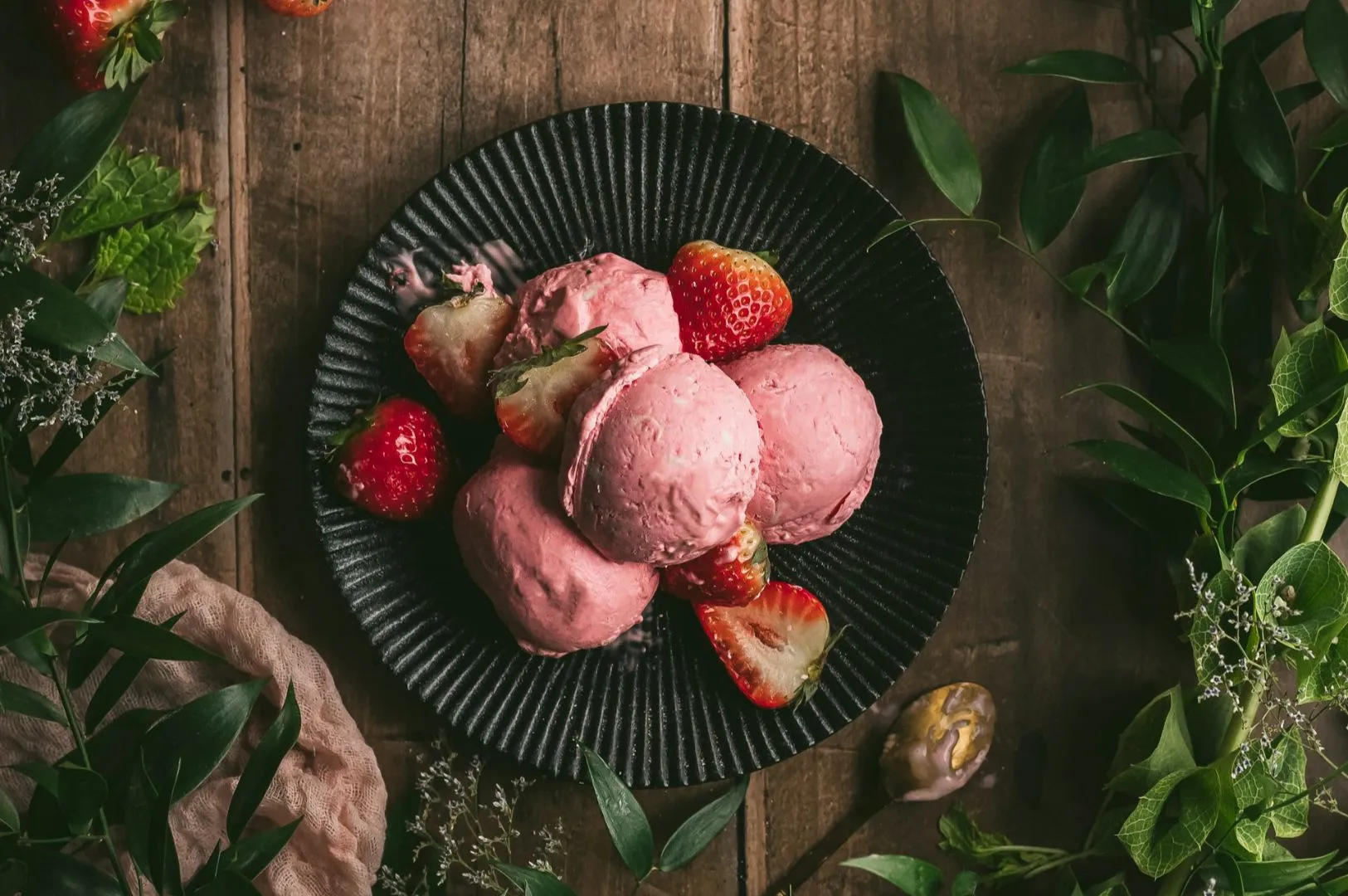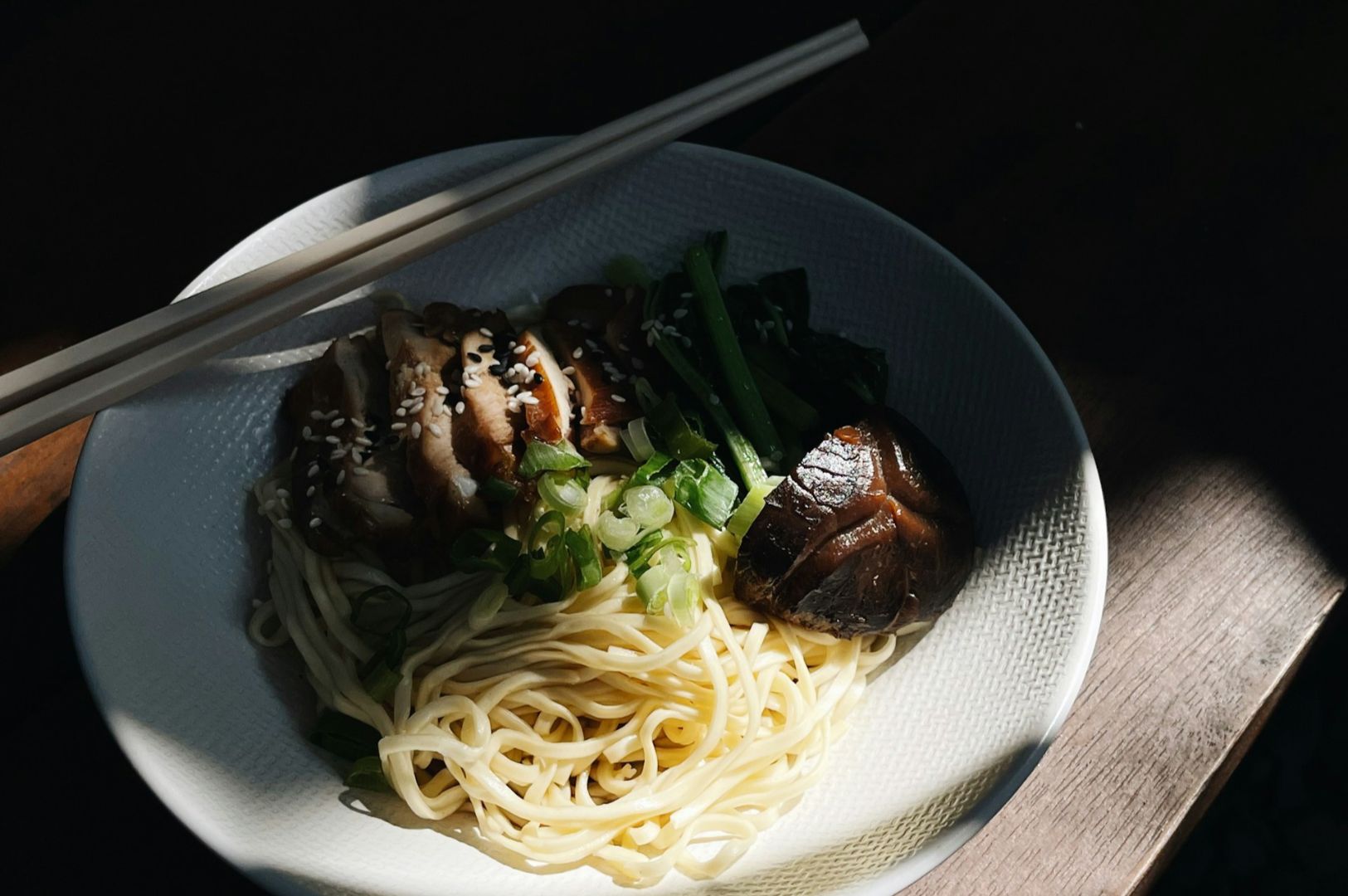
Imagine a perfectly plated dish of Chili Crab, vibrant and saucy. Now, imagine it cramped in a frame filled with napkins, drinks, and cutlery. It feels chaotic, right? Now, picture that same dish sitting alone on a clean, dark wooden table with plenty of room around it. Suddenly, the crab looks heroic, appetizing, and expensive. This is the power of negative space.
What is negative space in photography? Put simply, it is the empty space or area surrounding the main subject in an image. It acts as breathing room for your eyes, allowing the viewer to focus entirely on what matters most, the food. In the fast-paced world of Singapore’s F&B scene, where social media feeds are cluttered with noise, mastering negative space photography helps your images cut through the chaos. It enhances visual impact, creates elegance, and is a crucial skill for any food photographer looking to elevate their portfolio.
Understanding Negative Space and Positive Space
To truly grasp this concept, we need to understand the relationship between positive and negative space.
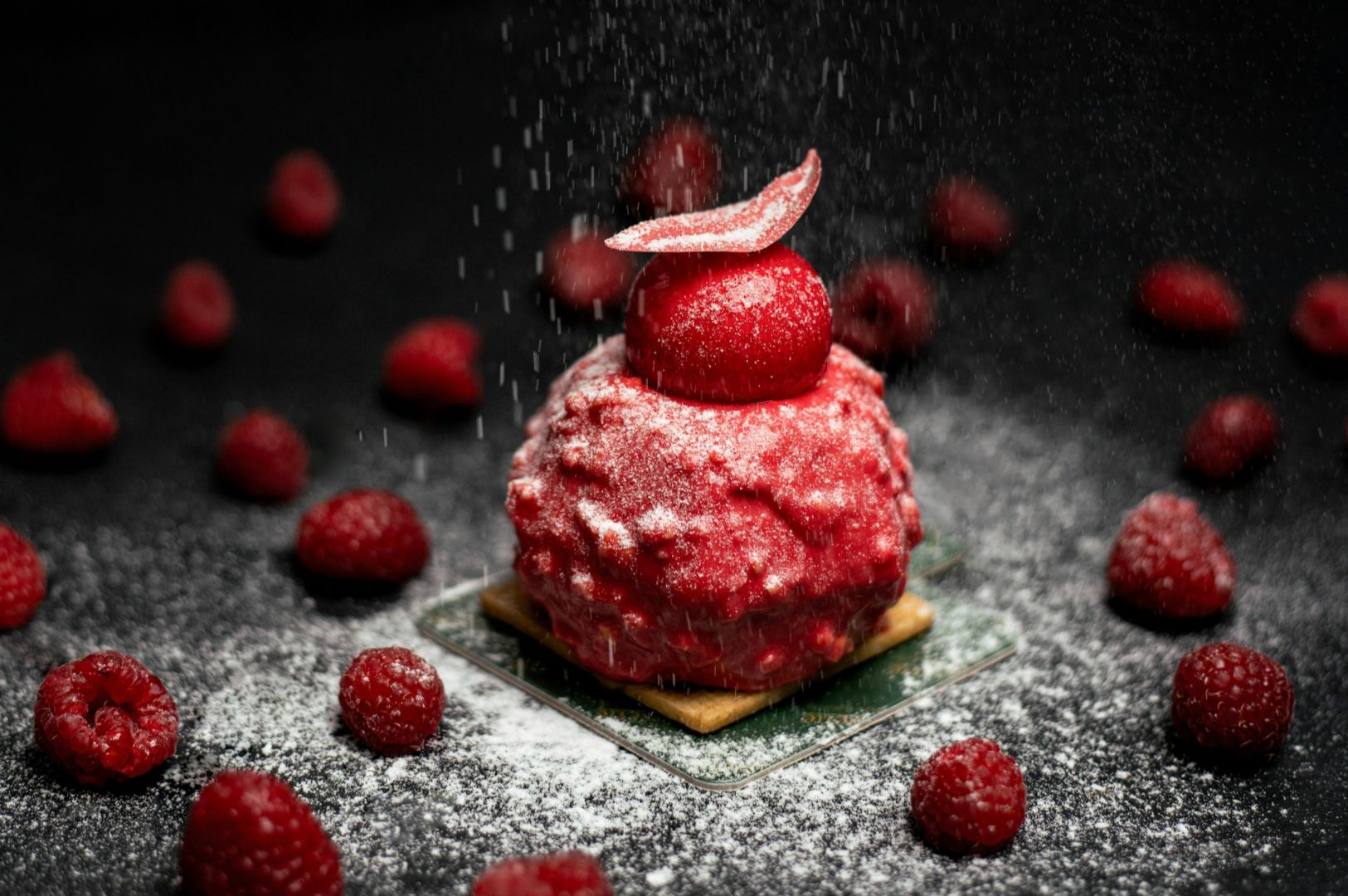
Positive space refers to the main subject of your photo, the burger, the cocktail, or the slice of cake. It is the focal point where the visual weight lies. Negative space, on the other hand, is the blank space or space surrounding that subject. It doesn’t have to be white or empty; it can be a textured table, a blurred background, or a dark shadow.
Think of positive and negative space as a dance partner; they work together in photographic composition to tell a story. For example, if you place a small, delicate macaron (positive space) in the center of a large, empty marble slab (negative space), the vastness of the empty area emphasizes the daintiness of the pastry. The space surrounding your subject dictates how the viewer interacts with it. Without enough negative space, the positive space can feel suffocated. When balanced correctly, the negative space pushes the viewer’s attention directly to the food, making the dish the undeniable star of the show.
How Negative Space Affects Food Photography
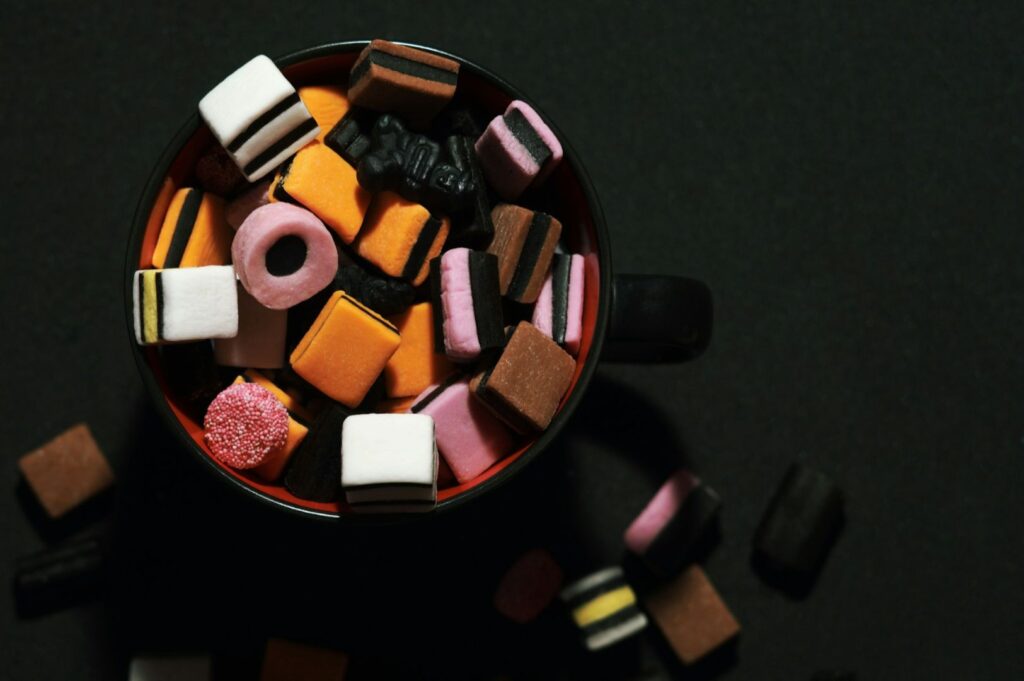
Why does this technique work so well? The psychology behind how negative space influences perception is fascinating. By surrounding a subject with emptiness, you are essentially removing distracting elements that might pull the focus away.
Negative space affects the viewer’s eye by creating a clear path to the focal point. It provides visual balance and allows the main focus, your delicious culinary creation, to breathe. In food photography, this “breathing room” is often what separates a snapshot from a professional image.
Negative space photos often feel more luxurious and sophisticated. A cluttered image can signal “messy” or “cheap,” whereas an image with ample white space or empty area signals intentionality and high value. This technique helps the subject stand out, making the food look more appetizing.
Furthermore, you can use negative space to evoke emotions and tell a compelling story. A lone cup of coffee surrounded by vast, moody shadows might evoke a sense of quiet morning solitude. Conversely, a bright, airy composition with plenty of white space can feel energetic and fresh. By controlling the space, you control the narrative, ensuring your striking images resonate with your audience on an emotional level.
Negative Space in Photography: Technical Implementation
Implementing this technique requires more than just zooming out. It involves deliberate choices in camera angles, framing, and depth.
Camera Angles and Framing
The overhead shot (flat lay) is a favorite for negative space work. It allows you to easily position a plate in a corner or off-center, leaving the rest of the frame as a canvas of negative space. However, different angles offer varied effects. Shooting at a 45-degree angle allows you to use the background behind the dish as your negative space.
Composition Techniques
The Rule of Thirds is a good rule to follow. Instead of placing your subject dead center, try placing it in a certain direction, perhaps the bottom right third, and leaving the rest of the frame empty. This asymmetry creates dynamic tension and interest.
Working with Shallow Depth of Field
You can create negative space using a shallow depth of field. By using a wide aperture (low f-stop number), you can blur out the background. This turns a busy kitchen or dining room into a wash of color and light, effectively transforming it into abstract negative space. This forces sharper focus on the main subject while the blurry background provides the necessary breathing room.
Managing Visual Weight
Balance is key. A small subject (like a single truffle) can be balanced by a generous amount of empty space. However, if the subject is too large, the remaining space might feel squeezed rather than intentional. Consider lighting as well. Hard light creates distinct shadows that can act as geometric negative space, while gentler shadows provide a softer transition between the elements. Sometimes, you must physically move props out of the frame to create the desired effect.
Negative Space Photography Tips for Food Styling
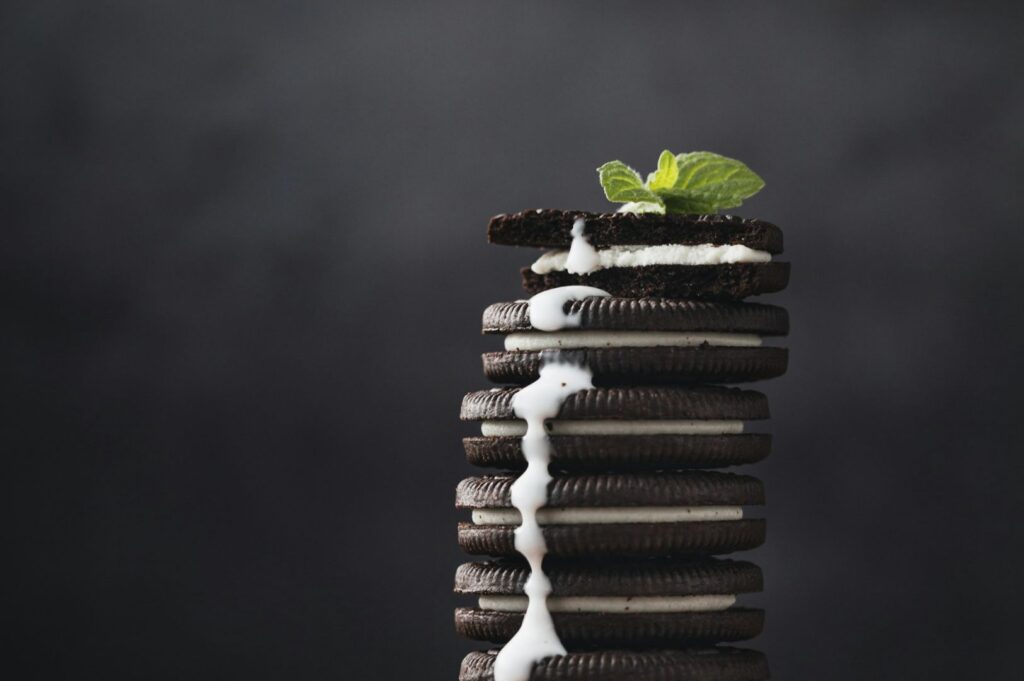
As F&B professionals, you can master negative space photography tips through smart styling choices.
Surface Selection: The background is your canvas. Choose surfaces that add texture without demanding attention. A matte wooden board, a piece of slate, or linen fabric can enhance the mood. These textures ensure the empty area isn’t boring, but they remain subtle enough that they don’t distract.
Different Compositions: Experiment with a lone figure composition. A single beautiful cocktail on a long bar counter speaks volumes about elegance. Conversely, if you have multiple elements (like a spread of dishes), ensure there is enough space between them so they don’t merge into one visual blob.
Vertical Formatting: For Instagram and TikTok, you often need more negative space at the top and bottom of the frame to accommodate UI elements (text, buttons, logos). Negative space photographers always plan for this empty area before shooting.
Strategic Usage: Negative space images are highly versatile. The empty space is perfect for overlaying text for menu covers, website banners, or social media announcements. When you plan your food styling, think about where the text will go.
Negative Space Work Across Photography Genres
While the principles are similar, negative space work varies across genres.
In portrait photography, the negative space usually highlights the subject’s form or gaze, often to convey isolation or contemplation. In street photography, the negative space provides environmental context, a tiny person against a massive architectural wall creates a sense of scale.
In food photography, we adapt these principles differently. The subject is static, so we have total control over the composition. Unlike a moving person on the street, we can rearrange the crumbs and the napkins until the balance is perfect. In commercial food photography, this breathing room matters even more because it usually serves a commercial purpose (ad copy). Negative space is a powerful tool in product work, transforming a simple plate of pasta into a work of art suitable for a billboard.
Common Mistakes with Negative Space Photos
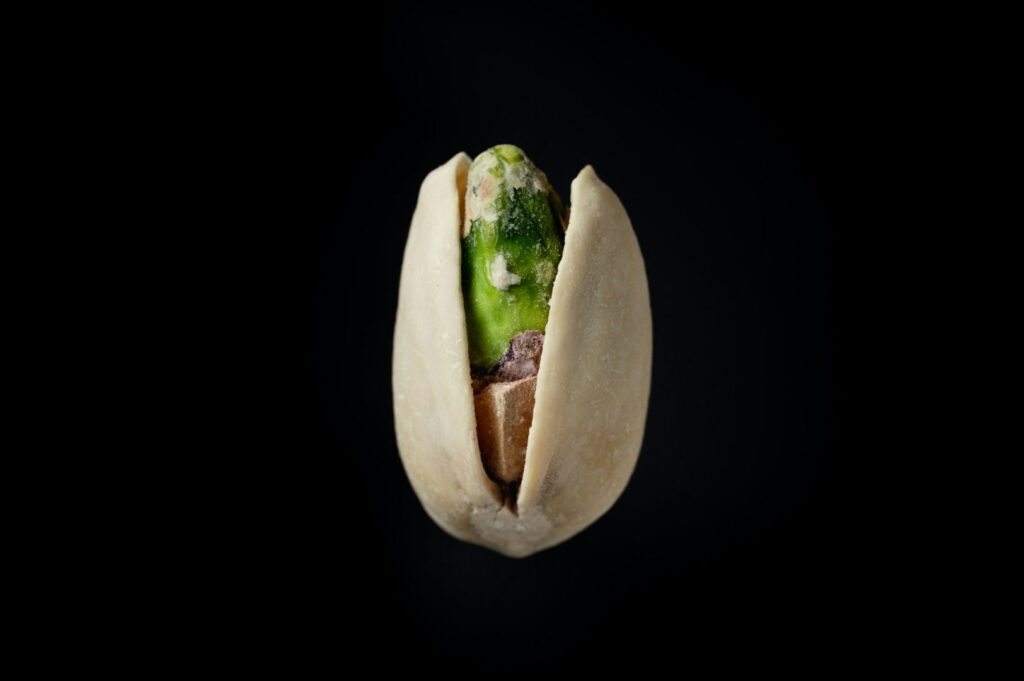
Even experienced photographers can struggle with balance. Here are common pitfalls to avoid.
Too Much Empty Space: While space is good, too much can make the dish look insignificant or lost. If the main subject is a tiny speck in a vast void, the viewer might wonder what they are supposed to be looking at.
Wrong Placement: Placing the subject too close to the edge of the frame without purpose can make the image feel accidental, as if the camera slipped. The space surrounding the food needs to feel intentional.
Inconsistent Branding: If your Instagram feed is usually cluttered and colorful, suddenly posting stark, minimalist negative space photos might confuse your audience. Ensure the style fits your brand identity.
Competing Elements: Including two elements that compete for attention defeats the purpose. If you have a prop that is as bright or large as your food, the viewer’s attention will ping-pong between them.
Lack of Focus: Failing to maintain sharper focus on the main dish while relying on background blur can result in a messy image. The negative space should be soft, but the positive space must be crisp.
Mastering Negative Space: Professional Applications
Master negative space and you unlock a new level of professionalism. Many photographers use this technique strategically to draw the eye exactly where they want it. It allows for the creation of stunning images that balance artistry with commercial appetite appeal.
For F&B brands in Singapore, negative space images offer immense photographic possibilities. A photo with ample space is a marketing asset; it’s a header image, a story background, and a menu cover all in one. A good rule of thumb for commercial shoots: when in doubt, leave more space than you think you need. You can always crop in later, but you cannot add space that wasn’t there.
Conclusion: Other Elements of Great Food Photography
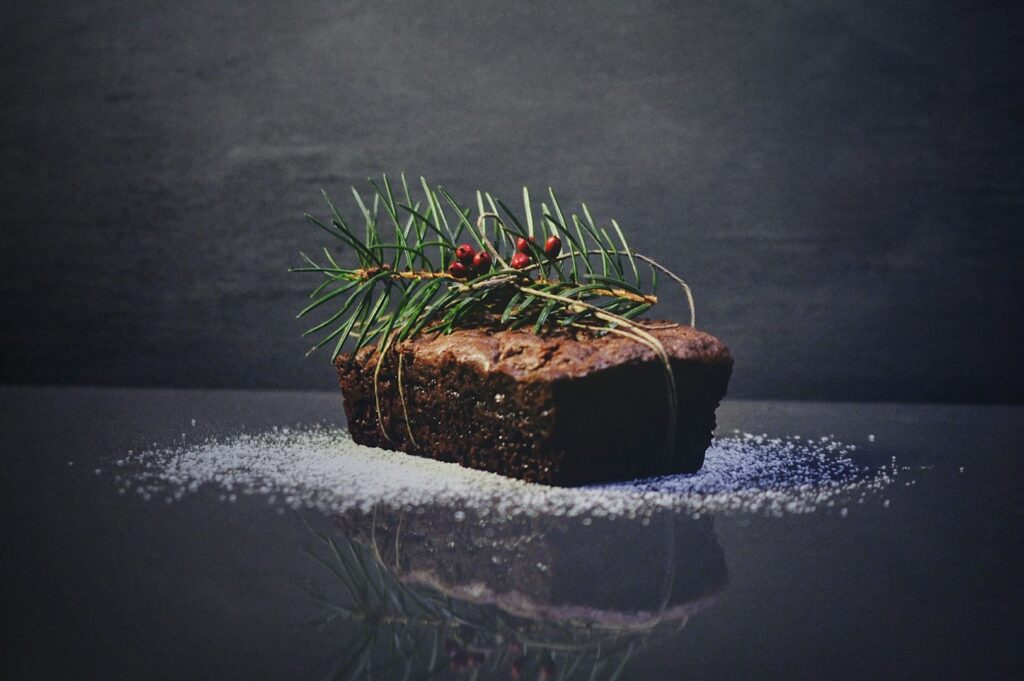
Ultimately, understanding what is negative space in photography is about mastering the sense of balance in your photo composition. It’s one of the essential other elements that transforms a good photo into a truly striking one. We encourage you to experiment with different compositions and angles, push your subject to the side, clear the table, and notice how the image changes.
But choosing the right approach is only part of the story. Bringing your F&B brand to life in every frame requires more than a basic understanding, it demands real expertise behind the lens. At Food Photographer Studio, we exemplify what it means to be a great photographer in Singapore’s F&B space. If you’re seeking food photography that goes beyond the ordinary to evoke emotion, tell your story, and produce real business results, trust us to lead the journey.