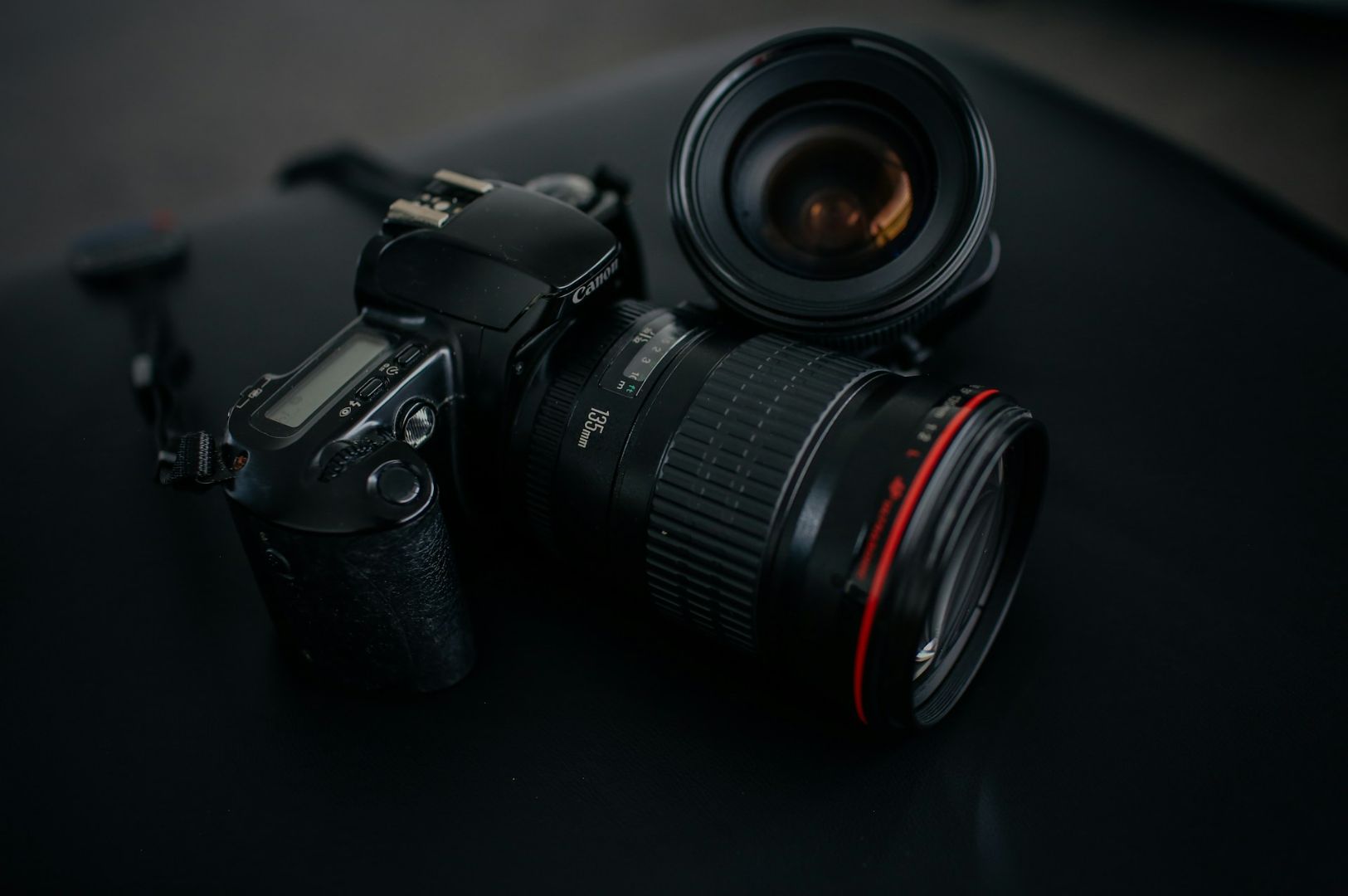
Walk into any Singapore restaurant today and you’ll see it: someone is taking pictures, a staff member snapping the lunch set, a customer filming the first bite, a chef grabbing a quick shot before service starts. With powerful cell phone cameras everywhere, the ability to capture images is no longer rare.
So the real question isn’t “can we take a photo?” It’s what photo definition actually means in a professional context, and why it still matters as a service, a business tool, and an art form.
In the present day F&B landscape, photography isn’t defined by owning a better digital camera. At Food Photographer Studio, it’s defined by intention, consistency, and where the photographic image needs to perform: menu, delivery platform, website, or brand storytelling. The same dish can require documentary photography one day, commercial photography the next, and even art photography when the brand needs a point of view.
Digital Photography and the “Good Enough” Disruption
Not long ago, food shoots felt like a specialist craft. You needed technical skill, a good camera lens, control over shutter speed, and often a dark room workflow with photographic paper and chemicals. The photographic technique itself was a barrier.
Then digital photography removed the darkroom problem. And smartphones removed the gear barrier entirely. Now, capturing light is instant. You can take ten shots, pick one, apply post processing, and publish in minutes.
Instagram accelerated the shift. “Real” images (slightly imperfect, clearly from everyday life) often outperform polished studio work when the platform rewards speed and frequency. That’s why many hawkers and independent cafés rely on own photos as a full visual strategy.
This is also why “what is photography” needs a more practical framing:
What Is Photography When Amateur Photos Work (And Why)
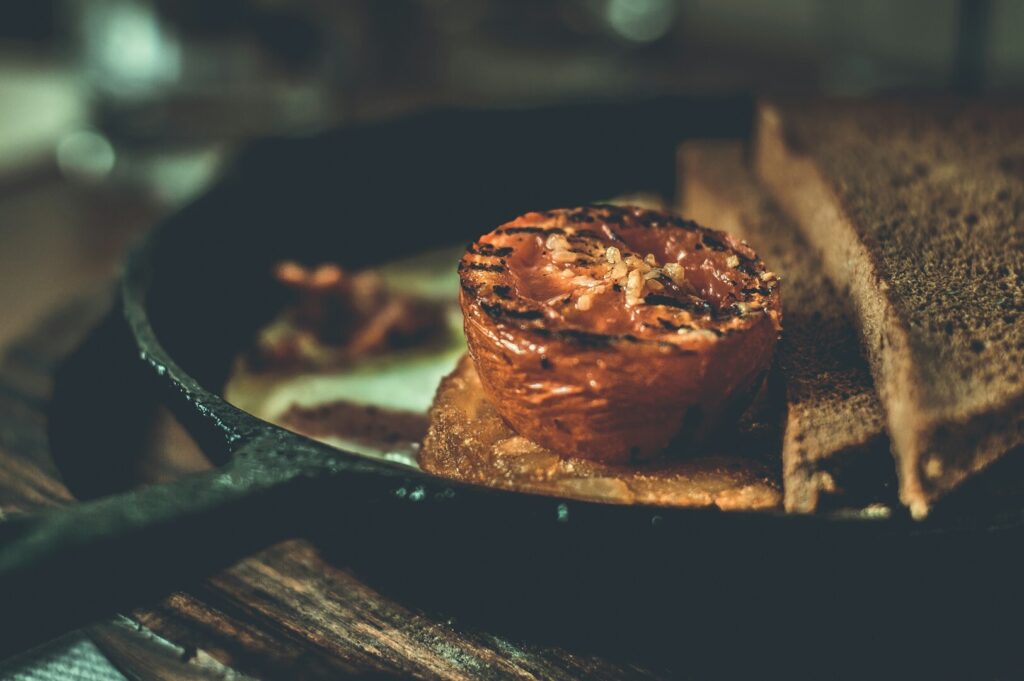
It’s tempting to dismiss smartphone photography, but that’s a mistake. There are contexts where amateur content isn’t just “good enough”: it’s the right tool.
Authenticity and everyday life
UGC works because it feels unforced. A customer’s photo of bak chor mee at peak hour, with a crowded background and a bit of chaos, can feel more believable than a spotless, controlled set. That’s the strength of informal documentation: it reflects everyday life.
Speed, volume, and platform behaviour
For Stories, Reels, and daily updates, “good now” beats “perfect later.” A fast photo of today’s curry fish head special can outperform a delayed professional shoot simply because it’s timely.
The “unfiltered reality” advantage
Some cuisines read better with a documentary feel. Hawker food often benefits from “realness”: steam, movement, worn tables, fluorescent light. Over-styling can make the food feel less true.
This is where documentary photography overlaps with food marketing: it builds trust by showing reality.
Commercial Photography and the Threshold Where Amateur Fails
There are also moments where “good enough” quietly costs sales. This is where understanding what is photography becomes a business decision.
Critical business touchpoints
These are the places where images must carry weight:
Menu (print and digital)
Delivery platform listings
Website hero banners
Paid ads and key campaigns
Signature dish “hero” images
If the photo looks low-effort, customers assume the same about the food. Premium concepts especially can’t afford that mismatch.
Technical limits: low light, motion, and control
Smartphones are impressive, but physics still applies. In low light, small sensors struggle. You get noise, softer detail, and more missed focus. Fast action (pouring, tossing, steam moments) needs predictable control over shutter speed, exposure, and sometimes focal length.
A professional doesn’t just “take a nicer photo.” They control the light source, shape highlights, manage reflections, and keep the final image consistent across multiple dishes.
Consistency at scale
One dish? You might manage. Thirty dishes across multiple sessions? That’s where amateur workflows break.
Professional commercial photography is often less about one perfect shot and more about repeatable quality: same angles, consistent colour, reliable styling, and a cohesive look across the entire menu. At that point, the photographic image becomes a strategic asset.
Art Photography and Photographic Art in Food: Where “Sales” Isn’t the Only Goal
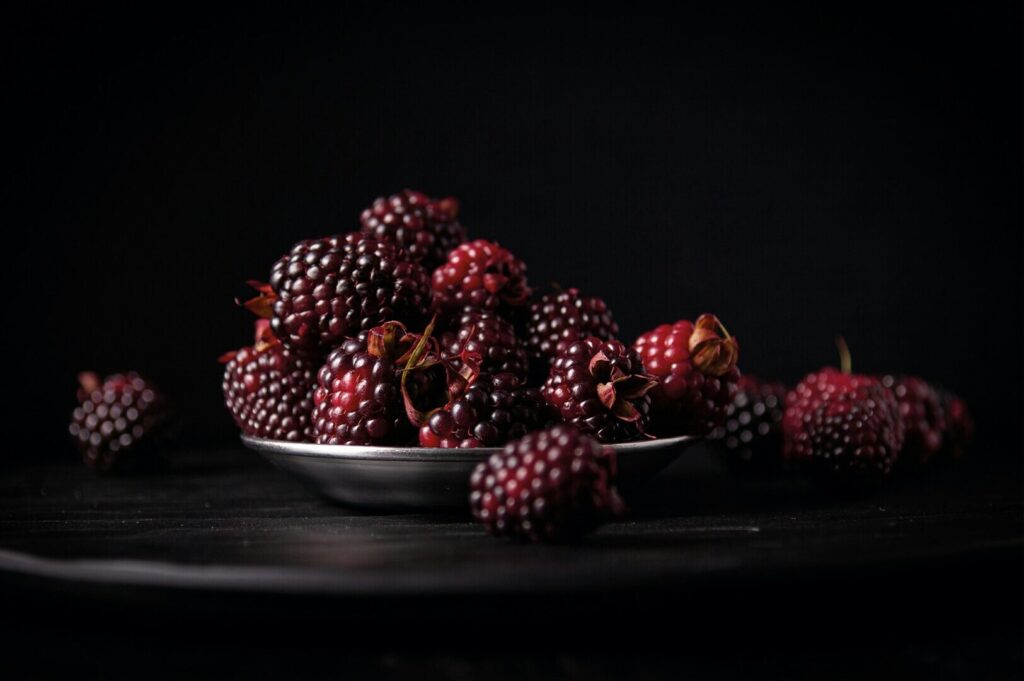
The “what is photography” debate has always lived between art and commerce.
Fine art photography and art photography prioritise the artist’s vision. Food becomes a medium for artistic expression: culture, memory, beauty, even discomfort. It can be photographic art meant for a wall, a zine, or a campaign narrative rather than a menu grid.
Commercial photography serves a business goal first: clarity, appetite, conversion.
In practice, modern food work is often hybrid. Many fine art photographers shoot commercial briefs, borrowing language from:
portrait photography (hands, faces, character)
landscape photography (light shaping, mood, atmosphere)
fashion photography (styling discipline, brand identity)
even sports photography (timing, motion, the decisive moment)
And yes, black and white photography can be powerful, especially when you want to strip away distractions and focus on shape, texture, and emotion. But for selling food, color photography usually wins because colour signals freshness and flavour.
The Hybrid Strategy for Singapore F&B: 80/20 That Actually Works
For most Singapore businesses, the smartest answer isn’t “amateur or professional.” It’s both, deployed with intention.
The 80%: everyday content (smartphone + UGC)
Use own photos and customer reposts for:
Stories, behind-the-scenes, staff moments
daily specials
quick updates and event coverage
community-building content
Train staff on basic principles (good light, cleaner backgrounds, consistent angles) so the baseline quality rises.
The 20%: core assets (professional)
Invest in professional work for:
menu/delivery images
website banners
signature dish hero shots
brand campaigns and press needs
This approach respects reality: you need volume and speed, but you also need a consistent foundation that holds value.
History of Photography: From Early Experiments to Non Digital Roots
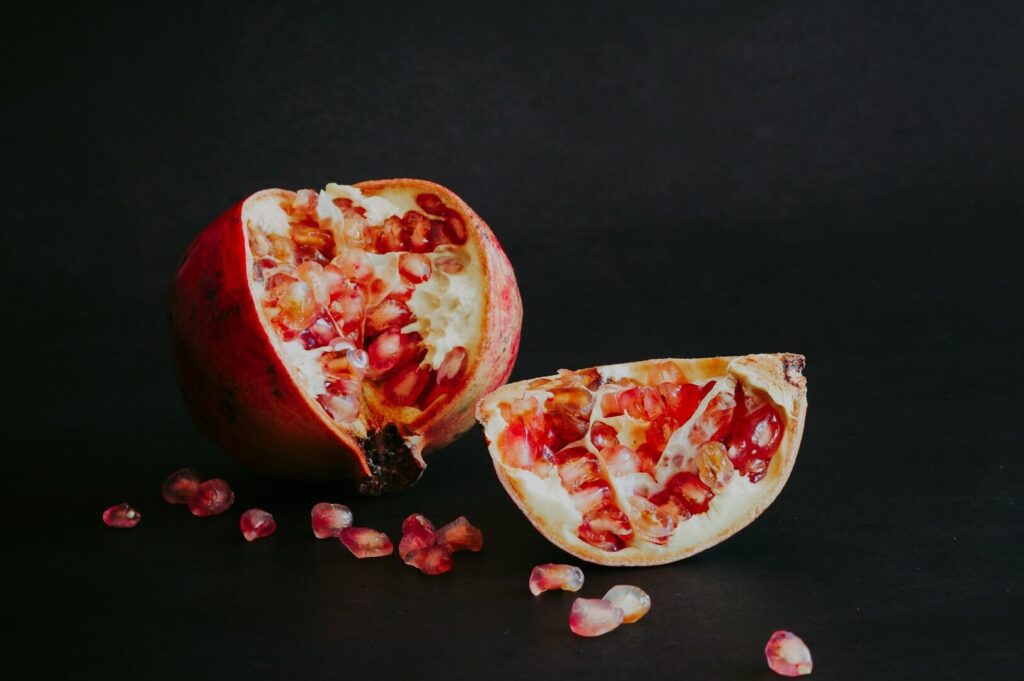
Understanding what is photography also means remembering what it started as: recording light.
Early experiments with the camera obscura projected an inverted image into a dark chamber. From there, the race was on to fix that image permanently.
The first permanent photograph (often credited to a French painter, Joseph Nicéphore Niépce) used light sensitive material to hold an image in place: an early step toward the modern permanent photograph.
Then came processes that shaped the history of photography:
photogenic drawing experiments that captured real objects
the daguerreotype process, producing unique images on metal plates
negative-to-positive workflows: a negative image used to create a positive image
chemical materials like silver nitrate on paper and plates (non digital foundations)
Modern digital photography replaced chemical surfaces with an electronic sensor, making images easier to create, edit, store, and distribute. It also enabled mass mechanical reproduction: images produced at scale, instantly.
Same principle, new tools: light reflected off a subject gets recorded into a photograph.
Shutter Speed, Intent, and the One Thing That Doesn’t Change
Tech evolves fast, but one part stays constant: the human decision.
Photography isn’t only the camera. It’s how you choose to frame the subject, what you exclude, what you emphasise, and what story you want the viewer to receive. That’s why defining photography still matters even when everyone has a camera.
Think of Ansel Adams. His work in the natural world was deeply technical, but the impact came from choices: light, timing, composition, interpretation. The gear supported the vision; it didn’t replace it.
The same applies to F&B:
You can shoot the dish.
Or you can define what the dish means in your brand.
That gap between capturing and communicating is where professional value and creative craft still live.
Conclusion: What Is Photography Now?
So, what is photography when everyone has a camera?
It’s no longer just the ability to take a photo. It’s the ability to create a photographic image in various forms with purpose whether that purpose is trust (documentary), conversion (commercial), or meaning (art). Modern photography goes beyond simple snapshots; it involves telling stories through images that engage the human eye and evoke emotion.
In Singapore F&B, the most effective brands don’t argue about “amateur vs professional.” They build a system: everyday content for speed and community, and professional assets for consistency and impact.
If you want your visuals to perform across both worlds (authentic enough to feel real, and polished enough to sell confidently), start by deciding what each image needs to achieve. Then choose the right tool, workflow, and level of production for that job.