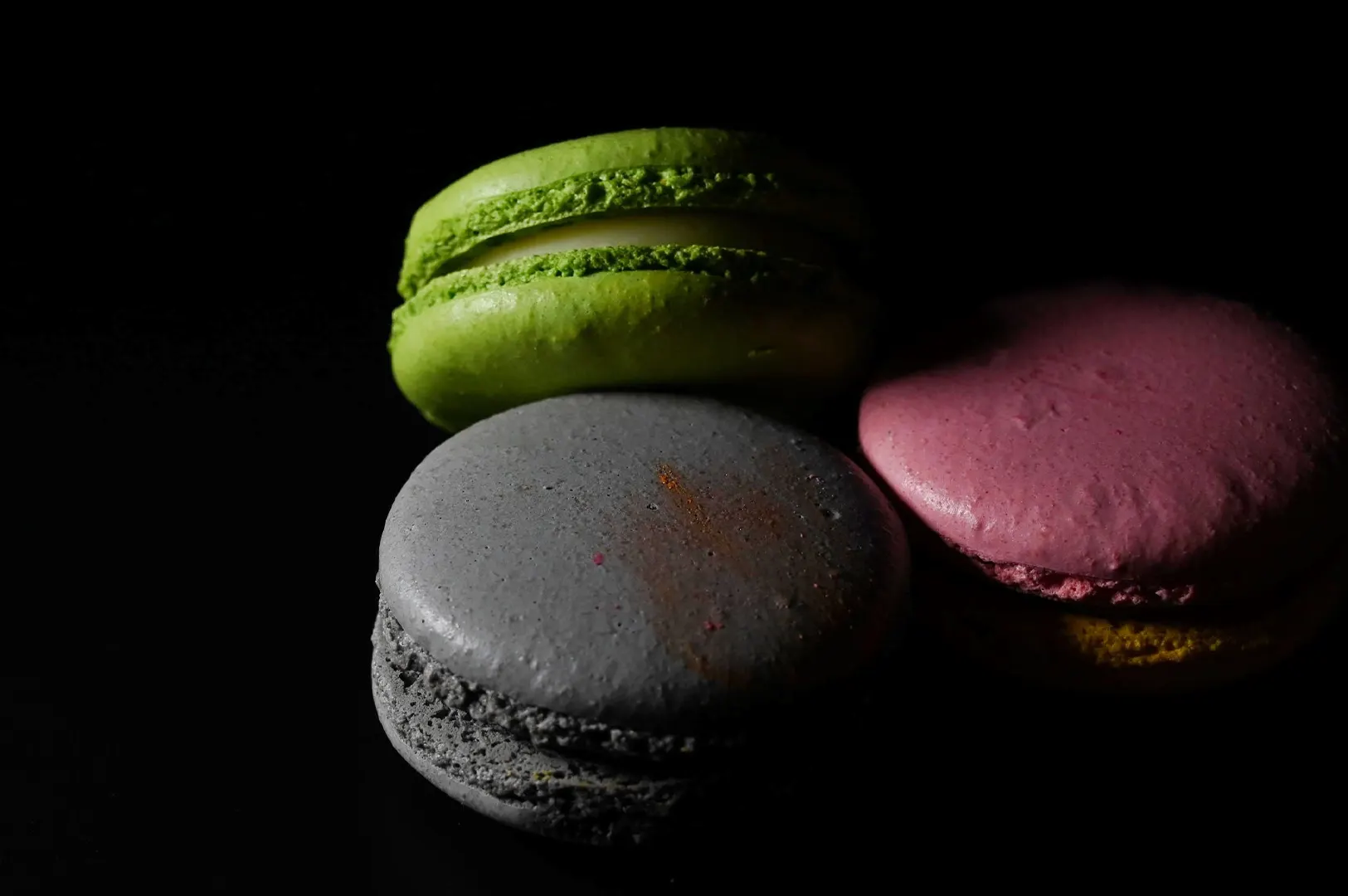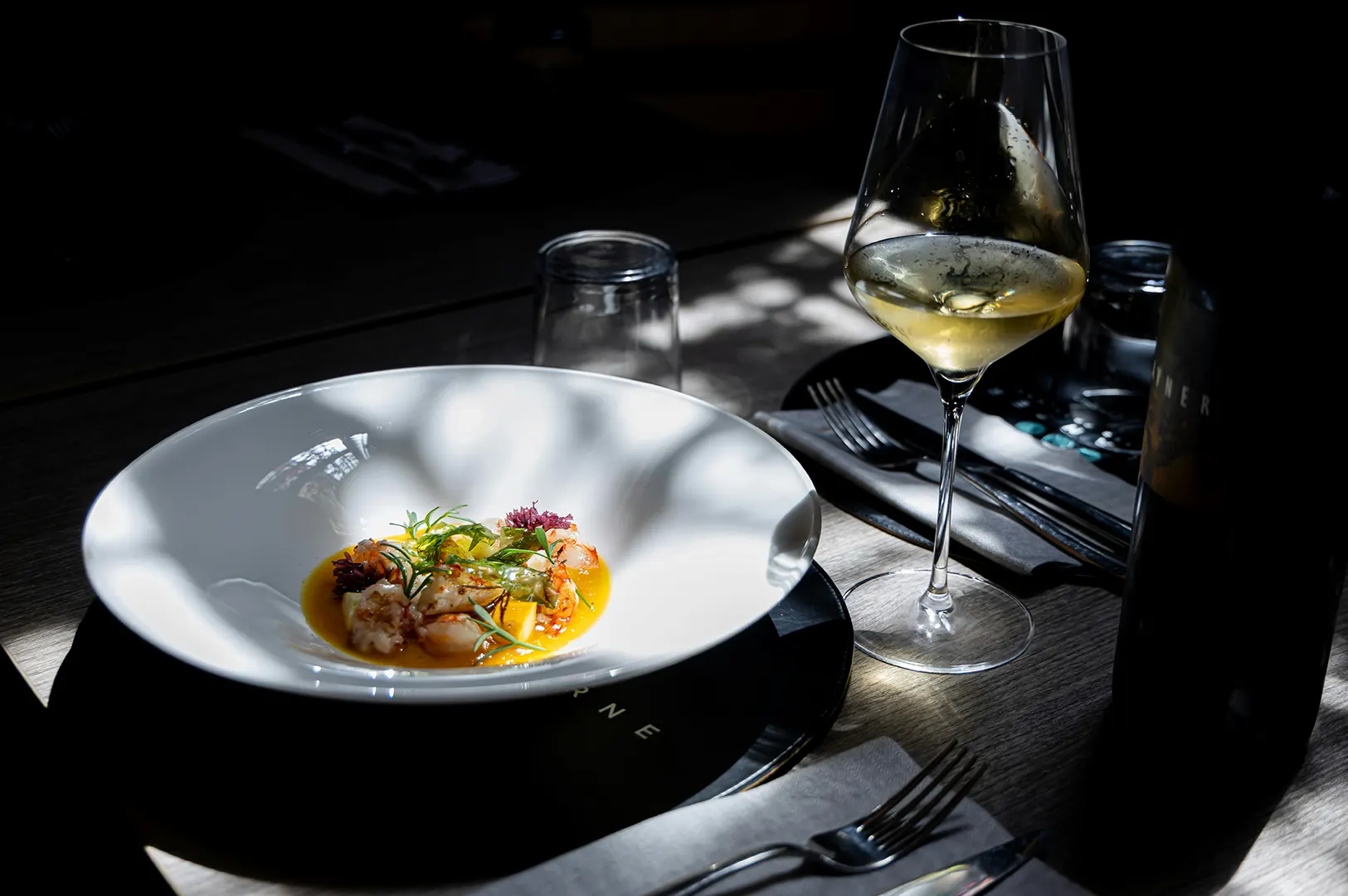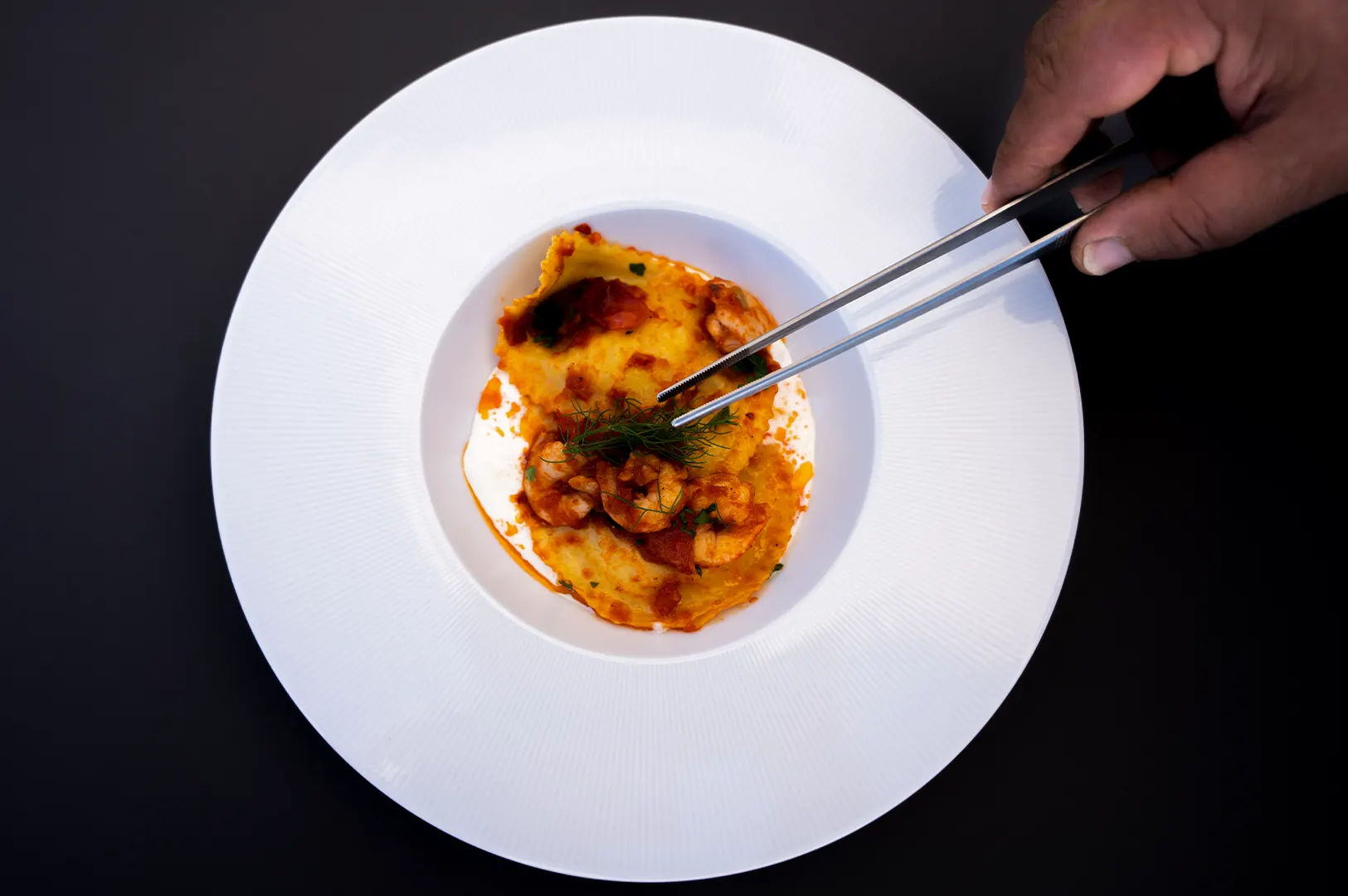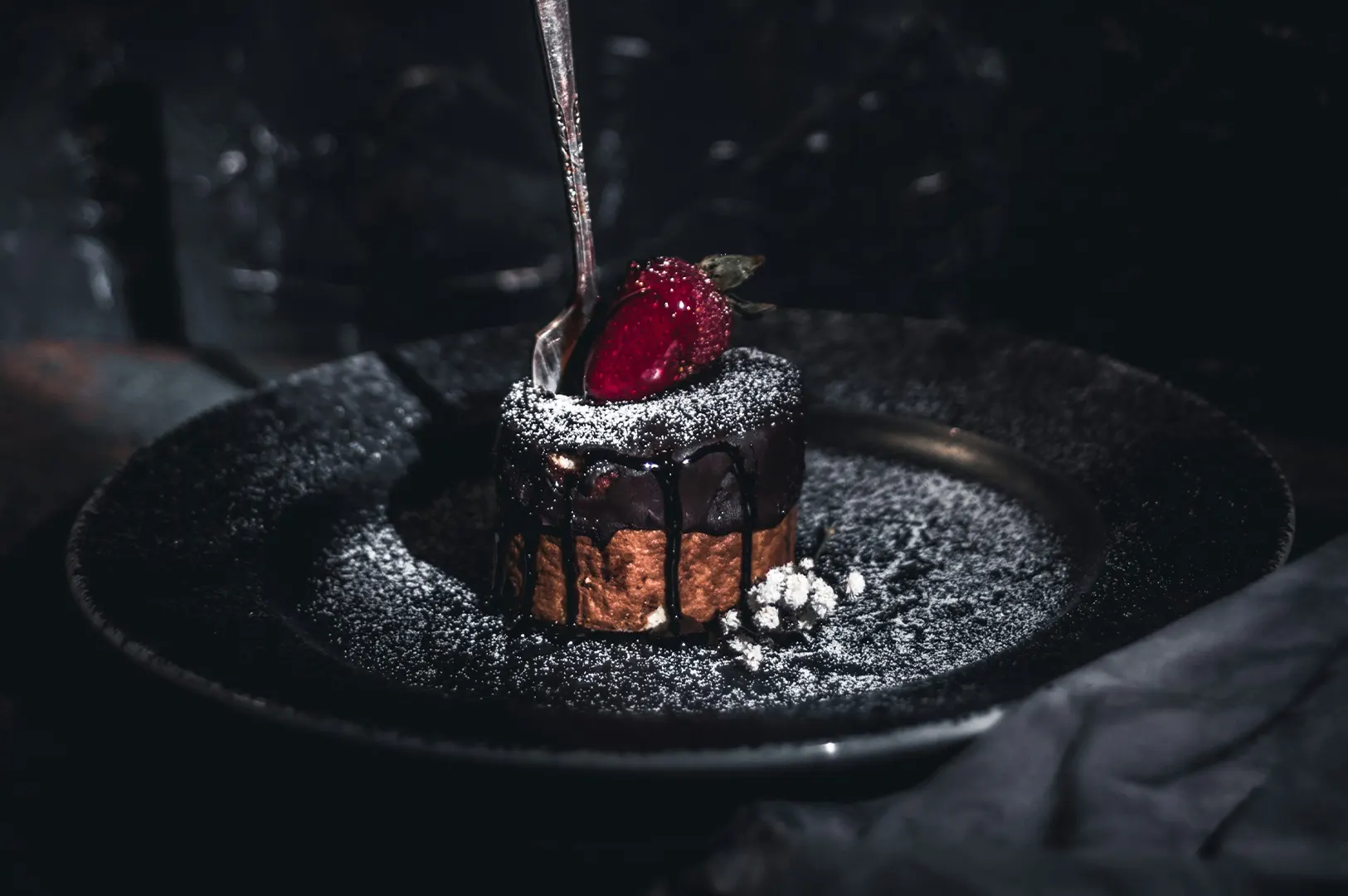
Have you ever stopped mid-scroll because a photo of a glistening sauce completely captured your attention? That visual power is exactly why mastering macro photography for social media is essential. Stunning macro food shots stop scrollers instantly with their incredible detail and mouth-watering texture.
Close-up photography performs exceptionally well on visual platforms like Instagram and Facebook. When you bring the lens closer, you invite the viewer to experience the dish intimately. This approach turns standard food photography into a highly engaging digital experience. Excellent Instagram food photography relies heavily on these tight, appetizing angles to drive likes, shares, and ultimately, restaurant bookings.
In this guide, we will explore how to leverage macro photography for social media to elevate your F&B business. We will cover platform-specific optimization, smart engagement strategies, and posting best practices. By the end, you will know exactly how to turn tiny details into massive social media engagement.
Why Macro Food Photography Dominates Social Media
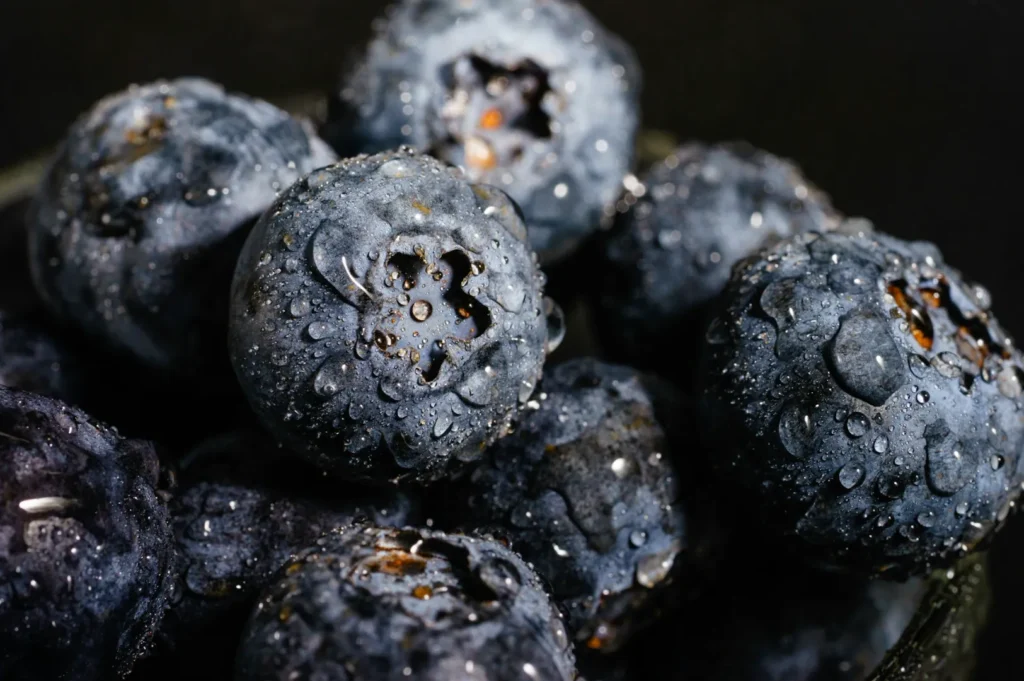
There is a fascinating psychology behind why close-up food content works so well online. Extreme close-ups trigger an immediate appetite response and natural curiosity. When people see the moisture on a roasted chicken or the fine salt crystals on a french fry, their brains practically taste the food.
In today’s crowded digital space, standard table shots often blend together. Detail-rich images stand out in crowded feeds because they offer a unique perspective. The thumb-stopping power of texture and moisture in macro shots gives your restaurant a competitive advantage. It forces the viewer to pause and truly look at what you are serving.
Singapore F&B businesses are already seeing incredible results with this technique. Think about the intricate details of fresh laksa garnishes resting on a spicy coconut broth. Consider capturing the smoky, oily wok hei on a plate of char kway teow. Even the distinct, alternating layers of toasted bread and cold butter in traditional kaya toast perform exceptionally well on visual platforms. This level of engaging Instagram food photography turns our beloved local favorites into undeniable viral sensations.
Platform-Specific Optimization for Macro Food Shots
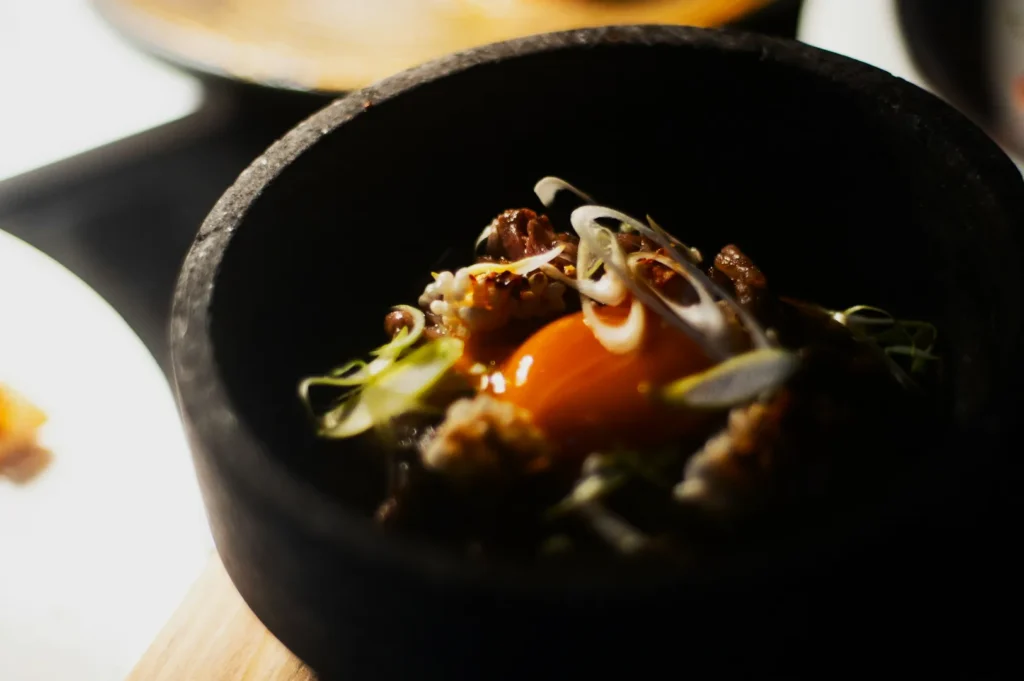
Every social media platform has different visual requirements and user behaviors. To maximize your macro photography for social media, you must tailor your images to fit each specific format.
Instagram Feed and Reels
Instagram is highly visual, making it the perfect home for your close-ups. For your main feed, aspect ratios matter immensely. A 1:1 square ratio is classic, but a 4:5 vertical ratio is better because it takes up maximum feed real estate on mobile screens. For Instagram Reels and Stories, always use a 9:16 vertical format.
When shooting for a square crop, try to center your subject perfectly. For vertical Stories, you have more room to play with negative space for text overlays. Always pay attention to resolution requirements and file size optimization to prevent the platform from compressing and ruining your sharp details.
A great example is posting an overhead satay macro shot for your feed grid. Then, you can post a sweeping, 45-degree chili crab close-up video for your Reels. This variety keeps your Instagram food photography fresh and highly engaging.
Facebook and TikTok
Facebook and TikTok require slightly different approaches. Facebook traditionally favors landscape or square orientations for shared albums and link previews. However, TikTok absolutely requires vertical video formats to succeed.
You can easily repurpose your macro stills as engaging video content. By applying a slow digital zoom or a panning effect to a high-resolution close-up, you create dynamic videos suitable for TikTok. You can also stitch several macro shots together into a fast-paced slideshow.
Pay close attention to caption length and engagement patterns on each specific platform. Facebook audiences often appreciate longer, story-driven posts about your restaurant’s history. TikTok users, meanwhile, respond better to short, punchy text and trending audio layered over your macro shots for Instagram.
Content Strategy: What Macro Shots to Post When
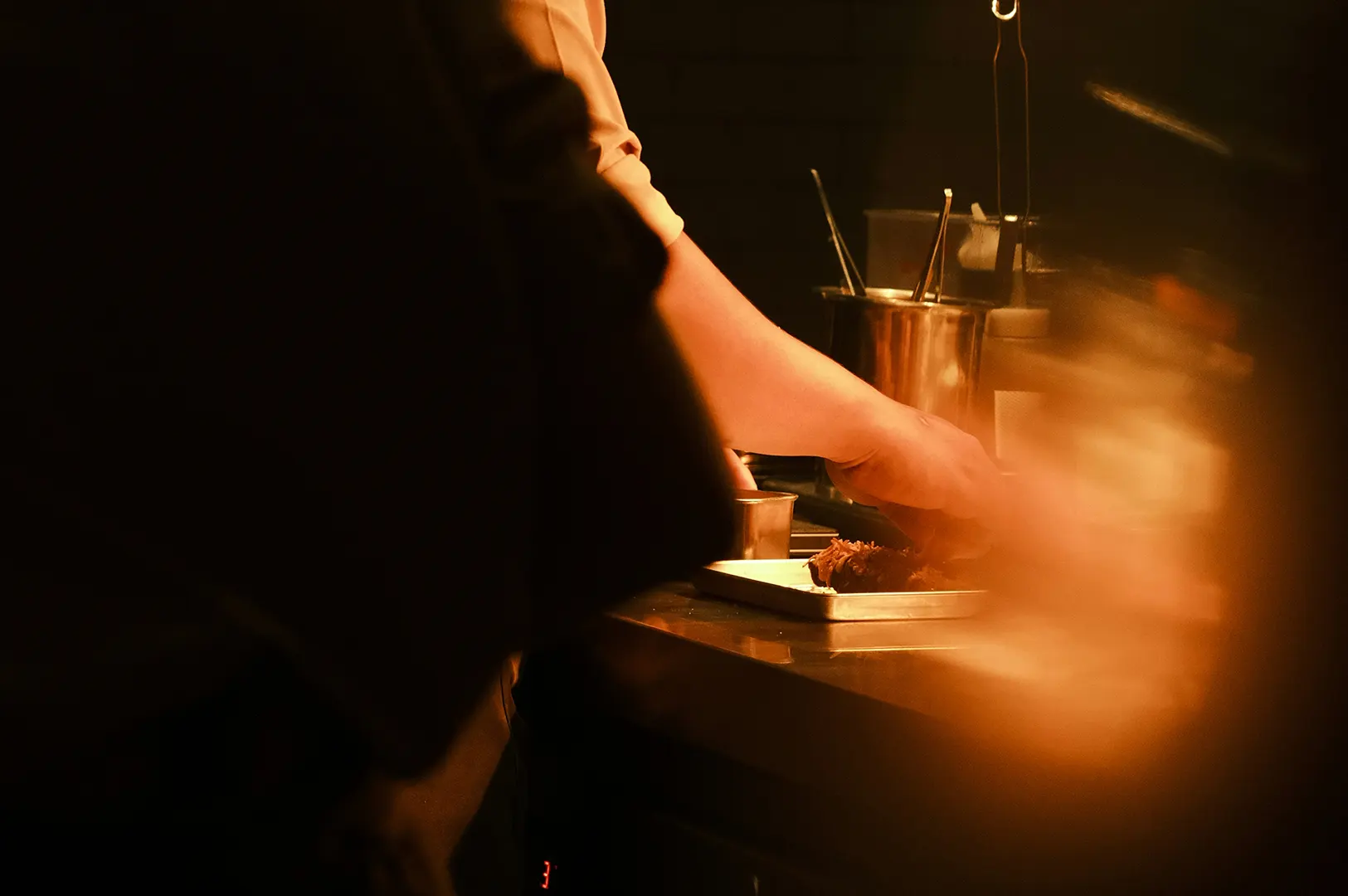
A beautiful photo is only effective if people actually see it. Your content mix should include your signature dishes, daily specials, and behind-the-scenes prep details. Macro shots of a chef slicing fresh herbs or mixing a thick sauce perform wonderfully because they showcase authenticity.
Timing your posts correctly is vital for the Singapore audience. Lunch posts should go live between 11:00 AM and 1:00 PM to catch hungry office workers. Dinner posts generally perform best between 5:00 PM and 7:00 PM when people are actively deciding where to eat after work.
You should also leverage seasonal content opportunities to boost engagement. Zoom in on the intricate folds of dumplings for Chinese New Year dishes. Capture the rich textures of hearty curries and sweet dates for Ramadan specialties. Highlighting festive menu items with extreme close-ups naturally builds anticipation.
Try implementing a simple weekly posting framework for your F&B business. Post a signature dish macro on Monday, a behind-the-scenes texture shot on Wednesday, and a weekend special close-up on Friday. This consistency keeps your audience engaged and hungry for more.
Hashtag Strategy for Macro Food Photography
Hashtags function as the search engines of social media platforms. An effective hashtag hierarchy includes a balanced mix of niche, medium, and broad tags. A niche tag like #sgfoodmacro targets a very specific, highly engaged audience. Medium tags like #sgfood or #singaporeeats capture local diners, while broad tags like #foodphotography reach a global audience.
The optimal hashtag count is often debated, but quality always beats quantity. Using 5 to 10 highly relevant hashtags is generally more effective than spamming 30 generic ones. This targeted approach tells the social media algorithm exactly what your content is about.
For Singapore F&B businesses, use specific hashtag recommendations based on your category. A cafe might use #sgcafehopping alongside their macro coffee shots. A hawker stall should include #sghawker culture to attract local foodies. Always include branded hashtags to start building a dedicated community around your restaurant.
Captions That Complement Close-Up Food Content
Your caption should enhance the visual experience of your macro photography for social media. Start by clearly describing what viewers see in the macro shot. Mention the crispy texture, the fresh ingredients used, or the meticulous preparation involved.
Storytelling angles work incredibly well for Instagram food photography. Share the chef’s specific cooking technique or explain your strict ingredient sourcing process. Discuss the cultural dish inspiration to give the close-up meaning. This narrative approach turns a simple picture into a compelling brand story.
Always include clear call-to-action options to drive user engagement. Ask viewers to tag a friend they want to share the meal with. Invite them to share their opinion on a flavor pairing or simply urge them to visit your restaurant. Using familiar Singlish phrases can heavily boost local engagement. Adding proper cultural context for traditional dishes makes your F&B brand feel authentic and approachable.
Technical Specifications for Social Media Macro Posts
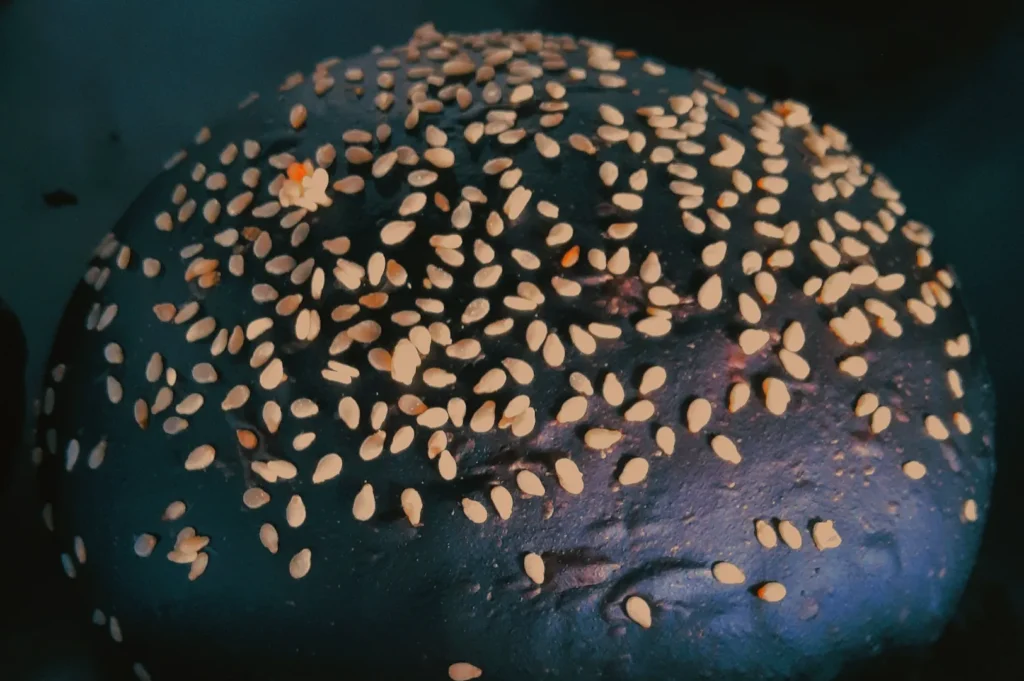
Uploading high-quality images requires following specific technical guidelines. Social platforms notoriously compress large files, which can destroy the delicate textures of your macro photography for social media.
Follow this actionable checklist to ensure your images remain crisp:
- Resolution: Maintain a minimum of 1080 pixels on the shortest side for absolute clarity.
- File format: Always use JPEG for static photos and MP4 for video content.
- Color profile: Export your images in the sRGB color space for accurate display across all devices.
- Sharpening: Apply a slight edge enhancement before uploading to compensate for mobile screen viewing.
- Brightness: Edit your photos to be slightly brighter than print versions to account for phone screen glare.
Adhering to these specifications guarantees your food photography retains its stunning visual impact. Your audience will see every delicious detail exactly as you intended, maximizing your social media food marketing efforts.
Engagement Tactics for Macro Food Photography
Posting the image is the first step in a successful strategy. To truly succeed, you must focus on community interaction. Responding to comments within the first hour of posting signals to the platform that your content is engaging, which boosts your organic reach.
Make sure to start tagging suppliers, delivery partners, and the specific featured ingredients in your posts. You should also utilize cross-posting strategies, such as sharing your new Feed posts directly to your Stories. Finally, suggest user-generated content opportunities to your followers. Ask your followers to post their own customer close-ups and run exciting repost campaigns to reward their loyalty.
Conclusion
Mastering macro photography for social media fundamentally changes how customers interact with your restaurant online. By optimizing your aspect ratios, posting consistently, and writing engaging captions, you will turn casual scrollers into paying diners. Remember that consistency in posting quality close-up content is the true key to long-term digital success.
While these strategies help maximize your social media impact, consistently stunning macro photography requires both technical skill and artistic vision. Professional food photographers create scroll-stopping close-ups optimized for every platform, ensuring your Singapore F&B business stands out in crowded social feeds. To elevate your visual marketing even further, learn macro photography techniques with our comprehensive guide.