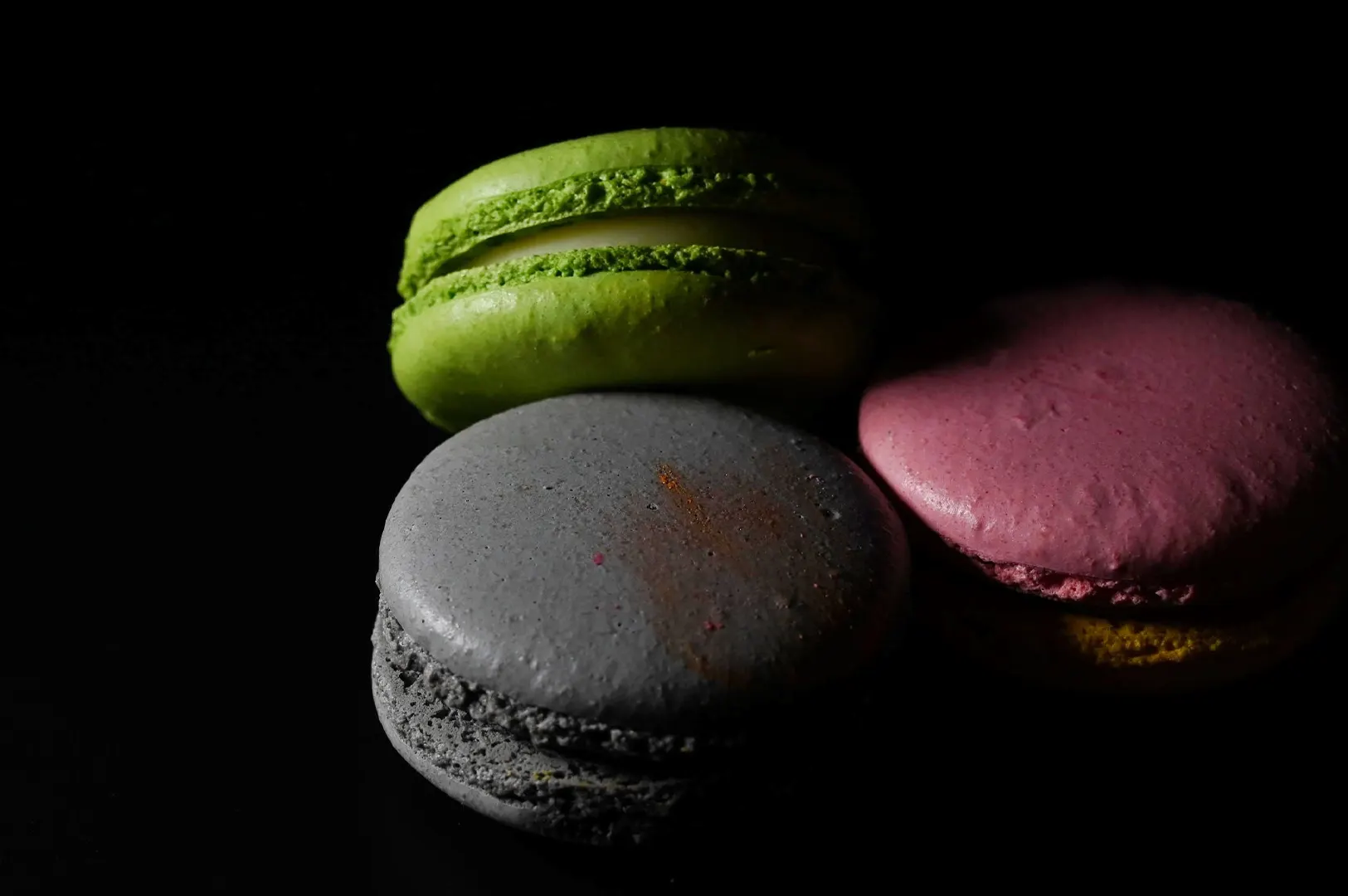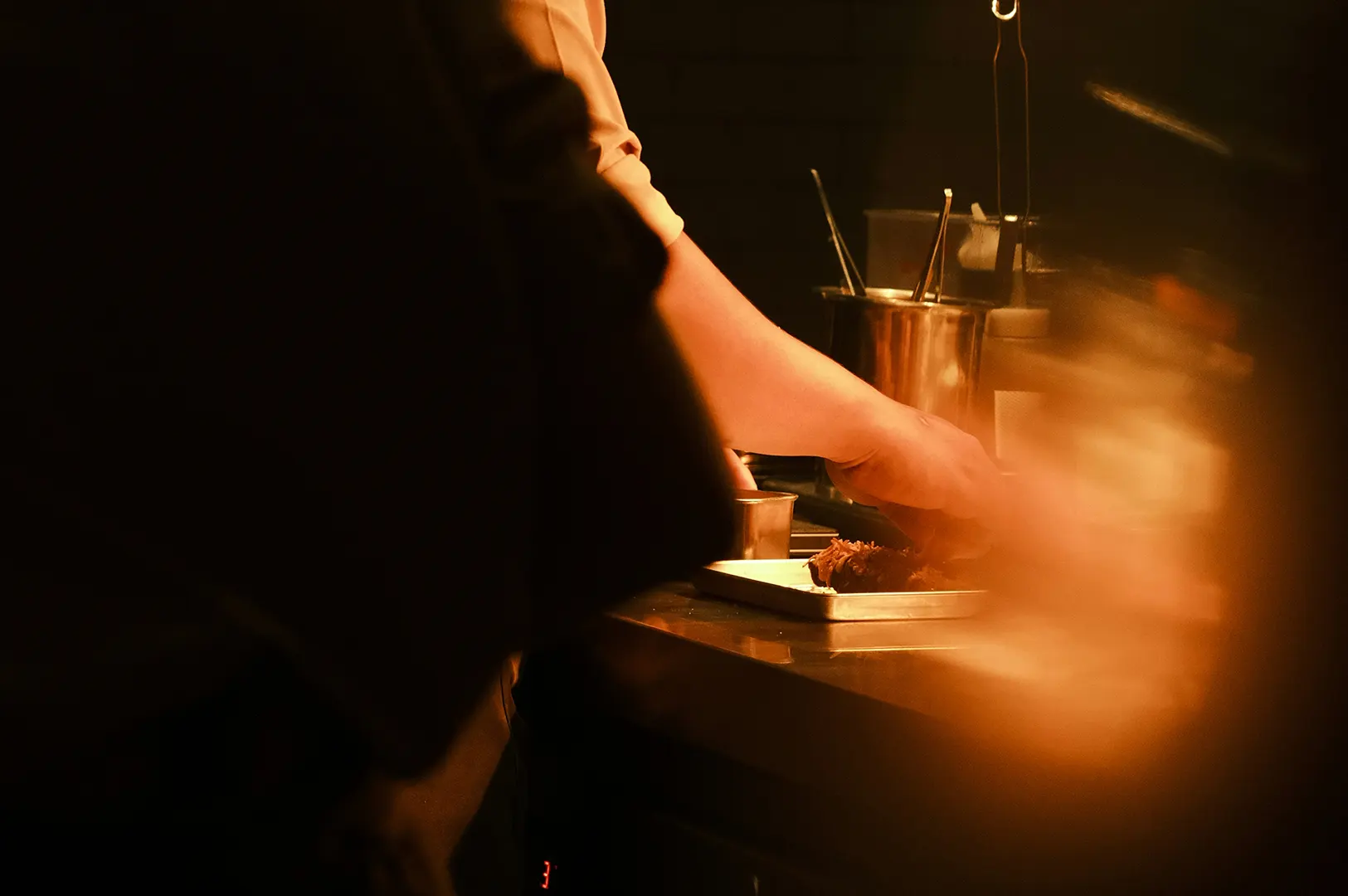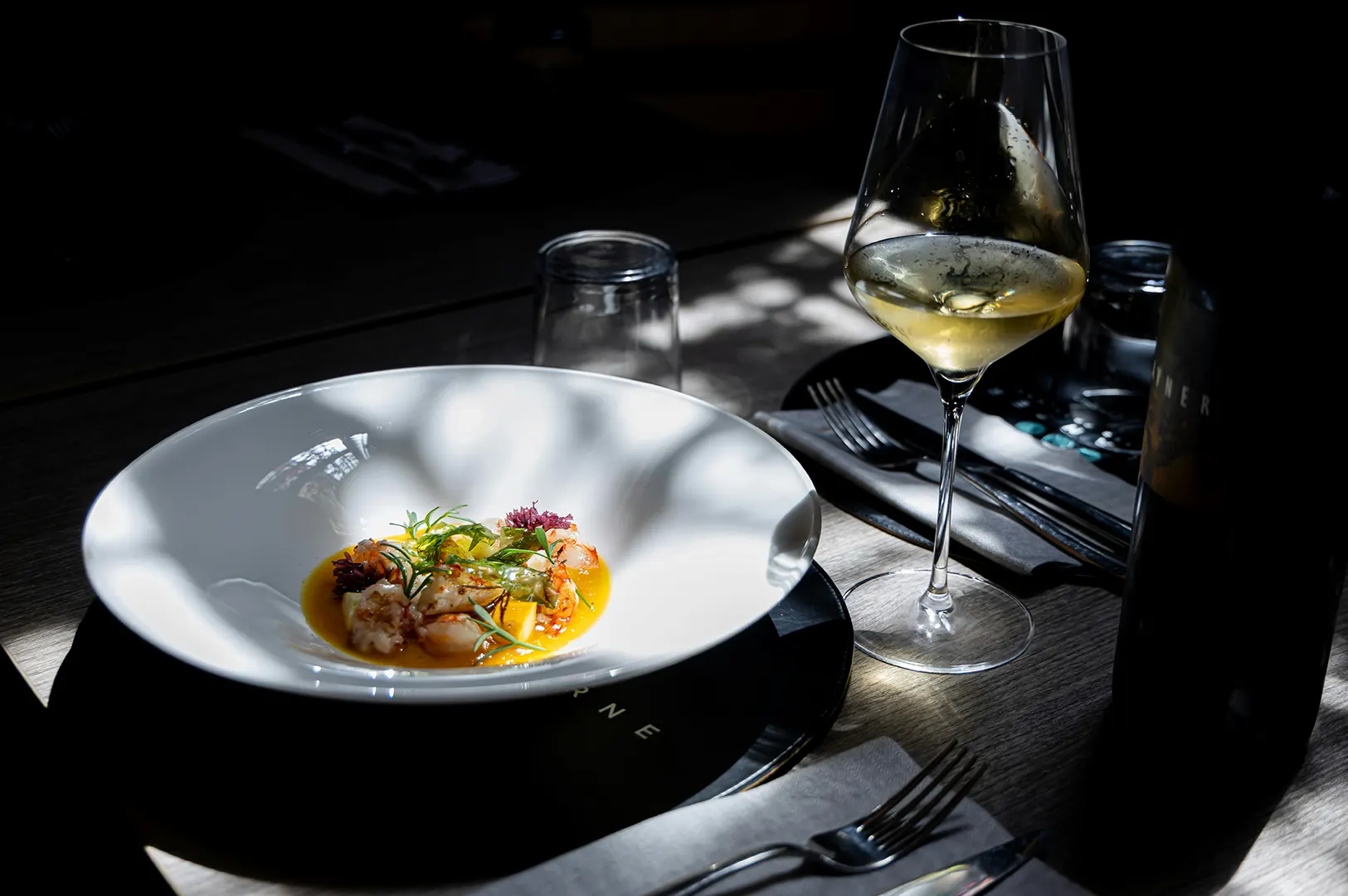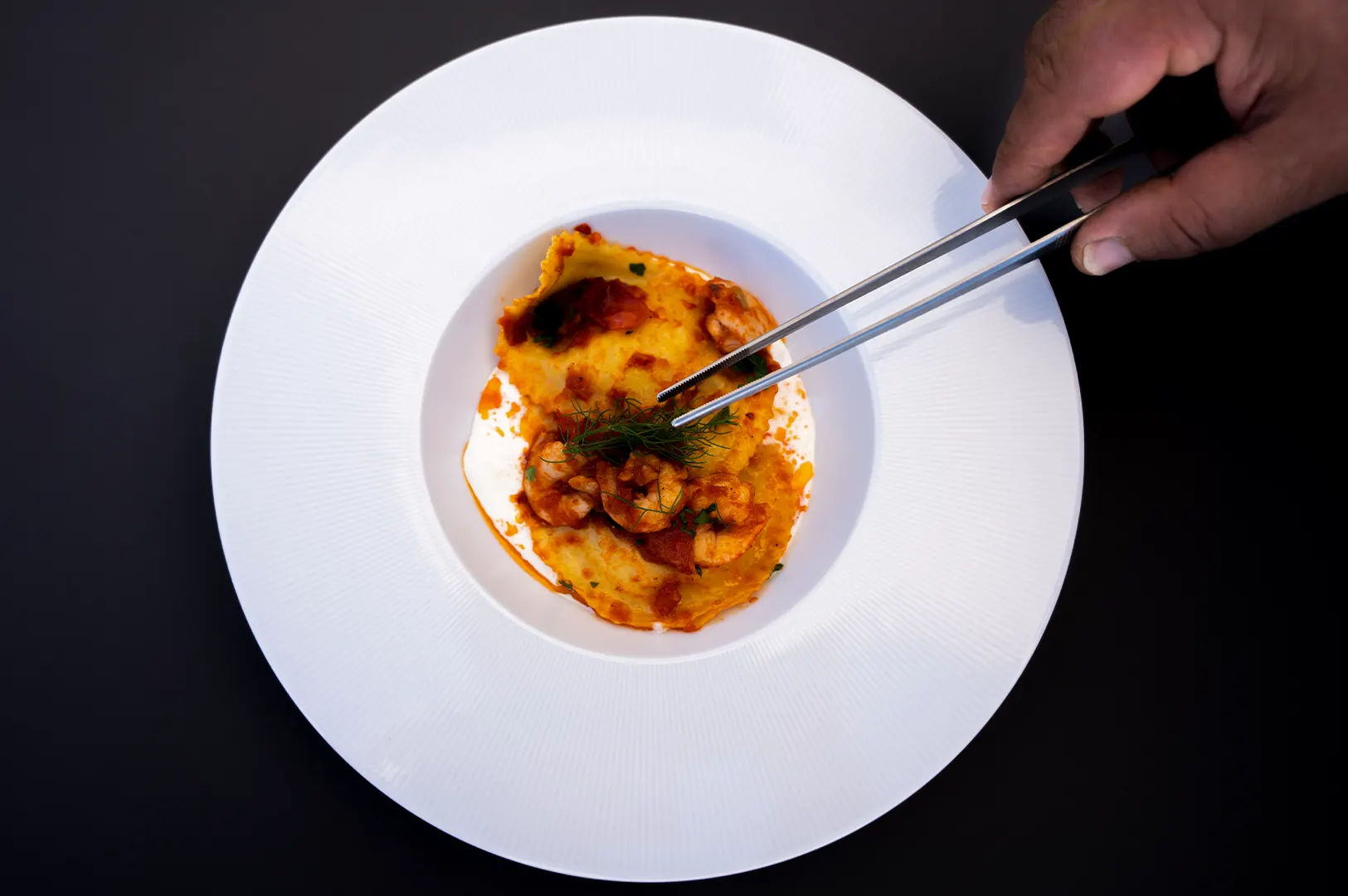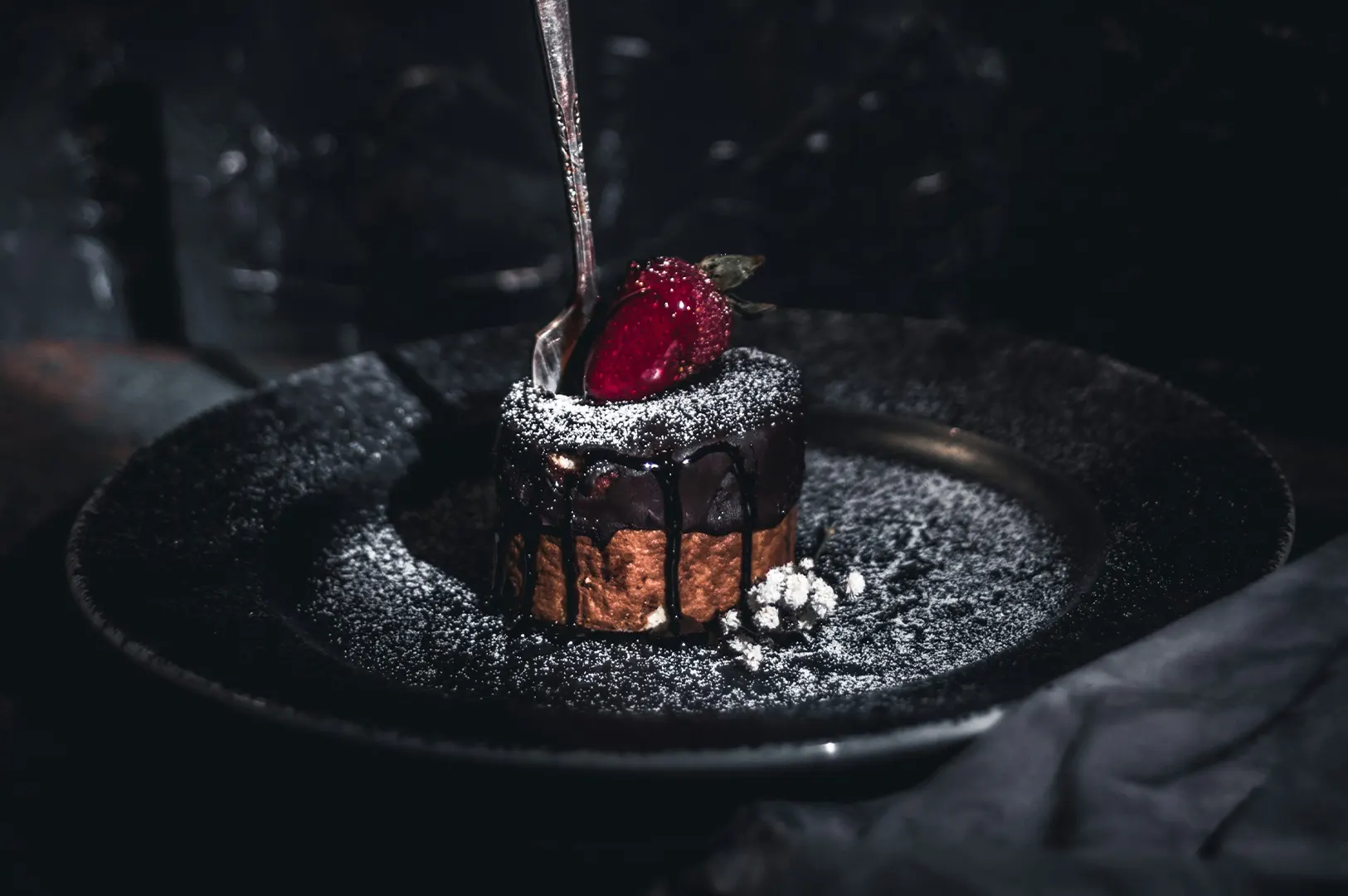
Selective focus has the incredible power to transform an ordinary snapshot of a meal into a magazine-worthy image. When you intentionally blur the background and keep only the most appetizing detail razor-sharp, you immediately command the viewer’s attention. This level of precise depth of field control is the absolute hallmark of professional macro photography.
Mastering depth of field macro photography allows you to highlight the finest textures of your culinary creations. Whether you are capturing the steam rising off a hot broth or the glistening sugar on a dessert, utilizing a shallow depth of field food style makes your menu irresistible.
In this guide, we will explore exactly how to control your focus for stunning results. We will cover f-stop selection, advanced focus stacking techniques, and how to create creative bokeh effects that elevate your restaurant’s visual marketing.
Understanding Depth of Field in Macro Food Photography
There is a strict inverse relationship between lens magnification and depth of field. As you move your camera closer to a subject to capture finer details, the area of acceptable sharpness naturally shrinks. This means that macro shots inherently possess incredibly shallow focus zones compared to standard portraits or landscapes.
Because the focus area is so narrow, depth of field macro photography requires highly deliberate composition decisions. You must choose exactly which crumb, droplet, or herb deserves the spotlight. The rest of the frame will fall into a soft, creamy blur.
For instance, you might use a shallow depth of field food technique to isolate a perfectly fresh laksa leaf garnish against a blurred background of spicy coconut broth. Similarly, you can emphasize the smoky, oily texture of char kway teow by focusing strictly on a single piece of Chinese sausage. This deliberate isolation guides the diner’s eye exactly where you want it.
Aperture Settings for Different Macro Effects
Wide Apertures (f/2.8 to f/5.6)
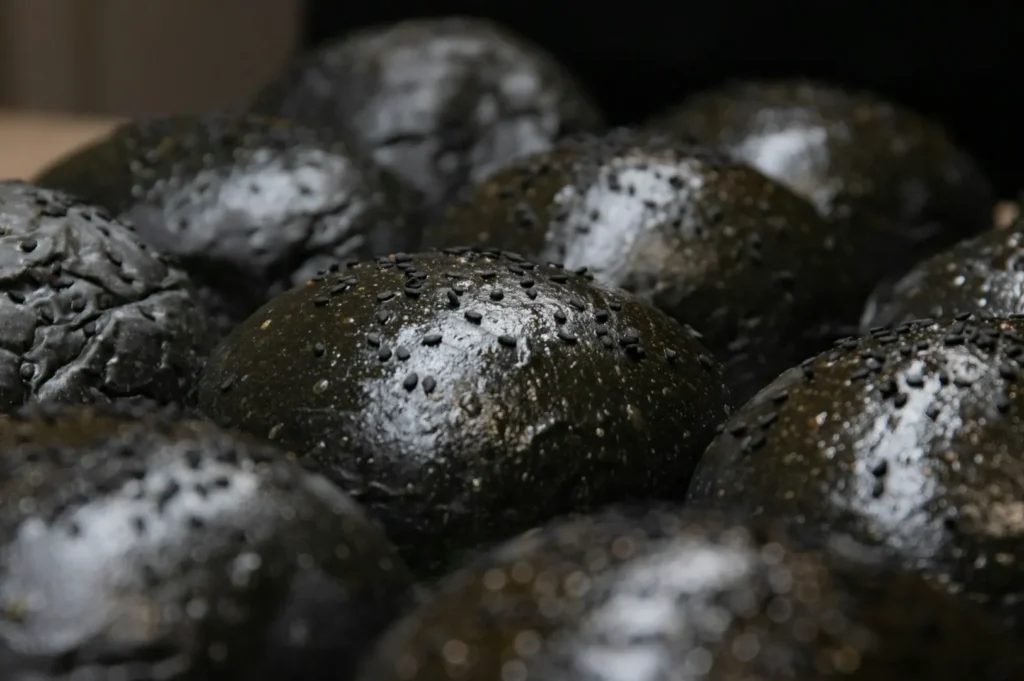
Shooting with wide aperture settings for macro work creates extreme subject isolation and beautifully dreamy backgrounds. These settings are perfect for highlighting hero ingredients, delicate garnish details, or intimate close-ups of a dish. The soft background eliminates all distractions from the frame.
However, using a wide aperture like f/2.8 comes with significant challenges. The plane of focus is so incredibly thin that placing your focal point requires critical precision. If your camera moves even a millimeter, the most important part of your shallow depth of field food shot will become entirely blurry.
Medium Apertures (f/8 to f/11)
Medium apertures offer a much safer balance of sharpness across multiple dish elements. By stopping down to f/8 or f/11, you expand the focal plane just enough to keep the main subject recognizable while still blurring the distant background.
This range is generally considered the sweet spot for most Singapore F&B menu photography. It is highly ideal for plated dishes and multi-component macro shots where context matters. You can clearly capture the crispy skin of Hainanese chicken rice while keeping the accompanying chili and ginger sauces softly visible in the background.
Narrow Apertures (f/16 to f/22)
Sometimes, maximum detail matters throughout the entire frame. Narrow apertures like f/16 or f/22 maximize your depth of field macro photography, keeping almost the entire dish in sharp focus. This is useful for top-down flat lays or highly complex platings.
However, there are noticeable trade-offs when using narrow apertures. Pushing your lens to f/22 often introduces diffraction, which slightly softens the overall image quality. Furthermore, these settings let in very little light, requiring much slower shutter speeds and the mandatory use of a sturdy tripod to prevent camera shake.
Focus Stacking for Complete Sharpness
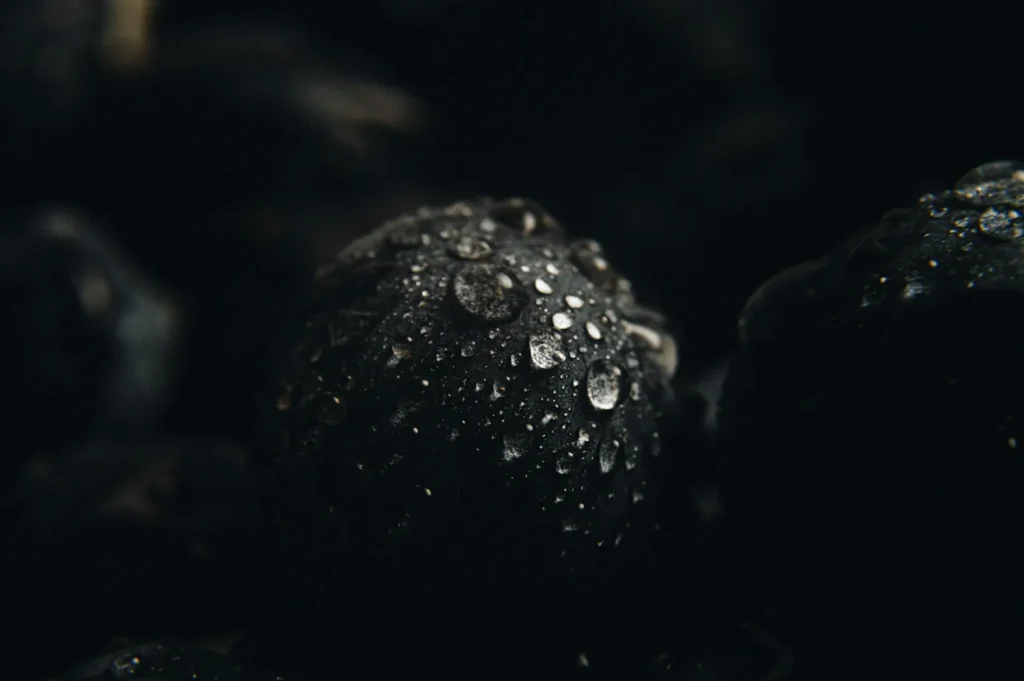
When you need absolute edge-to-edge sharpness but want to avoid the diffraction of narrow apertures, focus stacking techniques are the ultimate solution. This method involves taking multiple shots of the exact same composition at different focus distances. You then combine these perfectly aligned images in post-processing to create one flawlessly sharp photograph.
The step-by-step process requires a highly stable camera setup. You start by focusing on the closest part of the dish, take a shot, and then move the focus in tiny increments until you reach the back of the subject. Finally, you merge the files using specialized software options like Adobe Photoshop, Helicon Focus, or Zerene Stacker.
Focus stacking is highly recommended for premium product photography, detailed menu shots, and large print materials. In the local context, this technique is phenomenal for showcasing intricate Nyonya kueh details. It is also the best way to photograph layered cake cross-sections where every single tier needs to look crisp and appetizing.
Creating Beautiful Bokeh in Food Photography
Bokeh refers to the aesthetic quality of the out-of-focus areas in your photograph. In depth of field macro photography, beautiful bokeh transforms a plain background into a stunning visual asset. Factors affecting bokeh include your lens’s aperture blade count, the overall optical quality, and the physical distance between your subject and the background.
To create appealing bokeh in food photography, you need strong subject-to-background separation and distinct light sources in the background. When small points of light fall out of focus, they render as soft, glowing orbs that add incredible atmosphere to your images.
There are many creative applications for this effect in the F&B industry. You can capture festive Chinese New Year dishes with beautiful red lantern bokeh glowing softly in the background. Alternatively, you can shoot a macro close-up of a cocktail garnish with colorful bar lights blurring beautifully behind the glass.
Practical Shooting Techniques for Depth Control
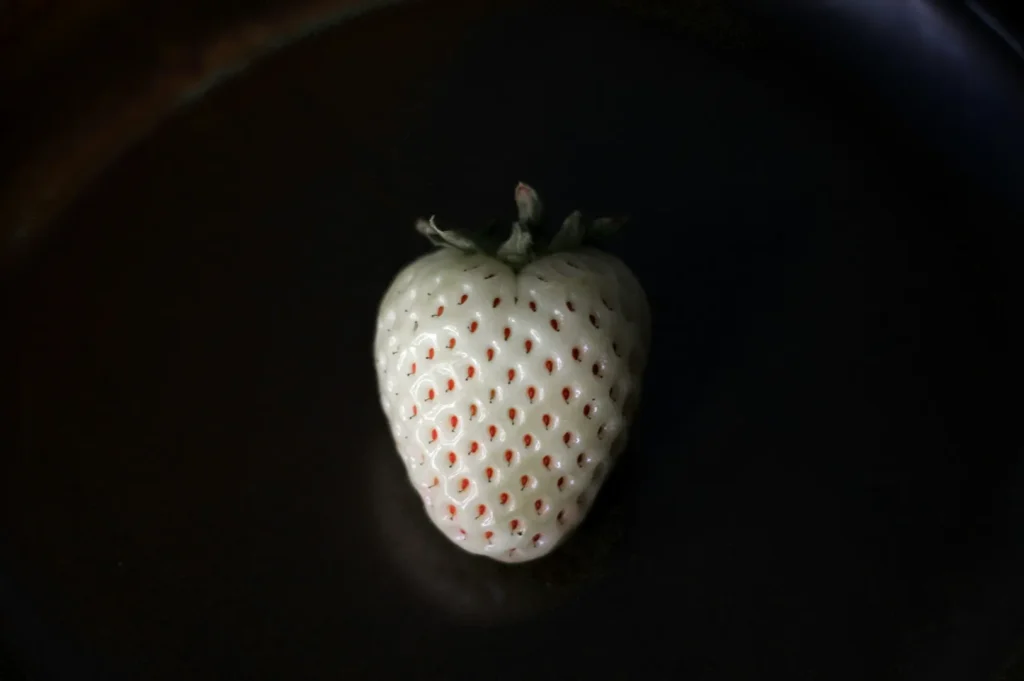
Mastering your focus placement is a critical skill. A common rule of sharpness is to focus exactly where the human eye naturally goes first, which is usually the brightest or most textured part of the food.
Using focus rails allows for precise micro-adjustments without having to touch the lens barrel. Because the margin of error is so tiny, manual focus is almost always preferred over autofocus for detailed macro work. Always use your camera’s live view magnification feature to visually confirm critical focus before pressing the shutter.
Singapore lighting considerations also play a role in your depth control strategy. The intense tropical brightness from a window might allow for narrower apertures without needing a tripod. Conversely, indoor restaurant challenges with dim ambient light will force you to use wider apertures or introduce artificial flashes to maintain a sharp shallow depth of field food image.
Common Depth of Field Mistakes and Solutions
A frequent problem in macro photography is having insufficient depth for the subject, leaving important textures blurry. The practical fix is to step back slightly or stop down your aperture to f/8.
Another issue is dealing with distracting sharp backgrounds that pull attention away from the food. To solve this, you must move the food further away from the background elements and open your aperture to f/4.
If you experience inconsistent focus across similar shots, switch completely to manual focus and use a tripod. Finally, soft images caused by camera shake at narrow apertures can be instantly fixed by increasing your lighting power or utilizing a remote shutter release.
Conclusion
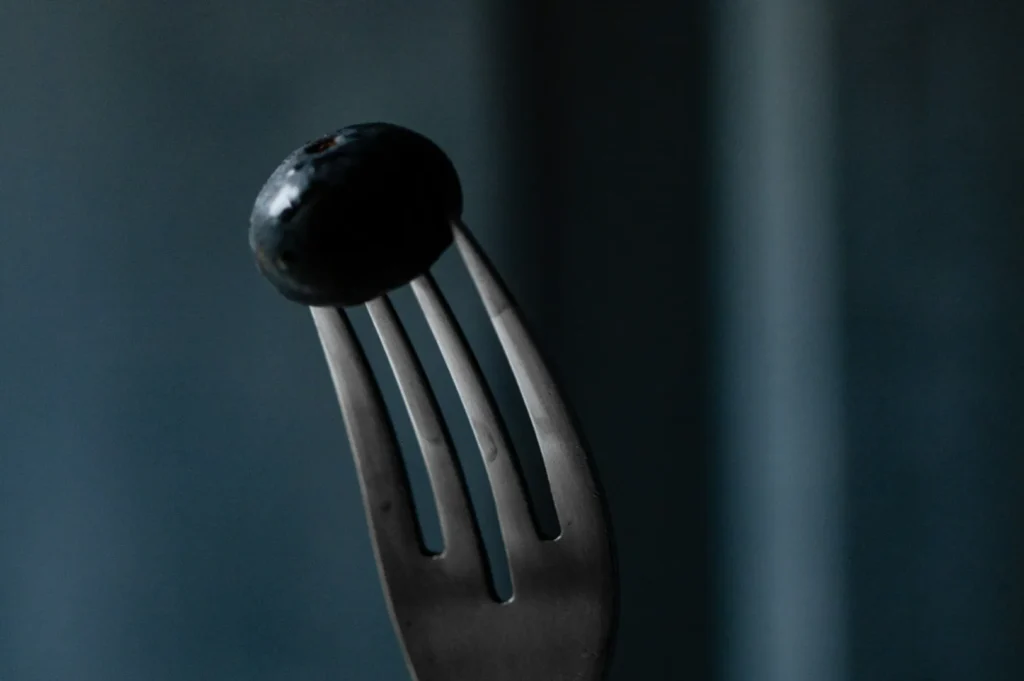
Precise depth of field control is the foundational pillar of professional food imagery. By understanding how to manipulate your aperture, you can easily guide your customer’s eyes exactly where you want them to look. We highly encourage you to practice and experiment with different f-stops to see how they uniquely affect the textures of your specific dishes.
Mastering depth of field takes technical knowledge and consistent practice. Professional food photographers at Food Photographer Studio understand exactly how to control focus for every dish type and shooting scenario, ensuring your Singapore F&B business gets sharp, compelling images that showcase your cuisine’s finest details. If you want to elevate your visual marketing further, learn more about macro photography techniques with our comprehensive guide.