Photography Techniques & Tips
Do Restaurants Get The RAW Files? What Final Delivery Really Means
The shoot has ended, the dining tables are back in place, and the chef has finally stopped sending out “one last dish.” A few days

The shoot has ended, the dining tables are back in place, and the chef has finally stopped sending out “one last dish.” A few days

A strong Google photo gallery should not feel random. Many restaurants upload whatever photos they have: a few dishes, one old storefront image, a blurry

Menu photos on Google are not glamorous, but they are useful. When customers find a restaurant on Google Search or Google Maps, they often want

Restaurant interior photography has a quiet job on Google. It helps customers imagine what it feels like to sit inside your restaurant before they visit.

Google Business Profile photos are not something restaurants should upload once and forget. For many diners, your Google profile is the first place they see

Brand consistency does not mean every dish must look the same. This is one of the biggest misunderstandings in restaurant photography. Some F&B brands try

Customers decide what kind of restaurant you are before you explain it. They look at your photos and quickly place you somewhere in their mind:

Close-ups can make food feel almost physical. A tight shot of crispy chicken skin can make customers imagine the crackle. A flaky pastry edge can
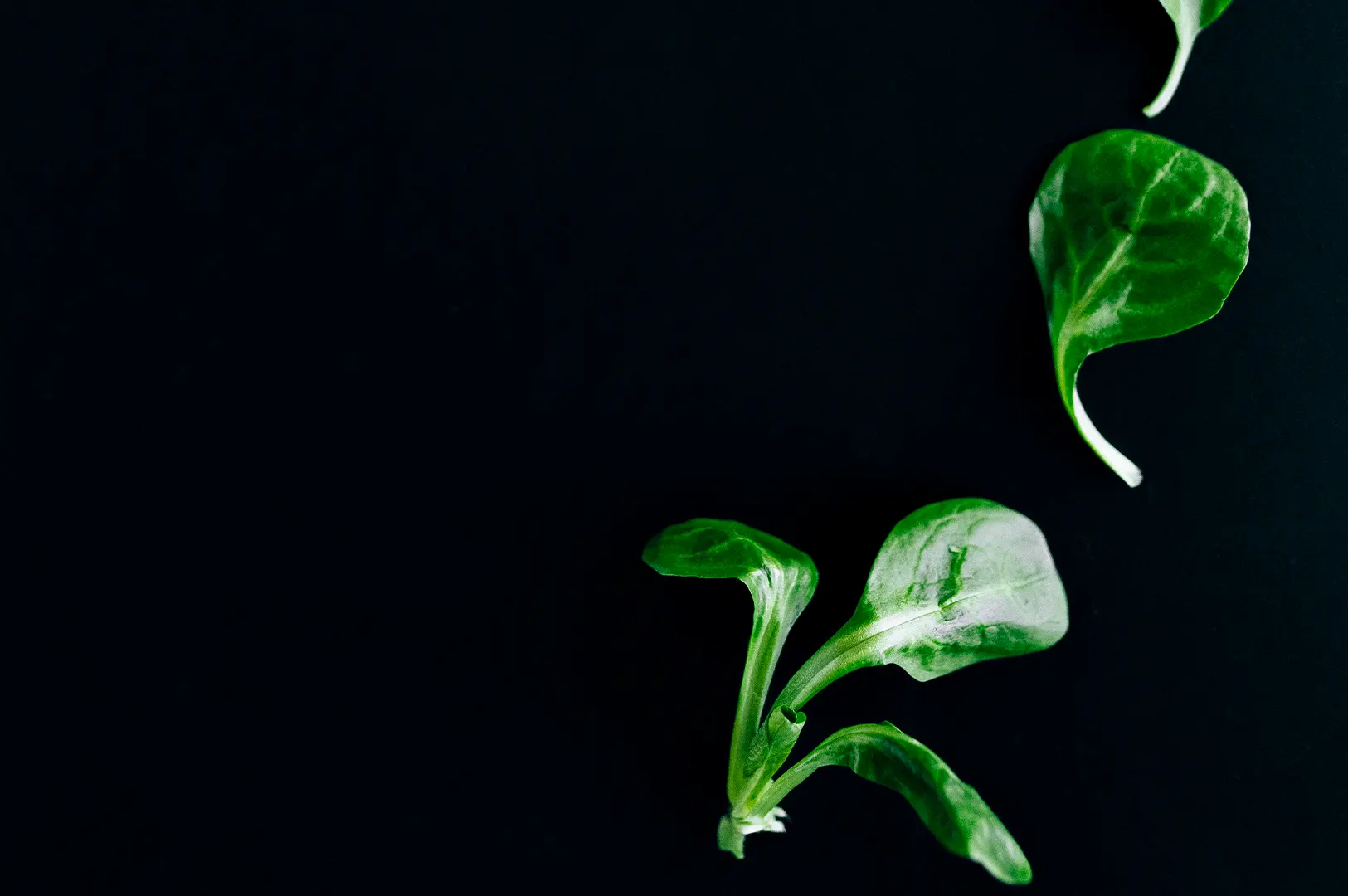
Fresh ingredients are some of the most powerful details in food photography, but also some of the easiest to ruin. A few basil leaves can
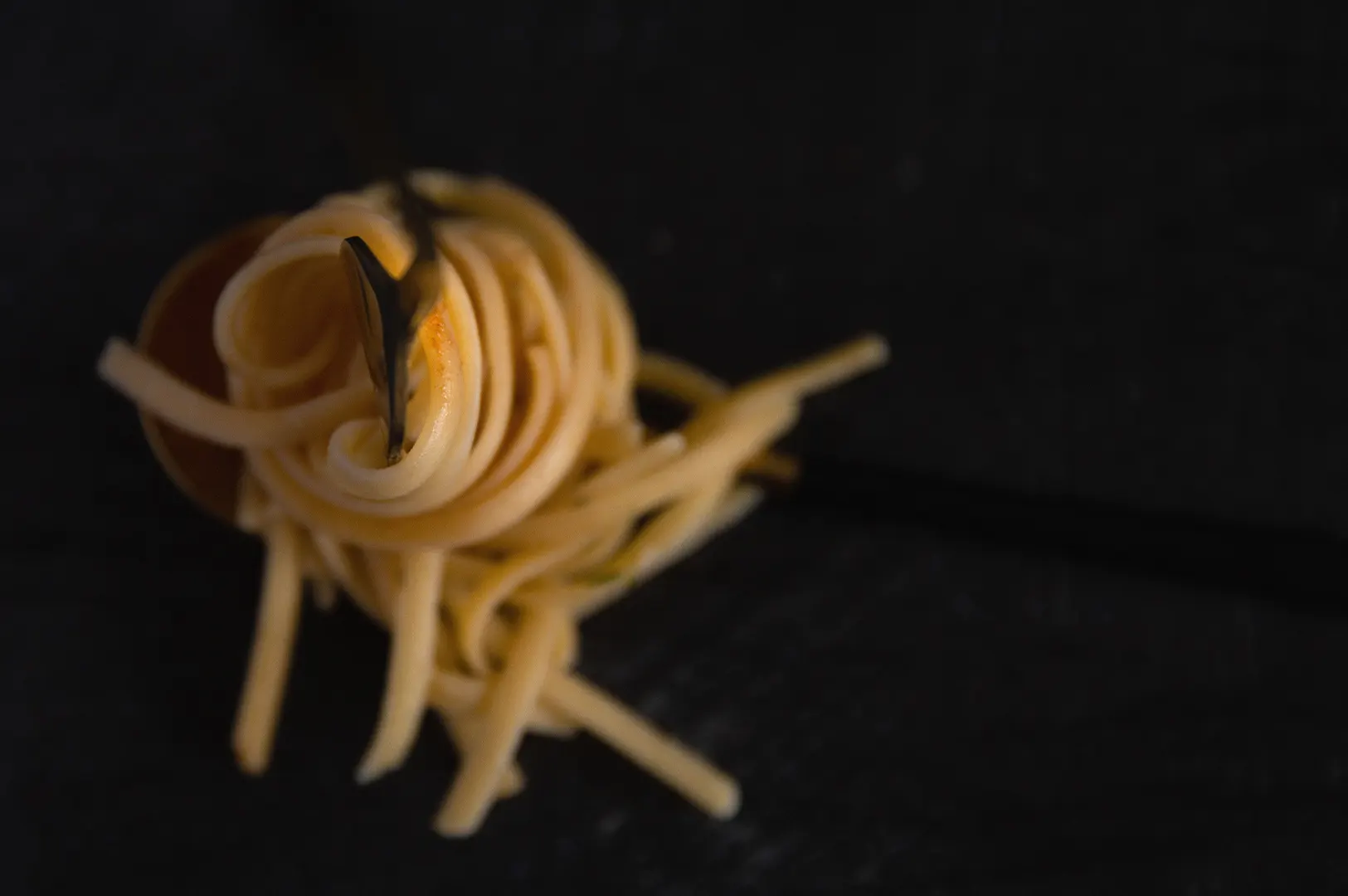
Soft food is comforting to eat, but surprisingly difficult to photograph well. A good chawanmushi feels delicate. Tofu should look silky. Soft scrambled eggs should