Put twelve meal-prep boxes next to one another and the differences become obvious very quickly.
One has a generous-looking portion of chicken. Another has the same weight, but half of it is hidden under the rice. The broccoli sits upright in one box and disappears into the corner of the next.
We have seen this during shoots where every meal technically followed the same recipe.
The camera exposes something customers care about more than photographers sometimes realise: repeatability.
If your business promises customers the same meal every Tuesday, the photography should make that consistency believable.
Start With the Real Container
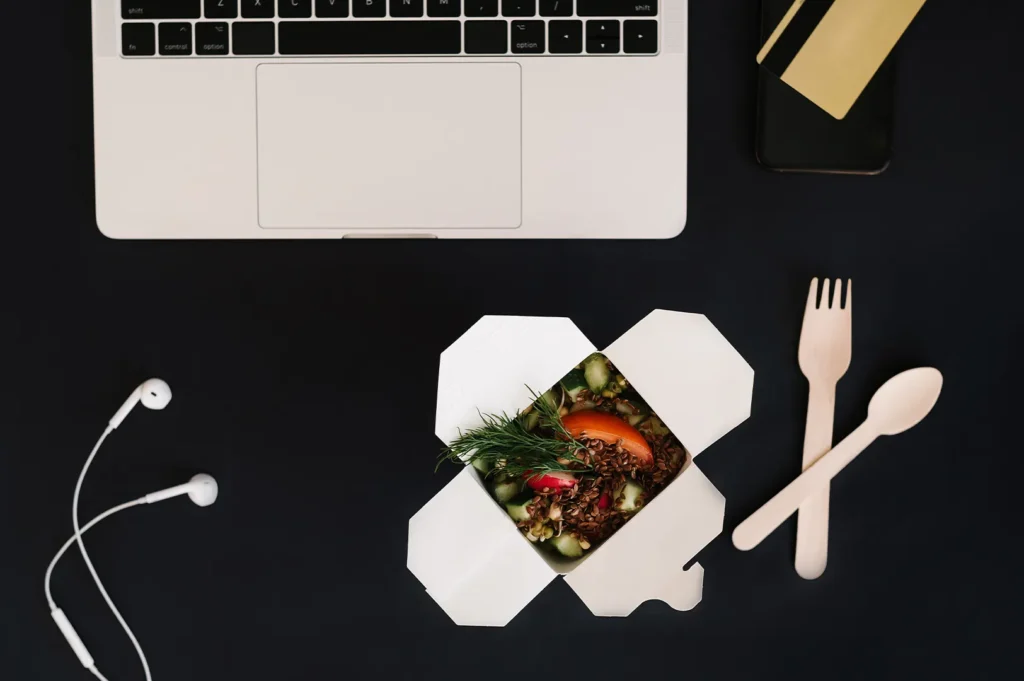
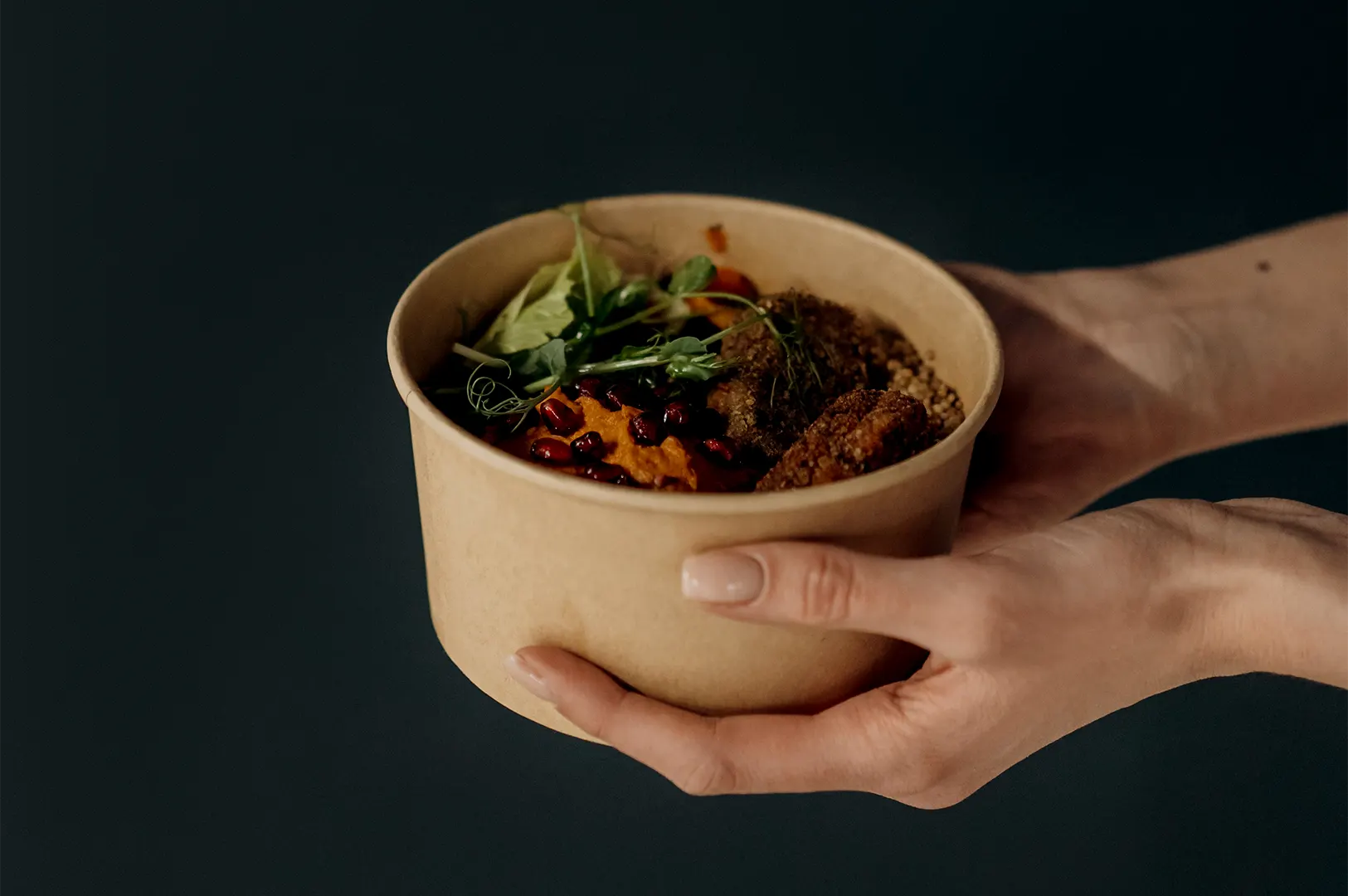
Meal-prep photography is not the place to abandon the packaging and move everything onto restaurant crockery.
Customers are buying the meal as it arrives.
We normally start with the actual box, tray or container and check how the food naturally sits inside it.
Google Merchant Center's image best-practice guidance recommends clear product-focused images and a wider portfolio of useful angles rather than relying on one image to explain everything.
That approach works well for meal-prep businesses too.
Photograph the complete meal first. Then capture details or lifestyle frames separately.
Create a Simple Plating Standard
The biggest consistency improvement often happens before the camera comes out.
Where does the protein sit?
Where does the rice go?
How full should the vegetable compartment look?
Does sauce go over the meat or into a separate cup?
These details sound small until twenty different meals appear beside one another on a subscription page.
Our guide to building a consistent restaurant photography set explains why repeating a few visual rules creates a much calmer image library.
Consistency does not mean arranging every pea in the same place. It means customers know what kind of meal to expect.
Photograph More Than One Box
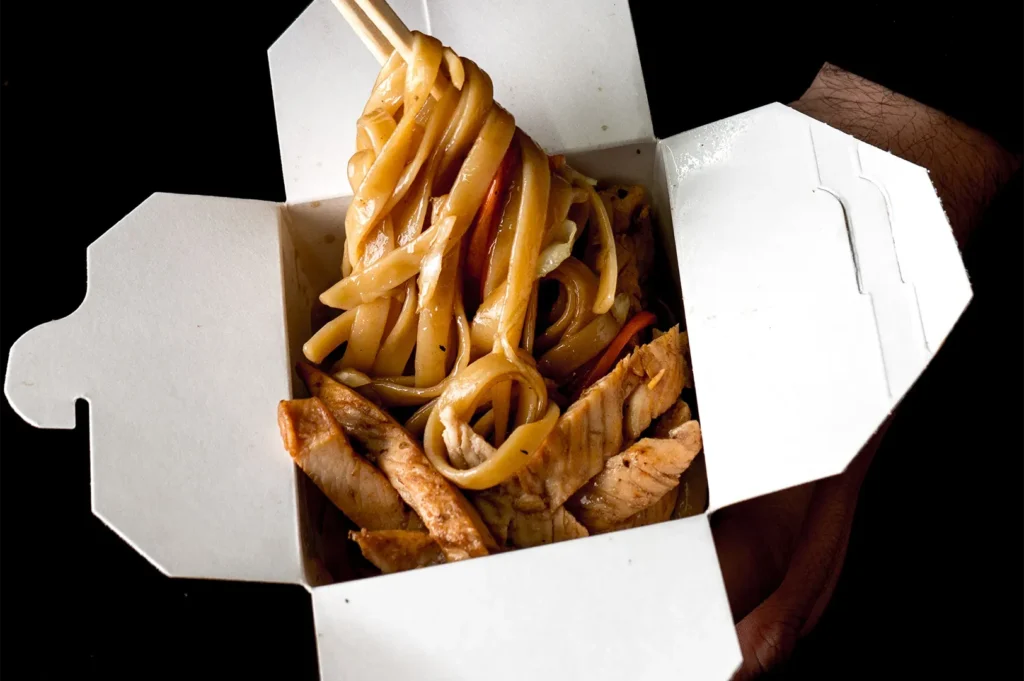
We like photographing a representative production batch when possible.
One perfectly styled box can hide problems that appear when the kitchen prepares fifty.
Look at several portions together. Does one look noticeably smaller? Does the sauce settle differently? Does a particular ingredient disappear once the lid closes?
This is useful information for the business, not just the photographer.
Our article on brand consistency in food photography explores the same principle across larger restaurant image libraries.
Do Not Keep Prepared Meals Sitting Around
The photography setup should be ready before the final food arrives.
Prepared food still needs proper handling. USDA food-safety guidance stresses prompt refrigeration of perishable foods and appropriate temperature control during storage. Read the USDA refrigeration guidance
On shoot day, that means we do not line up a day's production simply because it makes a nice background.
We photograph what is necessary, efficiently.
Show the Meal Customers Actually Receive
A meal-prep brand depends heavily on trust.
If the photograph shows twice the chicken, a container filled beyond its realistic level or vegetables that never appear in the production portion, customers will notice eventually.
A food photographer for meal-prep brands should help the business present its meals clearly without turning one specially prepared box into a promise the kitchen cannot repeat.
Meal-prep photography is successful when the tenth box still feels related to the first.
That repeatability may not sound glamorous.
For a subscription business, it is part of the product.