Aesthetic Photo Editing: How to Keep Your Look Consistent Without Over-Filtering
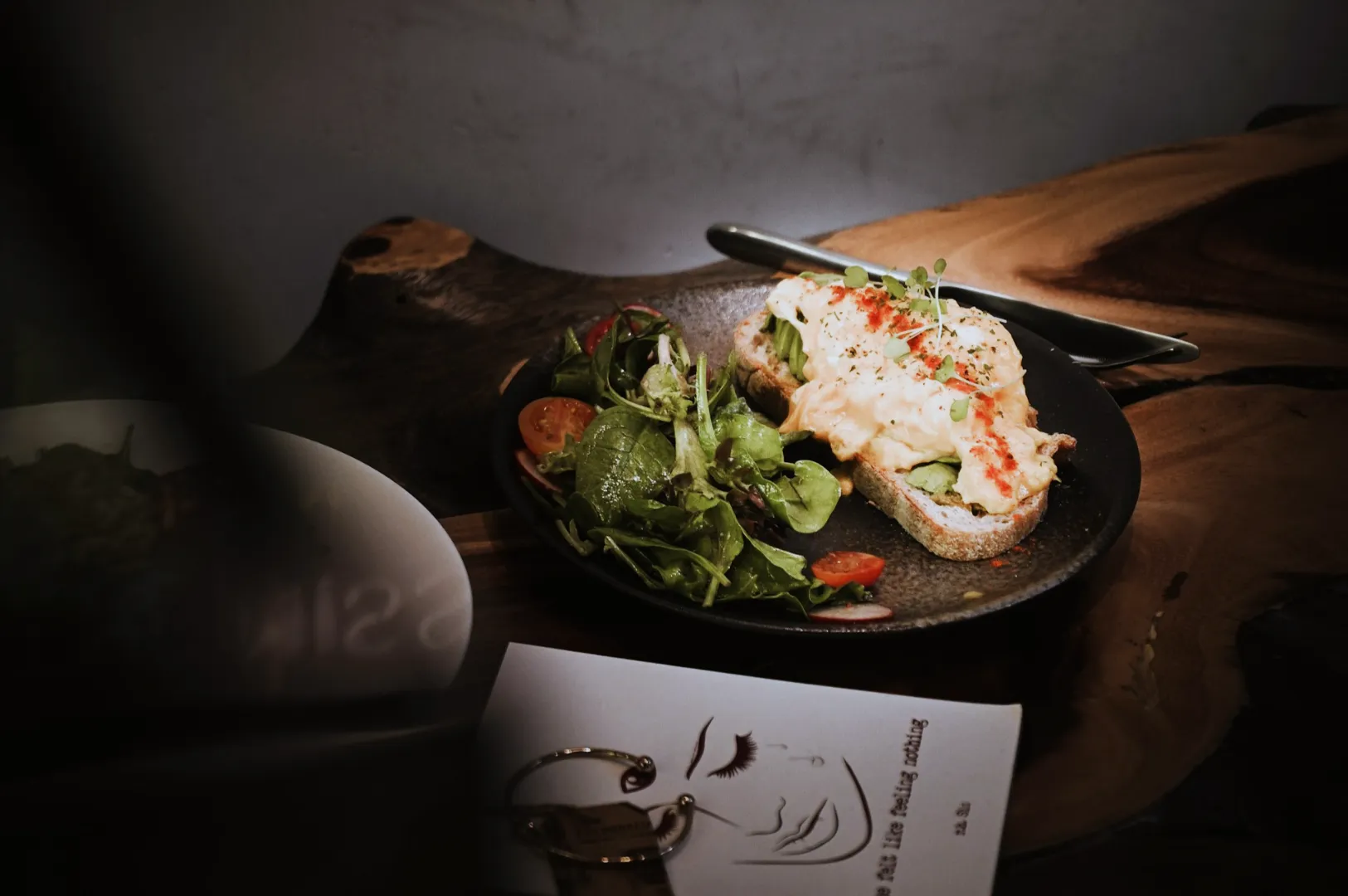
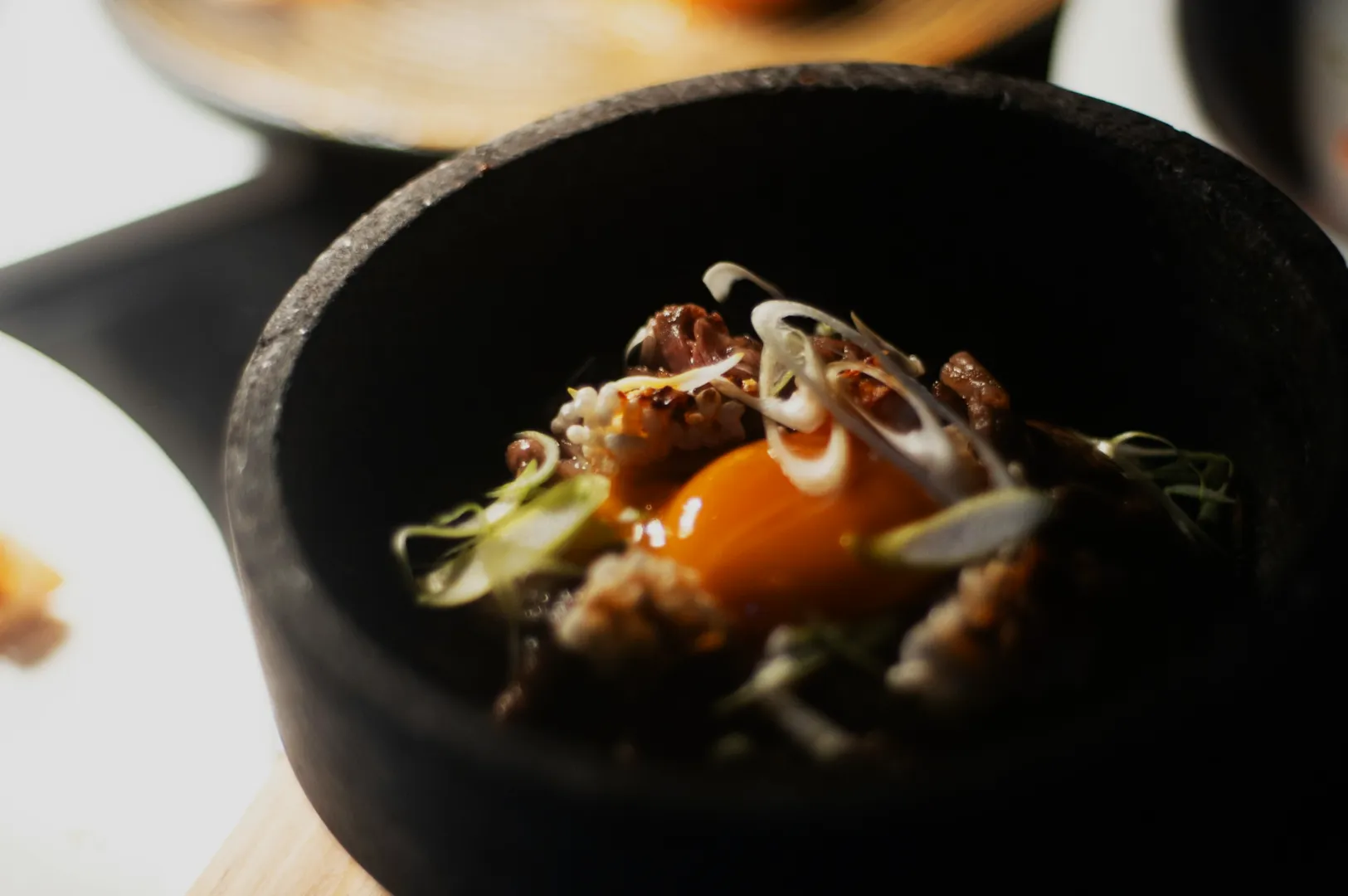
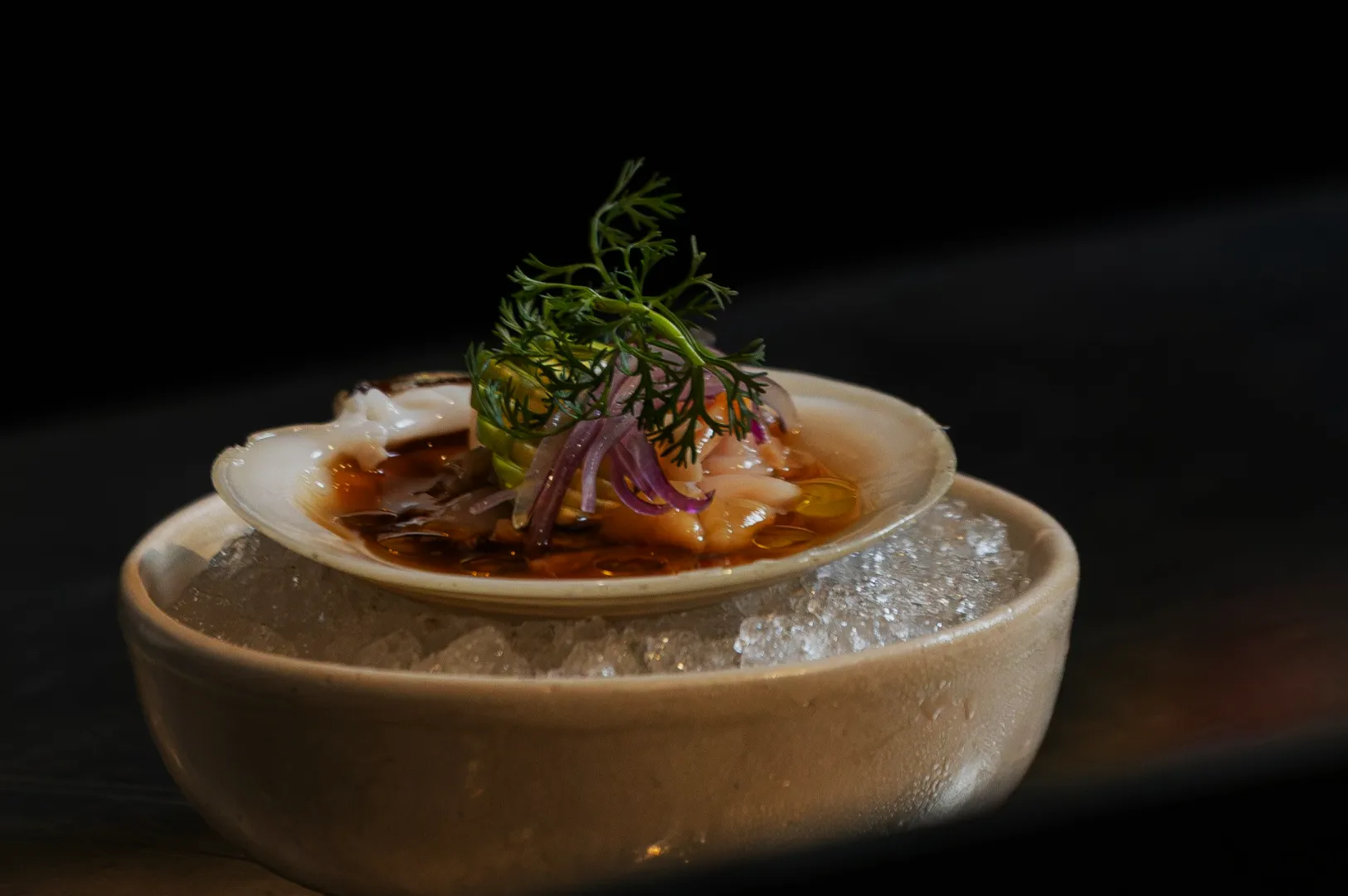
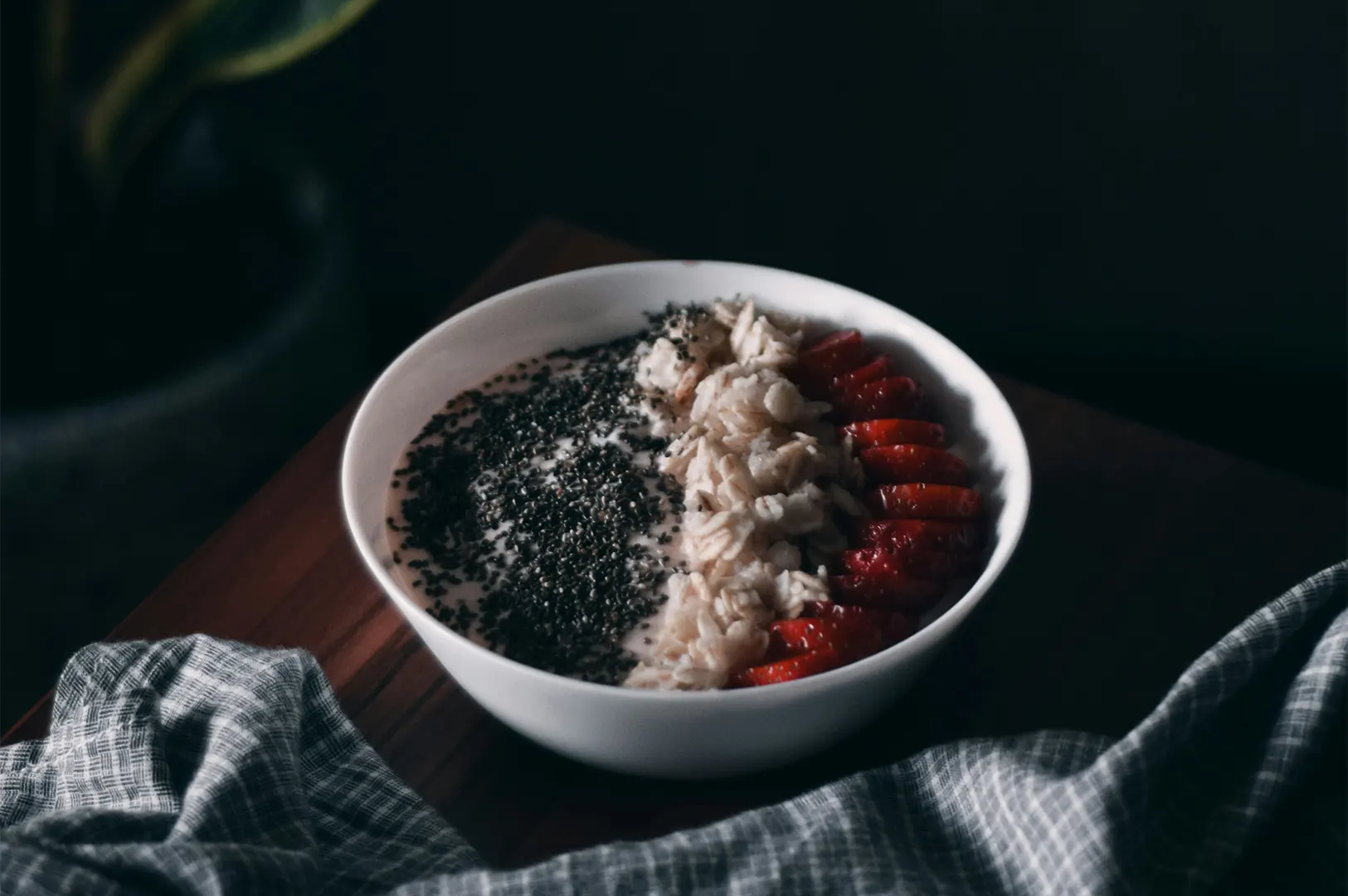
“Aesthetic” is a tricky word in food photography because it gets misused. For some brands, it means warm, creamy tones and soft shadows. For others,
Tips, stories, and inspiration from the world of food photography.

“Aesthetic” is a tricky word in food photography because it gets misused. For some brands, it means warm, creamy tones and soft shadows. For others,

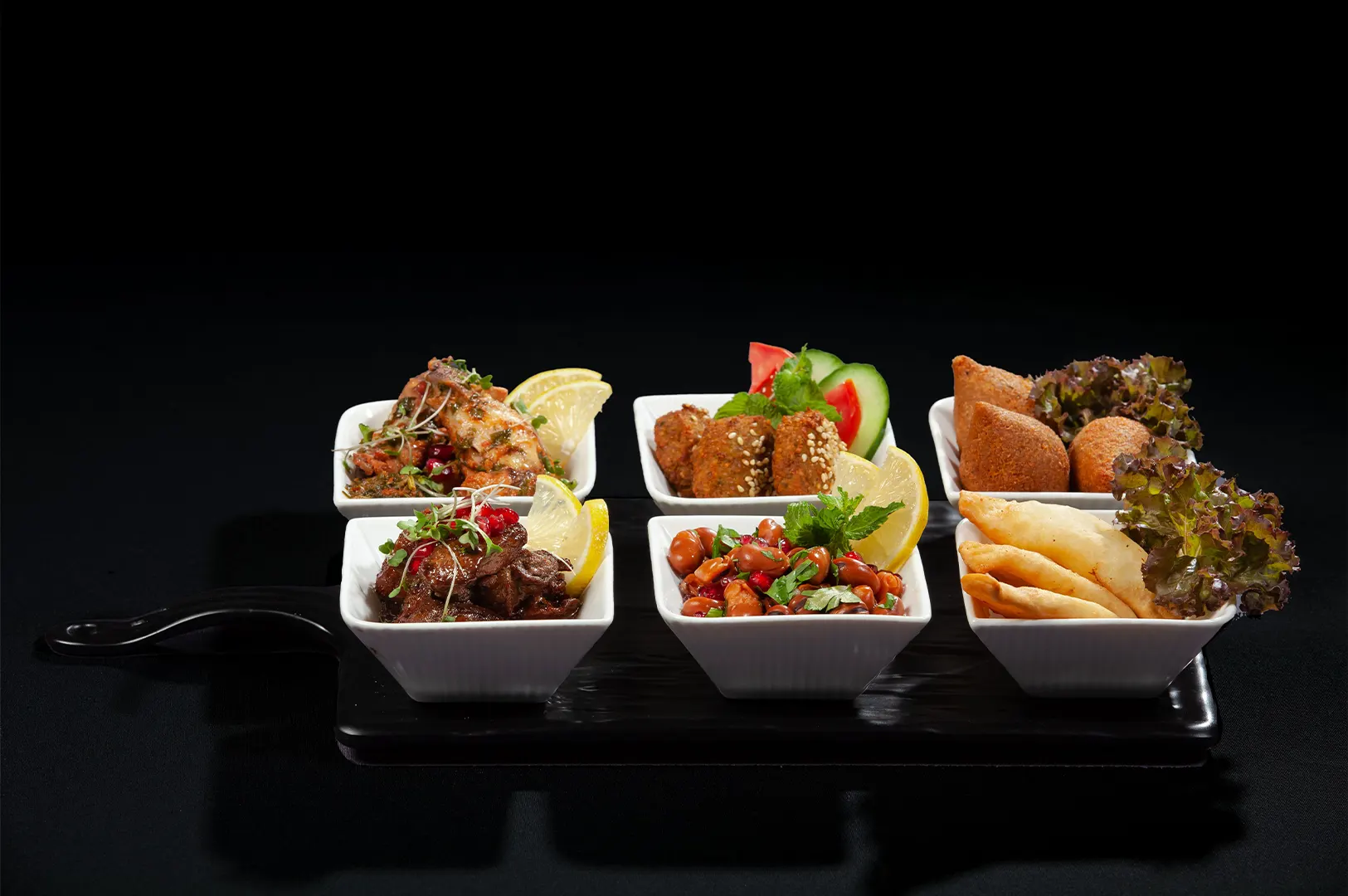
“Ambience shots” are tricky in Singapore because diners are sharp. They can tell when a photo looks like a showroom version of your restaurant instead

Aesthetic photography is great for branding. It sets mood, signals price point, and makes your restaurant feel like a place people want to be seen

If you’ve ever bought a “nice” plate for a shoot, used it once, then watched it gather dust in a cupboard, you’re not alone. In

Minimalism is one of those styles that looks “easy” until you try to shoot it yourself. A clean plate. A calm background. Plenty of empty

If aesthetic photography is the look, lighting is the engine. Not gear. Not presets. Light. In Singapore, lighting is also the most misunderstood part of

There is a version of “pretty” that looks impressive on screen, but quietly damages trust. You know it when you see it. The noodles are

Aesthetic photography is one of those phrases that gets abused online. Some people use it to mean “pastel and pretty.” Others mean “dark and moody.”

Editing is only half the job. The other half is exporting your food photos in a way that stays sharp, loads fast, and does not

If your restaurant has more than one person touching content, you have probably seen this problem: one person edits warm one person edits cool one