
Industry Insights
How Food Photography Shapes What Customers Think Your Restaurant Is Worth
Customers often decide what a restaurant is worth before they taste anything. They look at the food photos first. Then they make quiet assumptions: this

Customers often decide what a restaurant is worth before they taste anything. They look at the food photos first. Then they make quiet assumptions: this

Most F&B owners think food photography is about making dishes look nice. That is only half true. Good food photography does not just show what

Some food photography mistakes are obvious. Bad lighting. Messy background. Wrong angle. Awkward crop. But texture mistakes are more subtle. The dish may be properly

Premium food photography is not only about making a dish look beautiful. At a higher price point, customers are not just buying food. They are

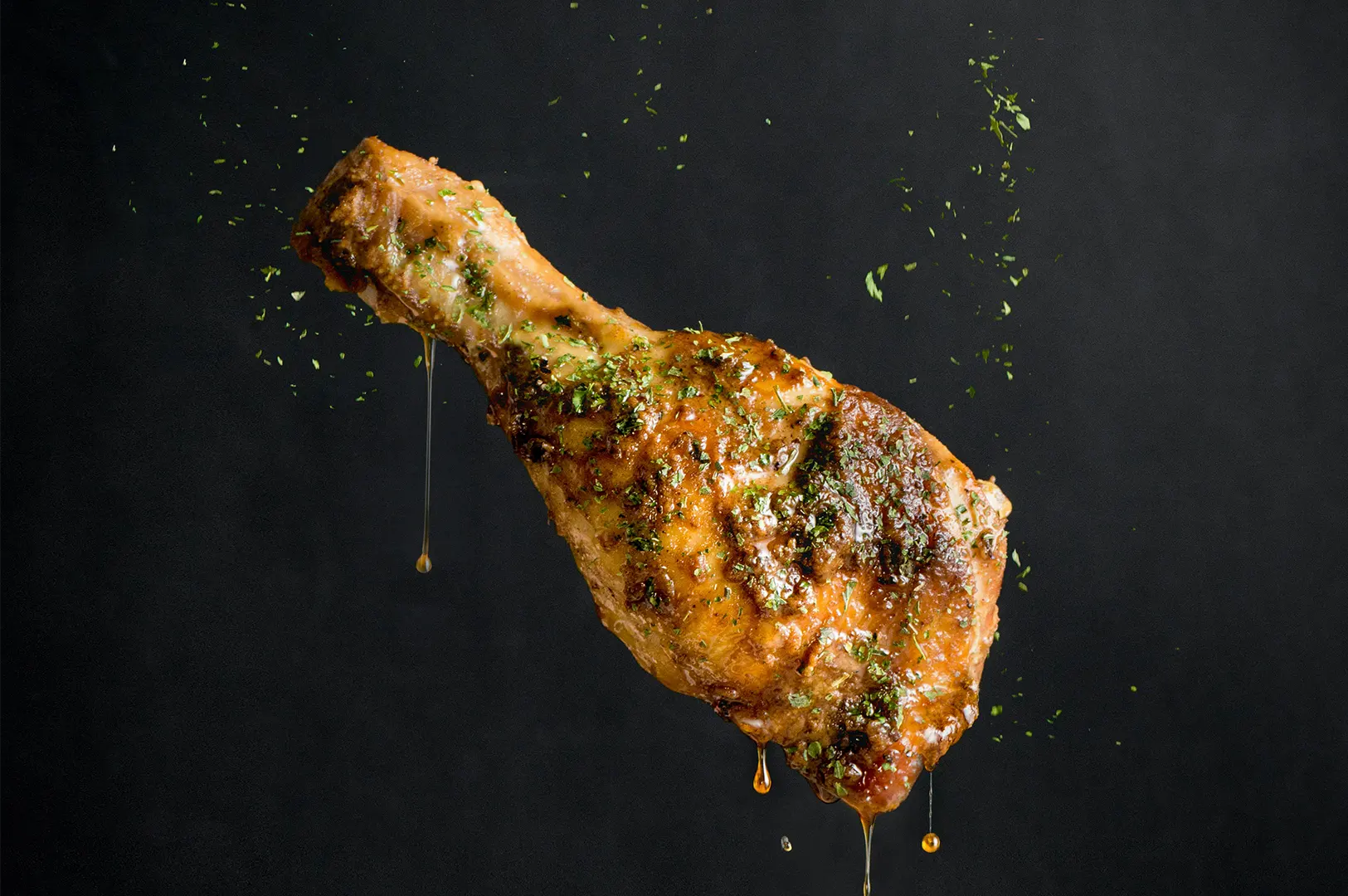
Close-ups can make food feel almost physical. A tight shot of crispy chicken skin can make customers imagine the crackle. A flaky pastry edge can
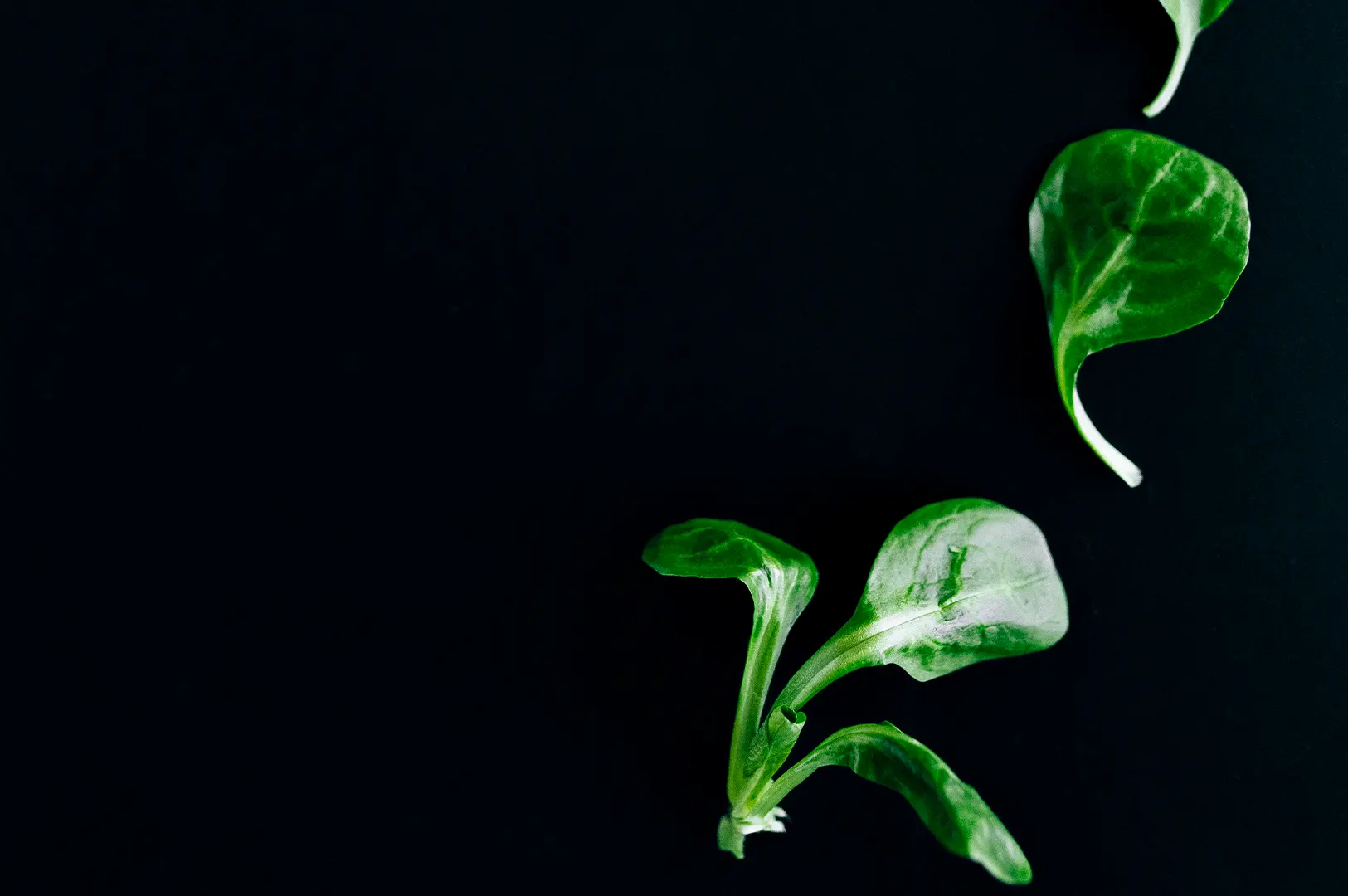
Fresh ingredients are some of the most powerful details in food photography, but also some of the easiest to ruin. A few basil leaves can
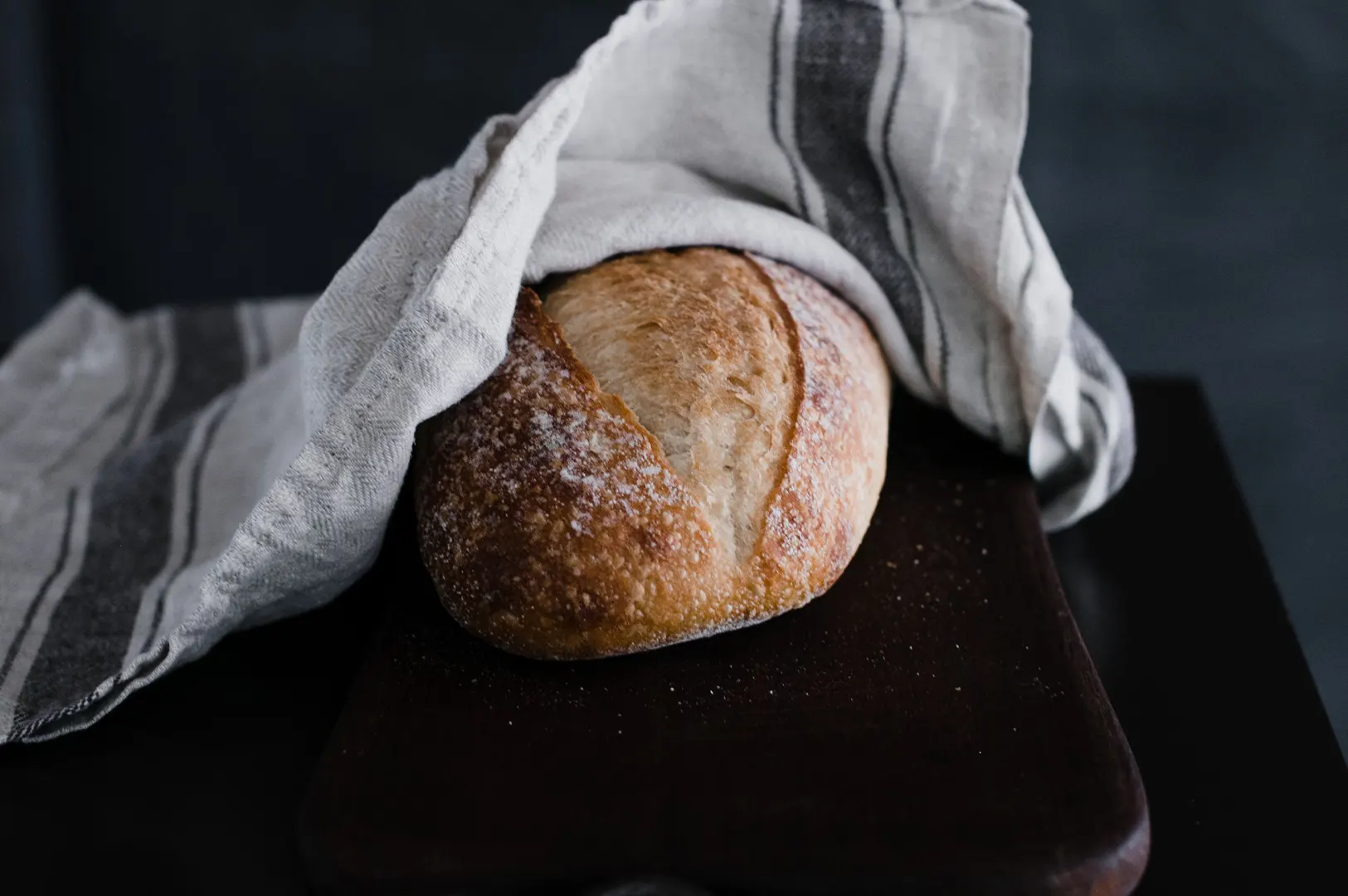
Rice, bread, and pastry look simple until the texture disappears. A plate of chicken rice can look plain if the grains merge into one soft
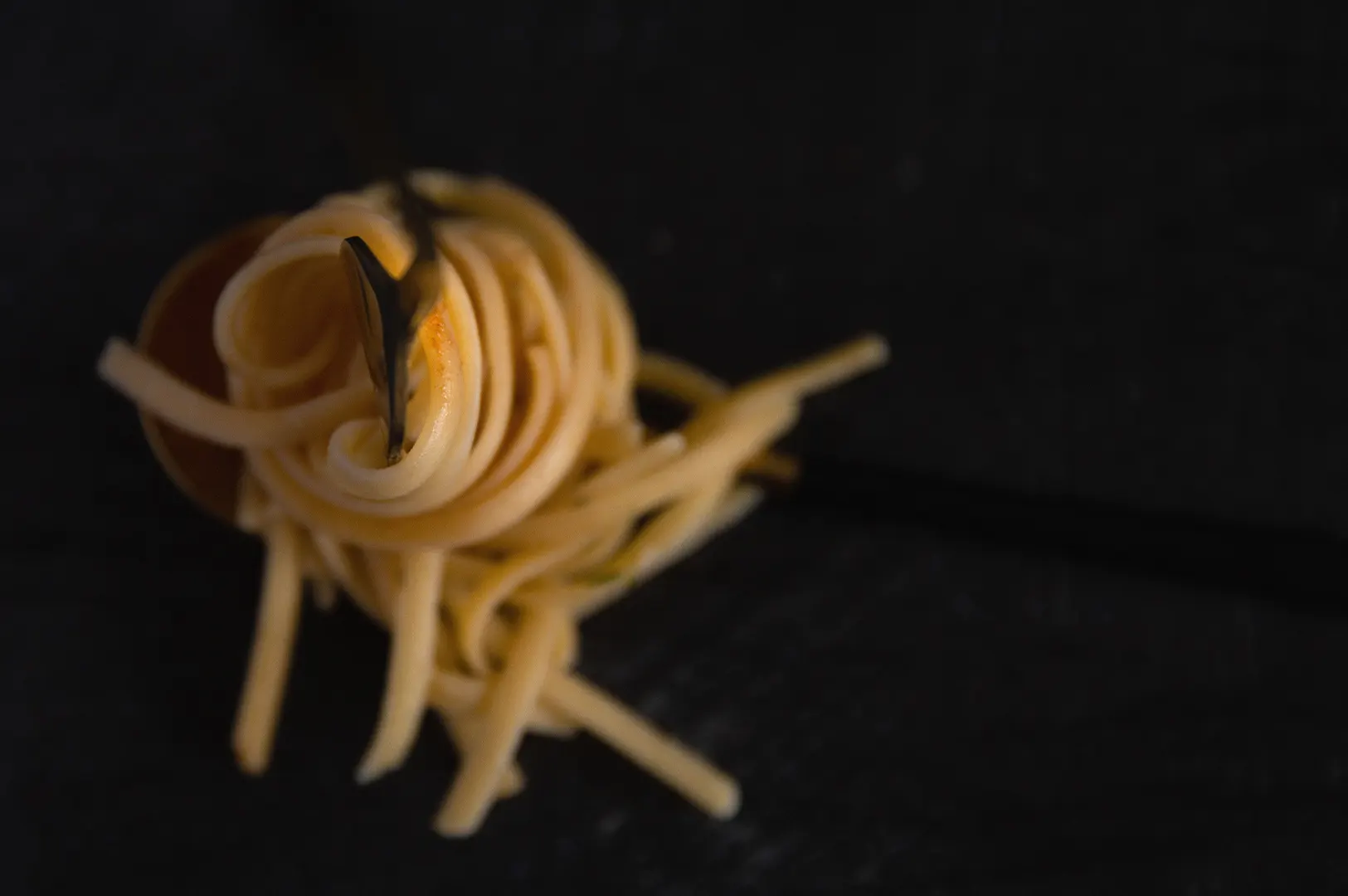
Soft food is comforting to eat, but surprisingly difficult to photograph well. A good chawanmushi feels delicate. Tofu should look silky. Soft scrambled eggs should
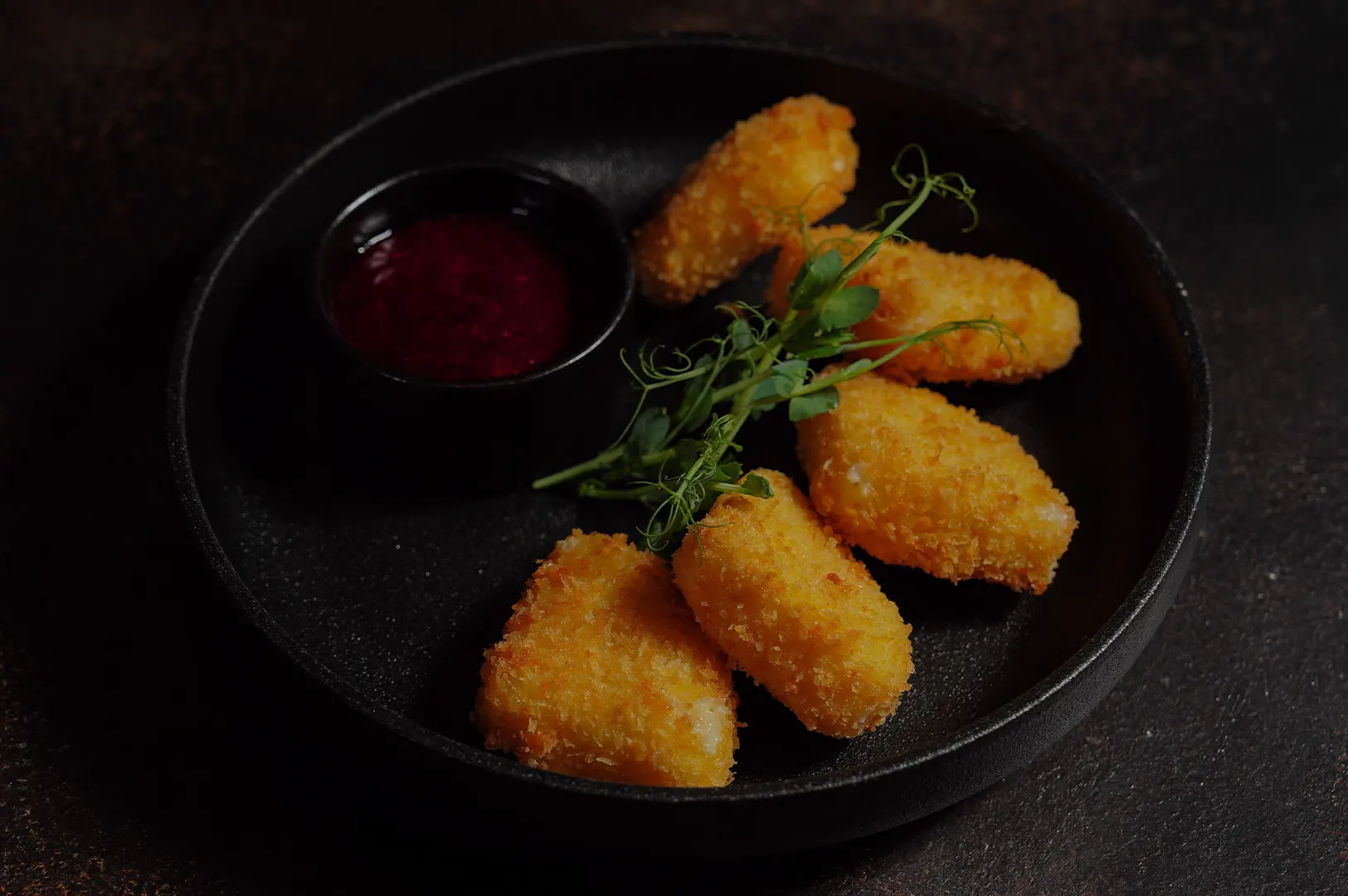
Customers cannot taste food through a screen. They cannot hear the crackle of fried chicken, feel the softness of tofu, or smell the richness of
Food photography does not sell taste directly. It sells the idea of taste before anyone takes a bite. That is where texture in photography becomes