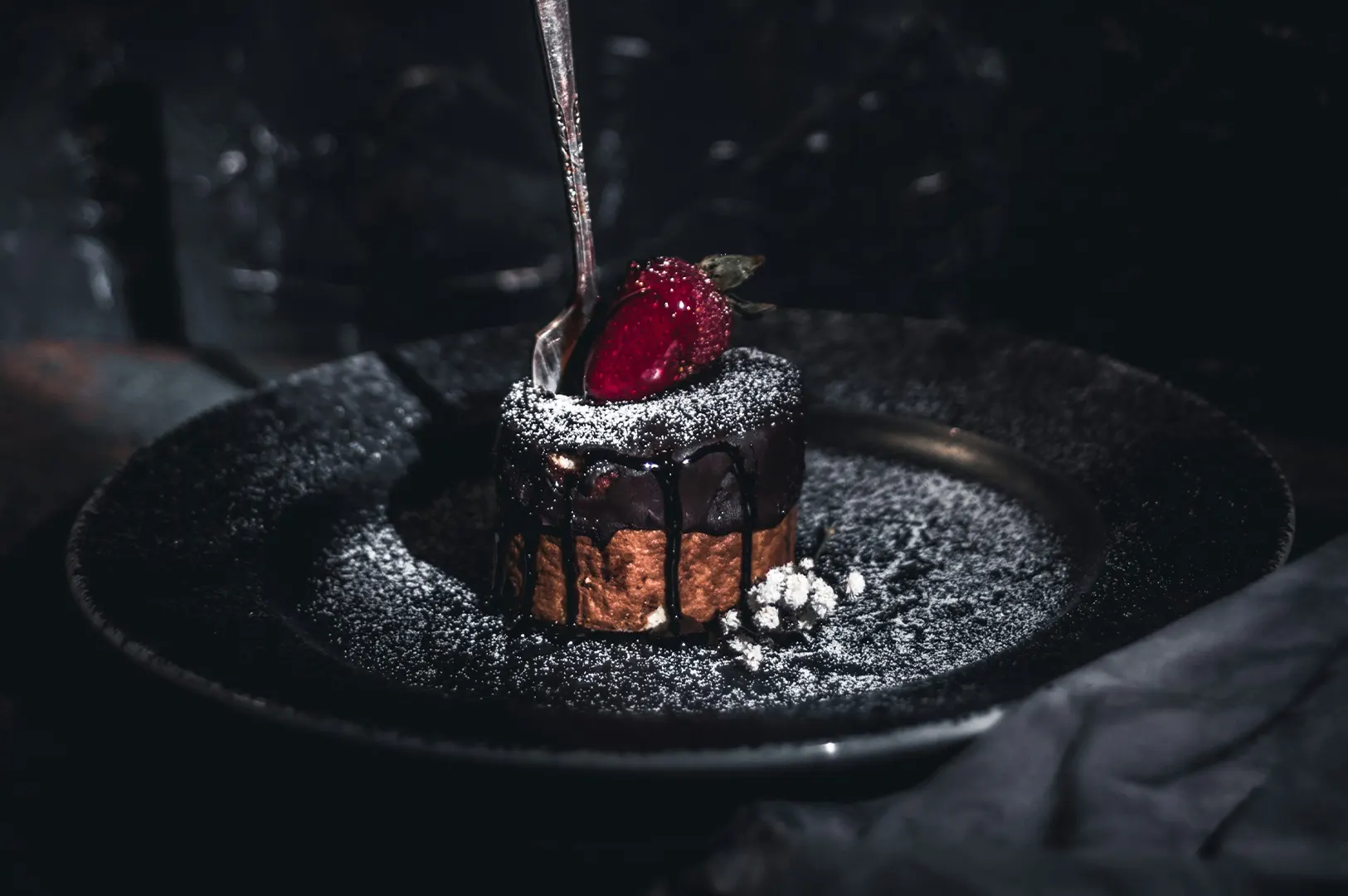
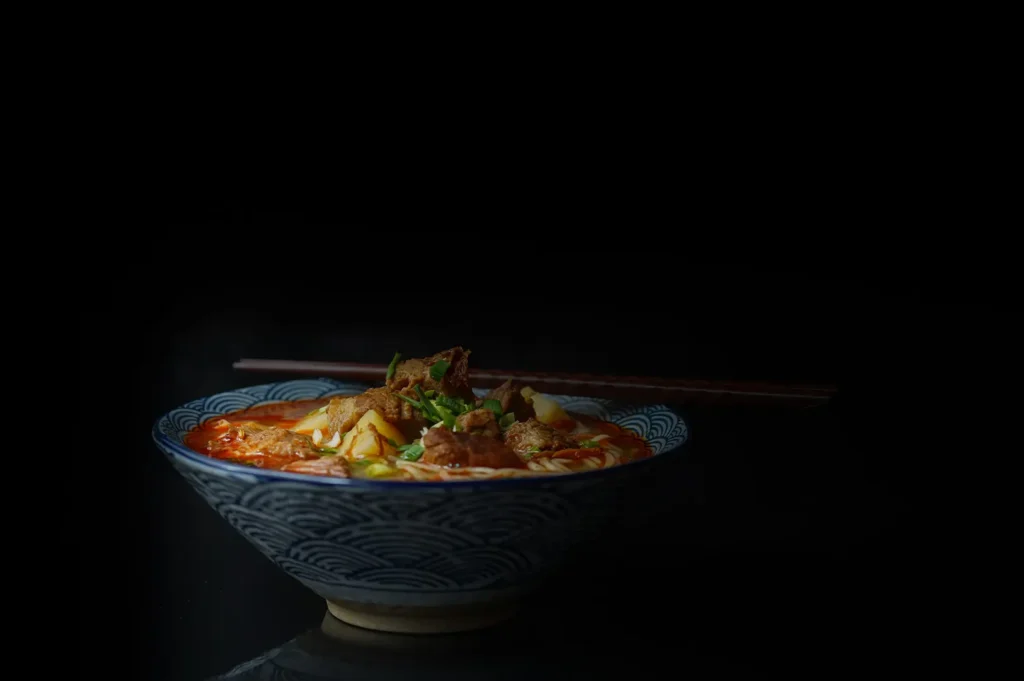
Hot food and cold drinks have one thing in common: they change faster than your camera settings.
Steam disappears. Ice melts. Condensation dries. Your bowl looks flat. Your drink looks room temperature. Suddenly the photo feels lifeless, even if the dish is great.
This is a timing article. Not an equipment article. Because in real kitchens, the win is often in the 90 seconds you prepare before the hero dish arrives.
If you want the full set of techniques behind daily shooting, read our guide here.
The Hot Food Window Is Shorter Than You Think
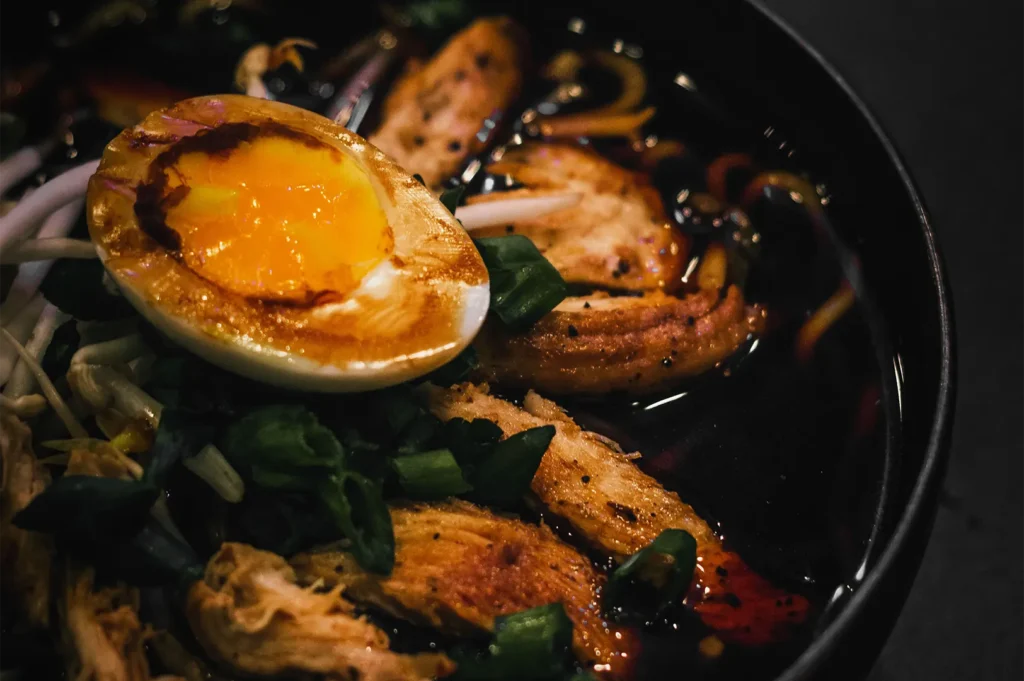
For most bowls, you have about 2 minutes where the food looks alive.
So do this:
- Set your scene first.
- Set your camera exposure first.
- Put the bowl down last.
Do not build the set around the bowl. Build the set, then bring the bowl.
How to Make Steam Visible (Without Faking It)
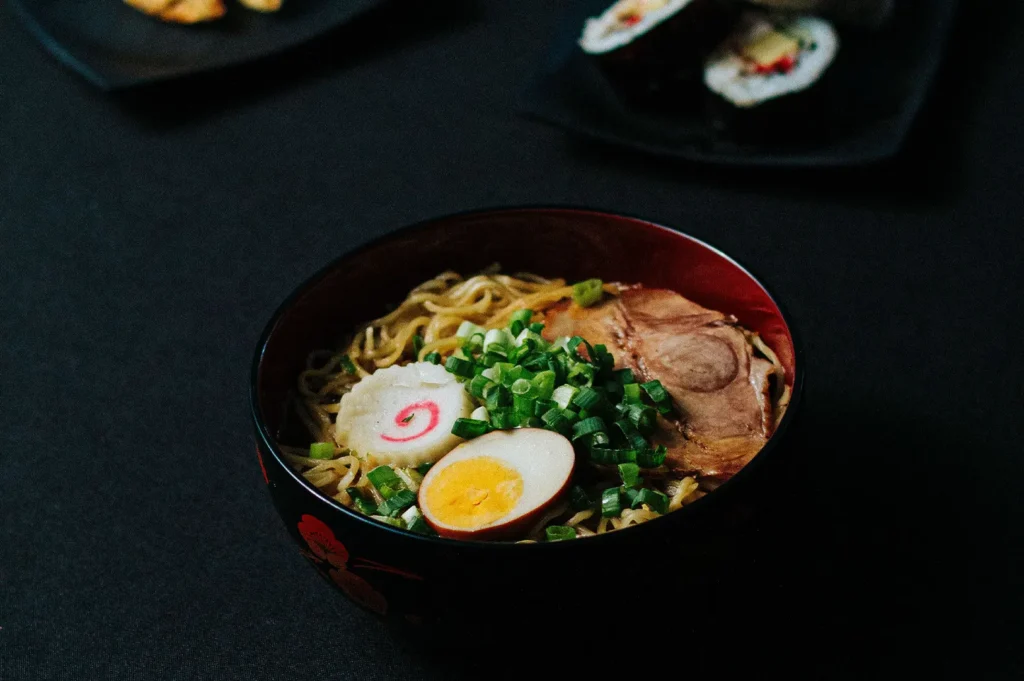
Steam shows best when:
- Light comes from the side or back.
- Background behind steam is darker.
- The surface has texture, like noodles breaking broth.
If you shoot steam from the front under flat light, it disappears.
A simple setup:
- Place the bowl near a window.
- Shoot with the window slightly behind the bowl, not behind you.
- Keep a darker background behind the steam, even a dark menu folder works.
When to Fake Steam, and When Not To
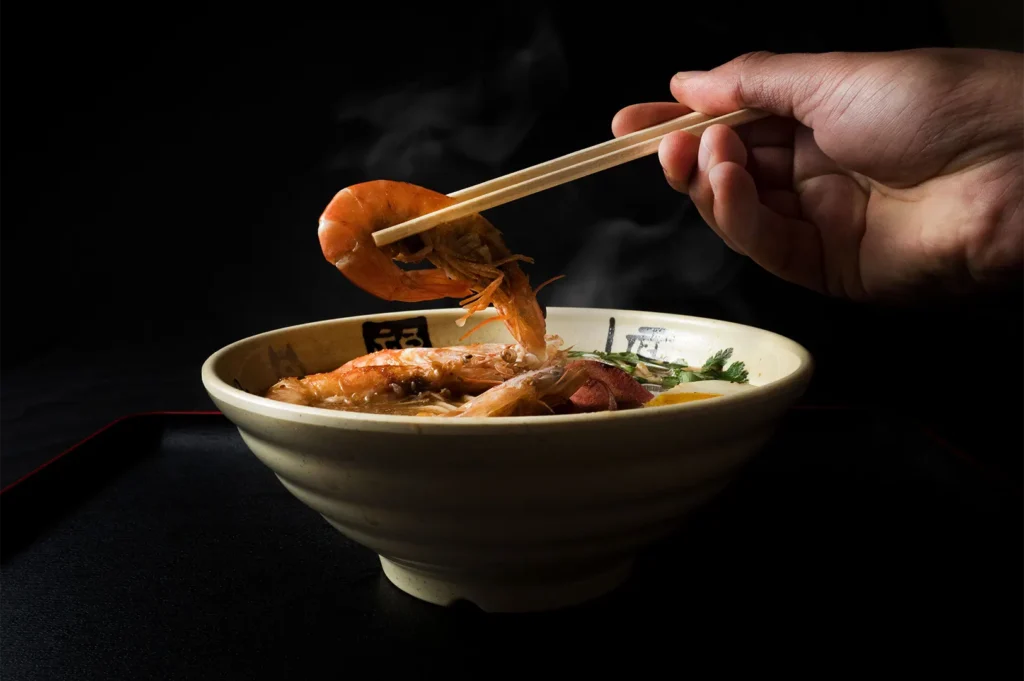
For delivery menu photos, fake steam can look silly. For story content, it can work.
If you must fake it:
- Use a hidden cup of hot water behind the bowl.
- Or use a microwave-heated damp cloth behind the dish, out of frame.
But if you can shoot real steam, always choose real. Real steam has randomness that looks believable.
Condensation That Looks “Cold” (Not Messy)
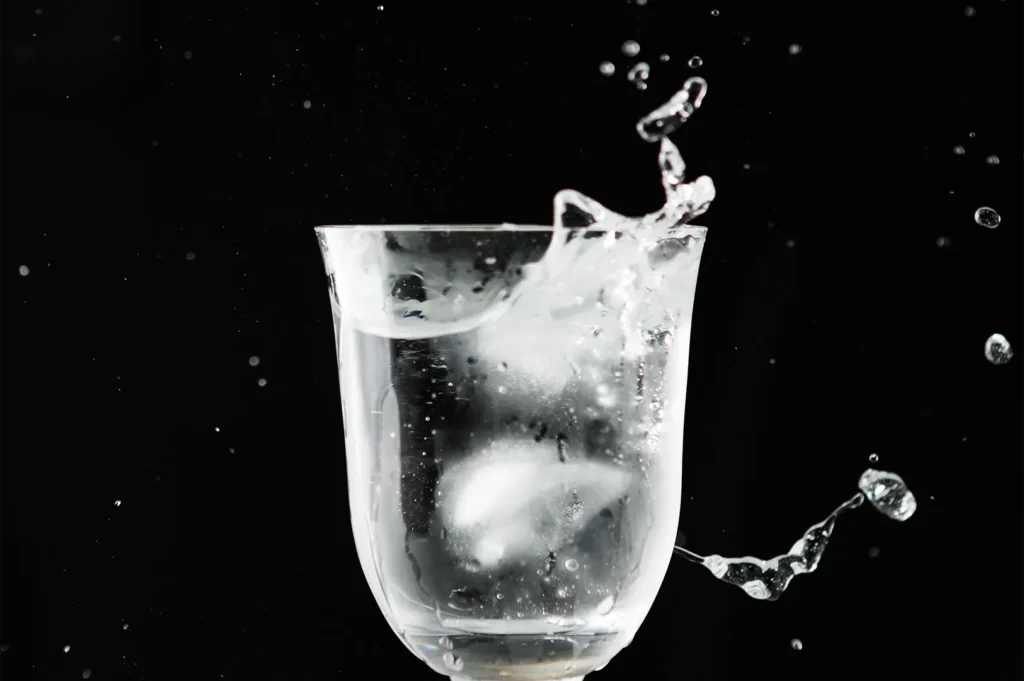
In Singapore humidity, condensation is expected. A dry glass reads as warm.
To create believable condensation:
- Chill the glass first if possible.
- Use a spray bottle for fine mist.
- If it dries too fast, refresh quickly between shots.
For professional shoots, glycerin mixes help droplets stay longer, but for daily content, misting is often enough.
Ice That Survives Longer
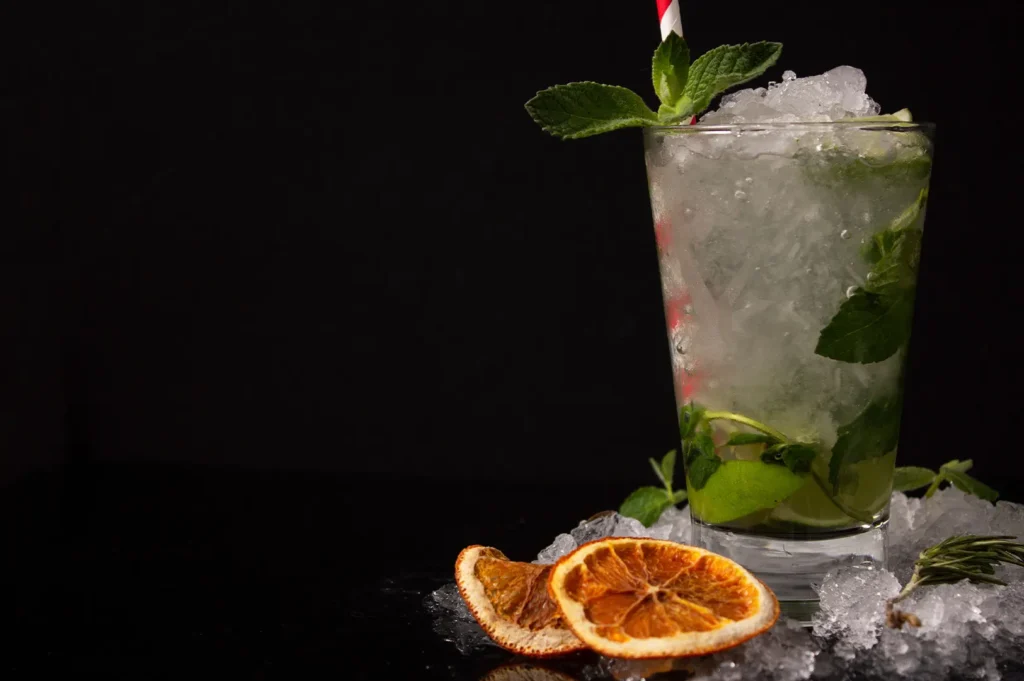
If your drink is part of a photoshoot, consider:
- Larger ice cubes melt slower.
- Use a cold glass.
- Avoid placing the drink under direct light for too long.
If you shoot iced drinks often, ask your team to keep one “photo drink” aside with controlled timing.
Prepare First, Shoot Fast
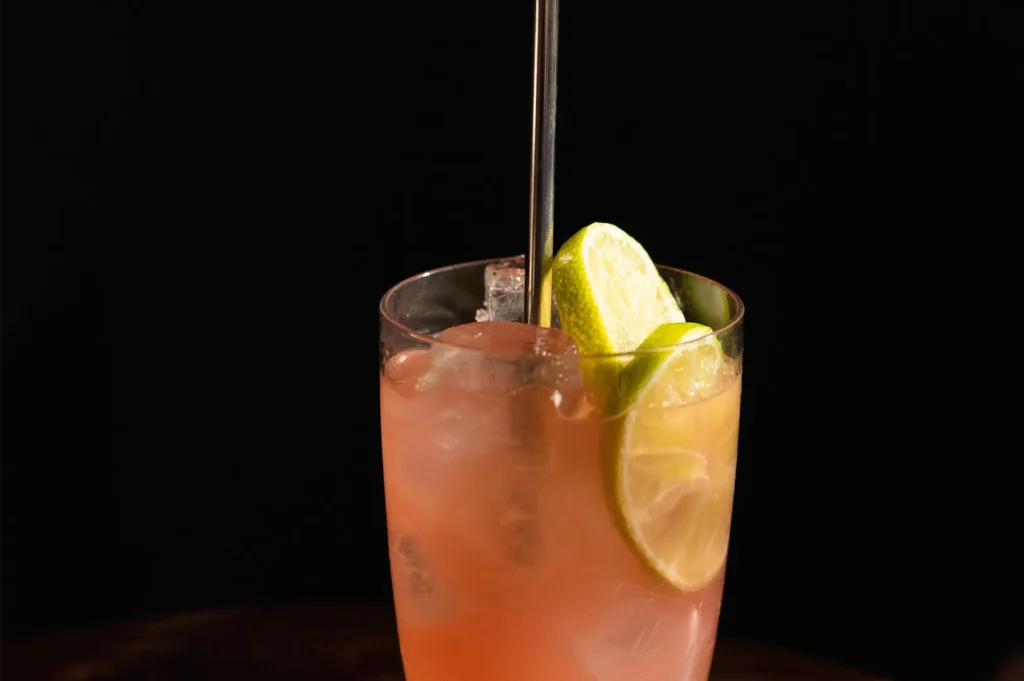
Steam and condensation are emotional cues. They tell diners “fresh” and “now”. If you plan the scene and shoot fast, your hot bowls look hot and your iced drinks look cold, without drama.