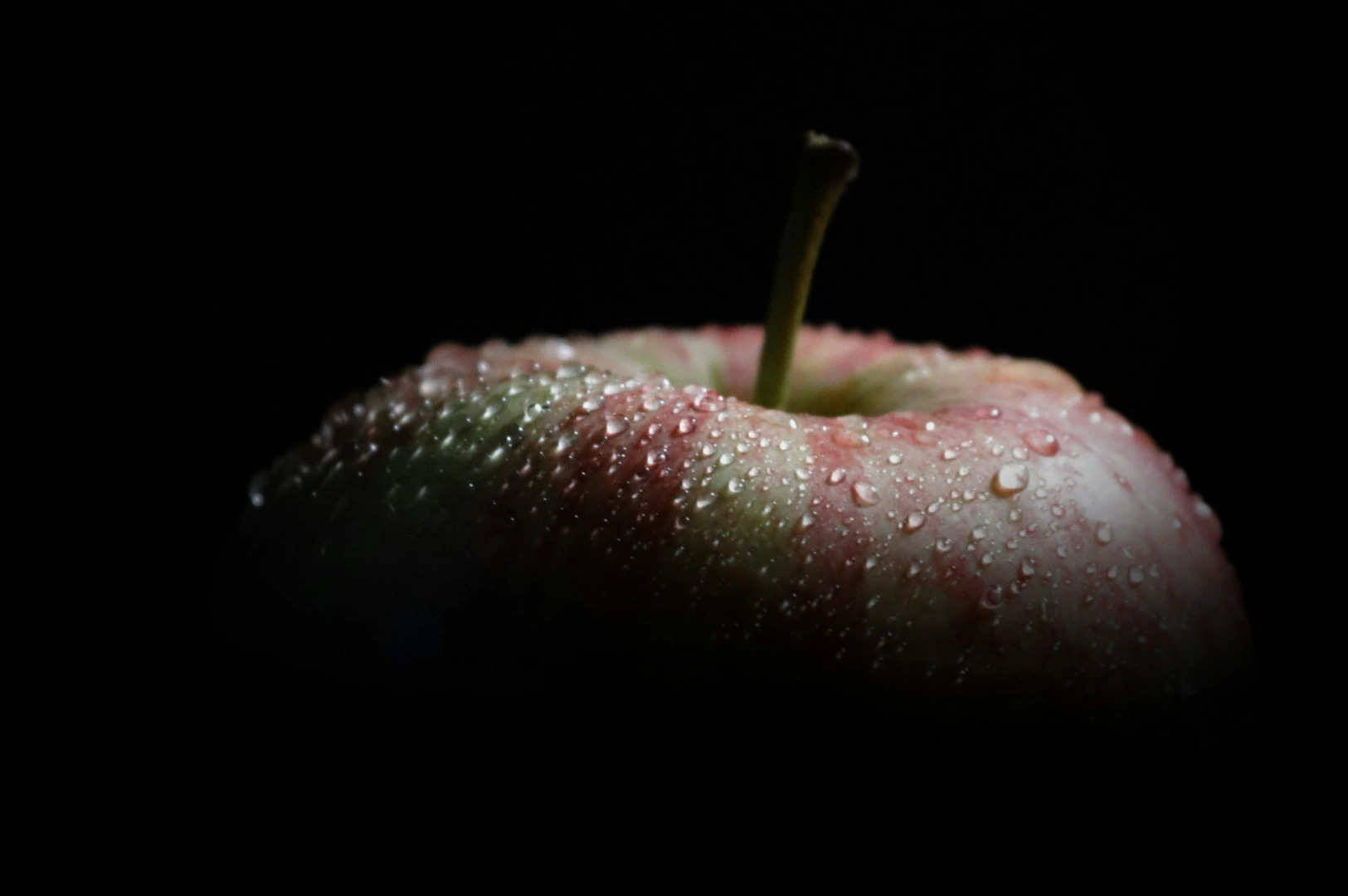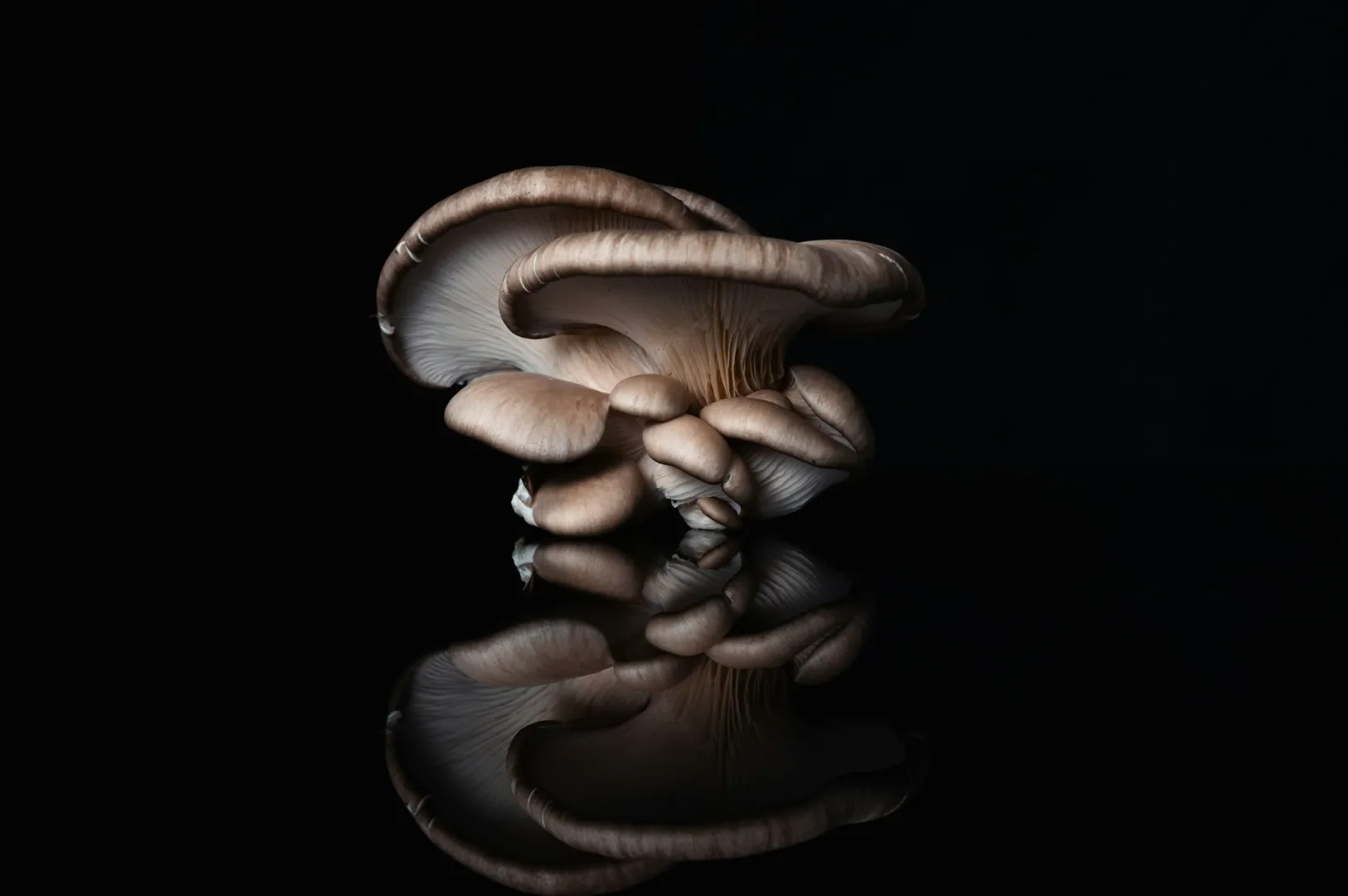
A “cool photoshoot” is not about gimmicks. It is not about throwing a neon sign behind your dish and calling it content. In Singapore, cool usually means something else. It means the photo feels intentional. The food looks like it belongs. The lighting makes you pause. The scene tells you what kind of place this is, before you even read a caption.
That is why a cool photoshoot matters for F&B brands. Not because your dishes need to look trendy, but because your visuals are now part of the dining decision. A good shoot helps a diner understand your portion, your vibe, your standards, and your personality in one glance. It also helps your team stop guessing what to post, because you finally have a library of images that work.
This guide is our on-the-ground Singapore playbook. It is the way we plan, style, shoot, and deliver photos that look sharp, feel human, and perform across menu, social, and web.
To see the kind of work we mean, you can browse our portfolio on the Food Photographer Studio.
What Makes A Cool Photoshoot Actually “Cool” In Singapore
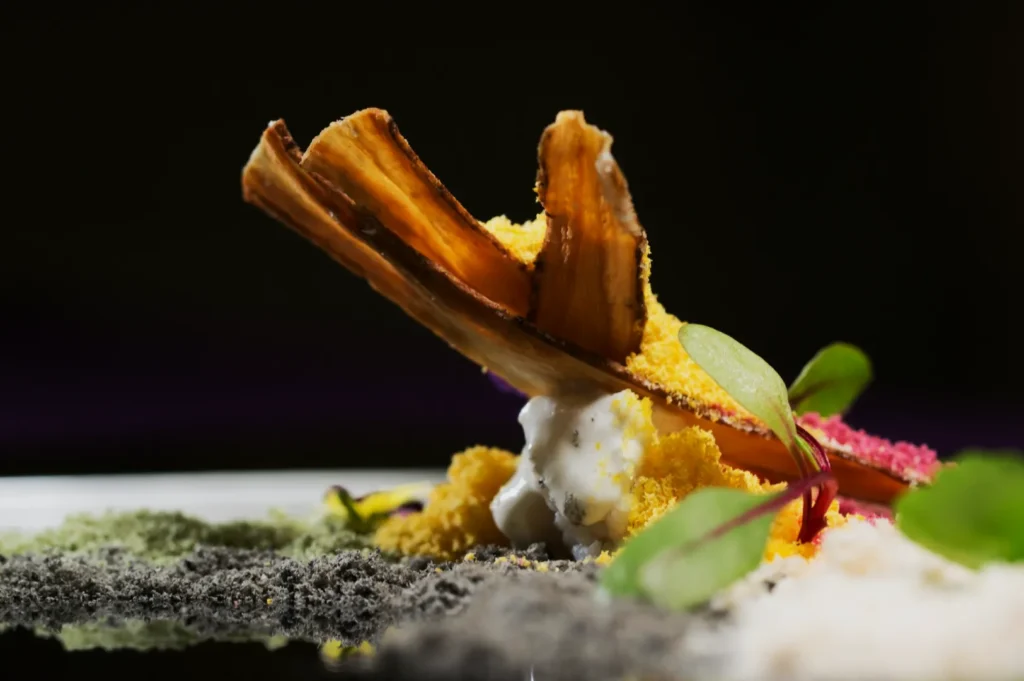
Singapore diners have high visual literacy. They can tell when a photo is trying too hard. They can also tell when a dish was shot without care. So a cool photoshoot is really a balance of three things.
First, it respects the food. Your chilli crab should still feel like chilli crab. Your kaya toast should still look like something you would actually eat. The moment the image becomes a fantasy, trust drops.
Second, it has a point of view. Cool photos have a clear decision behind them. A quiet, minimalist cafe in Tiong Bahru should not look like a loud night concept in Clarke Quay. The photography needs to match the room.
Third, it is built for real use. A cool photoshoot is not only hero shots. It includes the boring-but-important angles that make menus sell, plus the lifestyle frames that make people save and share.
When those three line up, your visuals stop being “pretty”. They become brand assets.
Start With The Brief: The One Page That Saves Your Shoot
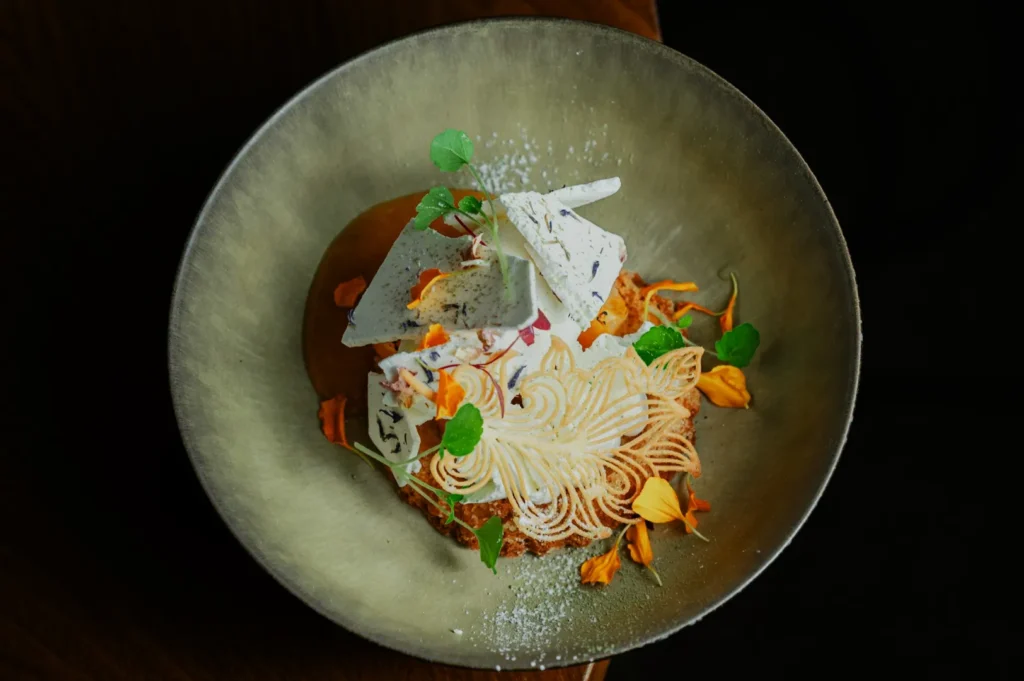
The fastest way to waste a shoot is to show up with no plan and try to “wing it”. In a restaurant, food changes fast. Ice melts. Herbs wilt. Steam disappears. The shoot needs structure.
Before we shoot, we lock three decisions:
1) What are you shooting for?
Menu refresh, new opening, seasonal launch, delivery thumbnails, or a brand campaign. A cool photoshoot for a new brunch menu is very different from a cool photoshoot for a dinner tasting set.
2) Where will the images live?
Website banners need horizontal space and clean composition. Delivery platforms need clarity at thumbnail size. Instagram needs scroll-stopping crops and variety.
3) What is the visual direction in one sentence?
Examples: “clean and bright, but not sterile”, “moody and premium, with strong texture”, “heritage and familiar, like your favourite hawker table”.
Once you have that, your shot list becomes obvious. You stop capturing random plates and start capturing a story.
The Shot List For A Cool Photoshoot That Actually Performs
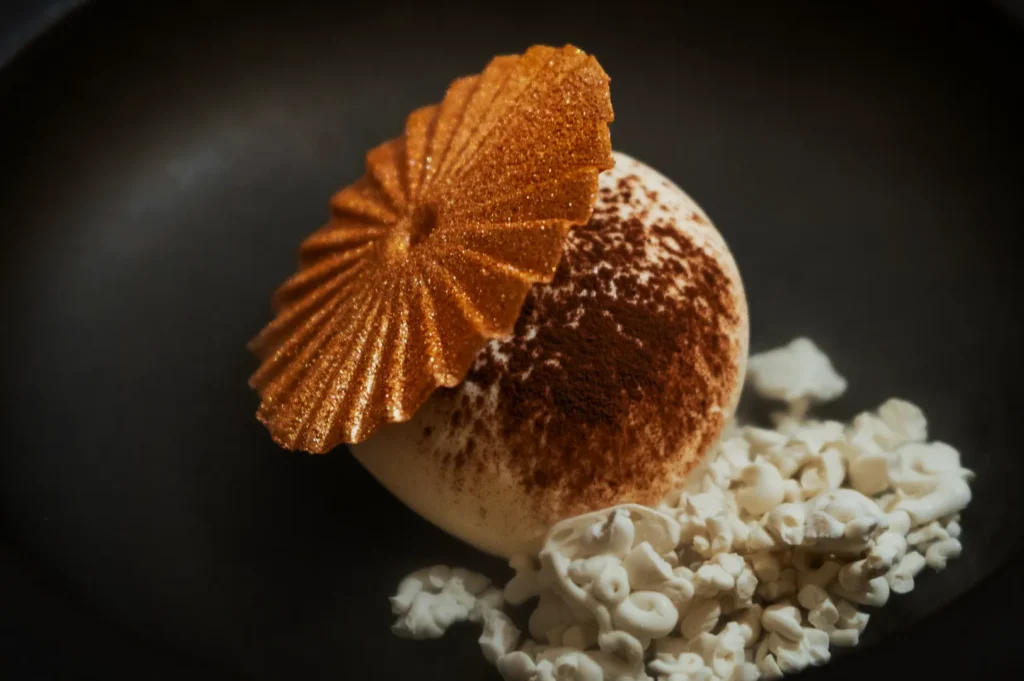
A cool photoshoot should give you a mix, not just one type of image. If every photo is the same angle and the same mood, your feed gets flat.
We typically build around four buckets:
Hero dishes (the money shots)
These are your signatures and best-sellers. Shoot them with the most attention, because they will carry your homepage, your menu highlights, and your ads.
Support dishes (the full menu looks consistent)
These photos do not need to be dramatic. They need to be clean, accurate, and consistent. This is where brands win trust, especially when a diner is comparing options.
Process and texture (the “I can taste it” frames)
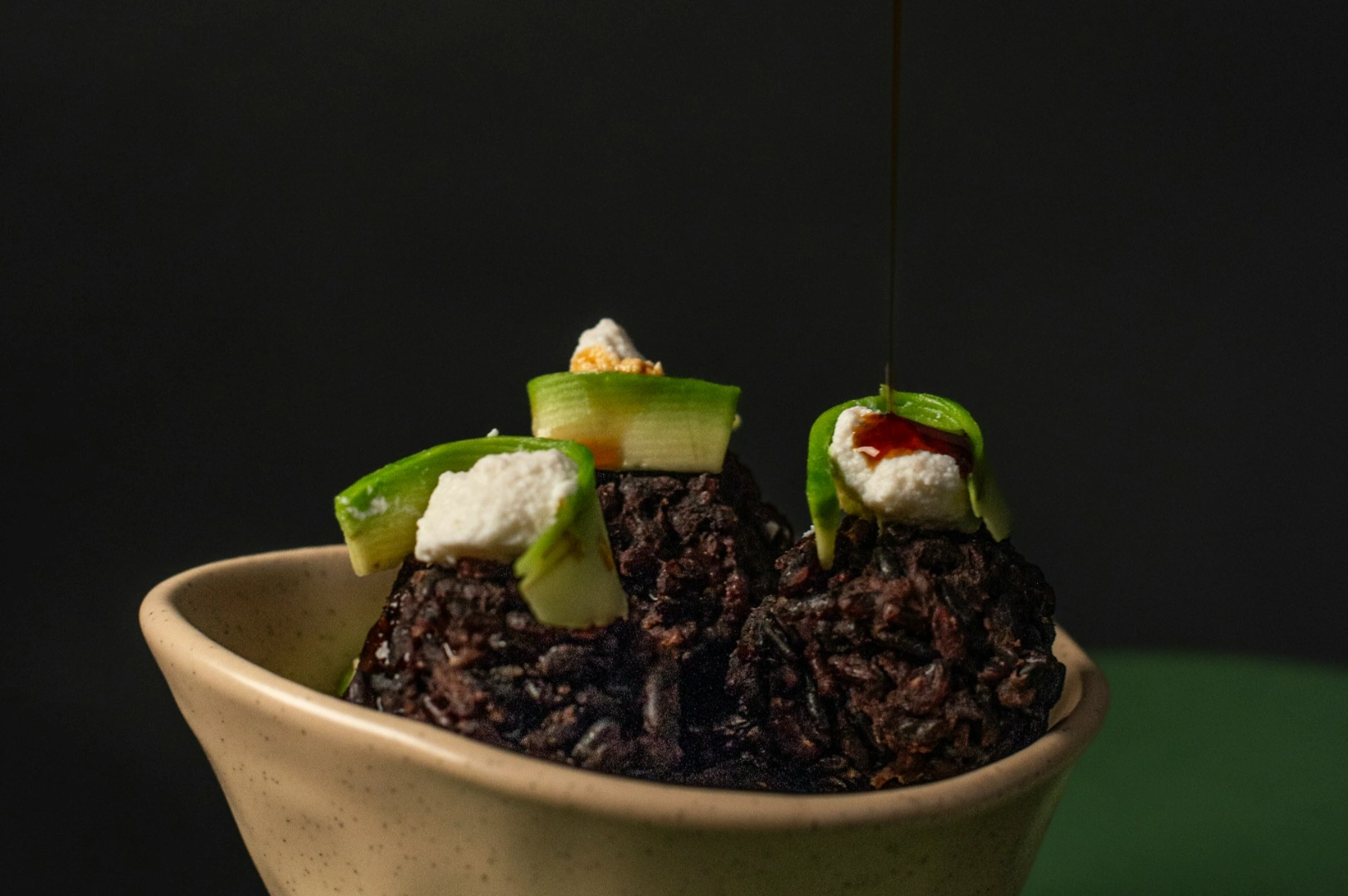
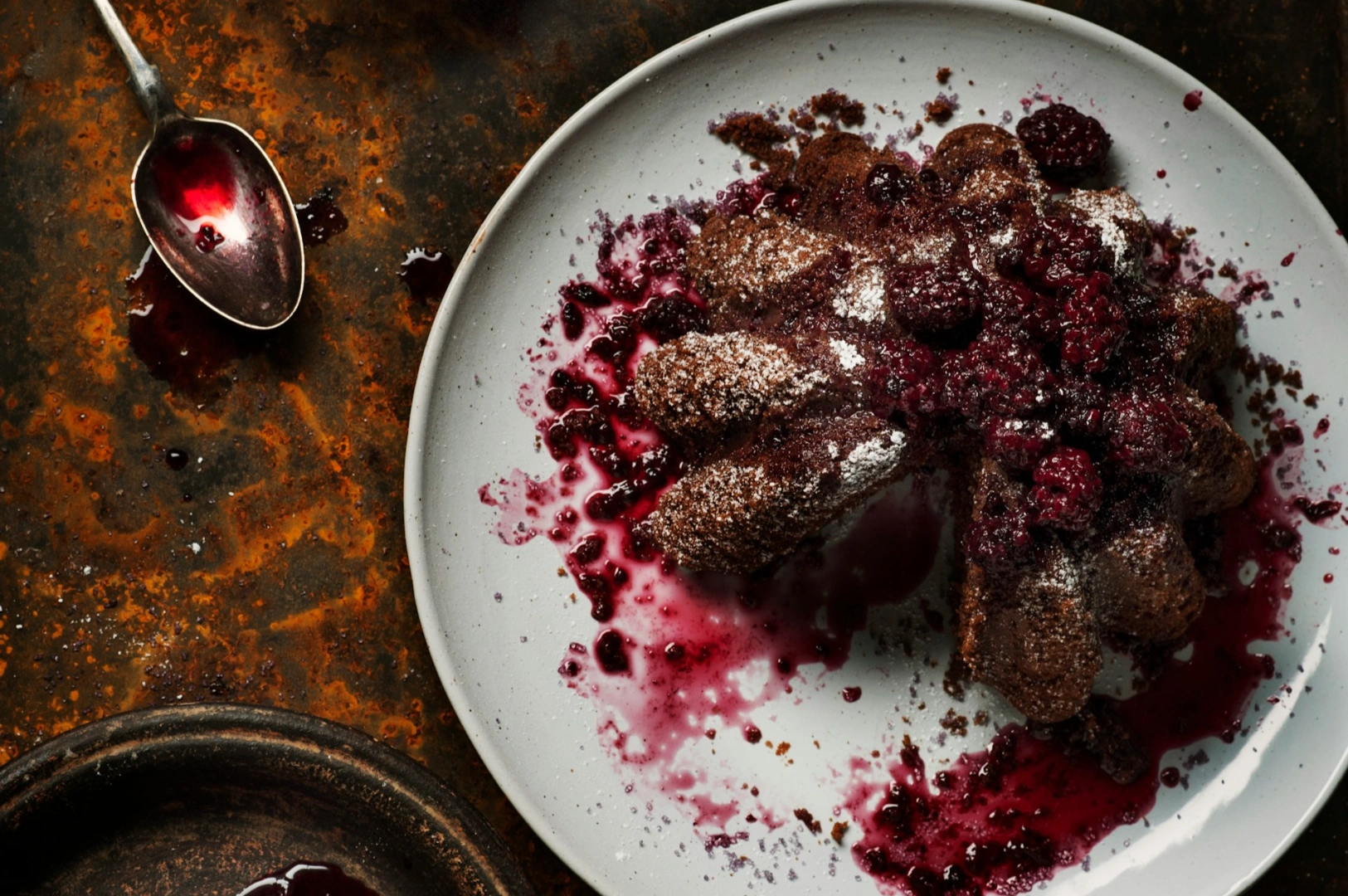
Pour shots, steam, crisp edges, glossy sauces, knife cuts, crumbs, char marks. This is where a cool photoshoot becomes sensory, not just descriptive.
People and place (proof of life)
A hand plating, a chef at the pass, a table moment, a corner of your space. These frames make the brand feel real, not like stock photography.
This is also where you decide your ratio. If your business is delivery-heavy, you might need more menu-clear images. If you are building a concept brand, you might need more environment and people.
Styling That Keeps The Dish Honest, But Better
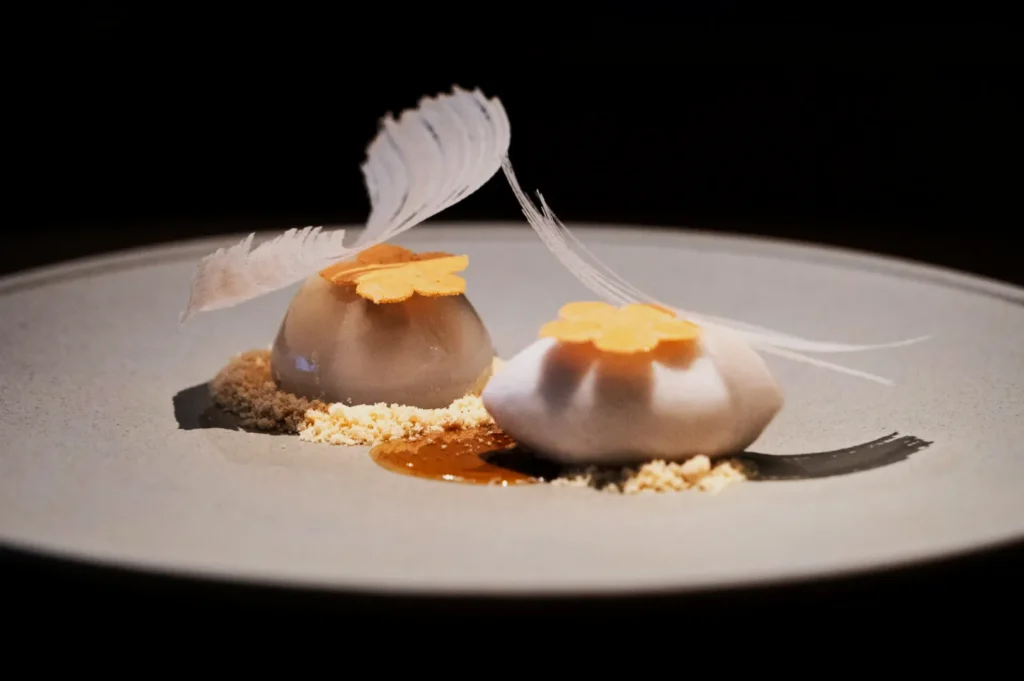
The best styling is invisible. The dish looks like itself, only at its best.
In Singapore, we also have a practical reality. Many kitchens are hot. Many shoots happen between prep and service. Food has to survive long enough for multiple angles. So styling is both aesthetic and operational.
Here is what matters most:
Portion and structure
Small tweaks change everything. Lift the noodles so they do not sink. Angle the protein so it catches light. Separate components so the diner can read what they are ordering.
Colour and contrast
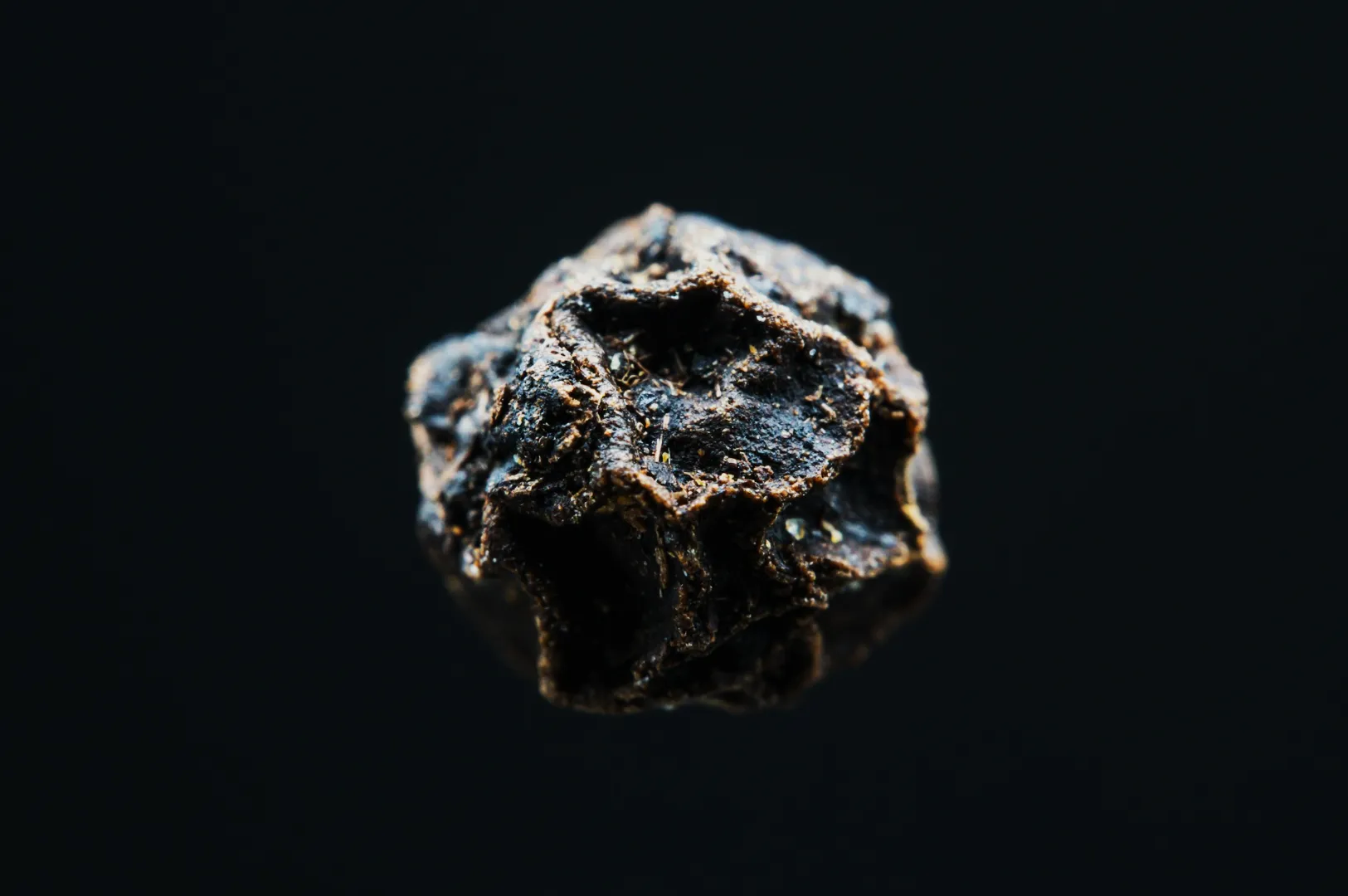
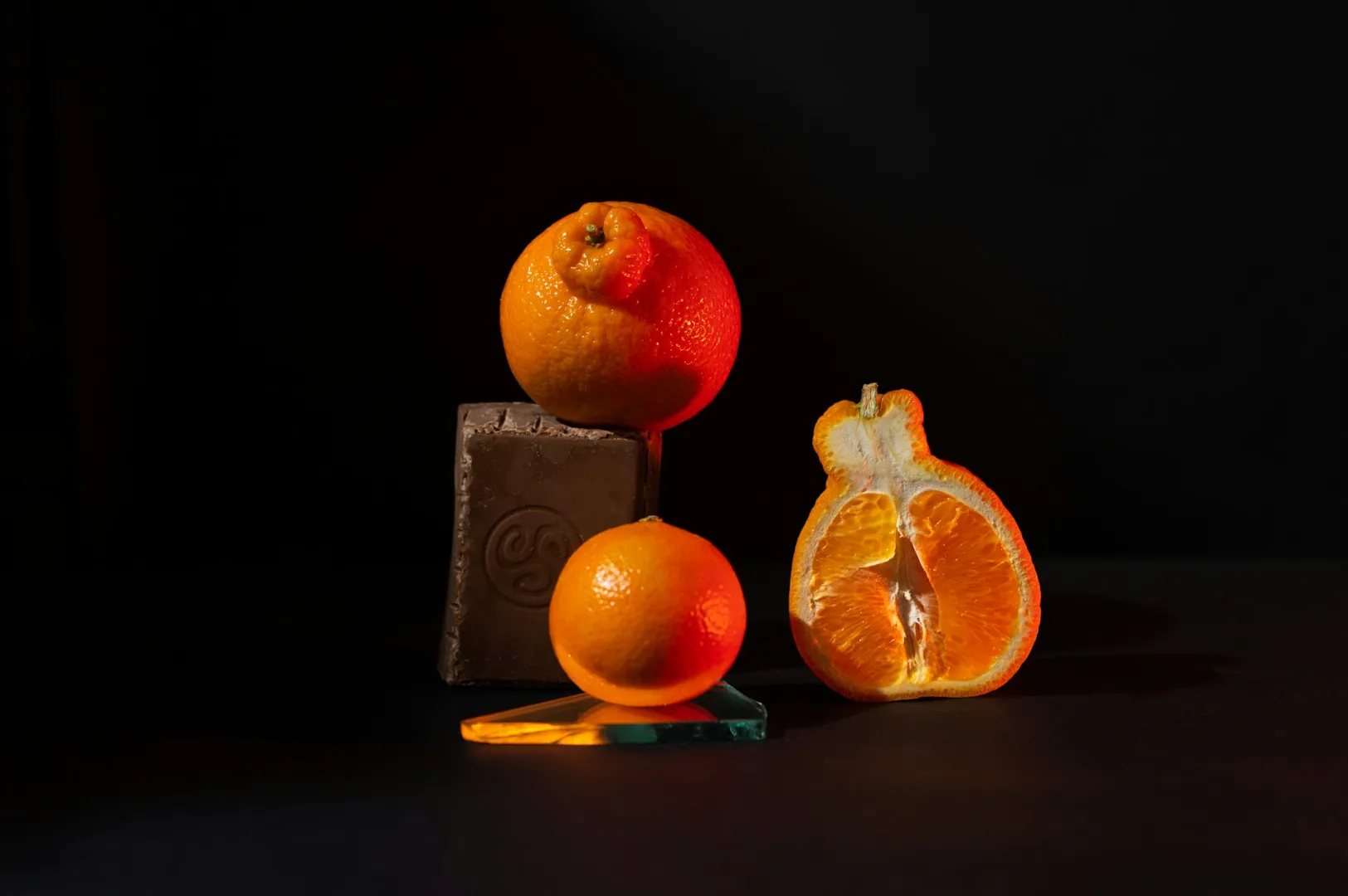
A cool photoshoot often looks “cool” because the colours are controlled. Neutral plates, simple surfaces, and a few intentional accents. Fresh herbs, chilli slices, citrus, toasted edges. Not for decoration, but to make the dish feel alive.
Props that belong
A hawker-style dish can look ridiculous on an ultra-modern plate. A fine dining dish can look cheap on scratched melamine. Props are not decoration. They signal the dining context.
Background discipline
One strong backdrop is better than ten random ones. If you want your menu to look like one brand, keep a consistent base: one light surface, one dark surface, and one wood or stone option is often enough.
A cool photoshoot is not a shopping spree. It is a controlled set of choices that makes the food the hero.
Lighting: The Shortcut To “Cool”
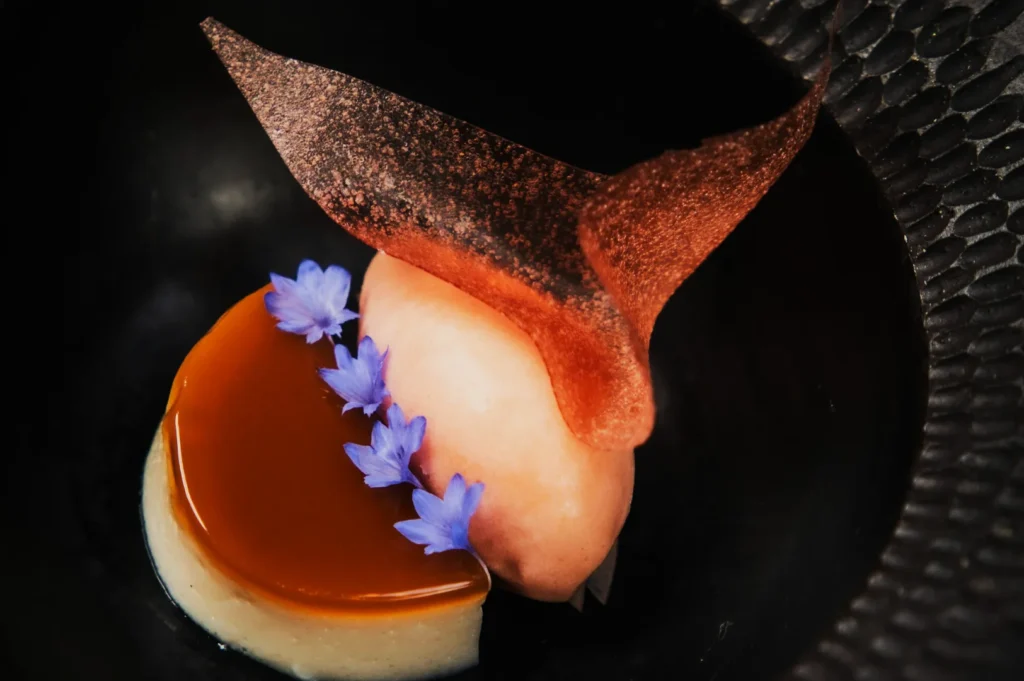
If you want “cool” fast, fix the light. Singapore lighting is rarely flattering by default. Dining rooms are warm. Kitchens are mixed colour. Hawker centres have strong overhead fluorescents. If you shoot under whatever is there, your food will often look tired.
A simple approach works best:
Natural light when you can
Window light is still the easiest way to get soft texture and honest colour. Side light gives depth. Back light gives glow, but you must manage flare and keep the dish readable.
One-light setups when you cannot
For night shoots or dark interiors, one controlled light source can do more than you think. The goal is not to make the scene bright. The goal is to shape the food so it looks dimensional. This is where a cool photoshoot gets its mood.
Keep colour consistent
Mixed lighting is the silent killer. Your whites shift, your greens go dull, your sauces look muddy. A clean white balance makes your images feel intentional, which reads as “professional” even before a diner knows why.
Lighting is also where you decide your brand energy. Harder shadows feel bold and modern. Softer light feels calm and premium. Both can be cool. The key is choosing one on purpose.
Running The Shoot Like A Kitchen, Not A Studio Fantasy
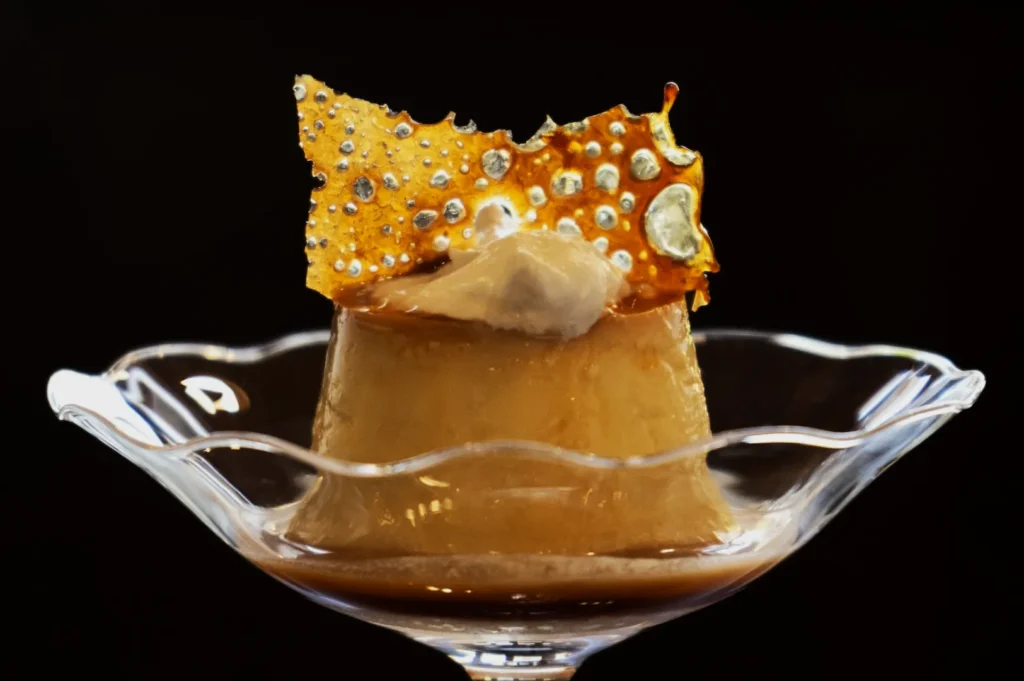
If your shoot day feels chaotic, you will lose time, lose food quality, and lose consistency. The easiest way to make a cool photoshoot work in a real restaurant is to assign simple roles.
One person owns plating timing. One person checks surfaces and props. One person watches details like smudges, drips, and stray crumbs. If you are doing it in-house, that “third eye” role is what most teams miss.
We also plan the order of dishes. Fast-melting items first. Fried items shot immediately. Cold drinks last-minute. Sauces added near the end. Herbs placed right before the shutter.
A cool photoshoot is not rushed, but it is efficient. The best shoots feel calm because they are planned.
Post Production: Keep The Food Believable
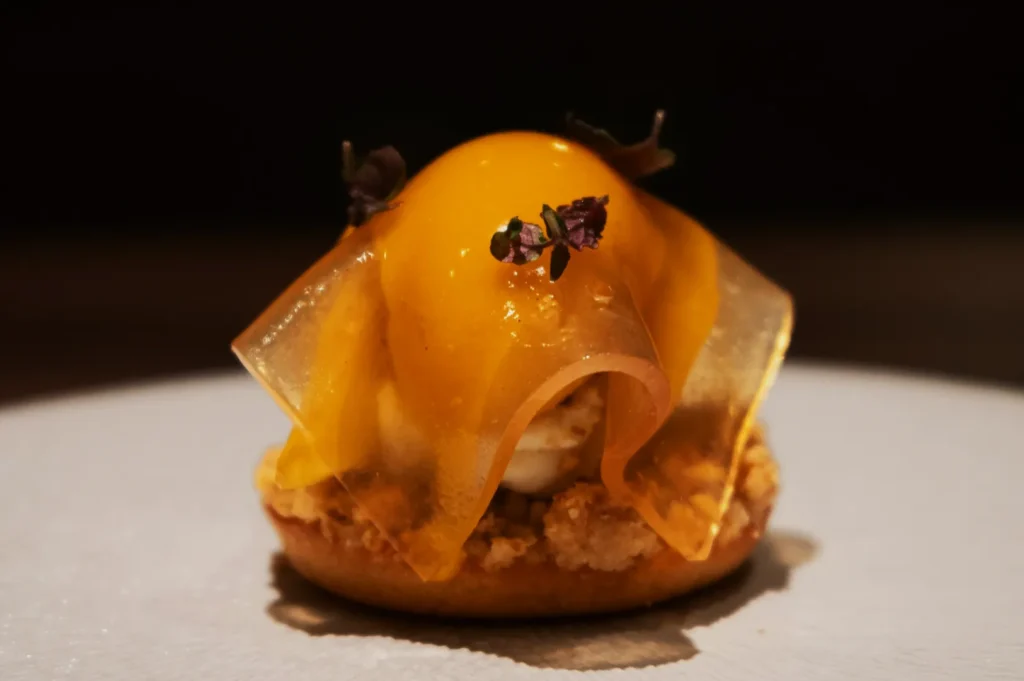
Editing is where you polish, not where you rewrite reality.
Good post production does a few things:
- corrects colour so the dish looks like it does in real life
- controls contrast so texture reads
- removes distractions that the camera sees but diners ignore
- keeps the overall set consistent so 30 dishes look like one brand
Over-editing is a common trap. If the food looks too glossy, too saturated, or too perfect, it starts to feel fake. In Singapore, diners are quick to call that out.
A cool photoshoot should end with a clean set of images that feel premium, but still honest.
The Next Step If You Want A Cool Photoshoot Without Guesswork
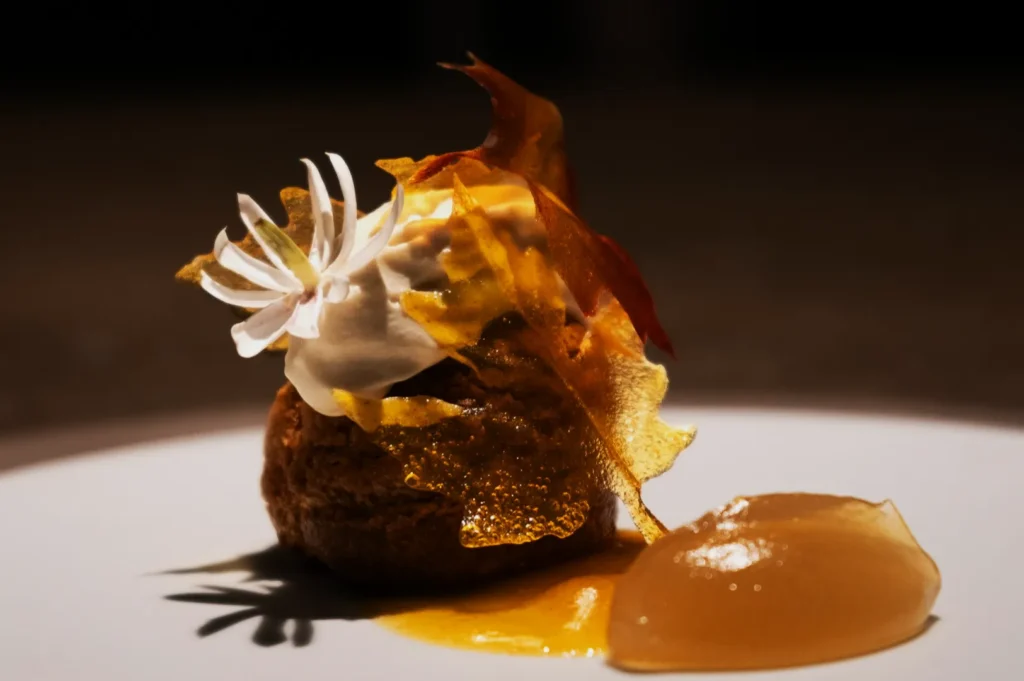
If you want to try this approach yourself, start with one small campaign. Pick 5 dishes, lock a visual direction, and shoot a proper set: hero, menu-clear, texture, and one human frame. You will feel the difference immediately.
And if you want results without the learning curve, professional food photography services exist for a reason. You are not only hiring a camera. You are hiring a system: direction, styling, lighting, consistency, and delivery that fits how Singapore F&B actually runs.
If that is what you need, Food Photographer Studio is here, and we do this every week for brands that want their photos to look good and sell well.