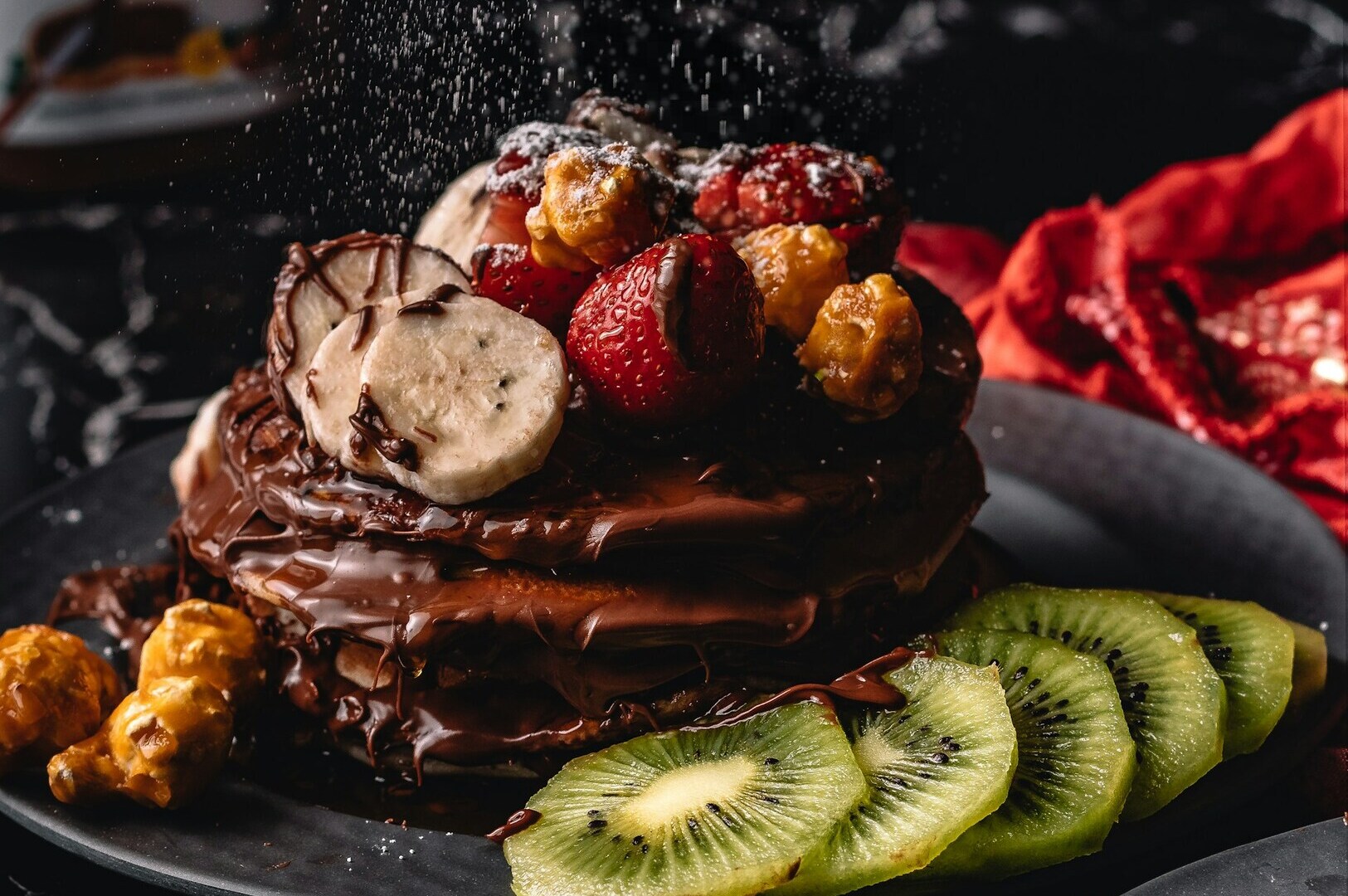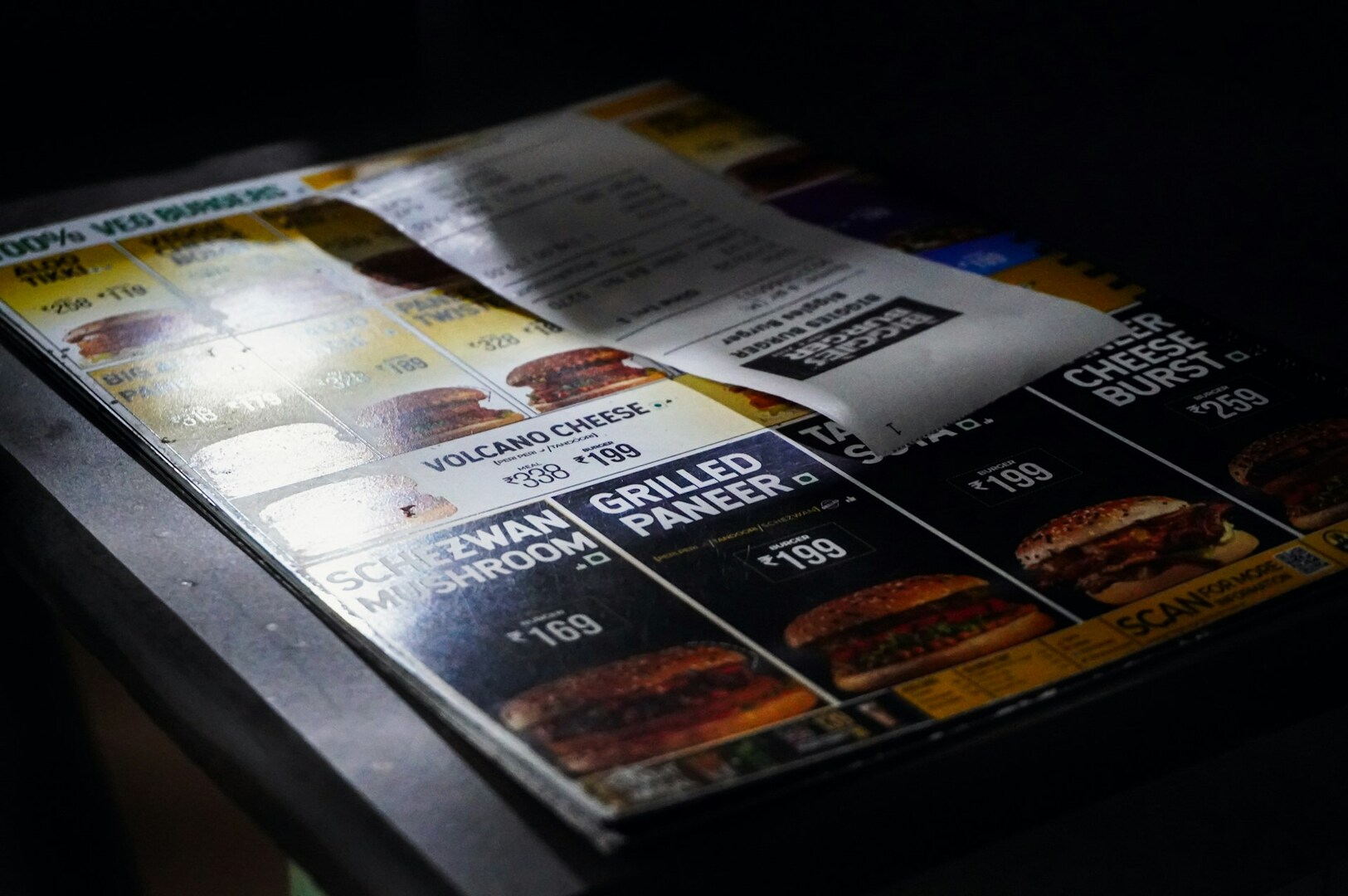
In Singapore’s vibrant and competitive F&B scene, standing out with food photos is no easy task. With the growing demand for visually captivating content, creative food photography has become essential for F&B brands. The difference between a photo that gets scrolled past and one that drives sales lies in the artistry behind it: the lighting, composition, and emotional appeal.
The key to success in food photography is more than just capturing images; it’s about creating food photos that evoke emotions, tell a story, and resonate with customers. Food photography is not just about aesthetics. It’s about results: higher engagement, more conversions, and a stronger brand presence across platforms such as Instagram, GrabFood, and your food blog.
Below, we break down the top food photography trends that Singapore’s F&B brands are using to drive meaningful results. Whether you’re an aspiring food photographer or an established F&B brand, these insights from Food Photographer Studio will help you elevate your food photography journey and master the craft of taking photos that actually sell your dishes.
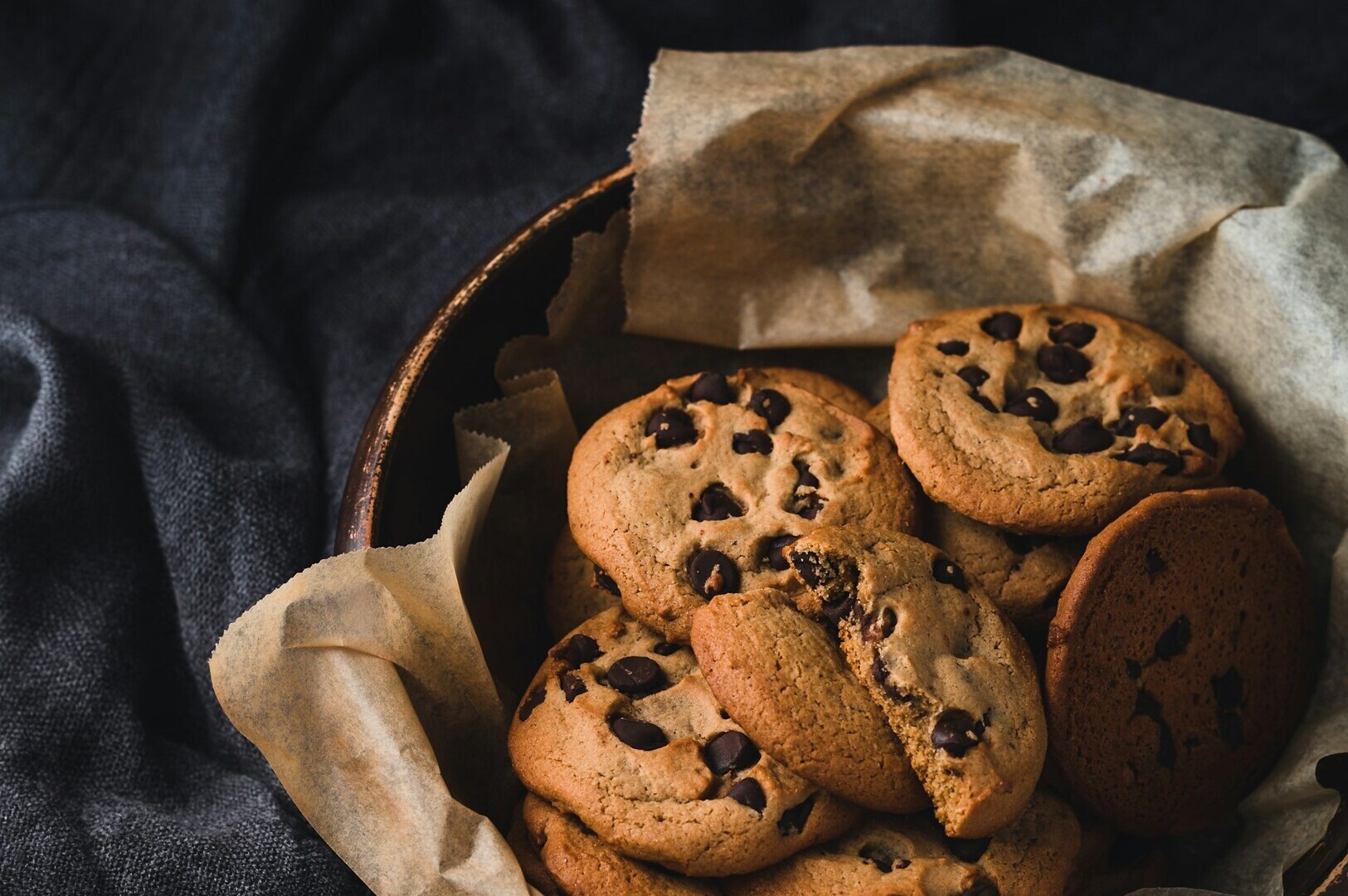
1. The Rise of Authentic, Imperfect Moments
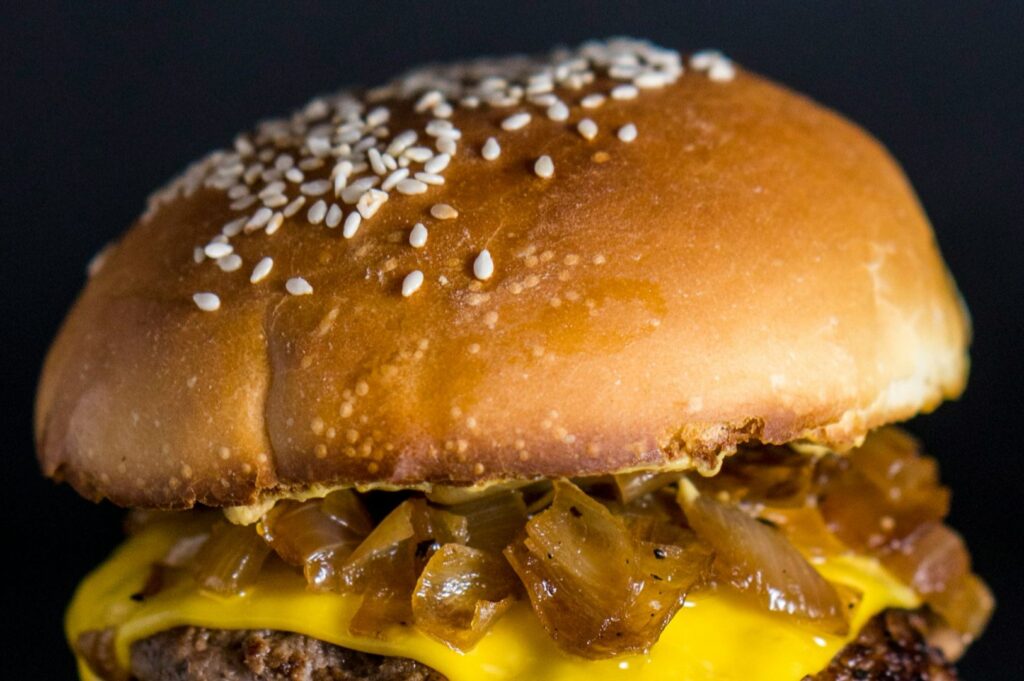
The perfect food shot used to be about flawless styling and pristine settings. But this year, the focus has shifted towards authenticity. Singaporean diners are craving food photos that capture the genuine, imperfect beauty of dining whether it’s fresh herbs tossed casually into the dish or the “messy” spills of chili sauce and ingredients. This shift is all about evoking emotions, creating a connection, and telling the story behind the food.
Why It Works:
When you capture the unpolished moments of dining, you bring the food to life. People feel an immediate connection to food that looks real and lived-in. This trend speaks directly to the human need for authenticity and relatability. It’s also great for food bloggers and businesses to create content that doesn’t just look beautiful but also feels authentic.
Food Photography Tip:
Use natural light to enhance this effect. Soft light from a window adds depth and texture, making your photos feel organic. Don’t over-stylize; focus on capturing the raw, fresh moments of the dining experience.
2. Dynamic Lighting Experiments and Light Source Creativity
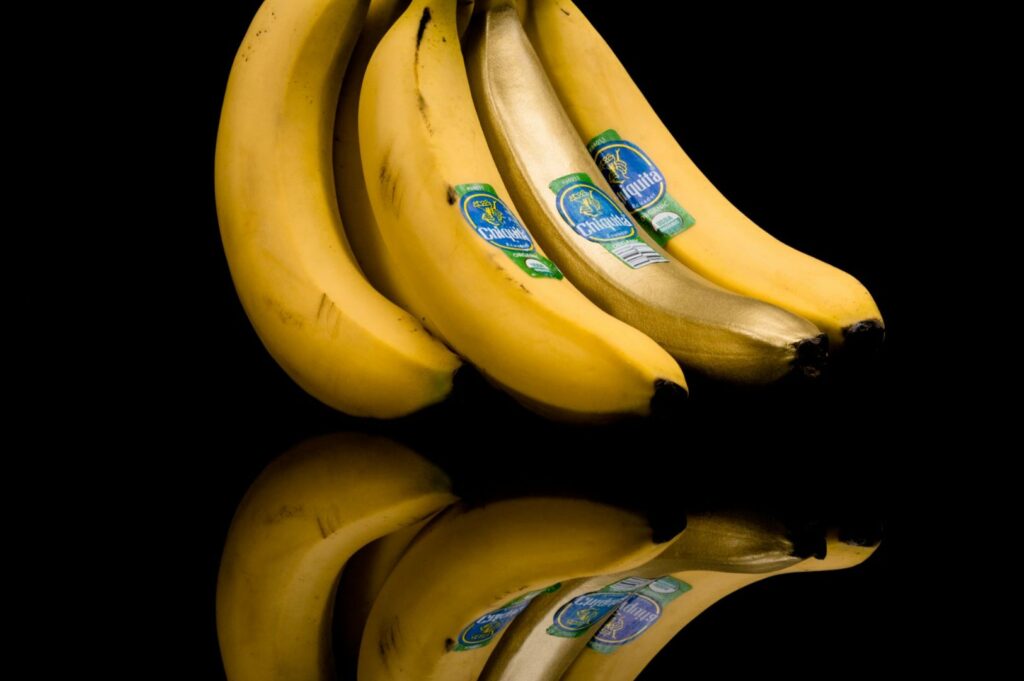
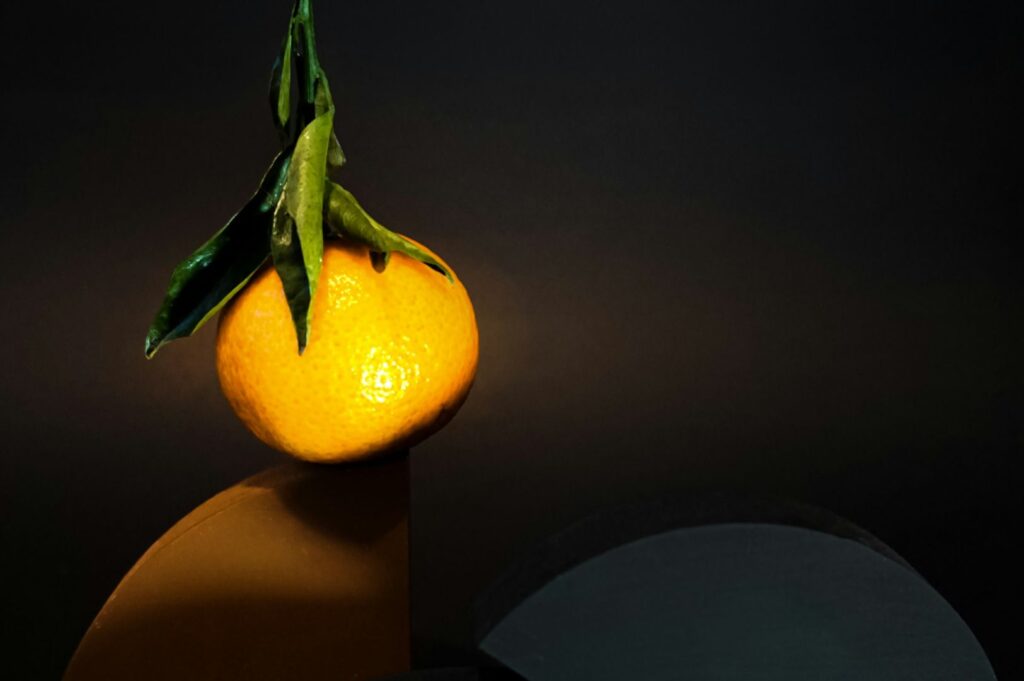
Lighting is the backbone of great food photography. The latest trend is all about experimentation with both natural light and artificial light. While natural light is still an essential food photographer’s best friend, a new wave of creative lighting techniques is transforming food photos.
Why It Works:
Lighting plays a crucial role in how food is perceived. It can make the textures pop, highlight specific elements of the dish, and create mood. Using artificial light combined with natural light can elevate your food photos, creating dramatic shadows and highlights that enhance the visual appeal of the food.
Food Photography Tips:
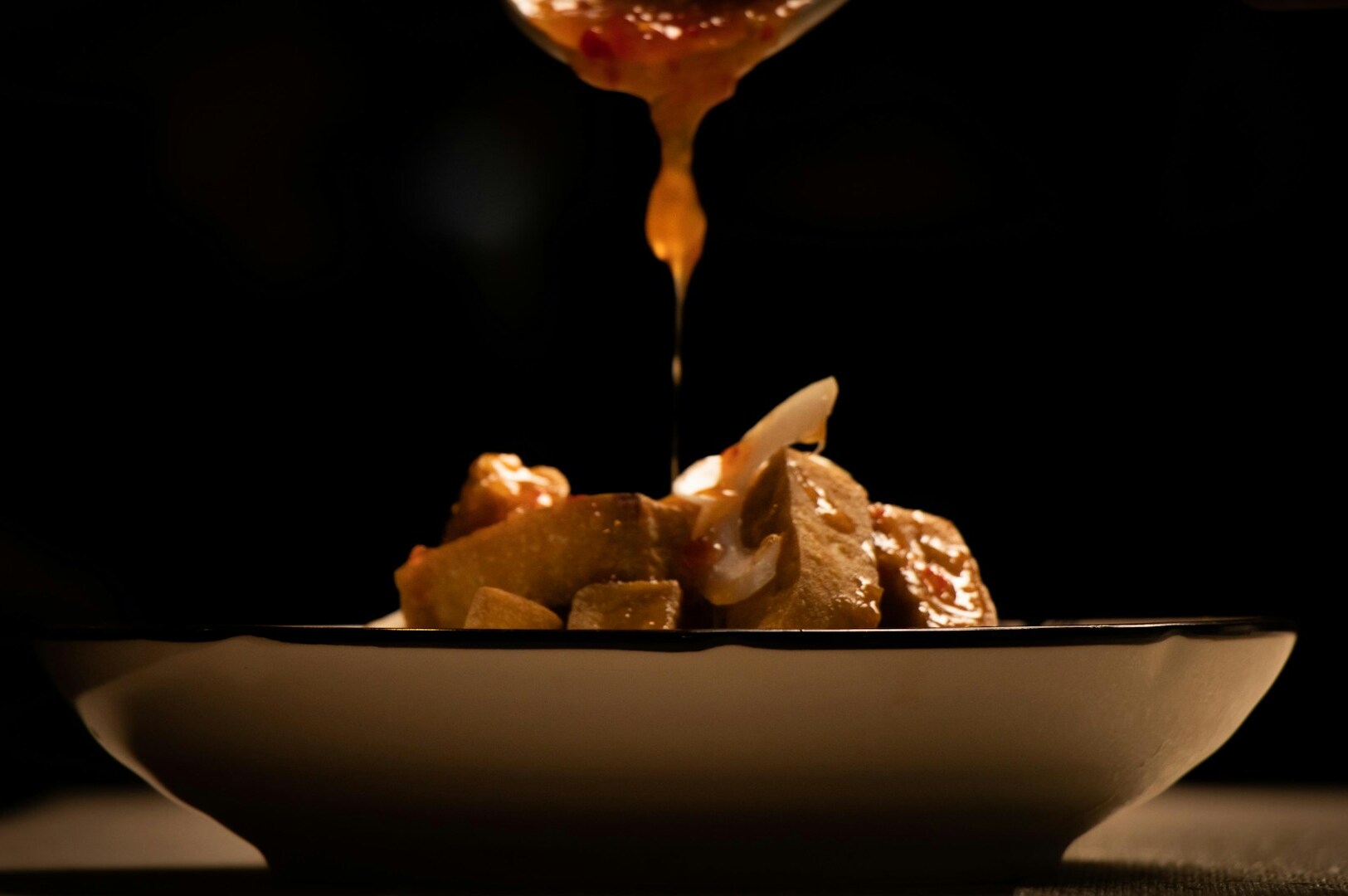
Slow shutter speed and creative light-source placement can capture the movement of sauces or steam, adding motion and energy to the shot.
Play with backlighting to make fresh herbs or sauce pours pop, giving your photos a sense of depth.
Studio lights can be used in combination with natural light to soften shadows and add texture.
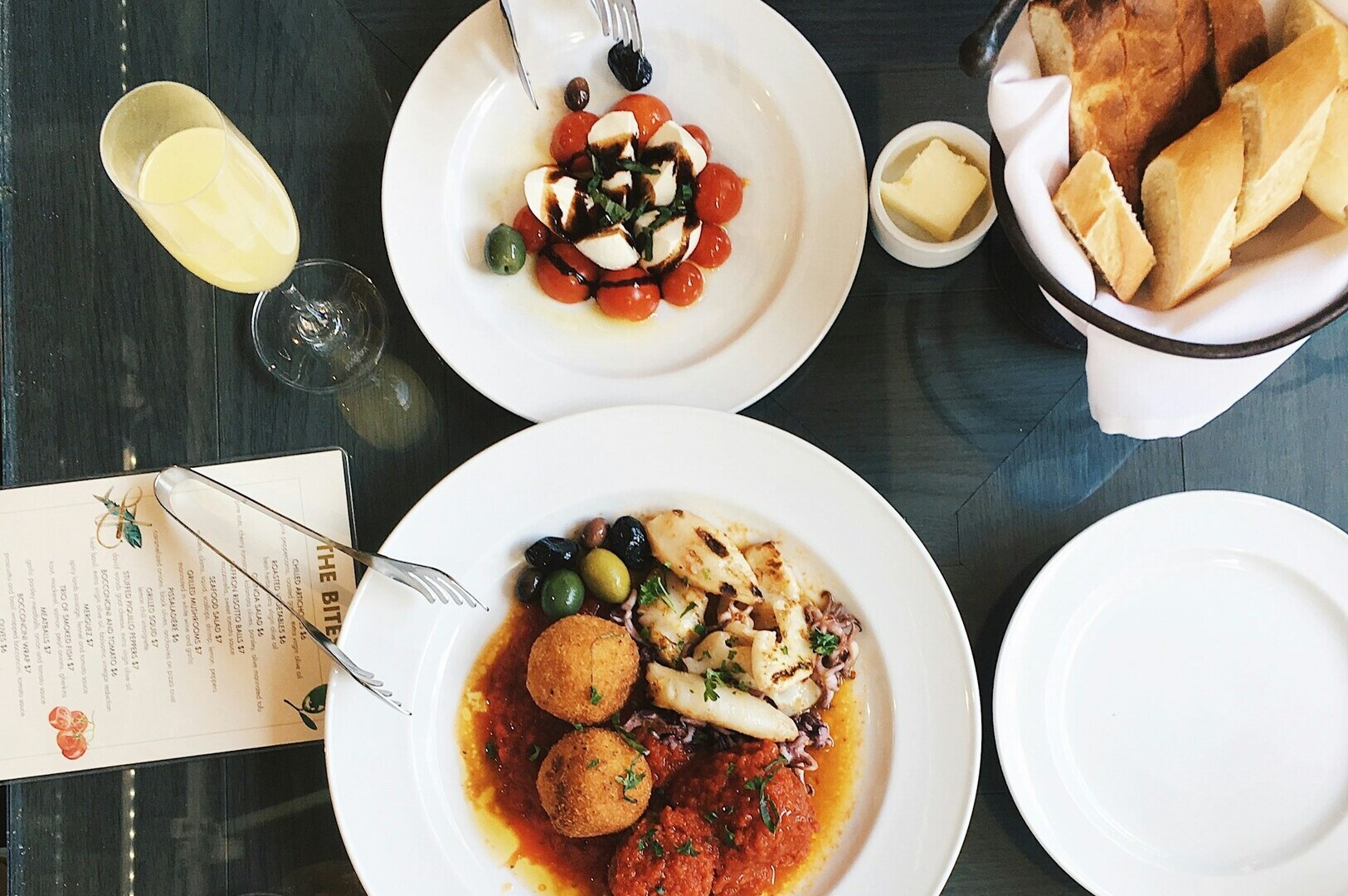
3. Creating Visual Appeal Through Negative Space and Minimalism
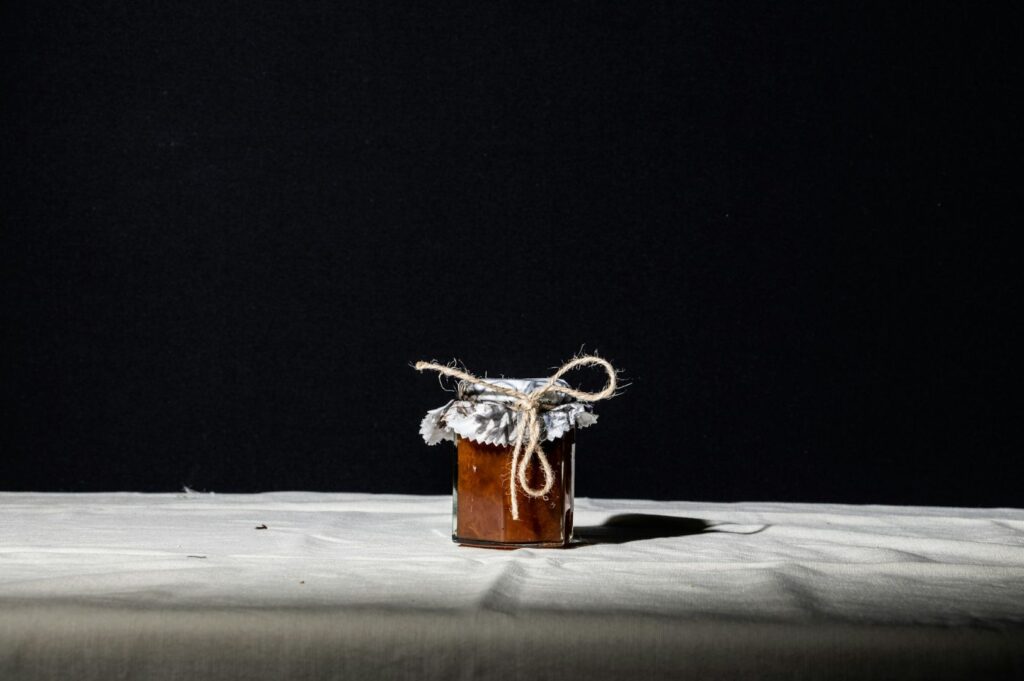
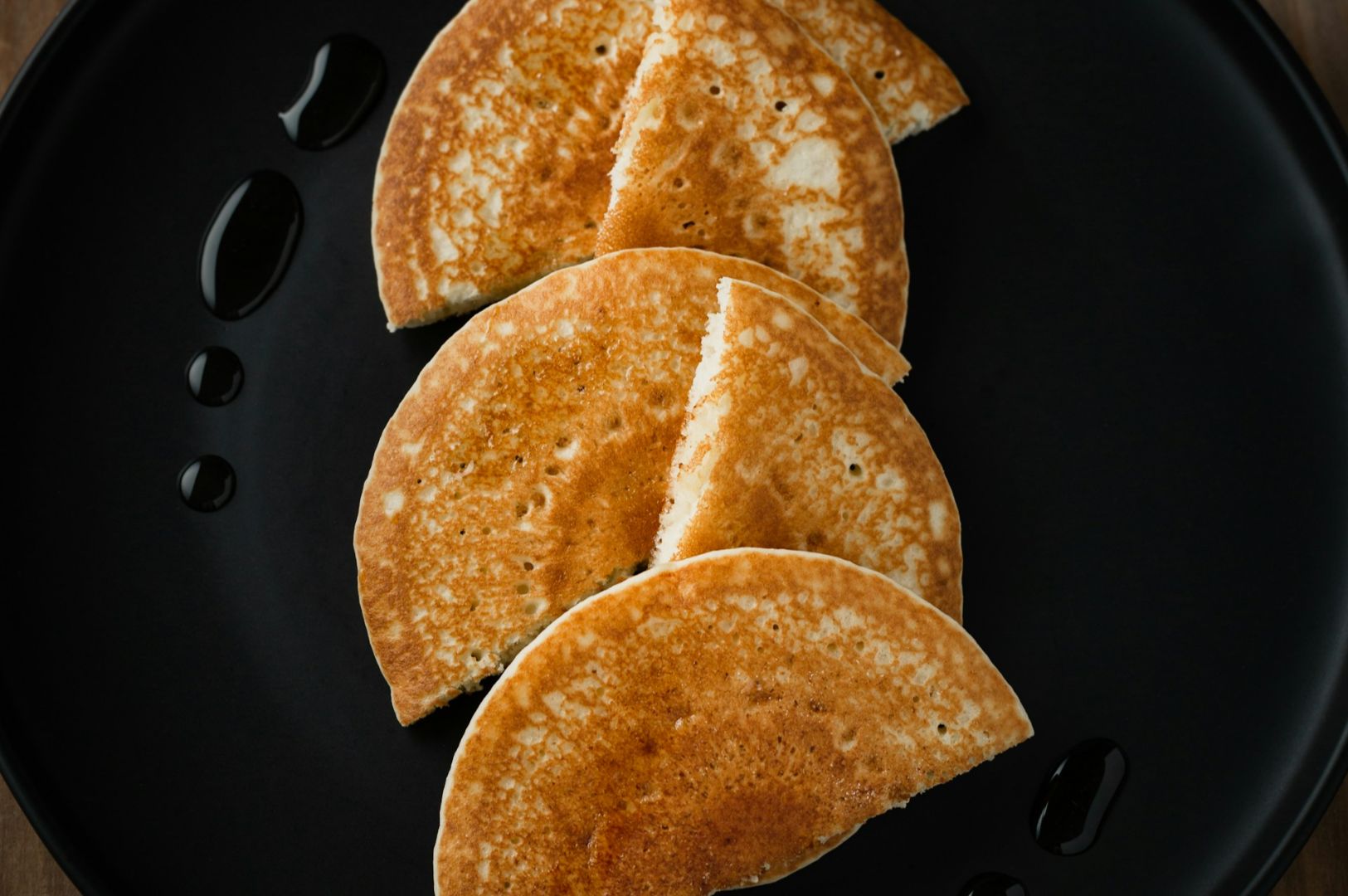
In a world full of visual clutter, minimalism has emerged as a major food photography trend. Embracing negative space allows the food to be the hero, without the distraction of too many props or a busy background. This style is ideal for modern and commercial food photography, especially for food delivery images.
Why It Works:
Negative space helps direct the viewer’s attention to the main subject: the dish itself. By eliminating clutter, the image becomes more focused, clean, and visually appealing. This minimalist approach works exceptionally well for food photos displayed on platforms like GrabFood and Instagram, where clarity and focus are key.
Food Photography Tips:
Shoot on a flat surface like wooden boards or a neutral table to maintain simplicity and elegance.
Allow the empty space to guide the viewer’s eyes directly to the dish, creating more depth and focus on the main subject.
Use complementary colors and minimalist props to enhance the dish’s visual appeal without overwhelming the frame.
4. Contrasting Colours and Visual Interest
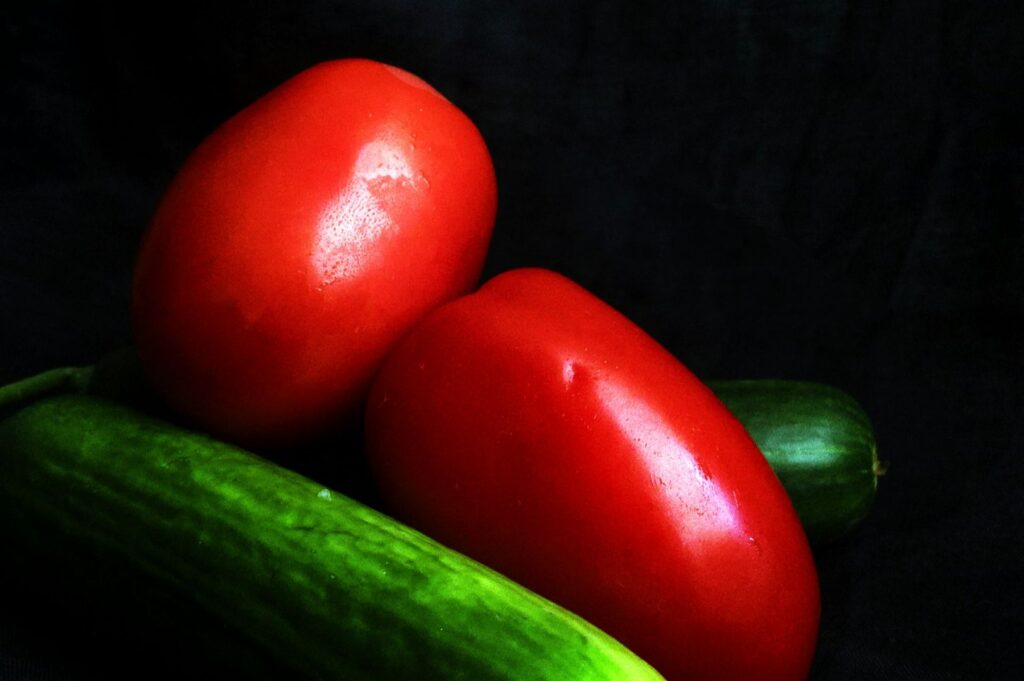
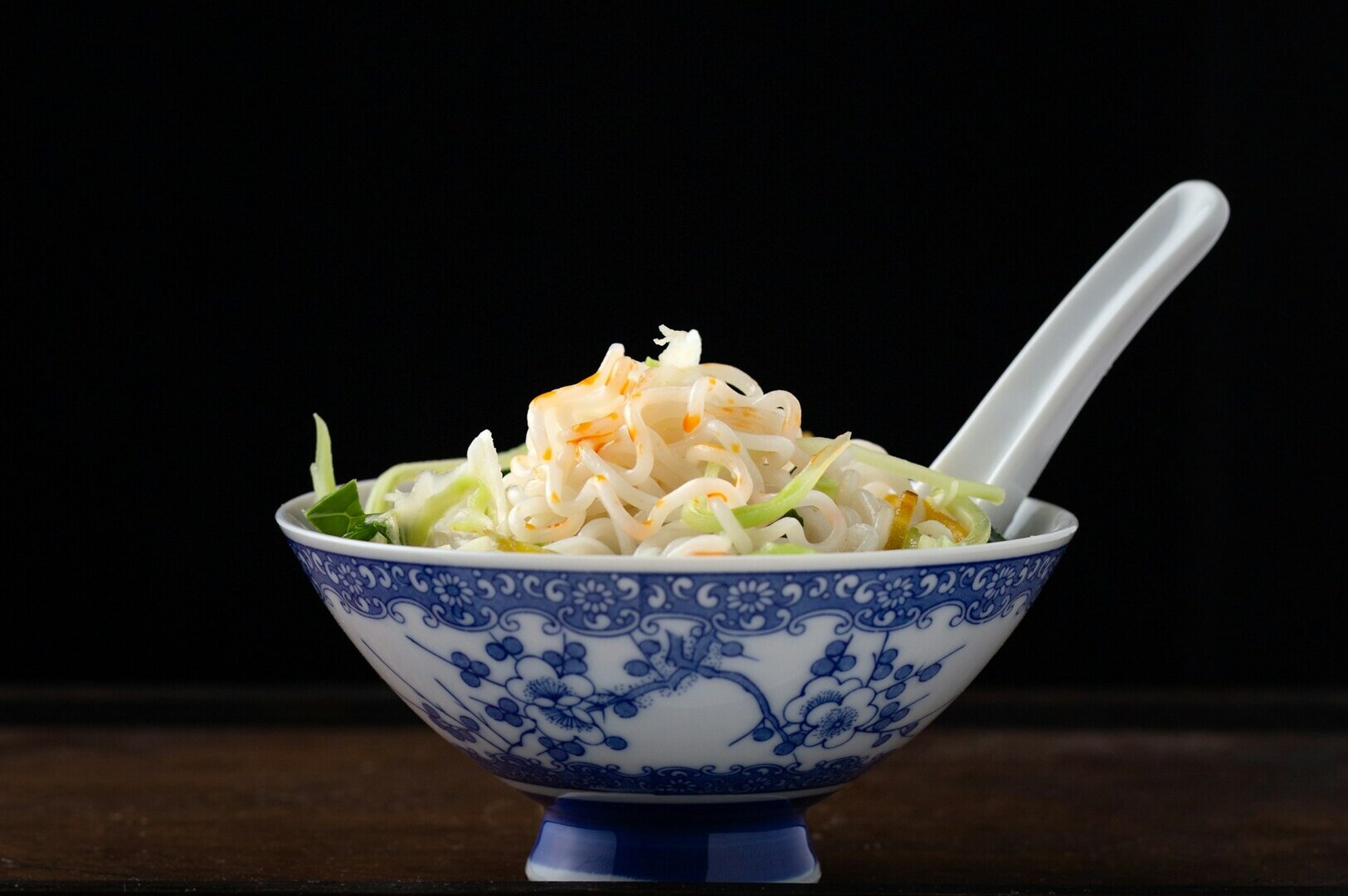
Color psychology in food photography is more important than ever. The strategic use of contrasting colours can make a huge difference in how food is perceived. Whether you’re using complementary colors in the props, background, or garnish, it’s about making the food look irresistible.
Why It Works:
The contrast between bright food and a neutral background can create a visual punch that grabs attention. For example, green herbs on a red sauce or a yellow dessert against a blue plate is not only eye-catching but also adds interest and depth to your food photos.
Food Photography Tips:
Use contrasting colours to make the food stand out especially on platforms like Instagram where vivid, bold colors perform better.
Experiment with background colors like dark slate or simple linens to create a striking contrast with the food.
Adjust the white balance to maintain color accuracy and ensure your food looks as appetizing as possible.
5. Creative Motion: Slow Shutter Speed and Dynamic Content
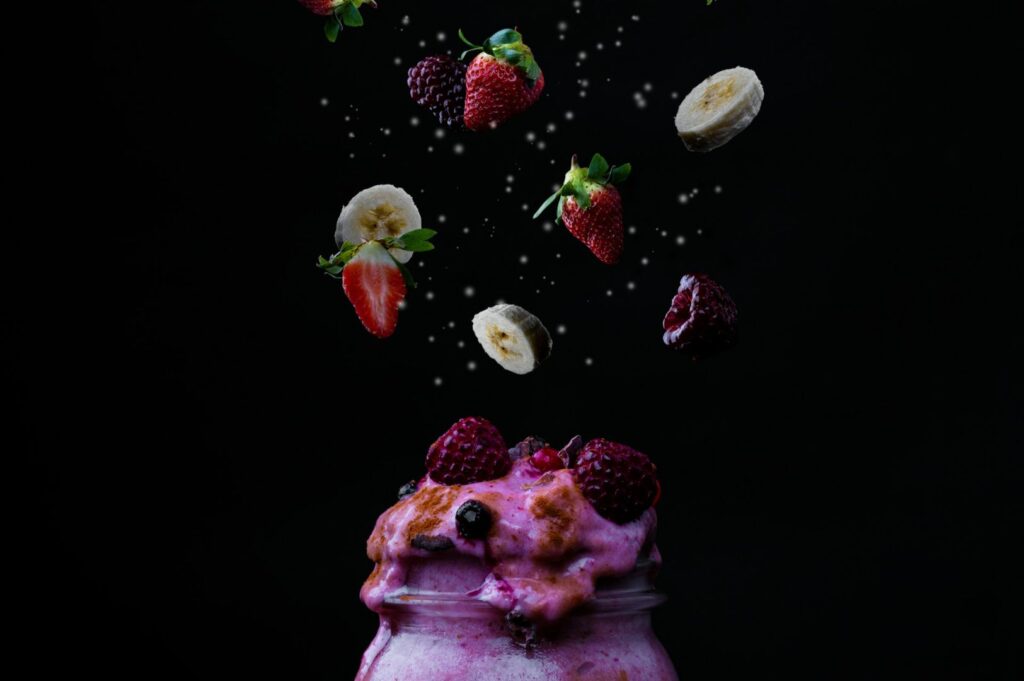
Latest creative food photography trend includes the integration of motion. More brands are experimenting with slow shutter speed to capture the energy of food being prepared or eaten, adding life to static images.
Why It Works:
Motion brings a sense of immediacy and excitement to food photos. Whether it’s a sauce being poured or noodles being pulled from a bowl, dynamic content creates a connection with the viewer, making them feel like they’re part of the moment.
Food Photography Tips:
Use a slow shutter speed (1/10 to 1/30 sec) to capture the motion, such as pouring syrup or steam rising from a hot dish.
Tracking shots or dolly shots can enhance the viewer’s sense of immersion, especially in video content for Instagram Reels or TikTok.
6. Storytelling Through Context and Environment
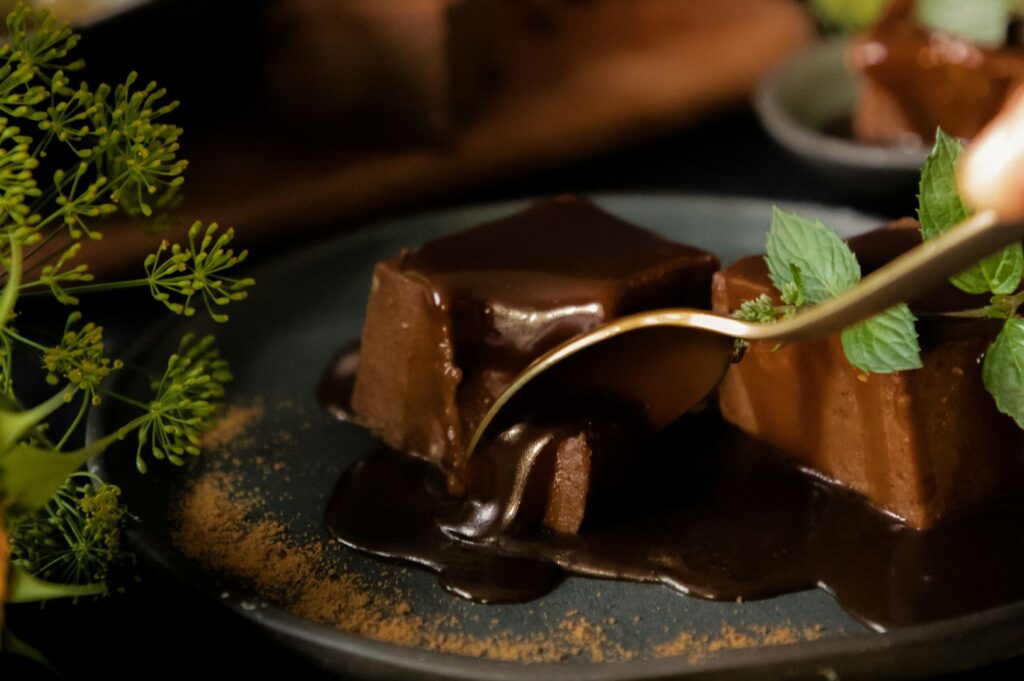
The most effective food photos are those that tell a story. It’s not just about the food; it’s about capturing the context: the environment, people, and the moment of consumption with the right camera to create beautiful photos.
Why It Works:
Food photos that include the surrounding context, like the kitchen team in action or diners sharing a meal, tell a richer story and build a deeper connection with the viewer. This approach is crucial for creating images that speak to the food photography community and reinforce brand identity.
Food Photography Tips:
Shoot in the actual environment to showcase your restaurant’s unique vibe whether it’s the hawker hustle or a chic café.
Use props from the real workflow, such as a chef’s knife or a wine glass, to reinforce authenticity.
Include people in the shot. A hand reaching for food or a group sharing a meal helps convey the communal experience of dining.
7. Platform-Specific Optimization: Tailoring Images for World-Class Results
Not all food photography is created equal, and what works on one platform might not work on another. Understanding the nuances of each platform is crucial for success in food photography and for consistently capturing the perfect shot.
Why It Works:
Each platform has its unique requirements for food photos. Whether it’s Instagram, GrabFood, or your food blog, you need to optimize your images to fit the format and audience expectations. Taking photos with attention to detail and experimenting with different angles helps ensure your food photos stand out and engage viewers.
Food Photography Tips:
Instagram: Bold, visually engaging shots with strong angles and fun moments work best. Use extreme close-up shots to focus on texture and details.
GrabFood: Overhead shots with negative space make the main dish the focal point, while cluttered backgrounds can be distracting.
Food Blogs: Use a mix of process shots and plated shots to tell the full story of your dish, capturing it from different angles to add visual interest and depth.
Conclusion: Implementing Creative Food Photography as Your Brand Advantage
In Singapore’s competitive F&B world, good food photography is truly an art that can make all the difference. It’s not just about taking pretty pictures—it’s about evoking emotions, sparking cravings, and creating a story through visual storytelling that resonates with diners. From experimenting with lighting to capturing the perfect motion shot using the right lens, creative food photography offers amazing creative ideas and techniques to elevate your brand and make your final product stand out.
As trends evolve, it’s extremely important to balance artistry with strategy. Understand your audience, tailor your content for different platforms, and use food photography to tell the story of your brand—whether it’s through authentic, imperfect moments or striking, dynamic visuals that work wonders. Achieving this level of mastery is quite the task, but the results can be transformative.
If you want your next photo shoot to deliver more than just “nice” images, reach out for a professional session. The Food Photographer team specializes in creative food photography that works for the Singapore F&B world.