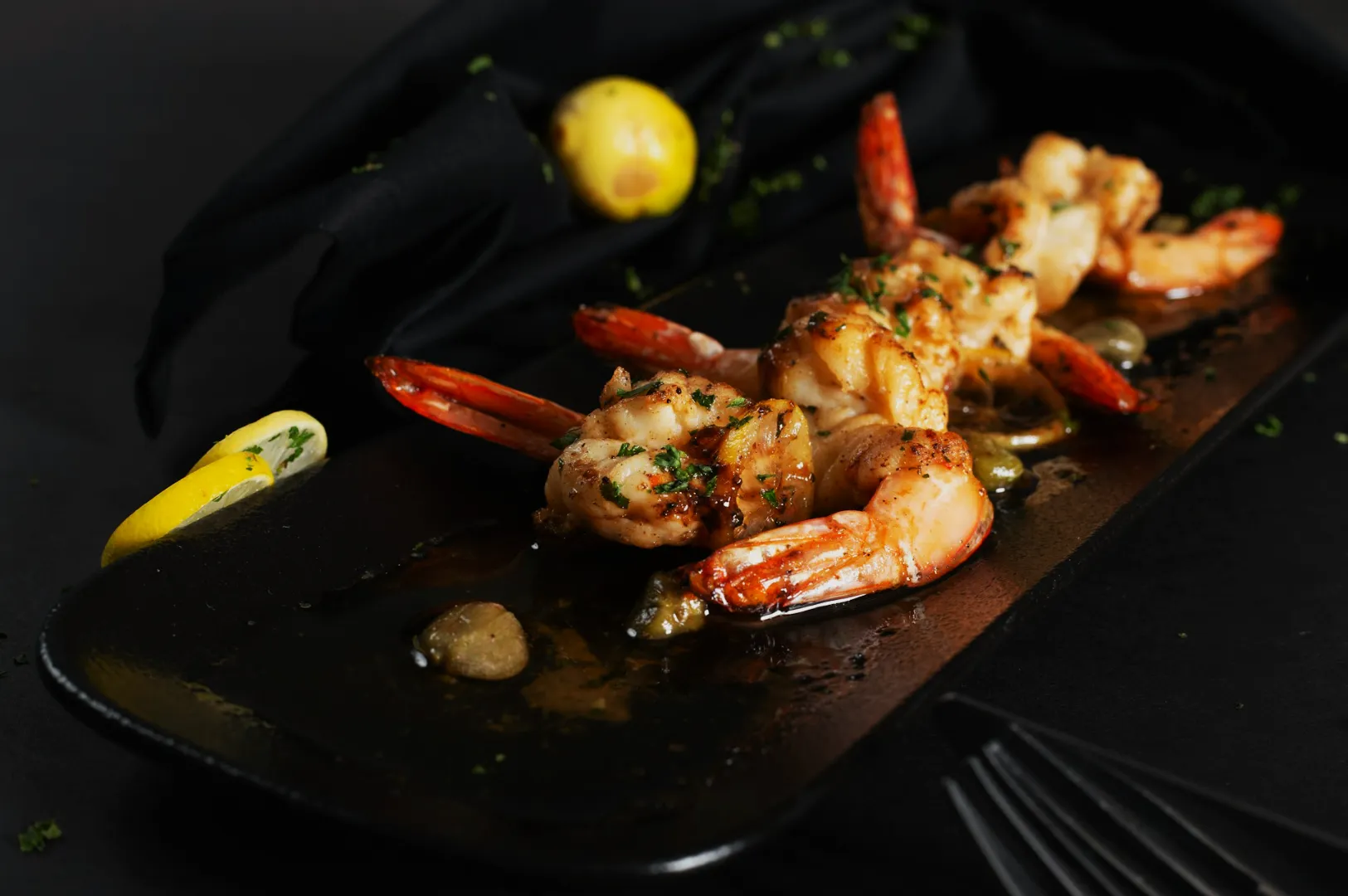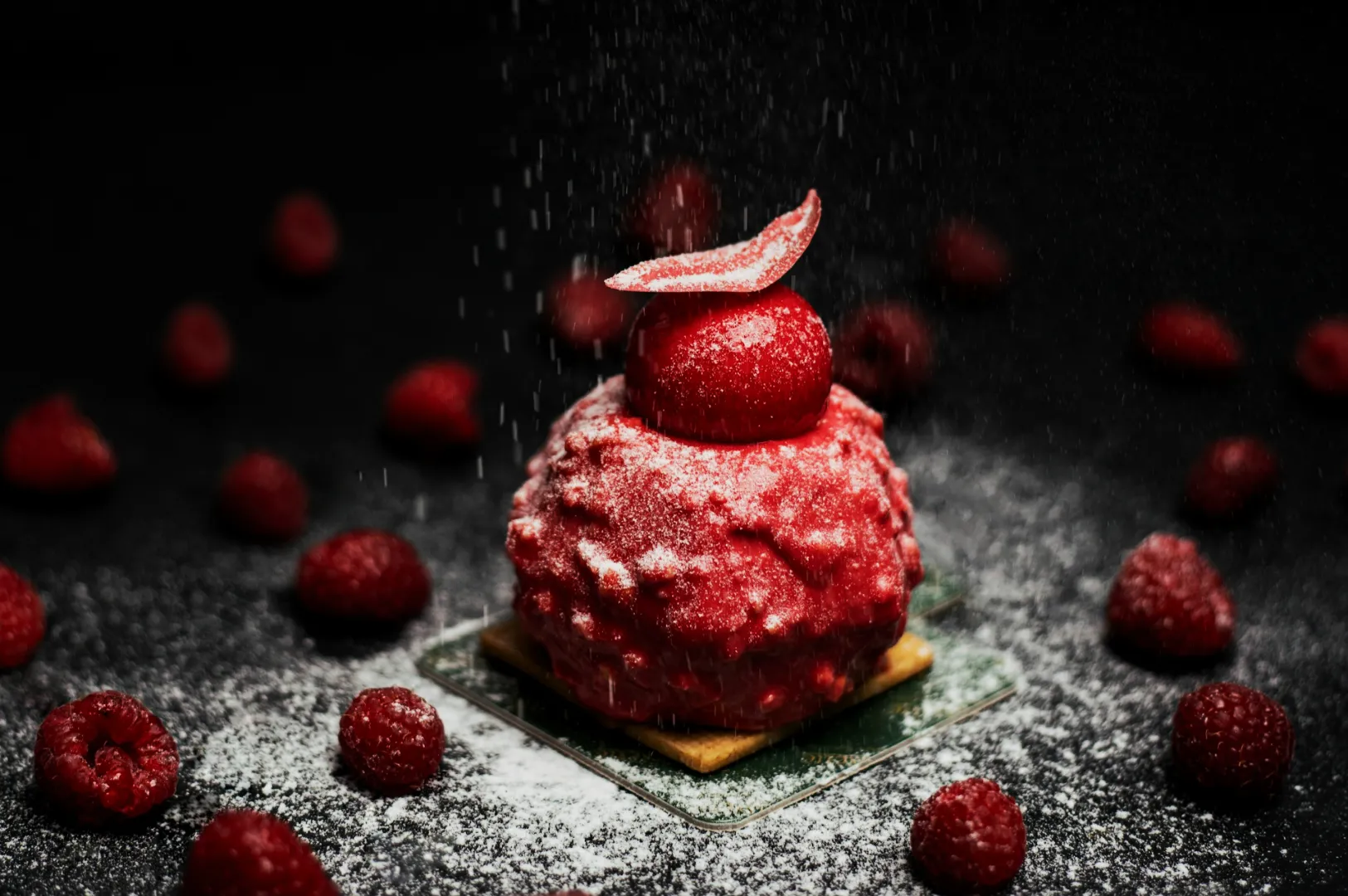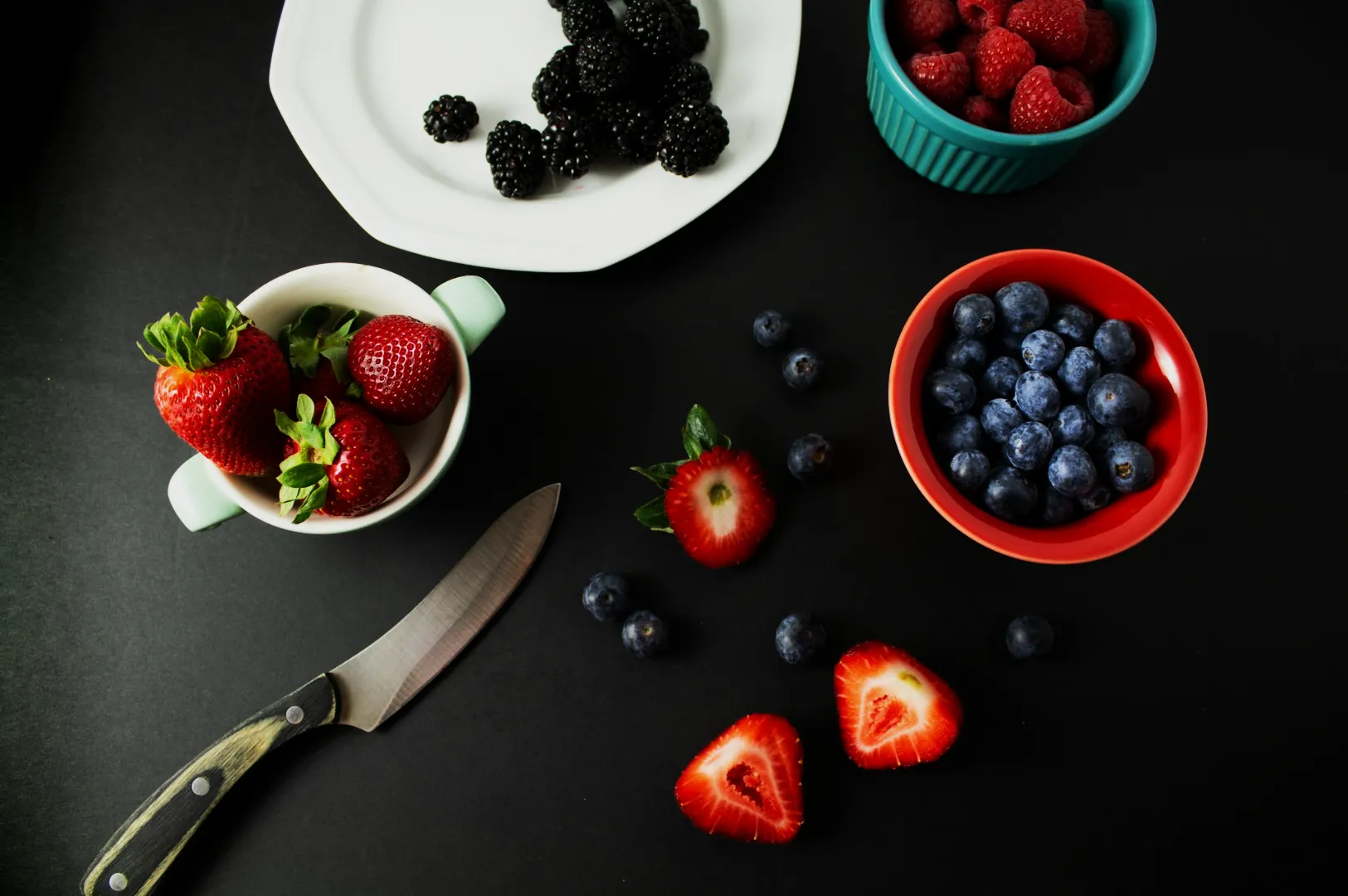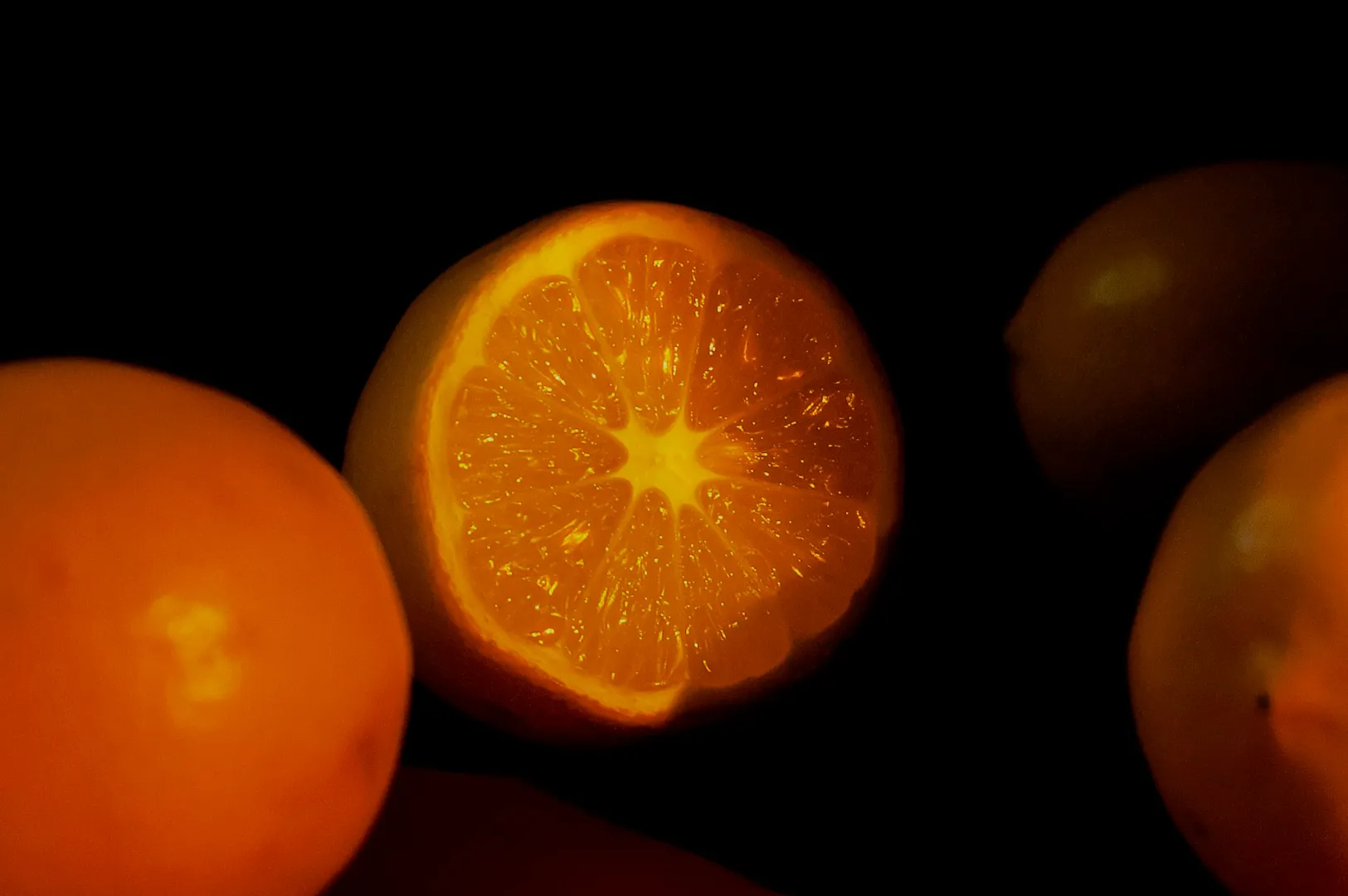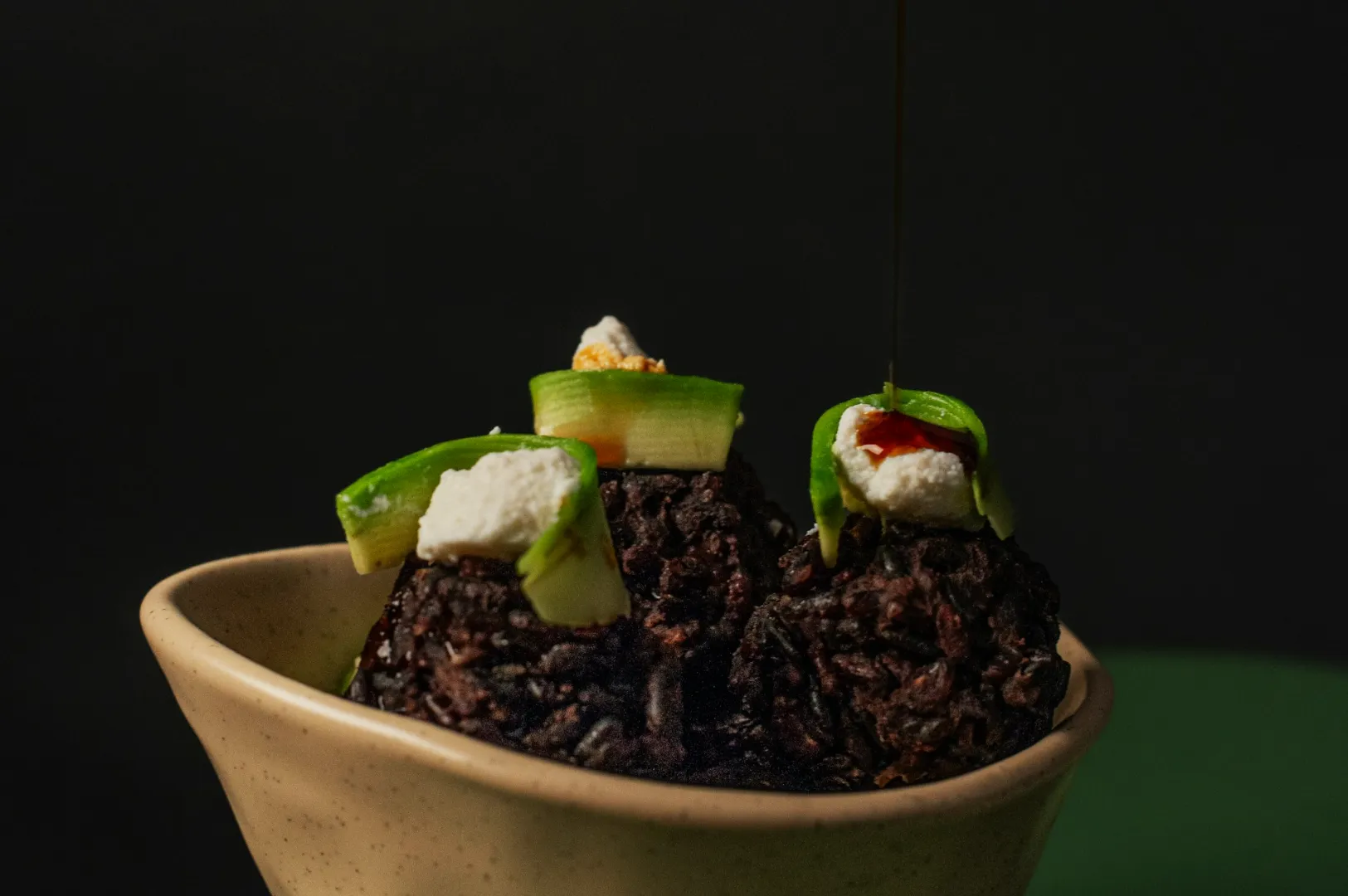
Most restaurants in Singapore do not have a “content problem”. You have a “same photo problem”.
You shoot one dish once, usually from one safe angle, on one surface, under whatever light you can get. Then you repeat that pattern for every item. The food might be great, but your feed starts to feel flat because every post tells the same story.
Here is the shift we want you to make. One dish can produce five different creative photo outcomes, without changing the recipe and without turning service into a studio day. You just need a story plan.
If you want a wider framework for planning a cool photoshoot that stays consistent across your whole brand, read our guide: a cool photoshoot playbook built for real Singapore restaurant operations.
The Core Idea: The Dish Stays, The Story Changes
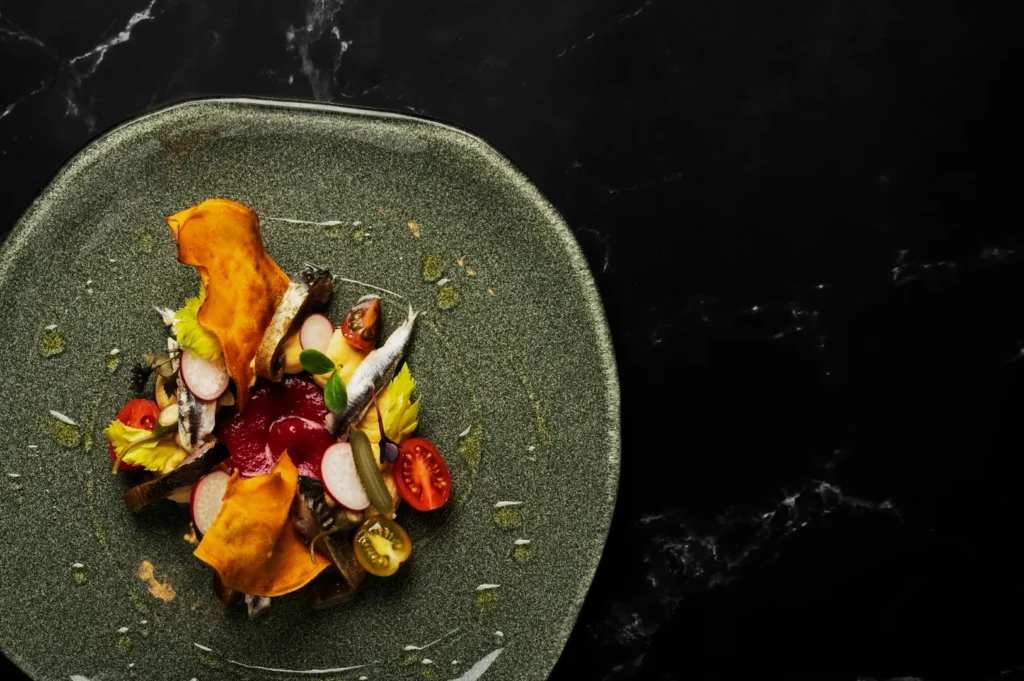
A creative photo for food is not about weird props or editing tricks. It is about changing what the viewer feels when they see the dish.
The same bowl of laksa can be:
- a “menu truth” photo that sells clarity
- an ingredient-led photo that sells quality
- a process photo that sells craft
- a lifestyle photo that sells vibe
- an action photo that sells appetite
Same dish. Different story.
Once you start thinking like this, content becomes easier. You stop asking, “What should we post today?” and start asking, “Which story do we want this dish to tell?”
Story 1: The Menu Truth Shot (The “I Know What I’m Ordering” Photo)
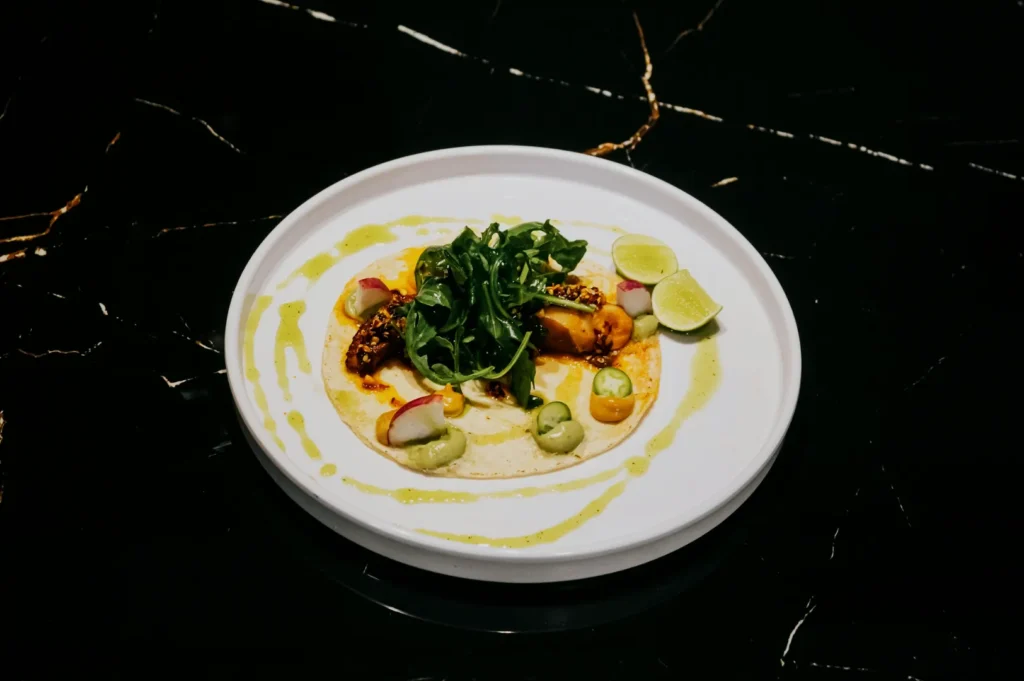
This is the photo that reduces doubt. It is clean, readable and honest.
Use it for:
- menu pages
- delivery platforms
- Google Business Profile
- pinned highlights
How to shoot it:
- Keep props minimal. One spoon, one pair of chopsticks, nothing extra.
- Use a simple background so the dish is the main subject.
- Make ingredients visible. If toppings sink, lift them slightly so customers can “read” the dish.
- Prioritise correct colour. Yellow lighting makes food look tired fast.
If you only have time for one photo, this is the one that protects trust.
Story 2: The Ingredient Proof Shot (The “Quality Is The Point” Photo)
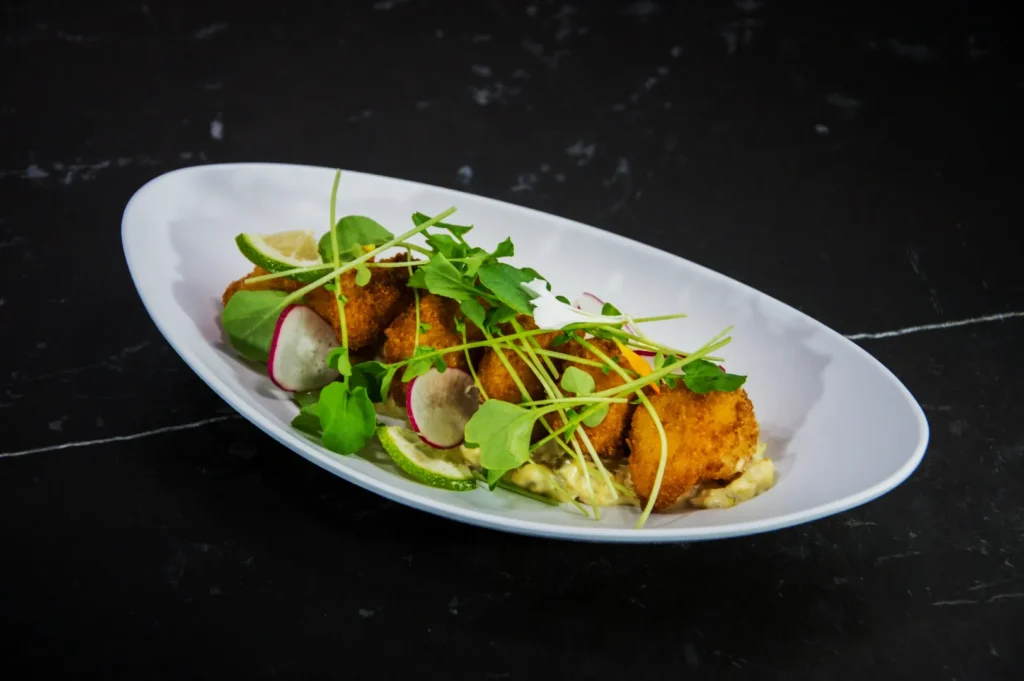
Singapore diners notice ingredients. They can tell when something is made with care and they can also tell when it is not. This story is about credibility.
Use it for:
- premium items
- chef specials
- seasonal ingredients
- price justification
How to shoot it:
- Add one real ingredient beside the dish. Keep it believable and relevant.
- Example: fresh prawns beside prawn noodles
- Example: pandan leaves beside pandan cake
- Example: a small bowl of house-made sambal beside nasi lemak
- Shoot slightly tighter than the menu truth shot.
- Let texture show. Crispy edges, oil sheen, steam, condensation.
This style works especially well for hawker-inspired brands and chef-driven concepts because it signals “we take this seriously”.
Story 3: The Craft And Process Shot (The “Made Here” Photo)
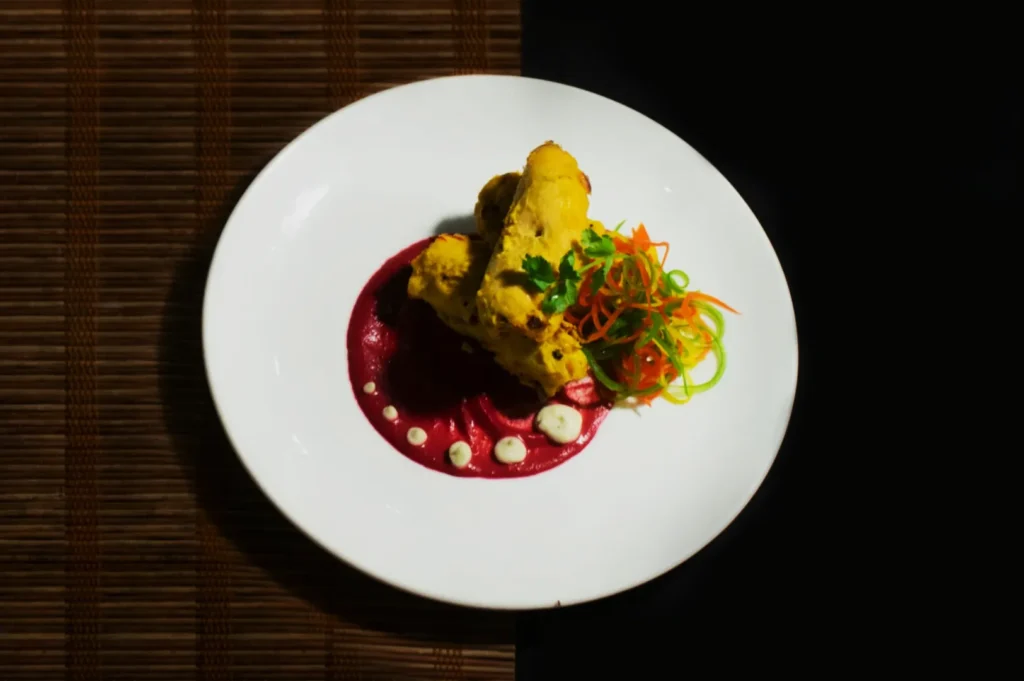
People love watching food being made, even if the final post is a still image. A process photo gives your dish context and context is what makes a brand feel real.
Use it for:
- behind-the-scenes content
- chef-led storytelling
- brand building
- recruitment and team pride
How to shoot it:
- Show hands working, not faces forced into the camera.
- Keep the action simple:
- torching
- slicing
- plating a garnish
- pouring sauce
- Let the environment appear, but keep it controlled. A clean corner of the pass is enough.
- If the kitchen is visually messy, shoot tighter and let the background fall soft.
This is where your restaurant stops looking like “just food” and starts looking like a place with craft.
Story 4: The Mood Shot (The “Come Sit Here” Photo)
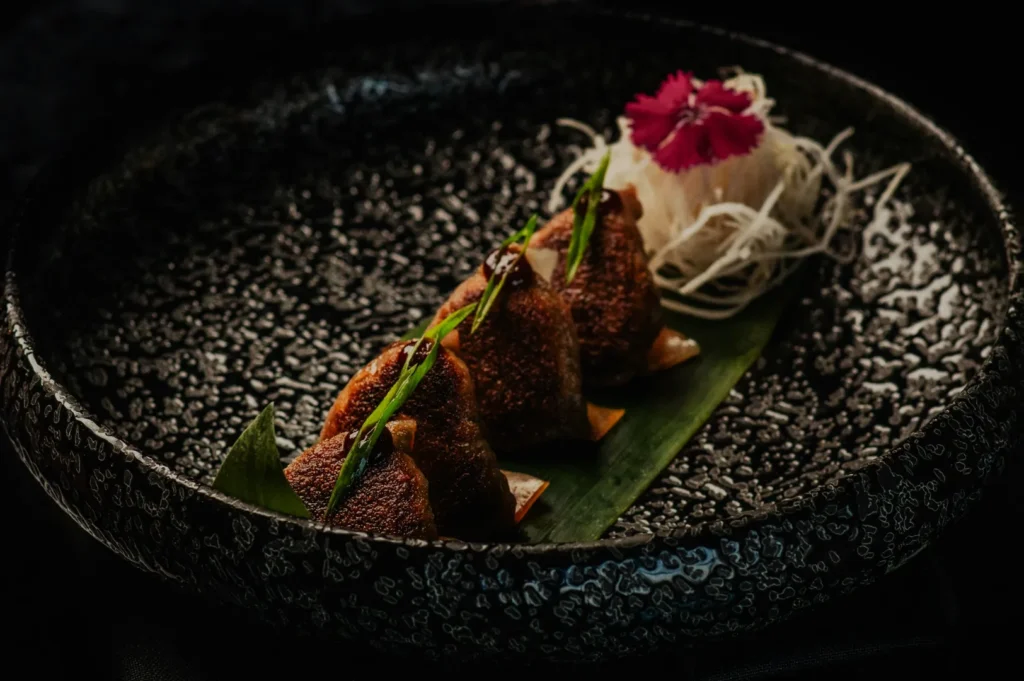
This is the story most restaurants skip, then wonder why their content feels interchangeable. Mood is what makes people choose you over another place serving similar food.
Use it for:
- your website
- campaign visuals
- seasonal messaging
- building a recognisable brand identity
How to shoot it:
- Include a hint of environment. Not everything, just enough.
- A corner of your table setting
- A signature tile, wall texture, or wood surface
- A soft blur of the dining room in the background
- Choose light that matches your brand.
- Bright and clean for cafés
- Warm and intimate for dinner concepts
- Moody and contrasty for bars and late-night menus
- Keep styling disciplined. Mood is not clutter.
This is the photo that makes a diner feel the atmosphere before they ever step in.
Story 5: The Appetite Action Shot (The “I Want That Now” Photo)
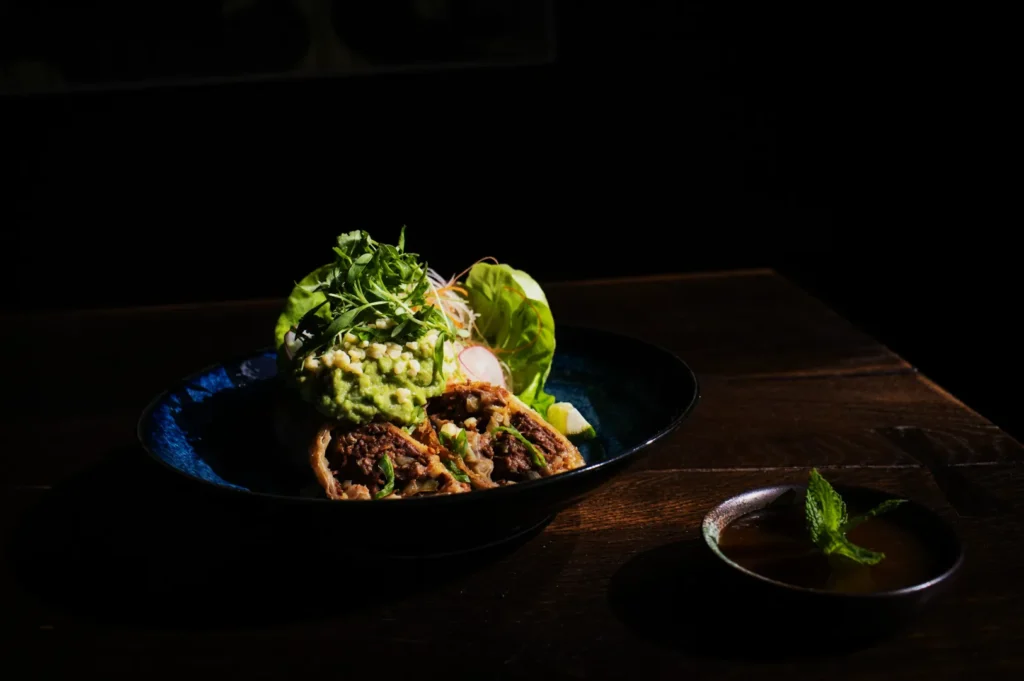
Action sells texture. Texture sells appetite. This story is about that moment right before the bite.
Use it for:
- Instagram and TikTok thumbnails
- best-seller posts
- limited-time items
- new launches
How to shoot it:
- Pick one action and commit:
- chopsticks lifting noodles
- spoon breaking into soft egg
- sauce pour
- a bite shot (a clean bite, not messy chaos)
- Keep your shutter timing tight. If you shoot too late, it looks awkward.
- Use side light or back light if possible, because it makes steam and gloss show up properly.
- Do not overdo it. One strong action frame is more powerful than five random attempts.
When done well, this is the photo that stops scrolling.
One Dish, Five Stories: A Simple Singapore Example
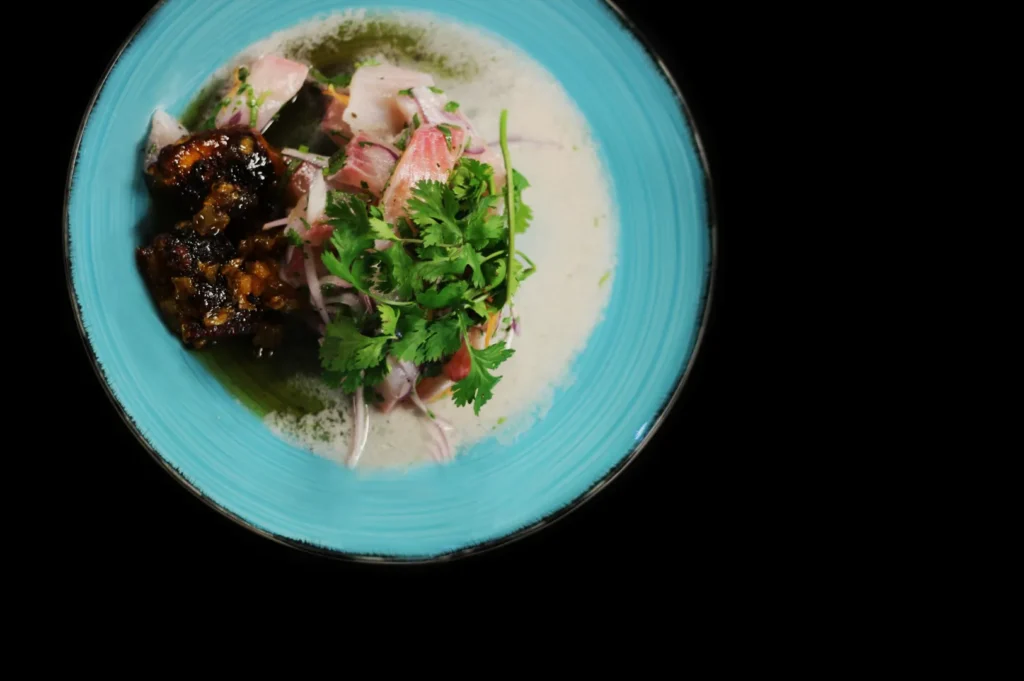
Let’s use something familiar, like chicken rice.
- Menu Truth: clear plate, rice, chicken, chilli, soup. No distractions.
- Ingredient Proof: show the glossy chicken skin texture, a small bowl of chilli that looks freshly pounded.
- Craft: a hand slicing chicken, or brushing a light sheen on the meat before plating.
- Mood: include the kopitiam table surface, the quiet morning light, a hint of the dining space.
- Action: chopsticks lifting a slice, or a spoon dipping into chilli, with the dish still sharp.
Same chicken rice. Five different creative photos. Five different reasons to order.
When You Should Bring In Professionals
This five-story method works for in-house content, but there is a ceiling. The ceiling is consistency at scale.
If you need:
- 20 to 40 dishes to look like one brand
- menu-ready angles plus campaign visuals
- lighting that works in low light restaurants
- a style guide your team can follow afterward
That is where professional food photography becomes the faster path. At Food Photographer Studio, we plan shoots around real Singapore operations. We build shot lists that cover menu truth, mood, texture, and action, so you walk away with a usable content library, not just “nice photos”.