If you run an F&B business in Singapore, you already know the problem. The food is ready, service is moving, and you still need content. Not next week. Today. That is why most restaurant photos end up rushed, inconsistent, and slightly “off” even when the dish is genuinely good.
Here is the good news. You do not need a full production every time. You need a small set of food photoshoot ideas that are designed for real operations. The kind your team can repeat between prep and service, without turning the kitchen into a studio or slowing down the pass.
This article gives you a practical system. Fast setups, reliable angles, and a shot list that keeps your brand looking like one brand. If you want the bigger strategy that ties all of this together, link this phrase to our guide: Cool Photoshoot Playbook for Singapore Food Brands.
The “Busy” Problem Is Not Time, It’s Decisions
Most teams do not fail because they have no time. They fail because every shoot starts from zero.
You lose minutes deciding where to shoot, what background to use, which angle works, and whether the lighting is usable. By the time you figure it out, the fries are sad, the ice is gone, and the garnish has wilted.
So the goal is simple. Remove decisions. Build a routine that makes a decent photo the default.
Food Photoshoot Ideas That Start With A 3-Minute Setup
Pick one “content corner” in your shop and commit to it. It can be a window-side table, a clean counter near the entrance, or even a quiet corner of the dining room before service starts. The point is consistency.
Set it up once, then keep it ready.
Use this as your default:
- A clean surface (wood, neutral stone, or matte laminate)
- One simple background option (a board, a wall, or a second surface propped upright)
- A single prop set you always reach for (one spoon, one pair of chopsticks, one napkin)
When you do this, taking photos stops feeling like a “project”. It becomes a habit your team can repeat.
The 10-Minute Shot List That Covers Most Restaurants
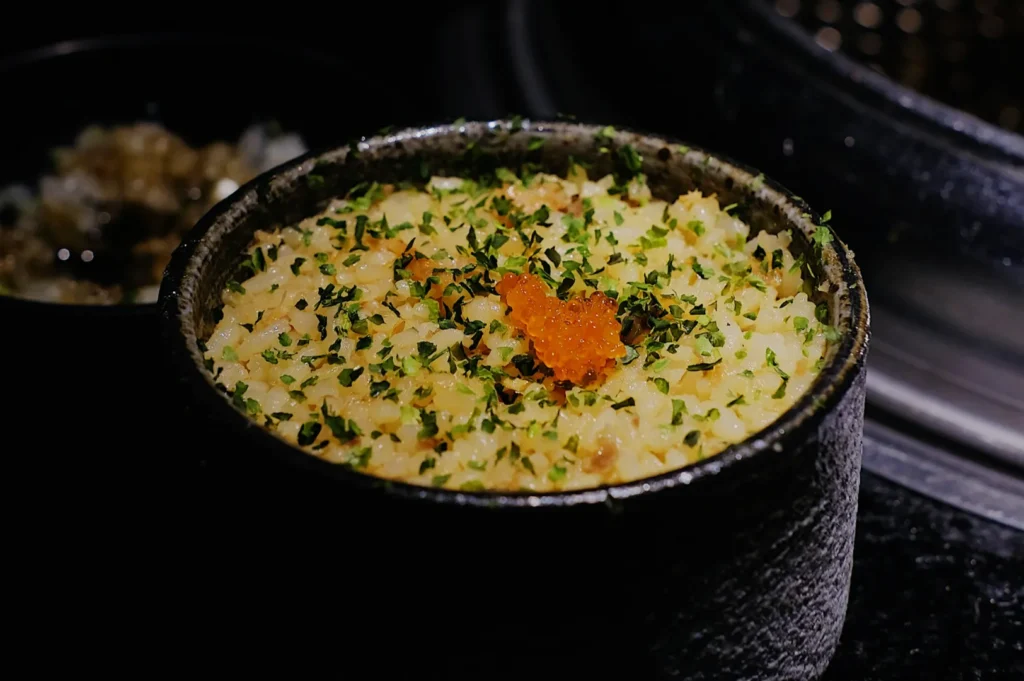
If you only have time for a quick shoot, do not chase variety for the sake of it. Chase coverage.
Here is a tight shot list that works for most Singapore menus:
1) The menu-clear shot
This is the “I know what I’m ordering” photo. Use a clean angle, minimal props, and make the dish readable.
2) The hero angle
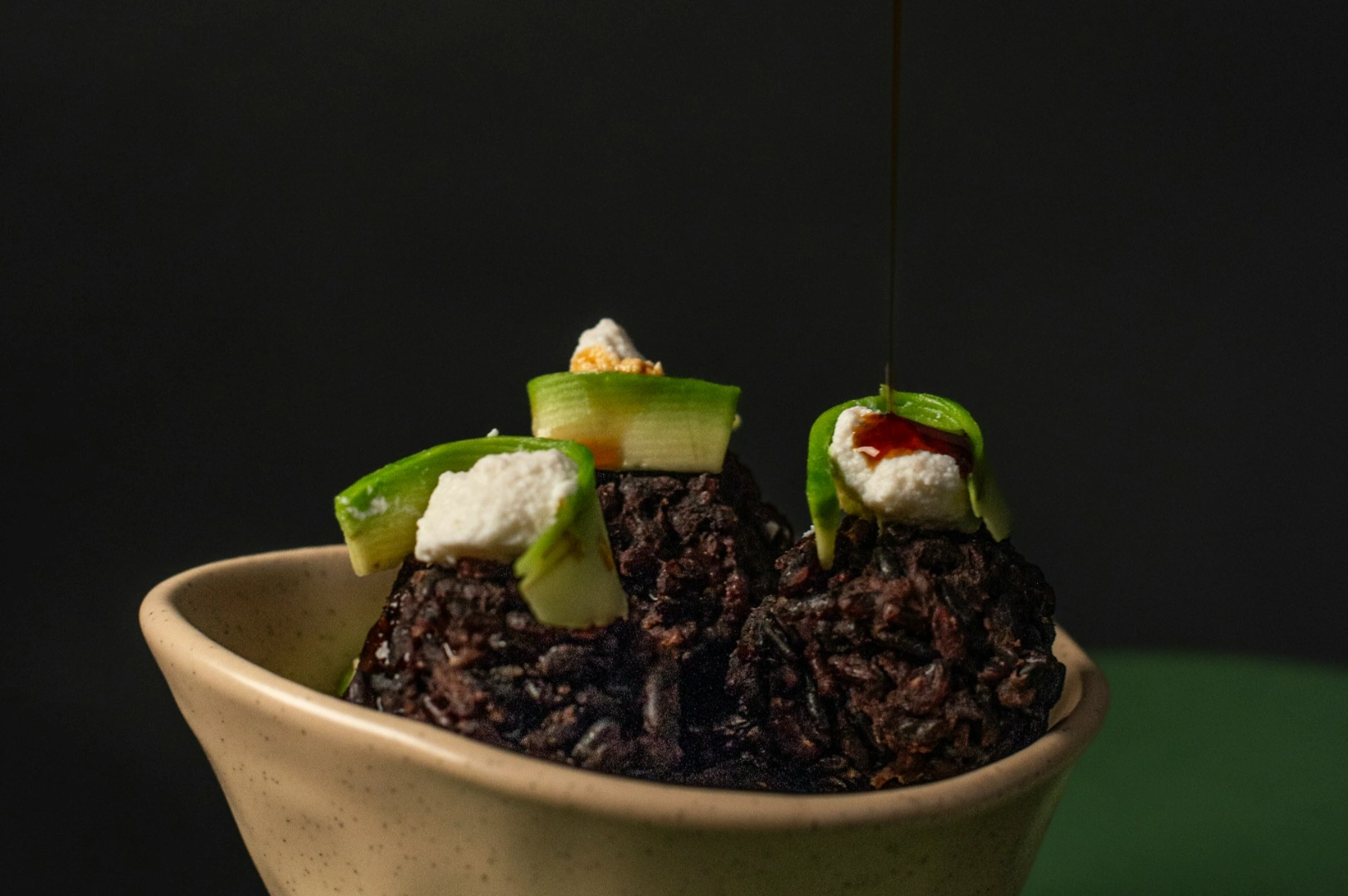
One frame that feels slightly more dramatic. Better light. Better composition. This is the one you use for your best-sellers.
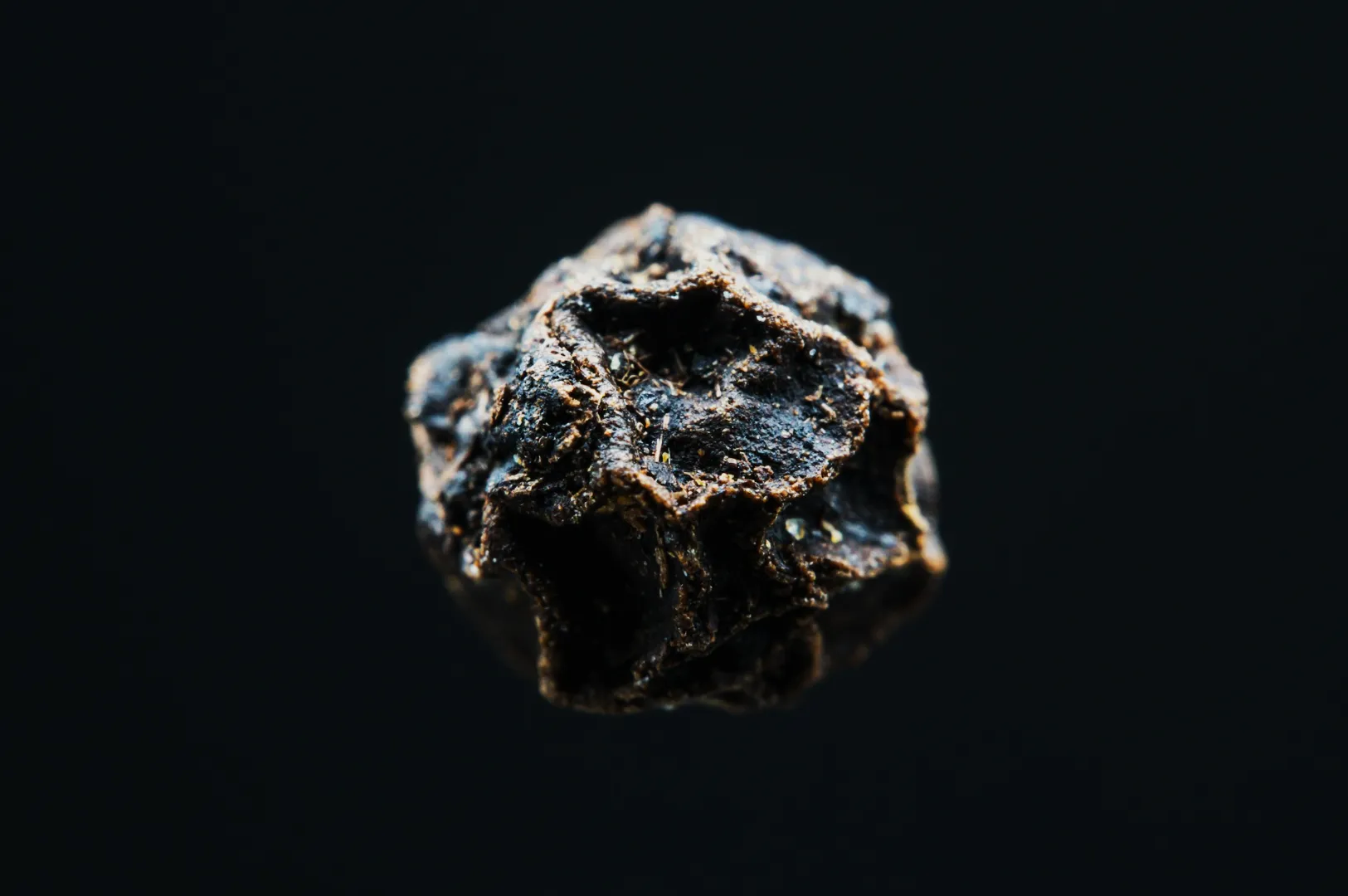
3) The texture close-up
Zoom in on what sells: crisp skin, char marks, glossy sauce, bubbles, crumb, steam, cheese stretch.
4) One human moment
A hand plating, pouring, cutting, or lifting noodles. Not a posed “model” moment. Just proof of life.
When teams stick to this, content becomes easier to plan. You are not guessing what to shoot. You are collecting the four images you actually need.
The “Make It Look Like Itself, Only Better” Styling Moves
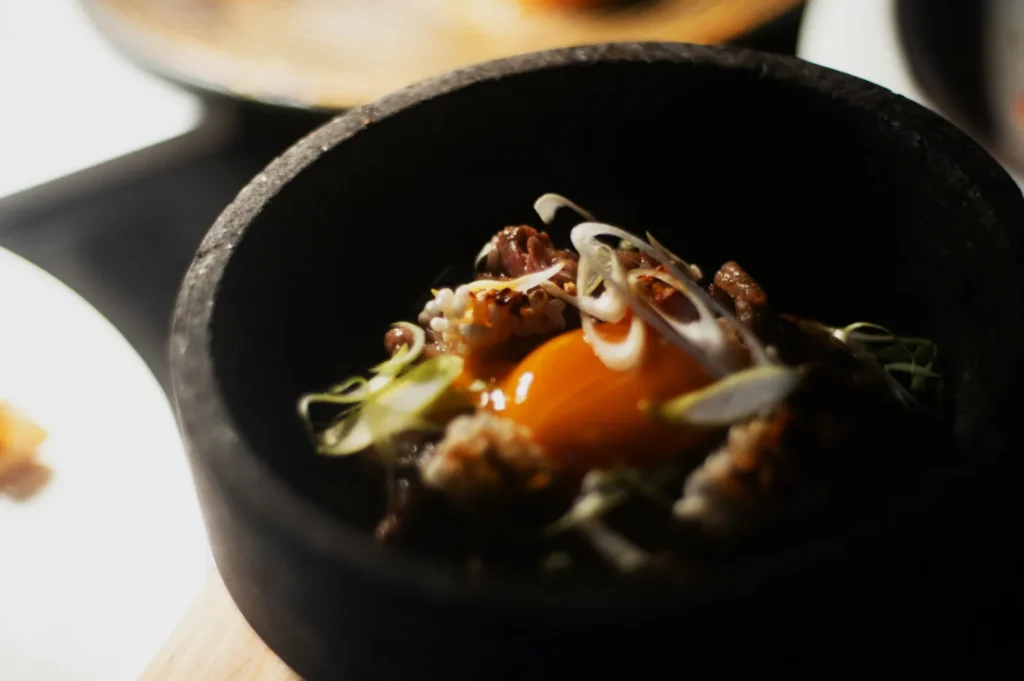
Busy shoots need styling moves that are fast and honest. You are not building a fake dish. You are presenting the dish at its best.
Try these:
- Turn the best side to camera. Rotate proteins, angle the bowl, face the toppings forward. A small rotation can change everything.
- Separate what matters. If noodles or rice disappear under sauce, lift a portion so the diner can read the ingredients.
- Add the last 5 percent at the end. Herbs, chilli slices, drizzle, crumbs. Add them right before shooting so they look fresh.
- Wipe the rim. It sounds small, but it is one of the fastest ways to make photos look more premium.
If your team can do only one thing consistently, make it this: final touches happen after the photo corner is ready.
Natural Light Vs Indoor Light: What Works In Real Restaurants
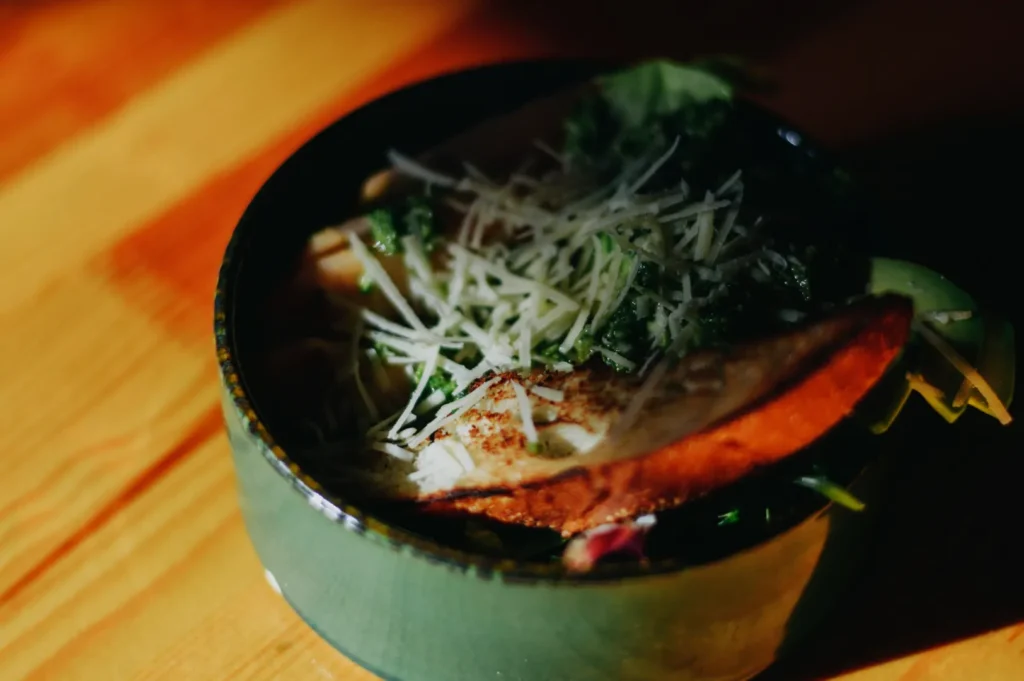
In Singapore, lighting is rarely perfect. Some places are bright but harsh. Others are moody and warm, which is great for ambience but tough for food.
If you can use natural light, aim for bright shade near a window. Side light gives you texture. Backlight can look beautiful, but it can also hide details if you are not careful.
If you are stuck with indoor lighting, do not fight every light in the room. Control one main light direction and simplify everything else. Mixed lighting is what makes food look yellow, grey, or tired.
Most importantly, do not let lighting stop you from shooting. A repeatable routine in “pretty good” light beats random shooting in “perfect” light that never happens.
Five Food Photoshoot Ideas You Can Rotate Weekly
If you post often, you will eventually feel like “everything looks the same”. That is normal. The fix is not more props. The fix is rotating concepts.
Here are five food photoshoot ideas that work even for busy teams:
1) The best-seller rebuild
Shoot one best-seller every week, but refresh the angle or crop. Over time, you build a strong library for ads and menus.
2) The set meal story
One wide shot for the full set, then one close-up for the main, then one hand moment. It reads well on social.
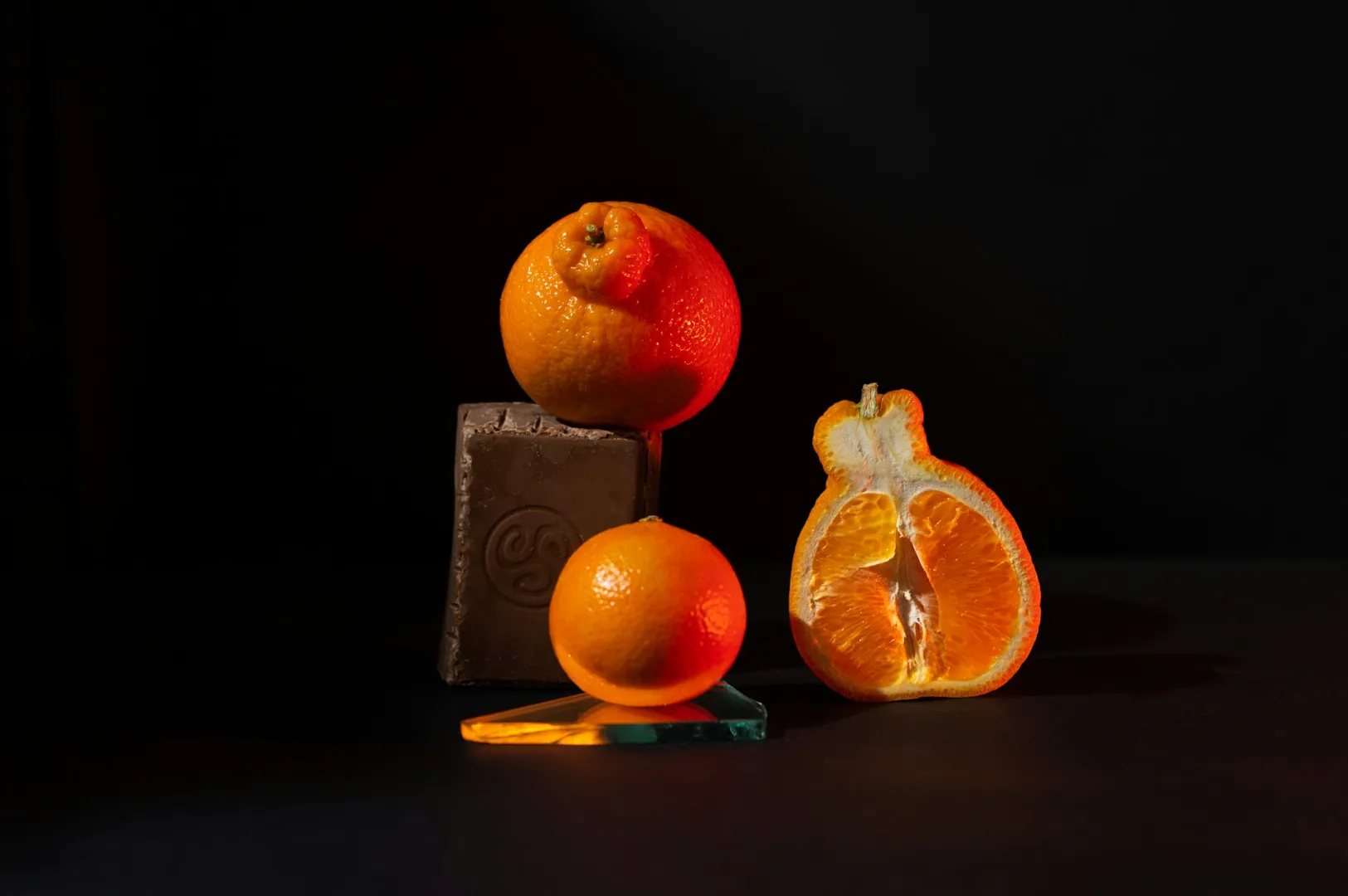
3) The ingredient proof shot
Show one key ingredient next to the dish, but keep it minimal. Think: prawns, pandan leaves, fresh chillies, house-made sauce.
4) The “first bite” frame
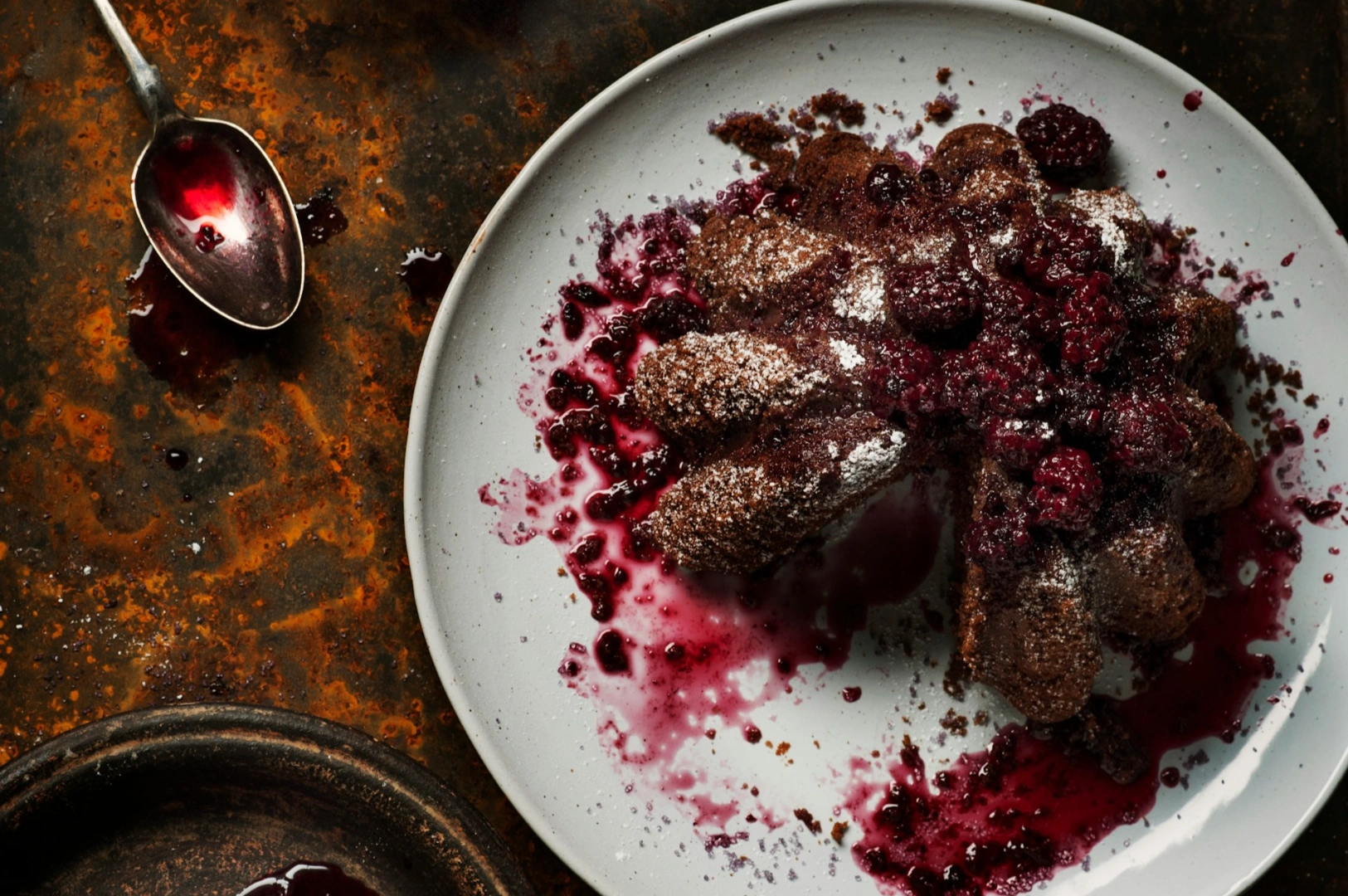
A spoon digging in, chopsticks lifting, a cut revealing filling. It makes the photo feel immediate.
5) The quiet counter shot
One dish, one surface, lots of breathing space. Works well for brands that want a clean, modern look.
Rotate one idea per week and your feed stays fresh without extra effort.
When Your Team Is Too Busy, Batch It
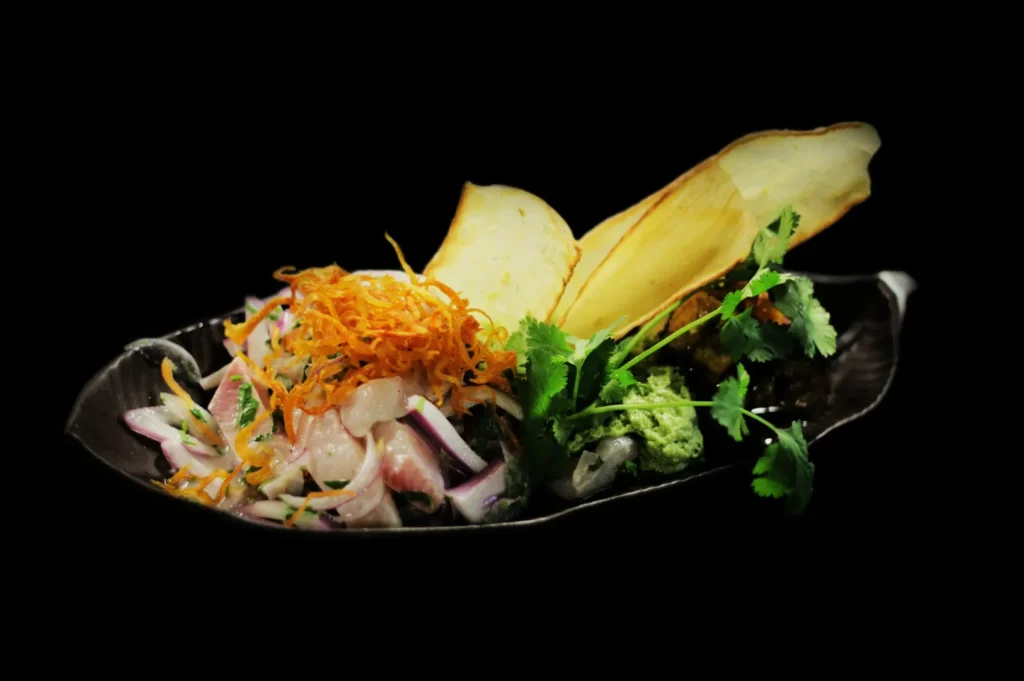
If daily shooting is unrealistic, batch. Shoot 6 to 10 dishes in one quiet window each week, then schedule content.
Batching works best when you keep:
- the same surface
- the same light direction
- the same editing “feel”
This is how small teams keep their visuals consistent without burning out.
A Calm Next Step
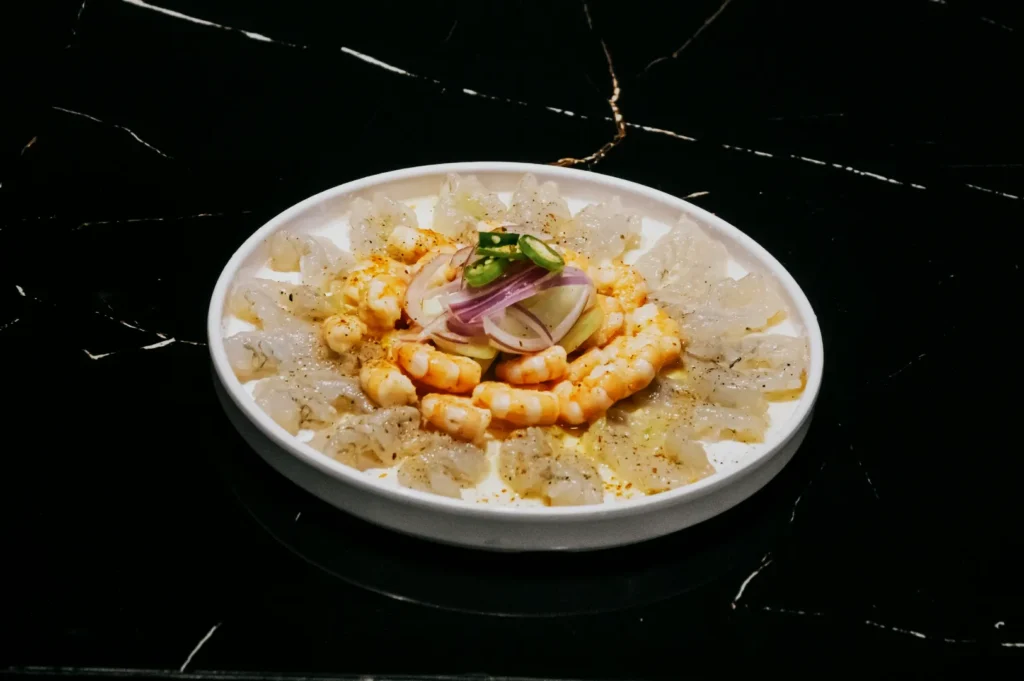
If you want to start immediately, pick one dish tomorrow and run the 10-minute shot list. Do not try to overhaul everything in one day. Consistency is the real upgrade.
And if you want strong results without the learning curve, professional food photography services exist for a reason. A proper shoot gives you a full library: menu-clear images, hero frames, detail shots, and brand visuals that look like one cohesive set.
When you are ready for that level of consistency, Food Photographer Studio can help you plan and execute a shoot that fits how Singapore restaurants actually run.