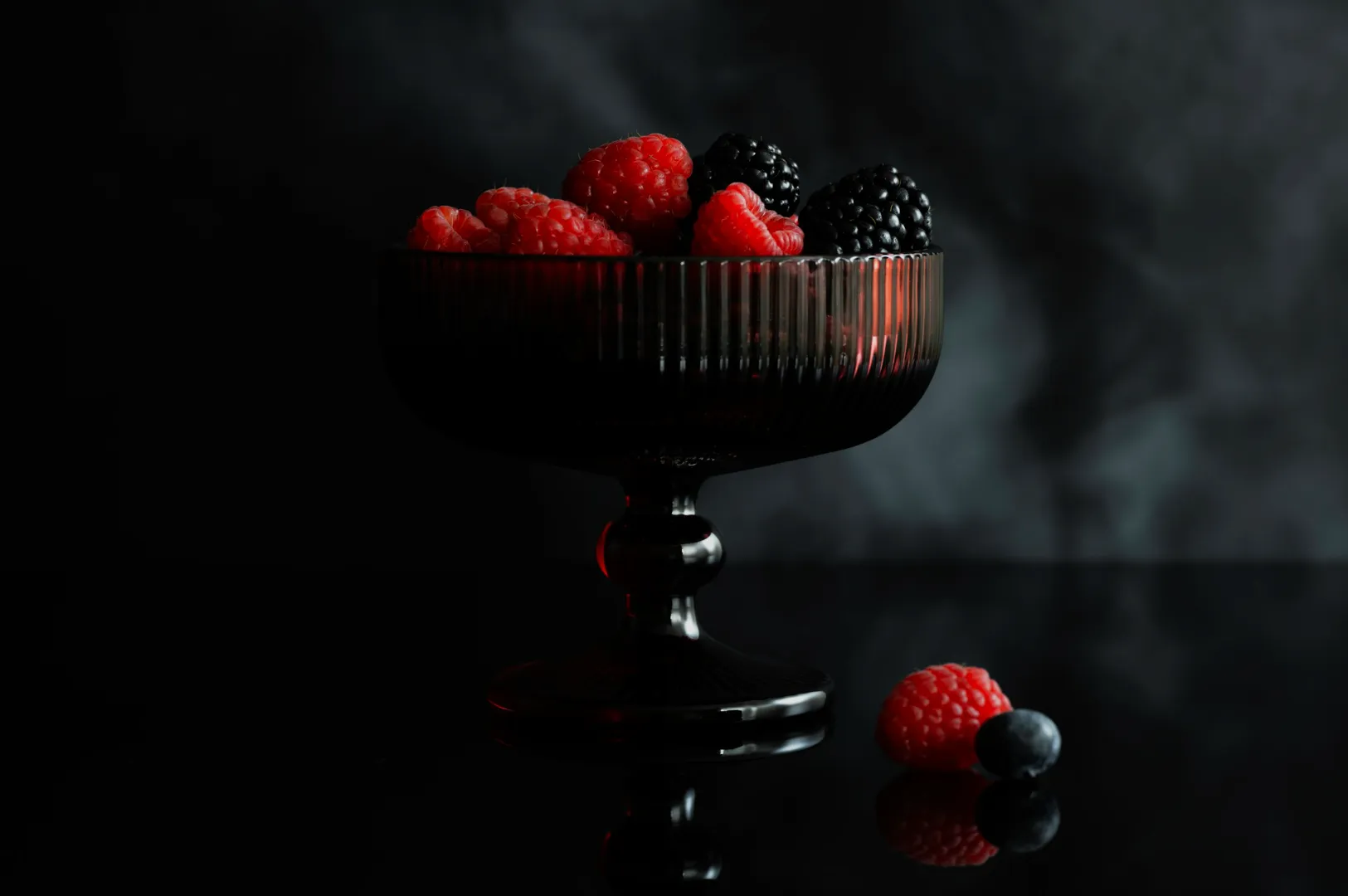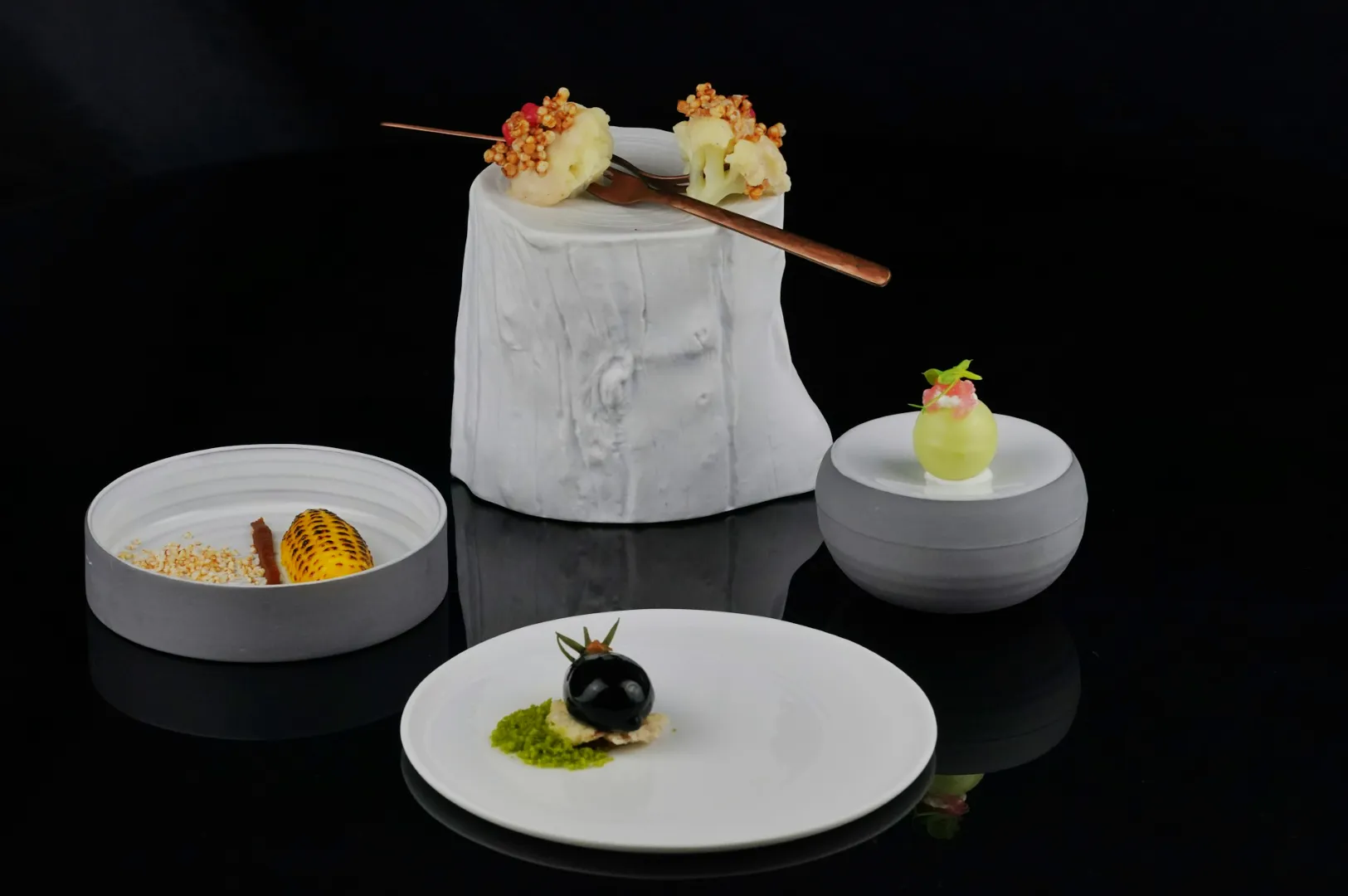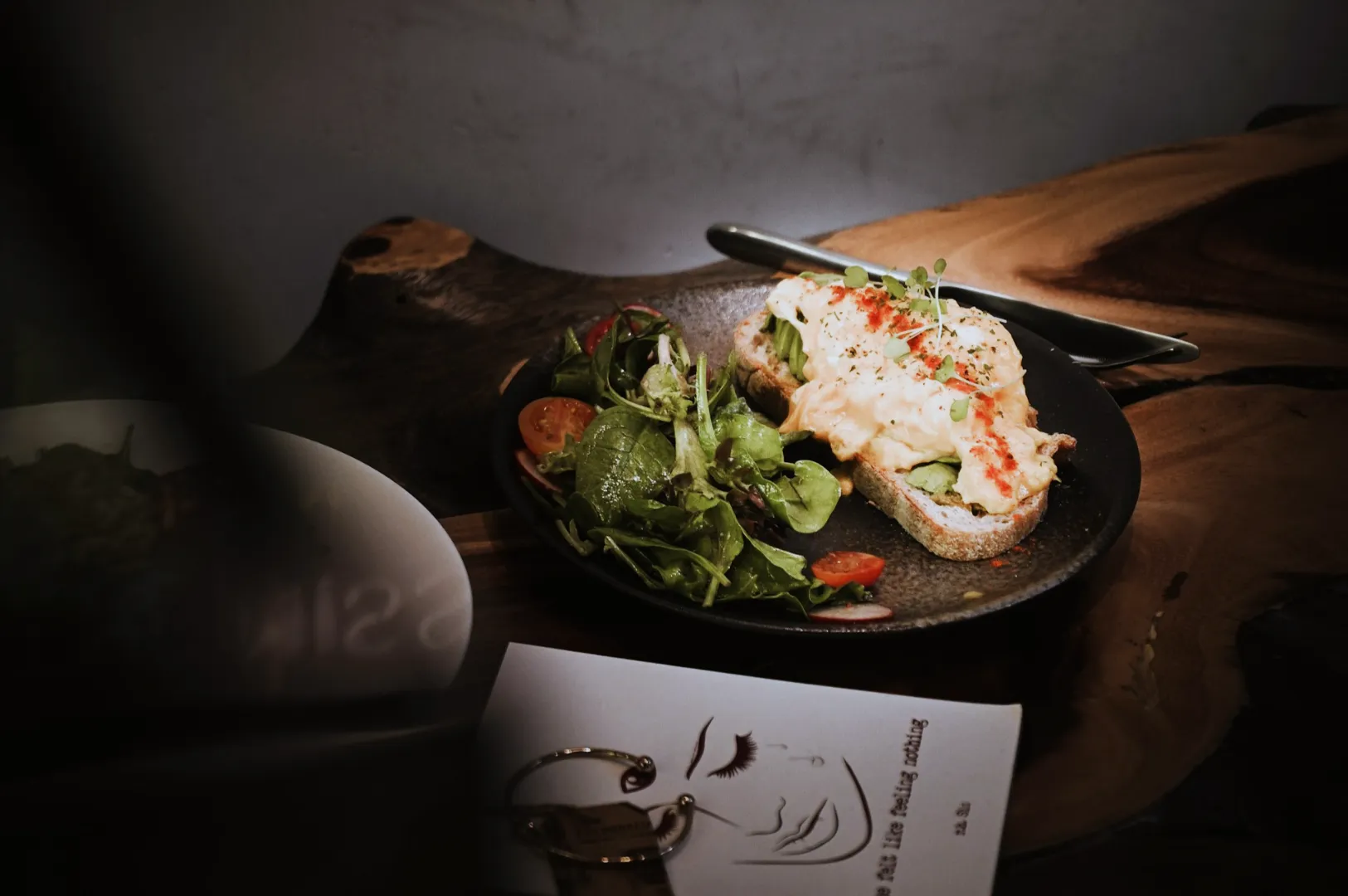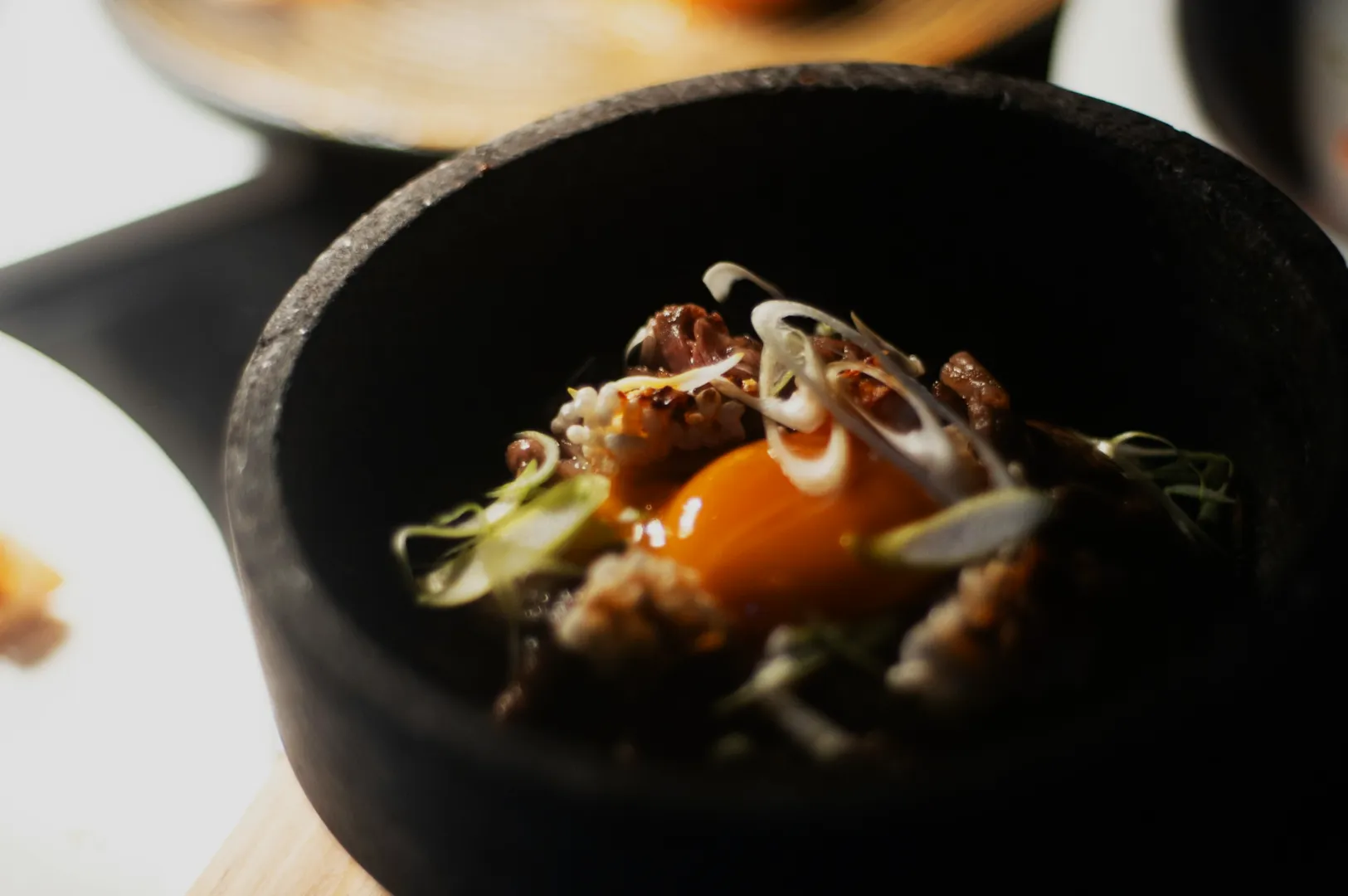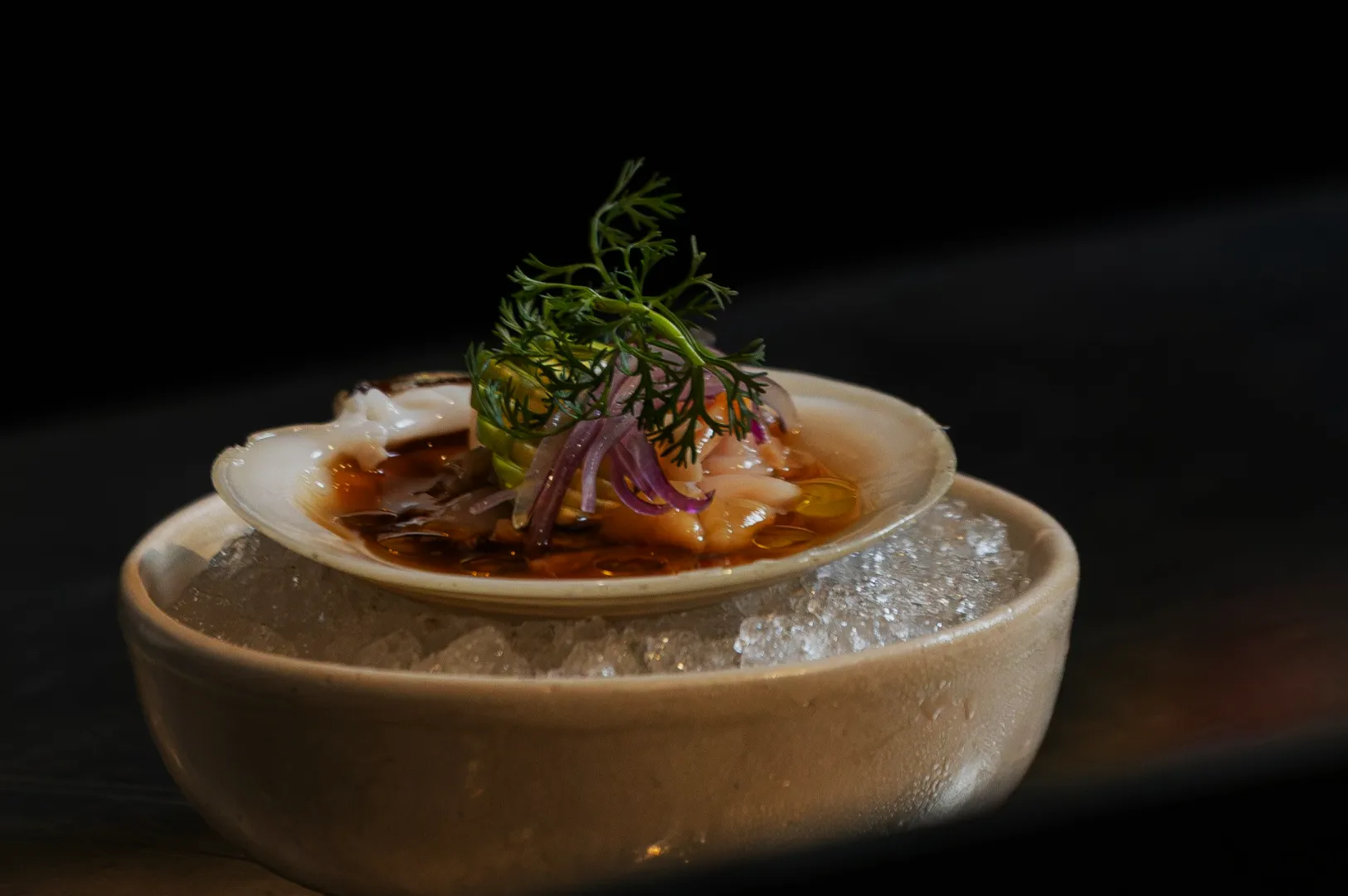
If you have ever looked at your menu photos and thought, “The food tastes great, but why does it look a bit… tired?” you are not alone. In Singapore, most kitchens move fast. Heat, humidity, and delivery timing do not wait for a perfect photo. That is exactly why food styling for menu photography matters.
Here is the key idea we want you to keep: good styling is not about turning your dish into something it is not. It is about making the dish look like itself, only at its best. The version that arrives when service is smooth, the garnish is fresh, and the plating is clean. That is the version customers should see before they order.
If you want the bigger picture of what makes a menu photo set work across platforms, start with our complete menu photography guide for restaurants.
What “Make It Look Like Itself” Really Means
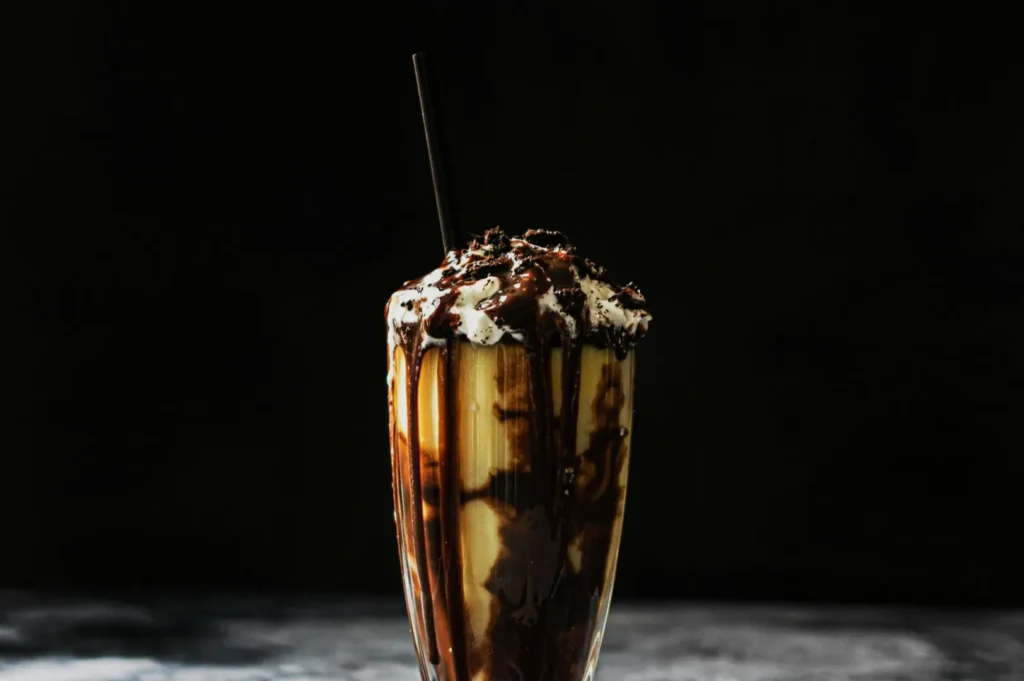
When restaurants hear “food styling,” some imagine fake ice, glue in cereal bowls, or advertising-style tricks. That is not what most F&B owners need for menus.
Menu styling is practical styling. It focuses on:
- Consistency across dishes, so your menu looks like one restaurant
- Accuracy, so customers receive what they expect
- Appetite cues, so the dish looks fresh, hot, crisp, creamy, juicy, or refreshing
- Speed, because food does not hold forever under lights or near a window
Think of styling as service discipline, translated into a photo. Clean rims, neat portions, ingredients that face the camera, and the right amount of shine.
Styling Starts Before The Dish Hits The Plate
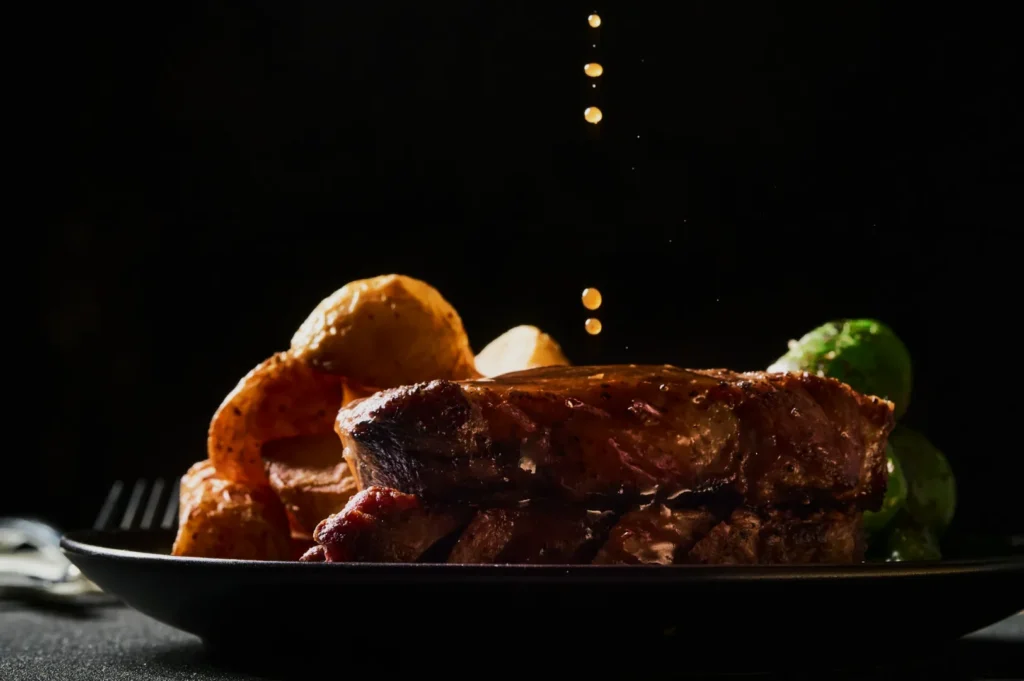
The biggest styling wins usually happen upstream.
Lock A “Hero Standard” For Each Dish
Your team needs one agreed version of the dish. Not five slightly different ones depending on who plates.
Before a menu shoot, decide:
- Portion size and protein count
- Garnish type and placement
- Sauce level and where it sits on the plate
- Any “must-show” ingredient (egg yolk, prawns, char, herbs, cheese pull)
This is especially important for set meals and signature items. If your chicken rice sometimes looks generous and sometimes looks sparse, your photos will not save you. Customers will remember the mismatch.
Prep Extras That Actually Matter
Do not cook three full backup plates for everything. That gets expensive fast. Instead, prep small extras that rescue a dish in seconds:
- Fresh herbs (coriander, spring onion, microgreens)
- Crisp elements (fried shallots, garlic chips, toasted sesame)
- Sauce in a squeeze bottle or spoon-ready container
- A little neutral oil for controlled sheen
- Paper towels and microfibre cloths for plate edges
This is the “quiet” styling that makes dishes look intentional.
The Four Styling Cues That Make People Want To Order
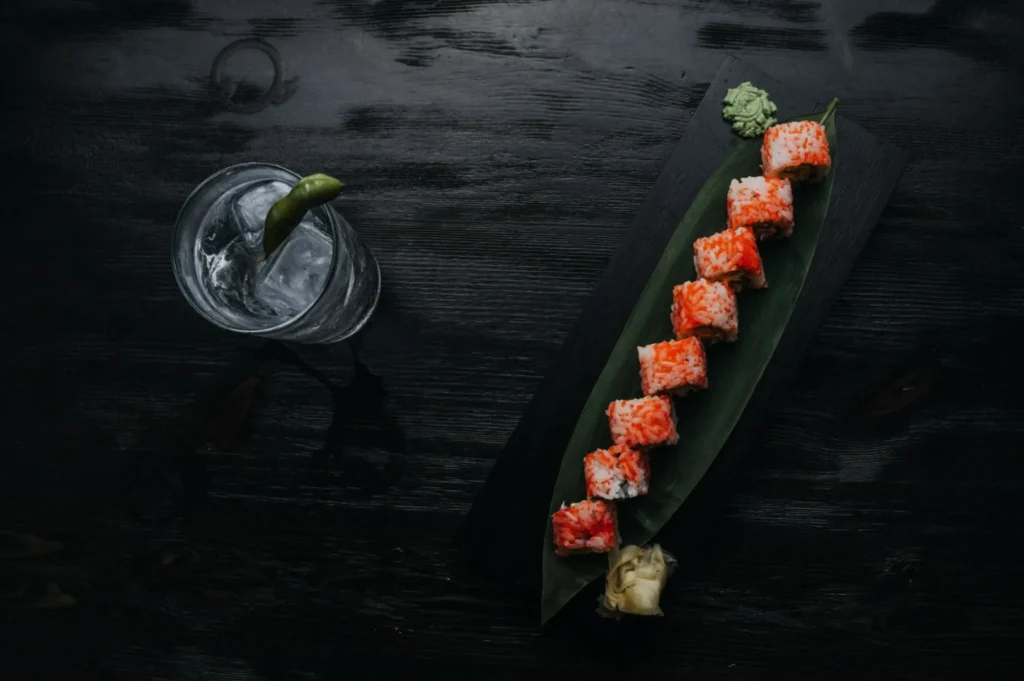
A menu photo has one job. It needs to reduce doubt and increase desire. Styling helps by making key cues obvious.
1) Freshness Cues
Freshness is visual. If herbs look wilted or greens look dull, the whole dish feels older.
Simple fixes:
- Add delicate garnishes last
- Keep greens covered and cool until the shot
- Lightly mist hardy leaves if they look dry, then blot if it looks too wet
- Avoid over-handling, especially for salads and cold appetisers
2) Heat And Crispness Cues
Hot food should look hot. Crispy food should look crisp.
For soups, noodles, and claypot dishes, steam can help, but only if it is realistic. You do not need dramatic clouds. You need a subtle lift that suggests “just served.”
For fried items, focus on texture and structure. A pile that collapses looks soggy. A pile with a little height, clean crumbs, and visible edges looks crunchy.
3) Shine And Texture Cues
Singapore food often has sauces, gravies, glazes, or oil separation. In photos, the wrong shine looks greasy. The right shine looks delicious.
A good photographer will shape this with light, but styling helps too:
- Brush or spoon a small amount of sauce where it should catch light
- Wipe plate edges ruthlessly
- Re-coat noodles lightly if parts look dry
- For proteins, show the best side, not the side that was pressed down
4) Portion And Value Cues
Small thumbnails on delivery platforms punish messy plating. Customers scan for value quickly.
Use the real portion, then style it so it reads clearly:
- Separate components slightly so they do not blend into one blob
- Keep rice fluffy, not compressed
- Face premium ingredients forward (prawns, scallops, slices of wagyu)
- Use plates that suit the serving. Oversized plates can make portions look smaller than they are
Plating For The Camera Without Lying
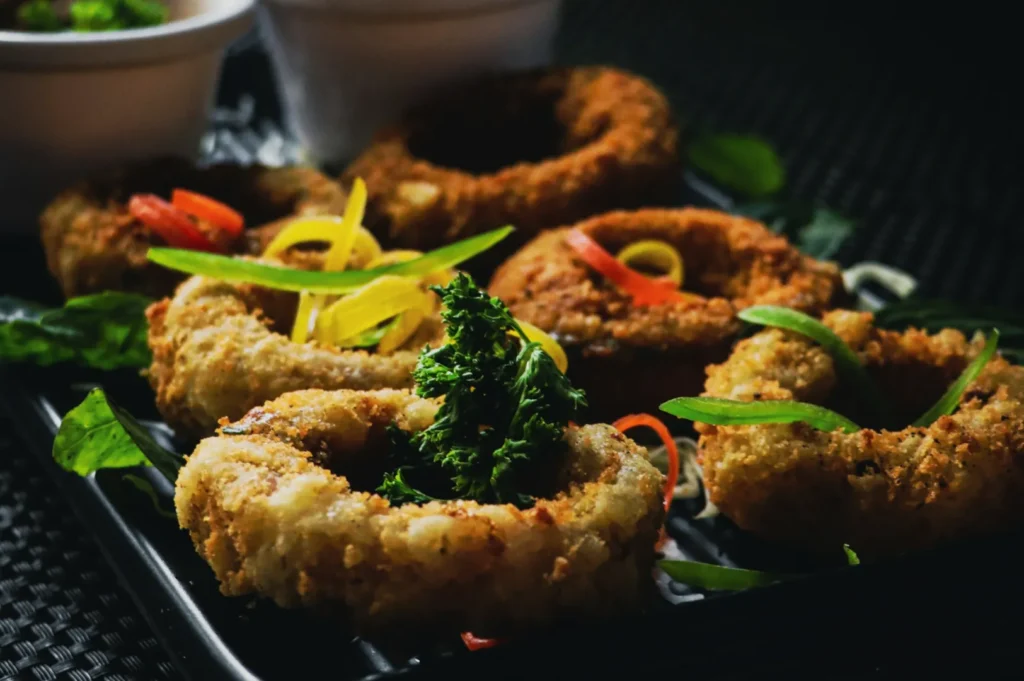
This is the line that matters. Styling should not mislead.
A good rule: if you would feel uncomfortable serving the styled version to a customer, do not photograph it.
What you can do ethically:
- Arrange ingredients so they are visible
- Clean up spills and smears that would not be present in real service
- Use fresh garnish that is actually part of the dish
- Replace an ugly piece of protein with a better cooked piece from the same batch
What to avoid for menus:
- Stacking to unrealistic heights that never happen in service
- Using props or extra ingredients that customers will not receive
- Making portions look larger than reality through extreme plate tricks
In Singapore, diners are visually sharp. If they feel tricked once, they do not just stop ordering. They tell someone.
Styling Different Dish Types Common In Singapore
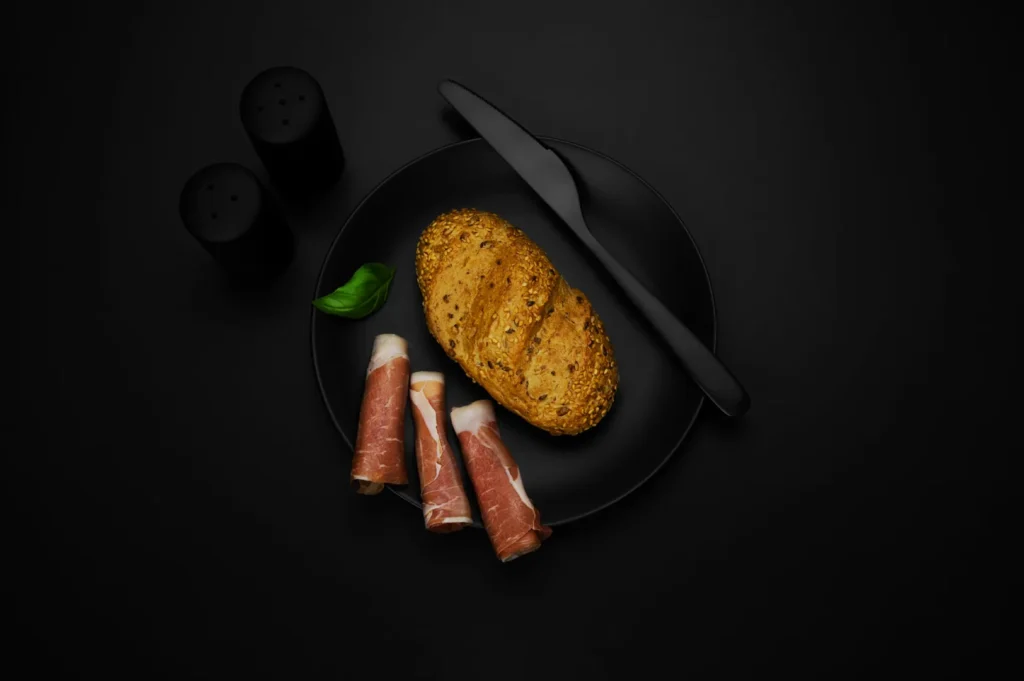
You do not style laksa the same way you style a cake. Here is how we think about it during menu shoots.
Rice And Set Meals
The risk: everything merges into one beige mass.
Fix it by creating separation and structure:
- Fan cucumber or pickles with intention
- Keep sauces in defined zones, not everywhere
- For set meals, ensure every component is visible at a glance
- Use a consistent layout so your menu looks organised
Noodles And Soupy Dishes
The risk: ingredients sink and the surface looks flat.
Fix it with height and visibility:
- Lift one hero element above the surface (prawns, tau pok, slices of meat)
- Twirl or arrange noodles so they look deliberate
- Add herbs last so they stay vibrant
- Keep broth clean at the rim
Grilled And Fried Items
The risk: looks dry or too dark.
Fix it by styling the best cues:
- Face char marks toward the camera
- Add a small highlight of glaze or oil, not a full sheen
- Keep crumbs natural but controlled
- Add a dip or sauce only if it is part of the real order, and keep it neat
Desserts And Drinks
The risk: melting and mess.
Fix it by shooting fast and planning the final touches last:
- Chill plates and glasses when possible
- Add powdered elements last
- For iced drinks, condensation needs to look believable, not sticky
- For cakes, clean cuts matter. One messy slice can ruin the whole set
The “Consistency Test” That Saves Your Whole Menu
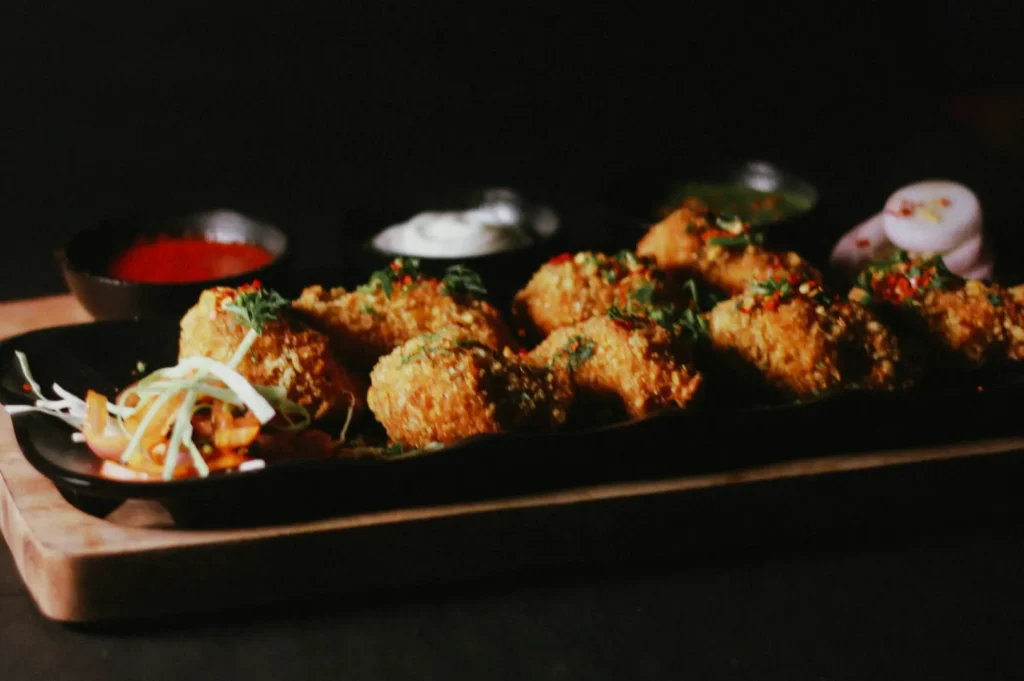
After you style and shoot 5–10 dishes, stop and review them as a set.
Ask:
- Do these photos look like the same restaurant?
- Are the colours consistent?
- Are portions reading consistently across categories?
- Does one dish look strangely over-styled compared to the rest?
Menu photography fails most often when every dish was styled differently, with different rules. Consistency is what makes your menu feel trustworthy.
A Calm Menu Shoot Creates Better Styling
Food styling for menu photography works best when the shoot is calm and planned. When your team is rushing, plates get sloppy, garnishes die, and everyone starts making random decisions.
If you want menu images that look true, appetising, and consistent across categories, Food Photographer Studio can handle the full workflow, from pre-shoot planning to styling discipline to post-production consistency. The goal is always the same: make your dishes look like themselves, only better, so customers order with confidence.