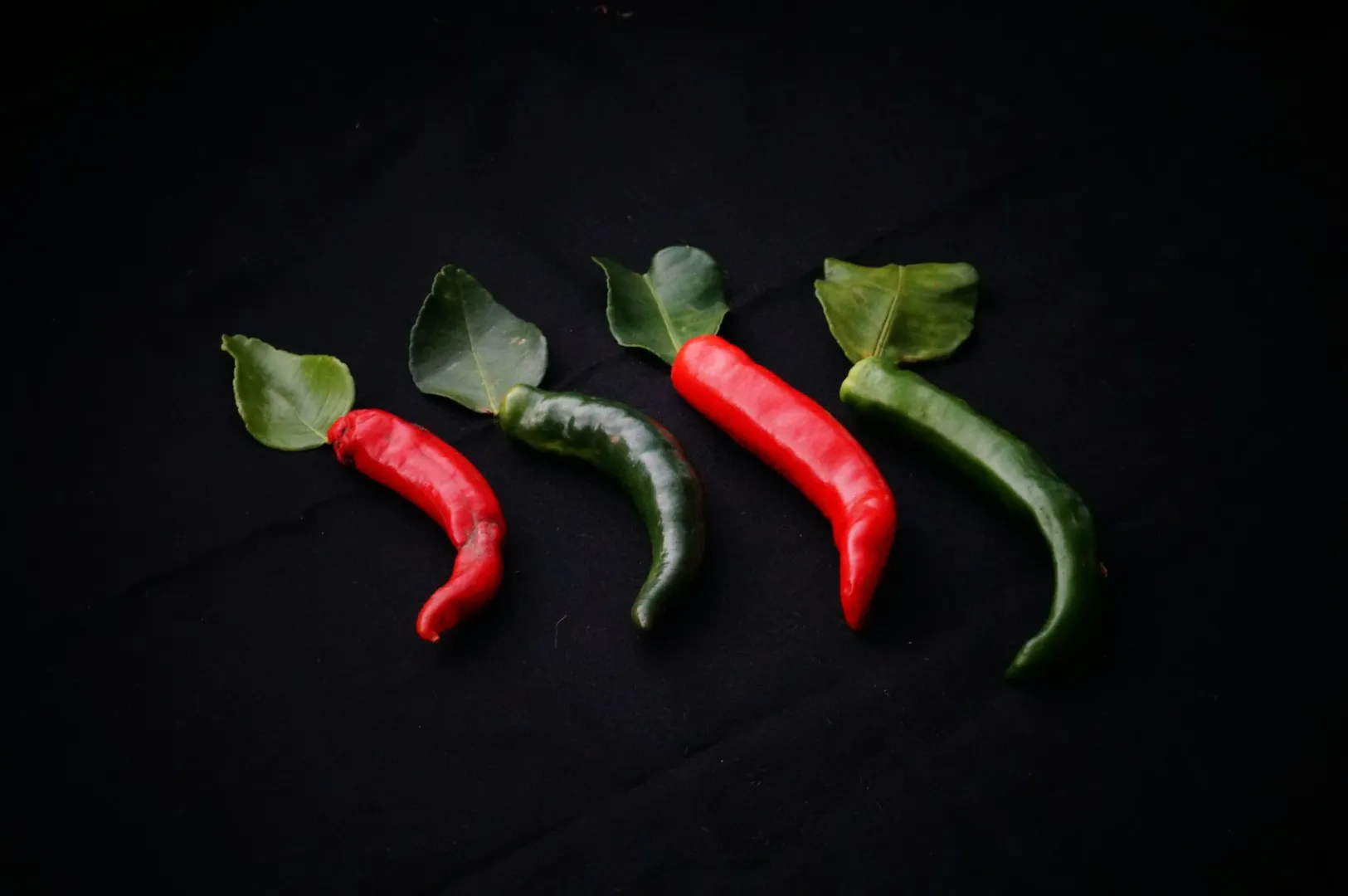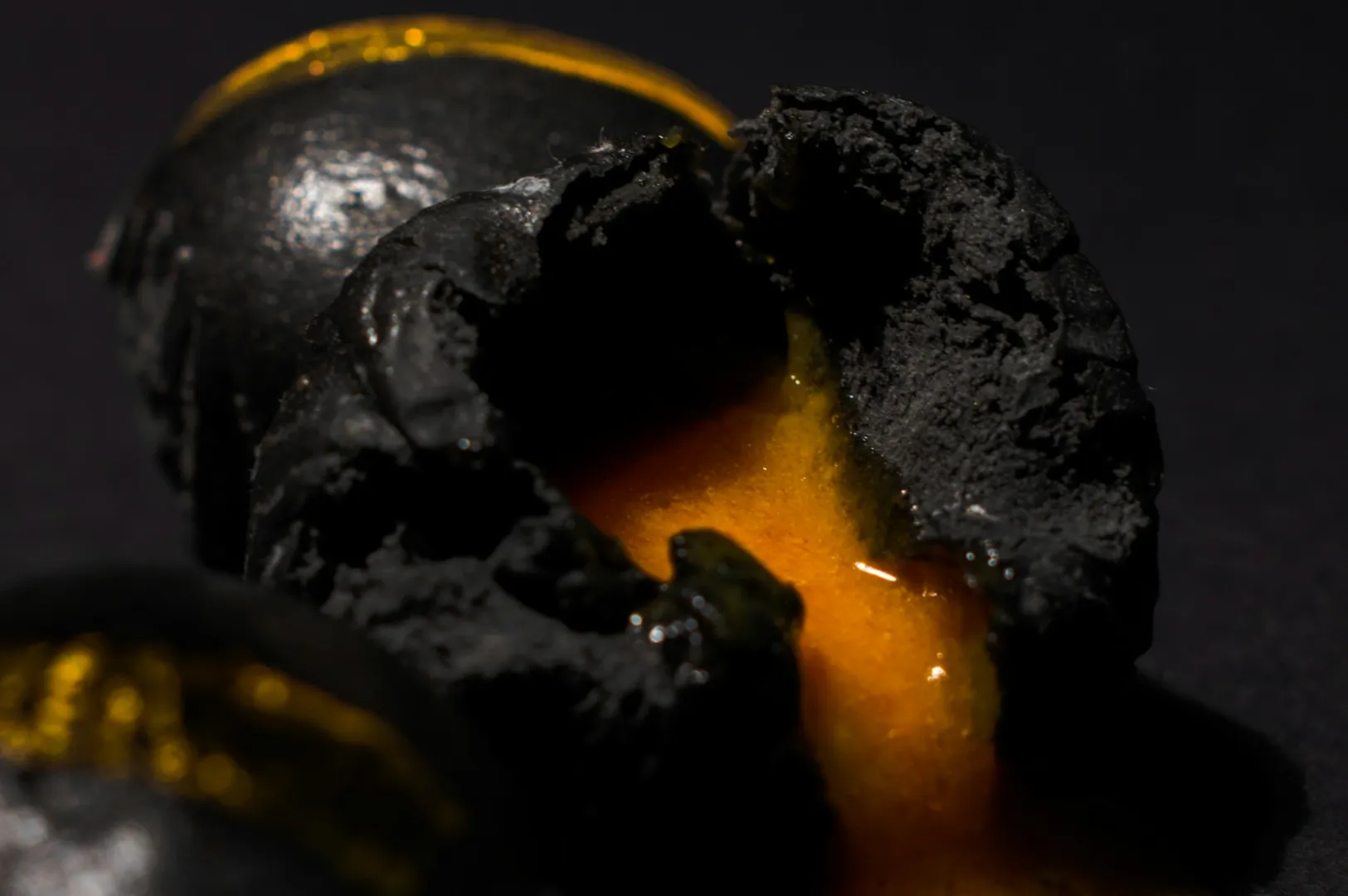
Have you ever wondered why the minimalist, clean styling that makes a smoothie bowl look incredible feels completely wrong for a rich, traditional bowl of laksa? The answer lies in storytelling. Many restaurant owners and even some photographers apply generic styling techniques to every dish, which often results in photos that look good but feel empty. The secret to compelling food photography is understanding that every dish has a story, and the styling must honor that narrative, as explored in this guide to mastering food styling techniques for different cuisines.
Professional food stylists know this intuitively. The goal isn’t just to make food look pretty; it’s to communicate its origin, texture, and the experience of eating it. This guide is your playbook for food styling Singapore, designed to help you match your styling approach to your cuisine. You’ll learn how a professional food photographer thinks about styling food to create images that are not just beautiful, but also authentic and persuasive.
Why Food Styling Tips Must Match Your Cuisine's Story
The final dish you present to a customer tells a story. It speaks of its cultural roots, the care taken in its preparation, and the intended dining experience. Generic food styling tips often fail because they ignore this narrative. It simply doesn’t make sense to style a heritage Peranakan dish with the same minimalist props used for a modern brunch café.
This is a common mistake that can make a dish feel disconnected from its identity. Imagine styling a rustic, home-style curry with sleek, modern cutlery and a stark white background, the warmth and comfort are instantly lost. Your approach to styling food should be an extension of your brand and the specific story you want your menu to tell. For every cooking method and culinary course, there is a styling language that feels right. Sticking to generic recipes for styling will almost always lead to the wrong emotional message.
Rustic & Comfort Food Photography: Creating Homey Appeal
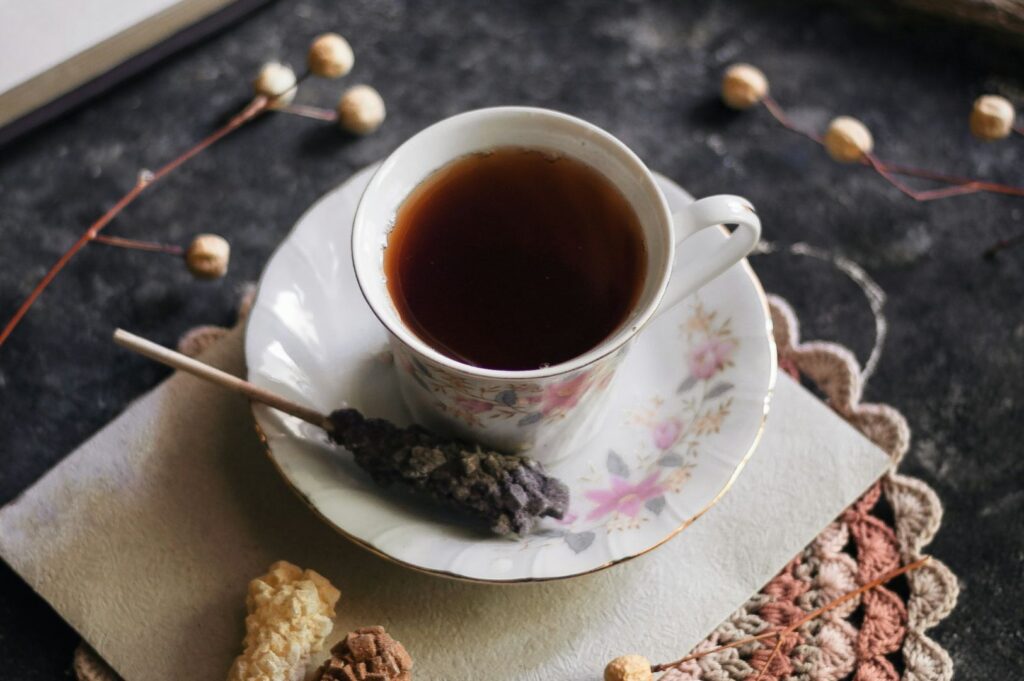
For dishes that are meant to feel warm, hearty, and approachable, the styling should be relaxed and inviting. Think of comfort foods like a creamy soup, a hearty stew, or a perfectly flaky roti prata. The goal is to make the viewer feel a sense of homey satisfaction.
To achieve this, use props like parchment paper, casual ceramic bowls, and a rustic wooden plate. These elements add warmth and an unfussy, handmade feel. When it comes to technique, don’t be afraid to be a little messy. Show that gooey cheese pull from a grilled cheese sandwich or let some of the melted cheese ooze over the side. Leave extra ingredients like herbs or spices visible on the board to suggest a dish that has just been finished. A human element is crucial here; show hands serving the dish or a spoon dipping into a bowl of soup. This adds life and makes the food feel more delicious and attainable.
Fine Dining Food Styling Skills: Crafting Sophistication
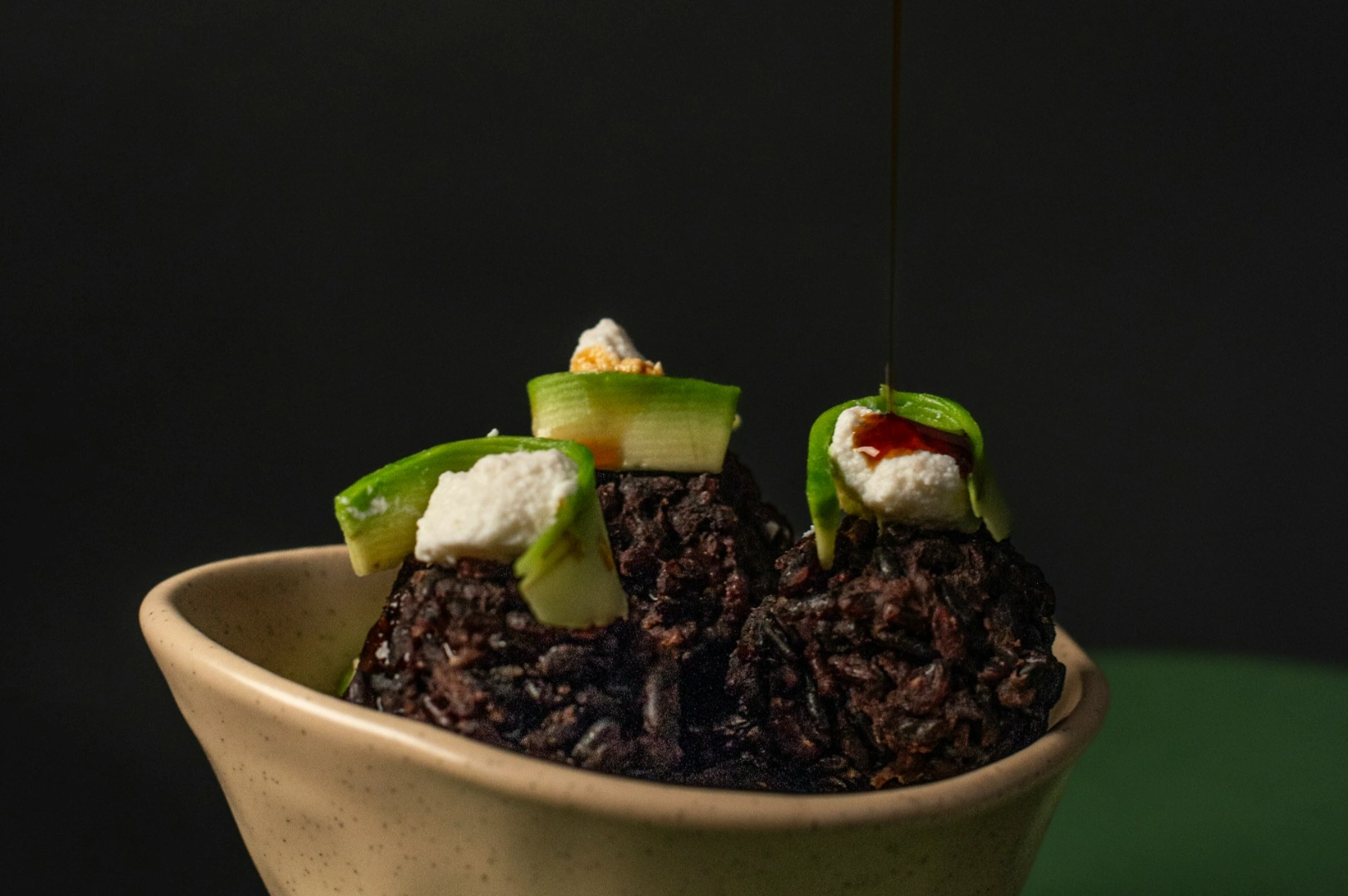
In a fancy restaurant setting, food styling is about precision, elegance, and artistry. The goal is to communicate luxury and the chef’s meticulous attention to detail. This style relies heavily on negative space and precise, deliberate plating. Every element on the plate is there for a reason, contributing to the overall flavor and aesthetic.
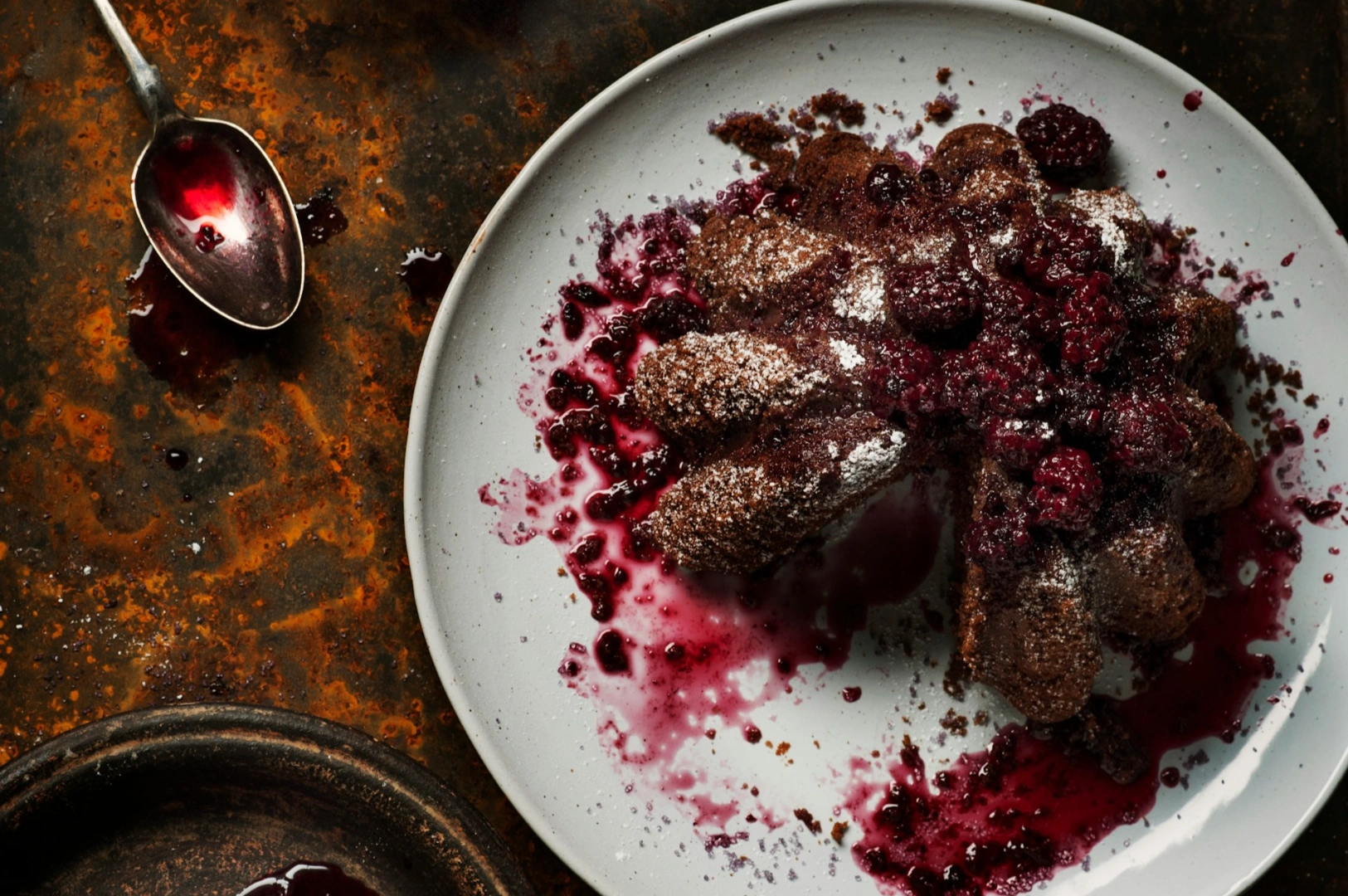
Techniques often include a very light dusting of powdered sugar or cocoa to finish a dessert, creating an ethereal quality. To create depth, chefs use careful layering of ingredients and introduce different shapes without creating clutter. Garnishes are minimal but intentional, chosen to add interest and complement the dish’s flavor profile. The role of the photographer is to capture this additional layer of sophistication. Strong photography skills are needed to use light to highlight the subtle textures and depth in the plating, ensuring the final image reflects the exquisite taste of the dish.
Fresh & Healthy Food Photo Styling: Emphasizing Vitality
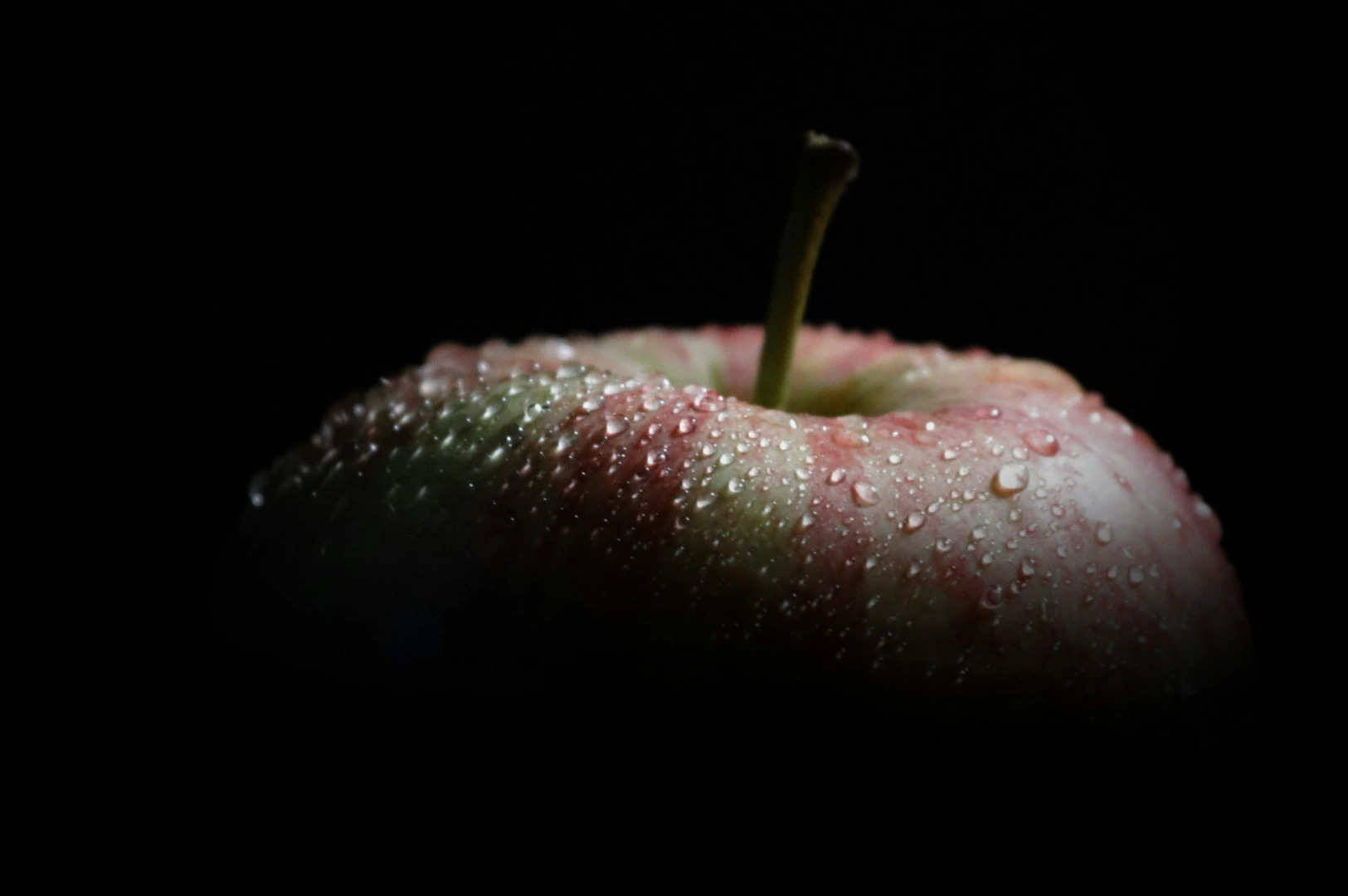
For concepts centered on freshness and health, like salads, grain bowls, and smoothie bowls, the styling must scream vitality. The key is to highlight the quality and vibrancy of the fresh ingredients.
Use bright, natural light to make herbs and veggies look crisp and full of life. Emphasize the fun colors from natural sources, and never resort to artificial food dye. A great tip is to use a small bowl, which can make a standard portion look more abundant and generous. To create depth, layer your ingredients so they are visible from a side angle, showing the variety within the salad or bowl. The ultimate goal is to make the viewer feel energized and healthy just by looking at the photo. Be mindful of time; these dishes are sensitive. You need to photograph quickly before delicate greens wilt or ice in a smoothie begins to melt.
Indulgent & Decadent Styling: When Texture Takes Center Stage
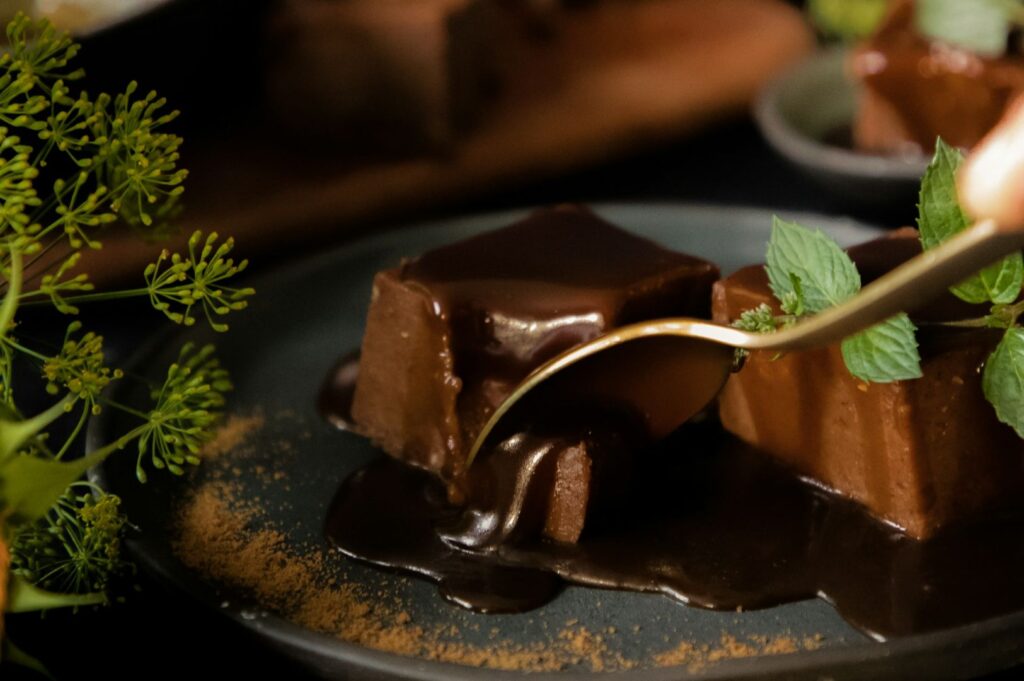
When styling desserts like cake and ice cream or rich, savory dishes, the focus shifts to texture and indulgence. The challenge is to capture the decadent qualities, the creaminess, the crunch, the gooey center, in a way that makes the viewer’s mouth water.
One of the biggest hurdles is avoiding melted ice cream while trying to get the perfect shot. This is where many professional food stylists work with speed and precision. Use your camera angles to your advantage; get low to make a slice of cake look towering, or shoot a close-up that shows its moist crumb. The goal is to make the viewer feel an immediate desire to eat the dish. To add texture and interest, show the process, a dusting of flour from baking or a shot of chocolate being drizzled. Capturing these interesting details of making food tells a richer story.
Traditional & Heritage Food Styling Singapore: Honoring Cultural Roots
Photographing food with deep cultural roots requires a delicate balance. The goal of food styling Singapore for heritage dishes is to respect authenticity while making the dishes visually appealing to a modern audience. You want to add interest without erasing the dish’s identity.
This is where the human element becomes incredibly important. Showing hands preparing or serving the dish, or including traditional cooking tools, helps tell the cultural story. For Peranakan or traditional Chinese cuisines, for example, the choice of plate or bowl can speak volumes. It is also important to consider post-production. While editing software is a powerful tool, it should be used with a light touch to preserve the authentic look and feel of the dish. Your photography style should create a sense of respect for tradition.
Street Food Energy: Capturing Authenticity All the Time
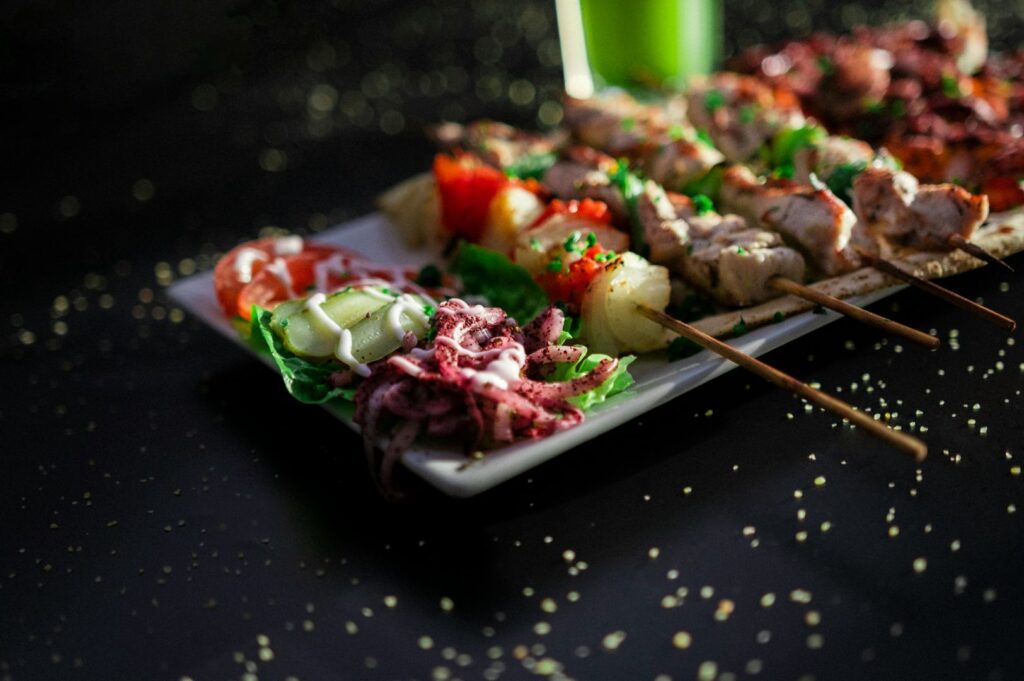
Styling street food is all about capturing its raw, vibrant energy. The human element is non-negotiable. You want to make the viewer feel as if they are standing right there at the hawker stall, smelling the wok hei and hearing the sizzle.
Forget perfect plating. The best helpful tips for this style are to embrace imperfection and capture movement. Show the dish in its natural context, with extra ingredients nearby, sauces in their squeeze bottles, or the chef cooking in the background. Capturing steam rising from a bowl of noodles or the motion of a quick stir-fry adds a dynamic quality that feels authentic. This approachable, unpolished style works all the time for casual concepts because it builds trust and relatability.
Singapore's Multi-Cultural Food Photography Landscape
The true challenge and beauty of food styling in Singapore lies in its incredible diversity. A successful food photography portfolio in this city requires the versatility to adapt styling tips across Chinese, Malay, Indian, and modern Western fusion cuisines.
The food styling skills that work for one cuisine may need significant adjustment for another. For example, the props and lighting used to create a bright, airy feel for a brunch café would feel out of place for a rich, spicy Indian curry. A photographer must understand how to use light and color to create a sense of place that feels true to each specific culinary tradition.
Matching Your Food Photo Style to Platform
Effective styling also means considering where the final images will be used. The food styling skills required for an Instagram food photo are different from those needed for a printed menu.
Social Media: On platforms like Instagram, the human element and a strong story perform best. These photos and pictures should feel alive and engaging.
Menu Pictures: For a menu, clarity is key. The customer needs a clear view of the dish that is an accurate representation of what they will receive. The focus is purely on taste appeal.
Website: Your website is your brand’s flagship. Use it to showcase all the things that make your concept unique, from the food to the ambiance and the people. A great idea is to use a mix of different photo styles to tell a complete story.
The Perfect Way Forward: From Strategy to Execution
Choosing the right food styling approach starts with honoring your cuisine’s unique story, but it’s the photographer’s expertise that brings it to life. At Food Photographer Studio, we combine technical skill and artistic vision with professional-grade cameras and advanced equipment to capture compelling images in any lighting.
Our strong business sense and interpersonal skills help us work closely with chefs, restaurant owners, and F&B professionals to capture moments that evoke emotion, engage audiences, and reinforce brand identity. Our extensive portfolio spans many industries, with each image crafted as powerful promotional material tailored for Singapore’s dynamic F&B scene.
For food photography that does more than look good, images that resonate, tell your story, and drive real results, trust the studio setting the standard for professionalism and creativity.