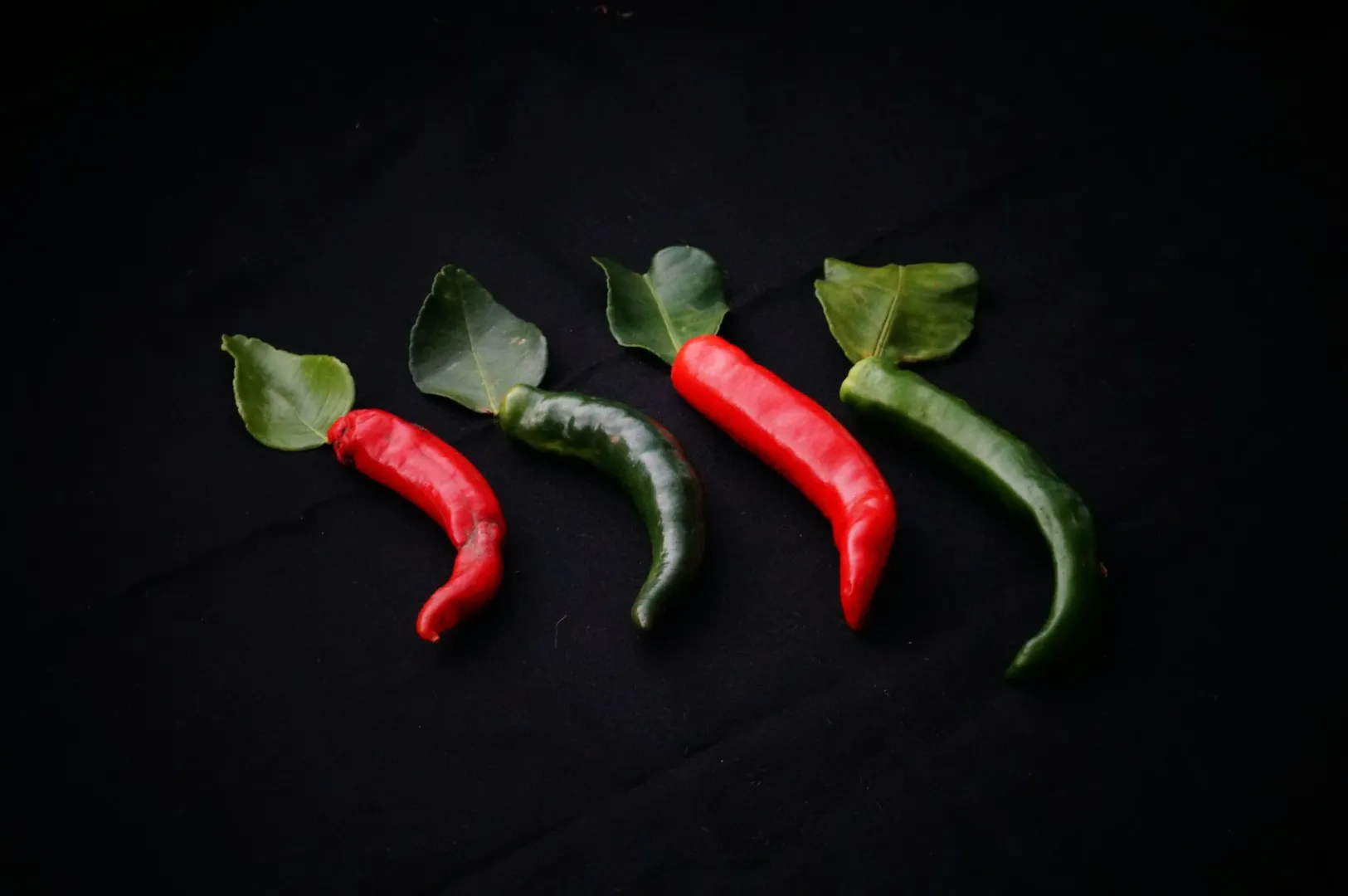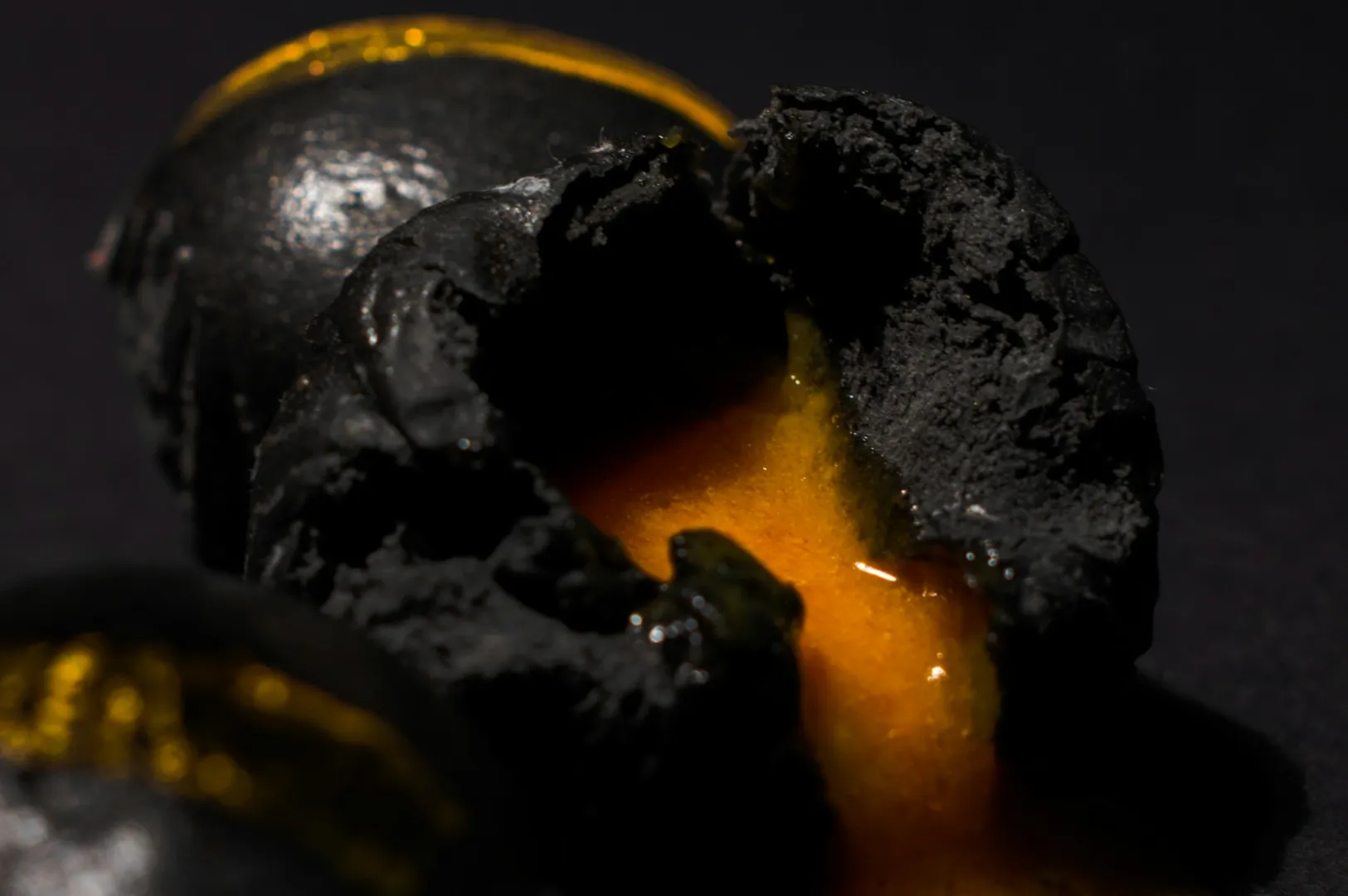
In Singapore’s competitive food scene, standing out requires more than just a great menu. Food styling is an art and a key element in the F&B business, combining creativity, skill, and vision to create visually stunning dishes. It demands food styling that captures the attention of today’s visually-driven consumers. Whether you’re running a food stand in Chinatown or a fine-dining restaurant in Orchard, food styling trends are crucial for your restaurant’s success. With the rise of social media platforms like Instagram, TikTok, and food delivery apps, food photography has become a powerful tool in driving customer decisions and increasing sales.
Food stylists and food photographers work together to make your dishes look their best, transforming your food into delicious final images that captivate and inspire. Food styling is important because it not only makes dishes look appealing and photogenic, but also enhances your brand image, tells your story, and influences customer choices in the digital age. This article explores food styling trends shaping Singapore’s F&B scene, from minimalist plating to eco-conscious styling, showing how these trends can elevate your restaurant’s appeal.
Mastering food styling is an art form requiring learning, patience, and practice, setting your business apart in a crowded market.
#1 Minimalist Plating & Negative Space: Letting the Dish Shine
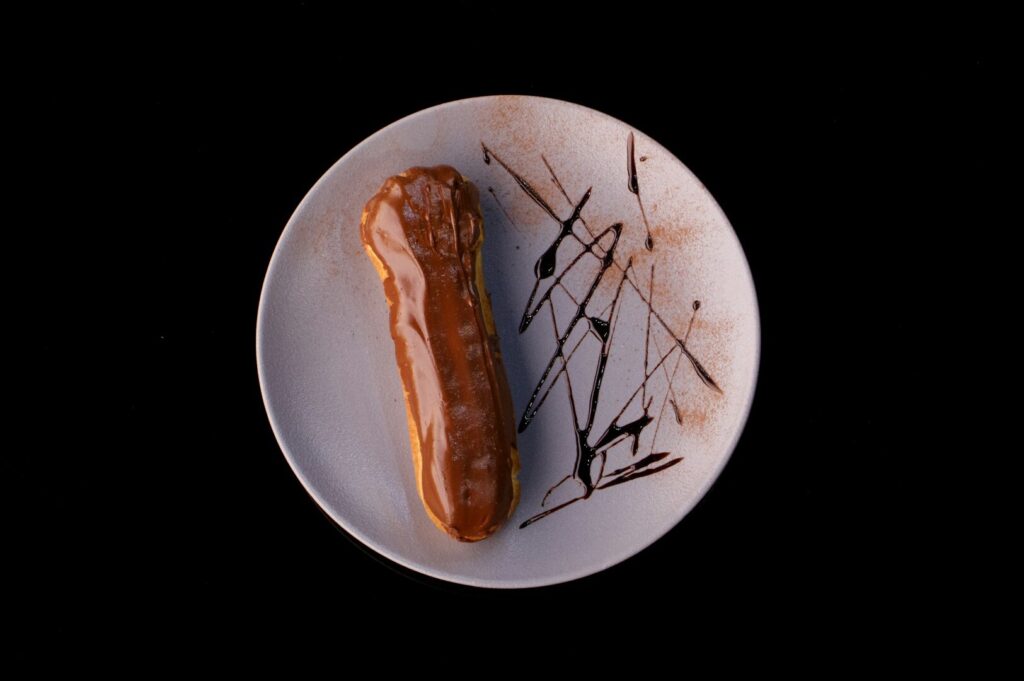
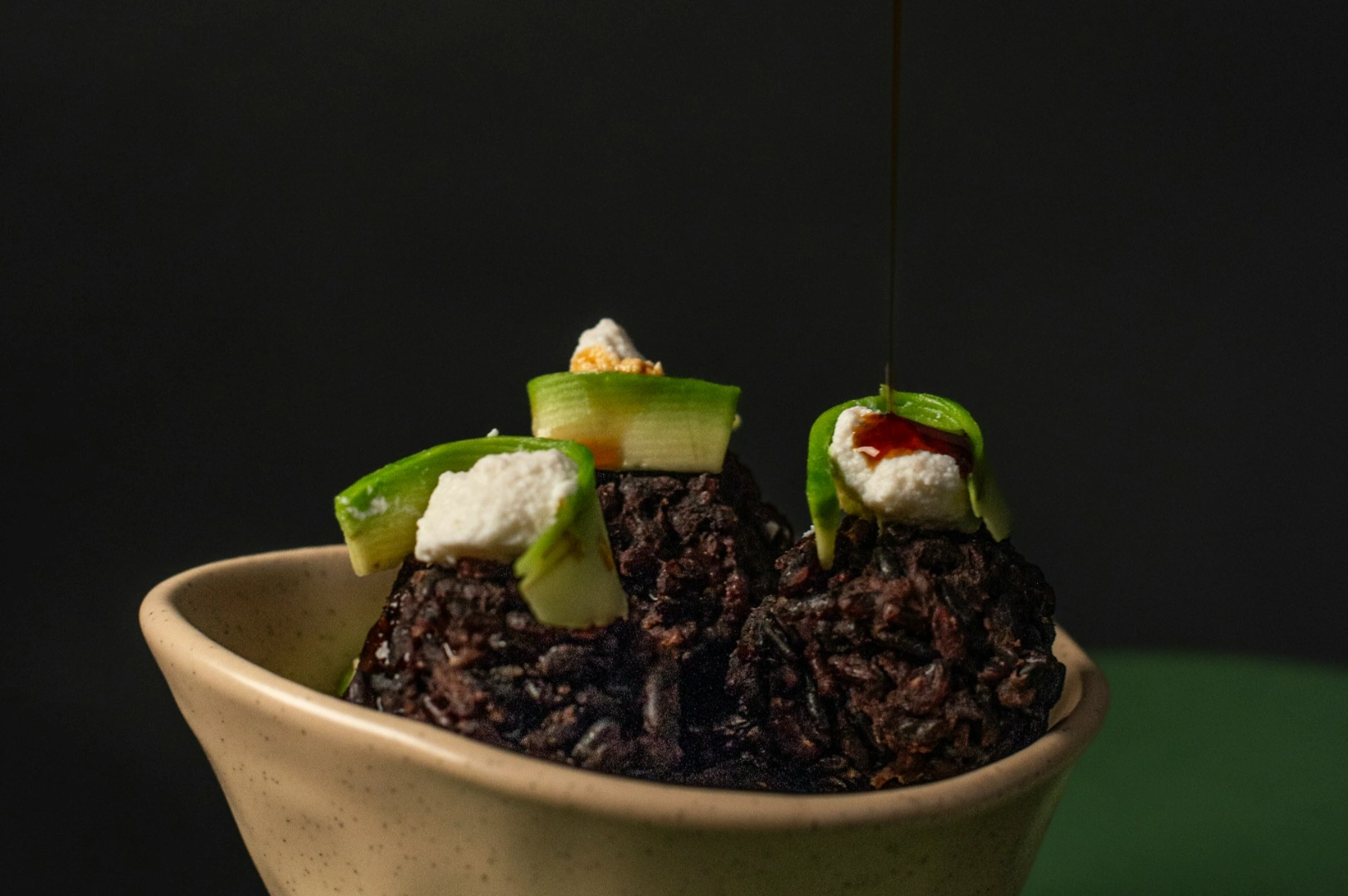
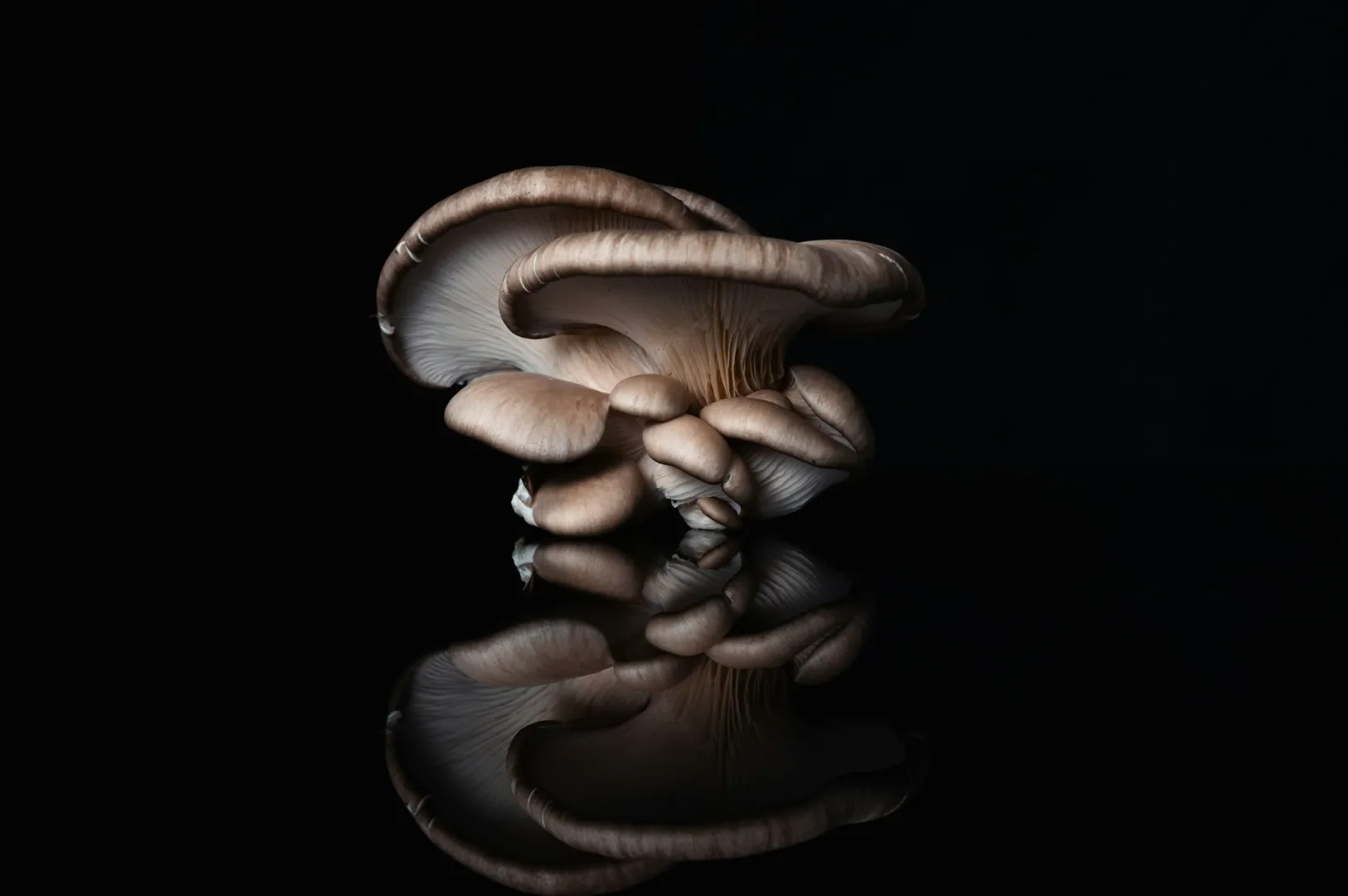
One of the most notable food styling trends is the embrace of minimalist plating. This style focuses on using negative space to highlight the final dish while allowing it to breathe. The less-is-more philosophy makes food look more refined, inviting, and appealing to the eye. By limiting the clutter on the plate, food stylists draw attention to the key elements of the dish, creating a sense of elegance and simplicity.
Why It Works
The beauty of minimalist plating lies in its ability to let the food’s flavor and texture shine. By using negative space, the food look becomes more focused, drawing attention to the food’s unique qualities. Food photography of this style tends to photograph beautifully, as it translates well across platforms like Instagram, where clean, well-composed images are tasty and eye-catching.
Example in Singapore
Odette is an excellent example of a restaurant that utilizes minimalist plating to great effect. Their food photographers and food stylists consistently use simple dishes and negative space to create images that are modern, fresh, and inviting. Each dish is carefully plated to showcase its textures and shapes, making them perfect for social media content.
#2 Bold, Vibrant Colors & Natural Ingredients
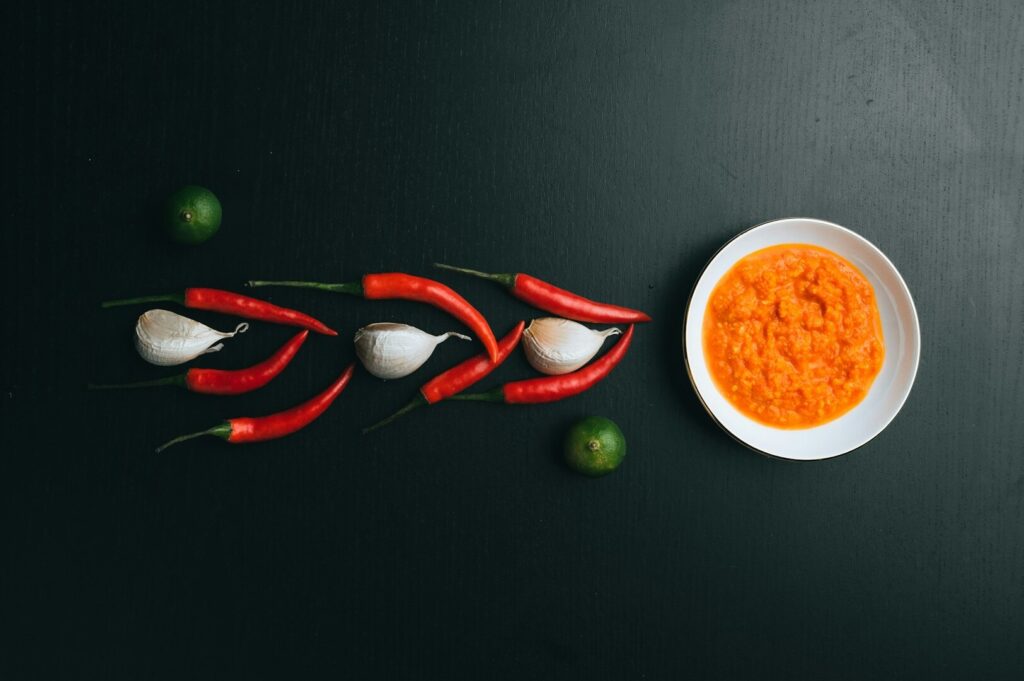
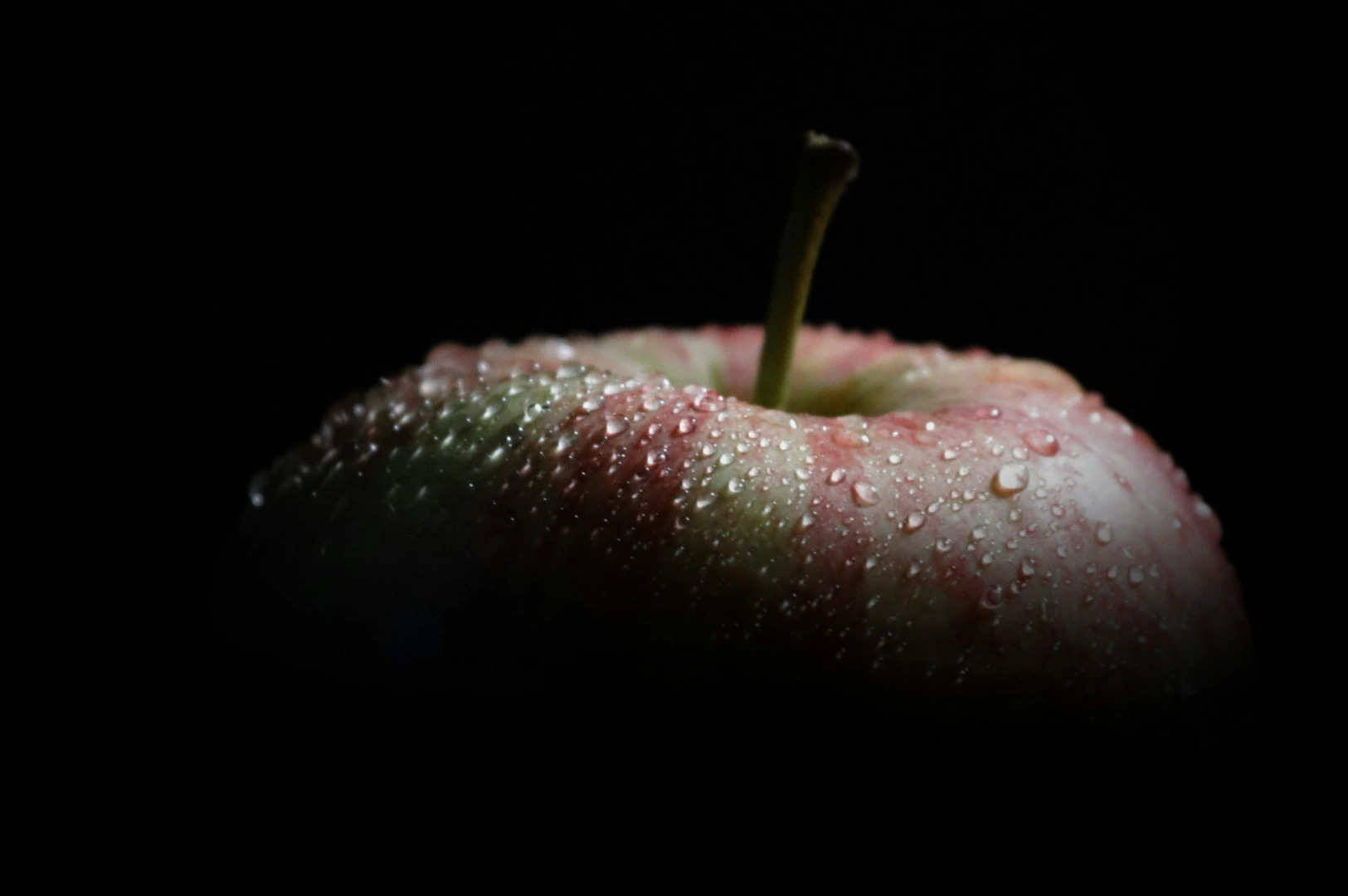
In contrast to minimalist plating, another food styling trend revolves around using bold, vibrant colors to make food look fresh, delicious, and full of life. This approach plays with the natural ingredients of a dish to create a visual appeal that immediately grabs attention. Selecting the freshest, most visually appealing produce is essential, as unblemished and well-prepared produce can significantly enhance the overall look of the dish. Pairing vibrant colors with neutral tones and utilizing contrasting textures further enhances the visual appeal in food styling.
The Psychology of Color in Food Photography
Colors evoke emotions and affect appetite. The food look of a dish can be enhanced by color theory, where contrasting or complementary colors boost the overall appeal of a dish. For example, red and orange tones stimulate appetite, while green and yellow are associated with freshness and health. These vibrant colors work in harmony with food styling to create amazing food photos that make your dishes even more attractive.
Example from Singapore
At Wild Rocket, vibrant greens and reds dominate the plate, highlighting the freshness of ingredients like herbs, chili, and vegetables. Their use of color enhances the visual appeal of their dishes, making them pop both on the plate and in food photography. This styling method is especially effective for Singapore’s health-conscious diners who are increasingly seeking fresh, vibrant meals.
#3 Authentic, Imperfect Styling: Celebrating Real Life
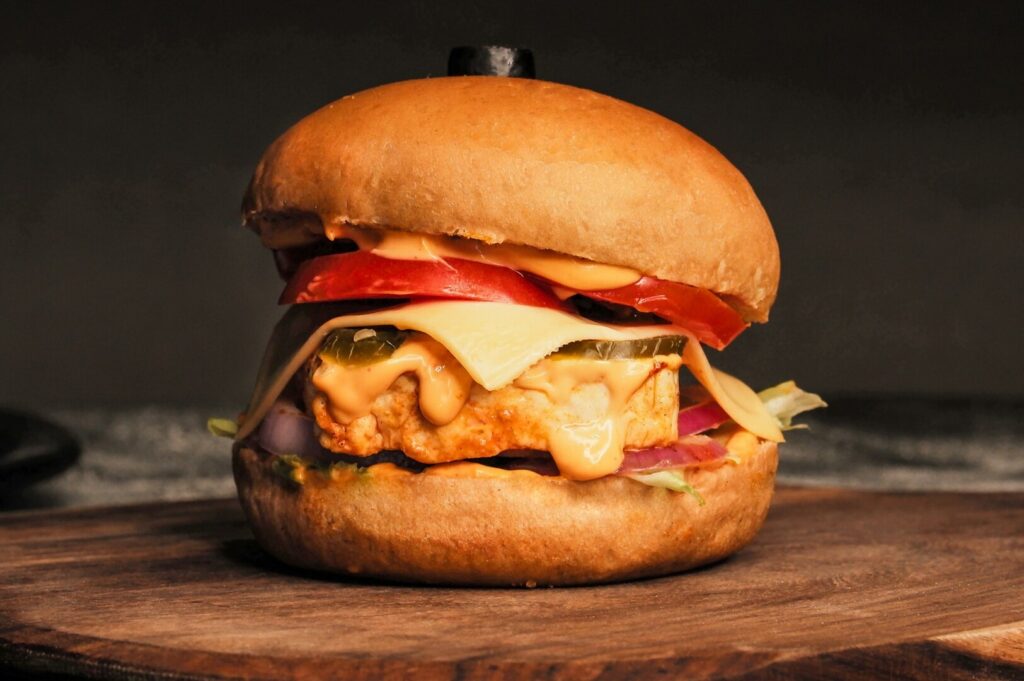
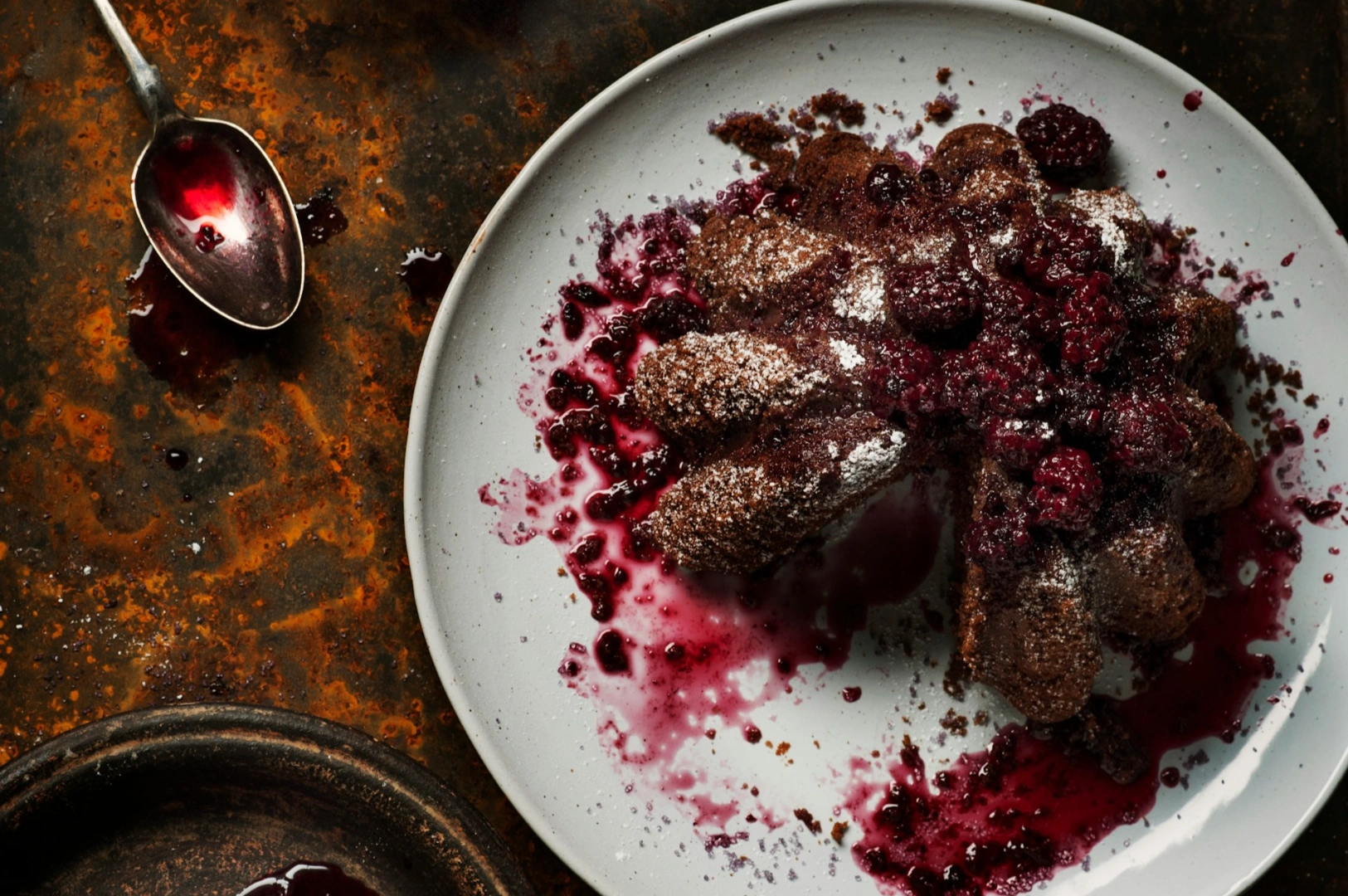
A major shift in food styling is the move away from overly polished, artificial-looking photos. Food stylists and food photographers are now embracing the imperfect styling trend, which celebrates the natural beauty and authenticity of food. This approach is grounded in reality, with dishes captured as they truly are, showing off their natural textures, colors, and flaws. Making food look appetizing and real is a key part of food styling, as visual presentation strongly influences consumer decisions and enhances online presence.
Adding purposeful garnishes just before presentation ensures they maintain freshness and visual appeal.
Why Imperfection Builds Trust
This trend resonates with modern consumers who crave authenticity. By showcasing real life moments, such as a splash of sauce or a slightly imperfect bite of food, restaurants are able to build trust with their customers. The goal is not to make food look perfect but to make it look real, evoking the feeling of enjoying a home-cooked meal.
Example from Singapore
The Coconut Club, known for its traditional Singaporean dishes, embraces an authentic styling approach. Their food styling uses fresh herbs, sauces, and carefully arranged ingredients that showcase the food’s natural appeal. This imperfection captures the essence of the dish while keeping it relatable and inviting for diners.
#4 Cultural Fusion & Heritage Elements
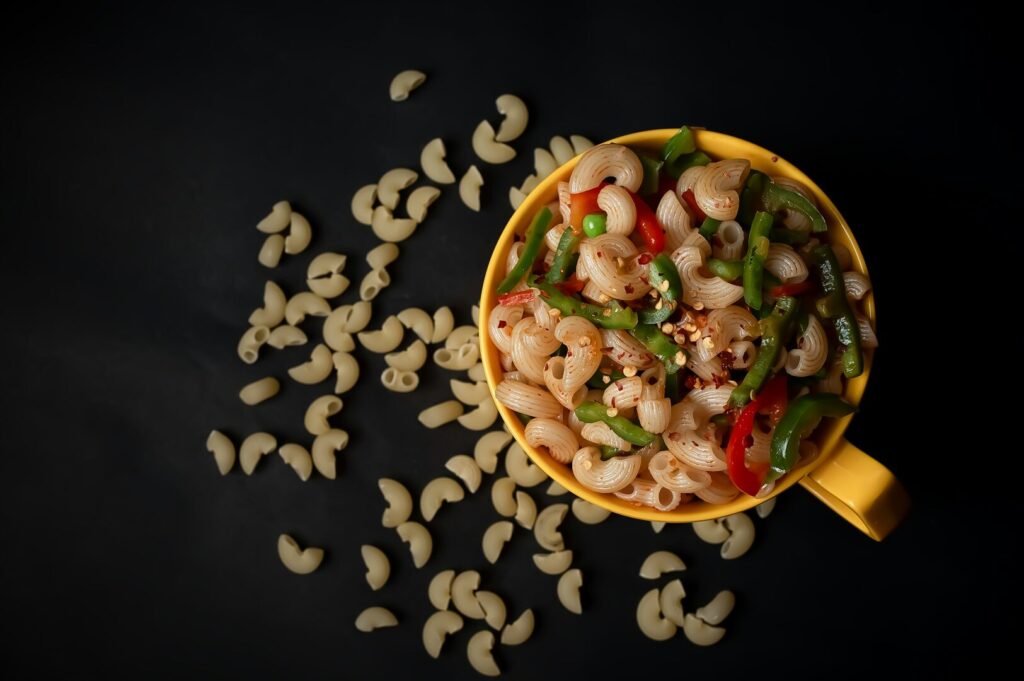
With Singapore’s diverse culinary landscape, many food stylists are embracing cultural fusion in their food styling. This trend blends traditional Asian styling elements with modern aesthetics, creating dishes that tell a story of Singapore’s multicultural identity.
Modern Aesthetics Meets Tradition
Combining traditional props, like bamboo steamers or ceramic bowls, with contemporary plating is a creative way to honor Singapore’s heritage while still presenting dishes in an upscale, photogenic manner. This type of food styling bridges the gap between tradition and modernity, appealing to customers who appreciate both innovation and cultural authenticity.
Example in Singapore
At Candlenut, the modern approach to Peranakan cuisine uses traditional ceramic plates, bamboo baskets, and intricate garnish work. This thoughtful incorporation of heritage elements creates a visually appealing dish that reflects Singapore’s cultural depth while fitting into the global food styling landscape. Their food photography reflects this delicate balance, showcasing how food styling can honor cultural heritage.
#5 Sustainable & Eco-Conscious Presentation
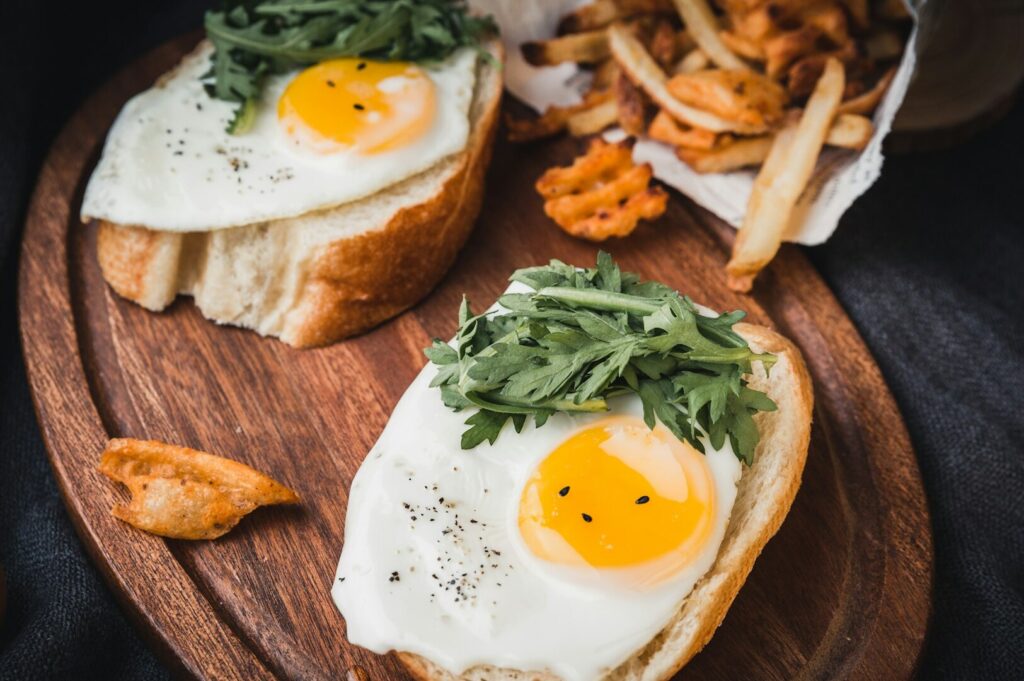
Sustainability is an increasingly important focus in both dining and food styling. As consumers become more environmentally conscious, restaurants are incorporating sustainable elements into their food styling practices. This trend includes using natural, biodegradable props, such as wooden boards, ceramic plates, and recycled napkins.
Highlighting Sustainability Through Styling
Sustainable food styling not only helps reduce waste but also aligns with eco-conscious consumers who prefer to dine at restaurants that reflect their values. The use of eco-friendly props and minimal waste in food photography sends a clear message about a restaurant’s commitment to the environment.
Example from Singapore
The Lokal is a prime example of a restaurant incorporating eco-conscious styling. They use simple, natural materials in their plates and utensils, and their food photography highlights the sustainability aspect of their brand. This approach appeals to customers who care about the environment and prefer businesses that prioritize sustainability.
How to Implement These Food Styling Trends in Your Business
As a restaurant owner or food stylist, it’s important to plan ahead and decide which trends work best for your brand. Here are some practical tips to help you implement these food styling trends in your business:
Tips for Incorporating Trends
Stay Authentic to Your Brand: Ensure trends align with your brand’s identity, whether you run a hawker stall or fine dining. Your food styling should reflect your unique offerings.
Use Professional Help: Hiring a commercial food photographer or full-time food stylist can bring your dishes to life with the right balance of color, texture, and composition.
Experiment: Trends evolve, so try overhead shots, imperfection styling, and vibrant colors to find what works best for your customers and platform.
Budget-Friendly Options for Smaller Businesses
DIY Styling: If hiring a food photographer isn’t in your budget, use natural light and simple props. Small changes like rearranging herbs or using cold water to keep fruit fresh make a big difference.
Social Media Optimization: Style dishes to look great for Instagram or TikTok by adjusting camera angles and using clean, simple plates that highlight your food’s flavor and texture.
Conclusion: Stay Ahead with Food Styling Trends
Staying on top of food styling trends is crucial for success in Singapore’s F&B world. Whether you’re embracing minimalist plating, vibrant colors, or sustainable styling, your restaurant’s food photography can help create an interesting and powerful visual story that makes the food look irresistible and truly matter to your customers.
Remember, food styling isn’t just about how a dish looks. It’s about putting together the right idea and process so your customers eat with their eyes first, and then experience the flavor and taste when they take their first bite. Working with experienced food photographers who understand the latest food styling trends in Singapore can be incredibly helpful, as they are putting their skills to work all the time to elevate your restaurant’s visual appeal.