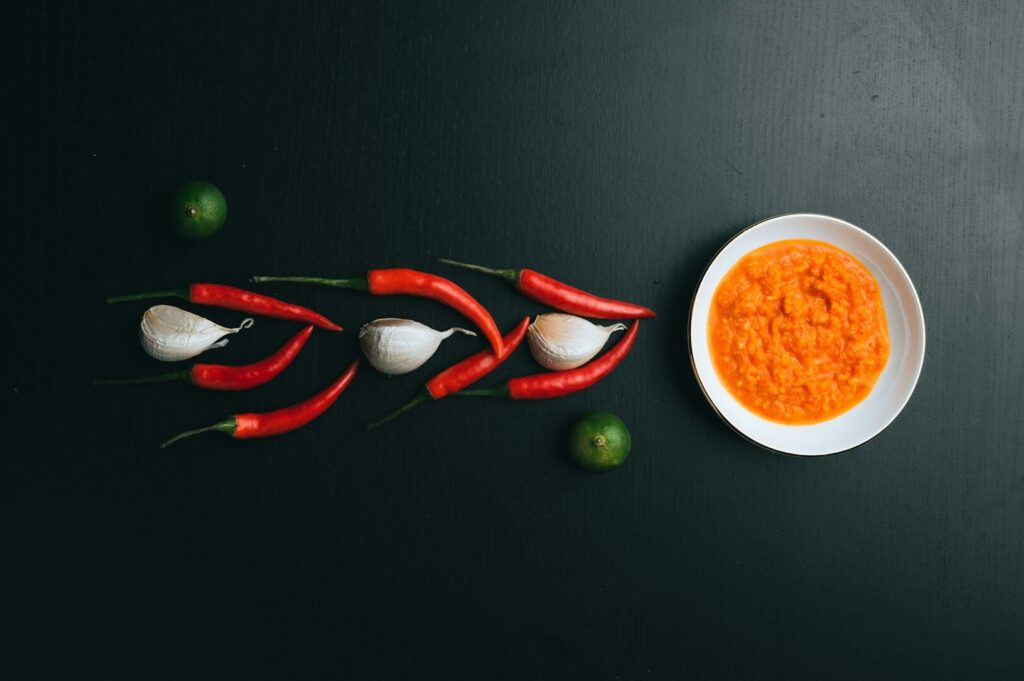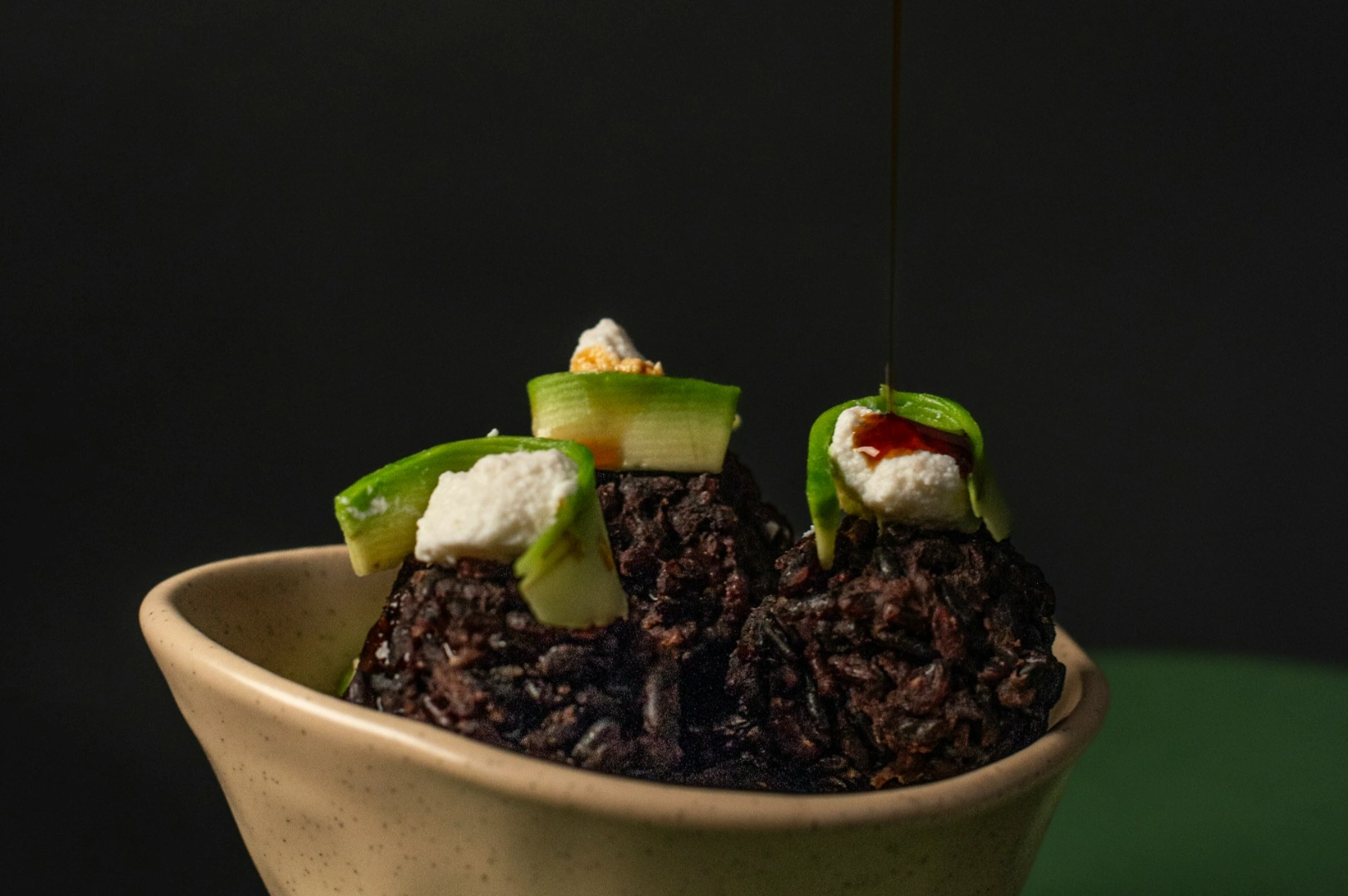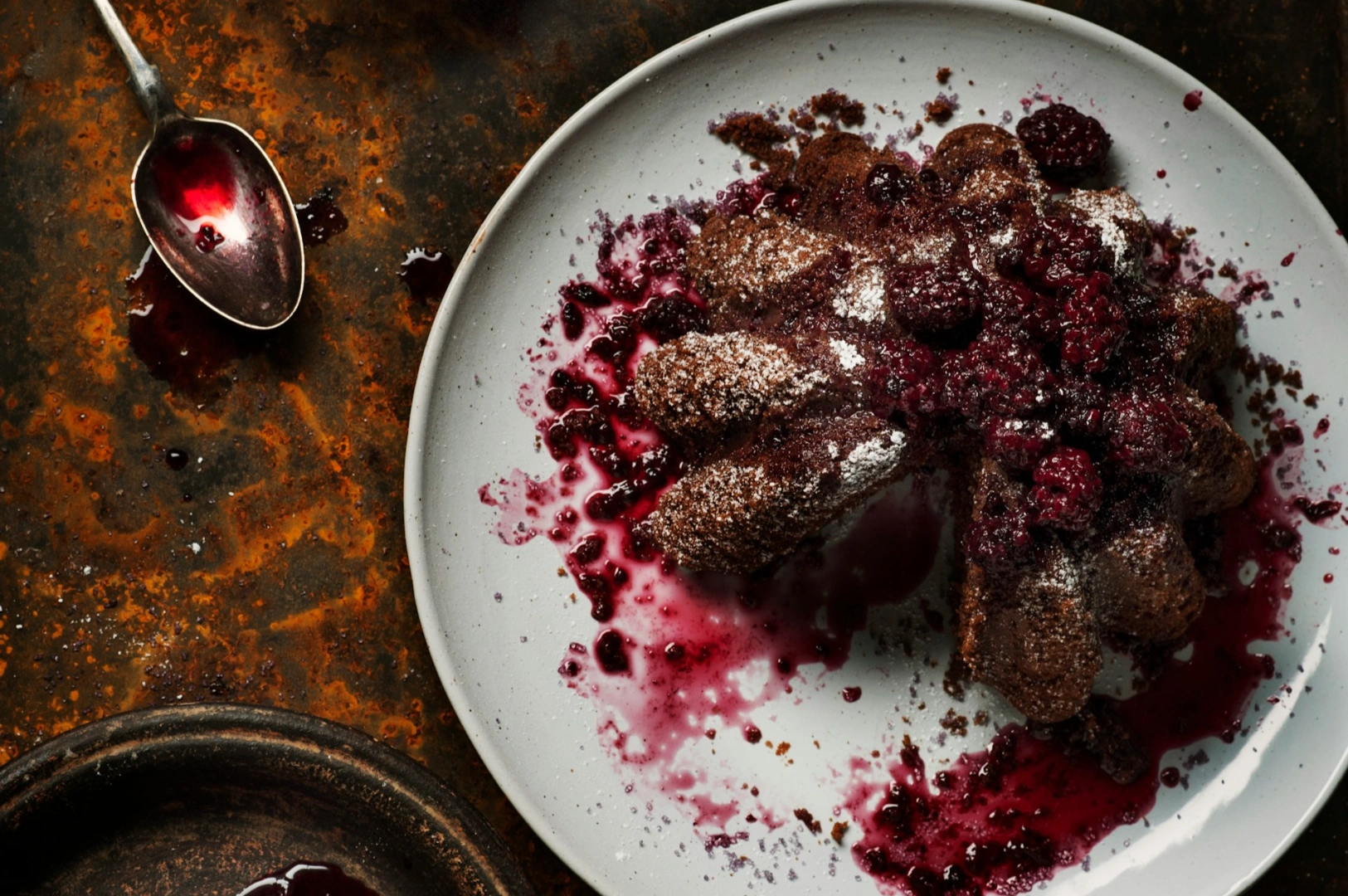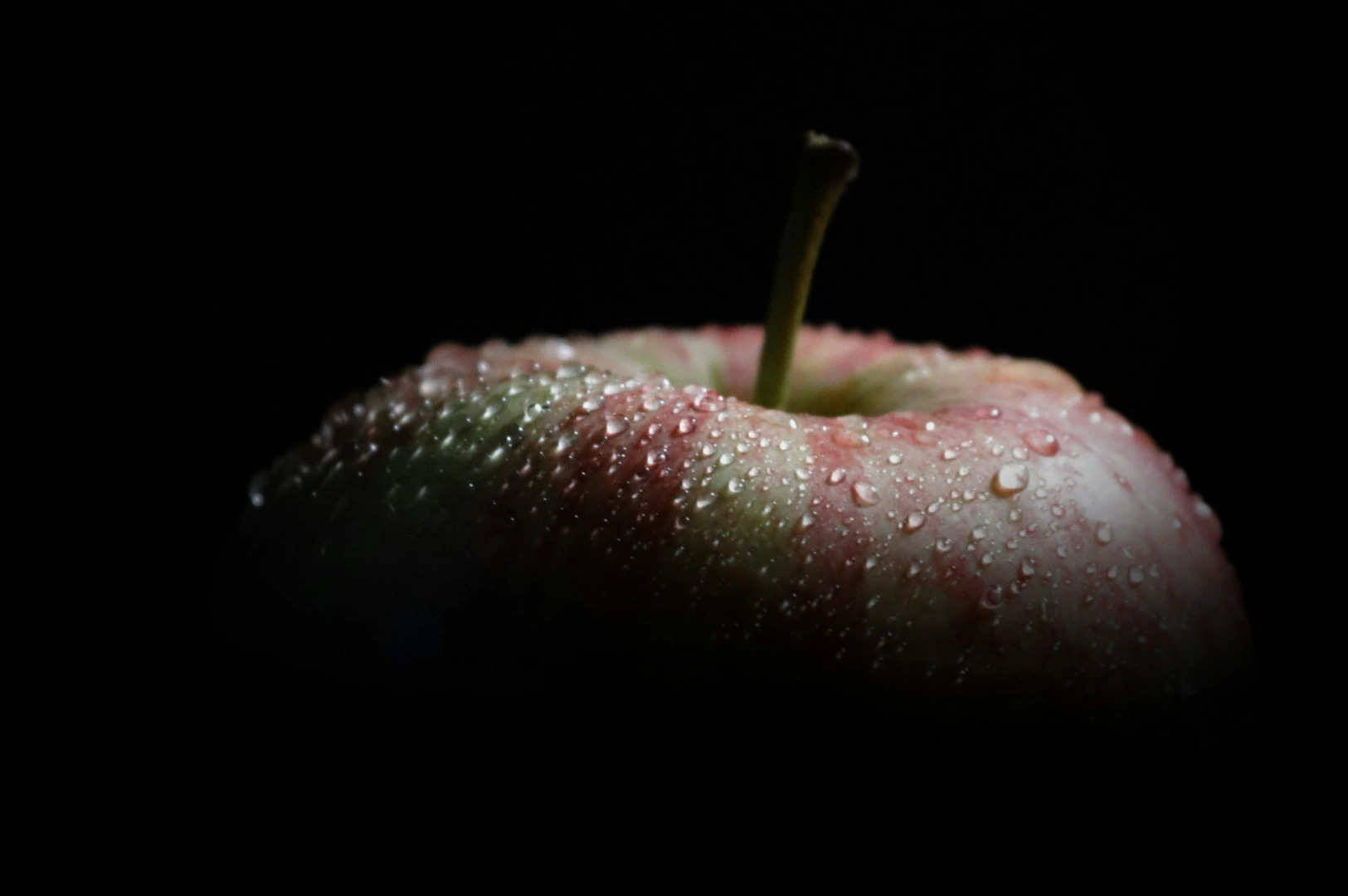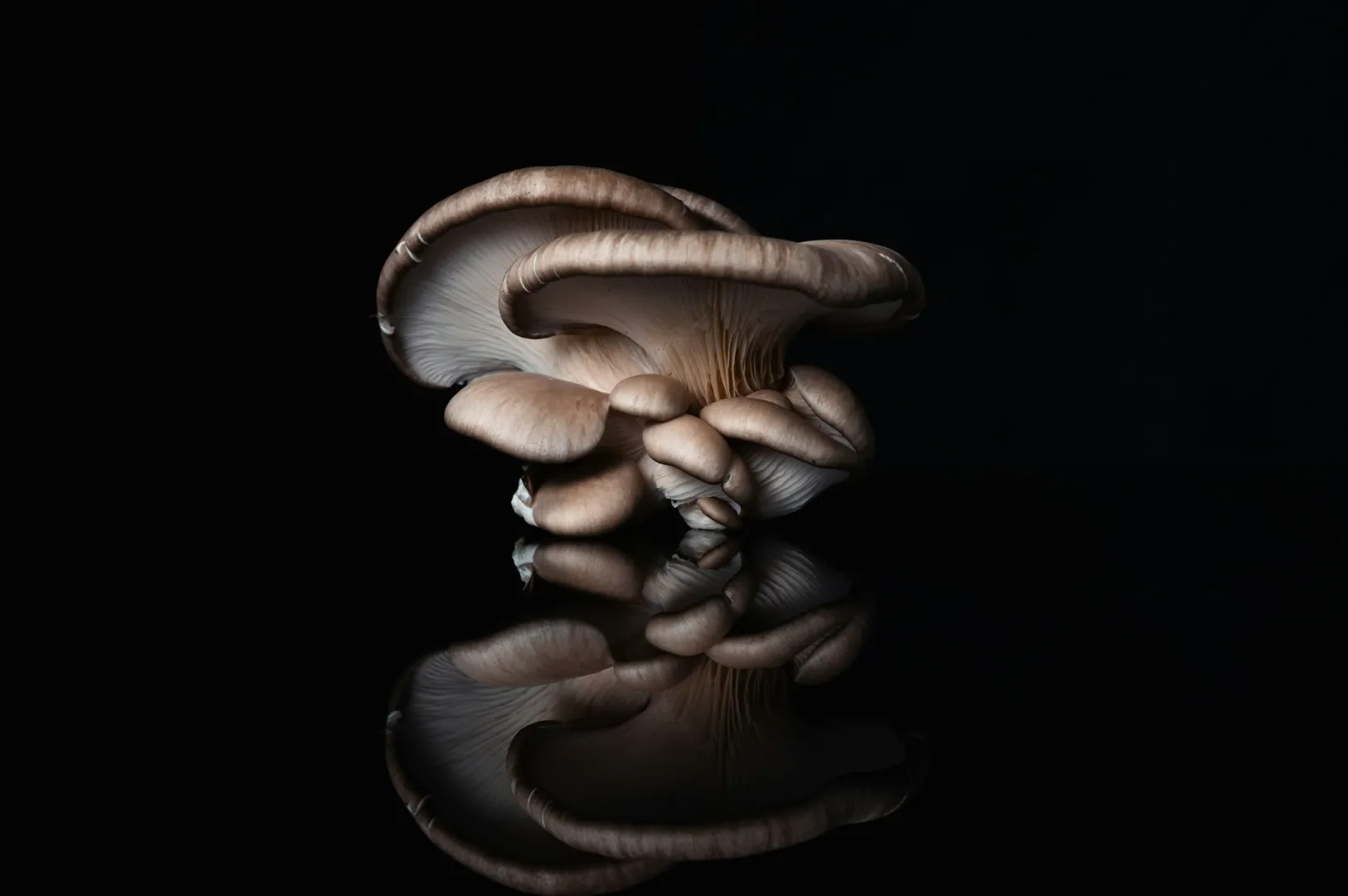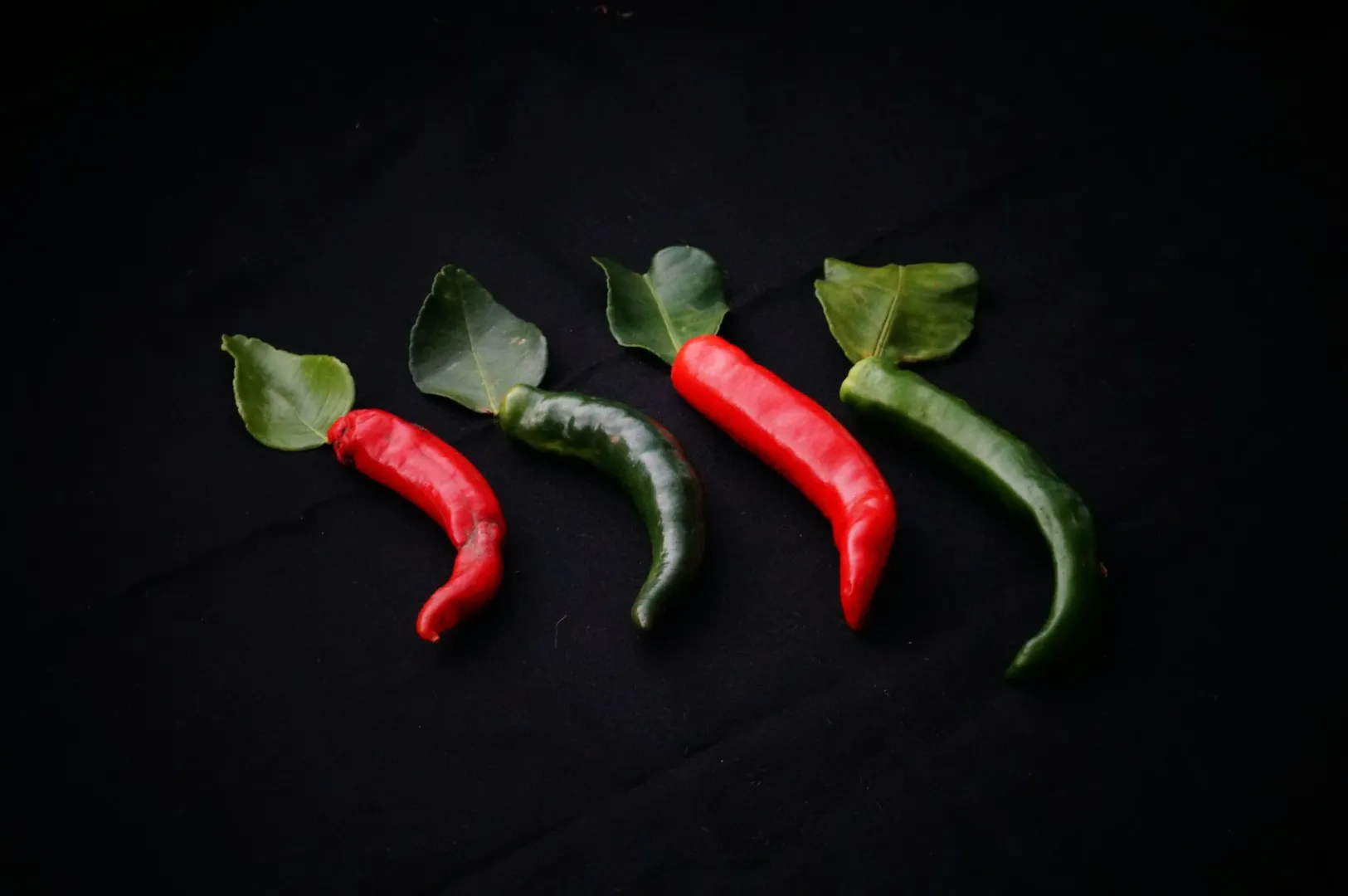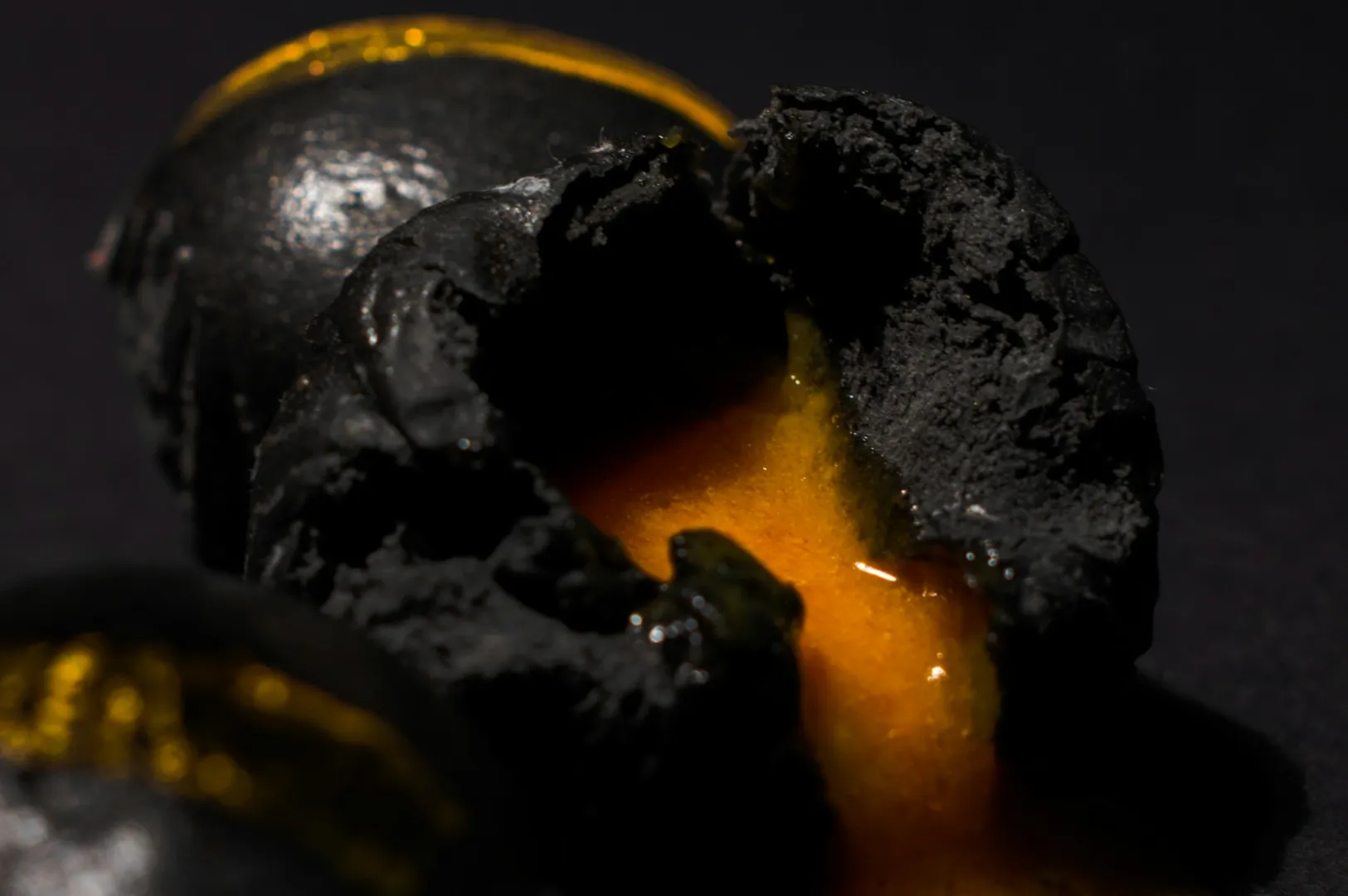
In Singapore’s crowded F&B scene, guests often meet your brand through a screen long before they ever taste your food. On delivery apps, Google Maps, or Instagram, a few food photos can shape their decision to book, order, or scroll past. That’s where food photography in Singapore becomes a powerful part of your restaurant marketing, and where a skilled food stylist can change everything.
In this guide, you’ll learn how a food stylist works with food photographers to plan food photography ideas that match your brand, highlight your cuisine, and support your business goals. We’ll walk through styling food as an art form, simple technical choices that affect the final image, and practical ways to plan photo shoots for your F&B business in areas like the CBD, Orchard, and East Coast. You’ll also get a set of food photography tips you can apply immediately, whether you manage a café, restaurant, or food brand in Singapore.
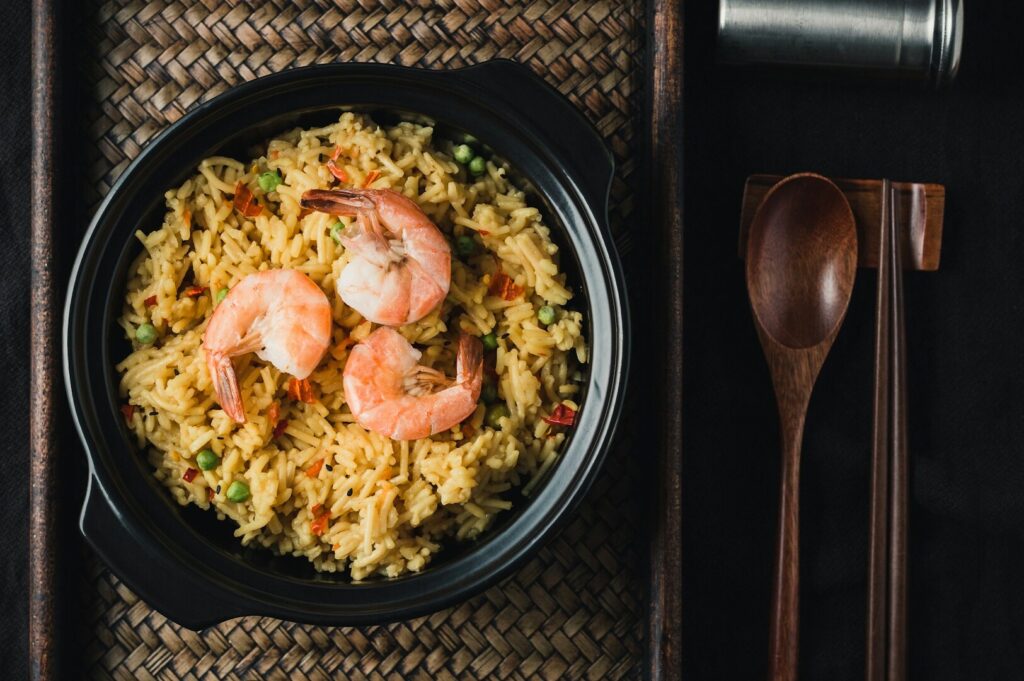
Why Food Photography In Singapore Is More Than “Just Pictures”
In a city with so many ways to eat (hawker classics, modern fusion, omakase, plant-based menus) food photography in Singapore has become part of how people explore the local food culture. Most people browse images before they read descriptions. If your dish looks flat or messy on screen, they may never discover how good it actually tastes.
For your F&B business, thoughtful food photography ideas can:
Support your menu photography, making key items stand out.
Give you a library of images for social media content, seasonal campaigns, and partnerships with food blog sites.
Communicate quality and consistency without telling people anything in words.
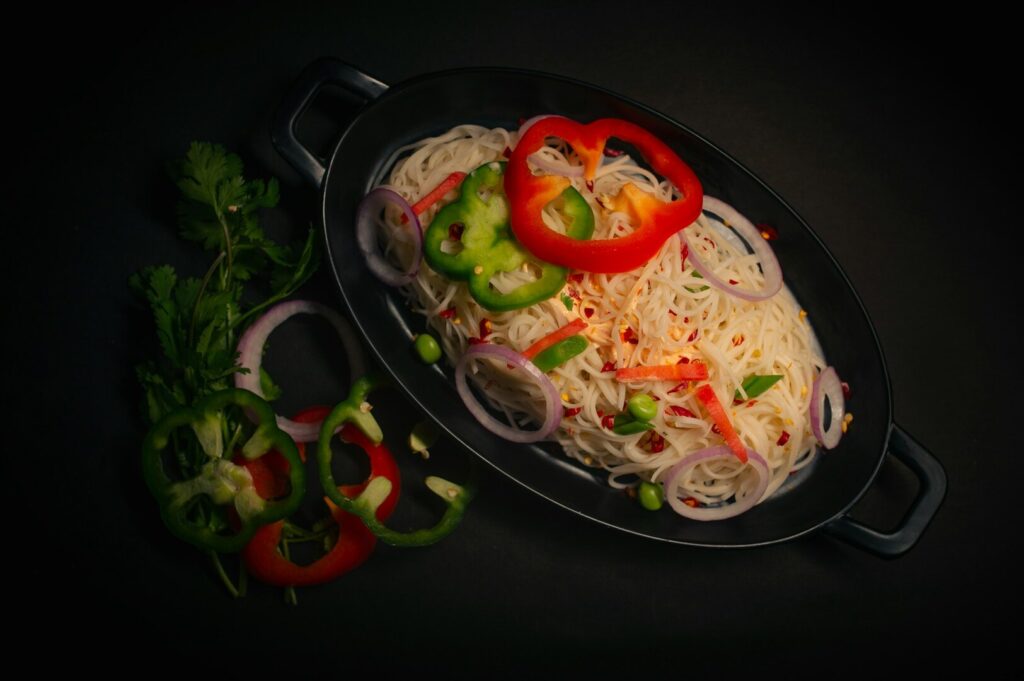
When you treat photography as an art form, not an afterthought, each shot can show texture, freshness, and life. A simple plate of vegetables roasted in the oven, a bowl of noodles, or a slice of cake becomes a clear visual story about your cuisine and standards.
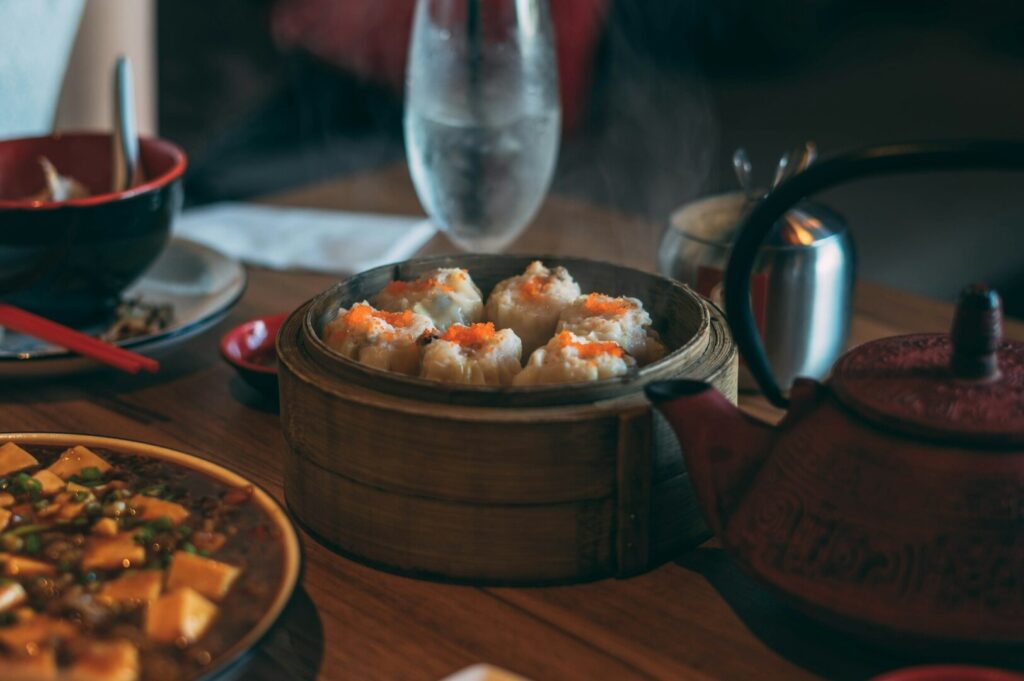
What a Food Stylist Really Does (Beyond Making Food Look Pretty)
Many owners assume the photographer handles everything. In reality, a food stylist is the person who makes sure your dish is camera-ready while still feeling honest and edible. Styling food is a specialised job that combines cooking skills, creativity, and an eye for detail.
A professional food stylist will:
Study your recipes and understand how each dish behaves as it cools, sets, or melts.
Decide which plates, props, herbs, and oils to use so the final image feels aligned with your brand.
Plan how to place each element so the main focus is clear.
Instead of changing your food completely, the stylist looks for small final touches that make a huge difference: brushing oil on grilled meat for shine, placing herbs in a way that adds interest, or arranging a salad bowl so texture and colour feel balanced. In a professional team, the food stylist and photographer work together so every shot shows your food at its best, not just in one shot, but across many different angles.
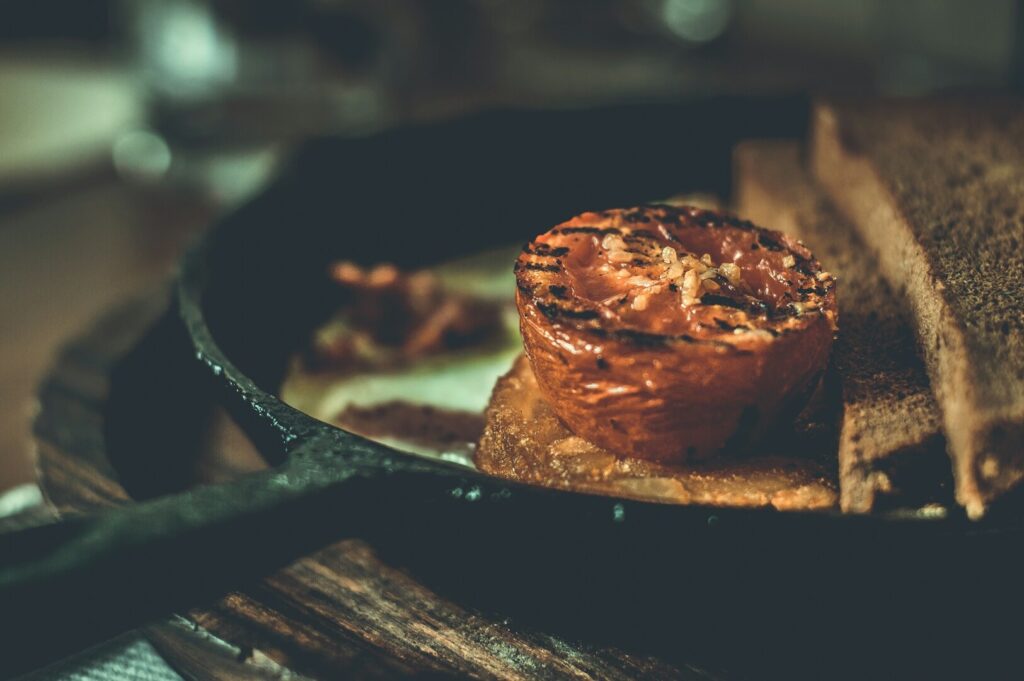
From Mood Boards to Plates: Turning Concepts Into Food Photography Ideas That Fit Your Brand
Before shooting food, you need clear food photography ideas that connect to your concept. A heritage Peranakan café in Joo Chiat will need a different style than a minimalist coffee bar in the CBD or a seaside bistro along East Coast Park.
When you plan with a food stylist and photographer, you might discuss:
Mood and colour
Warm, cosy tones for comfort food, or clean, bright looks for modern healthy bowls.Props and plates
Rustic ceramics for handmade dishes, or sleek white plates for a more refined image. Even a simple wooden background can change how guests read your quality.Human element
Hands passing plates, pouring sauce, or holding a coffee cup can add life and connect your pictures to real dining moments.
The goal is to create a set of images that feel like they belong to one site, one restaurant, one story. When your food photography in Singapore reflects your identity clearly, it becomes much easier for guests to recognise your posts and remember your brand.
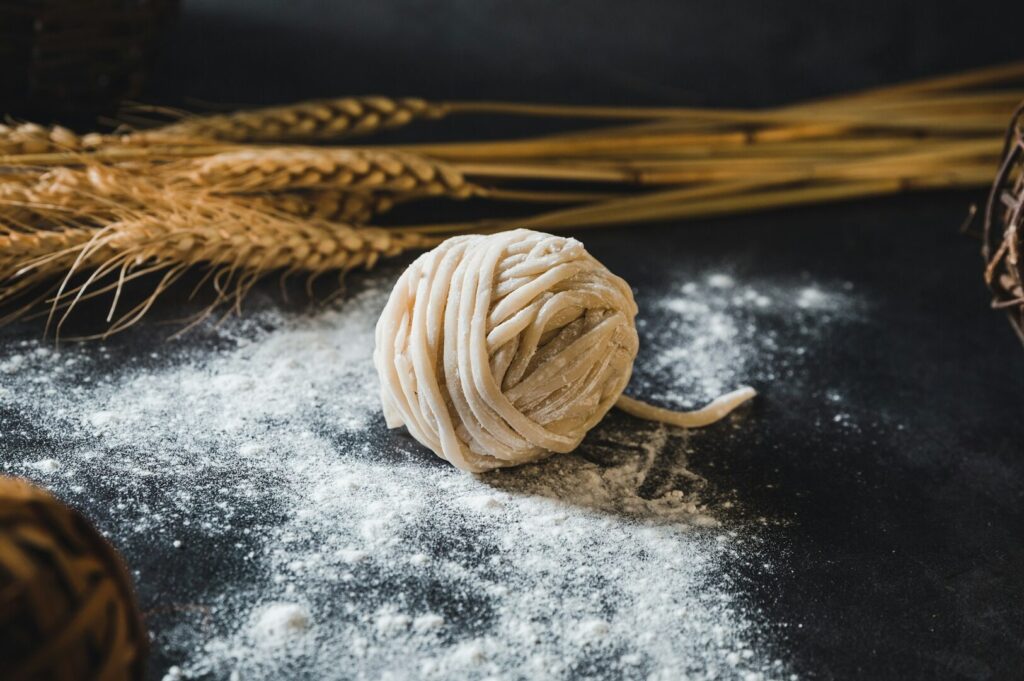
Light, Camera Angle, and Texture: The Food Photographers' Technical Side Made Simple
Even the best food styling can fall flat without good handling of light and angles. You don’t need to obsess over every technical term, but understanding a few basics will help you work better with food photographers.
Key ideas to keep in mind:
Light
You need enough light to show detail. This might come from natural light near a window or carefully controlled artificial light and studio lights. The direction of light can add shadows that bring out texture or flatten it completely.Camera angle
Different types of dishes suit different angles. An overhead shot works well for sharing plates, while a lower camera angle works for burgers or layered desserts where height is important.Depth and focus
Choices around aperture and shutter speed affect how much of the dish is sharp. A shallow depth of field can blur the background so the main subject stands out; a deeper focus can keep multiple items clear when needed.
You don’t have to master every setting; that is the photographer’s job. But when you understand how light and angles change the feeling of the image, you can give more precise feedback and align each shot with your restaurant marketing goals.
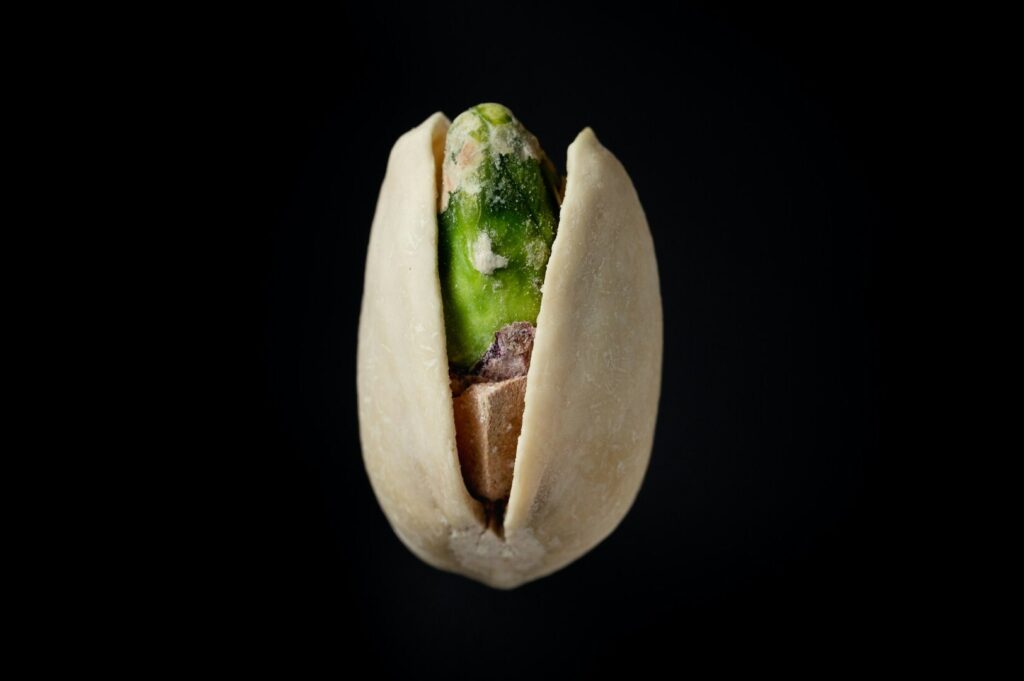
The Art Of Food Styling: Small Decisions, Big Impact
To most people, styling looks effortless. In reality, food styling is a careful process of building, adjusting, and refining. A food stylist thinks about how the dish will look not just to the eye, but through the lens.
Here are some of the decisions happening behind the scenes:
Layering and texture
Adding crunch on top of soft items, stacking elements slightly, and using sauces to guide the eye through the frame. Texture gives your food photos more life and makes viewers imagine how it will feel to eat.Negative space and balance
Leaving some empty background around the plate stops the image from feeling crowded. This negative space can also be useful later when you add text for promotions or social media content.Honesty and appetite
There is no such thing as a good shot if the dish doesn’t look edible. A responsible stylist respects your recipe and business: they may adjust elements, but the final image still reflects what guests can expect at the table.
This level of detail is hard to achieve in the middle of service. That’s why dedicated photo shoots, with time set aside for styling and photography, help your team produce work that feels complete and polished.
Food Photography Tips: Planning Efficient Photo Shoots for a Busy Singapore Kitchen
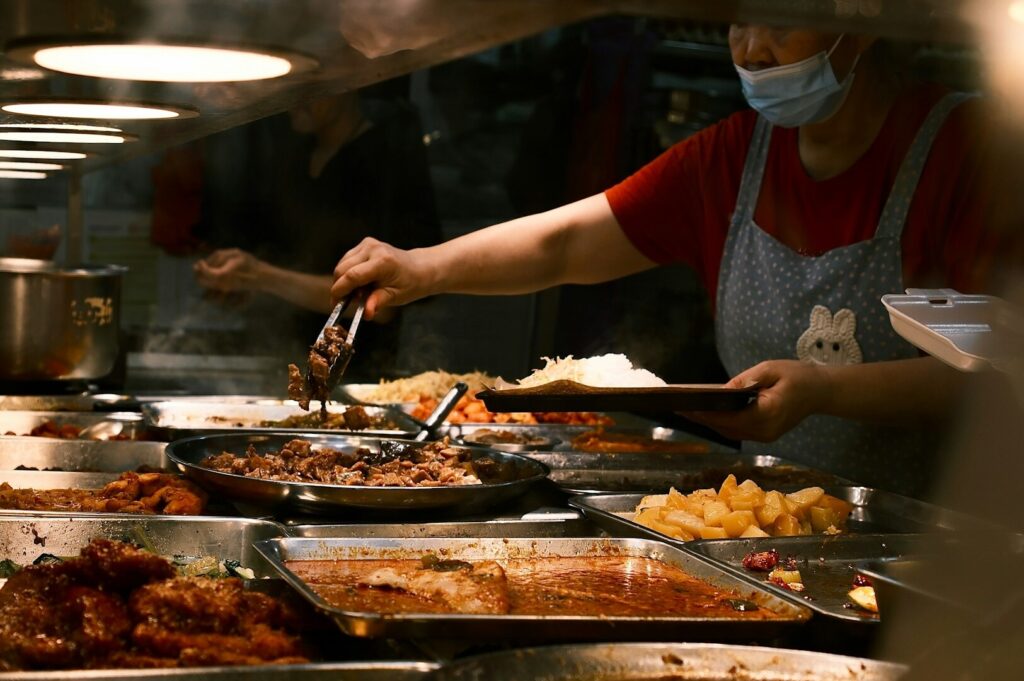
Time is tight in every F&B operation. The good news is that you can still get strong results from food photography in Singapore without disrupting service if you plan ahead.
Here’s how to make the process smoother:
Choose the right window of time
Schedule shoots during slower periods, perhaps mid-morning for cafés or mid-afternoon for restaurants. This reduces pressure on the cooking team and gives the food stylist room to work.Create a focused shot list
List dishes in order of importance: signatures, bestsellers, and new items. This helps you invest the most styling and creativity where it matters most for your business.Prepare ingredients in advance
Having extra garnishes, sauces, and key components ready lets you refresh plates quickly, instead of preparing full recipes again and again.Align expectations with your photographer
Talk about deliverables: how many images you need, what formats, and how they’ll be used across your site and platforms. This ensures the team captures what you truly need in the time available.
Professional teams like ours are used to working in real Singapore kitchens. We understand that quality, speed, and clear communication are all part of the job. A well-run session means you can receive a full set of edited images quickly (often within 48 hours), ready to plug into your marketing.
7 Practical Ideas From A Food Stylist For Your Next Shoot
Whether you work with professionals or experiment in-house, these food photography ideas and styling tricks can help you right away:
Build from the centre out
Place the main element of the dish first, then add support items. This keeps the main subject clear and avoids clutter.Use fresh herbs and small oils as finishing tools
A tiny drizzle of oil, or a few bright herbs, can revive a plate that has been waiting under lights and help the texture read better on camera.Vary your plates, not your story
You can use different shapes and colours of plates, but keep a common thread in your backgrounds so the overall set still feels like one collection.Include the process, not just the result
Show parts of the cooking process like sprinkling salt, placing vegetables, cutting into a cake, to give viewers a sense of movement and craft.Think in sequences, not single images
Instead of only one hero shot, plan a close-up, a wider scene with human element, and maybe a vertical option for stories. This gives you more flexibility later.Watch the small “real life” details
Crumbs, a folded napkin, or a hand holding a fork can make a scene feel natural. Too much mess, though, can distract; choose what truly adds interest.Review and adjust as you go
After each set, check the shots on a larger screen if possible. Identify what is working—camera angle, light, props—and carry that forward to the next dish.
These ideas don’t replace a full professional setup, but they do train your eye. Over time, you’ll see which choices consistently help you achieve images that feel both beautiful and honest.
Conclusion: Turn Everyday Dishes into Powerful Visual Stories
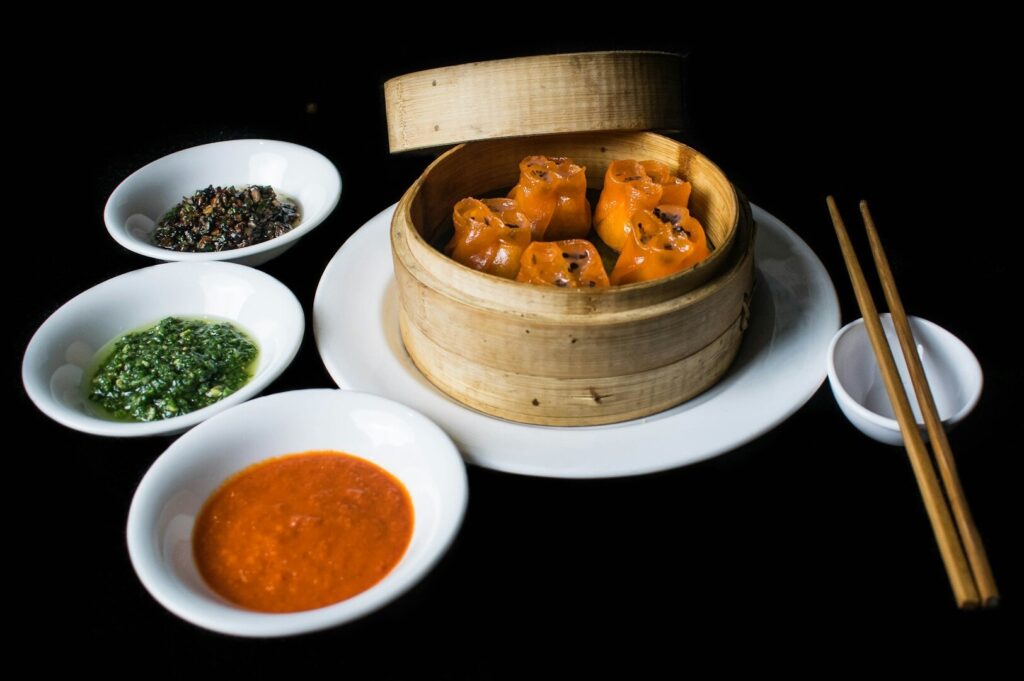
In a fast-moving food city like Singapore, creative food photography is about more than “nice pictures.” With the right food stylist, thoughtful food photography ideas, and a team that understands food photography in Singapore, your visuals can express the quality of your cuisine, the care in your process, and the personality of your brand—before a guest ever takes a bite.
When you invest in thoughtful food styling and clear planning, your images stop being “just pictures for the menu” and become assets that support your restaurant marketing all year round. They help new customers discover you, give regulars something to share, and ensure your brand feels consistent from website to delivery app.
If you’re looking to elevate your F&B business’s visual presence, consider working with experienced food photography professionals who understand Singapore’s culinary landscape. Visit our website to see how expert food photography, professional food styling, and efficient photo shoots can transform your menu and marketing materials into a visual experience your guests will remember.