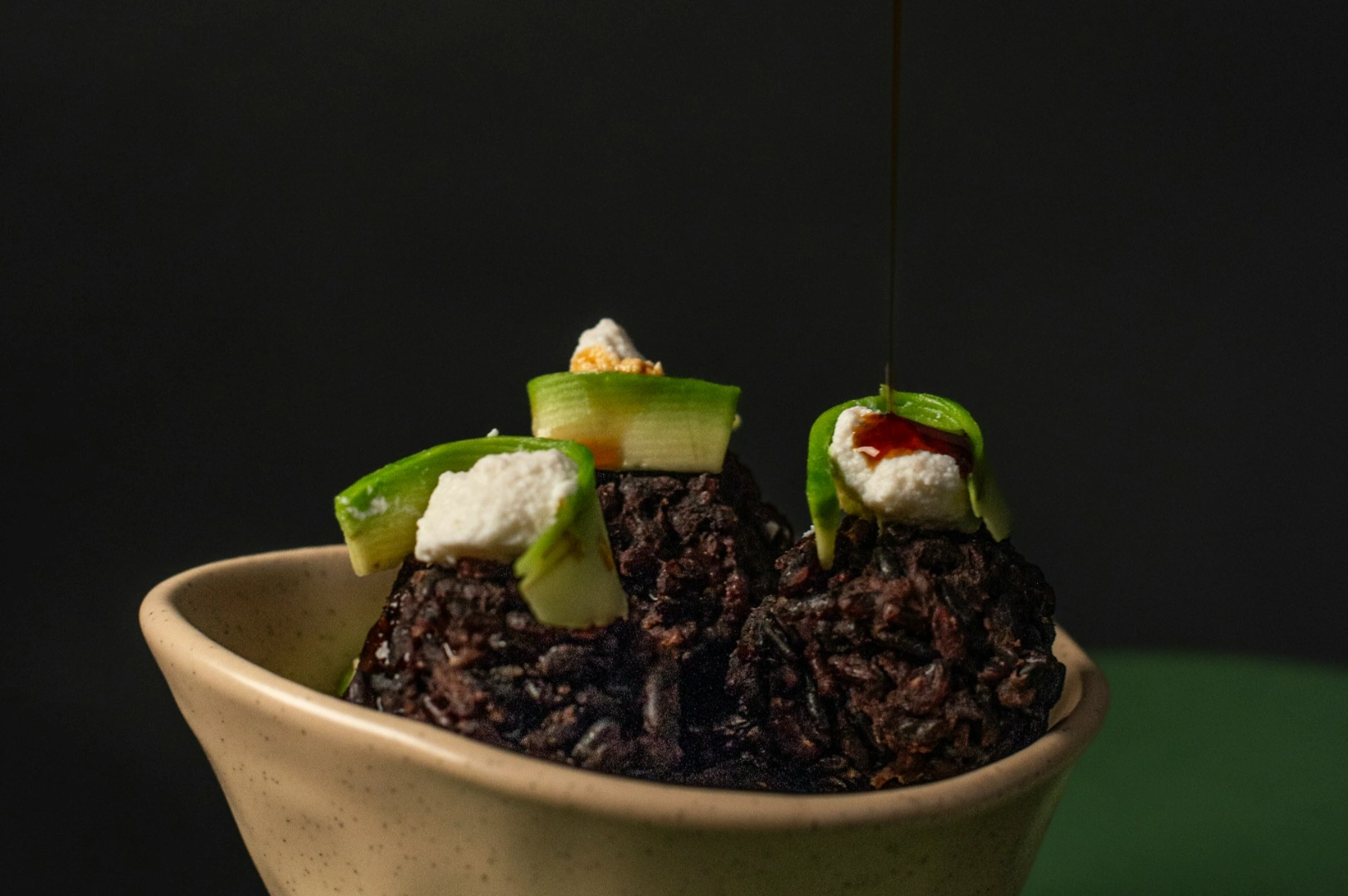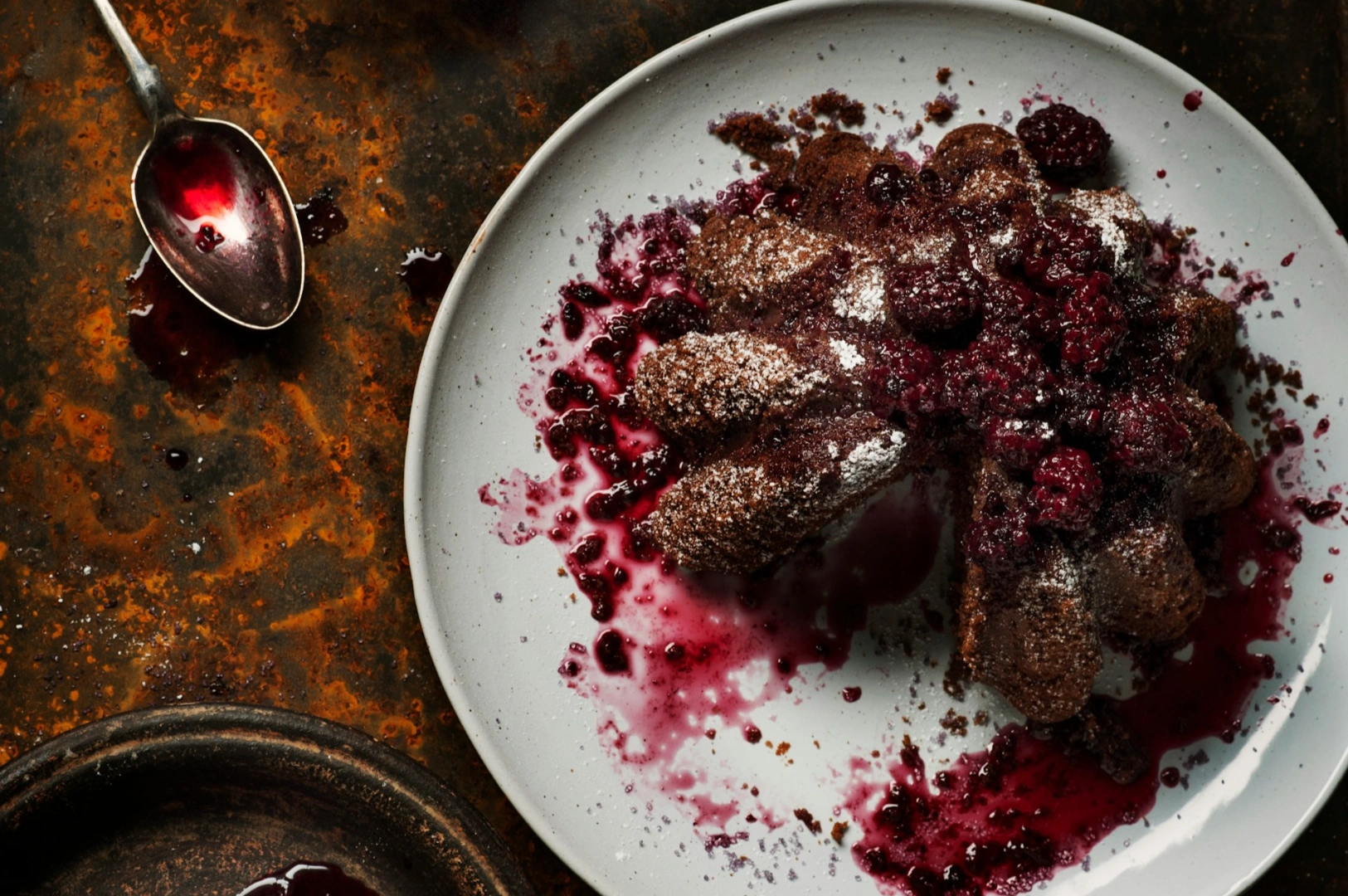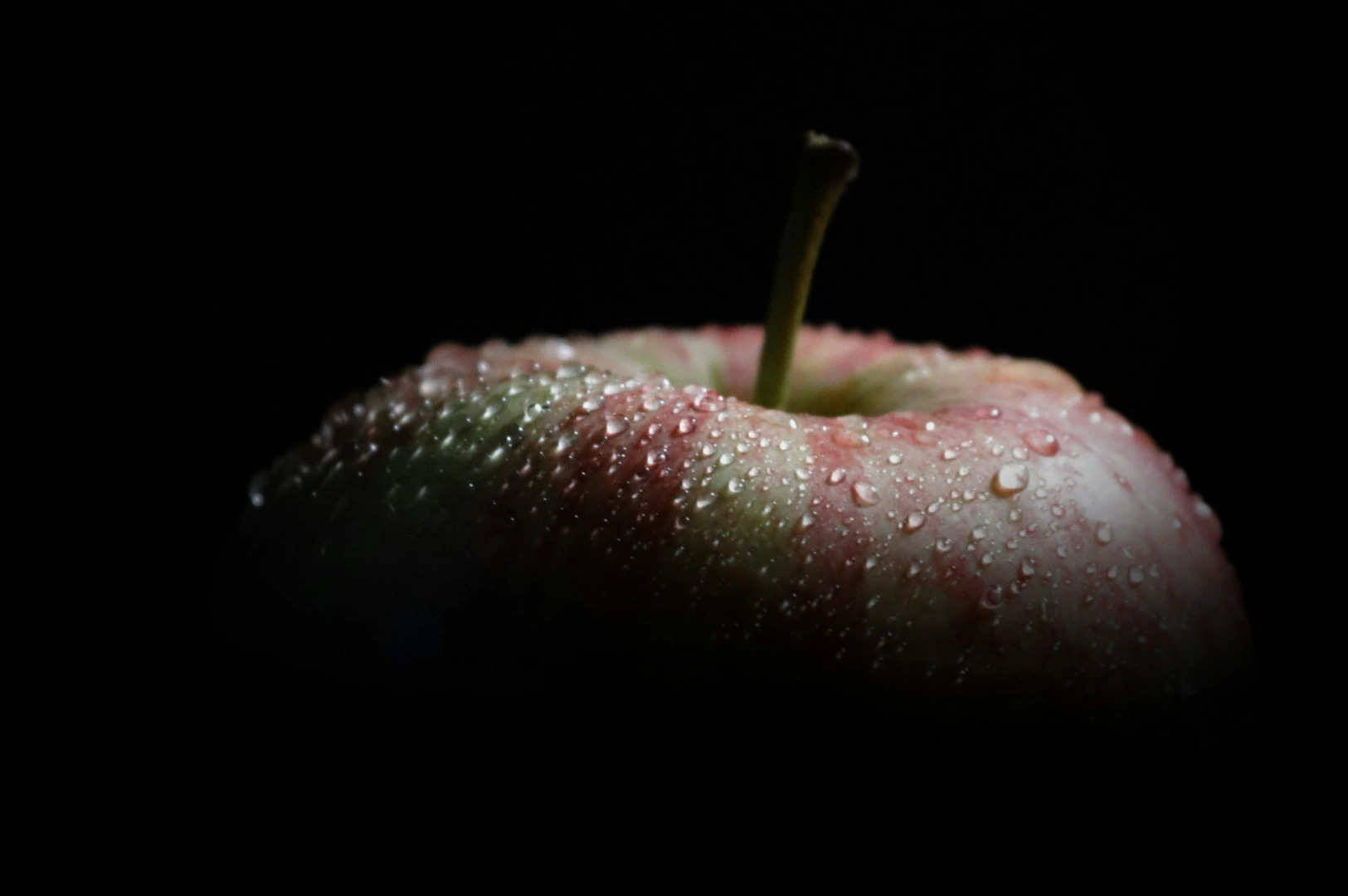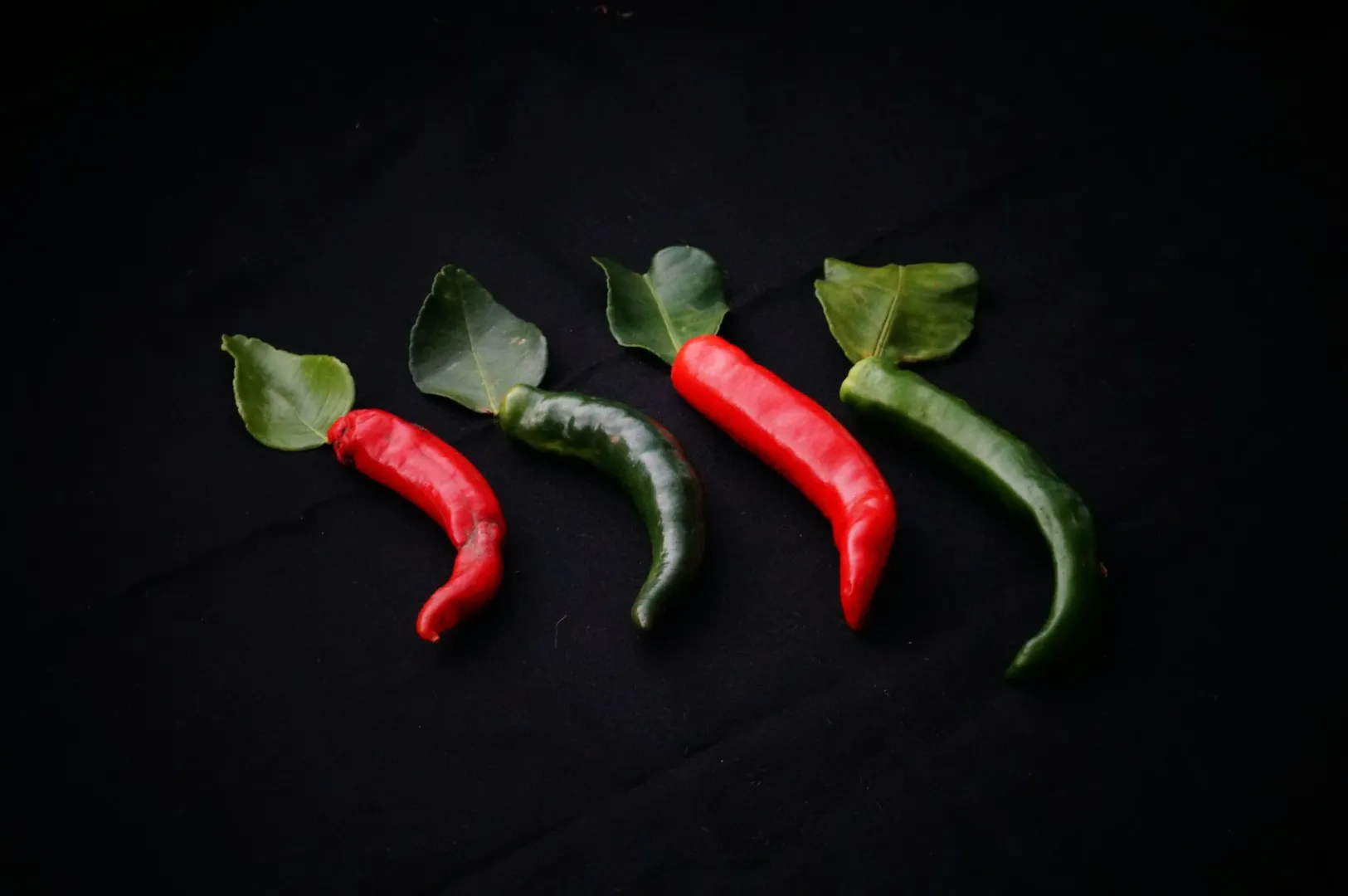
Singapore’s food culture is more than just a reflection of the island’s diverse palate; it’s a visual story that connects people, places and traditions. A bowl of laksa speaks of maritime trade routes while a plate of chicken rice carries the legacy of Hainanese immigrants. For restaurant owners, taking a photo of these iconic dishes is more than snapping a quick shot; it’s about capturing the rich cultural heritage and making a visual statement that resonates with customers. But how can you make sure these photos not only reflect authenticity but also draw people in?
This article will guide you through the essential steps to take a proper photo of Singapore’s iconic dishes. We’ll explore photography tips for capturing food in a way that highlights both its beauty and cultural significance. With the right approach, your photos can reflect the soul of each dish and help you stand out in Singapore’s competitive food scene.
Understanding Your Camera Before the Photo Shoot
Before you even think about the food, you need to understand the tool in your hands. Knowing your camera is the first step toward learning how to take good pictures.
Equipment Basics
For most food photography, a modern digital camera offers the most flexibility. While a film camera has a certain nostalgic charm, the immediate feedback of digital is invaluable for learning. Most beginner photographers should immediately avoid the camera’s built-in flash; it creates harsh, flat light that makes food look greasy and unappetizing.
Familiarize yourself with your camera’s manual mode. While automatic mode is convenient, it makes creative decisions for you. Manual mode puts you in control of the exposure triangle: the relationship between shutter speed, aperture, and ISO. This level of control is especially important when taking photos that accurately represent colour, texture, and portion size, ensuring the dish looks as it does in real life.
Essential Camera Settings
Mastering a few key camera settings can prevent common issues. To avoid blurry photos of steaming laksa, you need a fast enough shutter speed. The larger your camera’s sensor size, the better the image quality, especially in low light. When shooting a dish like chicken rice on a white plate, you may need to increase the exposure compensation to prevent the camera from underexposing the shot.
Lighting Singapore's Dishes Authentically
Light is the most critical ingredient in photography. How you light a dish determines its mood, texture and appeal.
Natural Light is Your Best Friend
Natural light is almost always the best option for creating better photos of food. It’s soft, flattering, and renders colors accurately.
Unlike landscape photography which often relies on the golden hour, restaurants operate all day. The key is to find soft, indirect light. A table next to a window but out of direct sun is perfect. This side lighting creates gentle shadows that add dimension to a chili crab shell without being harsh. The goal is to find good light that makes the food look fresh and vibrant.
When You Need Extra Light
Sometimes, natural light isn’t an option especially in a dimly-lit kopitiam. In this case, you need to create enough light without compromising the atmosphere. An external flash bounced off a ceiling or wall is far superior to the camera’s built-in flash.
Understanding your light source is crucial. You want to create interesting shadows that define the shape of your nasi lemak, not ugly shadows that obscure it. In low light, use a tripod to keep your camera steady, allowing for a slower shutter speed without motion blur.
Composition Techniques for Singapore's Iconic Dishes
Composition is about arranging elements within your frame to tell a story. In practice, taking photos that guide customer expectations before ordering relies on clear focal points, consistent visual cues and clean framing.
Rule of Thirds for Cultural Context
The rule of thirds suggests placing your subject off-center for a more dynamic image. When photographing a bowl of laksa, the focal point might be the fresh prawns and cockles, positioned where the grid lines intersect. This leaves space to show other elements like a traditional porcelain spoon or a glimpse of a Peranakan-tiled background, adding cultural depth. Use vertical lines like chopsticks or leading lines from noodles to guide the viewer’s attention.
Creating Interesting Composition
Learning how to take a proper photo involves thinking in layers: foreground, middle ground and background. A glass of teh tarik in the foreground can frame a plate of roti prata in the middle ground. Use negative space to avoid a distracting background and draw attention to the main point: the food.
Don’t be afraid to experiment with interesting angles. An overhead shot can show the beautiful arrangement of a yusheng, while a low angle can make a satay platter look heroic.
Cultural Considerations in Framing
Unlike photographing an African safari where subjects are distant, Singapore food photography requires intimate framing that respects tradition. Notice how other photographers approach the same subject. A photo of chicken rice can be styled minimally to highlight its clean flavors or shot in a bustling hawker stall to capture its community spirit. Your unique style should honor the traditional plating and context of the dish.
Technical Tips for Better Photos
A few technical adjustments can dramatically improve your images and help you use your camera properly to capture a truly interesting photo.
Focus and Depth
While landscape photography often uses a deep depth of field to keep everything sharp, food photography benefits from a shallow depth of field. Using a wide aperture (a low f-stop number) will blur the background, making the garnishes on your dish pop. Most cameras, even smartphones with portrait mode can achieve this effect. A long lens can help compress the background, while a standard lens is great for capturing the whole scene.
Shutter Speed Management
To avoid blurry photos when photographing moving subjects like the artful pour of teh tarik, you need a fast shutter speed. Conversely, you can use long shutter speeds (with a tripod) to creatively capture the steam rising from a hot soup.
Becoming a Better Photographer
The journey to becoming a better photographer is about intentional practice. People tend to rely on flash, but learning to see and use natural light is a game-changer. There’s a difference between casually taking pictures and thoughtfully taking photos. Know when to start shooting and when to pause to adjust the styling. Take more pictures than you think you need; the perfect shot is often found through experimentation.
Practical Examples: Photographing Specific Dishes to Capture Great Photos
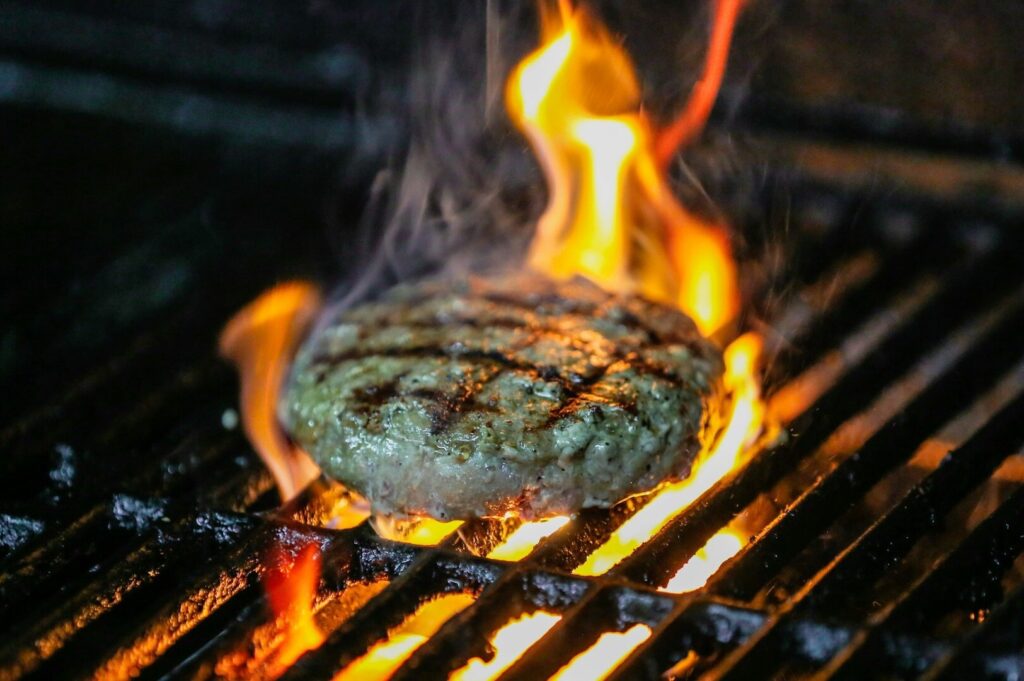
Let’s apply these tips to a few iconic dishes.
Chicken Rice: The challenge is managing white-on-white. Use side lighting to create soft shadows that define the texture of the chicken and rice.
Laksa: To capture the steam, shoot quickly. Use a polarizing filter on your lens to reduce glare on the rich, oily broth, making the colors in the photograph more vibrant.
Char Kway Teow: The “wok hei” is key. A little bit of steam and the glistening, dark noodles are essential. Don’t be afraid of some dark shadows to create a moody, authentic image. A bad photo would make it look like a flat, brown mass.
Satay: Focus on the char marks and the texture of the peanut sauce. A close-up shot that shows the juicy meat and the smoke rising from the grill can be very powerful.
conclusion
Taking a proper photo of Singapore’s iconic food is more than just snapping a picture. It’s about capturing the essence of the dish and honoring its cultural significance. By using the right camera settings, natural light and composition techniques, you can create compelling images that tell a story and connect with your audience on a deeper level.
As you start experimenting with different food styling techniques and photography tips, keep in mind that the ultimate goal is to reflect the richness of Singapore’s culinary heritage. With patience and practice, you’ll master the art of photographing food that not only looks great but also speaks volumes about the culture behind it.
For more tips, engage with the local community of photographers. Your next photo shoot is an opportunity to practice these skills. Start with one dish and a clear, authentic vision.