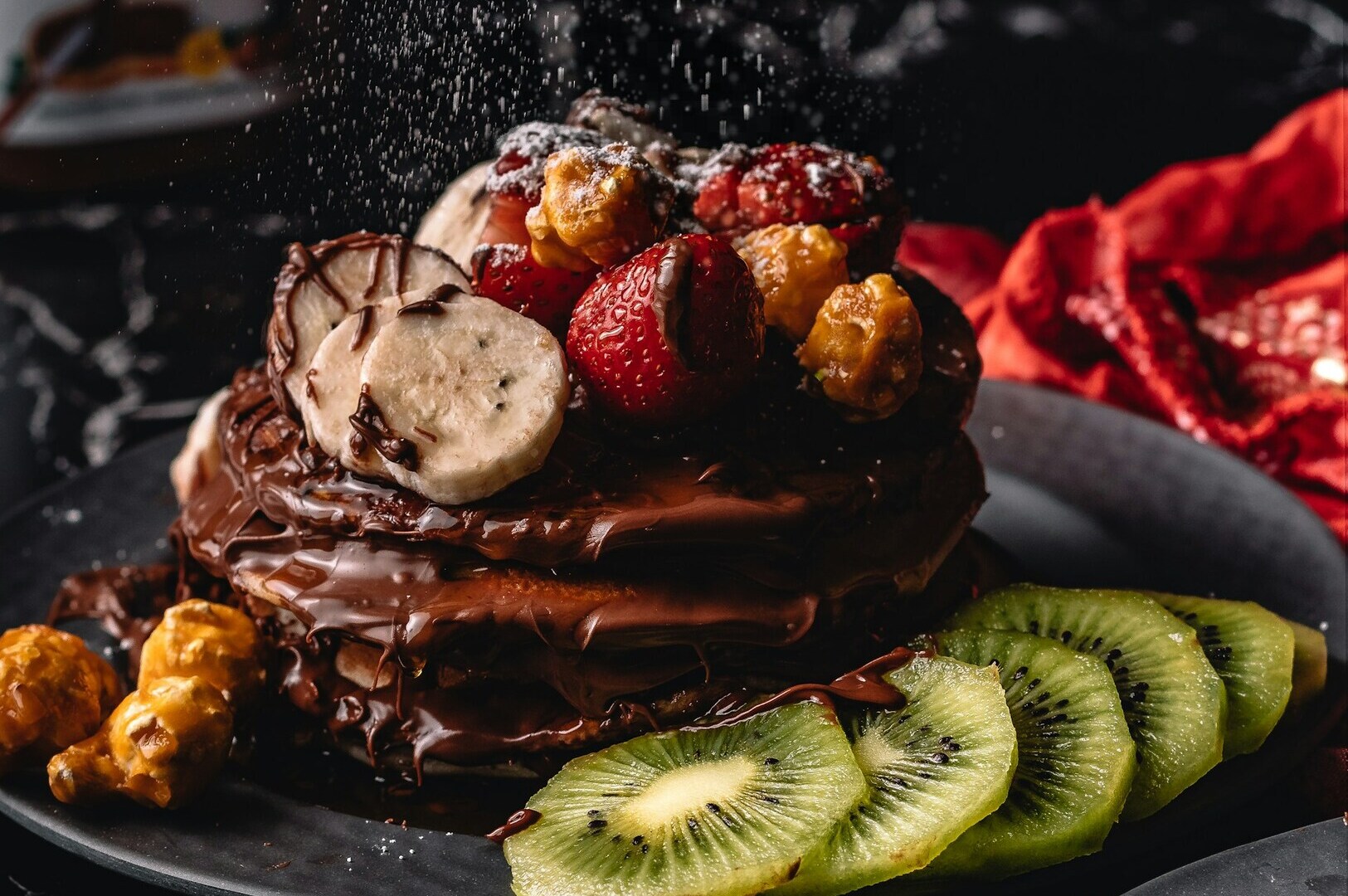
Choosing the right angle can transform a good close up into an irresistible image that makes viewers instantly hungry. In standard food photography, angles show the whole scene, but macro photography angles dictate exactly how the viewer experiences the texture. A millimeter shift changes the entire food photography perspective and alters the mood completely. Today, we will explore overhead, 45 degree, and eye level perspectives to help your menu shine online. Whether you are highlighting crispy skin or rich sauces, understanding macro photography for food is essential for your Singapore F&B business.
Understanding Perspective in Macro Food Photography
How you position your camera directly affects viewer engagement with your close up shots. The right macro photography angles determine whether a dish looks flat and dull or rich and inviting. There is a strong relationship between your chosen angle and the perceived characteristics of the food. Changing your position alters the highlights and shadows that give the food its three dimensional shape.
Your angle choice depends heavily on the specific dish type, its surface texture, and its overall height. A towering bowl of shaved ice needs a vastly different approach than a flat plate of noodles. In the Singapore F&B context, you must choose different angles for flat items like roti prata versus layered dishes like kueh lapis. Understanding food photography perspective helps you highlight the most appetizing features of every local dish you serve.
Overhead Angles for Macro Shots
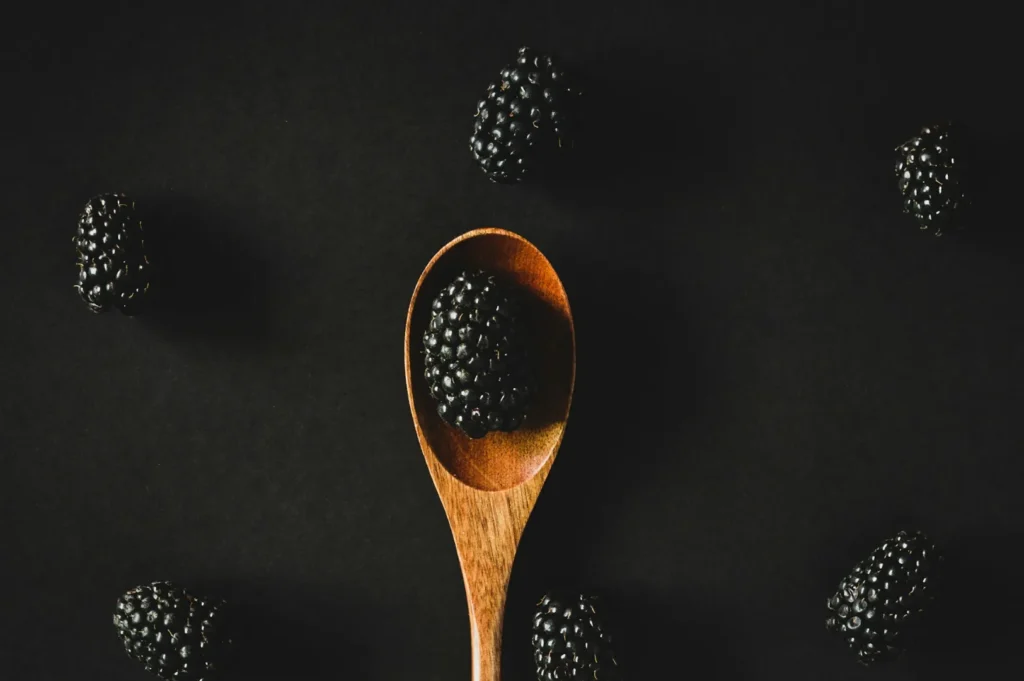
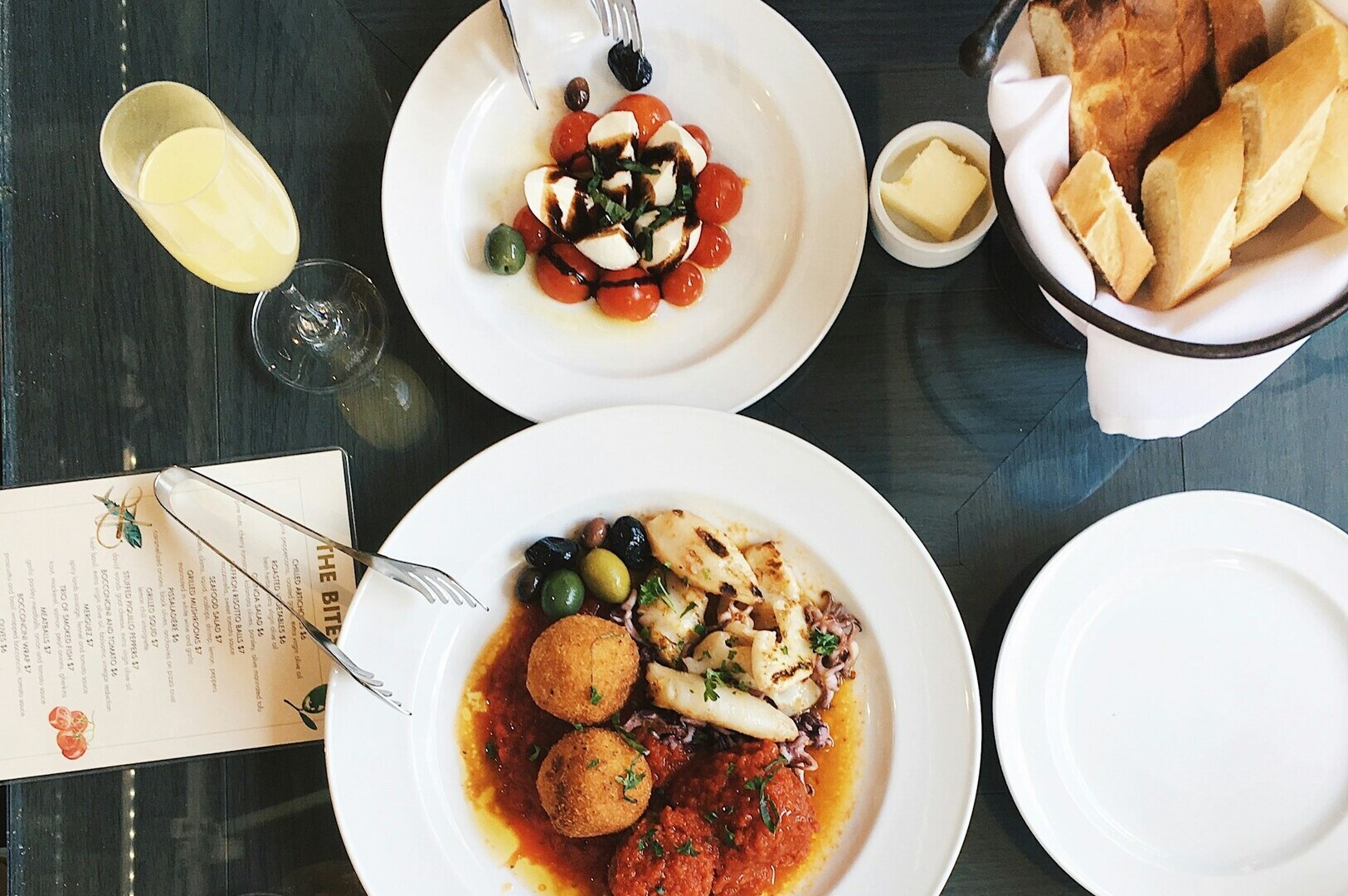
The 90 degree overhead perspective is highly effective for specific macro applications in the culinary world. You should use overhead macro shots when your goal is to highlight flat compositions, intricate garnish details, or beautiful geometric patterns. This top down approach completely removes the background, forcing the viewer to focus entirely on the food surface. It creates a bold, graphic look that stands out instantly on modern restaurant menus.
There are specific technical considerations for this angle, such as careful tripod positioning and maintaining consistent framing across multiple dishes. In Singapore, this angle works beautifully for showcasing precise laksa garnish arrangements or the colorful, repeating patterns of traditional Nyonya kueh. It is also perfect for capturing the charred details on a neat row of satay platings. Using a boom arm helps stabilize the camera for these tricky top down shots.
The main challenge with this food photography perspective is avoiding flatness in your final image. You must create depth through selective focus and clever food styling techniques. By carefully stacking ingredients and using side lighting, your macro photography angles will look incredibly dynamic and appetizing. The shadows cast by the side light will give the flat surface much needed dimension.
45-Degree Angles for Versatile Close-Ups
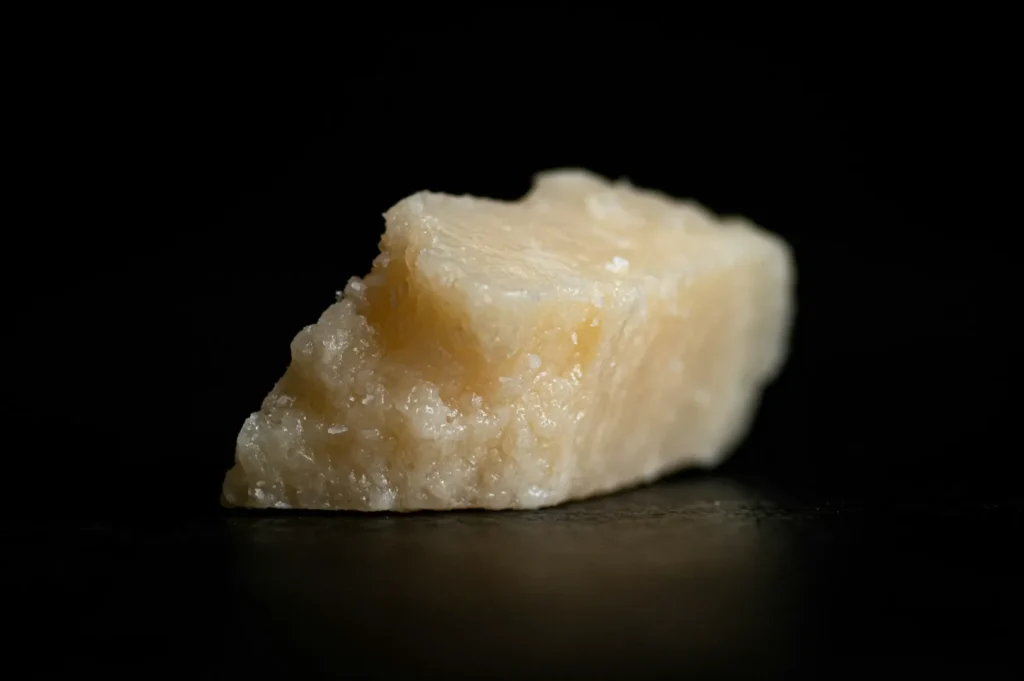
The 45 degree angle is widely considered the most versatile perspective in the commercial food photography industry. It mimics how a diner naturally views their plate while sitting at a restaurant table, making the image feel instantly familiar. 45-degree food photography is the best choice for showing height, internal layers, and surface texture all simultaneously. It captures the full story of the dish in a single frame.
When shooting at this angle, you must carefully balance the foreground and background within your tight frames. You will be working with a very shallow depth of field, meaning focus placement is absolutely critical. In Singapore, this perspective is perfect for showing the fluffy, steamy cross sections of char siew bao. It naturally highlights the hero ingredient while softly blurring the supporting elements behind it.
It also works exceptionally well for rich curry close ups or revealing the distinct tiers of complex dessert layers. You can easily adjust your camera between 30 and 60 degrees to achieve specific visual effects for different dishes. A lower angle emphasizes height, while a higher angle reveals more of the top surface details. Our team at Food Photographer Studio frequently relies on these versatile macro photography angles to capture the perfect balance of texture and depth.
Eye-Level Angles for Dramatic Impact
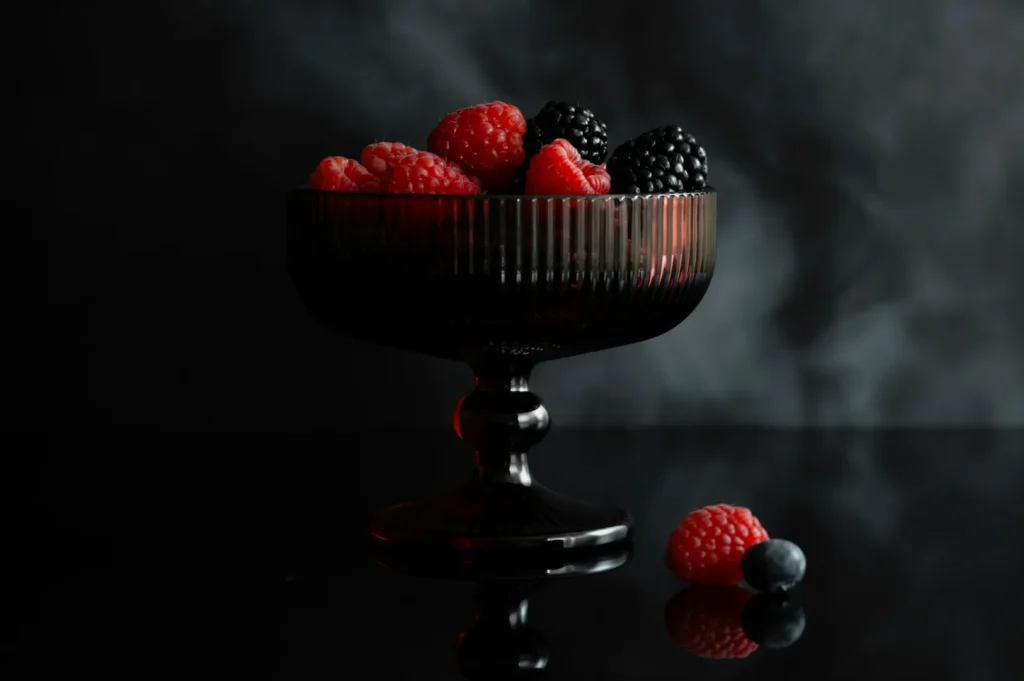
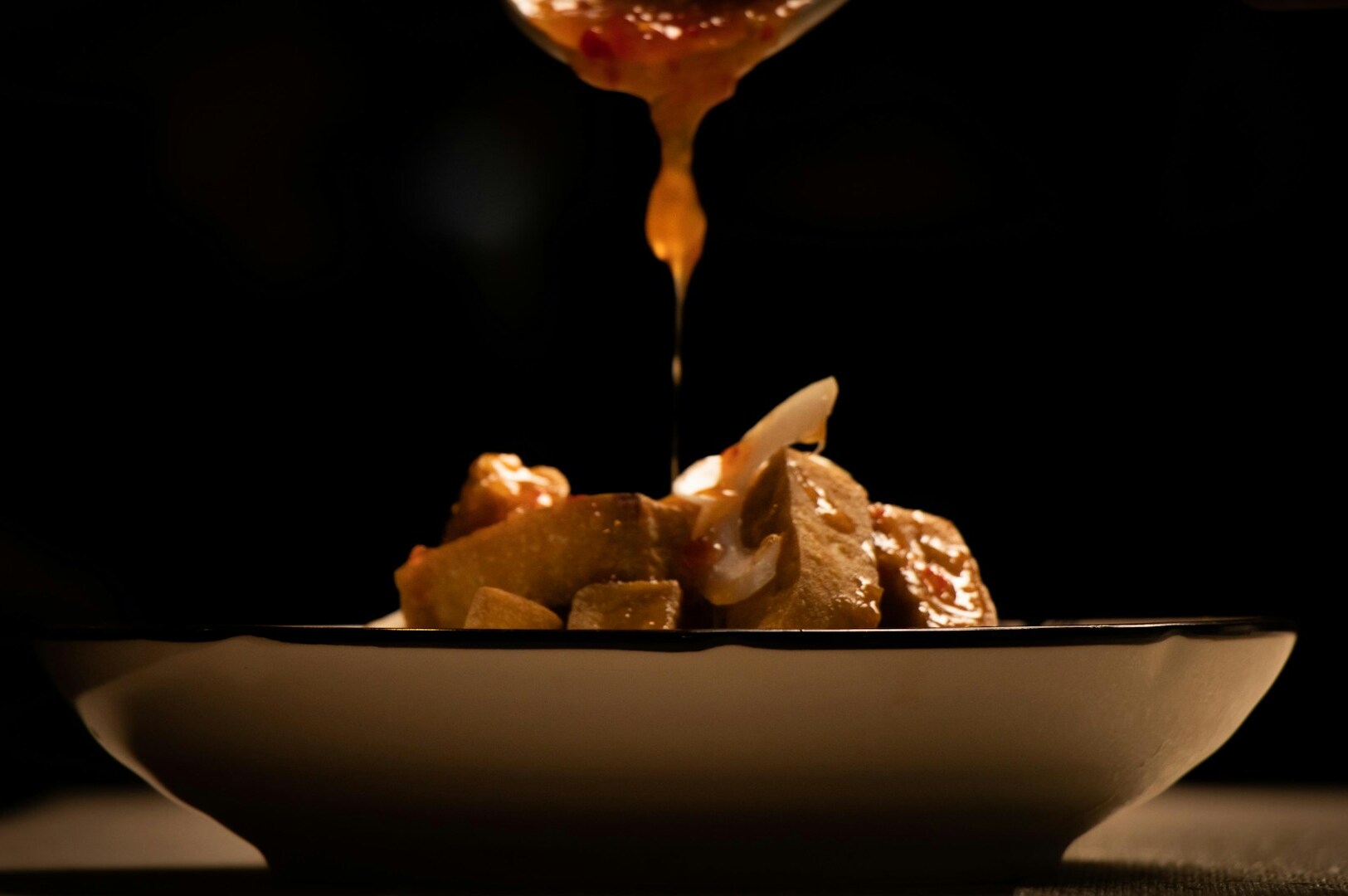
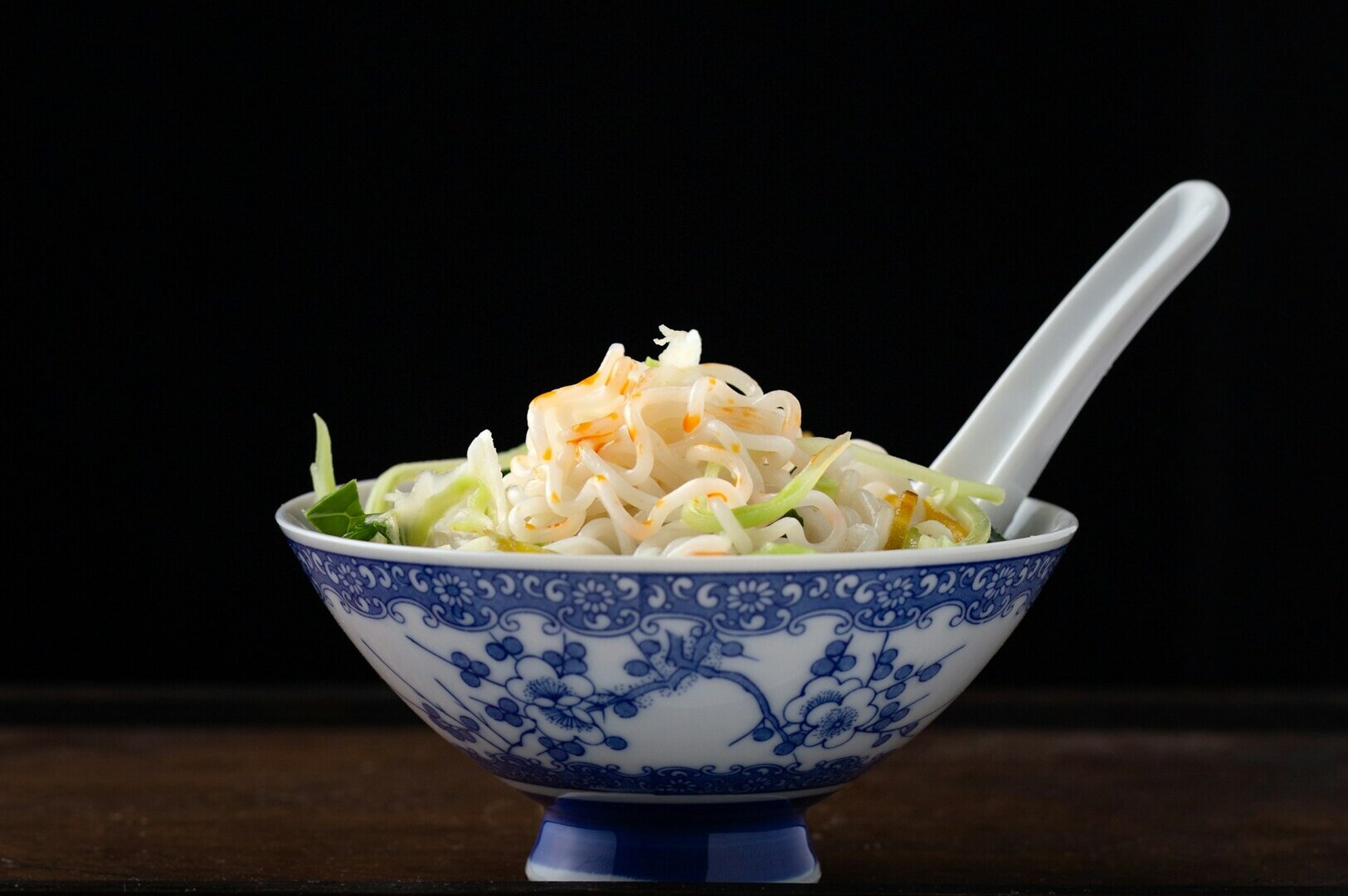
An eye level perspective creates maximum drama and intimacy in your macro food photography. You should use eye-level macro angles for tall items, dishes with dramatic heights, or when isolating specific hero ingredients. Lowering the camera right down to the table emphasizes the texture and surface details of the food’s side profile. This angle makes the viewer feel like they are right inside the dish.
This food photography perspective naturally creates an extremely shallow depth of field. The background melts away completely, leaving only the front edge of the food in sharp focus. For Singapore restaurants, this angle is spectacular for capturing towering burger stacks or tall, layered desserts. You can truly appreciate the thick layers of meat, cheese, and fresh vegetables from this low vantage point.
It is also the ideal choice for beverage details, like capturing the condensation on a cold glass of iced lemon tea. By bringing the viewer right down to the level of the food, you create a sense of intimacy and immense appetite appeal. These macro photography angles make the food feel larger than life and incredibly tempting. It is a powerful tool for driving social media engagement.
Choosing the Right Angle for Different Textures
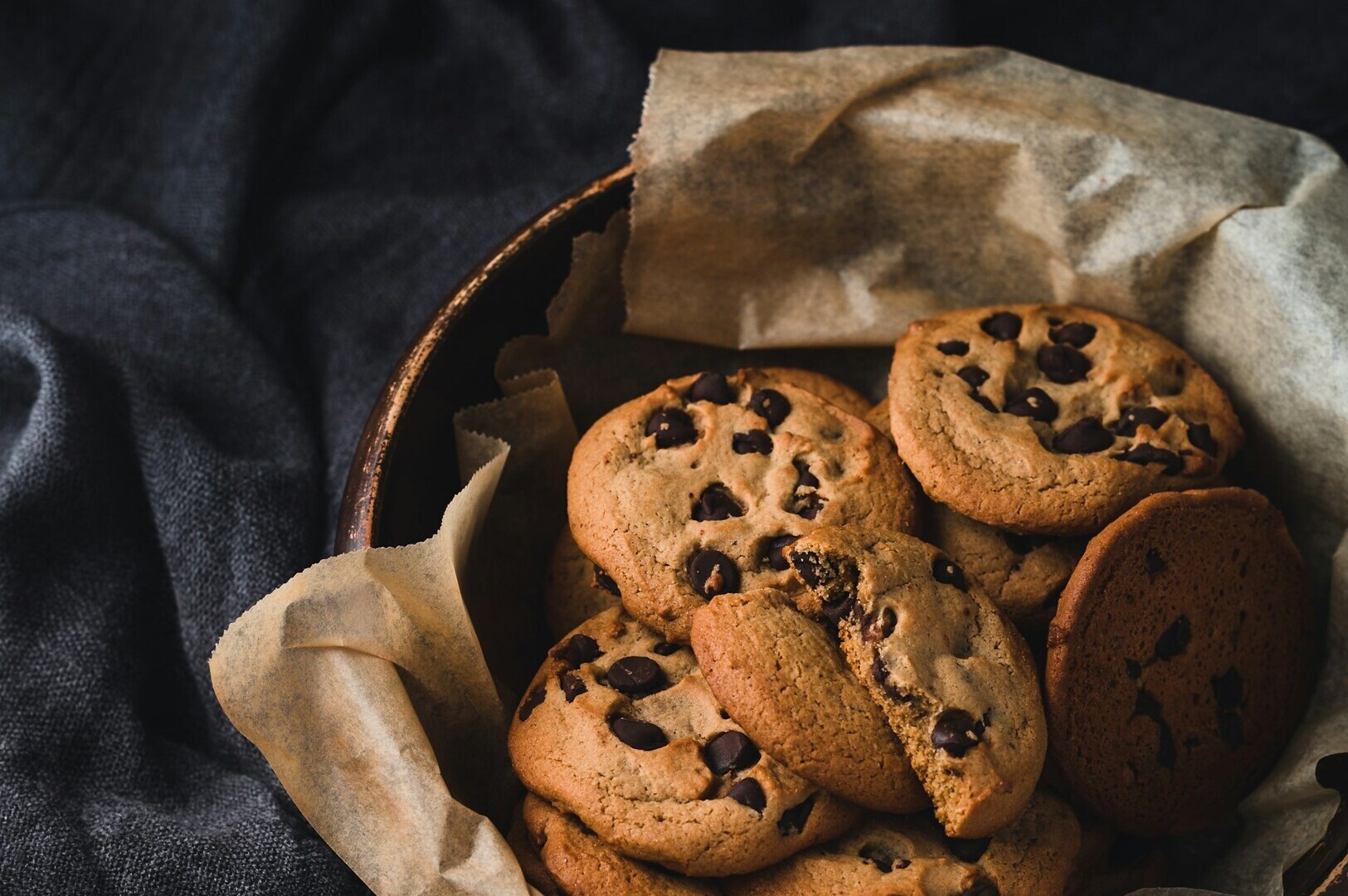
Different food surfaces require entirely different approaches to capture their best visual qualities. For smooth textures like glazes or sauces, lower angles help emphasize the shine and surface reflections beautifully. For rough textures like fried crusts, 45 degree macro photography angles highlight dimension and crispy detail perfectly. You have to adapt your camera position to whatever feature makes the food delicious.
Liquid elements require careful positioning to avoid capturing unflattering reflections of your camera gear or studio lights. Layered textures demand angles that can show multiple internal elements effectively without losing focus on the main subject. Proper planning ensures you highlight the correct texture every single time.
Here is a quick guide for Singapore dishes by texture category with our angle recommendations:
- Crispy textures: Use a 45 degree angle for fried chicken wing details.
- Liquid broths: Use an overhead angle to capture the floating chili oil on prawn mee.
- Layered sweets: Use eye level angles to show the distinct tiers of a pandan cake.
- Glossy meats: Use a 30 degree angle to catch the light on roasted duck skin.
Matching your food photography perspective to the texture is the secret to appetizing images.
Practical Tips for Angle Consistency
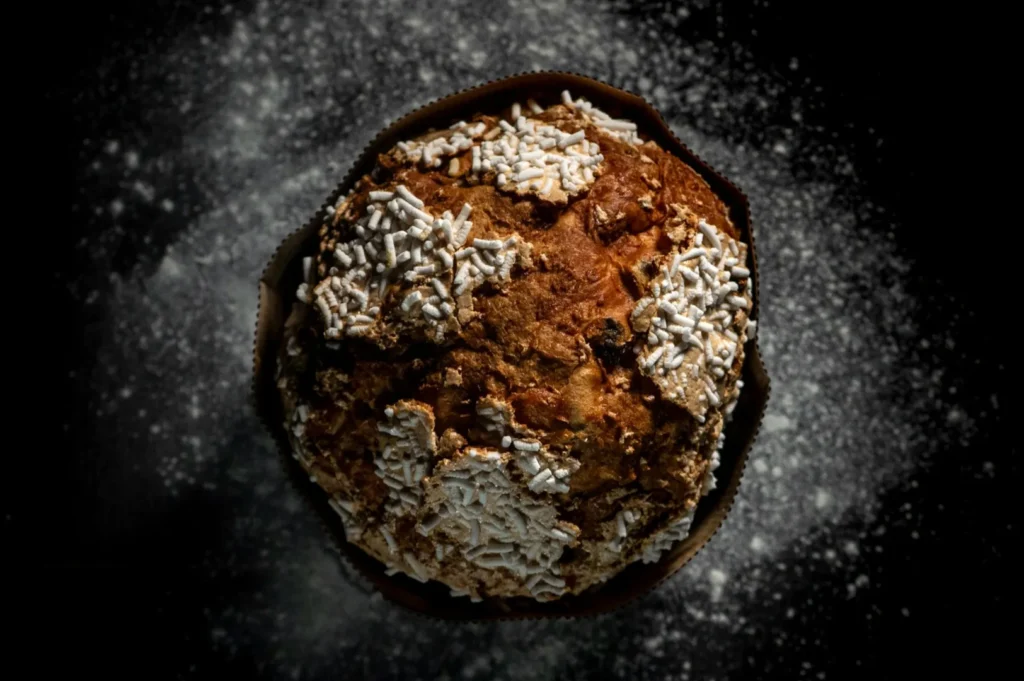
Maintaining consistency across your menu shots is vital for a highly professional brand image. Using tripod height markers allows you to achieve perfectly repeatable angles for every single dish on the menu. You should always shoot multiple angles of the same dish to give your client the best selection possible. This saves time and prevents you from having to reshoot the food later.
Keep in mind that your lighting setup changes drastically with different angles. An overhead shot requires light coming from the side or back, while an eye level shot might need more frontal fill light. You can easily create angle variation within a photo series to keep your social media feed interesting and dynamic. Adjusting your lights accordingly ensures the food always looks properly illuminated.
One of the most common angle mistakes in macro food photography is shooting from a slightly awkward perspective that distorts the food. Another mistake is forgetting to adjust the focus point when changing the camera height. Always double check your camera level and ensure your macro photography angles look natural to the human eye. Small adjustments make a massive difference in the final image.
Angle-Specific Composition Techniques
Your chosen food photography perspective directly impacts how you compose the final shot. You must apply the rule of thirds differently depending on your chosen angles to maintain visual balance. For overhead shots, you can center the subject perfectly, but eye level shots often look better with the subject placed to one side. This creates a more dynamic and interesting composition.
Leading lines work beautifully in overhead setups, using chopsticks or noodles to guide the eye directly to the main ingredient. Negative space management also varies by angle, as lower perspectives require clean, uncluttered backgrounds to prevent distractions. Balancing these elements across different perspectives ensures your close ups remain visually striking and highly professional. Following these basic composition rules will elevate your restaurant imagery instantly.
Conlucsion
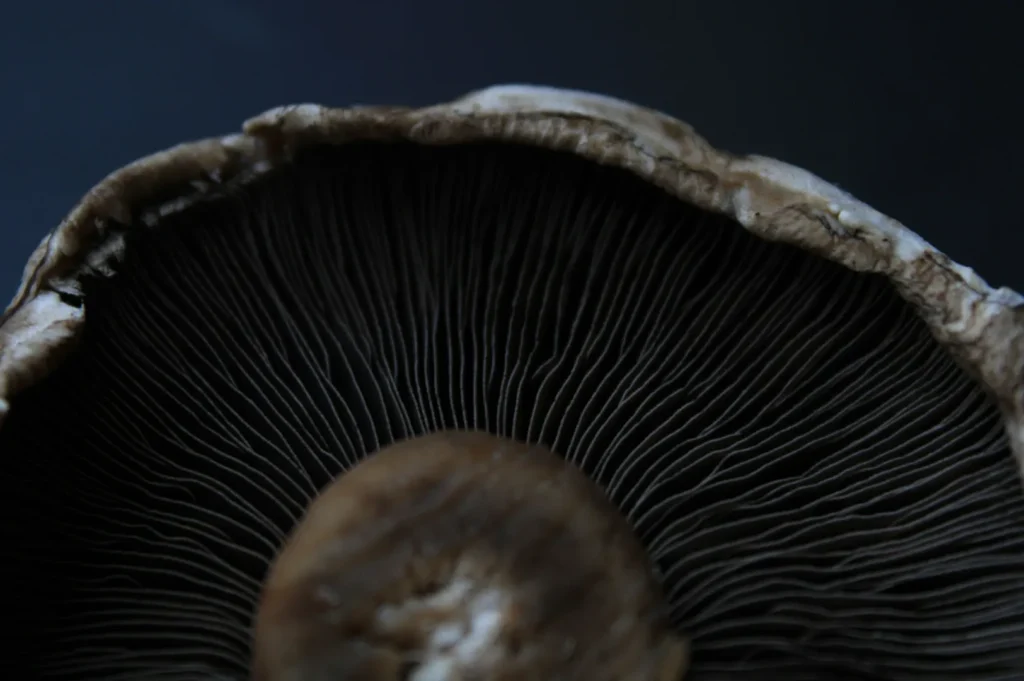
Angle selection is a crucial creative decision for highly effective visual storytelling. We encourage you to experiment with different heights and develop a strong instinct for choosing the right perspective. Finding the perfect angle ensures your ingredients always look fresh, textured, and incredibly appetizing to your customers. It takes practice, but the results are always worth the effort.
Choosing the perfect angle for macro food photography requires both technical knowledge and creative vision. Professional food photographers know exactly which perspective will showcase your Singapore F&B dishes most effectively, ensuring every close-up image captures maximum detail and appetite appeal.