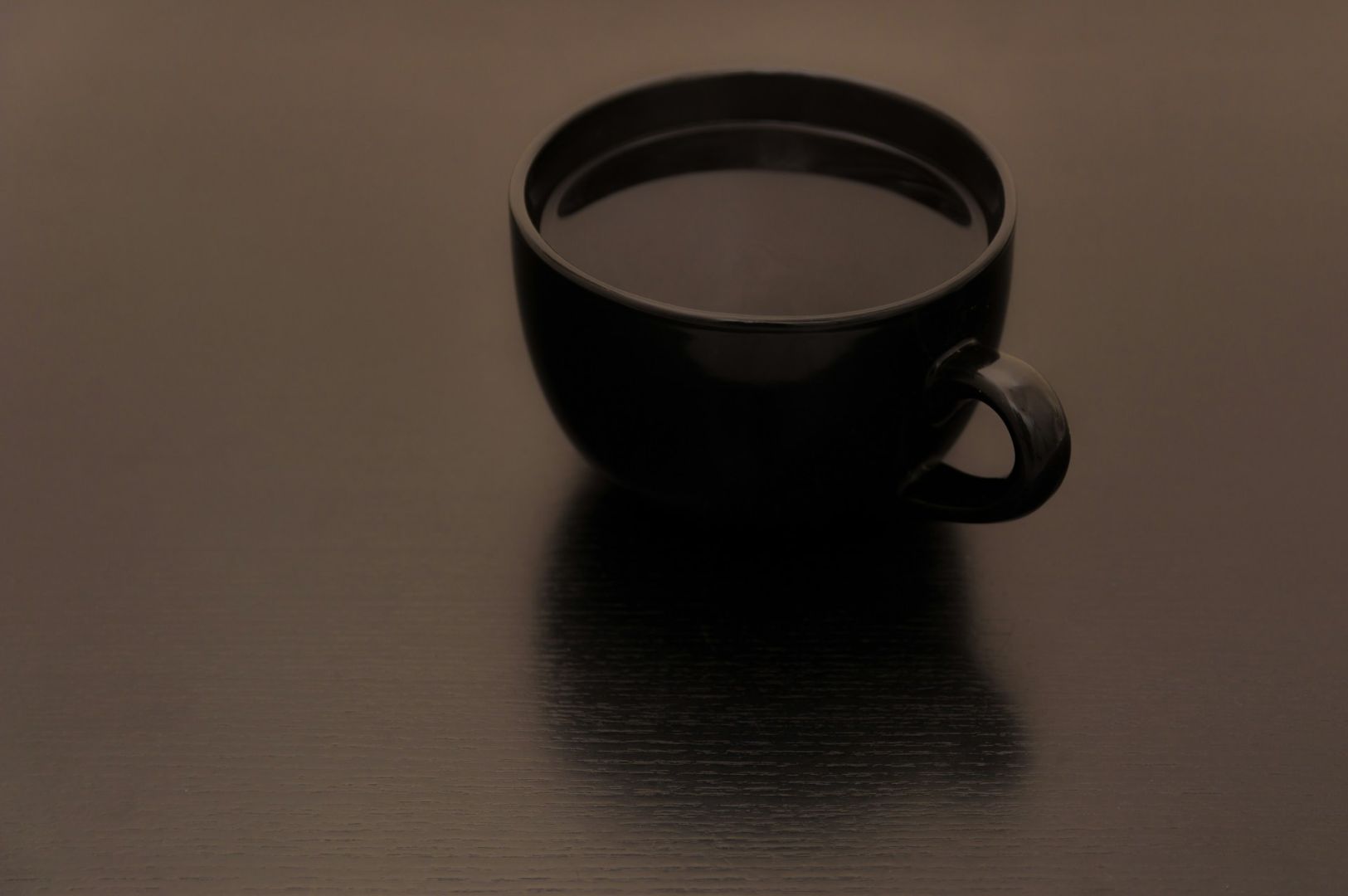
A brilliant close-up composition does more than just show what a dish looks like. It transforms an ordinary snapshot into a menu-worthy image that literally stops diners mid-scroll. When you capture the intricate details of your food, you invite the viewer to imagine the taste, texture, and aroma before they even step foot in your restaurant.
Poor framing can make a dish look messy; the right techniques will make your ingredients shine.
In this guide, we will explore the close-up composition rules that elevate F&B marketing. You will discover practical ways to arrange your frame, guide the viewer’s eye, and create stunning visual impact for your restaurant menus.
Understanding Composition Fundamentals in Macro Photography
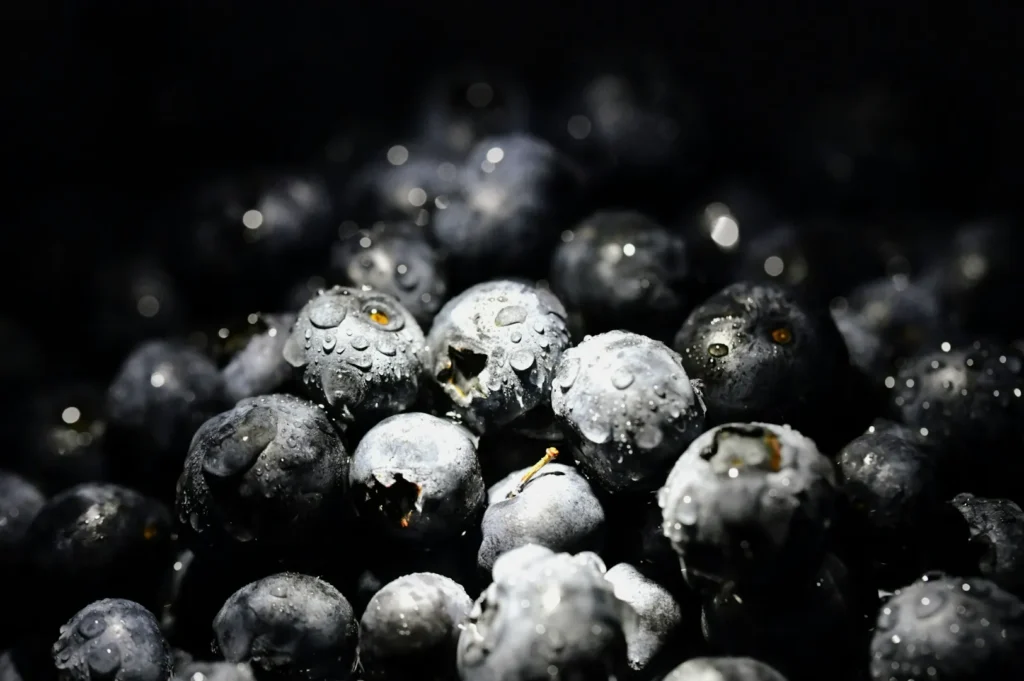
At its core, standard food photography composition often relies on props, table settings, and surrounding ambiance to tell a story. Macro photography composition strips all of that away. You are forced to tell the entire story of a dish using only a few square inches of visual real estate.
A single bruised herb or an out-of-place reflection can completely ruin the shot; you must be incredibly intentional about what stays in the frame and what gets pushed out.
Consider a close-up shot of a laksa spoon. Instead of showing the whole bowl, your macro photography composition might focus entirely on a single, perfectly plump cockle resting against rich, coconut-infused broth. Similarly, when highlighting char kway teow texture, you aren’t showing the wok; you are framing the glistening, smoky oil clinging to a single flat noodle and a piece of Chinese sausage.
The Rule of Thirds in Macro Food Shots
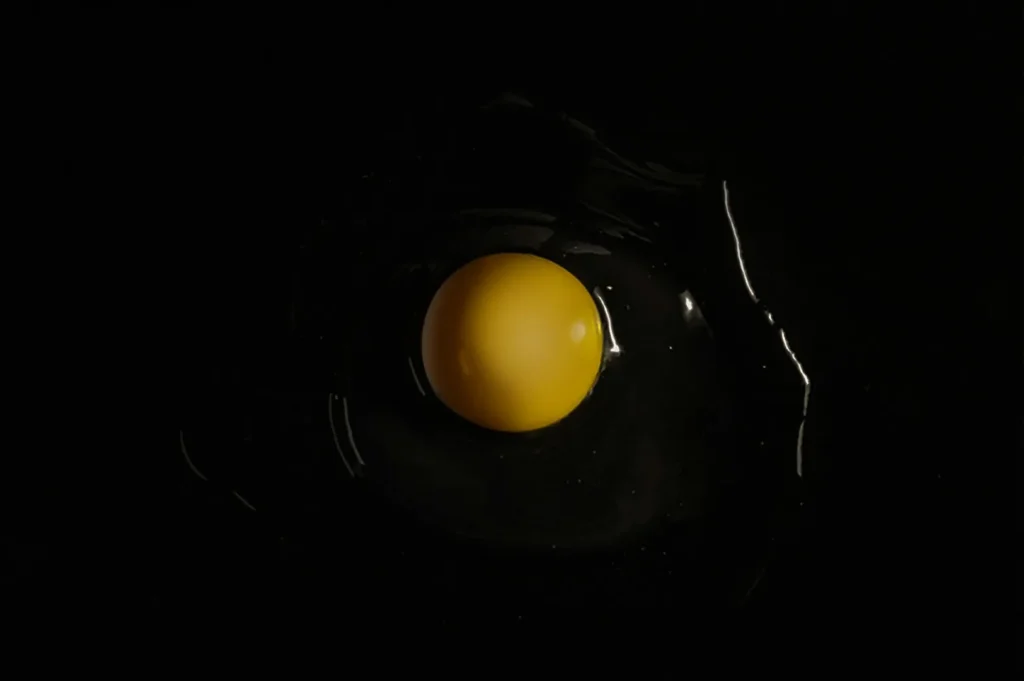
The rule of thirds is a classic photography principle, but applying it to extreme close-ups requires a delicate touch. Imagine a tic-tac-toe grid overlaid on your image. Instead of centering your subject perfectly, you place your key focal points along these lines or where they intersect.
When establishing your food photography composition, identify the most appetizing part of the dish. This might be a fresh garnish, a glossy sauce drip, or a specific texture highlight. Placing that specific detail on an intersecting grid point naturally draws the human eye and creates a balanced, professional look.
However, there are times when breaking the rule creates dramatic effect; if you are photographing a massive chili crab claw, centering it tightly can emphasize its impressive size and meaty texture. Conversely, a thick, golden satay glaze dripping off a skewer looks brilliant when placed precisely on the right third of the frame. Even the distinct, alternating layers of toasted bread, cold butter, and sweet spread in kaya toast benefit heavily from this deliberate off-center alignment.
Using Negative Space for Visual Impact
Creating Breathing Room
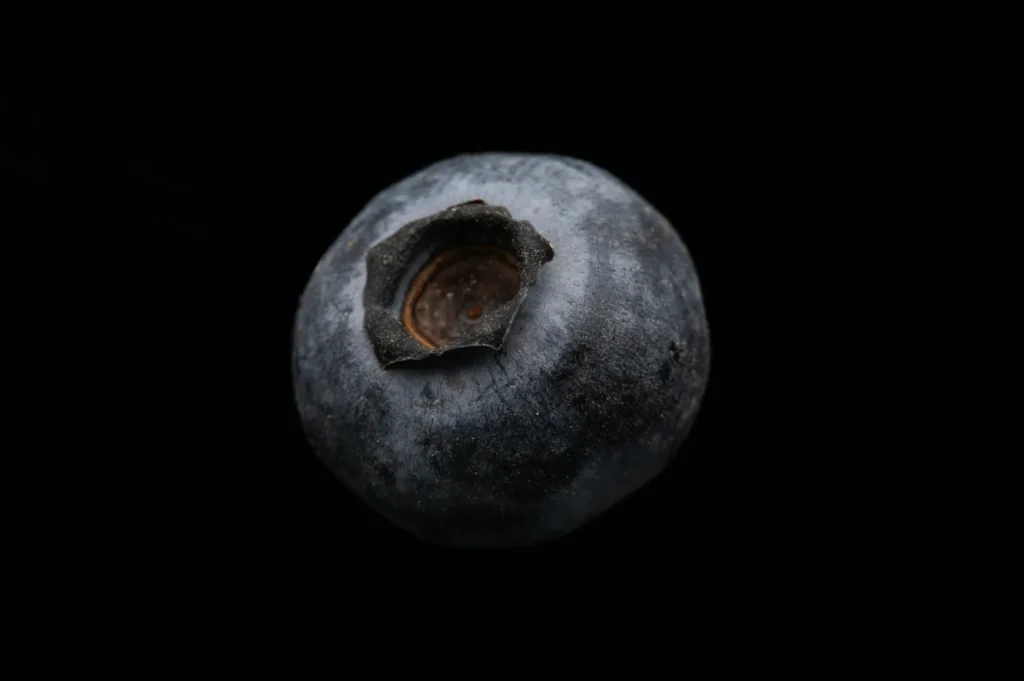
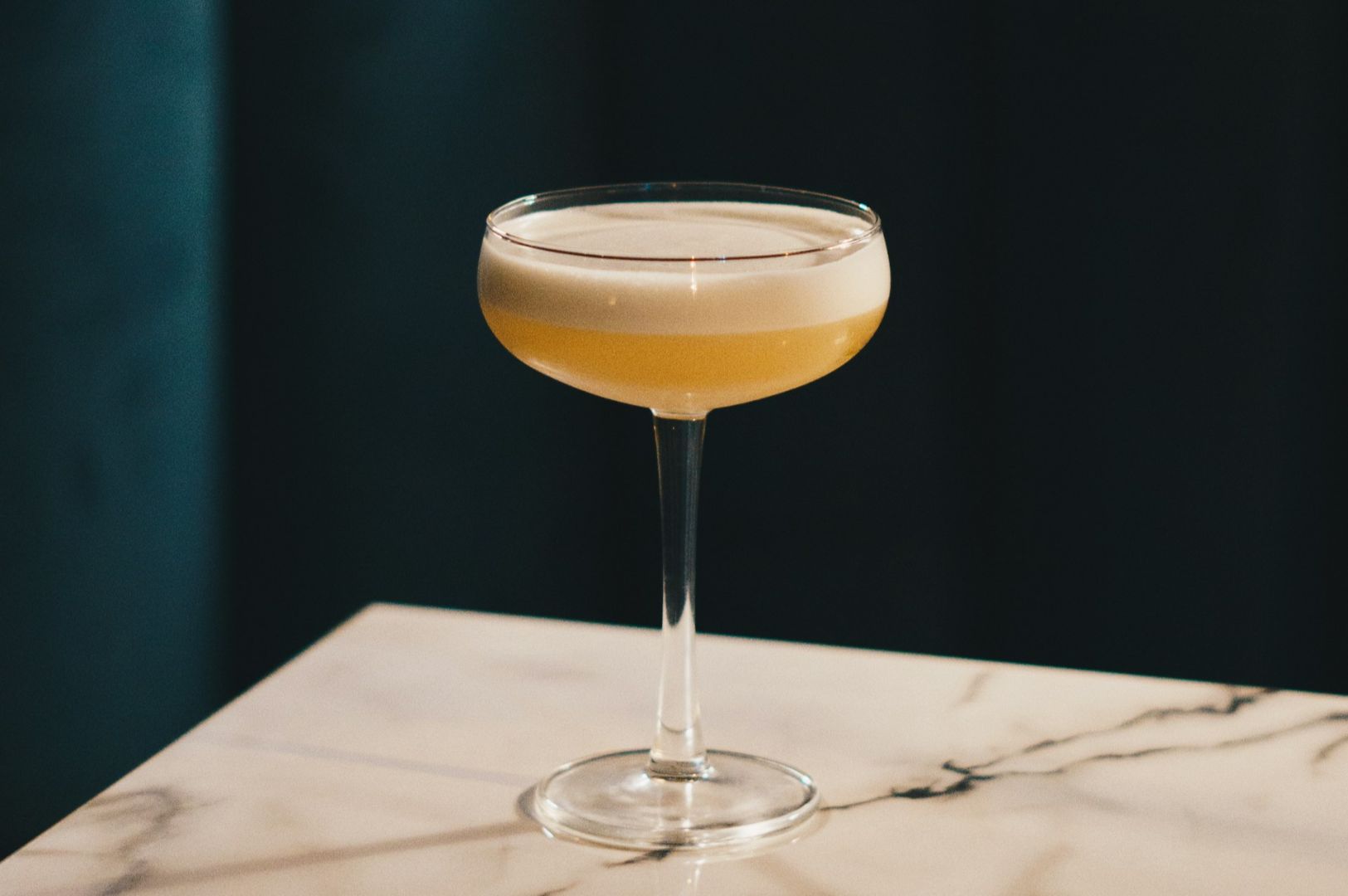
Negative space in macro photography refers to the empty areas surrounding your main subject. Even when you are zoomed in tight, leaving intentional blank space directs attention exactly where you want it. It gives the viewer’s eye a place to rest.
Creating this visual breathing room prevents your macro photography composition from feeling cluttered or overwhelming. The goal is to balance intense, appetizing detail with clean simplicity. For example, a single, intricately folded dim sum piece looks much more premium when surrounded by smooth, empty bamboo steamer space.
Background Selection and Blur
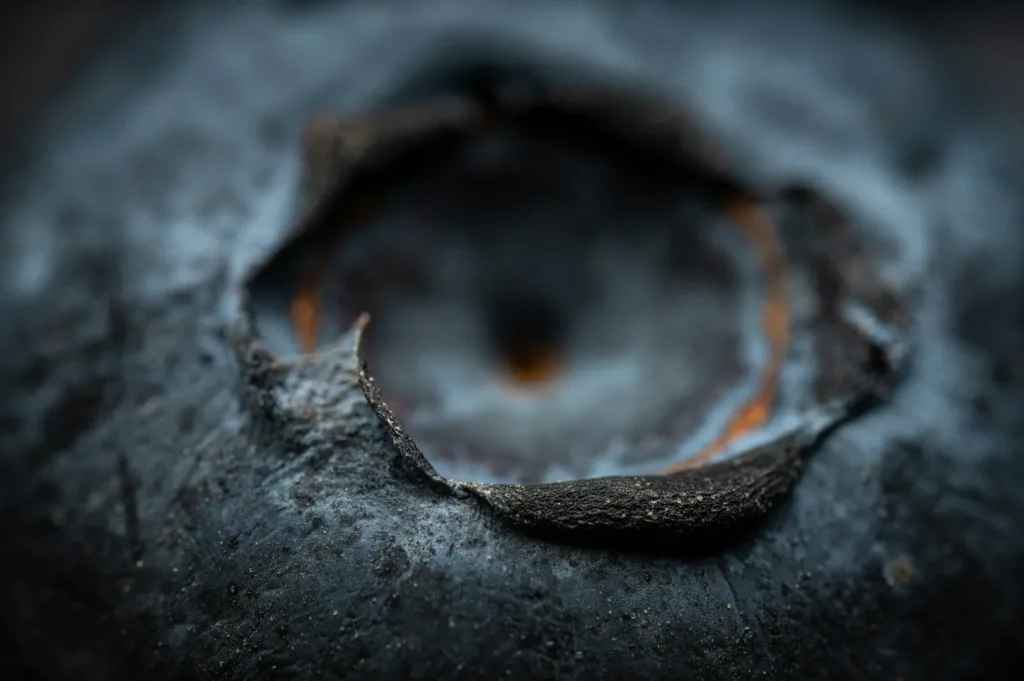
The easiest way to create negative space in close-up shots is by using a shallow depth of field. By intentionally blurring the background, you turn busy environments into soft, distraction-free color gradients. This isolates your food subject beautifully.
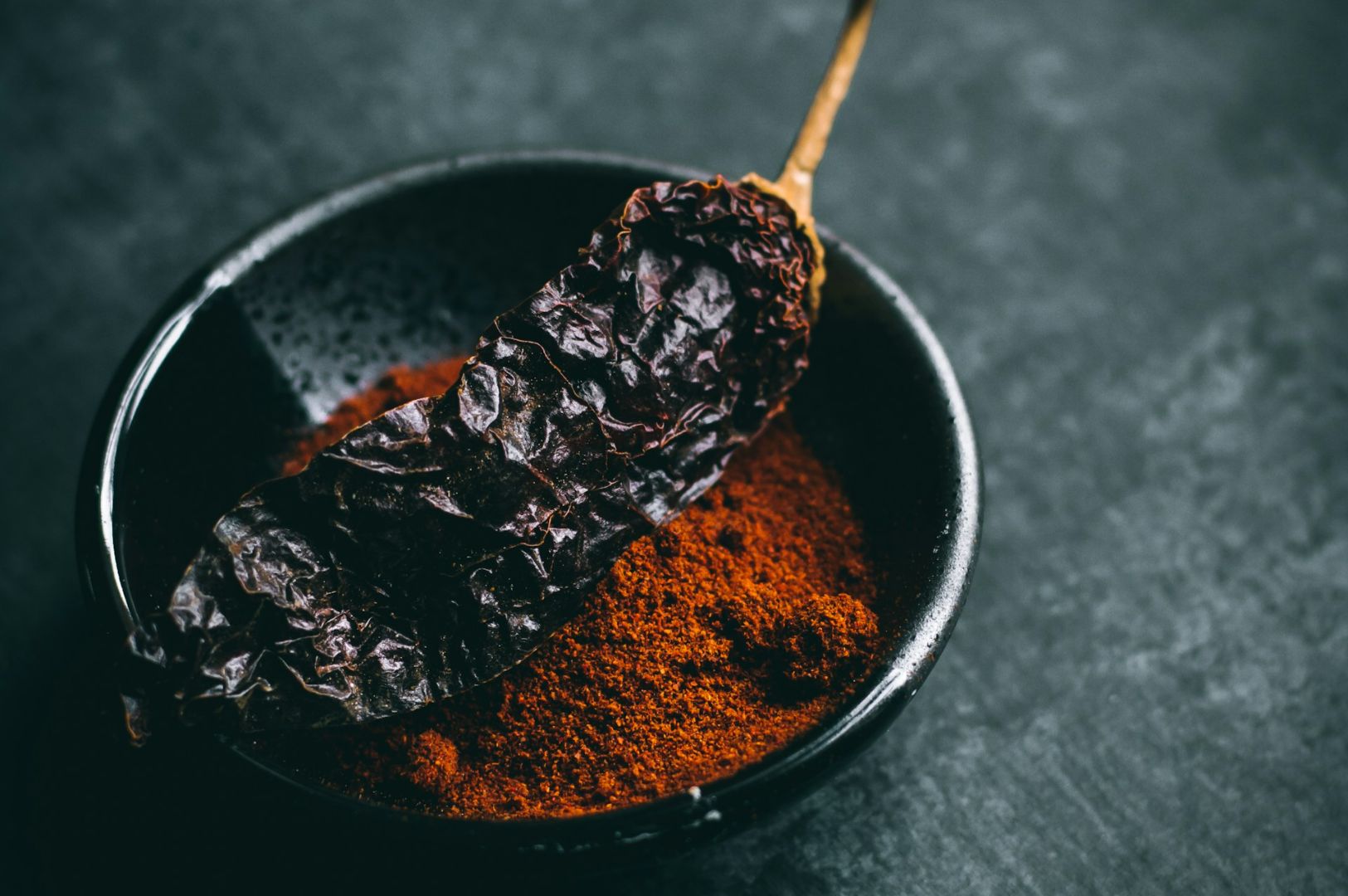
For Singapore F&B menus, you must choose between neutral backgrounds and textured surfaces carefully. A smooth, dark slate creates a moody, premium feel for fine dining, while a slightly blurred, classic hawker table surface can add authentic, nostalgic context without stealing the spotlight.
Leading Lines and Visual Flow
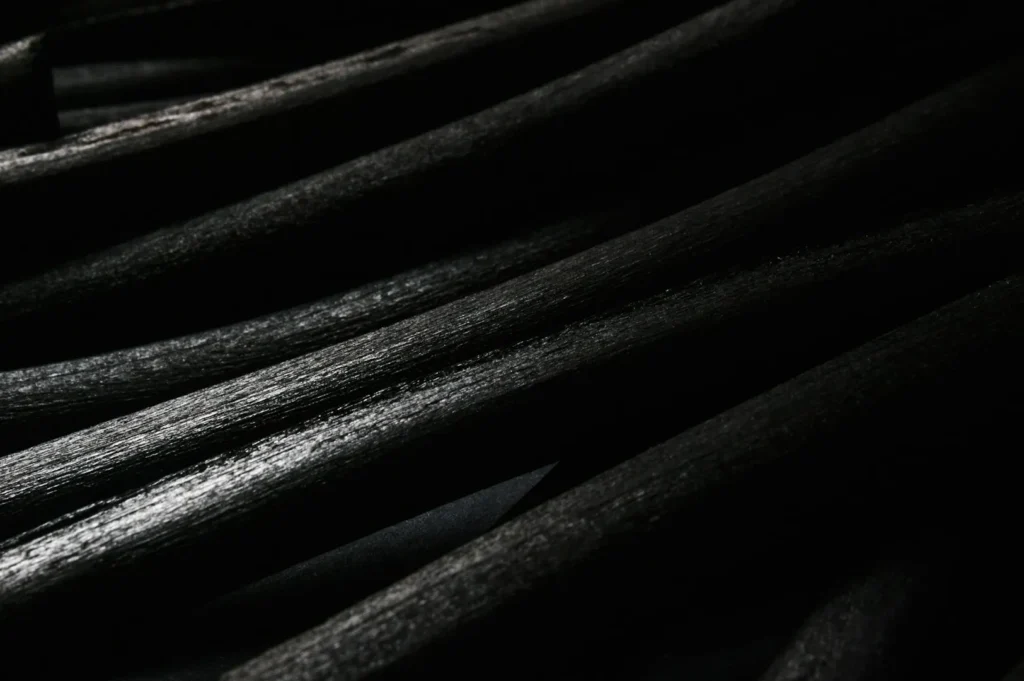
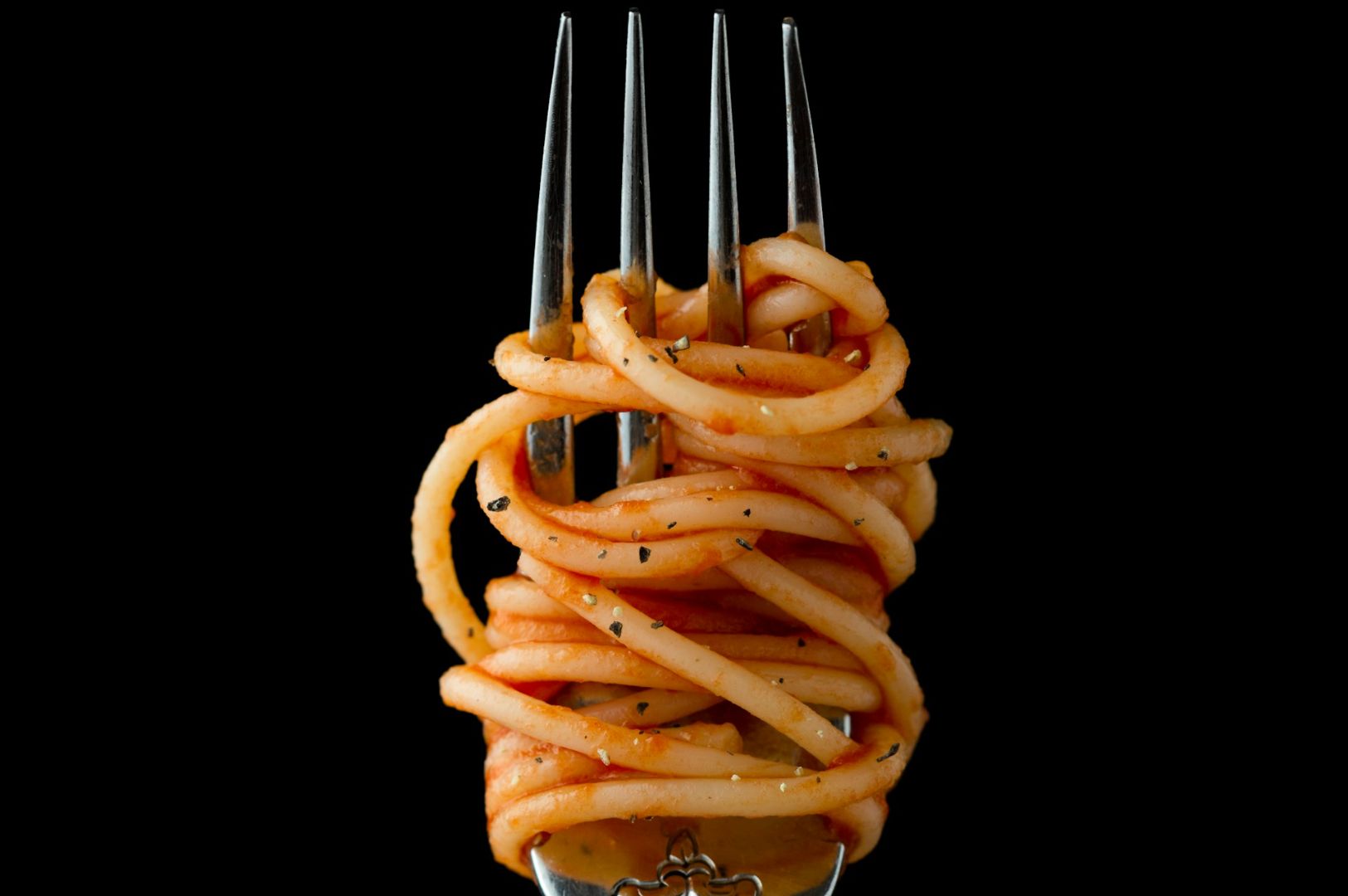
Leading lines are visual pathways that guide a viewer’s eye through an image. In food photography composition, you can use the natural lines created by your ingredients. Noodle strands, sauce trails, or even deliberate knife cuts all act as subtle arrows pointing toward the tastiest part of the dish.
Diagonal lines generally create more dynamic energy than standard horizontal compositions. A diagonal layout feels active and appetizing, which is perfect for menu appeal. This simple shift is an excellent way to create movement and energy in otherwise static shots.
Think about the crispy, circular layers of fresh roti prata; angling the camera so those flaky edges form a diagonal line draws the viewer right in. You can also use the natural grain of chicken rice skin texture or the swooping, curved flow of thick laksa noodles to pull the eye directly toward the hero ingredient.
Color Balance and Visual Harmony
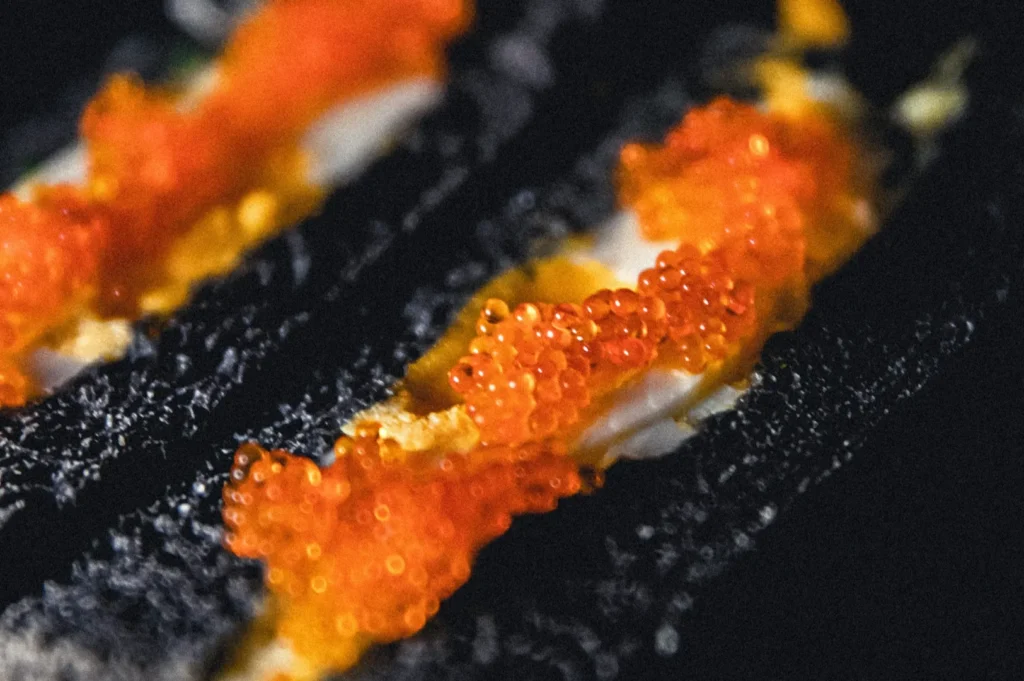
Color plays a massive role in how appetizing a dish looks. Utilizing complementary colors in your macro photography composition creates instant visual harmony that leaps off the menu. Contrasting colors make textures pop and highlight the freshness of your ingredients.
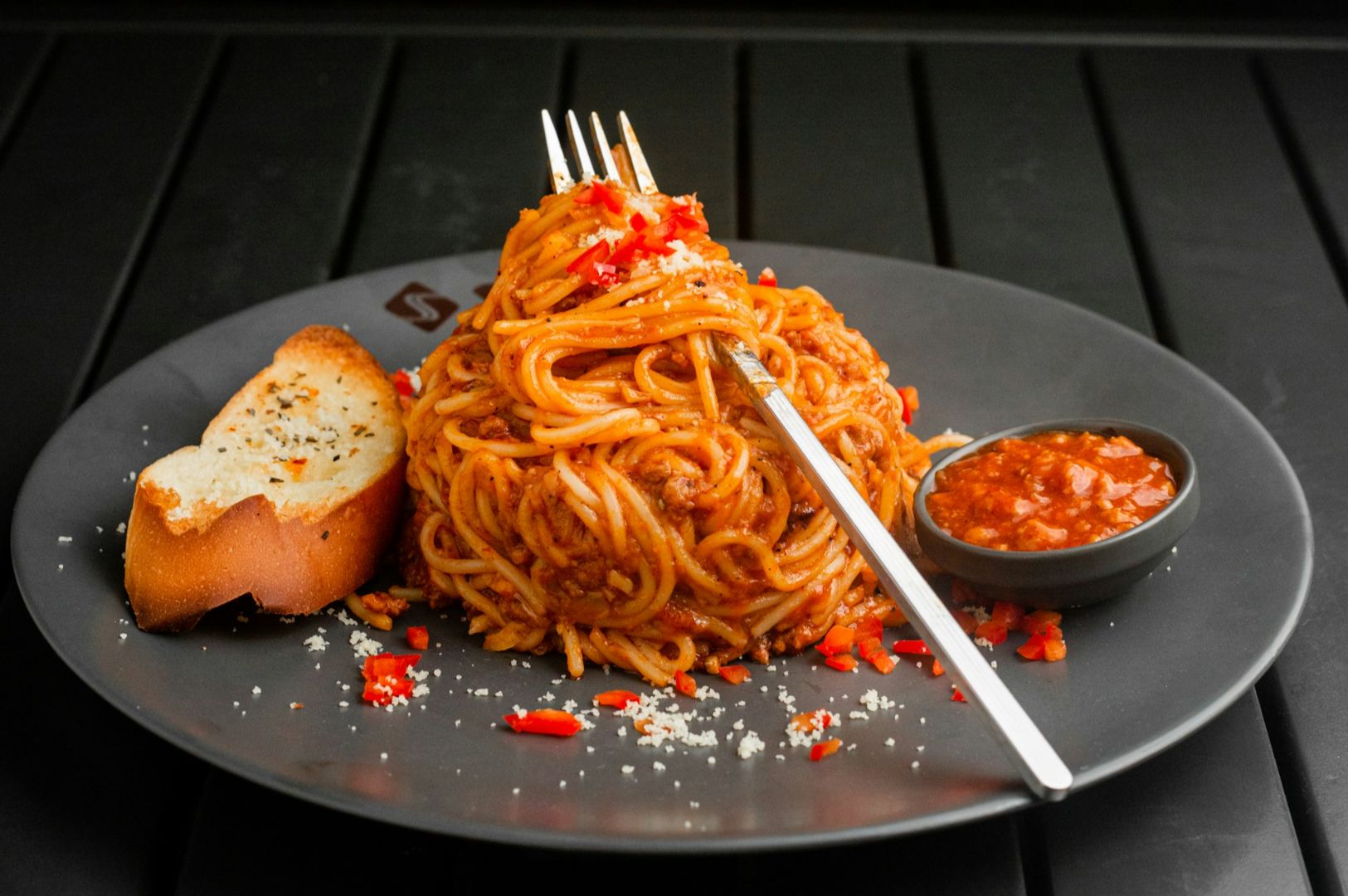
Strategic garnish placement is the easiest way to introduce color pops. A bright red chili slice or a sprig of fresh green coriander breaks up heavy, monochromatic dishes. You must decide whether a monochromatic or vibrant composition suits your specific cuisine best.
In the Singapore F&B scene, color contrast is everywhere. The vibrant green of a laksa leaf perfectly cuts through the rich, orange-red hue of the spicy coconut broth. Similarly, a bright red slice of chili instantly elevates the brown, savory tones of a char kway teow texture shot. Even the golden, buttery yellow of kaya looks more appealing against the dark, charred edges of perfectly toasted bread.
Framing Techniques for Restaurant Menus
Tight Crops vs Contextual Framing
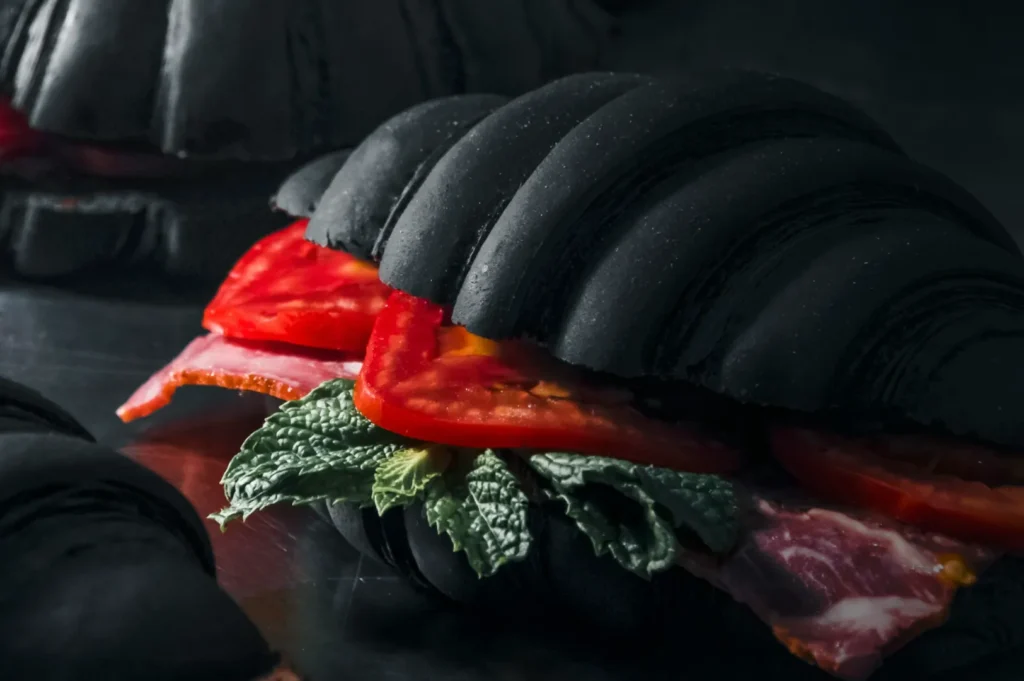
When developing your menu, you need to decide between extremely tight crops and contextual framing. Cropping extremely tight focuses entirely on pure texture, like the crispy, bubbling skin of roasted pork belly. This strips away all context, leaving only pure appetite appeal.
Contextual framing pulls back just enough to show a hint of the plate or the table. Different macro framing techniques serve different menu applications. A wider contextual shot works perfectly for main hero images, while extreme tight crops serve as beautiful detail accents alongside menu descriptions.
Angle Selection for Maximum Impact
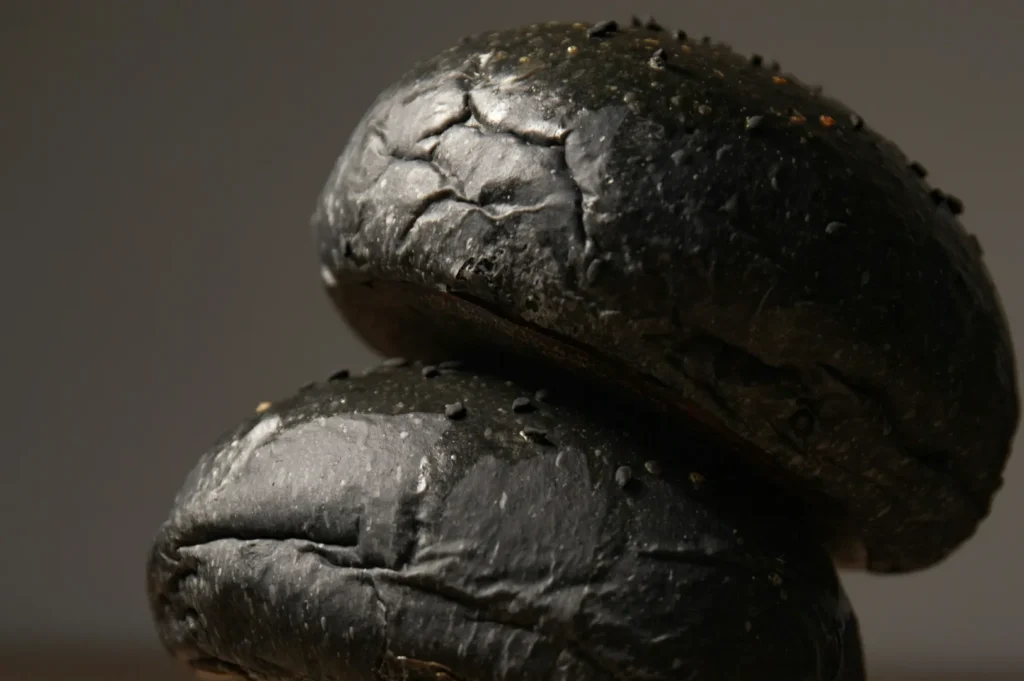
Your camera angle completely dictates how texture is perceived. Overhead (flat lay) angles are excellent for geometric foods or dishes with multiple colorful components. However, overhead shots can sometimes flatten the perceived texture of a dish.
A 45-degree angle mimics the diner’s natural point of view when sitting at a table. This is often the most appetizing angle because it shows both the top and side profiles of the food. An eye-level angle is perfect for showcasing tall, layered textures, like an iced kachang dessert or a stacked burger.
Practical Composition Checklist for Singapore F&B
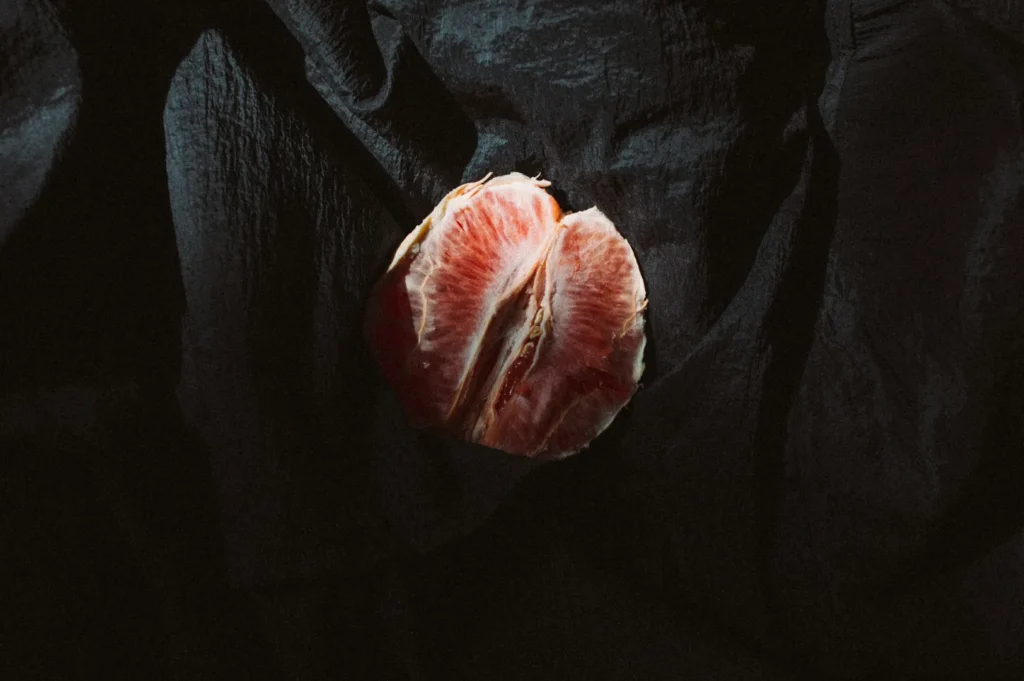
To help you consistently capture stunning menu images, we have put together a practical checklist of close-up composition rules. Run through these points before you press the shutter:
- Focal Point Placement: Have you identified the most appetizing detail, and does it align with the rule of thirds?
- Negative Space Balance: Is there enough empty visual space to let the food breathe, or does the frame feel cluttered?
- Leading Line Identification: Are there natural lines (noodles, chopsticks, sauce drips) guiding the eye toward your focal point?
- Color Harmony Check: Do the colors complement each other? Does the dish need a fresh green or red garnish to break up monochromatic tones?
- Angle Verification: Does your chosen camera angle maximize the specific texture of this particular dish?
Conclusion
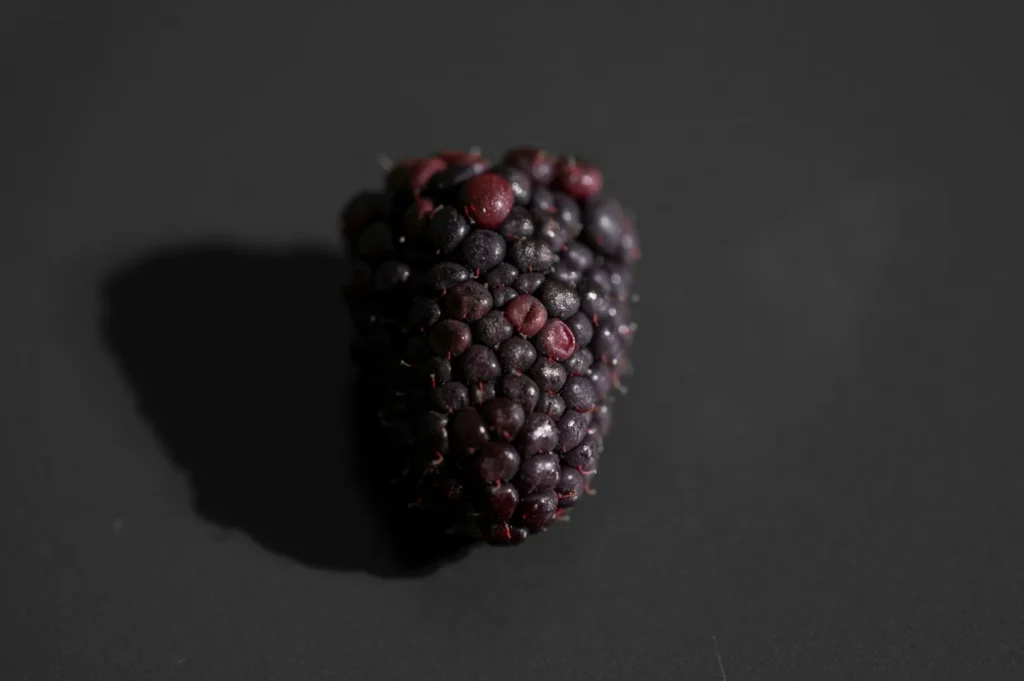
Great macro photography composition is the secret ingredient that turns simple food photos into powerful marketing assets. By understanding how to balance negative space, utilize leading lines, and apply strategic framing techniques, you can highlight the very best parts of your menu. The key to mastering food photography composition is patience, practice, and a willingness to experiment with different angles and lighting.
While mastering these composition techniques takes practice, working with experienced food photographers ensures consistently composed menu images that drive customer appetite. At Food Photographer Studio, we combine technical expertise with artistic composition to showcase your dishes with visual impact that converts browsers into diners. If you are ready to elevate your visual marketing, read on how to capture Singapore’s F&B using effective macro photography techniques to make your restaurant menu truly unforgettable.