Taking a stunning macro food photo for social media is a great achievement. However, preparing that same image for physical print requires an entirely different set of technical considerations. Print food photography demands absolute precision because mistakes cannot be fixed with a quick digital update.
Understanding technical specifications is crucial for menus, large window signage, and physical marketing materials. Today we will cover the essential resolution requirements, color profiles, and cropping considerations needed for physical media. Mastering these elements ensures your macro photography for menus always looks appetizing and highly professional.
Resolution Requirements for Print Food Photography
Physical printing demands a significantly higher resolution than web display. Digital screens typically require only 72 DPI (dots per inch) to look perfectly sharp. In contrast, high quality print food photography requires a minimum of 300 DPI.
You must calculate your exact image size needed for different print applications before the photoshoot begins. Standard menu sizes require different base resolutions compared to large outdoor signage dimensions. Fortunately, macro photography’s incredible detail benefits print reproduction beautifully when captured at the correct size.
Singapore printing standards typically follow standard A-series paper formats for most commercial F&B work. A tight close-up of a glossy laksa broth needs massive resolution to maintain its texture on an A4 menu. If you try to stretch a low resolution image, the rich details will become horribly pixelated and unappetizing.
Color Profiles and Color Management
Understanding print color spaces is vital for accurate reproduction. Digital screens use the RGB color space, while physical printers use CMYK ink combinations. Because these color spaces are fundamentally different, food colors can look drastically different in print if not managed properly.
Converting and proofing images is mandatory for accurate color reproduction on paper. You should always work closely with your Singapore printers to ensure smooth communication and proper file delivery. They can provide specific color profiles that match their exact printing presses. To learn more about capturing these colors initially, you can explore our detailed food photography techniques guide.
Common color shifts in food photography often make vibrant reds look dull or rich greens appear muddy. This is especially problematic for local dishes like Hainanese chicken rice, where the vibrant chili sauce must look perfectly red. Managing your color profiles prevents these disappointing shifts and keeps your macro photography for menus looking fresh.
Cropping Considerations for Print Formats
Cropping your images correctly saves you from massive headaches during the menu design phase. You must consider the standard menu dimensions and aspect ratios early in your planning. It is crucial to leave extra space around the edges for the bleed and trim zones during the printing process.
You also need to plan for vertical versus horizontal orientations for different physical applications. A tall table tent requires a completely different crop than a wide, horizontal menu header. Maintaining the primary focal point when cropping tight close-ups requires careful compositional planning.
In the Singapore F&B context, we see these challenges constantly in physical layouts. A stunning macro shot of a curry puff might fit perfectly on a square Instagram post but fail entirely on a vertical table tent layout. Planning your crop ensures your print food photography works seamlessly across all your restaurant signage.
File Formats and Compression

Delivering the correct file format ensures your images print with maximum clarity. For print food photography, you should always rely on TIFF, PSD, or maximum quality JPEG files. These are preferred because they preserve the crucial details needed for professional results.
You should use lossless formats like TIFF whenever your printer accepts them. Avoiding heavy compression artifacts is critical when dealing with highly detailed macro images. Compression destroys the fine textures of crispy chicken skin or the delicate layers of an egg tart.
File size considerations and delivery methods must be discussed with your print partner. Most Singapore print vendors have preferred formats and utilize cloud transfer services for these massive files. Sending the right format guarantees your macro photography for menus retains its stunning visual impact.
Sharpening for Print Output
Sharpening an image for physical paper is very different from sharpening for a digital screen. Print food photography requires specific output sharpening to compensate for ink absorption. The ink naturally spreads slightly when it hits the paper, which softens the image.
You must distinguish between your initial capture sharpening and your final output sharpening. Avoiding over-sharpening in macro food details is a delicate balancing act. If you push the sharpness too far, the food will look artificial and highly unappetizing.
Testing small prints and making adjustments is the safest way to guarantee perfect results. Different paper types have a massive impact on perceived sharpness. A high-resolution macro shot of crispy kaya toast will look incredibly sharp on glossy paper but slightly softer on matte textured cardstock.
Common Print Applications for Macro Food Photography
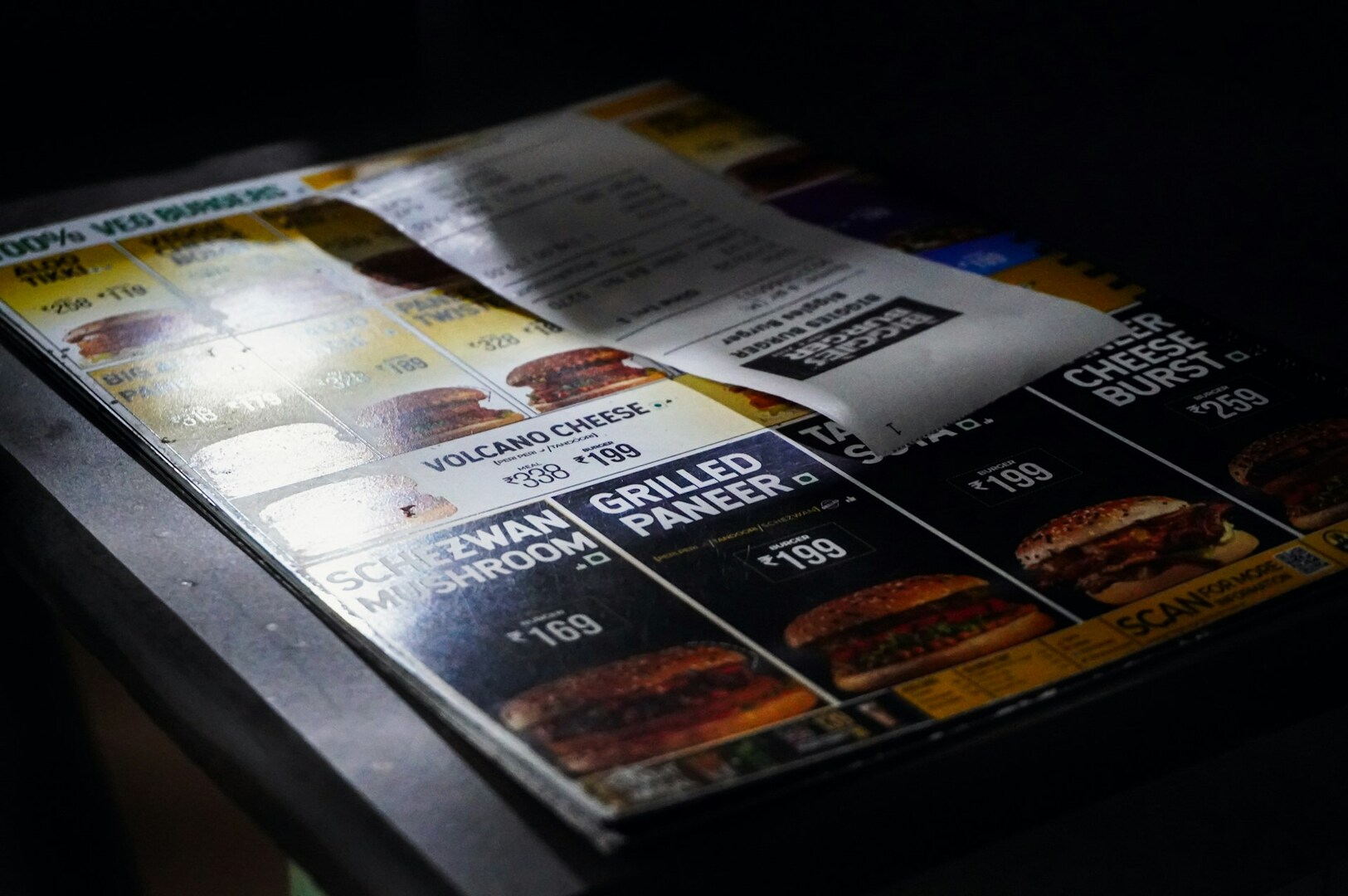
Different physical materials require unique technical approaches to look their absolute best. Restaurant menus have strict specifications and best practices regarding layout and image size. Wall signage and displays require massive large format considerations to remain sharp when viewed up close.
Table tents and promotional flyers represent small format requirements where punchy contrast is necessary. Magazines and editorial features will provide their own specific technical requirements that must be followed strictly. Your macro photography for menus must be adaptable to all these different physical mediums.
We see this variety across every Singapore F&B business venue type. A hawker stall might only need durable, laminated menu boards with bright, punchy colors. Meanwhile, a premium fine dining restaurant will require highly nuanced print-quality food images on thick, uncoated cotton paper. Understanding these applications helps you prepare the perfect files.
Working with Print Vendors
Building a strong relationship with your printer is a massive advantage for your business. You should always ask your printer specific questions about their required specifications before finalizing your files. Requesting physical test prints and proofs is the best way to avoid costly mistakes.
Understanding paper choices and their direct impact on food images helps you make better design decisions. There are many excellent Singapore print houses completely familiar with F&B materials. They can guide you toward the best materials for your specific restaurant environment.
Always factor in timeline considerations for your print projects. High quality print food photography requires proper proofing rounds, which take time. Rushing this process usually results in poor color accuracy or missed cropping errors.
Quality Control Checklist

Before sending any files to your printer, you must complete a thorough pre-flight checklist for your print-ready macro food images. This ensures everything prints exactly as you intended.
- Verify resolution: Ensure all images are exactly 300 DPI at their final printed size.
- Check color mode: Confirm all files are converted to the requested CMYK color profile.
- Confirm file format: Save final files in the printer’s preferred format (usually TIFF or high-quality PDF).
- Review layout zones: Double check all bleed, crop, and safe zones around your images.
Completing these final proofing steps before sending to print saves your business both time and money.
Conclusion
Technical precision ensures beautiful print reproduction every single time. We strongly encourage proper preparation and communication for all your physical print projects. Taking the time to manage your files correctly ensures your ingredients always look incredibly fresh on paper.
Preparing macro food photography for print requires technical expertise and strict attention to detail. Professional food photographers understand Singapore printing standards perfectly. They deliver print-ready images that maintain their impact and appetite appeal across menus, signage, and marketing materials, ensuring your F&B business looks its best in every format.