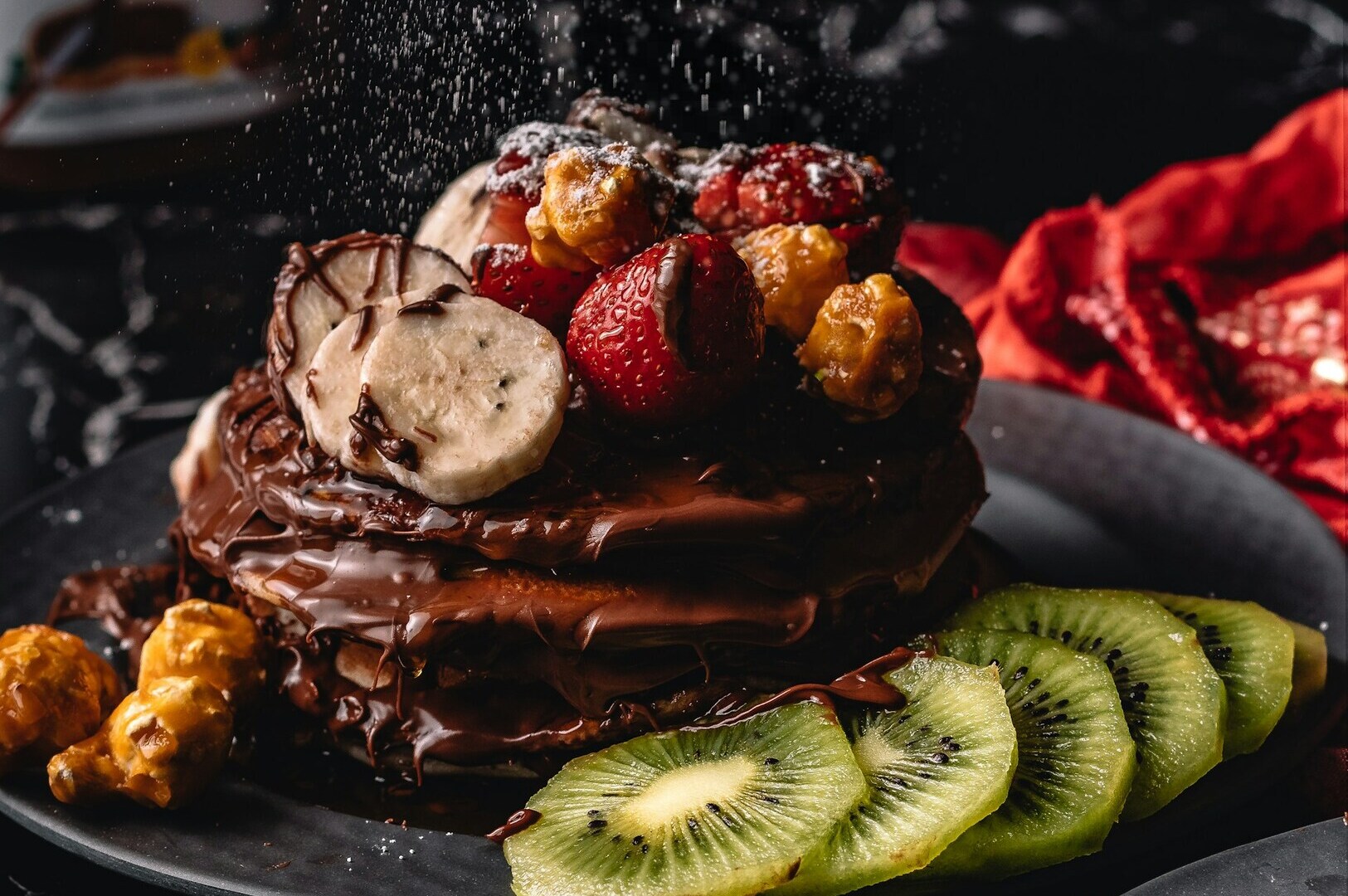
Have you ever noticed how the visual crunch of a crispy crust instantly makes your mouth water? That powerful physical reaction is exactly why texture matters so much in close-up food photography. Standard wide shots show the whole plate, but macro styling brings the viewer right into the dish. We are going to explore how macro photography styling reveals the hidden, appetizing details that drive real cravings.
You will learn practical techniques for moisture control, deliberate garnish placement, and texture emphasis. By highlighting food details correctly, your restaurant menu will practically sell itself. Excellent food texture photography relies entirely on capturing these microscopic elements perfectly.
Understanding Texture in Macro Food Photography
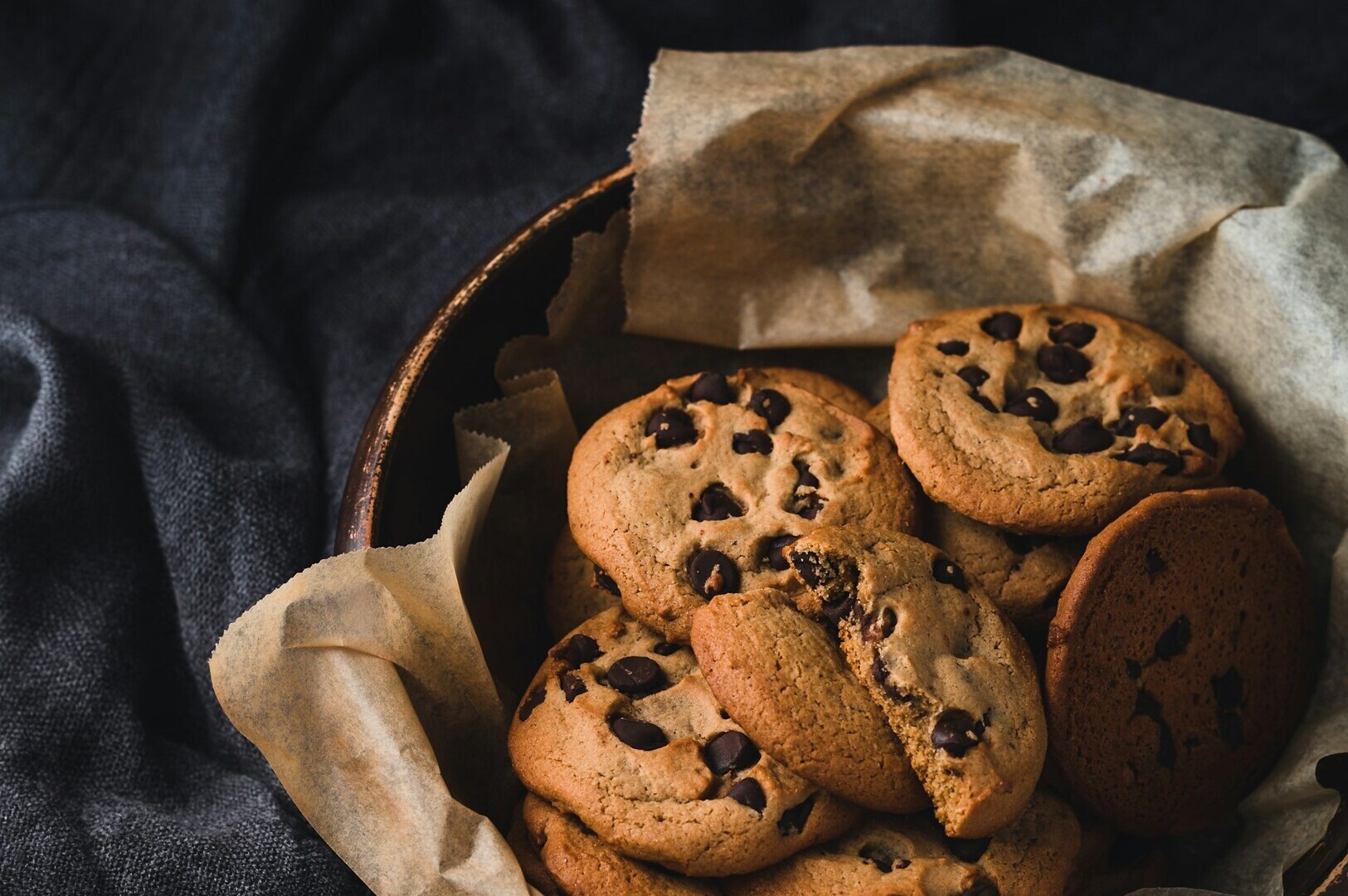
What makes texture so appealing at such a close range? When you use a macro lens, magnification reveals invisible details that the naked eye often misses. Every tiny crumb and glistening drop of oil becomes a major compositional element. Food texture photography requires a keen eye for these tiny imperfections that make food look real and appetizing.
We generally group these details into five texture categories: crispy, creamy, glossy, rough, and layered. Understanding these categories dictates how you prepare the dish for the camera. For example, the distinct, colorful tiers of traditional kueh lapis layers demand perfectly clean cuts to show their structure.
The flaky, shattered crust of crispy roti prata needs to look airy and light. Even the sticky, glistening surface of roasted char siew must reflect light beautifully to communicate its rich, caramelized flavor. Proper styling ensures each specific texture reads clearly through the lens.
Highlighting Moisture and Freshness
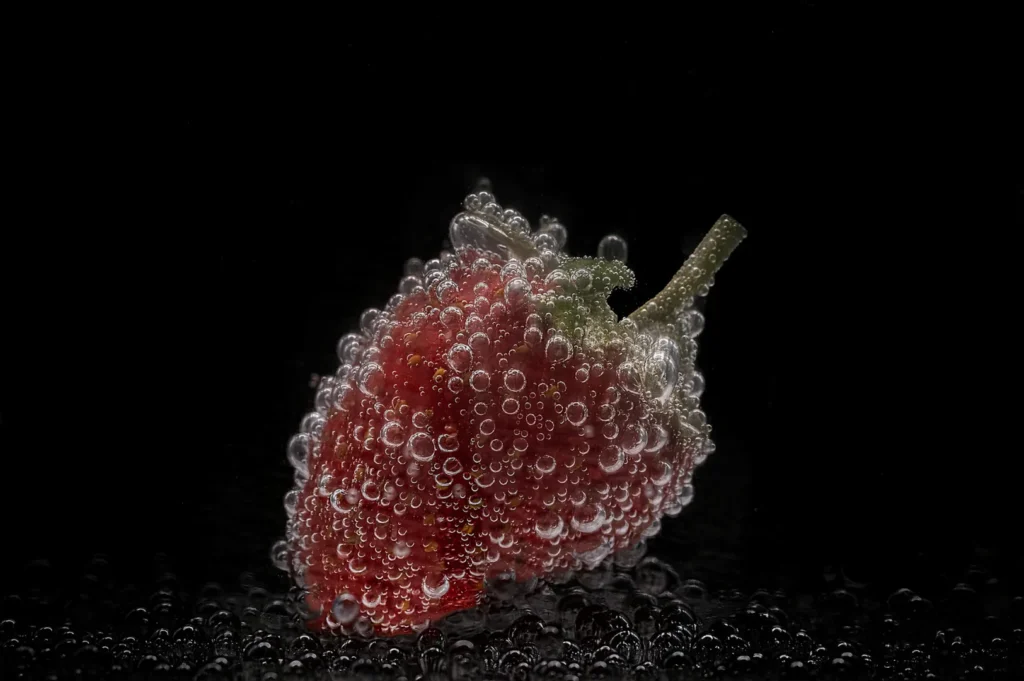
Nothing kills an appetite faster than dry, lifeless food. Highlighting moisture and freshness is arguably the most critical part of macro food presentation. You want to capture the exact moment a dish looks its absolute best. This means you must shoot immediately after plating before the food settles or dries out.
Professionals use specific techniques to maintain this fresh look during a shoot. A light mist of water mixed with glycerin creates beautiful, long-lasting condensation on cold beverage glasses. Similarly, brushing a tiny amount of cooking oil over meat ensures a glossy, appetizing shine that lasts under warm lights. You must balance appetizing moisture with excessive wetness to avoid making the food look overly greasy.
Think about capturing a piping hot bowl of laksa. You want to see the rich oil separating slightly from the coconut milk, with a hint of steam rising off the garnish. Or consider a signature restaurant cocktail where the frosty condensation on the glass instantly communicates a refreshing, ice-cold experience to the viewer.
Strategic Garnish Placement for Macro Shots
When your camera frame is only a few inches wide, garnishes take on a massive role. Strategic garnishes guide the eye perfectly through these tight compositions. However, you must carefully consider the scale of your garnish relative to your macro framing. A massive basil leaf might look fine from far away, but it will completely overpower a tight macro shot.
Creating depth with layered garnishes makes the image infinitely more interesting. You want to avoid common mistakes like overcrowding the frame or using distracting placements that hide the main ingredient. The goal of food styling for close-ups is always to enhance the hero ingredient rather than obscure it.
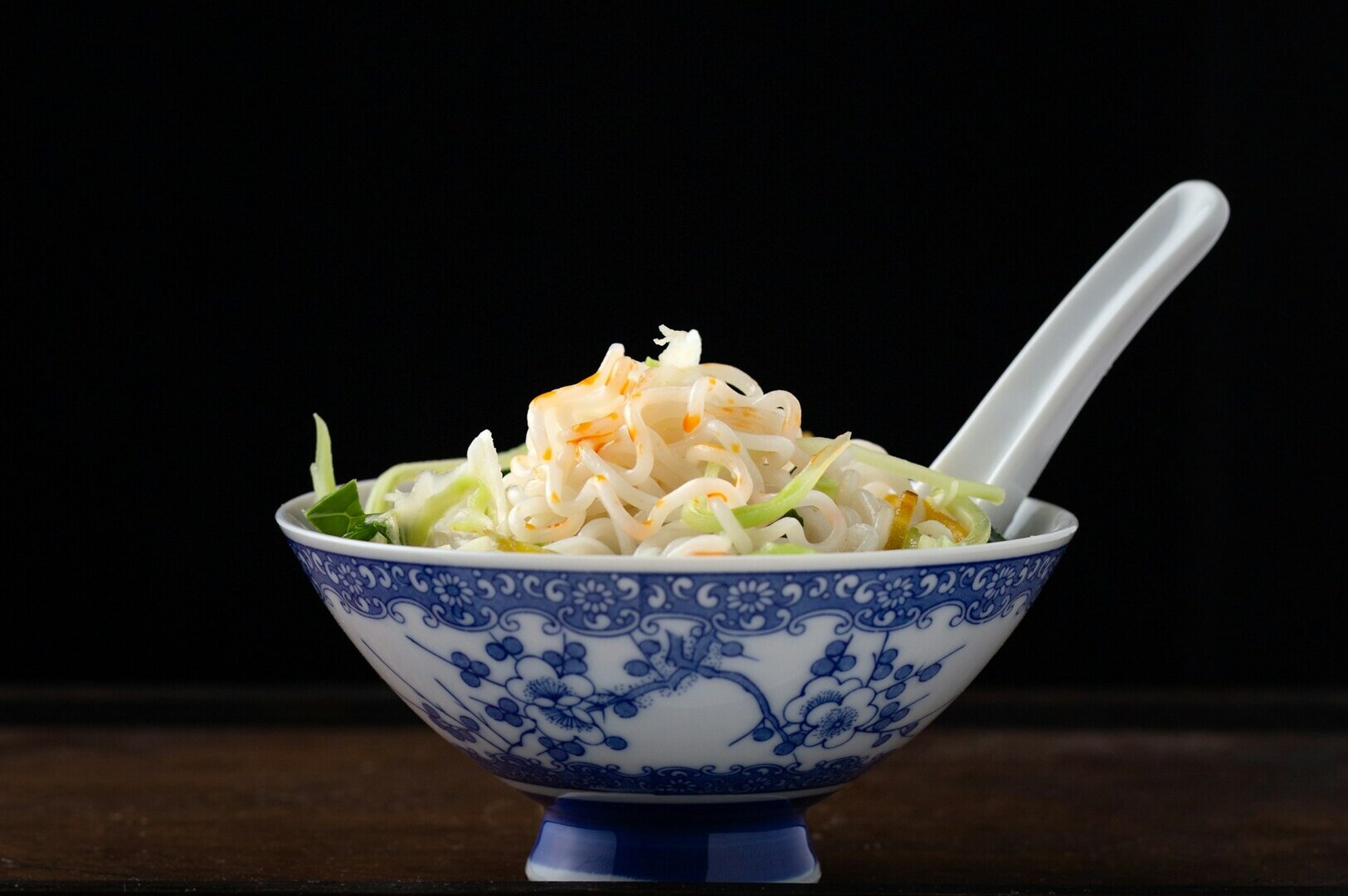
In Singapore applications, this requires precise tweezer work. Carefully placing a single, vibrant slice of chili padi adds a brilliant pop of red to a savory dish. A delicate curl of spring onion or a few perfectly spaced roasted sesame seeds can transform a plain bowl of noodles into a premium dining experience.
Emphasizing Contrasting Textures
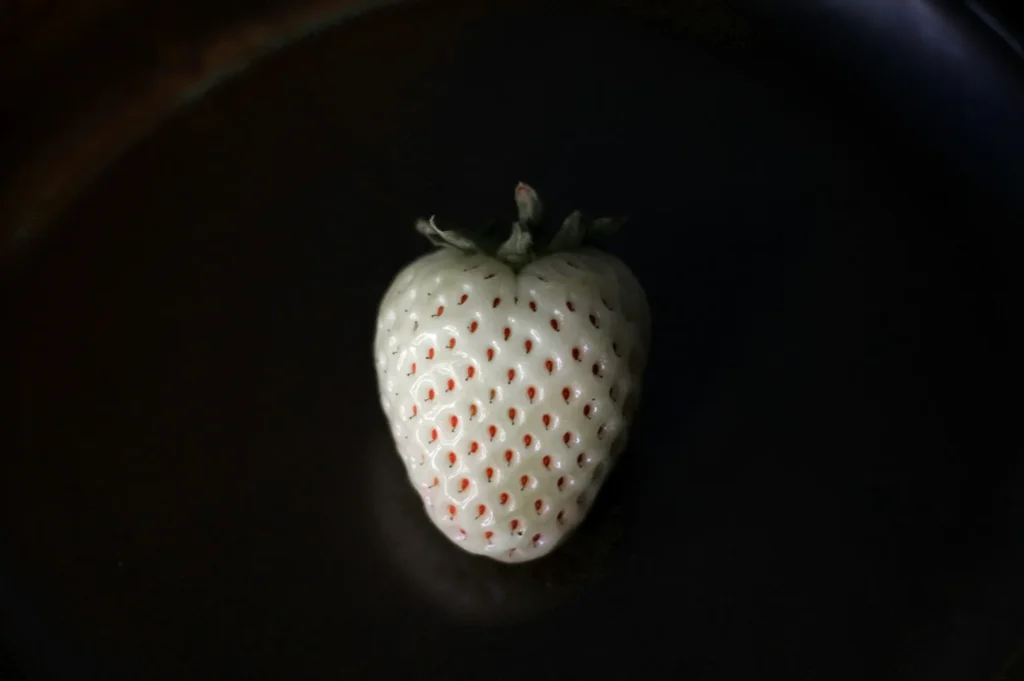
A dish becomes truly visually exciting when you pair smooth and rough elements together. Emphasizing contrasting textures is a core principle of effective macro photography styling. You can use clever lighting and physical positioning to enhance the differences between these elements. By positioning contrasting components adjacently, you force the viewer to notice the unique qualities of each.
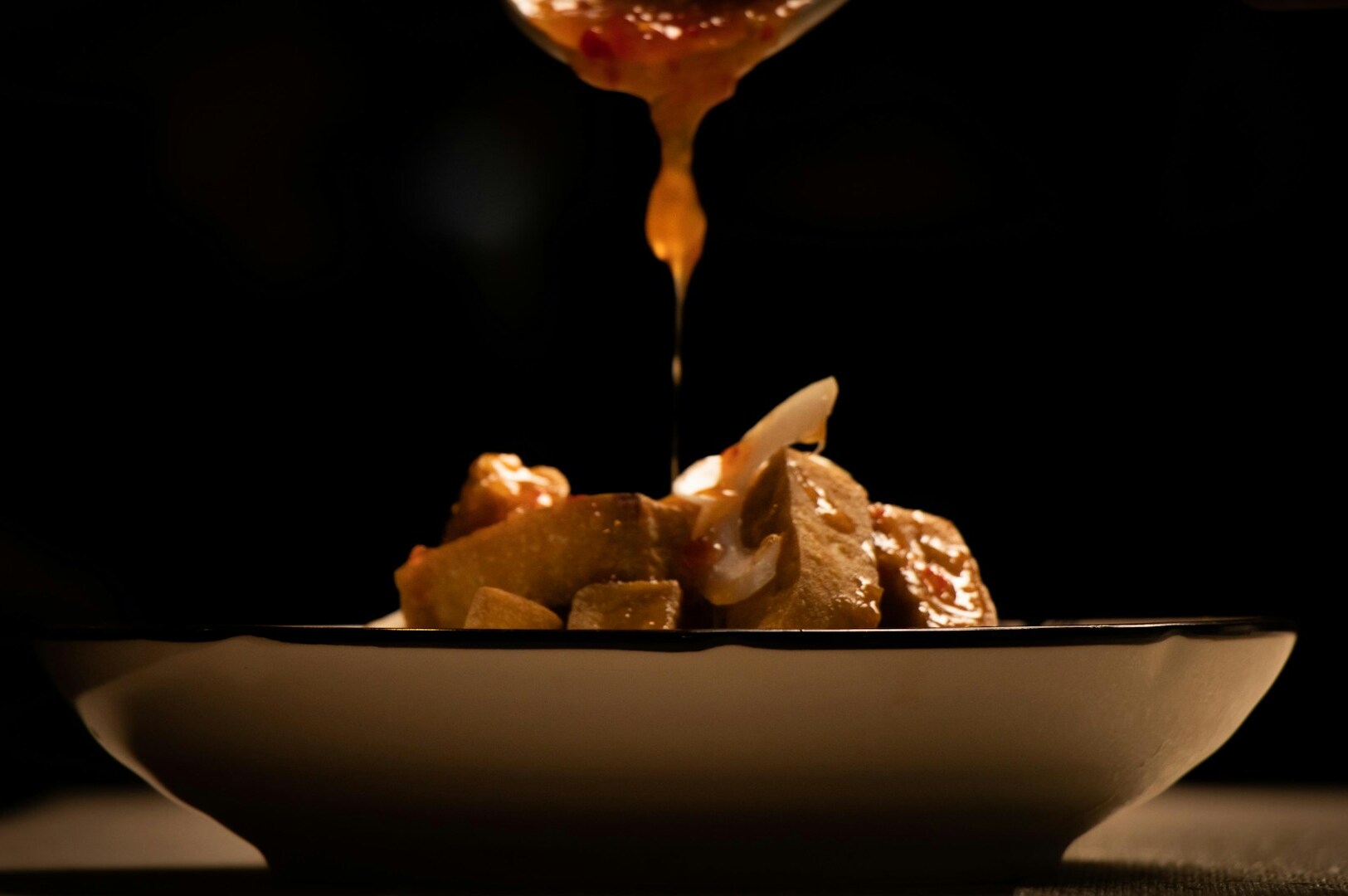
For instance, placing a piece of crispy chicken skin directly against a pool of smooth, glossy chili sauce highlights both textures brilliantly. Adding crunchy toasted nuts on top of creamy desserts creates a visual crunch that viewers can almost feel. Proper macro photography styling thrives on these deliberate, high-contrast pairings.
Our local cuisine offers endless opportunities for this technique. You can highlight the rough, charred marks of grilled satay against its smooth, oily peanut sauce. The buttery flakiness of a fresh curry puff looks incredible when styled next to a smooth ceramic plate. Even the towering mix of shaved ice, sweet syrups, and soft beans in ice kacang provides a masterclass in contrasting textures. If you need help executing this, our team at Food Photographer Studio specializes in balancing these complex elements.
Props and Surface Selection for Macro Styling
Because you are shooting so closely, backgrounds heavily affect texture perception in close-ups. Choosing complementary versus neutral surfaces is a major decision in your styling process. A highly textured rustic wooden table might look great in a wide shot, but it can easily distract from the food in a macro image.
You must consider the scale of your surface textures relative to your food details. You should rely on minimal props to avoid distraction and keep the focus entirely on the dish. A simple, matte ceramic plate often works best because it does not reflect unwanted light or compete with the food’s natural shine.
There are many budget-friendly options for Singapore F&B businesses looking to improve their setups. Simple vinyl backdrops or plain, dark tiles from local hardware stores make excellent, non-distracting surfaces for macro food presentation. The goal is simply to provide a clean canvas that lets your culinary textures shine.
Lighting Techniques for Texture Enhancement
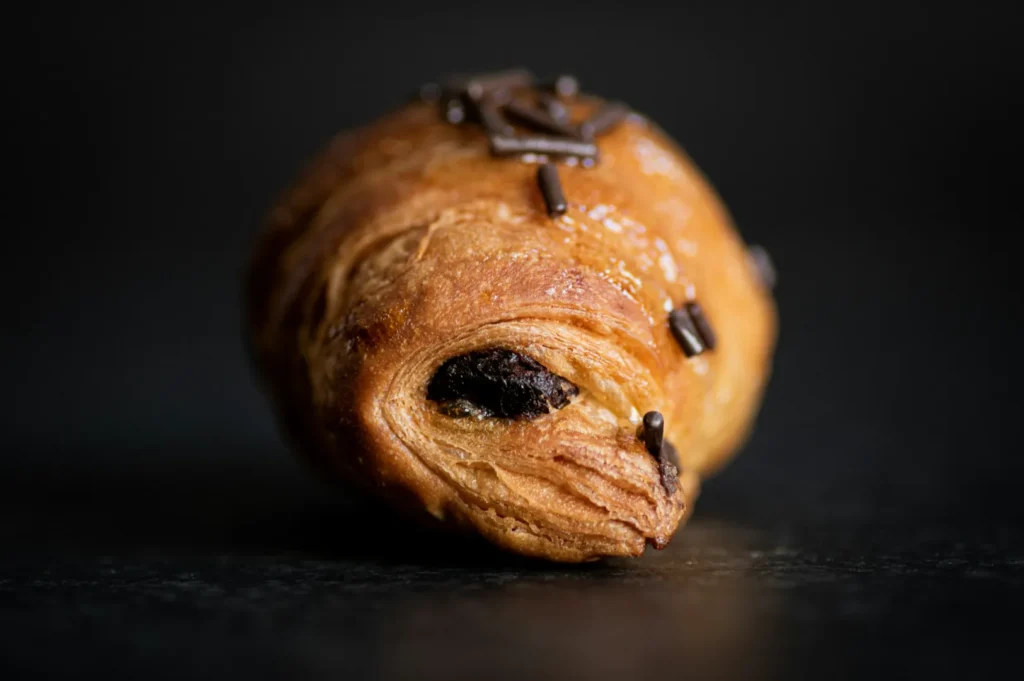
Styling and lighting are deeply connected in food texture photography. Side lighting is the absolute best approach for maximum texture definition. When light rakes across the food from the side, it creates tiny micro-shadows that highlight every single bump, crumb, and curve.
Backlighting is equally important for translucent elements and capturing rising steam. When light shines through a slice of citrus or a clear broth, it creates a glowing, appetizing effect. You must always avoid flat, direct front lighting that completely diminishes texture and makes the dish look one-dimensional.
Managing harsh shadows while preserving detail is a constant balancing act. In Singapore, we face the unique challenges of intense tropical brightness and dim indoor restaurant conditions. Using a simple white bounce card helps soften deep shadows without losing the essential texture of the dish.
Common Macro Styling Mistakes and Solutions
Even experienced chefs run into trouble when preparing food for the camera. Here are the most common macro photography styling issues and how to fix them:
- Problem: Overcomplicated compositions that confuse the eye.
- Solution: Remove unnecessary elements. Focus strictly on one primary texture and one supporting garnish.
- Problem: Textures competing for attention in the same focal plane.
- Solution: Use depth of field to blur secondary textures, keeping only the hero ingredient perfectly sharp.
- Problem: Dry, unappealing food surfaces that look stale.
- Solution: Keep a small spray bottle of water or a brush with cooking oil nearby. Apply a light shine right before clicking the shutter.
- Problem: Inconsistent styling across different menu shots.
- Solution: Create a standard styling guide for your restaurant to ensure every dish maintains the same visual standard.
Conlucsion
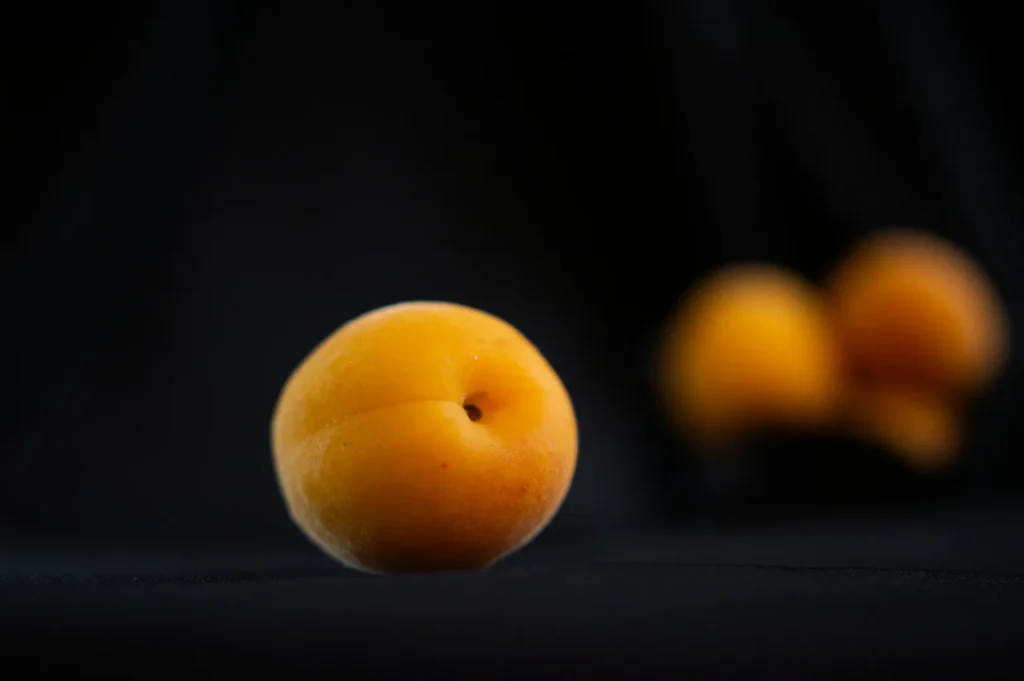
Expert texture styling is the foundational key to creating appetite-driving macro shots. It transforms a simple photograph into a sensory experience that makes your customers genuinely hungry. We highly encourage you to practice these techniques with different dish types to see what works best for your menu.
Creating irresistible food textures in macro photography requires both styling expertise and technical skill. Professional food photographers understand exactly how to style every dish element for maximum appetite appeal, ensuring your Singapore F&B business gets images that make customers crave your cuisine.