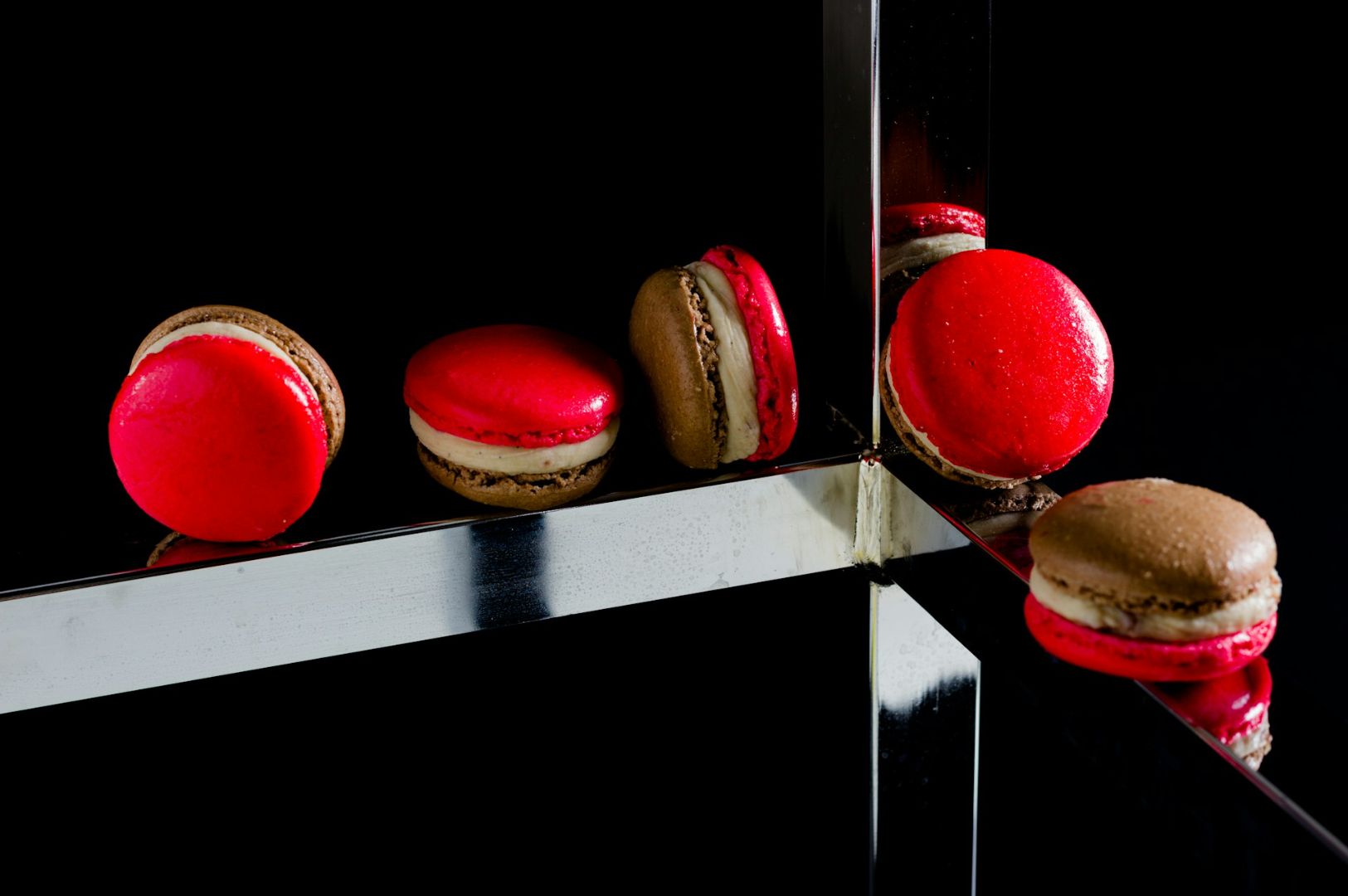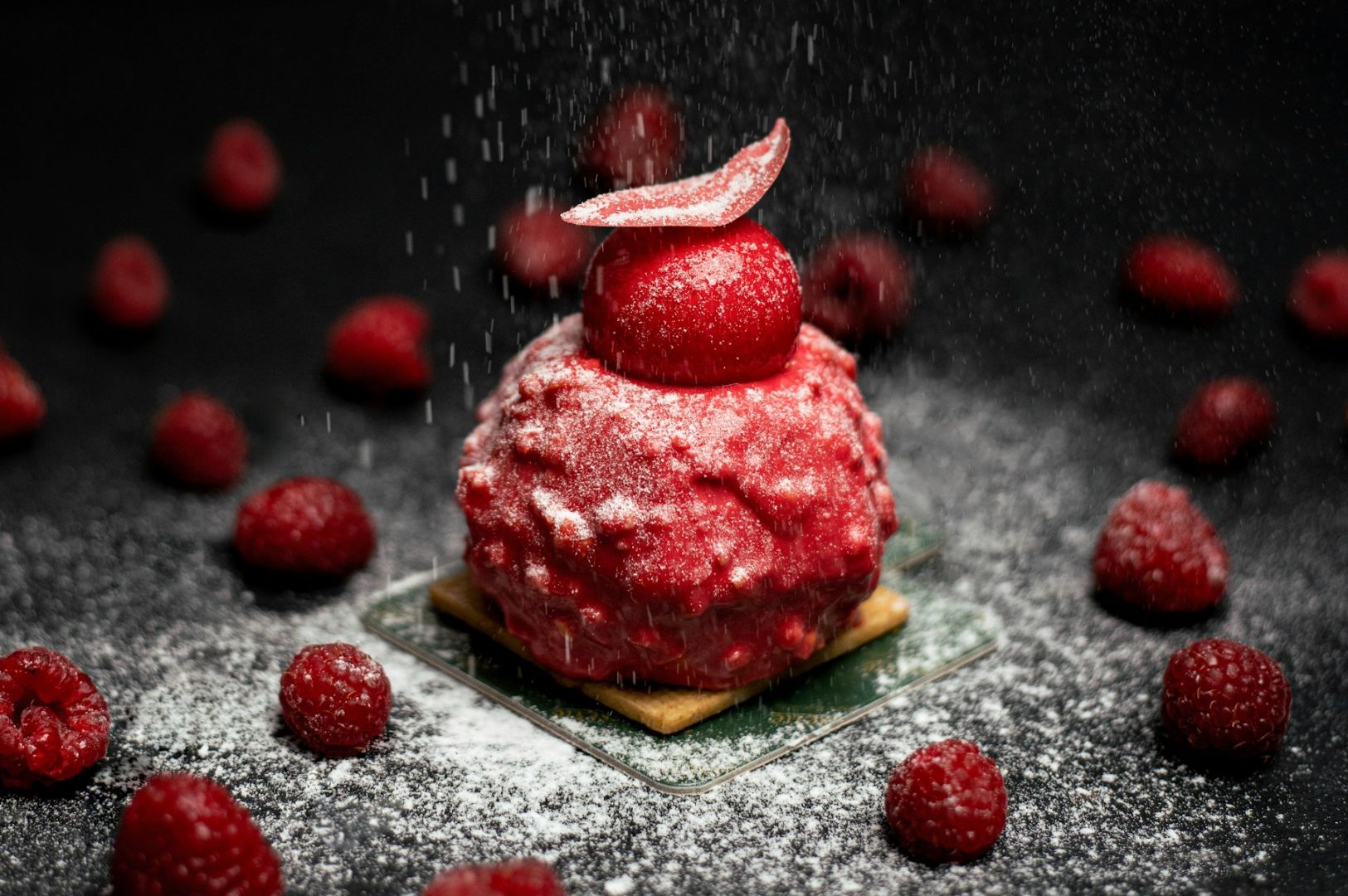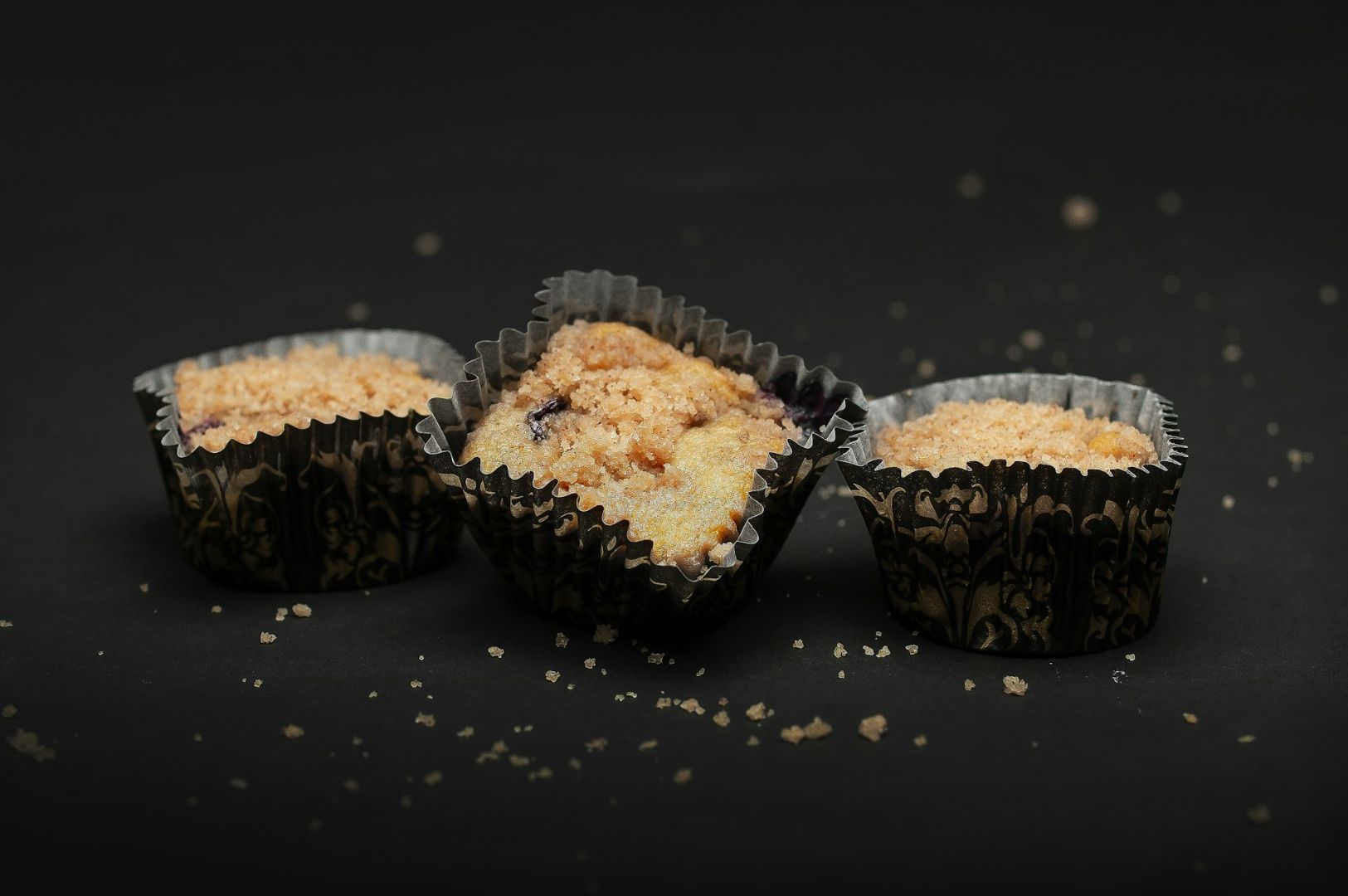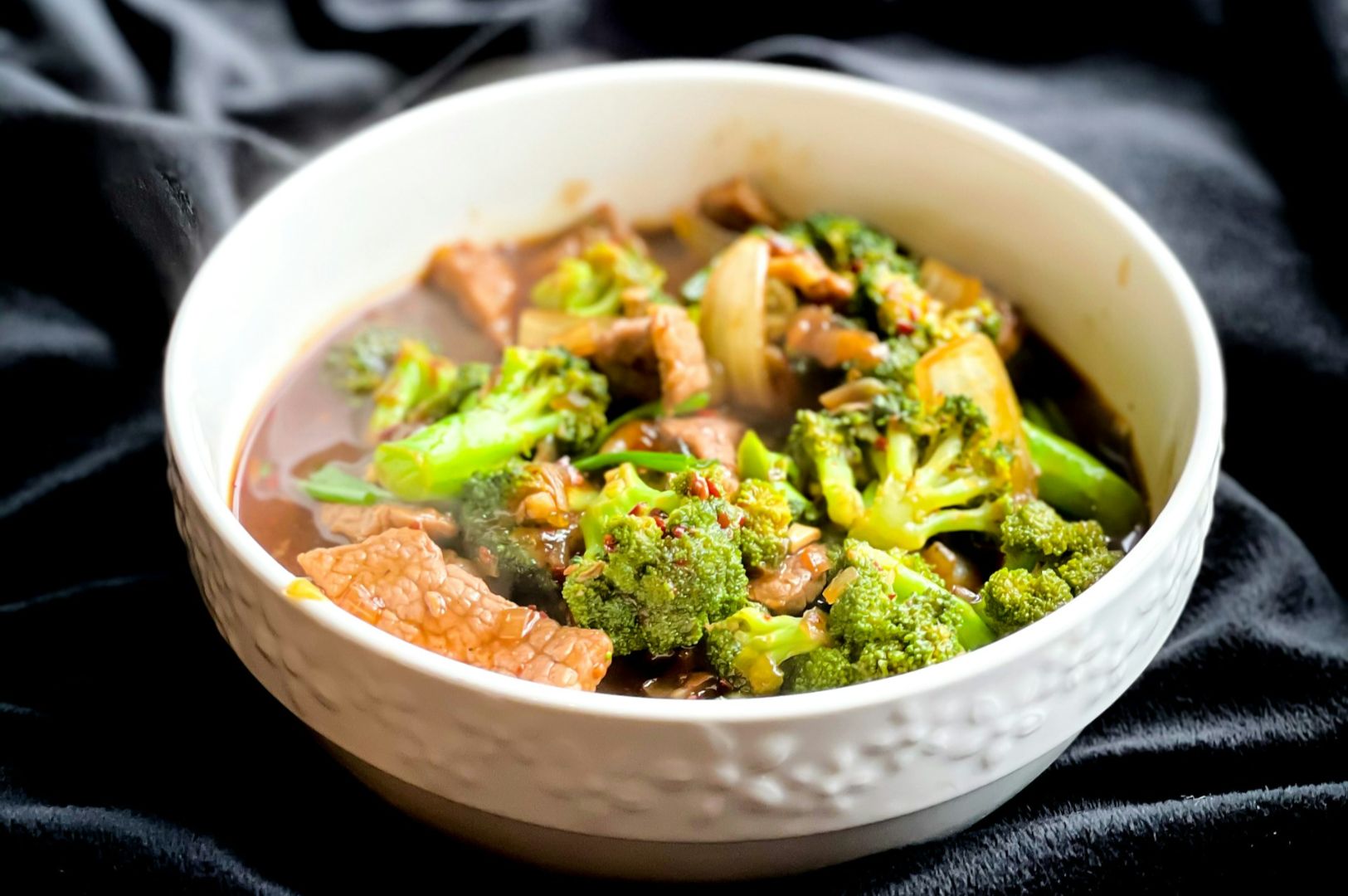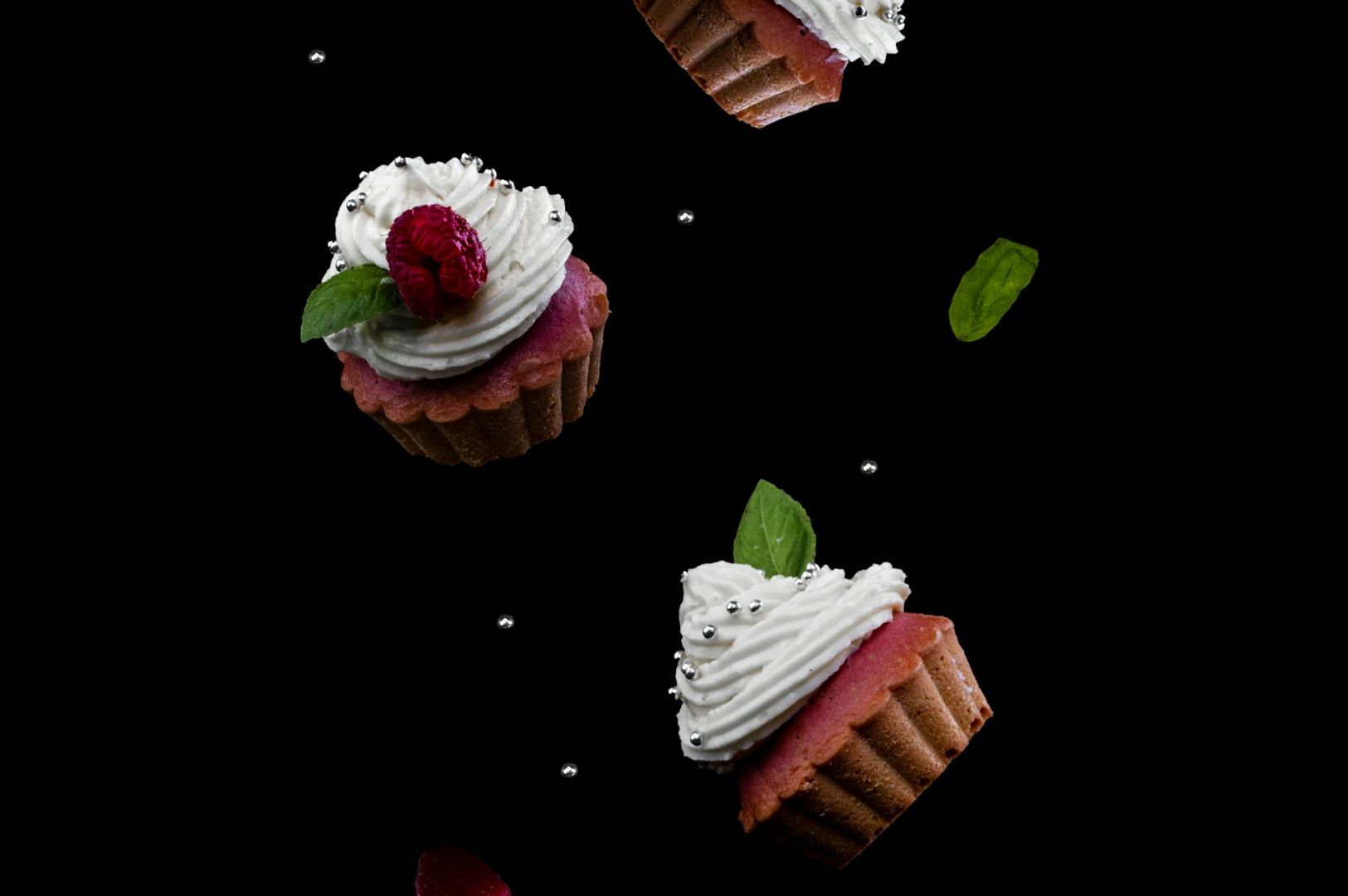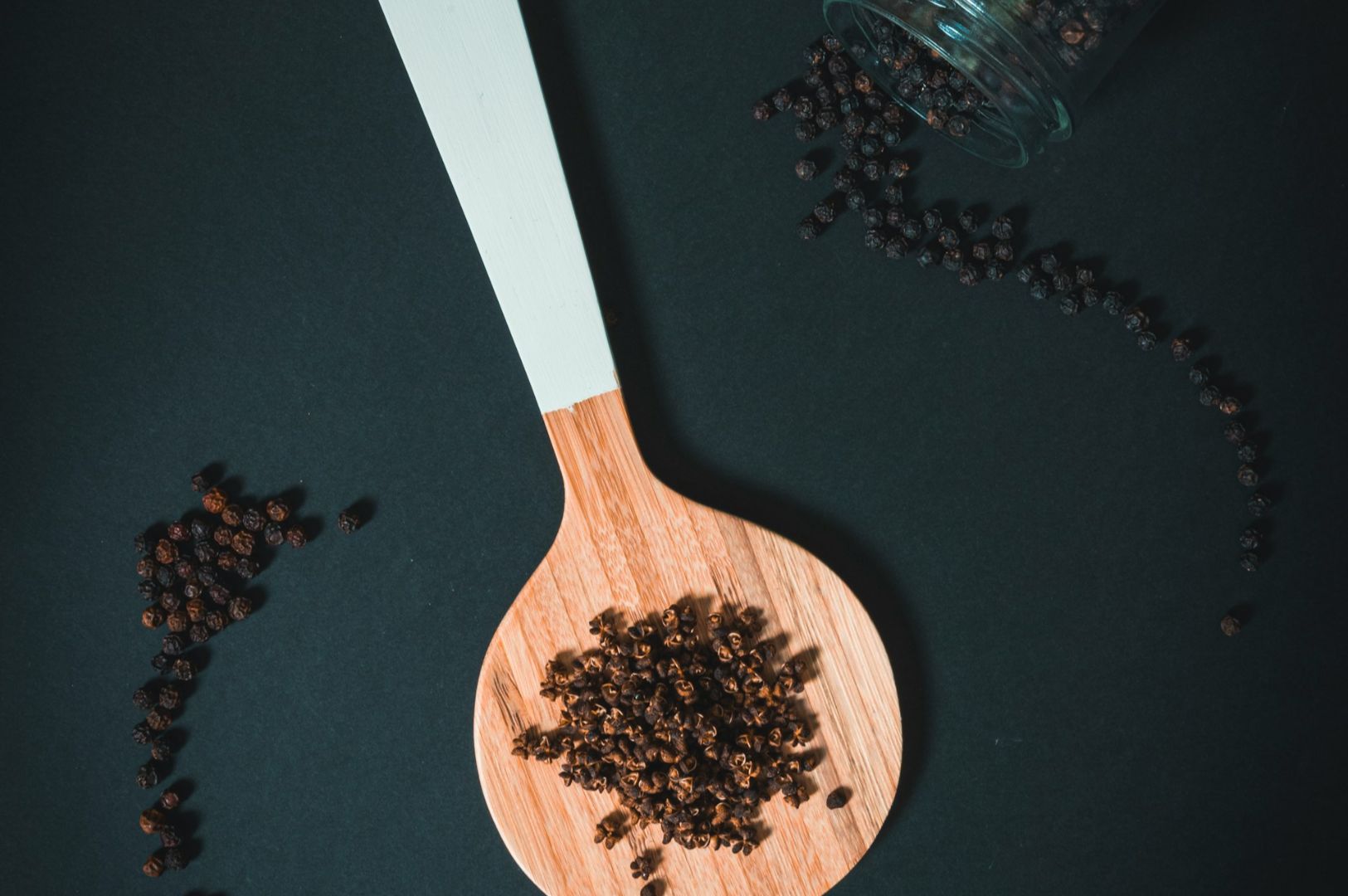
Different dishes require different camera shots based on their height, texture, and cultural context. A dramatic low angle that suits a burger may not work for a flat lay of dim sum.
Understanding types of camera angles is key for effective visual storytelling and choosing the right camera setup can dramatically change how appetising a dish appears, This guide helps Singapore’s F&B businesses master menu photography with cuisine-specific camera angle recommendations, emphasizing the importance of capturing body language in scenes featuring one character or multiple subjects using various camera angles.
Essential Camera Angles and Shots
Before diving into specific dishes, it’s important to understand the fundamental camera angles and shots that form a photographer’s toolkit. Each film shot serves a unique storytelling purpose. A single shot focuses on one subject, while camera moves like tracking, panning, and arc shots add dynamic visuals.
Fun fact: Filmmakers use the 180-degree rule to maintain spatial continuity. Practicing different techniques builds suspense and tone.
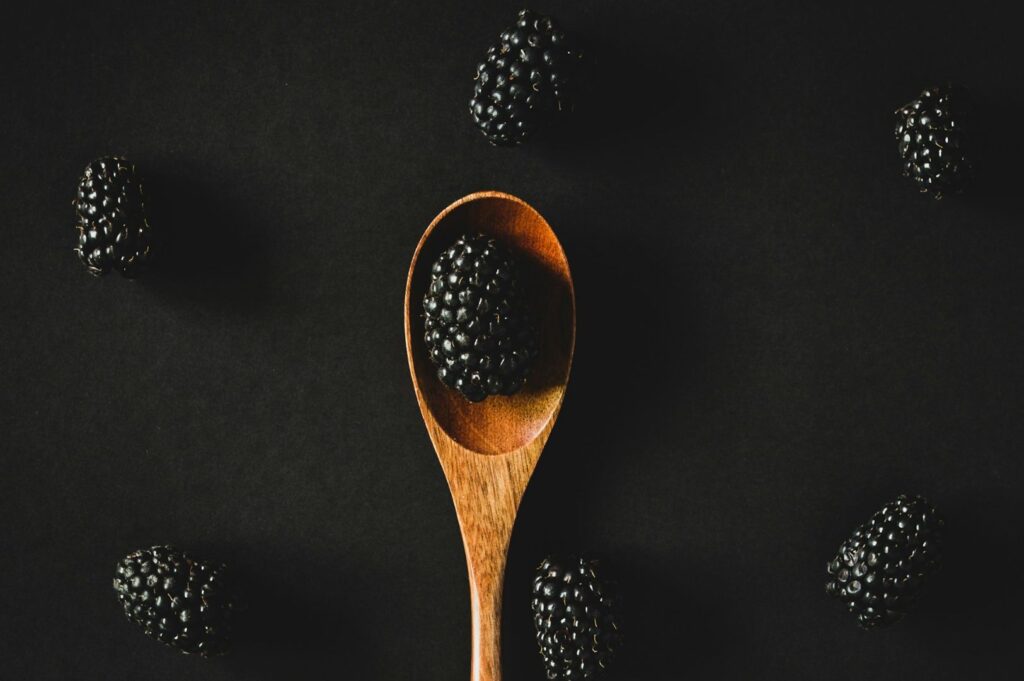
Overhead Shot / Aerial Shot (90°):
Also known as a bird’s eye view, this shot is taken directly from above. It’s perfect for showcasing the graphic composition of a dish, making it a go-to for flat lays, pizza, or beautifully arranged bento boxes.
Three-Quarter Angle (45°):
This is the versatile workhorse camera shot angle. It mimics how we naturally view food when seated at a table, showing both the surface and the height of the dish. This angle adds depth and dimension.
Eye-Level Shot / Straight-On (0°):
This shoulder level shot creates an intimate, personal connection with the food. It’s ideal for tall items like burgers, sandwiches, and stacked pancakes, where showing the layers is key.
Low Angle Shot (15-30°):
Shooting from below eye level adds drama and makes the subject feel larger than life. This includes knee level shot and hip level shot variations, perfect for creating “hero” shots of towering desserts or premium cocktails. It conveys a sense of power and importance.
High Angle Shot (60-75°):
A high angle is excellent for showing context. It can capture a single dish while hinting at the table setting around it. It’s a great establishing shot for a scene with multiple dishes.
Dutch Angle / Dutch Tilt Shot:
This involves tilting the camera to create a sense of energy and dynamism. While it should be used sparingly, a subtle dutch tilt shot can add a creative flair to social media content.
Ground Level Shot:
An extreme low angle shot that can make even a simple dish look monumental. It’s a powerful tool for dramatic and artistic food photography.
These basic camera shots form the foundation. A photographer will often combine a wide shot for context, a medium shot to isolate the dish, and a close up shot to highlight texture: all from different angles.
Camera Angles for Hawker & Kopitiam Dishes
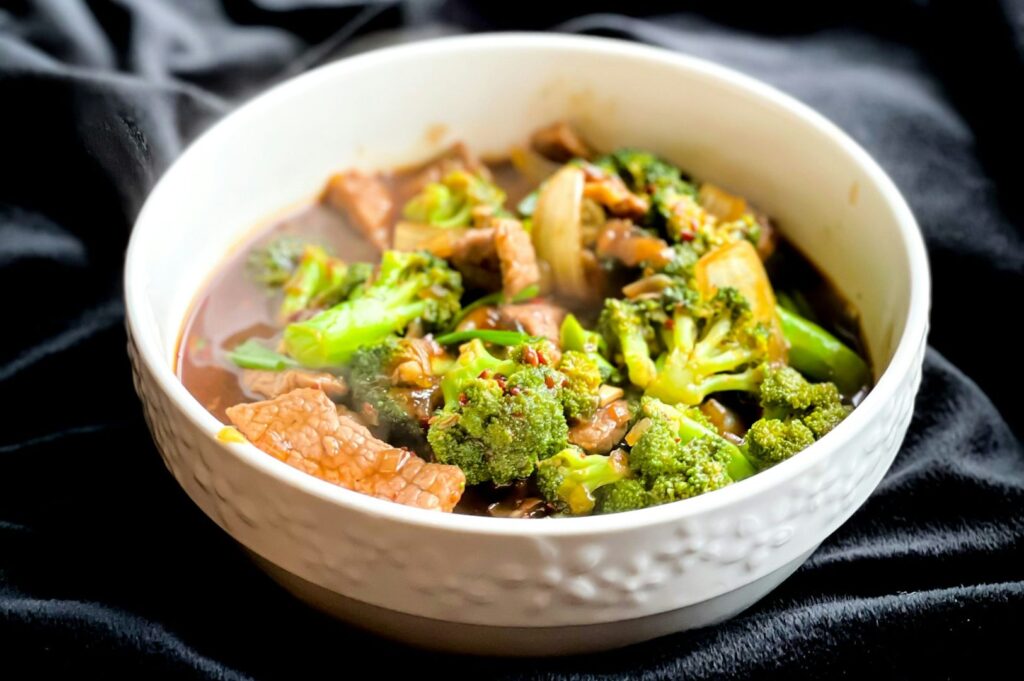
Hawker food is all about authenticity, texture, and generous portions. The chosen camera angles should reflect this.
Chicken Rice: The overhead shot is king here. It allows you to create a balanced composition showing the perfectly sliced chicken, fragrant rice, chili, and cucumber garnishes. A bird’s eye view ensures every element is in sharp focus.
Laksa & Noodle Soups: The 45-degree angle is non-negotiable. It’s the only way to show the rich, deep broth while also capturing the texture of the noodles, tau pok, and fresh prawns piled on top. A medium close up shot from this angle draws the viewer in.
Char Kway Teow: A slight low angle shot works wonders. It helps capture the glistening texture and the “wok hei” feel. A dramatic ground level shot can even make the dish look heroic, emphasizing its smoky, savory quality.
Roti Prata: Use an eye level camera angle combined with an action shot, like pulling the prata apart to showcase its flaky layers. This shot captures texture in a way no other angle can.
Carrot Cake (Chai Tow Kway): A high angle shot is effective for showing the charred, crispy bits of the “black” version or the golden egg of the “white” version.
Use a shot list combining wide shot of the stall and close up shot of food for engaging narratives. Full shot or long shot captures the dining scene; two shot or three shot shows multiple people; over the shoulder shot adds intimacy.
Camera Angles for Café & Brunch
Café food is often about aesthetics, freshness, and creating an “Instagrammable” moment. The types of camera angles here are chosen for their graphic appeal.
Avocado Toast & Açai Bowls: The overhead shot is the undisputed champion. This aerial shot perspective allows for perfect symmetry and highlights the colorful, carefully arranged toppings. It’s designed for social media sharing.
Burgers: Always use an eye level shot. This shoulder shot perspective makes the burger look majestic and allows you to showcase every single layer—the juicy patty, melted cheese, fresh lettuce, and soft bun.
Coffee & Latte Art: A bird’s eye view is essential to capture the delicate latte art. For context, a 45-degree angle that shows the cup alongside a croissant or book creates a lifestyle scene.
Pancake Stacks: A low angle shot is perfect for emphasizing the height of the stack. Capturing a syrup drip from a knee level shot adds a dynamic, mouth-watering element.
Breakfast Boards: A high angle shot works as an establishing shot, showing the entire spread of cheeses, fruits, and pastries. It communicates abundance and variety.
For social media, combining common camera shots like a medium shot of the whole table with an extreme close up shot of a specific detail creates a rich visual story. Brands like Common Man Coffee Roasters effectively use a multi-angle content strategy to keep their feed engaging.
Camera Angles for Fine Dining & Premium F&B
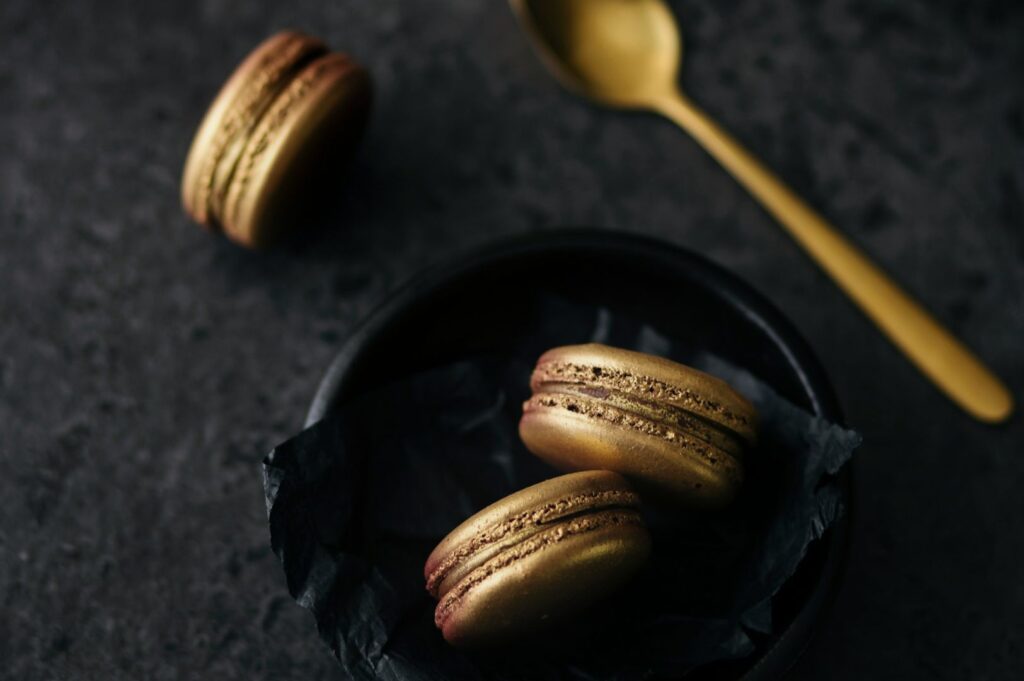
In fine dining, the plating is an art form. Camera angles and shots must respect the chef’s meticulous composition and vision.
Plated Dishes: The 45-degree camera shot angle is often ideal. It allows for a deep focus shot that keeps the entire intricate creation sharp, respecting the chef’s plating intent.
Tasting Menus: A variety of camera angles and shot frames is needed to create visual interest across a multi-course meal. A shot list might include a wide shot of the table, medium long shots of each course, and extreme close up shots of unique ingredients.
Cocktails: A low angle shot can make a cocktail look elegant and powerful. A high angle shot can highlight detailed garnishes. The choice of different camera shots depends on the story you want to tell.
Desserts: An overhead shot is perfect for geometrically plated desserts, while an eye level shot is better for showing the layers of a cake.
Use cinematic camera shots with shallow focus shot or deep focus to isolate dishes or show context. Employ dolly shot and tracking shot for smooth, dynamic visuals. Techniques like split diopter shot and tilt shift shot enhance artistic impact. Controlling camera focus directs viewer attention and storytelling.
Technical Execution
Choosing the right angle is half the battle; executing it well is the other half.
Equipment: Tripods and dollies enable static shots and stable aerial shots.
Focal Length: Wide lenses suit high angles; macro lenses capture extreme close up shots.
Lighting: Adjust with angle; soft light for overhead, side light for eye-level.
Composition: Use rule of thirds, leading lines, and negative space within the camera frame.
Camera Movements: Incorporate arc shot, pan shot, and zoom shot to add motion.
Even with a smartphone, you can experiment with different angle shots. The key is to move around the dish and observe how the light and composition change from different camera points.
Conclusion
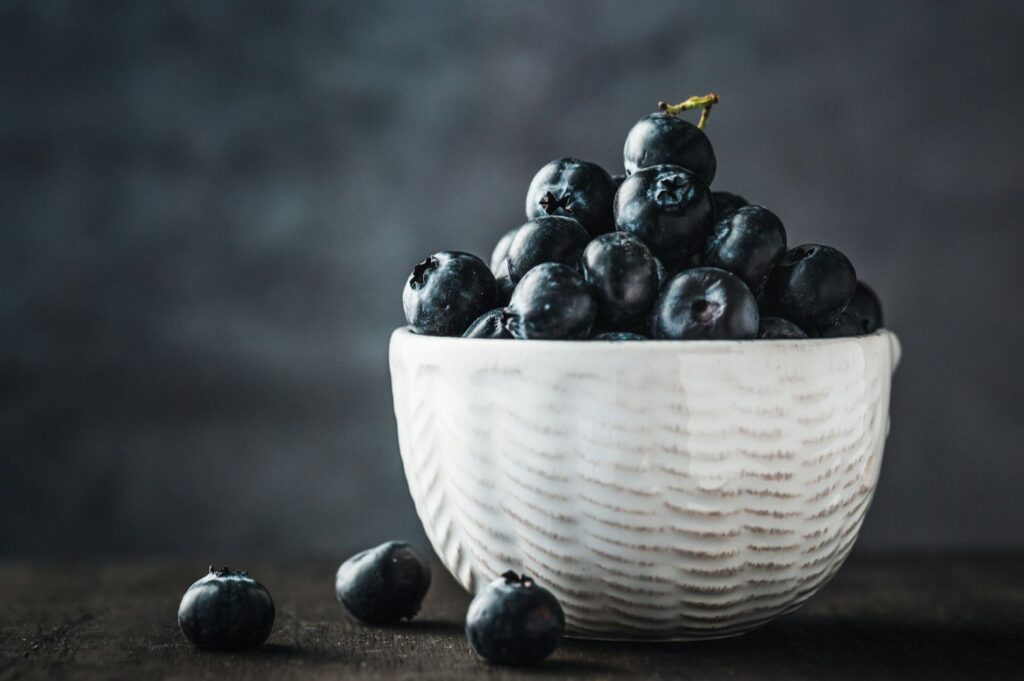
Mastering types of camera shots in food photography means seeing dishes from multiple perspectives and choosing angles that tell their story. Matching angle shots to dish type, brand identity, and culture enriches visual content.
Use POV shots (point of view shots) and view shots to immerse audiences. Over-the-shoulder shots add emotional connection. In 2026, camera angles remain vital for shaping psychological and emotional responses in visual storytelling.
Professional food photography blends technical skill in camera shot angle choices with creative vision. Understanding camera position, lighting, and camera movement creates compelling narratives.
Ready to master camera angles for your menu? Visit https://foodphotographerstudio.com.sg/ for expert consultation and elevate your brand with cinematic camera shots.